


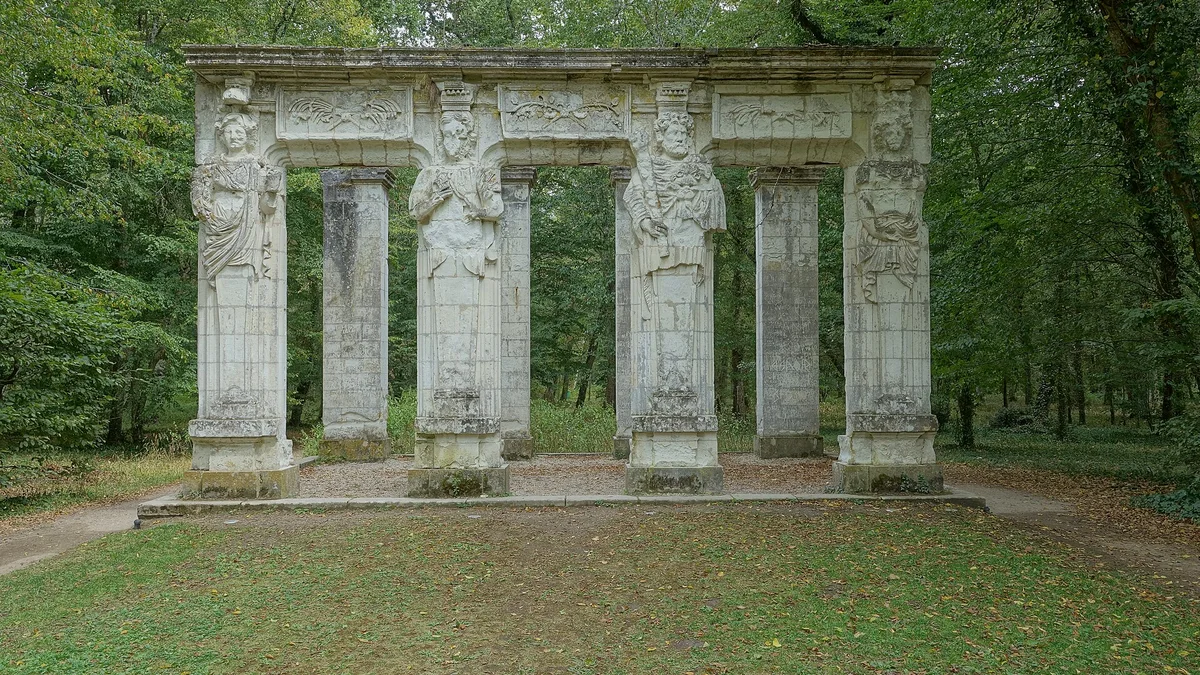
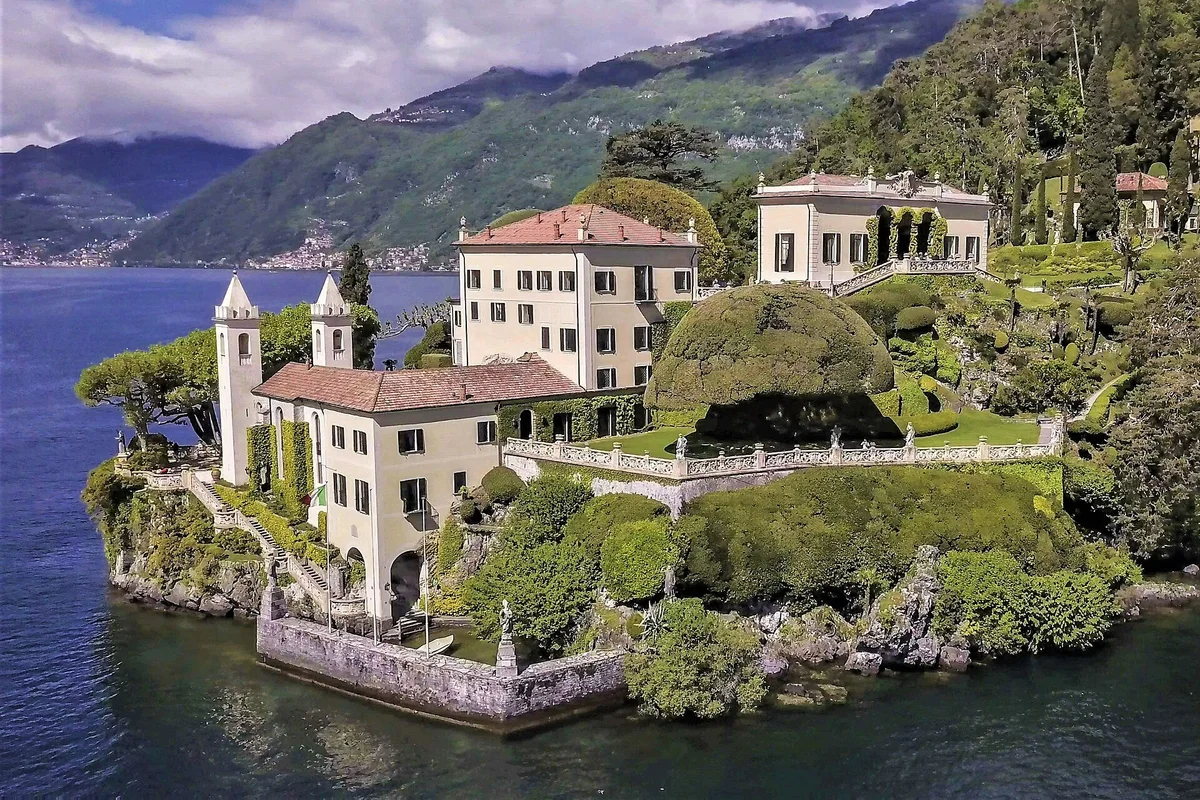
historic estate rental is a strange product. The house is often the most photographed, the least available, and the hardest to price of anything in luxury travel. A French château in the Loire Valley, an Italian palazzo above Lake Como, an English manor at the end of a mile-long drive — these places carry centuries of stone, restoration bills, and stories, and the owner still has to convince a couple planning a wedding or a family booking a summer that this is where their money should go. The marketing that works isn't louder or glossier than a good villa listing. It's built on a different foundation entirely: provenance, scale, and the promise that you get to live inside history for a week.
I've spent years helping hosts market high-end properties, and the storied ones follow a playbook that any owner can study — even if your "history" is a single restored 1920s house rather than a Renaissance landmark. This is a look at how genuine châteaux, palazzos, and manor houses position themselves, and which of those moves translate to the rest of us.
Lead with the story, not the square footage
The first thing a great heritage listing does is refuse to open with a bedroom count. It opens with a story. Who built the house, and why. What the walls have seen. Which garden was laid out by hand three hundred years ago and is still clipped the same way. A château rental doesn't lead with "sleeps 18" — it leads with the fact that the family has held the land for generations, or that the estate sat on a particular river for a reason, or that a specific room was decorated in a specific period and never touched since.
This is provenance, and in the historic-property market it's the single most valuable asset the marketing has. It's also the one thing a newer property can never manufacture, which is exactly why buyers pay for it. A well-documented past does three things at once: it justifies the price, it makes the stay feel rare, and it gives guests a story they'll retell for years. Nobody comes home and describes the thread count. They describe the room where they slept and who slept there before them.
The discipline here is honesty. In heritage marketing, an invented detail is worse than no detail — guests who book a real château arrive knowing something about it, and a fabricated anecdote gets caught fast. The strongest listings state only what's documented and let the true facts carry the weight. If the founding date is uncertain, they say "a house that has stood since the eighteenth century" rather than inventing a year. Restraint reads as authority.
Photograph the scale and the grounds, not just the rooms
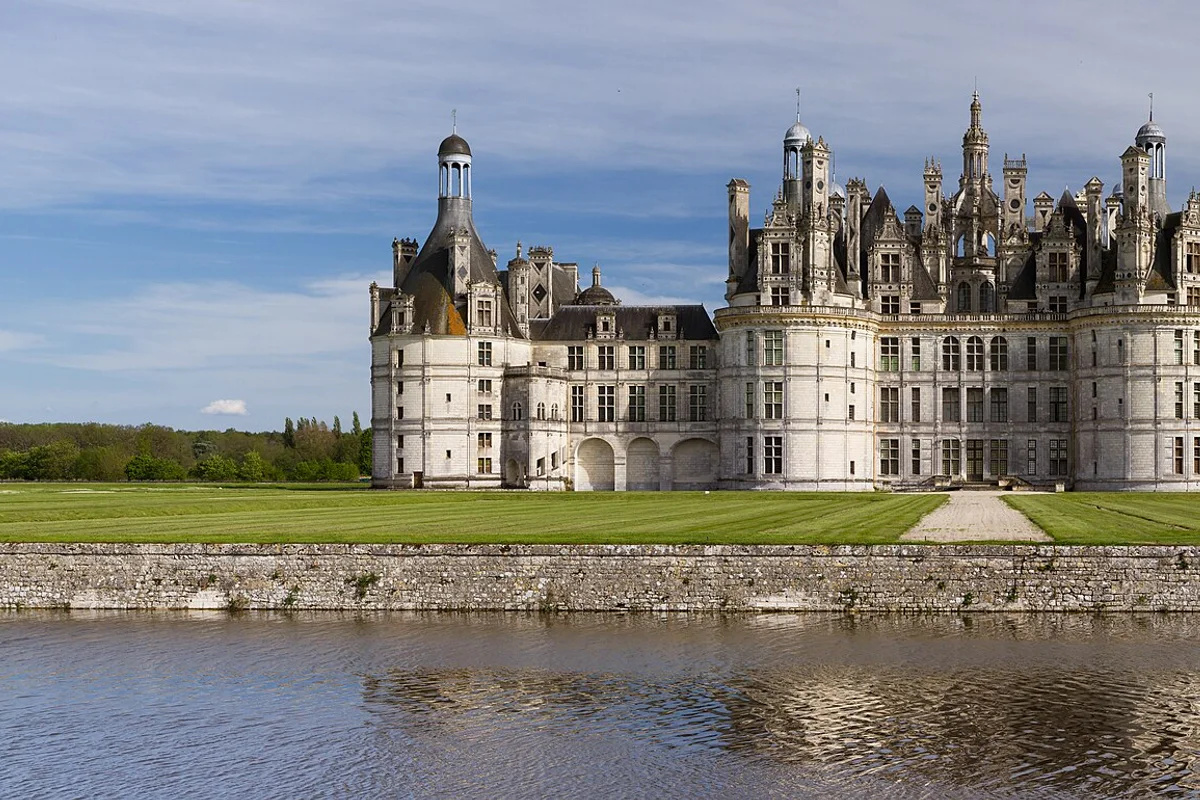
A modern villa is photographed to look effortless — clean lines, a still pool, one perfect chair. A historic estate has to be photographed to look vast. The whole appeal is that this is bigger than a normal life, and the images have to prove it. That means the establishing shot is almost always the exterior at a distance: the full façade, the approach up the drive, the roofline against the sky, the grounds rolling away. Scale is the product, so scale leads.
Then the photography works inward. The great hall with its ceiling height. The stone staircase. The library. The morning light through leaded glass. The grounds get their own set — the formal garden from above, the orangery, the tree-lined allée, the view back toward the house from the far end of the lawn. A drone or an elevated angle earns its keep here in a way it rarely does for a small property, because it's the only way to show a guest what they're actually buying: a domain, not a room.
This is where a lot of storied properties leave money on the table. The house is extraordinary and the photos are ordinary — snapshots that could be any large rental. If you own a genuinely historic or architecturally significant property, professional real-estate and architectural photography isn't a nice-to-have; it's the entire case for your price. The image is the provenance made visible.
Nobody comes home and describes the thread count. They describe the room where they slept — and who slept there before them.On what heritage rentals actually sell
Sell living history, not a house tour
The properties that command the highest rates don't rent a building. They rent a way of spending a few days that you can't buy anywhere else. This is the "living history" experience, and it's the part newer owners most often miss. A château stay is framed as waking up to mist over the moat, coffee brought to a terrace that's overlooked the same valley for centuries, dinner in a room hung with portraits, a walk through gardens that were designed to be walked through exactly this way. The house isn't a backdrop. It's the itinerary.
Good heritage listings write this out plainly. They tell you what a morning feels like, what the staff will and won't do, where you'll take breakfast, which rooms are yours and which are simply there to be admired. They don't oversell it — the plainspoken version is more convincing than the poetic one — but they make the intangible concrete. A guest paying heritage prices wants to know what the days will actually contain, not just what the walls look like.
For an owner of a less-storied but characterful property, this is the most portable lesson on the page. You may not have three hundred years of history, but you can still sell the experience of your place rather than its inventory. A 1920s estate can lead with the ritual of a evening on its original veranda, the provenance of its architect or its era, the feeling of a house built when houses were built to last. Frame the stay, not the floor plan.
Weddings and events are the real revenue
Here's the commercial truth behind most historic estate rentals: the nightly luxury-villa business is often the smaller half. The money that keeps a heritage property solvent frequently comes from weddings and events. A château that sleeps a wedding party for a weekend, a palazzo that hosts a milestone celebration, a manor house that becomes a film location or a corporate retreat — these bookings carry higher spend, longer lead times, and buyers who are choosing the setting as the centerpiece of a once-in-a-lifetime day.
That changes the marketing. Alongside the guest-stay story, storied estates market a second product entirely: the venue. That means a dedicated events page or brochure, images of the grounds dressed for a celebration, clear capacity numbers, and answers to the questions event planners ask first — where the ceremony happens, where two hundred people sit for dinner, what the estate provides and what a couple brings in. It means being findable by wedding planners and luxury event agencies, not just by travelers browsing rentals.
If your property can plausibly host an event, this is often the highest-return marketing you can do. A single well-marketed venue booking can outweigh weeks of nightly stays, and it tends to bring press, photography, and word-of-mouth with it. Building the direct channel for those inquiries — a proper direct-booking and inquiry website that speaks to event buyers as clearly as it speaks to holiday guests — is where a lot of heritage owners find their real upside.
Staffing and concierge as part of the offer
Guests at this level expect the house to run without them thinking about it. A resident caretaker, a housekeeping team, a chef available on request, a concierge who can arrange the region — these aren't afterthoughts in heritage marketing, they're stated up front, because service is a large part of what justifies the rate. The listing makes clear what's included and what's arranged, so a guest paying for a château doesn't arrive expecting a self-check-in cabin. Clarity about the human side of the estate is what turns a beautiful set of photos into a booking someone trusts.
Preservation as a selling point
The last move the best heritage properties make is to turn their biggest cost into a virtue. Maintaining a historic estate is enormously expensive, and rather than hide that, the smartest owners fold it into the story: your stay helps keep this place alive. Guests increasingly want their money to mean something, and "you're supporting the preservation of a working piece of history" is a genuine, honest reason to choose one estate over a slick new-build. Restoration done well is itself photogenic — the repointed stone, the rehung shutters, the garden brought back — and it signals stewardship, which is precisely the character a heritage buyer is looking for.
What any storied property can borrow
You don't need a moat to use this playbook. Almost every move that a château or palazzo makes has a version that works for a property with far less history — a mid-century landmark, a converted barn, a 1920s estate, a house with a good architect and a good story. The point isn't to imitate a castle. It's to take your property seriously as a place with a past, and to market it that way.
- Find your provenance. The architect, the era, the original owner, the reason the house was built where it was. Document what's true and lead with it.
- Photograph what makes it bigger than a room. The setting, the grounds, the approach, the one feature nobody else has. Show scale and character, not just tidy interiors.
- Sell the stay, not the spec sheet. Describe a morning at the house. Make the experience concrete and let the amenities list come second.
- Open the events door. If your property can host a wedding, a retreat, or a shoot, market that as its own product with its own page.
- Be honest about care. If you've restored or preserved something, say so. Stewardship is a selling point, not a footnote.
None of this requires inventing a history you don't have. It requires noticing the one you do — and giving it the photography, the language, and the platform it deserves. That's the difference between a listing that competes on nightly rate and one that competes on being irreplaceable. If you want to see how the same instincts play out across the top end of the market, our guides on attracting high-net-worth guests and the luxury rental marketing playbook pick up the thread, and the full Cavmir Learn library goes deeper on each piece.
Cavmir · Marketing for Storied Properties
Market a property with a past
If you're marketing a château, a historic villa, a landmark home, or simply a place with a real story to tell, Cavmir can help you say it well — from photography and listing optimization to a direct-booking site that speaks to guests and event buyers alike.
Talk to CavmirWritten by Sofie Sinag, content strategist at Cavmir.
