Submarkets · Where to Buy
Pinellas town by town, and the guest each one wins
Pinellas is a patchwork of cities, beach towns and unincorporated pockets sharing one coastline, so the submarket read starts with the rulebook and only then gets to the guest. Demand isn't the worry. Bay News 9 reported in July 2026 that the county's bed-tax collections had passed $71 million for the fiscal year and were on track for a record, with May alone at $9.1 million against $8 million in May 2025. The questions are which town lets you catch that demand at a nightly rate, and which guest is already searching there. Read the coast from north to south and a pattern shows: Clearwater Beach sells the big family week, the central beach towns sell the walk to the sand and the long repeat stay, St. Pete Beach and Pass-a-Grille sell the couple, and the county's unincorporated pockets sell space and a dock. It's the read Cavmir starts from when we market a home here.
Clearwater Beach, Sand Key and the north county
Clearwater Beach is the family-week engine, and its nightly inventory sits in the resort towers and condo-hotels of the Tourist District around the pier and along Gulfview Boulevard. Being on the island isn't the test, though. Clearwater's residential districts reach out to the islands too, Island Estates and the single-family streets at the north end of the beach among them, and on Sand Key the condo towers differ building by building, on zoning and on association rules, so check the district and the condo documents before you assume nightly use. Buy here for spring-break families, the Sugar Sand weeks and the guest who wants to walk to the sunset at the pier; a two- or three-bedroom unit with a pool and a deeded parking space wins. Up the coast, Palm Harbor, Ozona and Crystal Beach are unincorporated, so they run under the county certificate instead of a city code. A house there near Honeymoon Island, the Pinellas Trail and the Blue Jays' spring games in Dunedin works as a nightly rental if it clears the 10-guest and parking rules and its HOA allows it. Dunedin itself is a separate city with its own code, so check it parcel by parcel.
Treasure Island, Madeira Beach and Indian Rocks Beach
Treasure Island has the clearest map in the county. Recent summaries of its code allow tourist dwellings with no cap on turnover in the commercial and resort districts along Gulf Boulevard, CG, RFM-30, RFH-50 and the PR-MU districts, while the RU-75 single-family district allows two changes of occupancy in 12 months and the RM-15 multi-family district six. So the Gulf Boulevard strip is where nightly turnover works, and the canal streets behind it suit monthly snowbirds. The city also charges an annual local business tax on any unit you rent out, and you should confirm the current district map with the city before you buy. Madeira Beach draws a similar line between its John's Pass resort strip and its residential streets. Indian Rocks Beach is the strict one: it licenses vacation rentals with a 10-guest cap, and in February 2025 a proposal to raise it to 12 where space allows went to a workshop instead of a final vote. Count beds against the cap in force before you pay for a big house, because a seven-bedroom home still sleeps only as many guests as the cap allows.
St. Pete Beach, Pass-a-Grille, Tierra Verde and the city
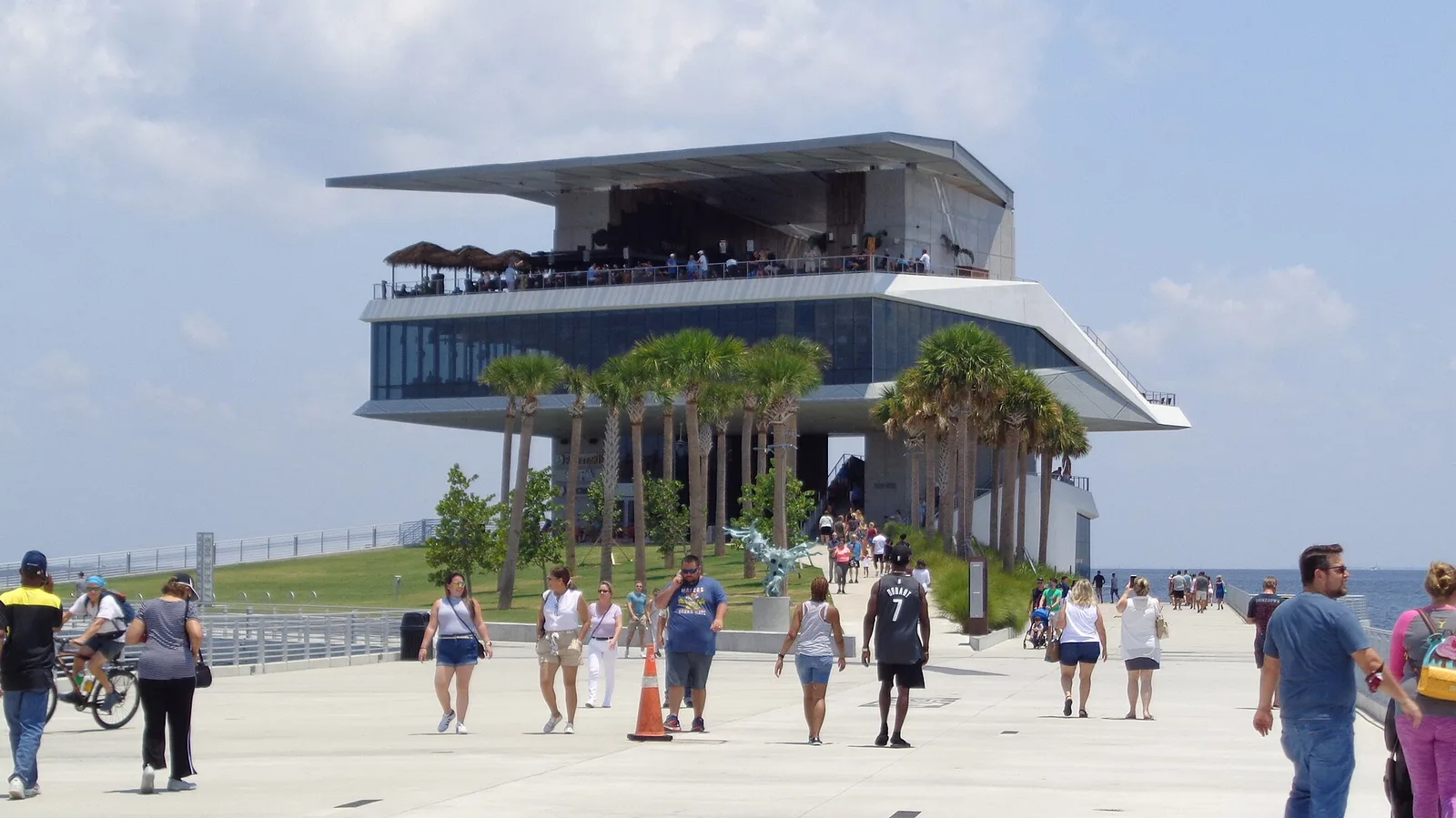
St. Pete Beach sells couples and the Don CeSar weekend, and Pass-a-Grille's porches sell the guest who wants quiet on purpose. The rules here are older and tighter. In August 2026 commissioners shelved a registration program to protect the city's grandfathered ordinance and pointed staff at enforcing it instead, possibly with software that flags violators; the complaints they hear are about rentals outside the allowed areas and units turning over more often than the ordinance permits. Bay News 9 also reported in July 2026 that a few large hotels on St. Pete Beach and Treasure Island were still closed after the 2024 hurricanes, which thins the hotel competition on those two islands for now. At the southern tip, Tierra Verde is unincorporated, so the county certificate applies, and a canal home with a dock a short drive from Fort De Soto wins the boating family. Inside St. Petersburg, the three-stay cap steers Kenwood, Old Northeast and downtown condos toward 30-night stays for snowbirds, families visiting patients at Johns Hopkins All Children's Hospital and remote workers who want the Pier and Central Avenue on foot. On any barrier-island purchase, ask the building department how the home sits against current flood code and how it now counts past permits. A 2025 state law, SB 180, bars certain local governments from adopting cumulative lookback periods for substantial improvements, but a single large remodel or storm repair can still trigger the federal substantial-improvement and substantial-damage rules.