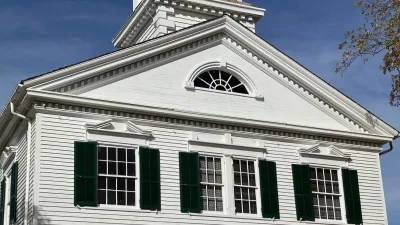
An independent inn sits in a strange middle. The chains above you have loyalty programs and national ad budgets; the vacation rentals around you have lower overhead and a platform pouring demand on them. What you have is the thing neither can copy — a real place with a real story, usually in a town people already want to visit — plus a commission bill from the OTAs that grows with every good year. Booking.com's commissions run from around 10% to 25% depending on market and program, with something like 15% typical, and Expedia's take lands in a similar band. On a small property's margins, that line item is frequently the difference between a good year and a tight one.
The fix is not to leave the OTAs — for an independent property they're indispensable for first-time discovery, and the visibility a strong OTA profile creates feeds your own channels. The fix is to systematically capture the guests who are already looking for you, and to convert every first-time OTA guest into a second-time direct one. Here's the playbook we run for inns and boutique hotels, in the order the pieces should be built.
1. A Website That Books, Not a Brochure
Most inn websites fail in one of two directions: a dated site that guests distrust on sight, or a beautiful redesign with no functioning booking path. The standard to hit is simple to state — a guest should get from your homepage to a confirmed, paid reservation in under two minutes on a phone.
That means a real booking engine wired into your property management system — Cloudbeds, Mews, ThinkReservations, and innRoad are among the established options for independent US properties — showing live availability and real rates, taking cards, and confirming instantly. It means room pages that sell each room like the individual product it is, with its own photos, its own description, its own quirks. And it means speed: image-heavy inn sites that load slowly on a phone lose the guest before your porch photo ever renders. If the current site can't take a booking end to end, fix that before spending a dollar anywhere else in this article — every other channel below is a road, and they all need somewhere to lead. That's the reasoning behind Cavmir's direct booking website service, and the cost logic in our website cost guide applies to inns the same way it does to rentals.
2. Own the Searches You Deserve to Win
An independent inn has two SEO jobs, in strict priority order.
Job one: own your name. When someone searches your inn's name — and after a recommendation, an article, or a drive-by, they do — your website must be the clear first organic result, and your Google Business Profile must be complete, photographed, and current. Name searches are the highest-intent traffic you will ever receive, and every name-search click that lands on an OTA instead of your site converts your warmest demand into a commission payment.
Job two: win your town's high-intent phrases. "Bed and breakfast Charleston," "boutique hotel Savannah historic district," "inn near Acadia" for a Bar Harbor property. Chains rarely bother with this content and OTAs can't fake local depth: pages about your neighborhood, your building's history, the restaurants you actually send guests to, the season-by-season answer to "when should we visit." This is patient work measured in months, but it compounds — a page that ranks for "romantic inn [your town]" produces commission-free demand every week for years. The mechanics are standard SEO; the advantage is that you genuinely know things about your town that no aggregator does.
3. Google's Hotel Surfaces: Free Placement, One Technical Catch
When travelers search hotels, Google shows a hotel module with prices and booking links — and unlike OTA placement, a hotel's own site can appear there through free booking links at no commission. The catch is technical: since July 2025, Google no longer lets properties enter rates directly through their Business Profile, so getting your rates into those surfaces requires a connectivity partner — typically your booking engine or channel manager. It's a checkbox-level feature in some systems and an add-on in others; ask your booking-engine vendor specifically about Google hotel connectivity, because a property whose direct rate appears next to the OTAs' rates in that module captures name-search demand that would otherwise leak to commission. While you're at it, keep the Business Profile itself alive: fresh photos, complete amenities, and answered reviews — it's your second homepage, and for name searches arguably your first.
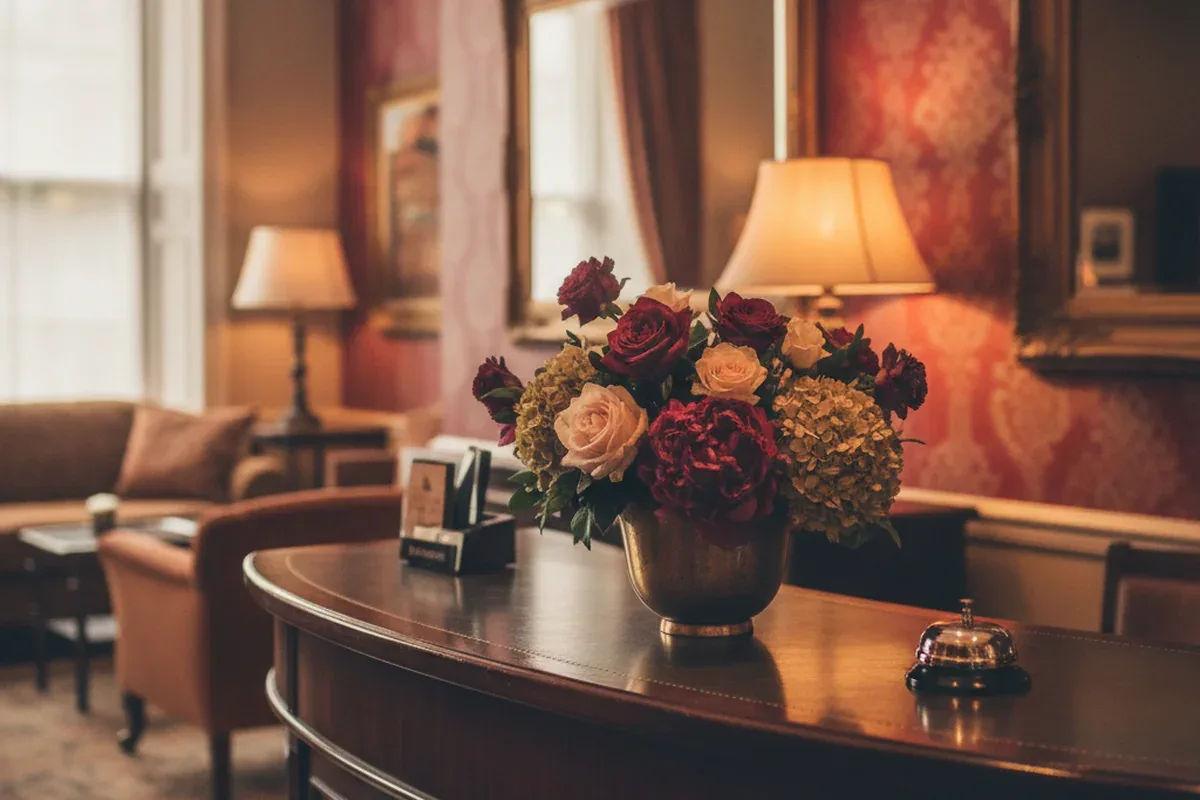
The direct stack for an inn: booking engine, website, Google presence, and email — each one feeding the next.
4. Photography: Sell the Stay, Not the Floor Plan
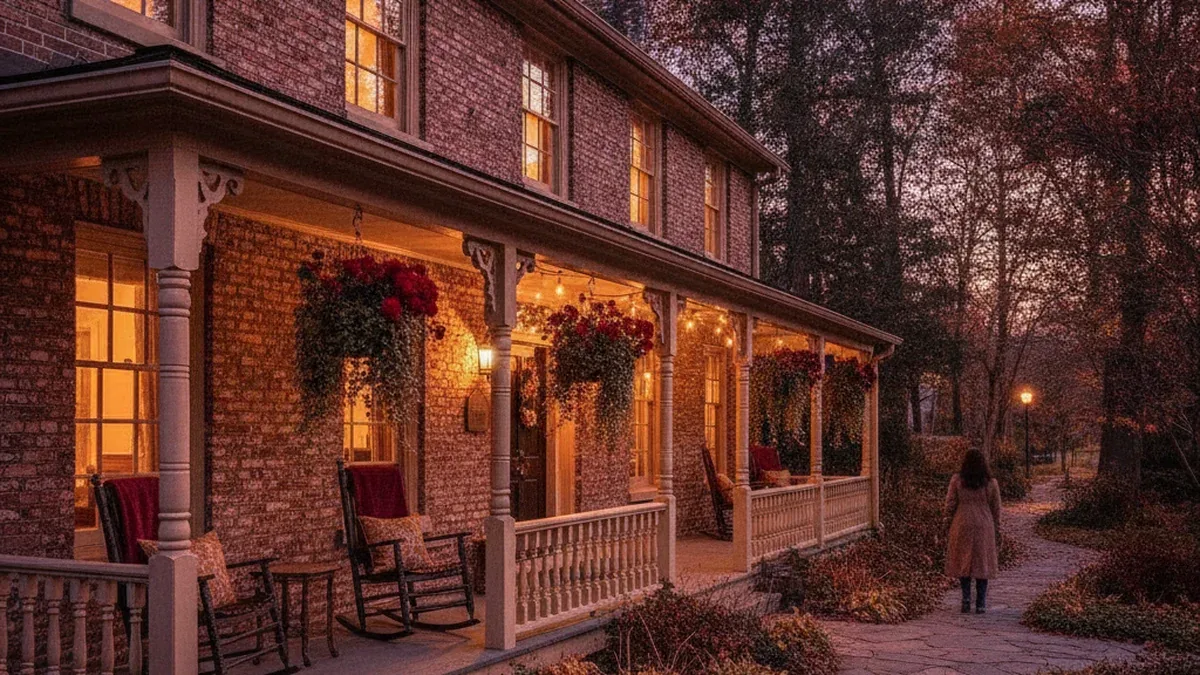
Boutique properties win on feel, and feel is a photography problem. The chains shoot identical rooms with identical lighting; your advantage is that no two of your rooms are alike and your common spaces have a character worth photographing. The shot list that converts for an inn: the facade at dusk with the windows lit, each room as its own product (wide from the door, plus the detail that makes it that room), the breakfast — plated, styled, in morning light, because for a US inn the breakfast photo is a genuine booking driver — the porch, garden, library, and fire; and the town: the street you're on, the walk to the water, the things guests come for. People photos, even just hands pouring coffee, outperform empty rooms for warmth; get simple releases where faces appear. Shoot both horizontal (website, OTA profiles) and vertical (social) in one session, and refresh seasonally — a New England inn selling only summer photos in leaf season is leaving its best argument unmade. The full conversion logic is in our listing photos guide — the platform is different, the psychology isn't.
5. Email: The Repeat-Guest Engine
Inns have a structural email advantage over rentals: you meet every guest, you usually have their address from the reservation, and inn guests are habitual — anniversary trips, leaf-season regulars, the couple who comes every February. The system is the same three flows we prescribe for rentals — welcome, post-stay with a return offer, and a winback timed about ten months after each stay to catch the annual-trip planning window — plus a short seasonal note about packages and town happenings. The one inn-specific rule: guests who arrive via OTA should leave as members of your list, collected at check-in ("want the breakfast menu and our town guide by email?") or through the WiFi page. First stay through the OTA, every stay after through your own book-direct rate: that conversion, run consistently, is the single most profitable marketing motion available to an independent property. The full flow-by-flow build is in our email marketing guide.
6. Give Guests a Reason to Book Direct — Carefully
A direct-booking strategy needs an answer to the guest's silent question: "why not just book it on the app?" The answer has two lanes. The rate lane — a modest best-rate guarantee or a members-only direct rate — works, but check your OTA agreements first: many contracts include rate-parity clauses that constrain how you price publicly, and the details are contract-by-contract, so read yours or ask your lawyer before advertising a lower public direct price. The perk lane is contractually simpler and often converts better anyway: early check-in when available, the good parking spot, a welcome drink, a room-upgrade priority, flexible cancellation. Perks cost you little, feel like hospitality rather than a discount, and give your front desk something warm to say: "next time, book with us directly and we'll take care of you."
Measure one ratio monthly: direct room-nights divided by total room-nights. Then put a dollar figure next to it — every point of share shifted from OTA to direct is roughly your average nightly rate times your room-nights times your blended commission rate, kept instead of paid. For a 12-room inn running healthy occupancy at a $250 average rate, a single point of share is real money every year — which is the number that turns "we should update the website" from a someday project into a budgeted one.
7. Reviews: The Reputation Layer That Feeds Every Channel
For an independent inn, reviews do double duty: they convert the guests who find you, and they feed the algorithms that decide how many guests find you at all. The operational rules are simple and mostly about consistency.
Concentrate on Google first. OTA reviews live and die inside each OTA, but Google reviews attach to your name — they surface on every name search, they influence local ranking, and they follow you even if you change booking channels. Build the ask into checkout: a card at the desk, a line in the post-stay email, a QR code that opens your review link directly. Guests who just told you breakfast was wonderful will write that down if you make it a ten-second task.
Answer everything, especially the bad ones. A measured, human response to a critical review — acknowledging the specific issue, saying what changed — is read by hundreds of future guests for every one past guest it answers. Prospective guests don't expect perfection from a 12-room property; they're reading for how you handle imperfection, and a defensive reply costs more bookings than the review it argues with.
Watch velocity, not just the average. A 4.8 built on reviews from three years ago reassures nobody. Steady, recent reviews signal a property that's still what the photos promise — one more reason the post-stay email flow earns its keep beyond direct bookings.
What Not to Bother With
Discipline about what to skip protects the budget for what works. Broad brand-awareness advertising is for chains — your paid spend, if any, belongs on your own name (cheap, defensive, keeps OTA ads from buying your name searches) and on high-intent local phrases. Chasing every social platform is a fast way to do five things badly; one platform done well — for most inns, Instagram, where your photography already lives — beats five ghosts. And skip the OTA-versus-direct absolutism in both directions: the OTAs are a customer-acquisition channel with a published price, and the strategy above simply ensures you stop paying that price twice for the same guest. For the wider positioning argument — how independent properties compete with both chains and rentals — our piece on what boutique hotels are getting right picks up where this one ends.
The Bottom Line
Boutique hotel marketing in 2026 is a sequence, not a scramble: a website that books in two minutes, ownership of your name and your town's high-intent searches, rates connected into Google's hotel surfaces through your booking engine, photography that sells the stay, an email engine converting OTA guests into direct regulars, and a book-direct offer your contracts actually allow. None of it requires outspending anyone — it requires building the pieces in order and letting them compound. If you'd rather have the stack built by a team that does it weekly, this exact sequence is what Cavmir builds for independent properties; reach out and we'll look at your numbers together — starting with how many of your own name-searches you're currently paying commission on.