

It's 6:40 on a Saturday morning in Cape May, New Jersey, and Marta Kowalski is arranging lemon-ricotta pancakes on a platter that belonged to the house before it belonged to her. The house is a six-room Victorian four blocks from the beach — green shutters, wraparound porch, a staircase that creaks on the fourth step no matter what her husband Bill does to it. In twenty minutes, guests from three states will sit down at one long table.
Bed and breakfast marketing is the craft of putting that table in front of the right stranger before they've ever smelled the coffee. Because the table is the product. Not the beds, not the blackout curtains, not the parking. The reason someone books the Kowalskis' inn instead of the Marriott on the highway or the whole-house rental two streets over is sitting right there between the coffee carafe and the pancakes: a host who knows your name, a breakfast someone actually cooked, and a building with a story — plus two strangers who, by 7:30, will be trading restaurant recommendations like old friends. That's a kind of hospitality no other lodging category sells, which is exactly why so much generic marketing advice fails small inns.
One thing before we start: this guide is for the 3-to-10-room, owner-operated inn. The place where the person who checks you in also made your breakfast. If you're running a 15-to-60-room property with staff, a front desk, and revenue management questions, you want our boutique hotel marketing guide instead — same family, different animal. Here, we're talking about the smallest, most personal end of lodging, where the marketing budget is measured in hundreds, the marketer is also the plumber, and the single greatest asset is a human being.
Why bed and breakfast marketing is its own discipline
Hotels sell consistency. Vacation rentals sell space and privacy. A bed and breakfast sells the innkeeper — and that changes every single marketing decision downstream.
Think about what a hotel brand promises: the room in Tulsa will match the room in Tampa. That's the whole pitch. A whole-house rental promises the opposite of people: nobody will talk to you, the kitchen is yours, come and go as you please. A B&B promises something neither can — you will be hosted. Someone will pour your coffee, tell you which beach entrance the locals use, notice it's your anniversary, and leave the porch light on when you're out late. That's not a room category. It's a relationship, purchased by the night.
This is why copying hotel marketing fails small inns. Hotel marketing leans on amenities, loyalty points, and rate parity games — none of which a six-room Victorian can win or should try to. And copying Airbnb-host tactics fails too, because rental marketing deliberately minimizes the host ("self check-in, contact-free"), while your entire value is the host. When Marta writes her listing description in the flat, feature-list voice of a rental ("6 BR, sleeps 12, smart TV in every room"), she's hiding the one thing money can't replicate.
So the discipline looks like this: every channel, every photo, every email answers one question — who will be taking care of me? Your website says it. Your Google profile says it. Your OTA listings say it as loudly as their templates allow. Your review replies prove it. Get that spine right and the tactics below stop being a checklist and start being one story told in nine places.
There's a hard-nosed business reason to lean into this, too. On price and square footage, you lose. The chain hotel is cheaper on a Tuesday in November; the rental sleeps more people for less per head. The only contest a small inn reliably wins is the one for guests who want to be known. Marketing's job is to find those guests and repel the rest — politely, but firmly. A booking from someone who wanted an anonymous crash pad is a two-star review waiting to happen.
The guest who chooses a B&B in 2026
Twenty years ago the B&B guest was easy to sketch: empty nesters, anniversary trips, doilies tolerated. That guest still exists and still books — but she's been joined by people the doily era never saw coming, and your marketing needs to speak to all of them without embarrassing any of them.
Start with the couples. Anniversary and getaway couples remain the backbone of most small inns, but the age range has stretched. Thirty-somethings who grew up on Airbnb have discovered that "contact-free self check-in" is a lonely way to celebrate five years married, and a hosted stay feels like an upgrade, not a compromise. They found you on Instagram or in a "most romantic getaways near NYC" listicle, they will absolutely judge your website on their phone, and they'll pay more for a room with a story than a room with a view.
Then the remote workers and the "long weekend plus Monday" crowd. When work travels with people, a quiet room, good coffee at 7 a.m., and an innkeeper who knows the strong-wifi corners of the house beat a sterile hotel desk. These guests book midweek — the nights you struggle to fill — and they come back if you make it easy.
Add the small-event cluster: weddings nearby, graduations, reunions, a town festival. One family often books your whole house, which is the best night of revenue you can have. And don't overlook solo travelers, especially women, for whom "a host is present" reads as safety, not intrusion — a real and underserved market that your photos and copy can quietly reassure.
What unites all of them in 2026: they research like detectives and decide like romantics. They will read your reviews, cross-check your Google profile, stalk your Instagram, and compare your rate to Booking.com — and then they'll book because of a photograph of a porch swing or a sentence about your grandmother's pancake recipe. Your marketing has to survive the detective and seduce the romantic. Most inn websites do neither.
How do you speak to five audiences at once without a five-headed website? You don't segment the inn; you segment the pages and the moments. The homepage sells the feeling everyone shares — the porch, the table, the welcome. The packages page speaks to couples. A quiet "working from the inn" page speaks to the midweek laptop crowd. The whole-house page speaks to the reunion planner. Marta didn't discover this in a marketing book; she discovered it when she noticed her phone inquiries fell into the same four scripts, and built a page that answered each script before it called.
One more shift worth naming: the phrase "bed and breakfast" itself carries baggage for younger guests — lace, forced conversation, a shared bathroom down the hall. You don't fight that with an argument. You fight it with photography and tone. Show the ensuite bathrooms, the good linens, the table where conversation looks optional and inviting rather than mandatory. The product modernized decades ago; a lot of B&B marketing never told anyone.
Your website: the front porch of the internet
Here's the money question for a small inn: on a $300 Saturday night, an OTA commission can take $45 or more off the top. Across a busy season, that's thousands of dollars — real money for a six-room operation — flowing to a platform for guests who might have booked with you directly if your website had given them a reason and a way. Direct booking isn't a vanity project for a B&B. It's margin.
Your website needs to do three jobs, in order. First, prove you're wonderful — within five seconds, on a phone. That means one full-width photograph that makes someone feel the place (morning light on the porch, the set breakfast table), not a slideshow of bedspreads. Second, prove you're real and current: this year's dates in the copy, working links, an SSL certificate, prices that match your booking engine. Third, take the booking without friction: a real-time availability calendar and instant confirmation. If your "reservations" page is a form that promises a reply within 24 hours, the detective closes the tab and books your competitor on Booking.com — where you pay commission on guests you nearly had for free.
A few specifics that separate inn websites that book from inn websites that decorate:
Name and face the innkeepers. A clear photo of you — yes, you, not a stock couple — with a short, warm bio. "We're Marta and Bill. We bought this 1892 Victorian in 2016 and we've been feeding people ever since." Guests are choosing a host; show them the host. This is the single most skipped, single most persuasive element on any B&B website.
Give every room a name and a personality. "Room 3" is a hotel habit. "The Captain's Room — corner light on two sides, the tub people mention in reviews" is a B&B habit. If your inn itself needs naming help, the thinking in our guide to naming a property applies just as well to naming rooms: specific beats cute, and pronounceable beats clever.
Answer the anxious questions in plain sight. Private bathrooms? Breakfast times and dietary flexibility? Parking? Kids? Stairs? Minimum stays? Every unanswered question is a booking that leaks to a hotel whose website answered it.
Make the direct math visible. A quiet line near your rates — "Book direct for our best rate and free early check-in when available" — gives OTA-trained shoppers permission to do what you want them to do. The full playbook for pulling bookings off the platforms and onto your own site is in our guide to getting more direct bookings; nearly all of it maps cleanly onto a small inn.
Put your phone number in the website header, big, and answer it. B&B guests skew toward people who like talking to humans — that's why they picked a B&B — and a five-minute call converts at a rate no booking widget can touch. Marta closes whole-house buyouts on the phone that started as one-room website inquiries. The call is not a chore. The call is the sales channel.
Bed and breakfast marketing on the OTAs: the honest 2026 map
If you've been innkeeping for a while, you remember when BedandBreakfast.com was the category's front door — a directory built for exactly your kind of property. That era is over. The brand was absorbed into the big-platform world years ago and no longer exists as a consumer booking site. Nobody replaced it. Instead, the B&B category was carved up by the general platforms, and understanding how each one treats you is the difference between OTAs as a smart acquisition channel and OTAs as a tax.
Booking.com is, for most American inns, the heavyweight. It has a genuine B&B property type, its audience includes the international and midweek travelers you can't reach alone, and its shoppers are comparison-driven detectives. Play it straight: complete every field, load real photos, and treat it as paid advertising that happens to deliver a confirmed guest. Then work — legitimately — on turning those first-time OTA guests into second-time direct guests once they're under your roof.
Airbnb is stranger territory. It has a bed-and-breakfast category, and "private room in a home with breakfast" is, functionally, the original Airbnb product. But the platform's defaults — self check-in, minimal host contact — run against your grain, and its search rewards the whole-home listing next door. The move is to be unapologetically hosted in your listing: lead with the breakfast photo, put the host in the first line, and let the guests who want anonymity self-select out. On Airbnb you're not competing with hotels; you're the human alternative on a page full of lockboxes.
Expedia and Vrbo matter less for most small inns but can be worth listing on if your market skews toward drive-in family travel. And the surviving B&B directories and associations — state innkeeper associations, regional "inns of" collectives, Select Registry for the upscale tier — no longer drive the volume they once did, but they still pass two things of real value: referral traffic from high-intent planners, and backlinks that quietly feed the local SEO engine we're about to discuss.
A word on commissions, because innkeepers feel them more sharply than anyone. On a big platform, the fee typically runs somewhere in the mid-to-high teens as a percentage of the booking — on a six-room inn grossing, say, $180,000 a year with half its nights coming through OTAs, that's example math in the neighborhood of $13,000 to $15,000 out the door annually. That's a new roof section. It's also, framed honestly, an advertising budget you're already spending — which is why the sane goal is never "get off the OTAs" but "shift the mix." Move ten points of your bookings from platform to direct over a couple of years and you've effectively given yourself a raise without touching your rates.
The strategic posture, then: OTAs are your discovery channels, never your home. Let them introduce you to strangers. Your website, your Google profile, and your email list are where relationships — and margins — live. An inn that gets 80% of its bookings from OTAs doesn't have a marketing strategy; it has a landlord.
Google Business Profile: the workhorse of bed and breakfast marketing
Here is the least glamorous, highest-yield hour in this entire guide. When someone searches "bed and breakfast Cape May," Google doesn't show them ten blue links — it shows a map, a handful of properties with photos, star ratings, and prices, and often a hotel-style booking module. That map pack is where local lodging demand actually lands. If your Google Business Profile is a stub — three photos, no description, unanswered reviews — you are invisible at the exact moment someone is looking for exactly you.
Claim the profile, then treat it like a second website. Category set to bed & breakfast, every attribute filled (free wifi, free breakfast, free parking — the filters searchers actually use), your booking link pointed at your own site, and thirty-plus photos with the breakfast table and the porch up front. Write the description the way you'd talk on the phone. Then keep it alive: a post when the fall package launches, fresh photos each season, every review answered. Google's systems and human shoppers both read activity as "open, cared-for, safe to book."
Two moves specific to inns. First, use the Q&A section to pre-empt the anxious questions — bathrooms, stairs, kids, parking — because on Google, anyone can answer a question about your business, and you'd rather it be you. Second, if your inn has history, say so in the description; "1892 Victorian" is a search term, a differentiator, and a story in two words.
Beyond the profile itself, local SEO for an inn is mostly the patient accumulation of consistency and mentions: identical name-address-phone everywhere it appears, a listing in the local chamber and tourism bureau, and — this is the fun one — being the answer to questions people ask about your town. A short page on "the best sunset spots in Cape May" or "what's open in Cape May in winter" earns search traffic all year and positions you as the local authority you actually are. We walk through the whole Google side — profile setup, the lodging modules, common traps — in our guide to getting a property listed on Google, and it's worth the read; the mechanics for an inn are nearly identical, and the payoff is bigger because inns win map-pack searches that individual rentals rarely see.
Search your own inn's name in an incognito window once a month, on your phone. Look at what a stranger sees: the photos Google chose, the third-party booking links riding on your profile, the top review. Innkeepers are routinely horrified — an OTA outranking their own site, a 2019 photo of a repainted room, a snippy review sitting unanswered at the top. Ten minutes of looking, then fix what you find. Your Google result is your real front door; walk through it like a guest.
Breakfast is a content engine. Run it like one
Every marketing consultant tells small businesses to "create content." Innkeepers are the only lodging operators who manufacture fresh content every single morning and then eat the evidence.
Think about what your breakfast actually is, from a marketing standpoint: a daily, photogenic, emotionally loaded product that nobody else in your market can copy. The chain hotel has a waffle machine and a sneeze guard. The rental has an empty fridge. You have lemon-ricotta pancakes on a platter with a history. That contrast is your entire social media strategy, and it costs you nothing you weren't already doing at dawn.
The practice is simple. Before service, while the light is good and the table is still perfect, take one photo. Thirty seconds, phone camera, near a window. That's your Instagram post, your Facebook post, your Google Business Profile update, your website freshness. A month of breakfast photos outperforms a year of inspirational-quote graphics, because it's proof — proof someone cooks here, proof the place is alive this week, proof of the exact experience the guest is buying.
Then widen the lens, because breakfast is more than the plate. The recipe itself is content: Marta's pancake recipe, written up on the website, gets shared, pinned, and printed, and every share carries the inn's name into a stranger's kitchen. The sourcing is content: the farm stand where Bill buys berries, the local roaster, the neighbor's honey — each one a story, a tag, and a cross-promotion with a business that will happily return the favor. The dietary care is content: a beautiful gluten-free morning, photographed and captioned, quietly tells an entire underserved audience that they're safe with you.
And breakfast is your review engine, which makes it marketing twice. Read the reviews of any beloved small inn and count how many mention the food and the table conversation. Guests don't rave about mattresses; they rave about mornings. Every deliberate breakfast decision — the named recipe, the local butter, the second pour of coffee before it's asked for — is a sentence in a five-star review that hasn't been written yet.
The one rule: show, don't gush. Post the photo and say what it is — "Thursday. Peach French toast, first of the Jersey peaches." No hashtag pileup, no "Book now!!" The confidence of a plain caption under a great photo sells harder than any exclamation point ever has.
Photography: sell the feeling, not the floor plan
A guest booking a B&B is buying a feeling — slower mornings, being cared for, a building with a soul. Your photography either delivers that feeling in half a second or it reads like a real-estate listing, and there is shockingly little middle ground.
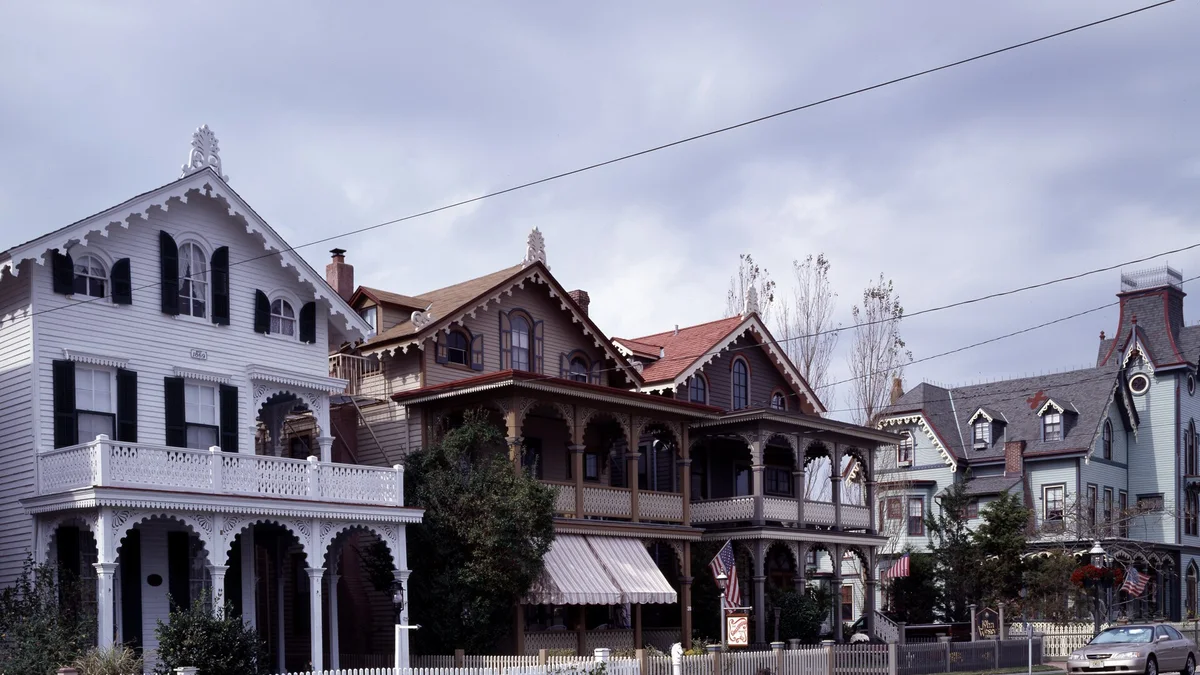
Build your shot list around moments, not rooms. The set breakfast table before guests arrive, steam actually visible off the coffee. The porch with two chairs angled toward each other and something on the little table between them. A bed in morning sun with the window showing green beyond it. The innkeeper mid-gesture — pouring, plating, laughing — because faces stop thumbs and hosts are your product. The architectural details a phone-scroller can feel: the stained glass, the newel post, the clawfoot tub. Then, yes, the practical detective shots too: every room, every bathroom, the parking, honestly framed. Romance gets the click; honesty prevents the disappointed review.
Light is the entire game in old houses. Victorians were built for cross-breezes, not photography, and a dim shot of a wallpapered room reads as dated even when the room is gorgeous. Shoot in the first two hours after sunrise or the last two before sunset, turn on every lamp, open every curtain, and take the same shot five times. If you hire a professional for one thing — and for most inns, one half-day shoot a year is the best few hundred dollars in the budget — hire them for interiors and give them that shot list rather than letting them default to real-estate wides.
Refresh seasonally. The same porch in June greenery, October leaves, and December garlands is three campaigns from one camera position, and it keeps your Google profile, OTA listings, and social feeds honest about what a guest arriving this month will actually see. An inn photographed only at the height of summer is quietly overpromising for half the year.
Packages and seasonal programming: manufacture reasons to come
Hotels wait for demand. Great small inns manufacture it. A package is just a bundled excuse — a reason for a couple to pick this month, your town, your inn, instead of "someday." And packaging is where a six-room operation can outmaneuver everyone, because you can invent, test, and kill an offer in a week without a single meeting.
The anatomy of a package that books: a room night or two, one experience a guest couldn't easily assemble alone, one small physical touch waiting in the room, and a name that tells a story. "Winter Wine Weekend: two nights, private tasting for two at the vineyard ten minutes away, charcuterie in your room on arrival." The economics matter and they're friendly — you buy the tasting at a partner rate, the bundle price carries a healthy margin over its parts, and the guest happily pays it because you sold an occasion, not a discount. Never a discount. Discounting is hotel behavior; you're selling something that can't be comparison-shopped because you invented it.
Seasonal programming is the same idea applied to your calendar's weak spots. Shoulder season is where inns quietly win or lose the year, so give the soft months their own story: a January "hibernation" package built on fireplaces and late checkout, a midweek remote-work rate with early coffee and a guaranteed quiet desk, a locals' "staycation" offer for your own zip code — an audience most inns never once address. Anchor offers to your town's real calendar too: the festival, the marathon, foliage, the holiday house tour. The events bring the demand; your package just makes you the obvious place to sleep inside it.
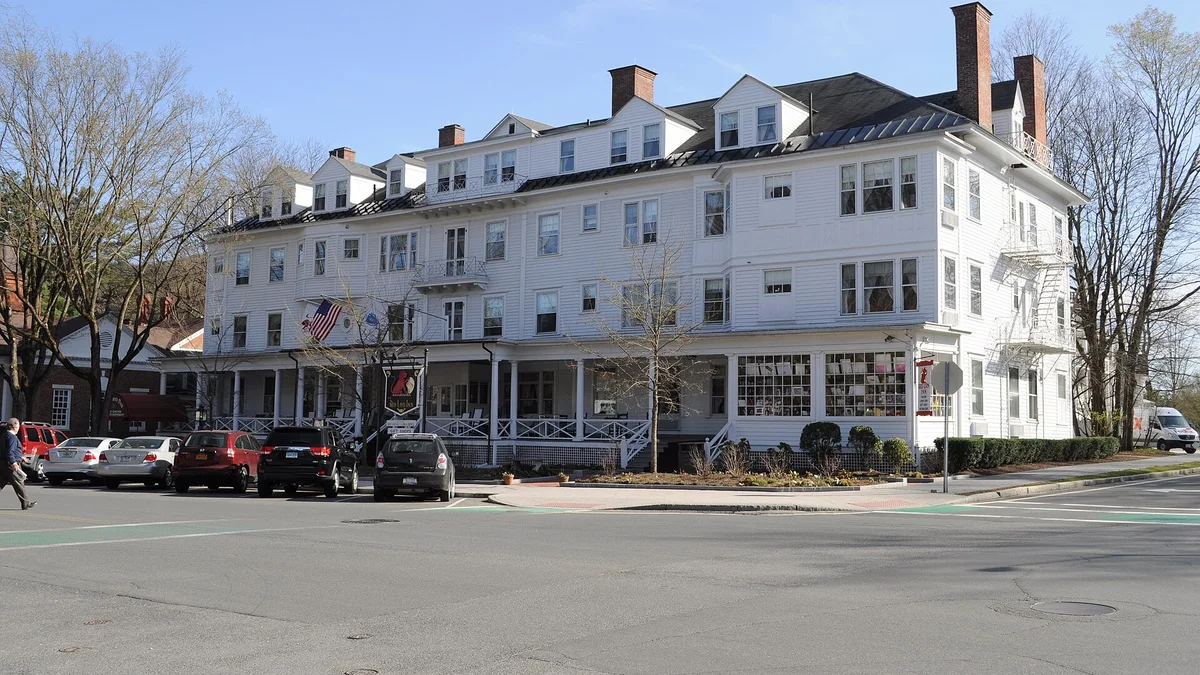
Two cautions from the trenches. Keep the operational load honest — every package element is something you or Bill personally deliver at 8 a.m., so bundle partners' work (the vineyard, the massage therapist, the bike shop) more than your own. And sell packages on your website and phone first, OTAs second or never; packages are precisely the differentiated, direct-booking bait that platforms flatten into a generic rate grid.
Run one package per season, not six at once. A single, well-named offer is a story your whole marketing can repeat — website banner, Google post, Instagram, the email newsletter, the answer when the phone rings. Six offers is a menu; nobody falls in love with a menu. When the season ends, retire it, note what it booked, and invent the next one. Marta's February "Fireplace & Fudge Weekend" started as a joke at the hardware store. It now sells out both winter weekends she offers it.
Repeat guests and email: the second booking is the business
Here's the arithmetic that should reorganize your marketing priorities. Acquiring a brand-new guest means winning a fight on Google or paying an OTA commission. Re-booking a past guest means sending an email that costs nothing to someone who already loves you. Same revenue, radically different cost — and unlike a hotel loyalty scheme, your "loyalty program" is simply that they remember Marta's pancakes and the porch. The memory is the program. Email is how you refresh it.
Yet most small inns treat email like a fire extinguisher: there for emergencies, never touched. The fix is one honest monthly note, and the standard for it is simple — write to your past guests the way you'd write to a friend who once stayed with you. What's blooming, what the town's up to next month, what came out of the oven, one photo, one gentle line about the rooms still open for the holiday weekend. That's it. No template gymnastics, no subject-line hacks, no "newsletter blast" energy. People who have slept in your house open email from you at rates marketers elsewhere would not believe, precisely because you're not a brand to them. You're a person they know.
Build the list at the two natural moments: booking (a checkbox) and breakfast (the honest ask — "we send one note a month about the town and the inn; want on the list?"). A guestbook by the door with an email line still works, because your guests are people who like guestbooks. Then use the calendar you already have: everyone books anniversaries and traditions, so a note eleven months after a stay — "It's almost your weekend again; the room's open" — is the single highest-converting email an inn can send, and it's just a kind sentence with a date on it.
Segment lightly, human-ly: past guests, locals, and "asked but never booked." Three lists, one monthly note each at most, slightly different framing. The full mechanics — platforms, welcome sequences, what to automate and what to keep handwritten — are in our email marketing guide, and every word of it applies double to inns, because no lodging category on earth has warmer relationships to write into.
Reviews: the compounding asset
For a small inn, reviews aren't a reputation sidebar — they're the primary sales copy, written by volunteers, displayed on every platform where you're found. A guest deciding between two six-room Victorians reads six reviews of each and picks. Which means the two skills that matter are earning reviews deliberately and answering them like the innkeeper you are.
They compound, too, in a way ad spending never does. An ad stops working the day you stop paying. A review keeps selling for years — the 2023 rave about Bill's blueberry cornbread is still closing bookings this weekend, at no cost, on three platforms at once. Which is why the hour a month you spend on reviews is arguably the best-paid hour in your marketing calendar, and why the inns with a decade of warm, specific, answered reviews are nearly impossible to compete against on their home turf. That moat gets dug one checkout at a time.
Earning them starts at the breakfast table, where you have something no hotel manager has: an actual relationship and a natural moment. At checkout, when a guest is mid-glow about their stay, the honest sentence works — "Reviews are how little inns like ours get found; if you have two minutes, it'd mean a lot." Follow with one email a day or two later containing one link (rotate between Google and your top OTA depending on where you're thinner). Ask everyone, ask once, never nag, never incentivize. A steady drip of fresh reviews beats a stack of stale ones, because both shoppers and search engines read recency as "still wonderful."
Answering them is marketing in public. A warm, specific reply to a five-star review — thanking them by first name, remembering the porch conversation, mentioning that the peach French toast returns in July — is really written for the hundred strangers reading over their shoulder. It proves the host is present and paying attention, which is the entire product. Bland copy-paste replies ("Thank you for your feedback!") prove the opposite.
And the bad review, when it comes — because it comes for everyone — is your best stage. Reply once, briefly, warmly, without a lawyer's defensiveness or a doormat's groveling: acknowledge the specific issue, say what changed, wish them well. Future guests don't expect perfection; they're auditioning how you handle imperfection, because someday it might be their problem you're handling. A gracious reply under a cranky review has sold more rooms than most ad campaigns. One caution: never dispute a factual complaint in public with "that never happened." You will lose the exchange even when you're right, because the audience isn't the reviewer. It's everyone else.
The long game at the breakfast table
Zoom out and notice what this whole guide has been circling: nothing in it requires a marketing department. A website that books, a Google profile that's alive, OTA listings that lead with the host, a breakfast photographed before it's eaten, one package per season, one email per month, one honest ask for a review. It's a rhythm, not a campaign — an hour or two a week, most of it done standing in the kitchen you were standing in anyway.
The Kowalskis didn't do all of this at once. The first year it was the Google profile and the phone number in the header. The second year, the monthly email and the winter package. Somewhere in the third year, Marta noticed that the anniversary couples were introducing themselves at breakfast as "we found you on Google" less often and "we've been meaning to come back" more often — which is what it feels like when marketing stops being acquisition and starts being memory. That's the whole game for a small inn: get found once, be unforgettable, make returning easy.
Start with whichever piece is bleeding — usually the website or the Google profile — and add one habit a season. The house has been doing its job since 1892. The marketing just has to catch up.
And if you'd rather spend those hours on the pancakes than the pixels, that's a reasonable trade — building direct-booking websites for small lodging properties is what Cavmir does all day.
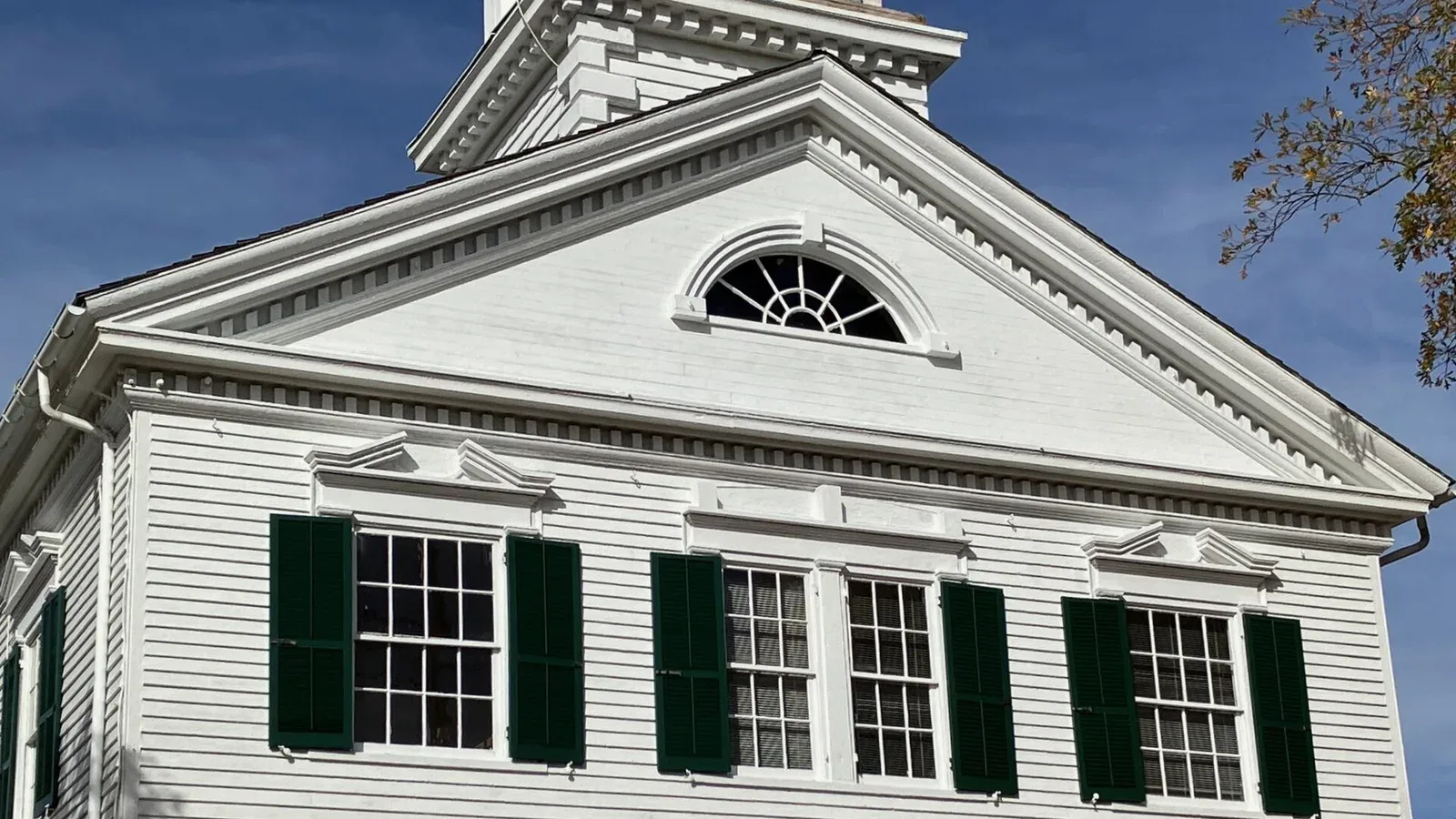
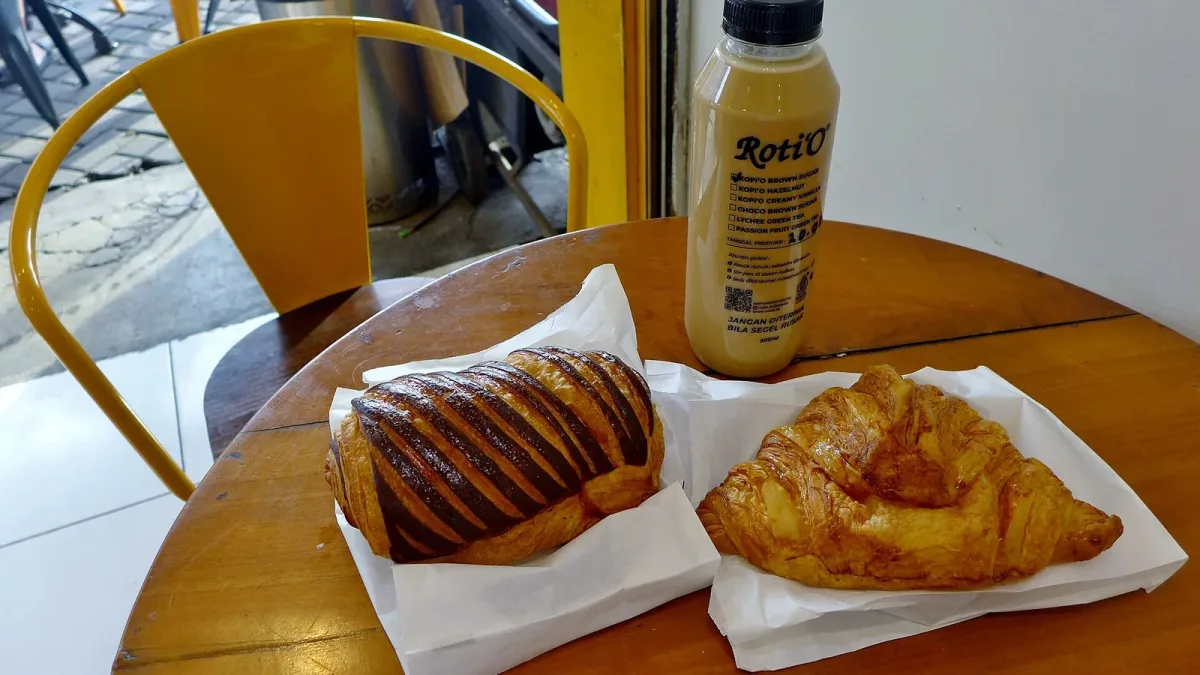
Photography via Wikimedia Commons, resized and cropped: hero, Hybrid - Early Victorian (Greek Revival, Italianate, Federal) - Cape May Court House, NJ - Old Cape May County Court House (3) by Bmzuckerman (CC BY 4.0); inline, Pastries with coffee, Roti'O, Surabaya Pasarturi, 2025 (01) by Bahnfrend (CC BY-SA 4.0).


_-_Cape_May_Court_House,_NJ_-_Old_Cape_May_County_Court_House_(3).jpg)
.jpg)