


There is a certain guest who has quietly become the most valuable person your listing can attract, and most hosts are still marketing right past them. They're somewhere between twenty-eight and forty-four. They have real money, though not old money, and they'd rather you didn't call it luxury to their face. They booked their last four trips from a phone, in bed, at eleven at night, on the strength of a single photograph. And when they arrive, they will notice the water pressure, the wifi speed, and the coffee setup before they notice the marble.
I watch how short-term rentals get discovered and shared, and this guest is the through-line in almost every property that breaks out. They aren't the ultra-wealthy villa client, the one who charters a jet and hires a house for a wedding; we have a separate guide for that guest, and they behave differently. This is the aspirational-affluent traveler, the design-literate professional, the two-income couple with no kids and strong opinions, the creative who treats a weekend away as content and memory at once. They are numerous, they rebook, and they tell their entire feed about you.
This guide is about how to design for them, find them, and win them, without pretending your three-bedroom is a palace. It's a marketing job and a taste job at the same time, and the good news is that taste is cheaper than luxury and travels further.
Who the Young Luxury Traveler Actually Is
Start with the money, because it's the part hosts get wrong in both directions. This guest is not stretching to afford you, and they are not a billionaire. They're a software lead, a dentist, a design-agency partner, a couple who both work and vacation four times a year instead of once. Industry trackers like AirDNA and Skift have spent the last few years describing the same pattern: demand at the premium tier holding up even when the budget tier wobbles, and a rising share of that premium spend coming from younger travelers who treat travel as a category worth paying for. You don't need a survey to feel it. You've seen the calendars.
What matters more than the income is the mindset, and here are the traits that actually change how you market.
They buy taste, not price. A conspicuous logo reads as trying too hard. A perfectly chosen vintage chair reads as knowing. This is the "quiet luxury" instinct that took over fashion and then everything else, and it means your marketing wins on specificity and restraint, not on the word "luxury" in your headline.
They live on their phone, top to bottom. They found you on a feed, decided on a photo, read your reviews in an elevator, booked from bed, and will spend the trip with the phone in hand. Every part of your funnel has to work on a small screen held in one hand, which sounds obvious and is violated by ninety percent of listings.
They spend on the experience, not the footprint. They will pay more for a smaller place with soul than a bigger place without it. The extra bedroom does less for your rate than the outdoor shower, the record player, the walkable neighborhood, and the story you can tell about the house.
They are loyal to a feeling. When a place feels like it was made by a person with a point of view, and it runs without a single hiccup, they come back and they bring friends. The lifetime value of one of these guests, across rebookings and referrals, is the number that should be driving your decisions, not the single-night rate.
Write a one-paragraph portrait of your ideal guest, by name, with an age, a job, and what's on their phone. "Maya, 34, runs a small studio, saves interiors to a Pinterest board called 'someday,' books trips around a restaurant." Tape it above your desk. Every photo, caption, and amenity decision gets easier when you're talking to Maya instead of to everyone.
They Book the Aesthetic First
For this guest, the aesthetic is not the tiebreaker. It's the door. If your lead photograph doesn't make them stop and feel something, they never see your price, your reviews, or your thoughtful house manual. The order of operations is aesthetic, then everything else, and it's ruthless.
That changes what your photography has to do. It's covered in depth in our photography guide, but the short version for this guest is: shoot for the feed, not for the MLS. Real daylight instead of flash. A styled corner instead of a wide, empty room. The details that signal a point of view, the stack of art books, the ceramic mug, the light falling across a textured wall, rather than a checklist of amenities. Your lead image should feel like a photo they'd save, not a photo a bank sent.
Design a shareable moment on purpose
The properties that spread on social almost always have one deliberate moment built into them: a spot that begs to be photographed and posted. A deep soaking tub by a window. A reading nook with real light and a real chair. A breakfast setup on a particular tile counter. A hammock strung exactly where the light lands at five. It doesn't need to be expensive. It needs to be intentional, and it needs to be the thing a guest reaches for their phone to capture without being asked.
When you know what your moment is, you design the whole listing around it. It's your lead photo. It's your first Instagram post. It's the thing your caption promises. And when a guest posts it and tags you, that's the most persuasive marketing you will ever get, because it comes from a peer, not from you.
The will-this-look-good test
Before you list, run every hero-candidate photo through one question, in your guest's voice: would I post this? Not "is this accurate," not "does this show the kitchen," but "would a design-literate thirty-four-year-old put this on their feed with a little pride." If the answer is no, it's a documentation photo, not a lead photo. Keep it in the gallery. Lead with the one that passes.
Vintage Soul, Modern Convenience
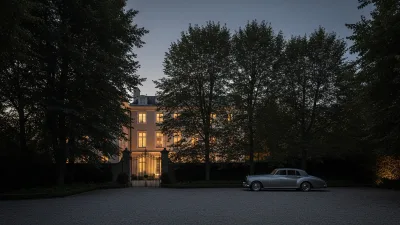
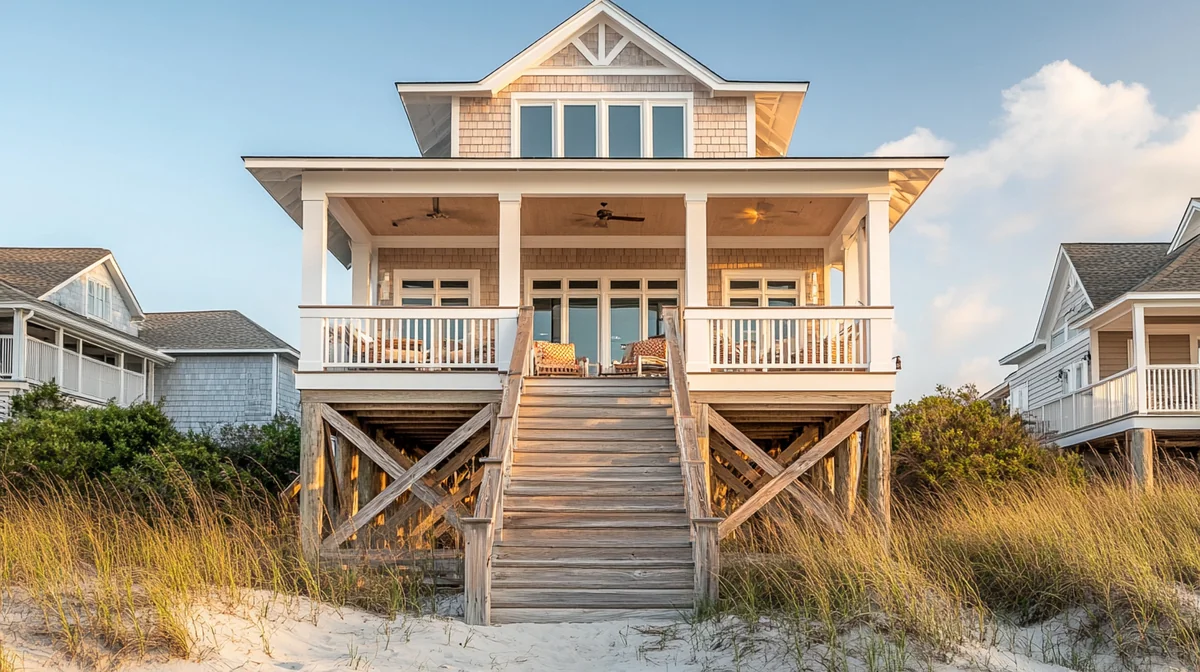
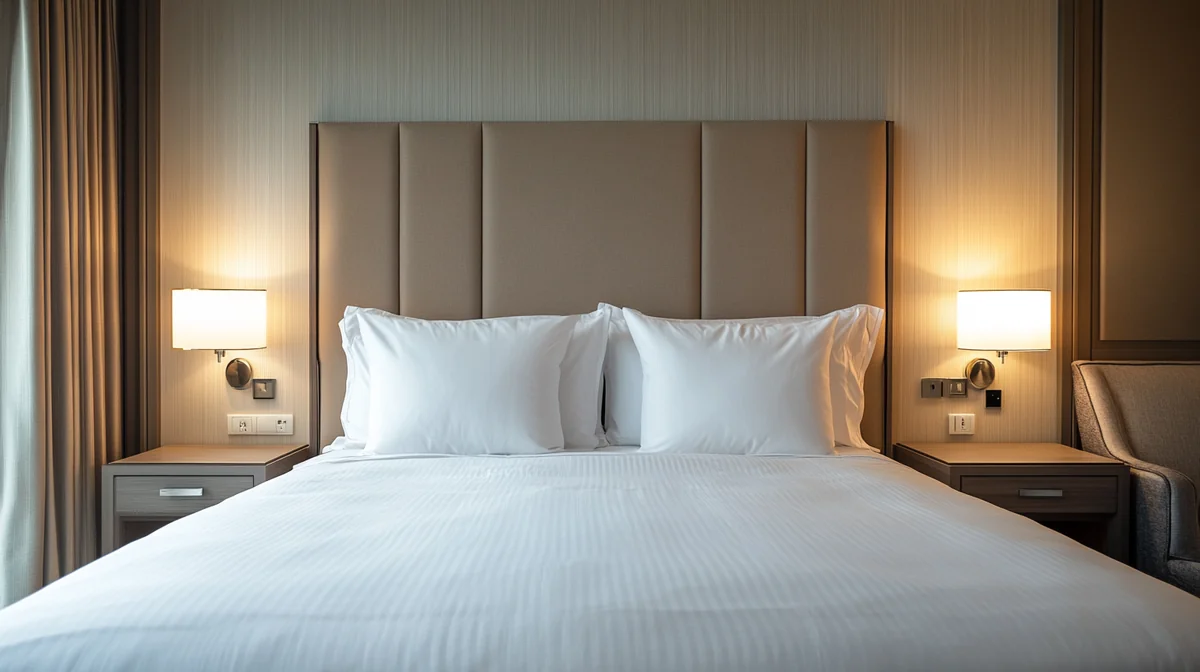
Here is the idea at the center of this whole guide, and it's the one the images on this page are built to show. The guest you're chasing wants two things that used to be opposites. They want a place with a soul, with character, patina, a story, a look that could only be this house. And they want it to work like a new phone: fast wifi, hot water, great coffee, a lock that just opens, a television that just plays. They will not trade one for the other. A gorgeous house that frustrates them gets a four-star review about the wifi. A flawless but soulless condo gets no post at all.
Think of it as an old soul with a modern nervous system. The soul is what gets you the booking and the photo. The nervous system is what gets you the five stars and the return trip. You need both, and most hosts are strong on one and weak on the other.
The soul, and how to buy it cheaply
Character is not the same as money, which is the best news in this guide. A single vintage armchair sourced from a local seller does more for the feeling of a room than a suite of new furniture from a big-box store. A real piece of art, a rug with age, a bookshelf that looks lived in, a color on the walls that isn't landlord white. The interior design guide goes deep on this, and the 2027 trends guide is a whole argument that the market has turned decisively toward rooms that look assembled by a person rather than ordered from a catalog. Lean into it. Warmth, texture, a few genuinely old things, one confident color. That's soul, and it costs taste more than cash.
The nervous system, and why guests never forgive it
The modern layer is not optional and it is not where you save money. Measure your wifi and put the number in the listing, because this guest may be working from your couch on Thursday. A real coffee setup, not a dusty drip machine and a packet. Streaming that's already logged in. Climate control that works and is obvious. Keyless entry with a code sent the day before. Enough well-placed outlets and a charging spot by every bed. These are the things that, when absent, produce the exact review that tanks your ranking, and when present, disappear so completely the guest just feels at home. Our smart-home guide covers the stack.
Do a "friction walk" of your own place. Arrive as a guest with your phone at ten percent, order a coffee, get online, put on a show, take a shower, adjust the temperature. Every moment you fumble, so will they. The goal is a stay where the beautiful part is what they notice and the functional part is what they never have to think about.
Signals of Taste, Not Price
Walk into two rentals. One has a chandelier, a wall of grey, a bowl of fake lemons, and a sign in a cursive font about living, laughing, and loving. The other has a worn leather chair, a small stack of the right books, a good speaker, and a single ceramic bowl of real fruit. The first one cost more. The second one wins this guest without a contest, because taste is a set of signals, and this guest reads them fluently.
Your job is to fill the property, the photos, and the copy with taste signals and strip out the price signals that read as trying too hard. Here's the difference in practice.
| Reads as taste | Reads as trying too hard |
|---|---|
| A real, imperfect vintage piece | A matching set of glossy new furniture |
| A specific local coffee, ground, with a good machine | A branded pod machine and a basket of sugar packets |
| One confident wall color | Grey on grey on grey, and a feature wall of shiplap |
| Books someone actually chose | Books bought by the foot, spines out, for color |
| Linen sheets, a heavy towel, a bar of real soap | A hotel-style toiletry wall and a "luxury" label |
| A framed print by a named local artist | A canvas of the word "GATHER" |
None of the right-hand column is expensive to avoid, and none of the left-hand column requires wealth. It requires choosing. The amenity list that lands with this guest is the one you'd assemble if you were staying there yourself and you had taste: the things that make a place feel considered, not the things that make it feel like a hotel gift shop. Our premium amenities guide has the full list, but the filter is simple. Would Maya choose this for her own home? If yes, it signals taste. If it exists only to look expensive, cut it.
Where They Find You
This guest rarely discovers a property by typing "3 bedroom rental" into a box. They find it the way they find everything: a photo in a feed, a save to a board, a friend's story, a reel from an account they follow. That means your marketing has to live where their attention already is, and it has to look like something they'd choose to follow, not something interrupting them.
The property's own social presence
Give the property its own small, consistent account, and run it like an interiors or travel account rather than a booking desk. The light in the mornings. The record collection. The walk to the coffee place. The one deliberate moment you designed. A face and a voice behind it. You do not need to post daily or chase every trend; you need a feed that, when a prospective guest lands on it, confirms the promise your photos made. Our guides on Instagram reels and short-form video cover the formats. The principle for this guest is restraint and taste, the same as everything else. One beautiful, specific post beats ten frantic ones.
Guest content is the real channel
Nothing you post about yourself will ever be as persuasive as a guest posting about you, because this guest trusts peers and discounts hosts. So design the property to be photographed, then make it effortless to tag you: your handle on the welcome card, in the house guide, on the wifi card. When guests post, reshare it, thank them, and treat it as the gift it is. A single well-followed guest sharing your deliberate moment can fill a shoulder week. The influencer-stays guide covers when a hosted stay is worth it, and the plain answer for most hosts is that your best "influencers" are your actual happy guests.
The channels around the edges
Two more places this guest looks. Pinterest, still the quiet workhorse of travel and interiors planning, where a beautiful pinned photo can drive bookings for years. And design and travel press, the city guides and the "coolest stays in" roundups, which love a property with a strong point of view and a good story. A short, genuine pitch to the right writer, covered in our press guide, can put you in front of exactly this audience with someone else's credibility.
Sell the Trip, Not the Bed
Ask this guest why they booked a place and they won't say "it had two bathrooms." They'll say "we wanted to do that thing, in that neighborhood, and the house looked perfect for it." They are buying a trip, a weekend, a version of themselves on that trip. The property is the set. Your marketing should sell the whole scene, not just the furniture in it.
In practice that means your listing and your site carry a real point of view about the place, not just the property. Where to get coffee and actually mean it. The restaurant worth planning a night around. The walk nobody tells you about. The market on Saturday. When to come and when to avoid. This is the local-guide content that does three jobs at once: it convinces this guest that the trip is worth taking, it's the thing they'll actually use once they arrive, and it's the page a search engine is most likely to send a stranger to, because it answers what people search. A property with a real, opinionated area guide is selling the trip. A property with a bulleted list of "attractions" is selling nothing.
You can go further and curate the experience directly: a partnership with the coffee place for a free first cup, a bottle from the local winery, a pre-stocked fridge option, a standing reservation you can grab for guests. None of it is required. All of it turns a room rental into a trip, which is what this guest is paying for and posting about.
The Voice and the Tech Stack
You've earned the click with the aesthetic. Now the words and the mechanics have to match it, or the spell breaks. This guest can feel a mismatch instantly: gorgeous photos wrapped in copy that says "nestled in the heart of paradise" reads as a costume, and they'll trust the place less, not more.
The voice
Write like the person who made the place, not like a listing template. Plain, specific, a little bit of a point of view. Name the real things: the record player, the four-minute walk, the morning light, the flaw you're honest about. Cut the words every other listing uses, the "stunning" and the "boasts" and the "ultimate getaway," because to this guest they're invisible at best and cheapening at worst. Our copywriting guide is the full method, and its one rule fits this guest perfectly: say it the way you'd say it to a friend with taste who asked what the place is really like.
The mechanics
The booking and arrival have to feel like this year. A price with the full total shown up front, because a surprise fee at checkout is a trust break this guest won't forgive. A calendar that works on a phone in one thumb. A confirmation that looks like you, not like a receipt from unfamiliar software. Keyless entry and a clear arrival message so the first five minutes are smooth. Every point of friction is a small crack in the premium promise, and this guest is paying, in part, for the absence of friction.
Own the relationship
The platforms will introduce you to this guest, and that's worth a lot. But the guest who's loyal to a feeling is exactly the guest worth converting to a direct relationship: your own website, your own email list, a reason to book with you next time without a middleman. A direct-booking site lets the brand you built, the aesthetic and the voice and the story, live in one place you control, on your own domain, and it lets the margin and the guest relationship be yours. For a property built around a strong point of view, that's not a nice-to-have. It's where the point of view finally pays you back. It's the site Cavmir builds.
Build It, Then Measure It
If you're starting from a normal, decent listing, here's the order that gets the most return for the least money. First, find or build your one shareable moment and photograph it properly; that single change moves more than anything else. Second, close the gaps in the modern layer, the wifi, the coffee, the lock, the outlets, so the aesthetic promise is never broken by friction. Third, rewrite the copy in a real voice and give the property its own small, consistent social presence. Fourth, build the local guide that sells the trip. Fifth, stand up the direct channel so the guests who love you can come back without the middleman. Each step makes the next one work harder.
Then measure the right things. The nightly rate is the vanity number. The numbers that tell you whether you're winning this guest are softer and truer: are people saving and sharing your photos, are guests posting and tagging without being begged, is your rebooking and referral rate climbing, are the reviews mentioning the feeling of the place and not just the cleanliness. Those are the signals that you've built something this guest is loyal to, and loyalty, across a year of rebookings and referrals, is where the real money is.
To make the self-assessment concrete, here's the scorecard I run on a listing when the goal is this specific guest. Answer it straight. Your answers stay in your browser.
Does your listing land with this guest?
No, Partly, or Yes for each. Rows are weighted toward the things this guest decides on first: the photo, the moment, and the friction.
Your answers are saved in this browser only. Nothing is sent anywhere.
The through-line, from the first photo to the last rebooking, is that this guest is buying taste and ease, and posting the result. Give them a place with a soul that runs like new, tell the truth about it in a real voice, meet them where they already scroll, and turn the ones who stay into the ones who share. Do that and you don't just win a booking. You win a guest who comes back, brings their friends, and markets your property to exactly the people you were trying to reach. When you'd like help building the brand, the site, and the funnel that does it, that's the work Cavmir does.