
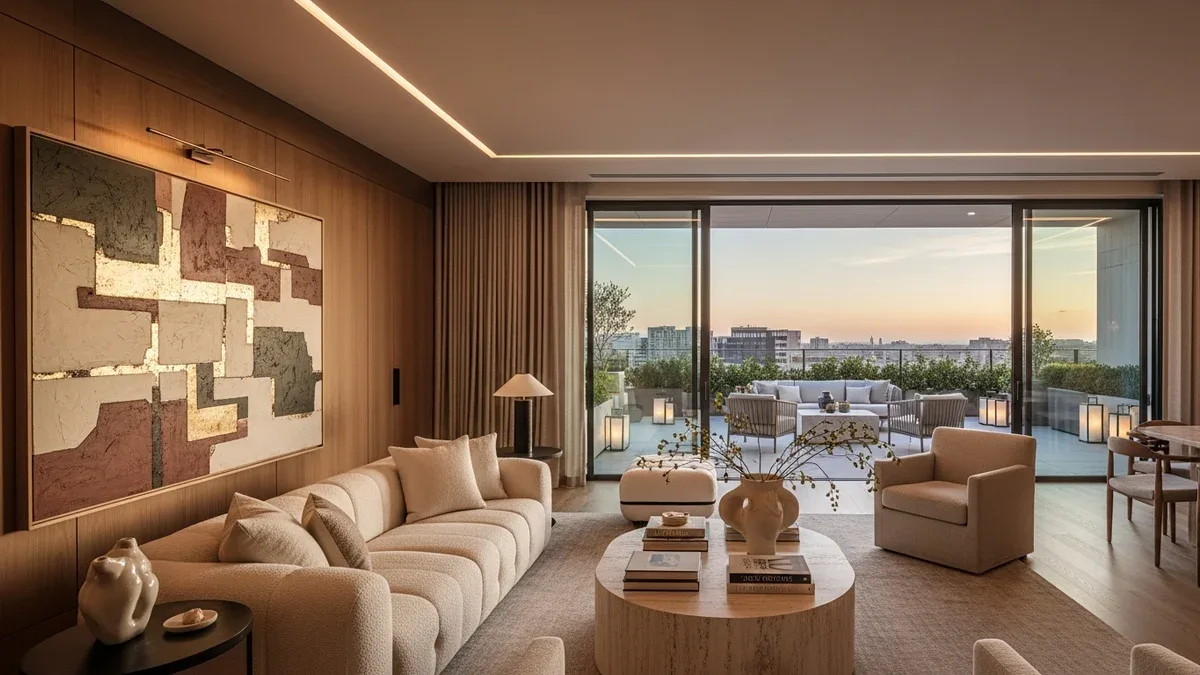
Ask a Luxe guest why they booked a $2,400-a-night villa over the one down the road at $1,600, and they rarely mention square footage. They mention the way the living room felt in the photos. The bed. The bath. The sense that someone thought about the whole thing. At the top of the market, you're not renting out space. You're renting out a feeling, and that feeling is built almost entirely out of design decisions most owners never make on purpose.
This is the part of the business that gets skipped. Owners spend heavily on the acquisition, spend again on the pool or the view, then furnish the interior in a weekend from whatever's in stock. The house appraises well and photographs flat. If you're aiming for a genuine premium rate, the interior is where that rate is won or lost, and it deserves the same seriousness you gave the purchase.
Why Design, Not Size, Is What a Luxe Guest Pays For
A guest booking the top tier in Malibu, Aspen, or the Hamptons has options. Plenty of them are big. Plenty have the view. What separates the listing that commands its rate from the one that sits at a discount is almost never another 800 square feet. It's whether the home feels considered.
Think about it from the guest's side. They've paid a rate that, in the luxury tier, often runs several times a comparable mid-market stay. AirDNA's luxury-tier analysis has pointed for years to design quality and photography being the strongest levers on both nightly rate and occupancy at the top of the market, more so than raw bedroom count. What they're buying is an experience they can't assemble at home, and a big empty room doesn't deliver that. A room with a point of view does.
Size is a fixed input. You bought what you bought. Design is the variable you still control, and it's the one that moves the rate. That's the whole argument for taking the interior seriously: it's the highest-leverage money you have left to spend on the property.
The Difference Between a Decorated Home and a Designed One
A decorated home has nice things in it. A designed home has a reason for every one of them. That's the gap, and guests feel it even when they can't name it.
Decoration is additive and reactive. You find a sofa you like, then a rug that sort of goes, then art to fill the wall, then a lamp because the corner was dark. Each decision is fine on its own. Together they read as a collection of purchases rather than a place. Design starts from a concept, a single idea about what this house is, and then everything either serves that idea or gets cut.
The concept doesn't need to be fancy. "A quiet coastal house that lets the ocean do the talking." "A warm mountain retreat, all wood and wool and low light." "A collector's modern villa where the art leads and the furniture stays out of its way." Once you have the sentence, the hundred small choices get easier and, more importantly, they start agreeing with each other. That agreement, that coherence, is what a guest reads as luxury. The strongest work we see comes from owners who treat interior design as a point of view first and a shopping list second.
The Non-Negotiables at This Tier
Some things a Luxe guest simply expects, and getting them wrong undoes a lot of good work elsewhere. These aren't where you express personality. They're the baseline you clear before personality matters.
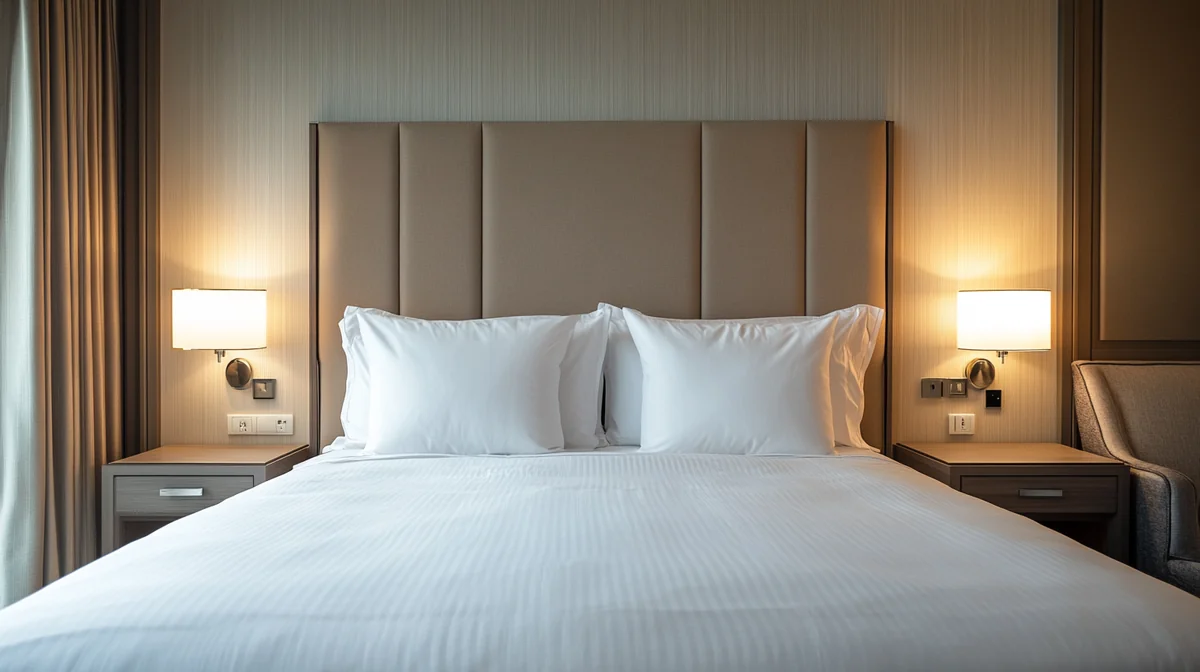
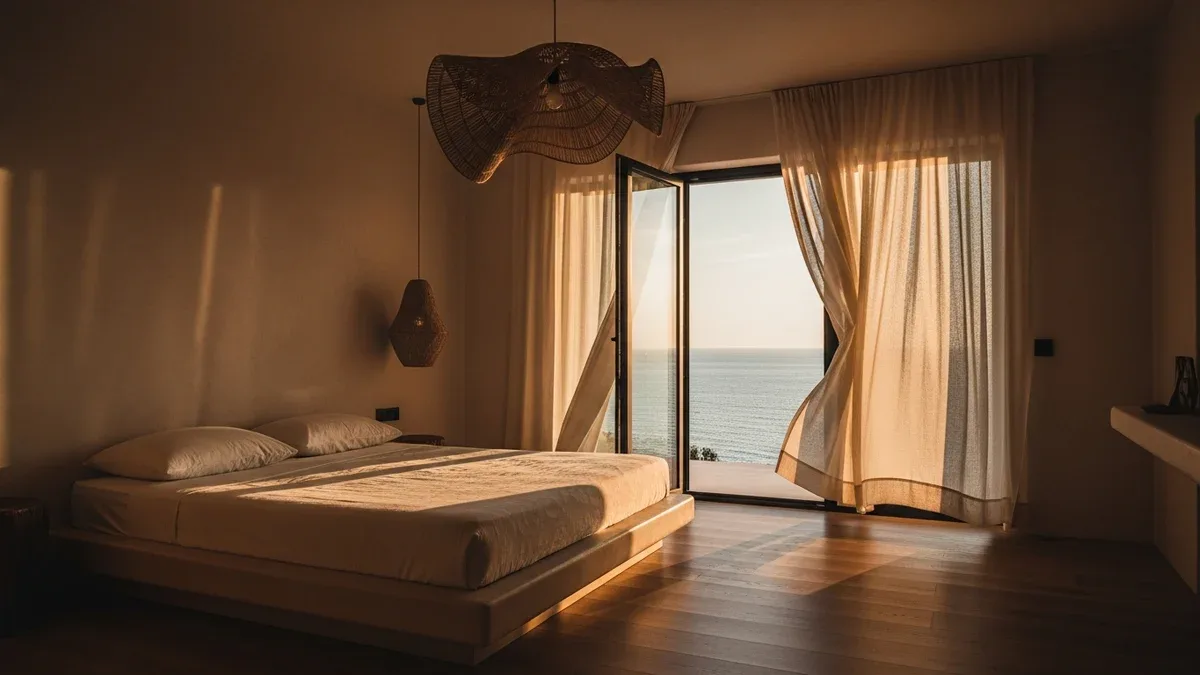
- Hotel-grade beds and linens. The bed is the single most-remembered object in the house. A five-star mattress, a proper topper, and real linens (long-staple cotton or linen, ironed, in enough sets to survive back-to-back turnovers) do more for a review than almost anything else you can buy. Guests notice within the first night, and they write about it.
- Real lighting design. Not one overhead fixture per room on a single switch. Layers: ambient, task, and accent, on dimmers, warm color temperature (around 2700K), so the house can go from bright morning to soft evening without anyone thinking about it. Bad lighting makes an expensive house feel like a rental. Good lighting makes an ordinary room feel expensive.
- A proper chef's kitchen. At this rate, guests cook, or their private chef does. Full-size professional range, real counter space, sharp knives, actual cookware, glassware that isn't chipped. The kitchen is where a lot of the vacation actually happens.
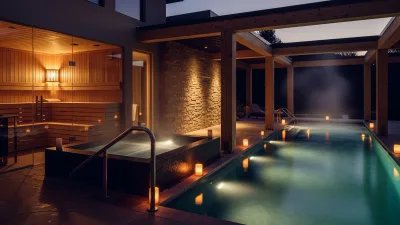
- Spa-quality baths. Rainfall shower with real water pressure, a soaking tub where the architecture allows, heated floors in a cold-climate market, and stone or tile that reads as permanent, not applied. Towels thick enough to feel like a hotel's.
- Art that means something. Not hotel-lobby filler chosen to match the couch. A few real pieces you'd defend give the house a personality no catalog can. It doesn't have to be expensive. It has to be intentional.
Spend on the bed and the shower before anything else. If a guest sleeps well and takes a great shower, they forgive a lot. If they don't, no amount of art or view will save the review.
Designing for Photography and the First Five Frames
Here's the uncomfortable truth: your guest experiences the interior twice. Once in person, after they've booked, and once in the listing photos, before they've booked. The second one is the one that gets you the reservation. If the design doesn't photograph, the design doesn't pay.
That means designing the house partly for the camera. The first five frames of your listing do most of the work. Airbnb Newsroom has said repeatedly that the cover image is the biggest single driver of whether a listing gets clicked, and in the luxury tier Skift's coverage of high-end rentals has echoed the same point: the imagery sells the stay before a word of the description is read. So the hero shot, usually the main living space or the view, needs a clear focal point, clean sightlines, and depth. Rooms that are beautiful in person but cluttered or flat in a photo cost you bookings you never see.
Practically: leave breathing room in key sightlines, choose a few large pieces over many small ones, mind the color story so the whole set of photos feels like one place, and stage for the light the photographer will actually shoot in. This is also where design and branding start to overlap, because a coherent visual identity across the photos is what makes a listing feel like a real property rather than a spare room. It's also why so many owners see the payoff from interior design upgrades show up first in their photos and then in their rate.
Source: Industry estimates; AirDNA luxury-tier analysis
Sense of Place: Let the Location and Architecture Lead
A Malibu beach house shouldn't look like an Aspen lodge. Sounds obvious. It happens constantly, because owners import a look they liked somewhere else instead of listening to the house they actually own.
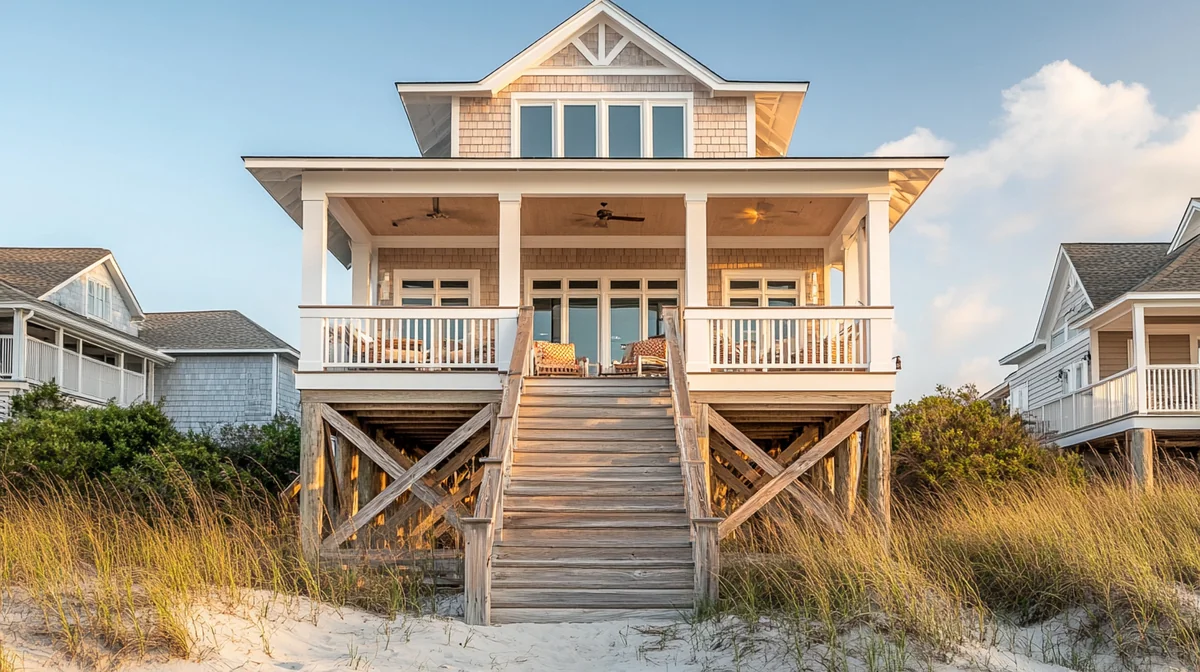
The best luxury interiors feel inevitable, like the design grew out of the place. A house on the water in Montecito or Palm Beach wants light, air, natural materials, and an easy relationship with the outside. A mountain home in Jackson Hole or Lake Tahoe wants warmth, texture, and shelter from the weather. A villa in the hills above Lake Como or on Ibiza carries its own centuries of vernacular you can lean into instead of fighting. Guests travel to those places for a reason, and the interior is where you either deliver on that reason or contradict it.
Let the architecture lead too. If the house has good bones, exposed timber, a dramatic window, an original tile floor, design around them, not over them. Fighting the building is expensive and it never quite reads right. Working with it costs less and always looks intentional, because it is.
Before you buy a single piece, spend a full day in the house at different hours. Watch where the light lands and what the windows frame. The house will tell you what it wants to be if you let it, and that answer is usually better than anything you'd have imported.
Durability and Maintenance Behind the Beauty
A luxury rental is not a home you live in gently. It's a home that turns over dozens of times a year, with guests who paid a lot and therefore use everything. Beauty that can't survive that isn't a design choice, it's a maintenance bill waiting to happen, and a stream of tired-looking photos six months in.
This is where you borrow from hospitality. Hotels specify contract-grade materials for a reason: performance fabrics that shrug off a spilled glass of red, stone and porcelain over materials that stain or scratch, hardware rated for constant use, rugs you can actually clean. The trick at this tier is choosing durable things that don't announce their durability, so the house reads as refined while quietly holding up to turnover after turnover.
Plan for maintenance from day one. Keep spare linens, spare glassware, and a touch-up kit. Photograph the house the way it should look and give your cleaning team that reference so every guest walks into the same home the last one saw in the listing. The premium rate assumes the premium condition, and condition is a system, not a one-time install.
When to Bring in a Professional vs. Curate Yourself
Not every project needs a full design firm, and not every owner should go it alone. The honest answer depends on the house, the market, and your own eye.
Curating yourself can work when you have a genuine point of view, the time to see it through, and a home whose architecture already does a lot of the heavy lifting. Some of the most memorable rentals we've come across were shaped by an owner with strong taste and real patience. If that's you, trust the concept, buy fewer and better things, and resist the urge to fill every corner.
Bring in a professional when the numbers justify it, which at true Luxe rates they usually do. A good designer earns their fee by getting the whole thing right the first time, by having sources you don't, and by seeing the photography and the guest experience as one problem rather than two. In a market like Malibu, where the top listings are genuinely designed and the competition is real, the gap between a professional result and a capable-owner result is often the gap between a full calendar at your rate and a slow one at a discount. Cavmir helps owners think through where the design dollars actually move the rate, and how the finished interior gets photographed and presented so the work pays for itself.
Wherever you land, the standard is the same. A Luxe guest is paying for a coherent, considered, well-made place with a clear sense of where it is. Get the concept right, clear the non-negotiables, design for the camera as well as the room, and build it to last. Do that, and the premium rate stops being something you hope for and starts being something the house simply earns.