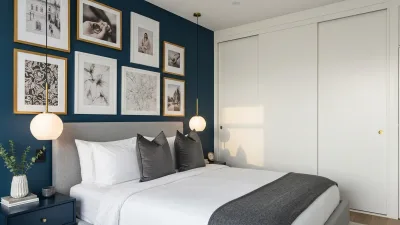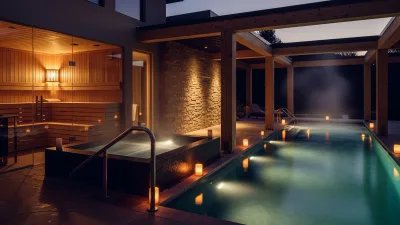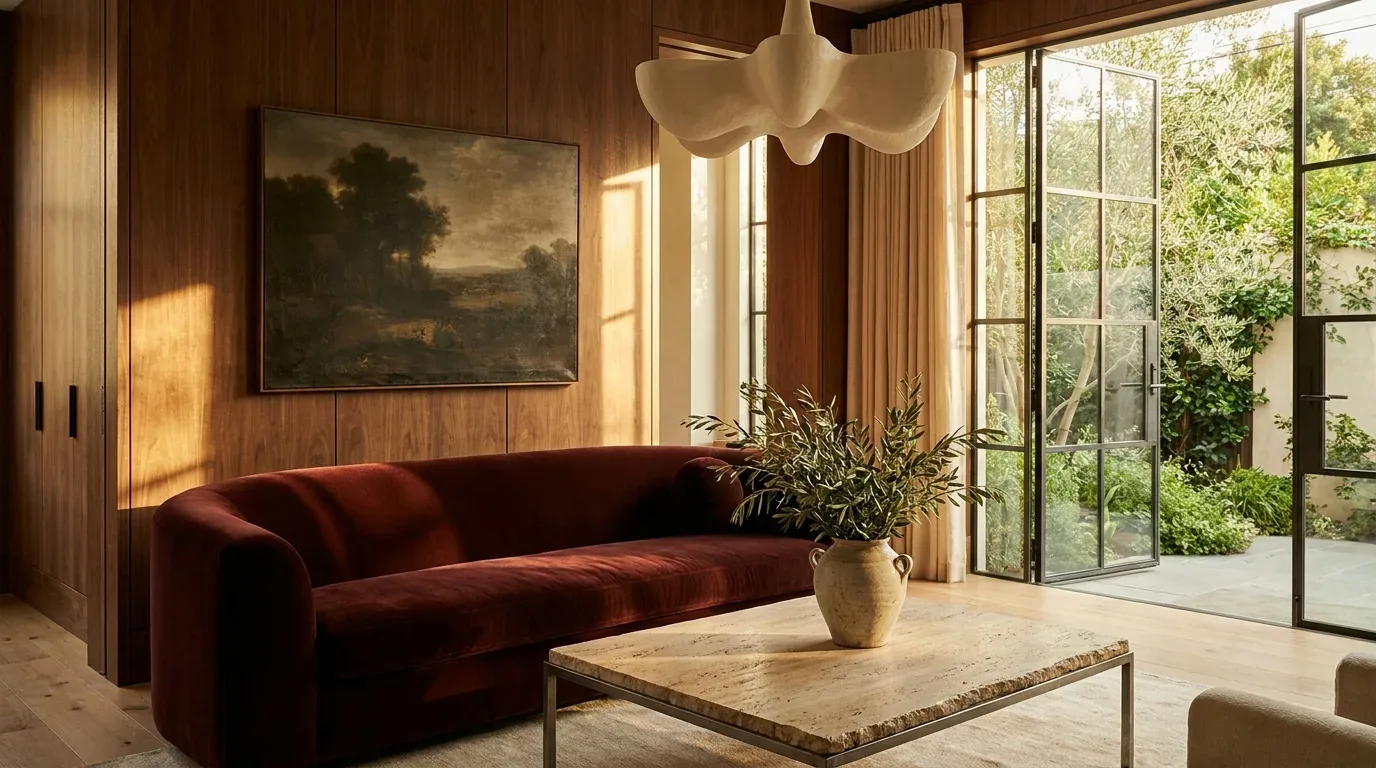
I've spent twelve years building, flipping, and furnishing houses, and more than 900 nights sleeping in other people's rentals and hotels across 50-plus countries. Most of my inspiration comes from the hotels, more than the Airbnbs — the Delano in Miami, Fasano in São Paulo and Rio, the grand hotels of Paris, and a long run of rooms across Asia, Doha, Dubai, California, and Amsterdam. A good hotel commits to a point of view most homes never risk, and that's usually where I catch next year's ideas first. So when I sat down to map out where interior design is heading in 2027, I didn't want to write another ten-item listicle. I wanted the whole picture: every room, inside and out, from the paint on the ceiling to the faucet in the powder bath to the pergola over the plunge pool. This guide is that map.
A few ground rules before we start. This guide is roughly 40% sourced and 60% judgment, and I'd rather say that plainly than pretend a trend forecast is a lab result. The sourced 40% is real and current — the 2027 forecasts that have actually been announced (Sherwin-Williams, Valspar, and WGSN have all published their direction as of this writing), hard data like Zillow's listing analysis and the 1stDibs designer survey, and the trade reporting coming out of KBIS, Lightovation, and the design press. The other 60% is my own read after years in this work, and just as much what I see in the field: the High Point Market in North Carolina twice a year, Design Miami, and the hotels and showrooms I walk through everywhere I travel. Where something is my call rather than a published announcement, I say so. And because most of the big 2027 color announcements land between September and December 2026 — Benjamin Moore, Behr, Pantone, and Dulux all reveal in the fall — I'll flag what's still to come. What you won't find anywhere in here is an invented statistic or a number I made up to fill a section.
One more thing. I run a marketing agency for short-term rentals, so throughout this guide I'll note where a trend matters differently if your property earns income on Airbnb or through direct bookings. A homeowner can chase any trend they love. A host has to ask a second question: does this photograph well, does it survive turnover, and does it move the nightly rate? Those notes are in the field-note boxes. If you just want the design picture, skip them and this reads as a straight trend guide.
The Big Picture: What's Actually Driving 2027
Every year has a handful of forces underneath the surface trends, and 2027's are unusually easy to name because the industry's biggest players have been explicit about them.
The first is a reaction against sameness — specifically, AI-generated sameness. When Sherwin-Williams released its Colormix Forecast 2027 in July 2026, it did something it had never done before: it dropped the single Color of the Year entirely. Instead, the company published 48 hues under the banner "Rewild," organized into three stories — Revive (heritage and craftsmanship), Reignite (bold self-expression), and Reconnect (nature and restorative spaces). Their color marketing manager, Emily Kantz, framed the change as giving people "the confidence of expert color direction, while giving people greater freedom to create spaces that feel deeply personal." Read between the lines and it's a bet that after two years of algorithm-fed, identical-looking interiors, people want rooms that couldn't have been generated by a prompt. You'll see that same instinct — patina, imperfection, the visible hand of a maker — running through nearly every category in this guide.
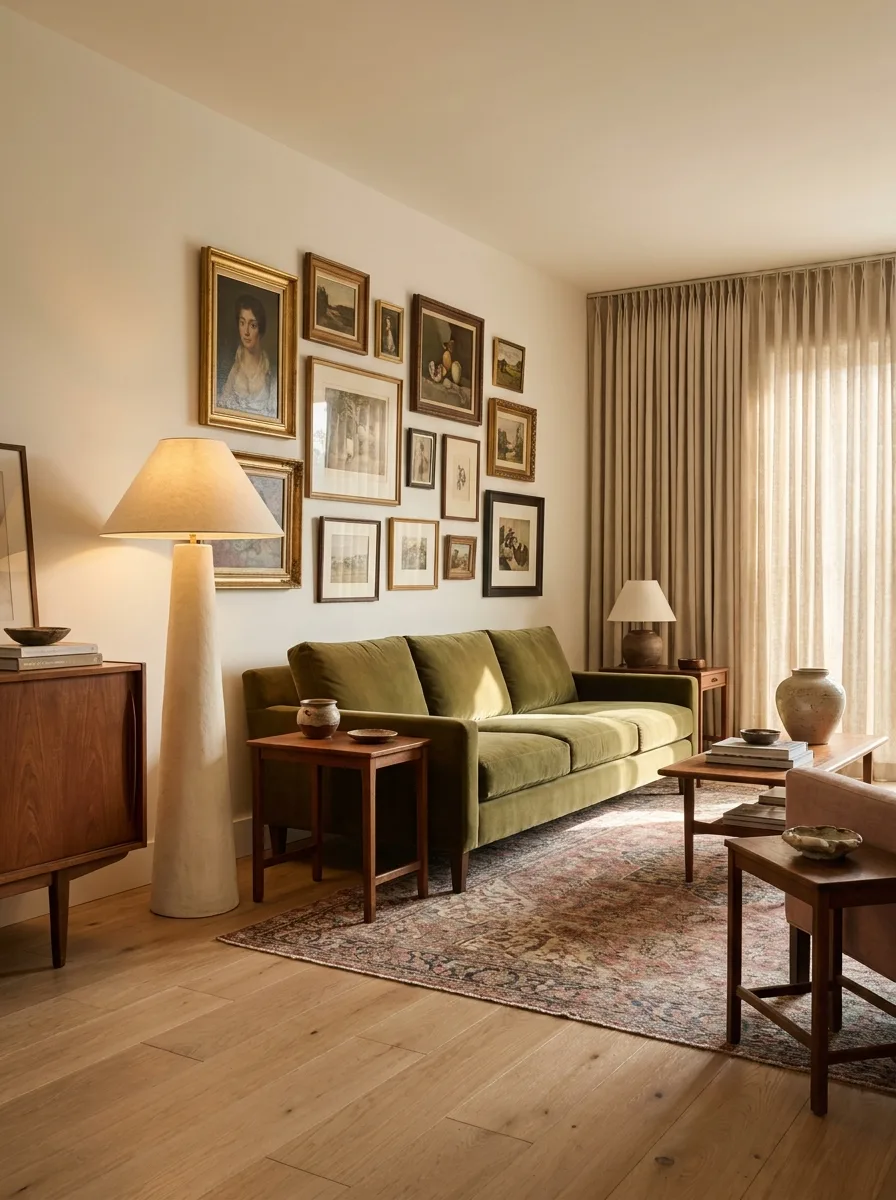
The second force is the full swing from minimal to collected. The 1stDibs annual designer survey, released in late 2025 with 468 working designers responding, put maximalism (39%) and eclecticism (38%) at the top of the most-requested styles list. Homes & Gardens has started calling the successor to quiet luxury "found luxury" — rooms assembled slowly from objects with history, rather than bought in one order from one showroom. This shows up in the furniture market, the wallpaper market, the lighting market, everywhere.
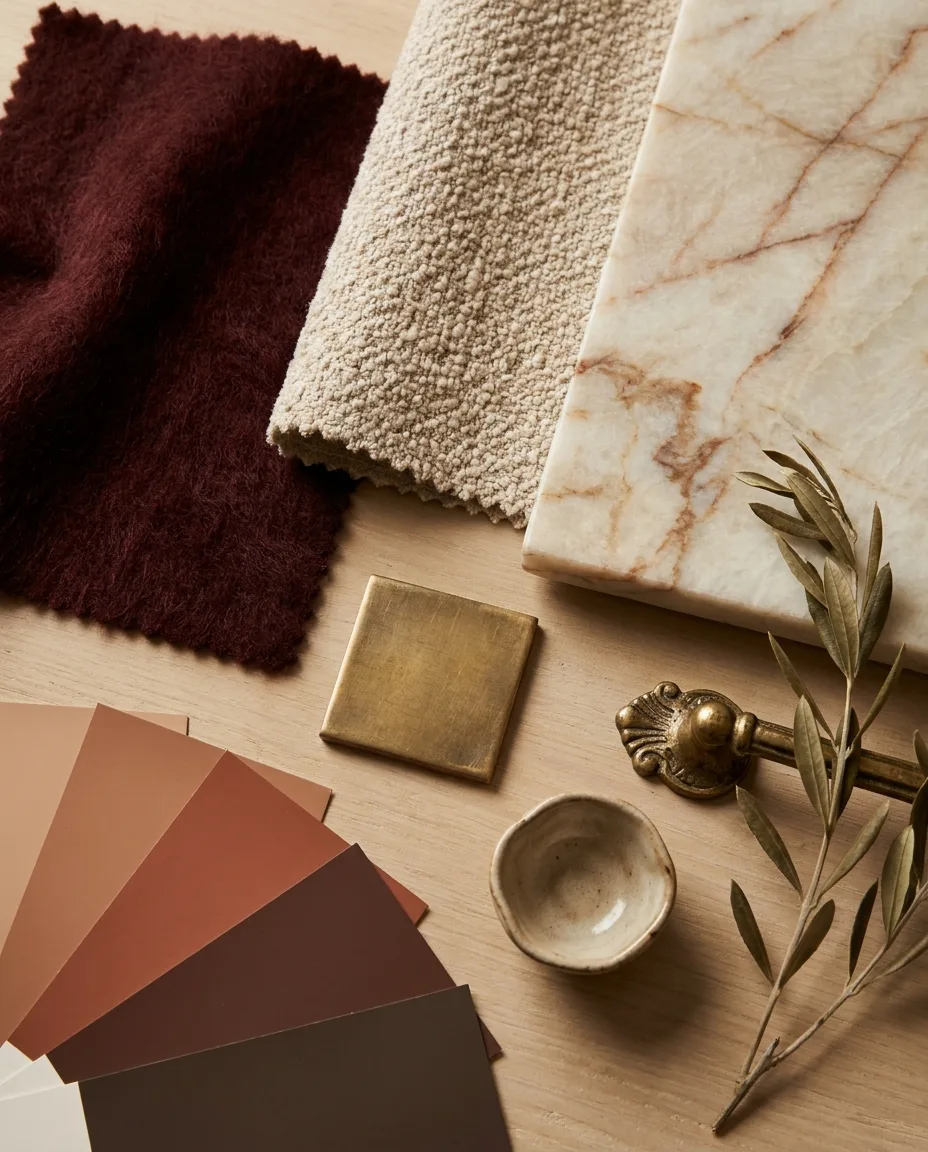
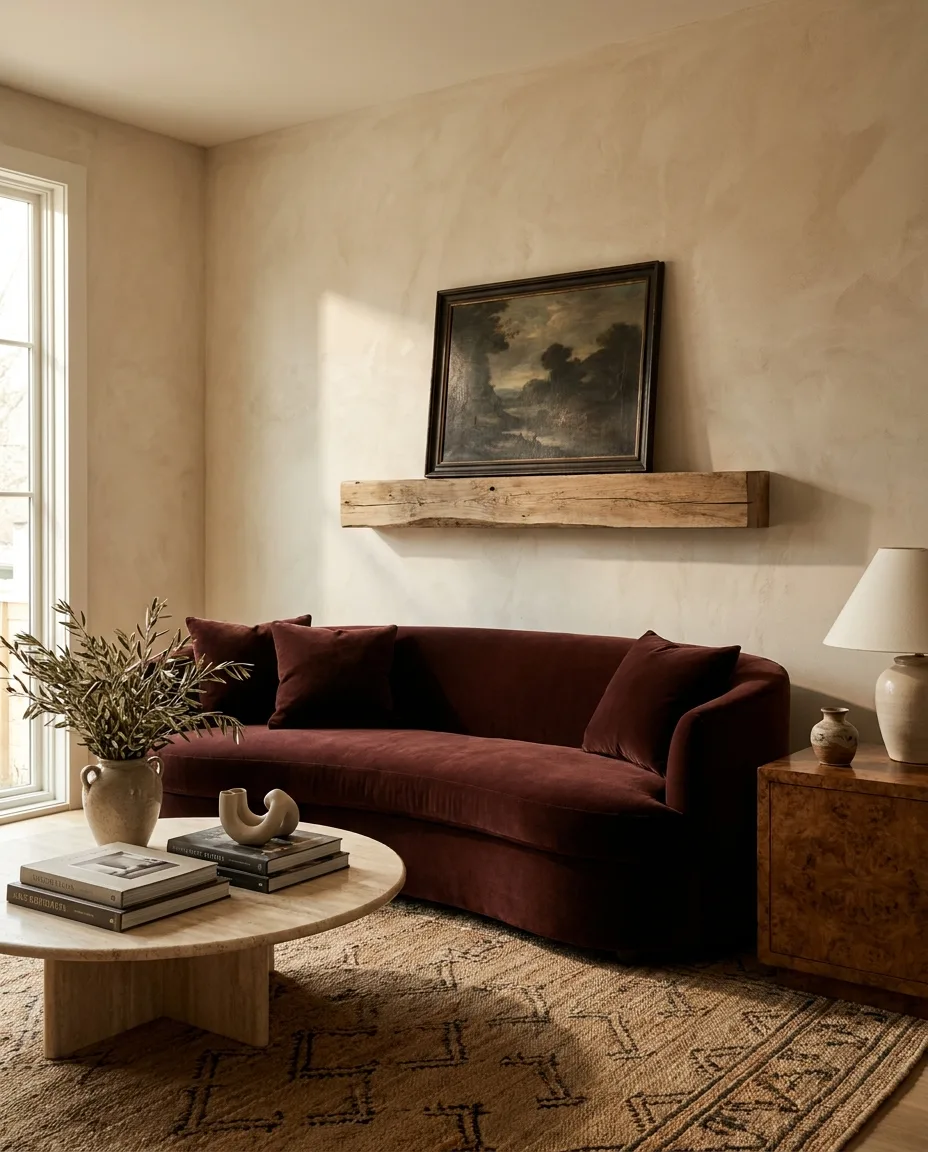
The third is warmth. The gray-and-white decade is over and nobody is mourning it. Chocolate brown hit 33% in that same 1stDibs survey (nearly double its 2022 number), burgundy jumped from 7% to 21%, and the 2026 colors of the year from the major paint brands — an espresso brown from Benjamin Moore, a smoky jade from Behr, a warm mahogany from Glidden — all pointed the same direction. 2027 continues the slide toward earth: browns, clays, oxbloods, mossy greens, warm whites.
The fourth is resilience and longevity. Zillow's 2026 Home Trends Report, built from analysis of millions of listing descriptions, found zero-energy-ready homes up 70% year over year, whole-home battery mentions up 40%, and flood-protection mentions up 64%. People are building and buying for a longer horizon, and the design language follows: materials that age instead of wearing out, vintage pieces that have already proven they last, and fewer disposable trend purchases.
And the fifth, which sits in tension with the first: technology keeps advancing, it's just going invisible. The luxury market's current flex, per the 2026 design-industry reporting on the subject, is a home that looks like it has no technology in it at all — while running more of it than ever. We'll get to that in the smart-home section.
For hosts, the "collected over generated" shift is the single most useful thing on this page. Guests scroll past forty listings that look furnished-by-algorithm. The listing that reads like a real person with a real point of view assembled it is the one that gets the click, and in 2027 that gap widens. You don't need a bigger budget. You need a point of view.
How Trends Actually Spread Now
Before the room-by-room tour, it's worth thirty seconds on the machinery, because knowing where a trend sits in its life cycle is worth more than knowing the trend.
The pipeline runs in a fairly predictable order. Forecasting houses like WGSN publish direction up to two years out. The paint brands translate it into colors of the year each fall. Pinterest mines its search data every December for the coming year's named trends — the 2026 edition surfaced ideas like Afrohemian decor (afrobohemian searches up 220%), the chrome-and-brass geometry it calls Neo Deco, and opalescent celestial lighting. Design media amplifies, social compresses the cycle to weeks, and eventually the trend shows up where it actually gets measured: Zillow's annual report literally counts keyword mentions across millions of US listings, which is how we know color drenching was up 149% year over year and reading nooks up 48%. When a trend is in listing copy, it's mainstream. When designers start calling it "at fever pitch," the smart money already left.
Two things changed recently. First, the viral single-color cycle — cherry "unexpected red" in 2024, butter yellow's run through 2026 — burns through the market faster every round, which is exactly why the forecasters are hedging with families of color instead of one hue. Sherwin-Williams dropping the single Color of the Year for a 48-color forecast is the institutional version of that hedge. Second, AI entered the pipeline from both ends: the 1stDibs survey found three times as many designers using AI tools for renderings and presentations, while the forecasters position their entire 2027 direction as a counterweight to algorithmic sameness. The machine speeds the cycle up; the taste response slows it back down with things machines can't fake — age, provenance, the mark of a hand.
My practical read: treat anything on a two-year forecast horizon as a safe base layer, anything named by Pinterest as a one-to-two-year accent, and anything going viral this month as a throw pillow. The budget should follow the half-life.
The Named Styles: What's Alive, What's Evolving, What's Fading
Design writing loves a named aesthetic, so before the categories, a status check on the big ones — because several get declared dead every January by people who haven't checked.
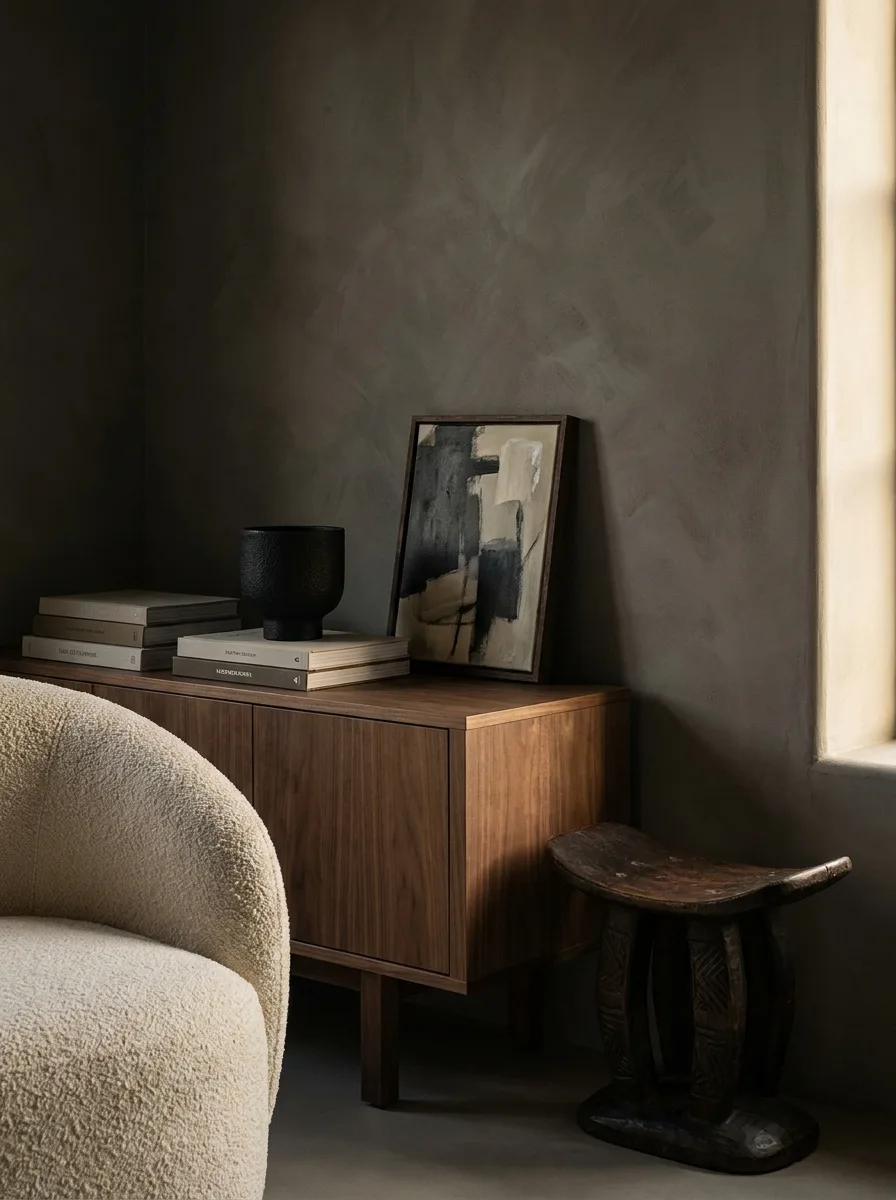
Japandi: alive, and speciating. When Apartment Therapy surveyed 140 designers for its 2026 outlook, Japandi came out the single most-cited aesthetic — not bad for a style that's been pronounced over annually since 2022. What's actually happening is evolution: the trade coverage now tracks sub-variants — Dark Japandi trading blonde wood for walnut and shadow, Wabi Japandi leaning into imperfection and patina, biophilic versions adding plant mass — which is what styles do when they stop being trends and become vocabulary. The core contract (craft, calm, negative space, natural material) is fully compatible with 2027's warmth-and-patina direction, which is why it persists.
Deco returns as geometry, not costume. Pinterest's trend mining named the chrome-brass-and-curves revival "Neo Deco," and you can see its fingerprints across this guide: checkerboard floors, micro-check tile, scalloped and fluted profiles, sculptural rounded furniture legs, the polished-metal counter-notes returning to fixture schemes. Nobody is building a Gatsby set; the 2027 version borrows Deco's confidence in pattern and shine and leaves the theme-party glamour behind.
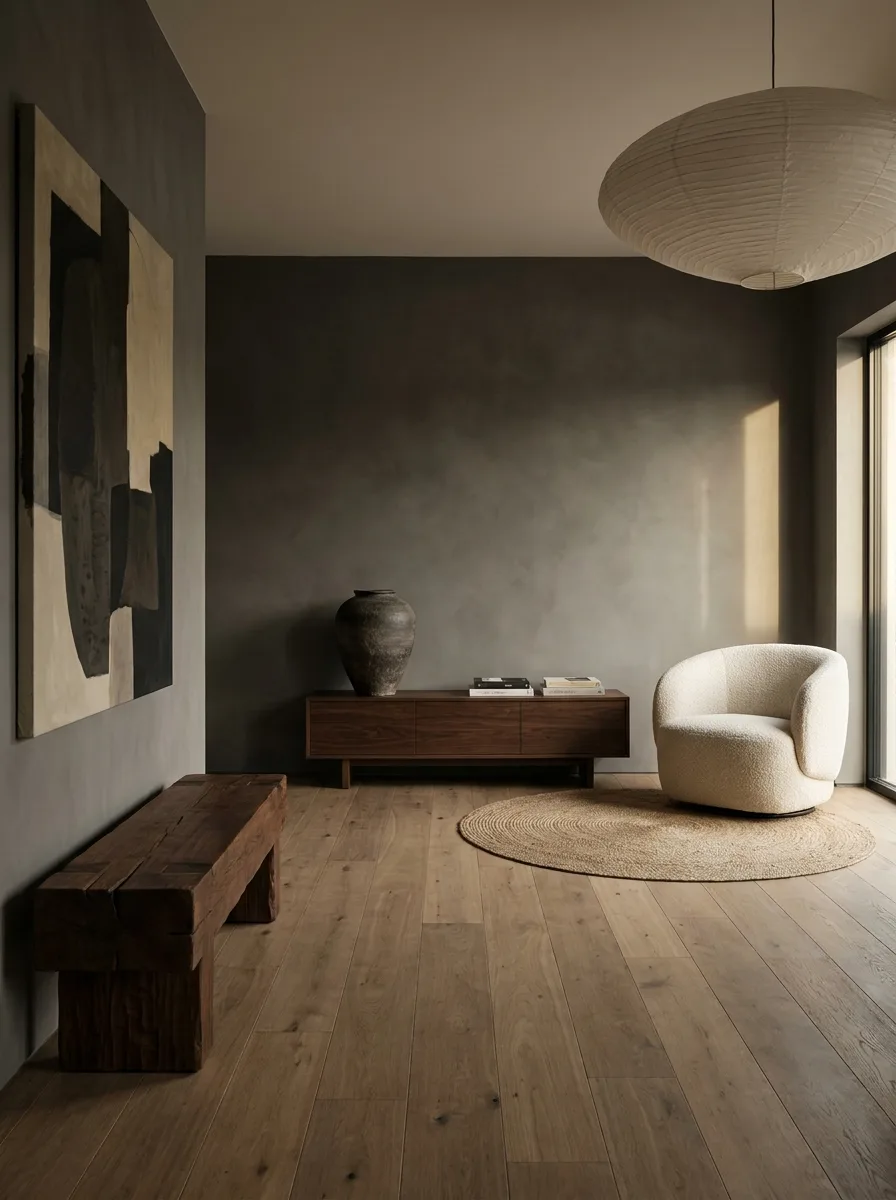
Global craft moves to the center. The same Pinterest cycle surfaced Afrohemian decor — searches for the Afro-bohemian mix up 220%, adire fabric up 130% — and it belongs to a broader movement the whole guide keeps touching: hand-loomed, hand-carved, hand-printed work from living craft traditions, bought as itself rather than as an "ethnic accent." It's the found-luxury idea at global scale, and it's the most durable form of the maximalist turn because the objects carry real stories.
Whimsy gets a line item. Zillow's listing data caught "whimsy" itself up 15% and Pinterest's "Fun Haus" theme — stripes, camp, toy-box color — covers the playful end. In practice this lands as one joyful move per house: the striped ceiling in the bunk room, the scalloped island, the lacquered-melon powder room. Full-commitment whimsy is a five-year-old's bedroom or a very confident adult; one room of it is charm.
Minimalism doesn't die; it warms. The minimal-versus-maximal framing misses how the market actually resolved: even the pared-back rooms of 2027 run warm palettes, tactile materials, and a few personal objects. WGSN's stated 2027 macro-theme is "interconnectedness" — polarities held together, nature with technology, ancient with contemporary — and that's a fair description of where the style war landed, with sterility as the only real casualty.
Color in 2027: What's Announced, What's Coming, What's Fading
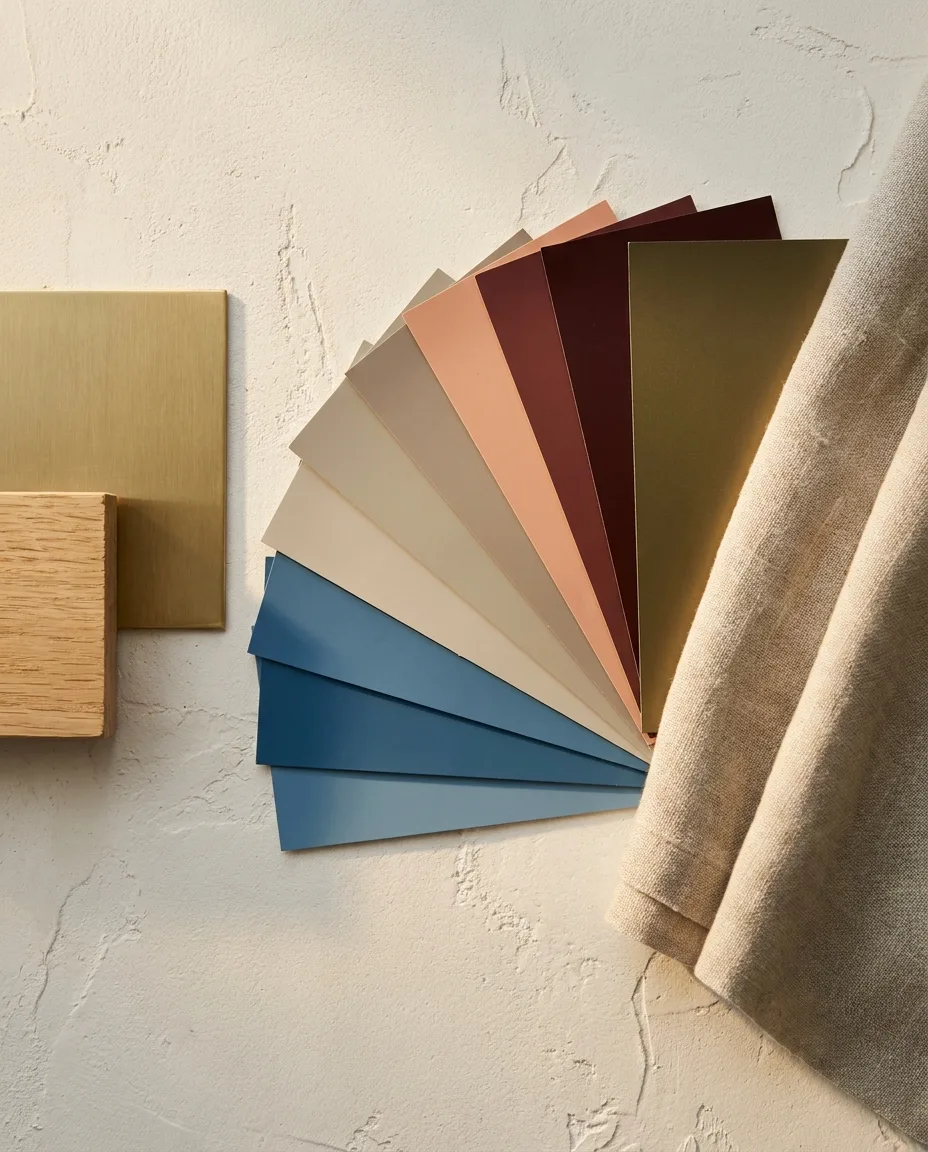
Color forecasting has a calendar, and it pays to know it. As of late August 2026, three major 2027 announcements are public, and they agree with each other to a surprising degree.
Valspar named "Cottage Door" its 2027 Color of the Year — first major US paint brand out of the gate, announced in early August 2026. It's a mid-tone blue the company describes as a "colorful new neutral," carrying both warm and cool undertones, chosen because blue reads as security and trust in an unsettled moment. Valspar pairs it with a warm gray (Moon Shot), a muted pink (Apricot Blush), and light woods.
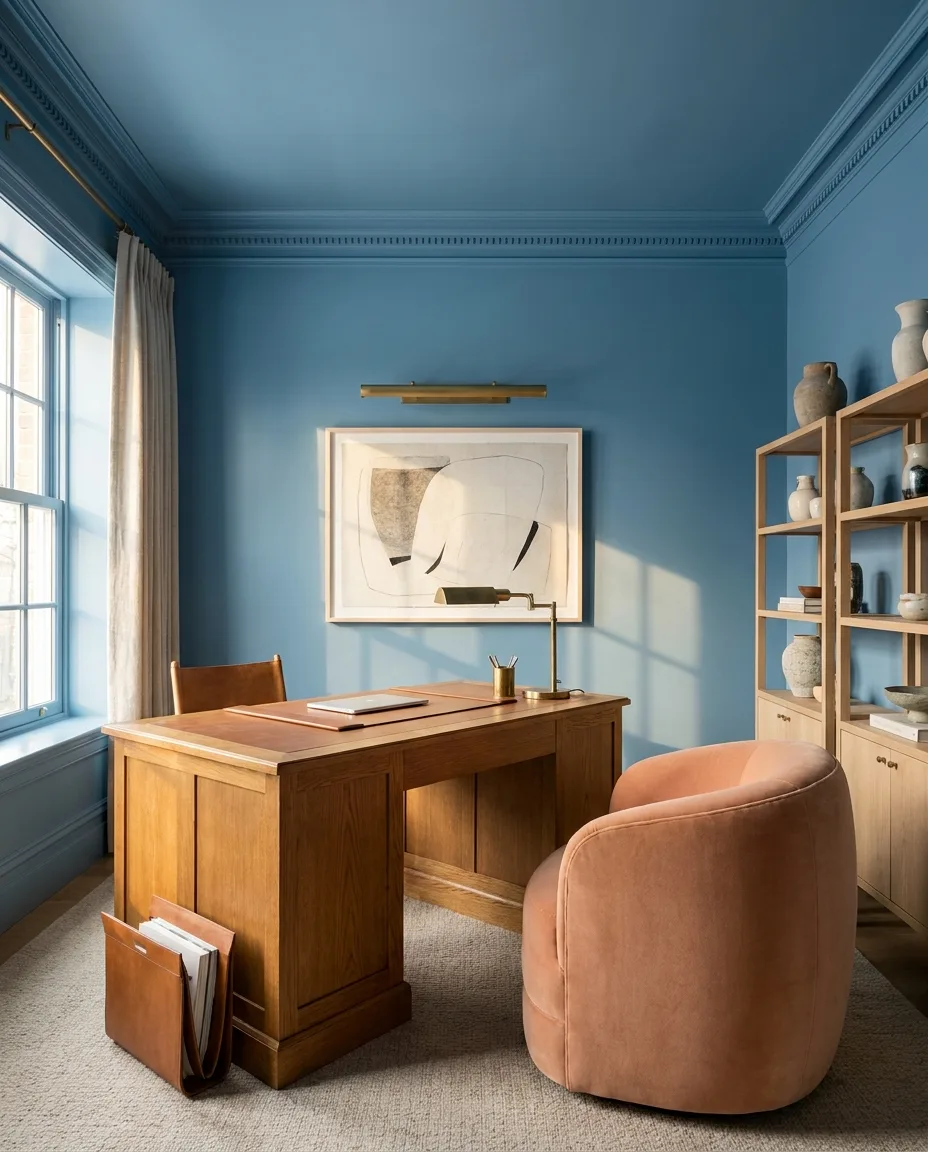
WGSN and Coloro named "Luminous Blue" their Color of the Year for 2027 — a deep, vibrant sapphire the forecasters compare to lapis lazuli, announced back in April 2025. Around it sit four supporting colors for the 2027 season: Energy Orange, Pop Pink, Meadowland Green, and an earthy pink-undertoned neutral called Clay, which WGSN explicitly ties to products designed for longer lifespans.
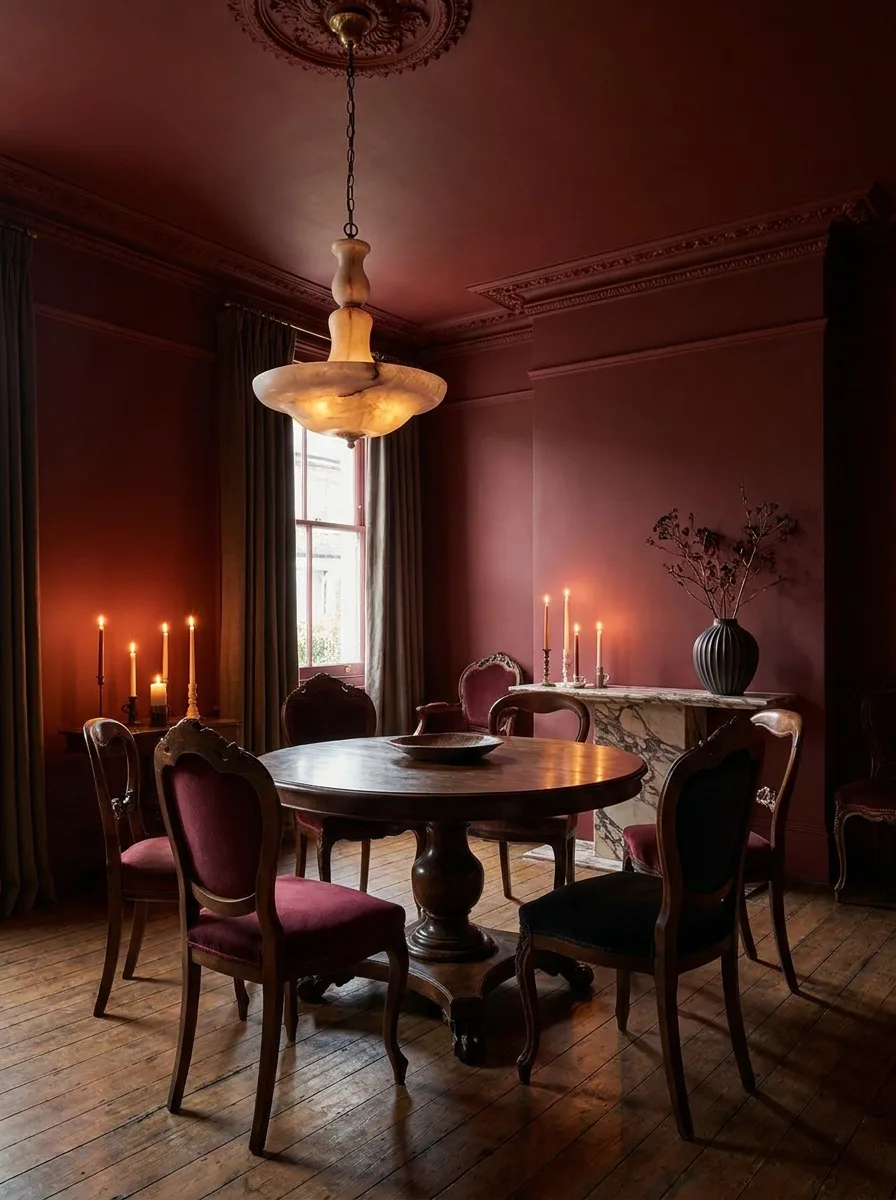
Sherwin-Williams, as covered above, published 48 colors instead of one. The palette runs from moody oxbloods and bronzy greens to chalky whites and sun-baked clays — sample names include Warm Winter, Dutch Tile Blue, Mountain Fig, Roycroft Bronze Green, and Perfect Greige. And in follow-up interviews, Kantz singled out richer, darker reds — cranberry and maroon territory — as the family with real momentum for 2027.
Put those three together and you get 2027's color story in one sentence: blue is the consensus hue, deep reds are the momentum play, and warm earth tones are the base everything sits on. It's worth noting the pattern held even before 2027 announcements began — Dulux's 2026 pick was already a blue, and Dulux reveals its 2027 color on September 8, 2026, with Benjamin Moore typically following in mid-October, Behr and Glidden in the fall, and Pantone in early December. If you're reading this after those dates, treat this section as the early returns.
What's leaving is just as clear. Cool, icy gray — the millennial-gray wall color that defined the 2010s — is now routinely described as flat and sterile in designer roundups, and Homes & Gardens' trend coverage has designers on record saying the warm-neutral palette that replaced it "will hold for at least five years." Stark builder-white walls get the same treatment, with one interesting nuance: Pantone's 2026 pick was Cloud Dancer, a soft off-white positioned as an antidote to overstimulation. So white isn't dead. Cold white is. The whites that work in 2027 are warm, chalky, mineral ones with cream in them.
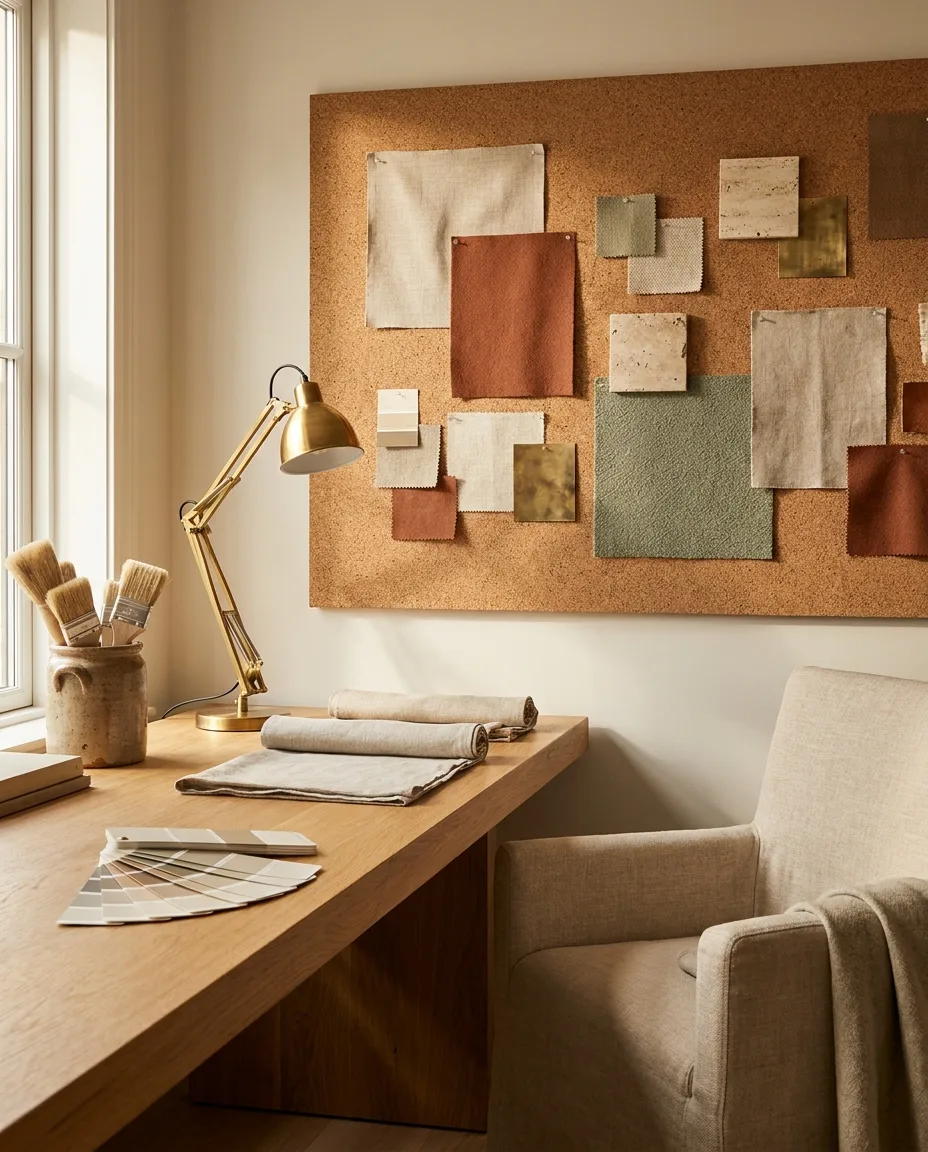
A word on execution, because picking the family is the easy half. Fixed elements choose first: your floor, counters, and tile all have undertones, and the wall color that flatters them beats the wall color that won the forecast. Test large — two coats on a poster board you move around the room for a full day, because the clay that glows at noon can go muddy at 7 p.m. under warm bulbs, and everything in the lighting section below changes how everything in this section reads. Sheen is part of the color: matte and flat finishes are carrying the year (they're half of why limewash looks the way it does), eggshell for walls that get touched, and save any shine for trim and doors where a little gloss reads as care. And if you're drenching a room, commit — walls, trim, ceiling, even the radiator. A drenched room with white trim is just a painted room with its jacket on.
Source: Sherwin-Williams Colormix 2027; 1stDibs Designer Trends Survey
Paint is the cheapest lever in this entire guide, and rentals should play color one notch more conservative than homes. My rule: earth-tone base, one saturated room. A deep oxblood dining room or a bronze-green study photographs like money and gives the listing a signature frame. Painting the whole house in 2027's boldest picks means repainting in 2029 — and it means your calendar depends on every guest sharing your taste in cranberry.
Materials: Patina Wins
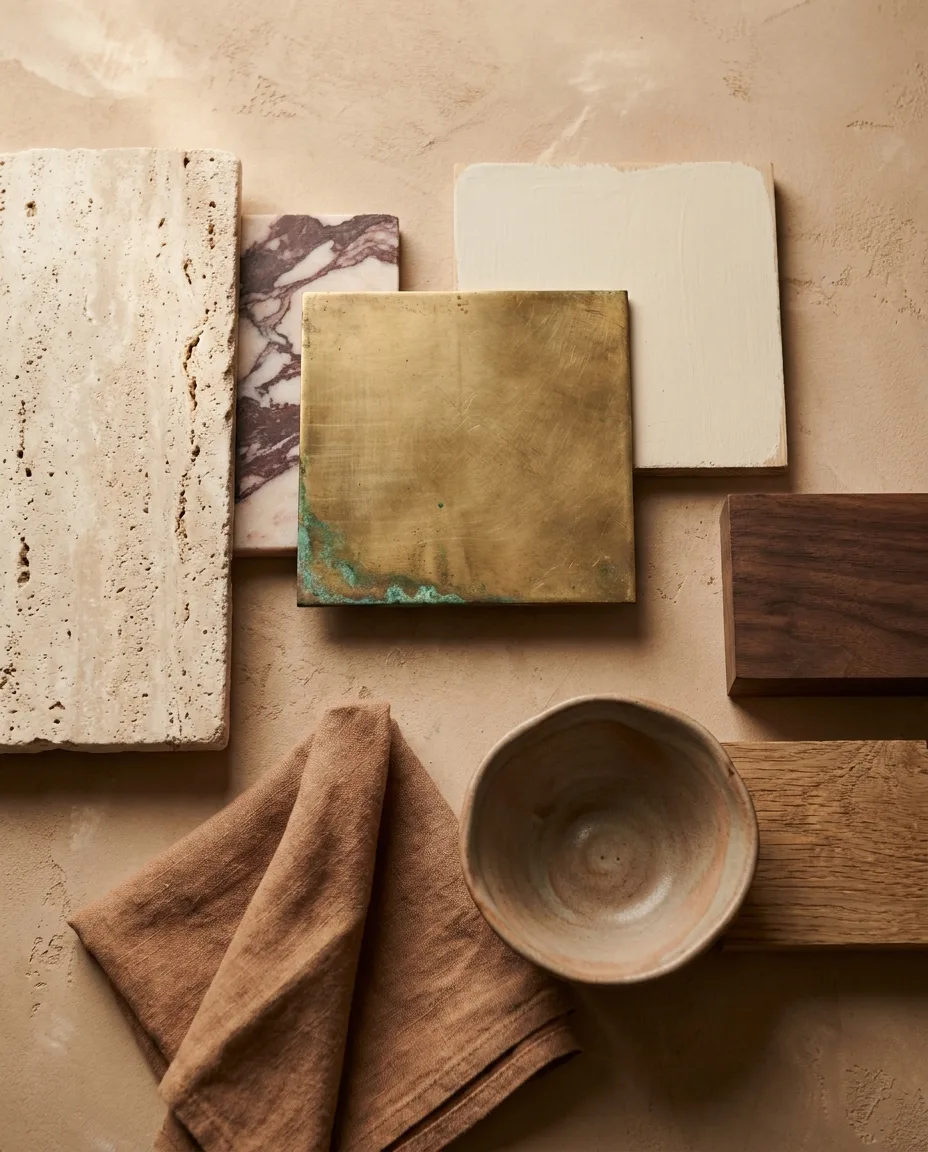
If 2027 has a single material thesis, it's this: surfaces that show the hand that made them, and finishes that improve as they age. Almost every category below is a variation on that idea.
Wood is going darker. After a solid decade of pale Scandinavian oak, walnut, mahogany, and smoked oak are staging a genuine return — the trade press has been reporting rising demand for dark cabinet woods through 2026, and the vintage furniture wave (more on that in the furniture section) pulls the same direction, because most of the good old pieces are brown. White oak isn't going anywhere; industry reporting citing NKBA data still puts it at the top of cabinet-wood popularity. What's changed is the finish: today's oak runs lighter-handed, low-orange, raw-looking, and it increasingly shares the room with something darker instead of matching everything.
Stone is calming down. The dramatic, high-contrast veining that peaked around 2022 is receding. In its place: quartzite as the luxury consensus — Taj Mahal quartzite gets named in nearly every designer countertop roundup, prized for natural variation with real hardness — plus honed and matte finishes over polish, soapstone, travertine, limestone, and dolomite. Domino's designer panel and the Homes & Gardens countertop coverage both point the same way: subtler veins, softer sheen, stone that feels quarried rather than printed. One contrarian signal worth watching: a few forecasters, including Japanese trend house TOPPAN, see gloss creeping back — lacquer, glazed ceramic, polished stone — as the pendulum answer to years of matte everything. Matte still dominates 2027; gloss is the bet for the years after.
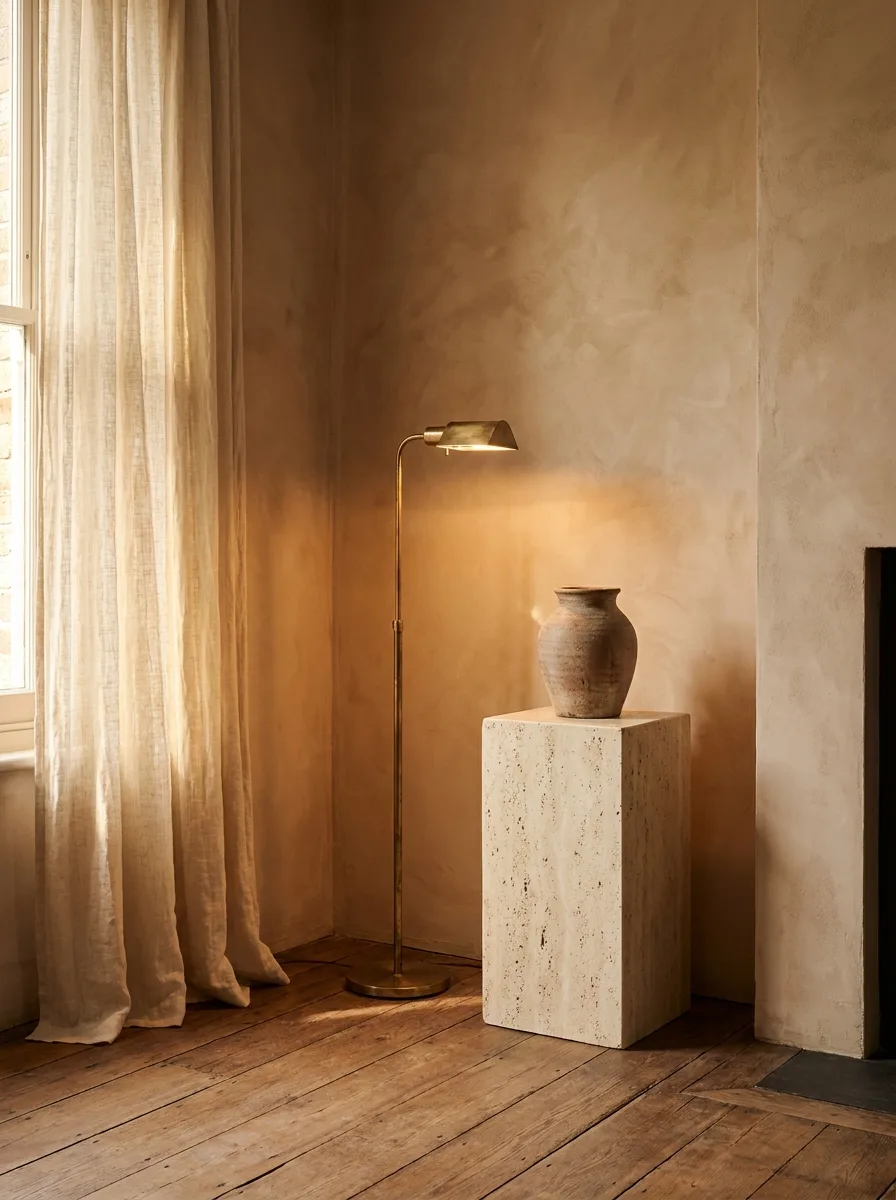
Plaster and limewash are the wall finish of the moment. Hand-troweled mineral plaster and limewash have effectively absorbed the energy that used to go into accent walls and shiplap. The appeal is exactly the imperfection: cloudy movement, soft texture, no two walls alike. Designer coverage now routinely calls flat, perfect paint finishes the sterile option. Clay and pink-toned plasters are the specific shades to know.
Tile is going smaller, softer, and more handmade. Zellige — the Moroccan glazed tile with all its irregularity — is still in the picture, though designers now deploy it in moderation: a niche, a backsplash strip, behind a basin. The newer energy is in micro-checkerboards, hand-painted and heritage patterns, and what the UK design press calls "tile drenching," running the same tile across floor, walls, and shower for a single enveloping surface. Plain white subway tile, after twenty years of service, is the one the trend pieces are finally writing obituaries for.
Metals: mixed, and increasingly unlacquered. The matching-metal suite is over. The designer-endorsed 2027 move is two finishes per room, layered deliberately — and the finishes themselves are shifting toward living ones. Unlacquered brass that darkens with handling, aged bronze, tarnished silver, textured matte black. Chrome had its comeback moment in 2024–25 and has already settled into a supporting role: still correct in modernist and traditional-contrast settings, with brushed nickel and softer silvers doing the volume work. The through-line, once again, is patina over perfection.
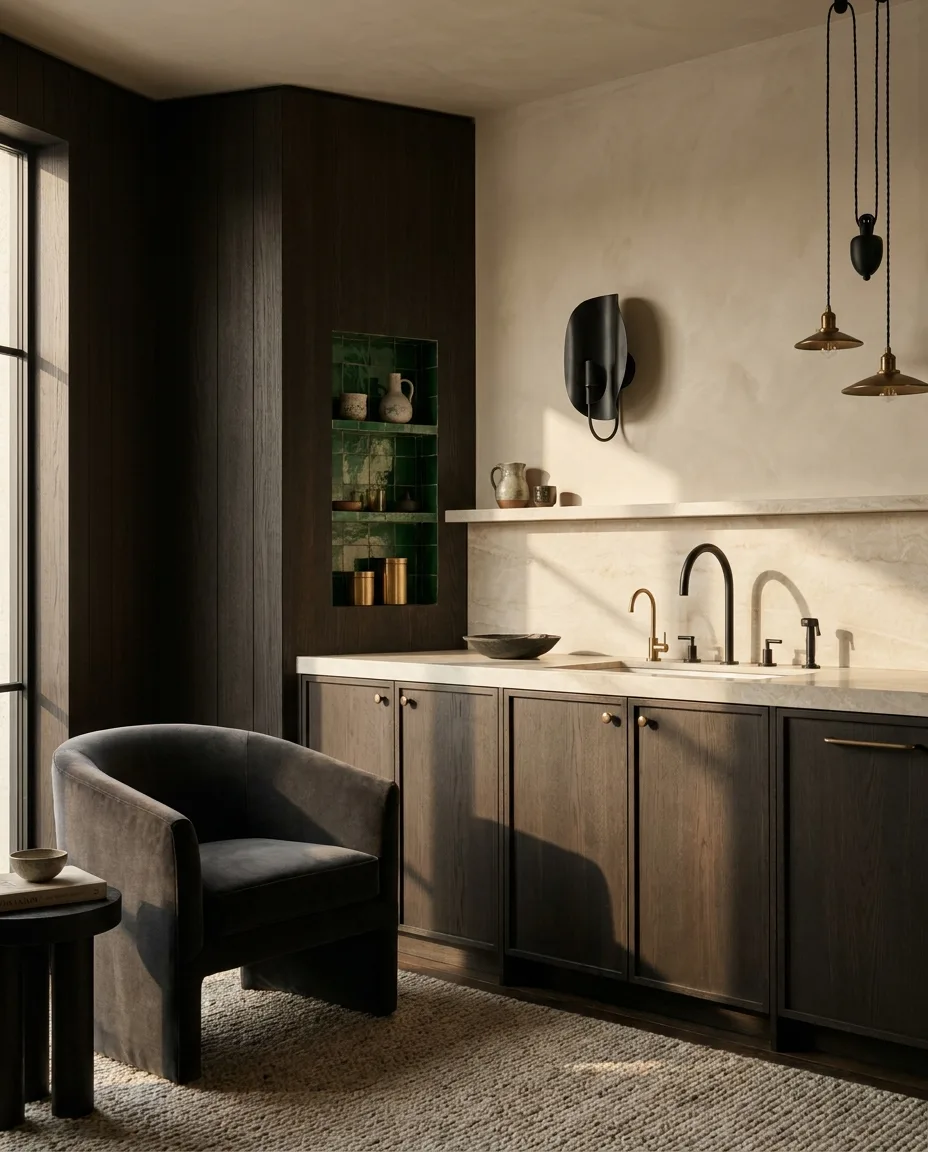
Textiles: the bouclé era ends, texture doesn't. Cream bouclé — the fabric of ten thousand identical living rooms — is the one designers have publicly broken up with; Livingetc ran an entire piece on fabric trends framed as life beyond bouclé. What replaces it is richer and more varied: mohair (which designer Kathryn M. Ireland flatly predicts will "get bigger and bigger"), alpaca, slubby heavyweight linen, open-weave wools, embroidery. Natural fibers generally — cotton, linen, wool — are the sustainability default.
The emerging class: materials grown, not made. Mycelium acoustic panels, hempcrete, bio-based insulation, reclaimed timber, recycled glass and metal. These are real and accelerating in the architecture press, and genuinely early for residential interiors. I'd put them in the watch column for 2027 rather than the spec column — with reclaimed wood as the exception you can buy today with no compromise.
Patina finishes are a gift to rental owners, and almost nobody has noticed. Unlacquered brass, limewash, honed stone, vintage wood — these hide wear by design. A polished chrome faucet shows every water spot in a listing photo; unlacquered brass just looks older and better. When your property turns over 80 times a year, choose materials that age in the same direction guests expect them to.
Walls and Ceilings: The Fifth Wall Gets Its Turn
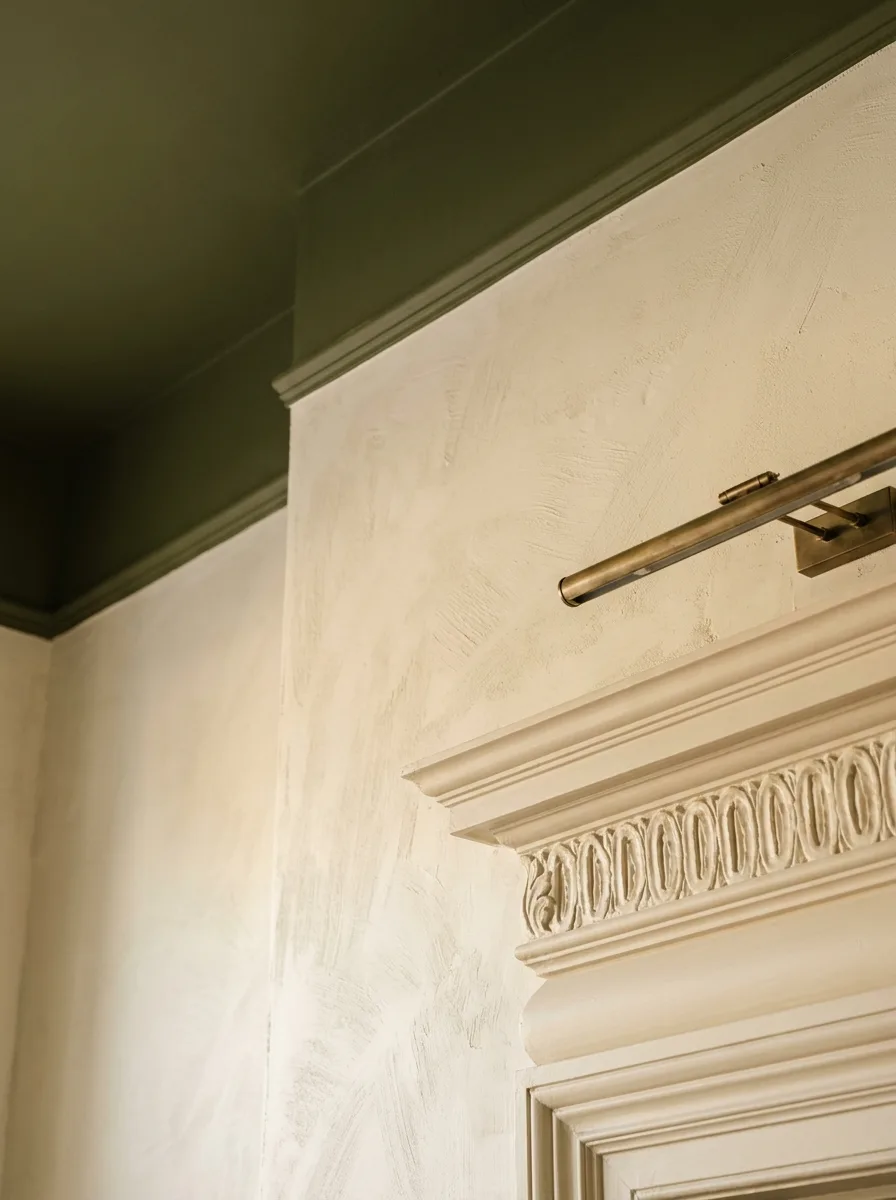
Walls stopped being background around the time color drenching took off, and 2027 pushes further in every direction at once.
Color drenching matures into color capping. Drenching — walls, trim, and ceiling in one saturated color — remains a dominant technique, and Zillow's listing data shows mentions up 149% year over year, which is about as hard as trend evidence gets. The refinement showing up now is what Benjamin Moore coined "color capping": carrying color up onto the ceiling as a defined cap while the walls stay quieter, or wrapping ceiling and trim in the accent color together. It delivers the envelope effect with a lighter touch, and it's the version I'd expect to see everywhere in 2027.
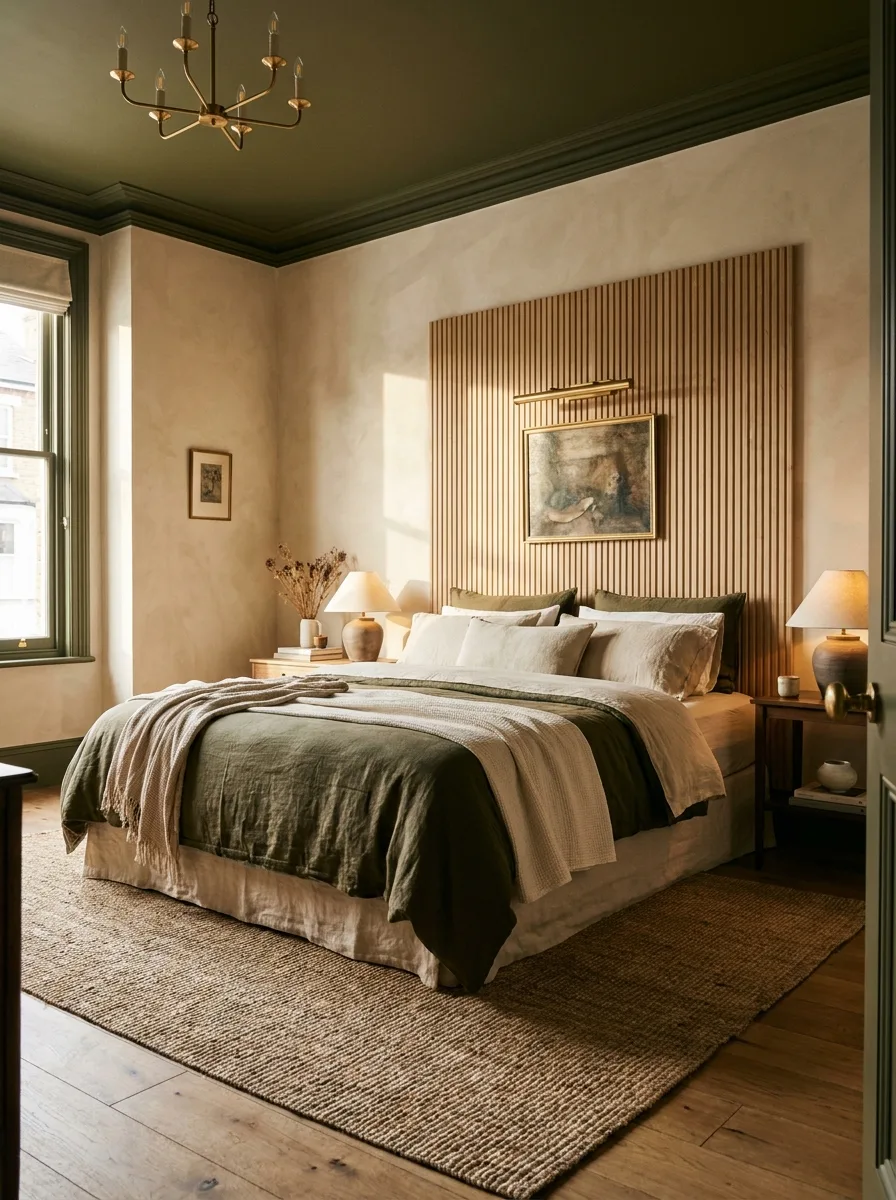
The statement ceiling is fully mainstream. Forbes and Livingetc both called the ceiling the surface of 2026, and the momentum is carrying: painted ceilings, stained wood ceilings, wallpapered ceilings, full ceiling murals. Designers talk about the fifth wall as the last unclaimed real estate in a room, and in spaces where wall area is eaten by windows and built-ins, it's often the only place left for pattern.
Wallpaper goes narrative. The 2027 wallpaper direction is storytelling: heritage motifs like Delft tiles reinterpreted, folk printing techniques, painterly landscape and garden murals, grasscloth and silk textures that read as fabric. The design press's framing is that pattern has moved from supporting act to main event. What's cooling: the spiky tropical-leaf prints that covered every powder room of the late 2010s.
Paneling returns as architecture. Fluted and slatted wood paneling — the hotel-lobby look — plus refined takes on wainscoting are being used to add structure, warmth, and even acoustic softening. The distinction from the last paneling wave matters: this is millwork as architecture. Flat decorative shiplap, the design press has formally retired.
A ceiling treatment is one of the highest photo-per-dollar moves a host can make, because listing photos are shot wide and the ceiling is in every frame. A stained-wood or deep-painted ceiling in the primary bedroom reads as a suite upgrade. I'd do the ceiling before I'd do a feature wall in 2027 — every competitor already has the feature wall.
Flooring: Warm, Wide, and Patterned
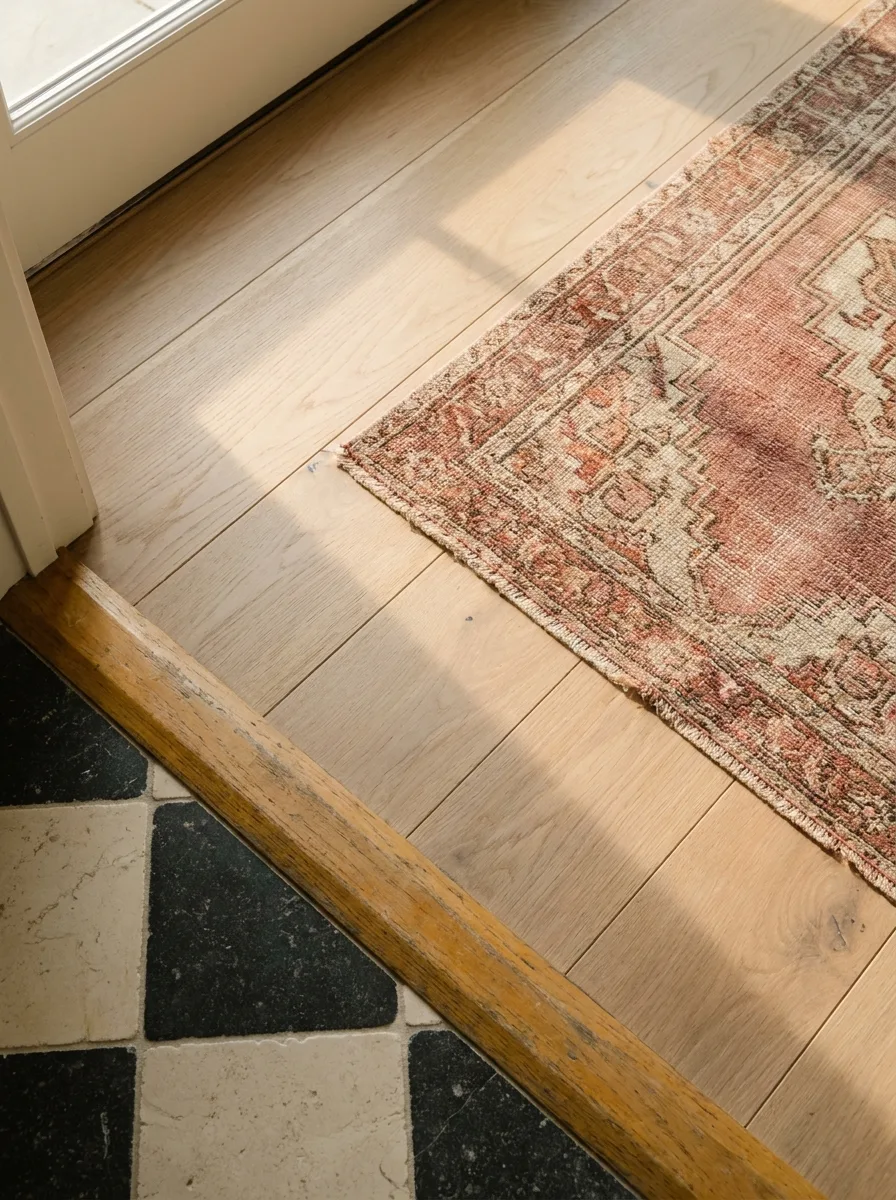
Flooring moves slowly because it's expensive to change, which makes the direction unusually reliable once it's set. It's set.
Hardwood: warm tones, wide planks, matte finishes. Gray hardwood is over — flooring trade coverage doesn't hedge on this one. What's replacing it spans warm brown, tan, greige, taupe, and terracotta-toned boards, in wider planks with subtle grain and low-sheen finishes. Forbes' 2026 flooring report adds the format story: patterned installs — herringbone, chevron, parquet — are climbing as hardwood becomes a design surface again rather than a neutral backdrop.
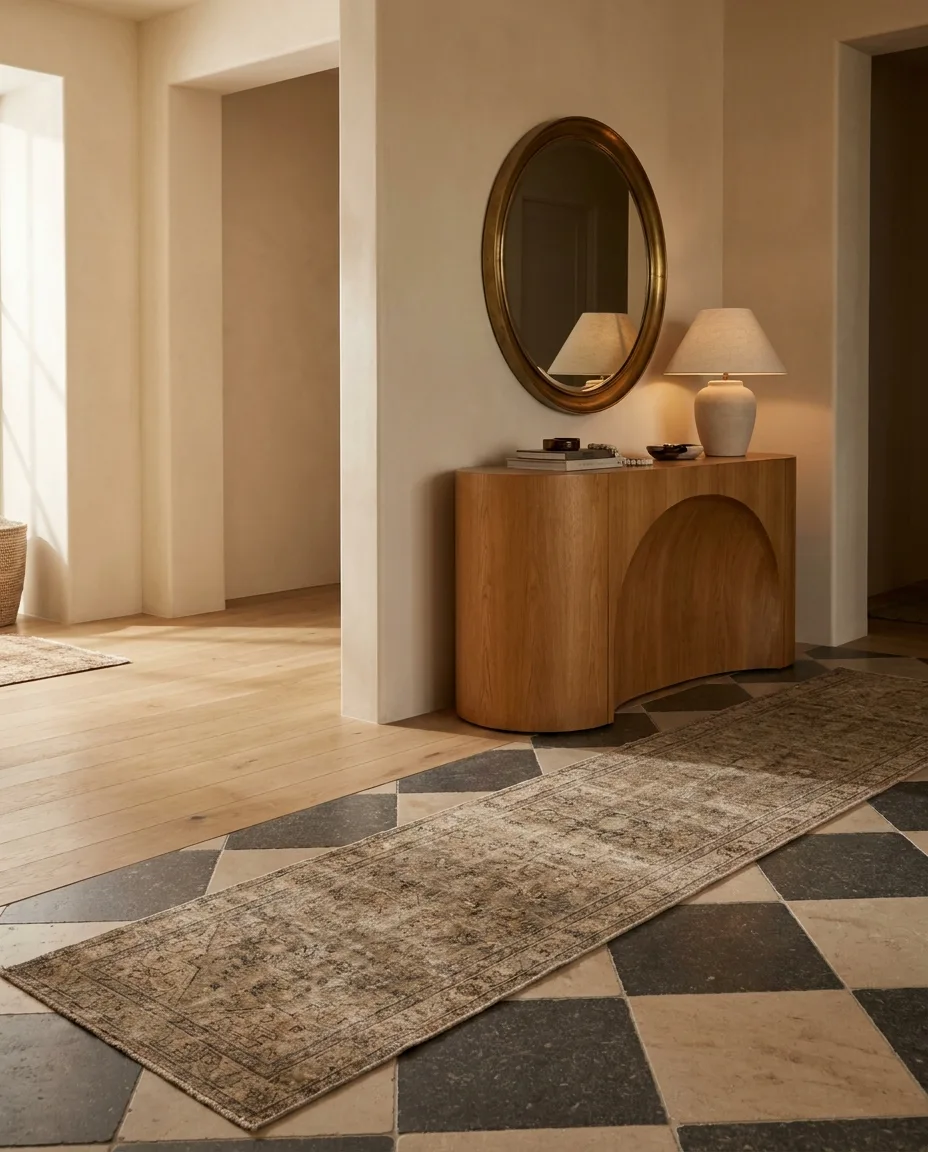
Checkerboard is the pattern of the moment. Multiple 2026 roundups call checkerboard the biggest single trend in hard flooring: classic black-and-white, softer tonal pairs like beige-on-beige, and richer colorways like burgundy and white, laid straight or on the diagonal. It connects to the micro-check tile trend and the broader Art Deco revival, and it delivers instant character in entries, kitchens, baths, and laundry rooms.
Stone and terrazzo find their level. Travertine and limestone floors ride the same tactile-mineral wave as the countertop market. Terrazzo, after its 2019 supernova, has settled into a sensible role in smaller, harder-working spaces — entries, pantries, laundry, baths — where its durability and speckle earn their keep without dominating a whole floor plan.
Soft flooring creeps back. Hard floors still rule main living spaces, but carpet is quietly returning in bedrooms and dedicated cozy zones, and layered rugs are doing the same work everywhere else. It's the acoustic-comfort story as much as the visual one: after years of hard, echoing rooms, softness underfoot reads as luxury again.
In rentals, flooring is a durability decision first and a trend decision second. Warm-tone wide-plank engineered wood or good luxury vinyl in the main spaces, real pattern where the square footage is small: a checkerboard entry or laundry floor costs a few hundred dollars in tile and shows up in every walkthrough video. Skip wall-to-wall carpet anywhere guests eat or drink; use big washable rugs in bedrooms for the same warmth with none of the replacement cost.
The Soft Layer: Rugs, Curtains, and Textiles
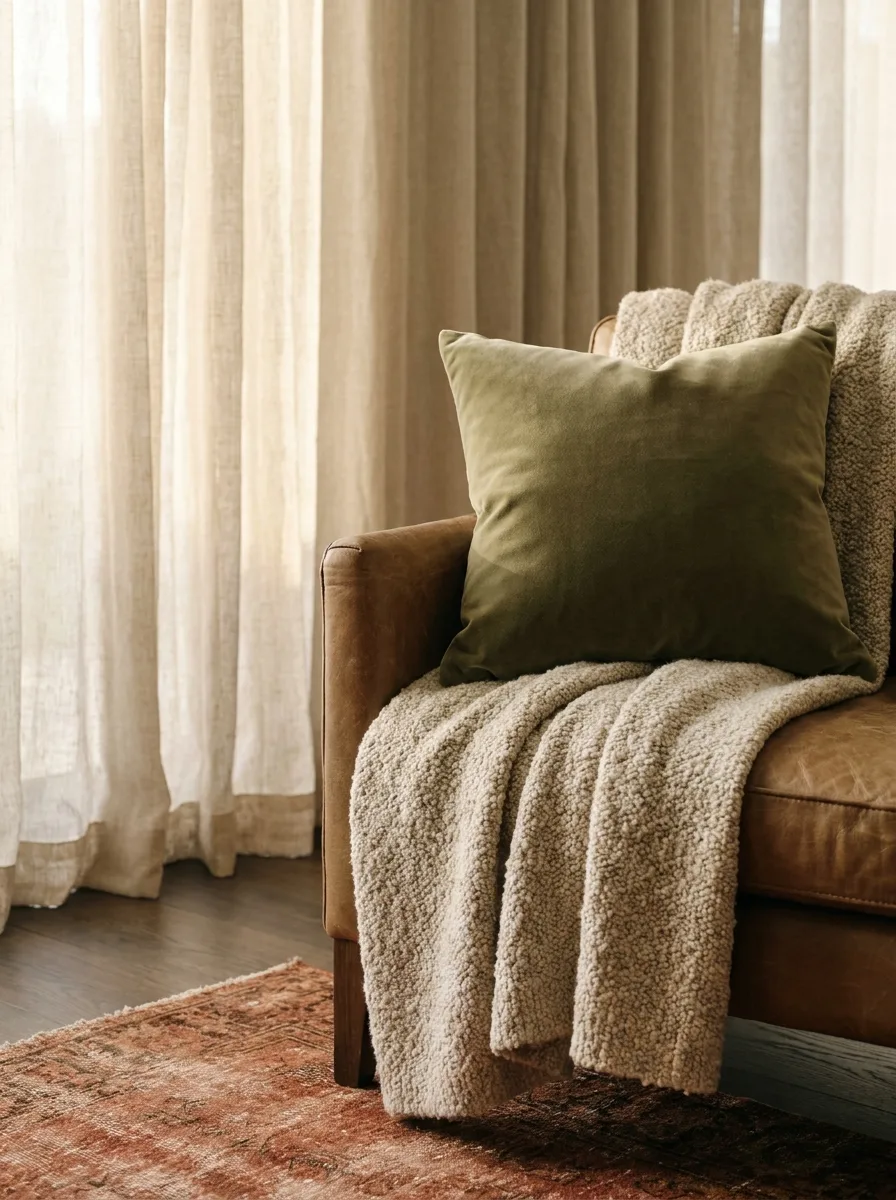
The soft goods are where 2027's texture story gets executed, and they're the layer most homes get wrong by omission — hard floors, bare windows, one rug that's too small, and then confusion about why the room echoes and photographs cold.
Rugs come back as layers. The flooring trade's data point — carpet returning in bedrooms and cozy zones — plays out in the styling world as layered rugs: a large natural-fiber base (jute, sisal, flatweave wool) with a smaller vintage or patterned rug floating on top. Vintage Persian and Turkish rugs ride the same provenance wave as brown furniture, and for the same reasons: they're unique, they've already survived fifty years of feet, and their patina forgives what new cream broadloom never will. Size discipline matters more than pattern: front legs of every seating piece on the rug, minimum, or the room reads as furniture adrift.
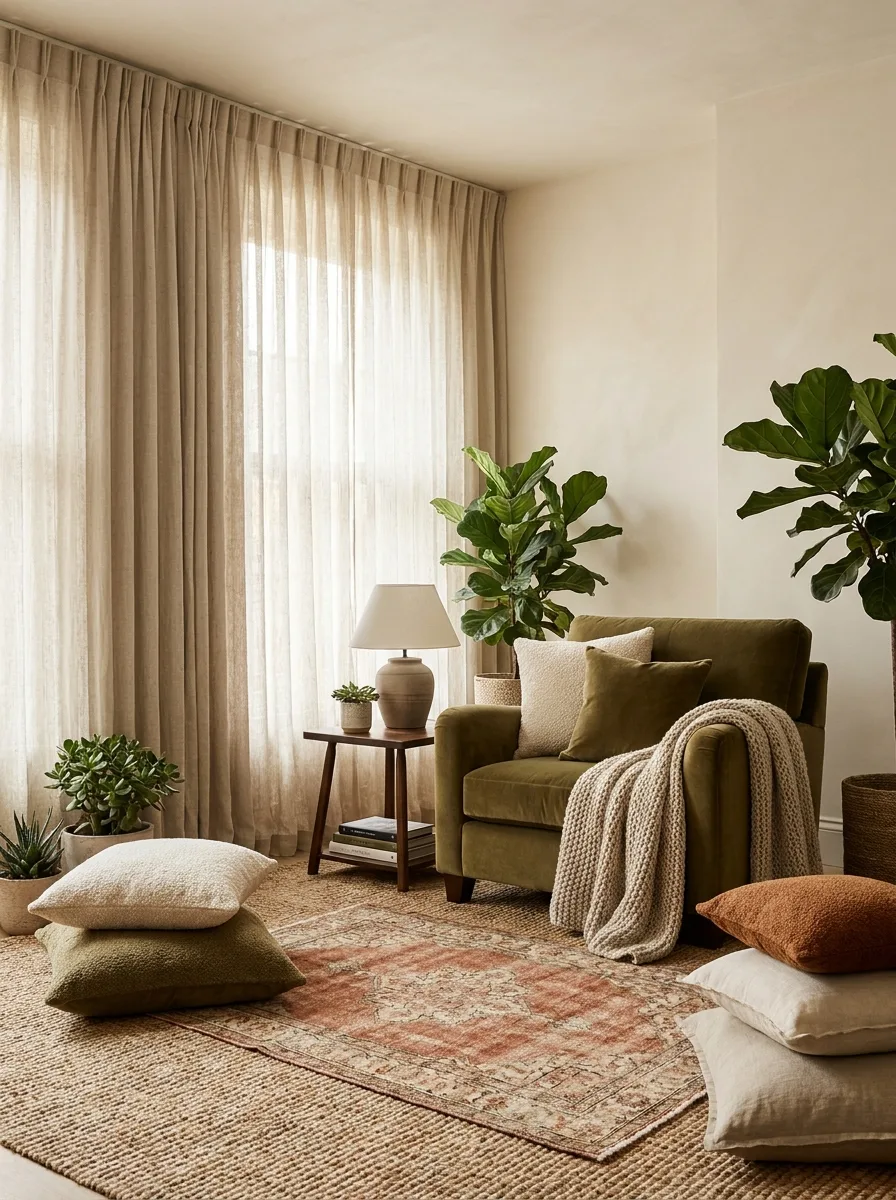
Fabric follows the furniture section's shift. The rising textile list — mohair, alpaca, chenille, slubby linen, dense wool, embroidery — applies to every soft surface in the house, and the direction is uniform: visible weave, visible weight, deeper color. Drapery in a heavyweight washed linen, wool throws with real heft, cushions that mix scales of texture rather than one fabric repeated six times. The embroidered and heritage-woven pieces designers are championing do double duty as the "found" objects the collected room needs.
Windows: generous or nothing. The craft rules here don't change year to year, but the stakes went up as bare-window minimalism faded with the rest of the stark look. Hang high and wide — rod near the ceiling, panels breaking just at the floor — with enough fullness that the fabric drapes instead of stretching. Sheers layered under heavier panels give the light-filtering look that photographs so well in the morning, with the blackout layer guests and sleepers actually need behind it. In bedrooms, blackout capability has quietly become an expectation rather than an upgrade; the sleep-wellness data in the bedroom section explains why.
Soft goods are consumables in a rental — plan replacement cycles, then buy accordingly. Machine-washable rug toppers over cheap durable bases, curtain panels from a line that will still exist when you need panel number five, throws in colors that hide one bad weekend, and blackout in every sleeping room without exception. Guests mention "dark and quiet" in reviews more often than any design decision on this page.
Lighting: Sculptural, Warm, and Never From a Grid of Cans
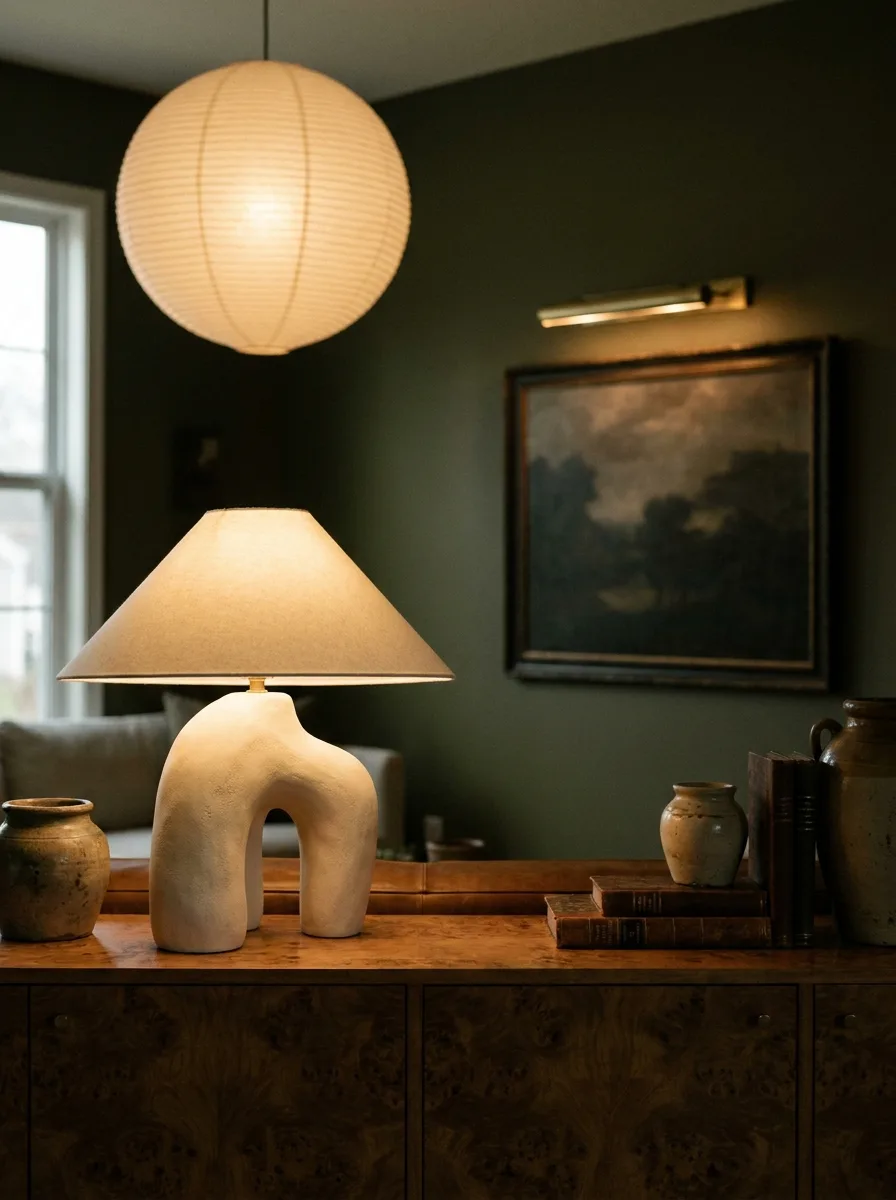
Lighting is one of the few categories with a genuine 2027-labeled forecast already published — Livingetc ran its 2027 lighting trends piece in August 2026 — and it confirms what the past two years of showroom floors have been building toward.
Fixtures are sculpture now. The 2027 direction is lighting that earns its place with the switch off: plaster, alabaster, glass, and metal fixtures with strong silhouettes, references to antiquity, and real material presence. James Taylor of NOMAD Studio put it plainly in that Livingetc piece: "Sculptural bases, elegant silhouettes, and references to antiquity give a room character, even when the light is off." Alabaster is the breakout material — actual translucent stone, hand-cut, diffusing a soft glow that flatters everything under it — and plaster fixtures deliver the same handmade signal at lower cost. Scale keeps growing too; designer roundups now list undersized fixtures among the classic dated mistakes.
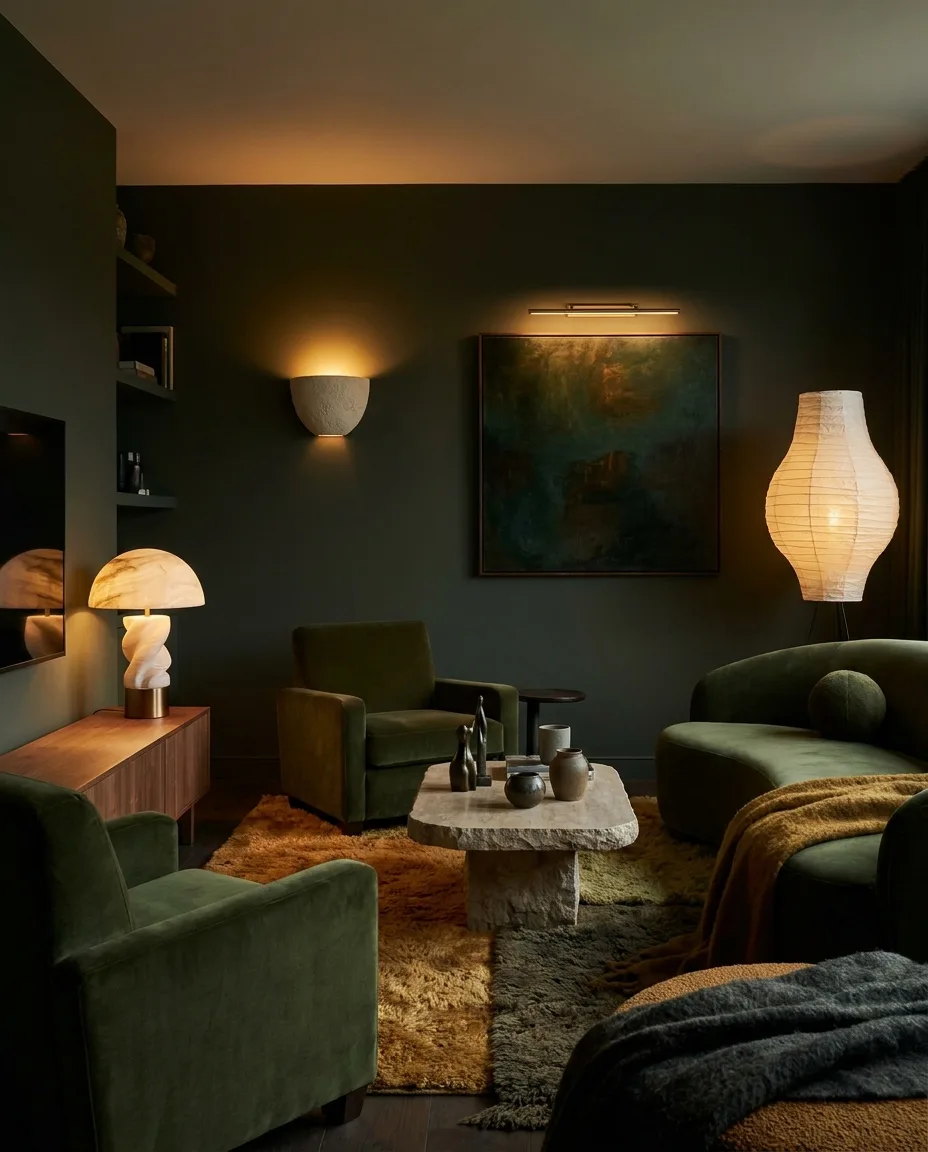
Vintage is a primary source, not a garnish. Houzz's lighting trend coverage points to 1920s–30s Deco and midcentury revival across the market: aged brass and bronze, smoky and milky glass, and designers rewiring true antique fixtures because the old ones were simply built better. This slots straight into the collected-room story running through the whole year.
The "quiet lighting" doctrine has won. The design press has spent two years dismantling the recessed-can ceiling grid, and the replacement doctrine is settled: layered light from lamps, sconces, pendants, and picture lights; everything dimmable; everything warm. Amber-toned, low-slung evening light is treated as a wellness feature as much as an aesthetic one, and circadian-aware schemes — bright and cool-ish by day, warm and low by night — have moved from audiophile territory to mainstream spec.
What's out is explicit. Exposed Edison bulbs — the café-industrial look of the 2010s — get named directly in the 2026 outdated-trends pieces; showrooms now hide the source behind fabric, vellum, perforated metal, and stone. Choppy, dotted LED strips are equally done, though the fix is better strips (smooth, concealed, diffused), not the end of linear light. And anything blue-toned is simply a mistake at this point, in homes and hospitality alike.
Lighting is where I see rentals lose the most money for the least reason. Guests never write "the recessed lighting was excellent" — they write "cozy," and cozy is 2700K bulbs, dimmers, and a lamp in every corner, which costs a few hundred dollars total. One sculptural fixture over the dining table gives the photographer a hero shot. Do put the lamp switches somewhere findable: an unfindable light switch is a one-star review ingredient at scale.
Furniture: The Vintage Decade Arrives
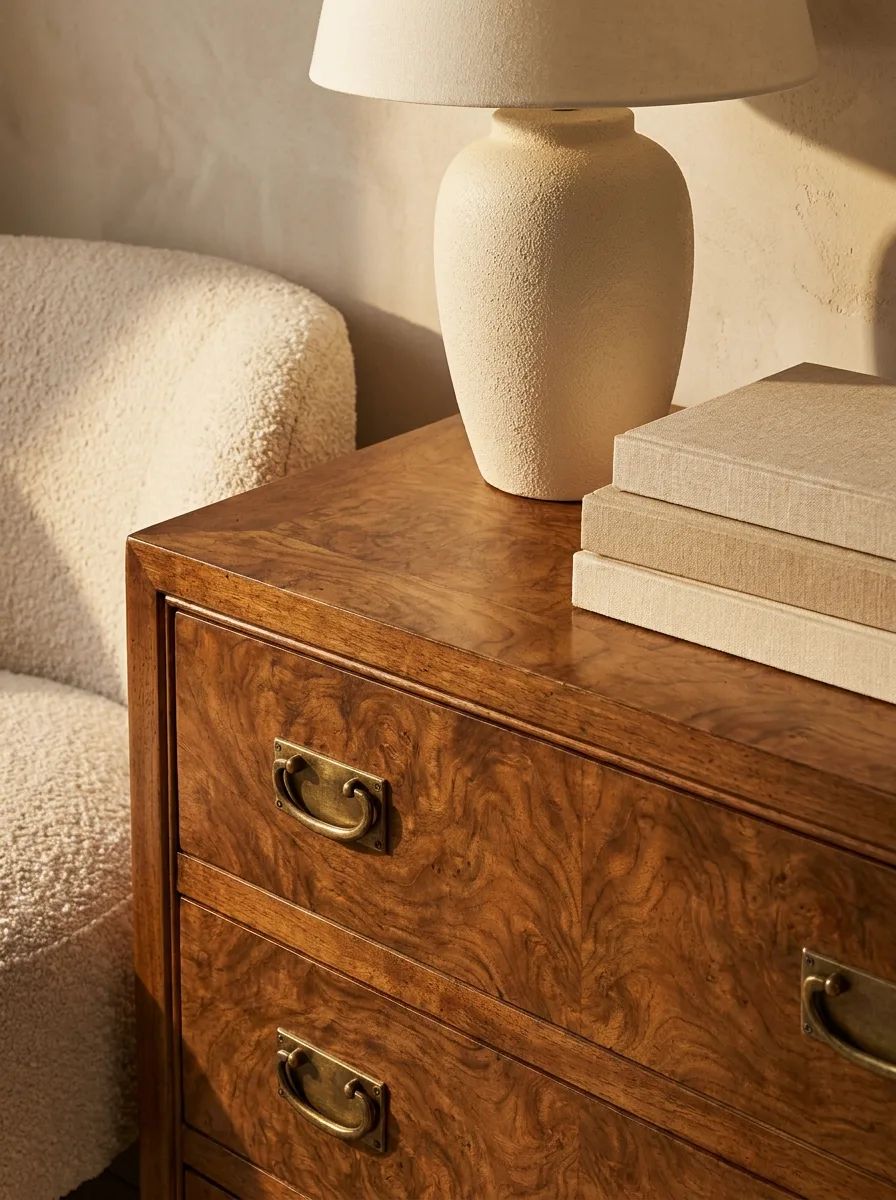
The furniture story for 2027 is backed by the best dataset in this guide. In the 1stDibs survey of 468 working designers, 85% sourced vintage pieces (1920–2000) in the past year — the strongest showing in five years of the survey — and antiques (pre-1920) jumped from 56% to 63%. Interest in the 1920s–1950s is growing while the 1970s, the darling of the last revival cycle, is cooling. Provenance has become the luxury signal.
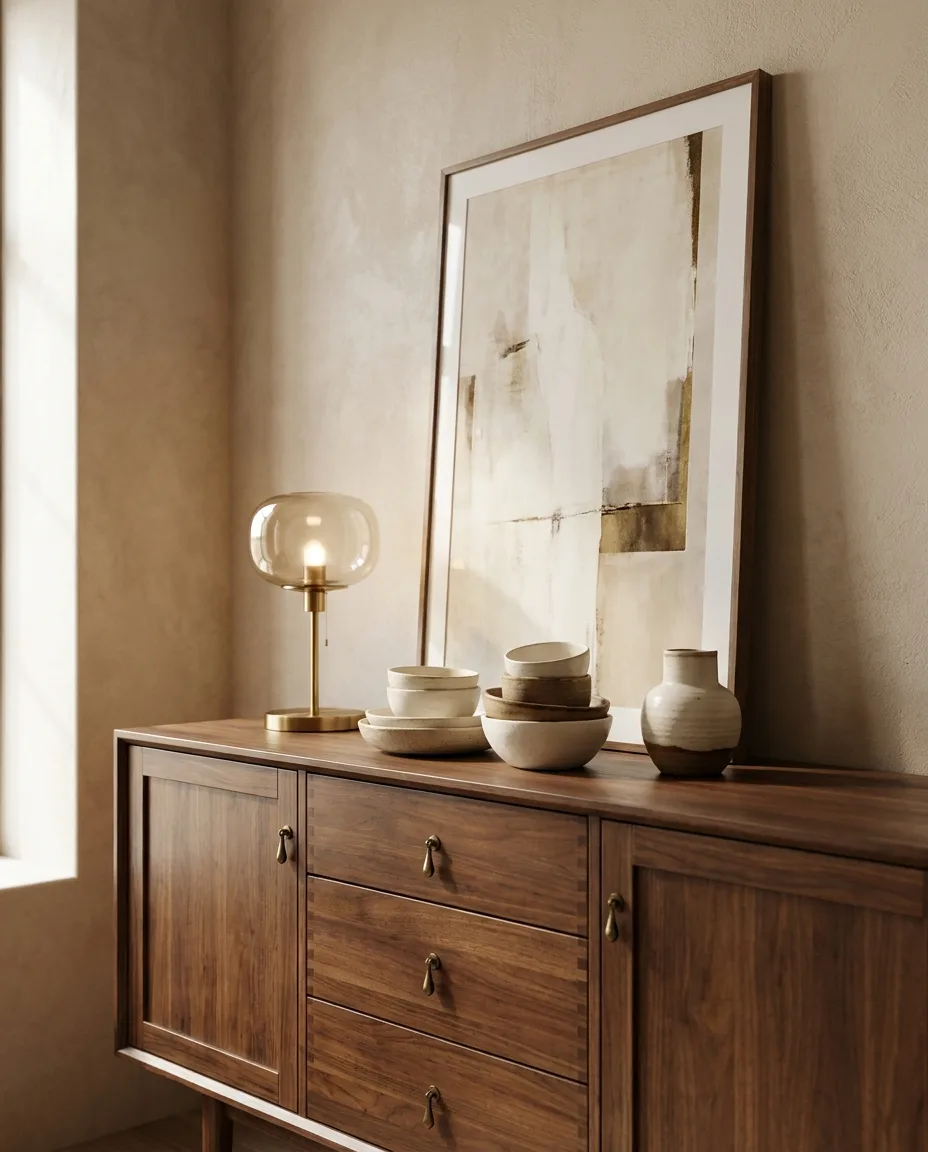
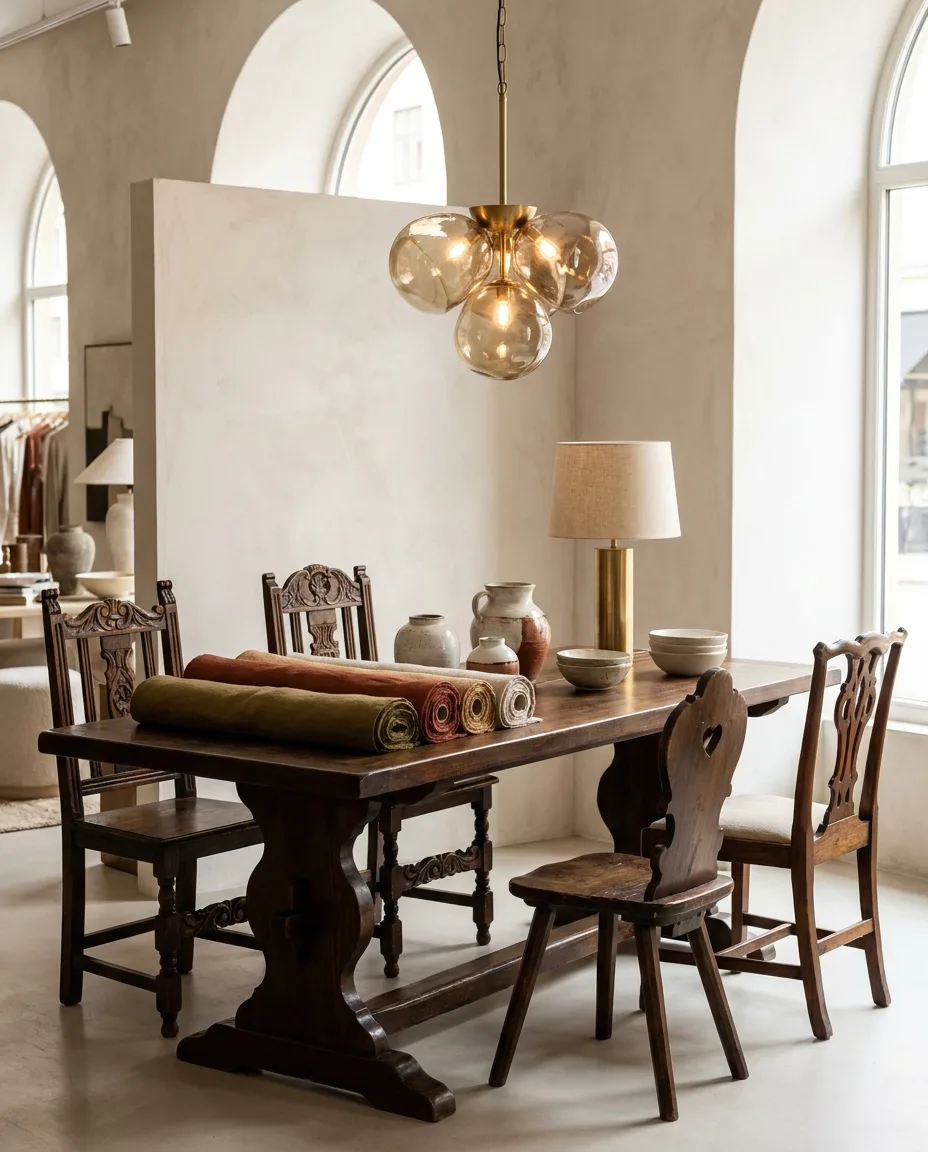
Brown furniture is back. After twenty years as the punchline of the antiques trade, mahogany, walnut, cherry, and oak case pieces are repeatedly named the hottest segment of the vintage market. The way designers actually use them matters: one or two hero pieces — a Georgian sideboard, a long farm table, a burl chest — anchoring an otherwise light, modern room. Nobody is rebuilding grandma's den. The drivers are warmth, hand-cut craftsmanship, sustainability, and frankly price: solid old hardwood still costs less than new veneered particleboard pretending to be it.
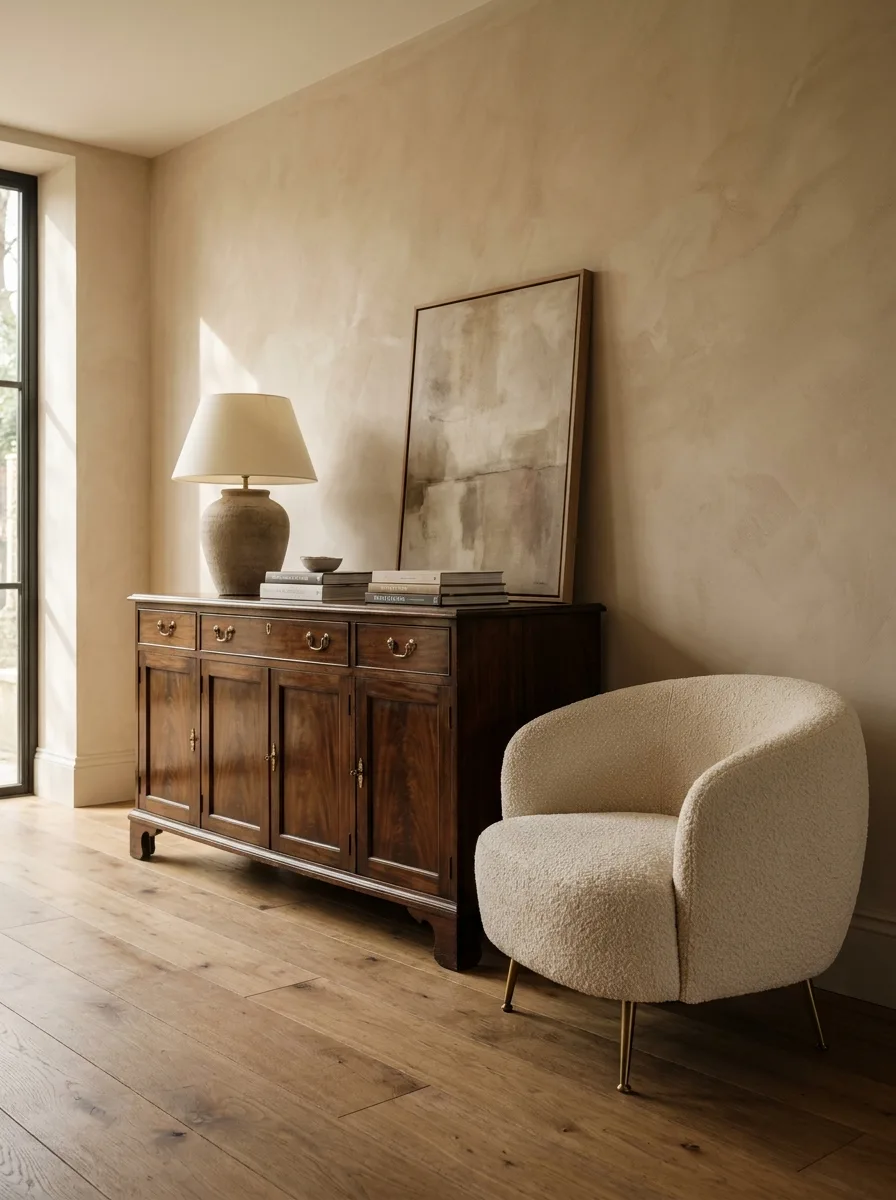
Curves survive; exaggeration doesn't. The all-curve room — bulbous sofa, kidney table, arch everything — got called to "fever pitch" by Livingetc's trend desk, and designers now describe the oversized versions as already dated. What continues into 2027 is the mature version: organic, low-slung silhouettes balanced against straight lines, and traditional shapes like the English roll-arm sofa quietly re-entering the mix.
Craftsmanship replaces logo. Across the 2026 furniture reporting there's a consistent pivot away from fast furniture toward pieces with traceable origins and visible hand-work — exposed joinery, hand-stitched seams, repairable construction — framed as investments that skip the replacement cycle. It's the same longevity instinct showing up in Zillow's resilience data, applied to a sofa.
Where to actually find it. The vintage boom has infrastructure now, and knowing the tiers saves real money. Estate sales and local auctions sit at the bottom of the price ladder and reward patience — solid case pieces routinely hammer below flat-pack prices. Consignment shops and architectural salvage yards occupy the middle, with the sorting already done. Online marketplaces run the full spread, from neighborhood listings to the vetted high end where 1stDibs-tier dealers stand behind attribution. Two field rules from years of doing this: buy form and construction first (dovetails, solid secondary woods, drawers that run true) because finish is fixable and wobble mostly isn't, and measure the doorway before you bid, not after.
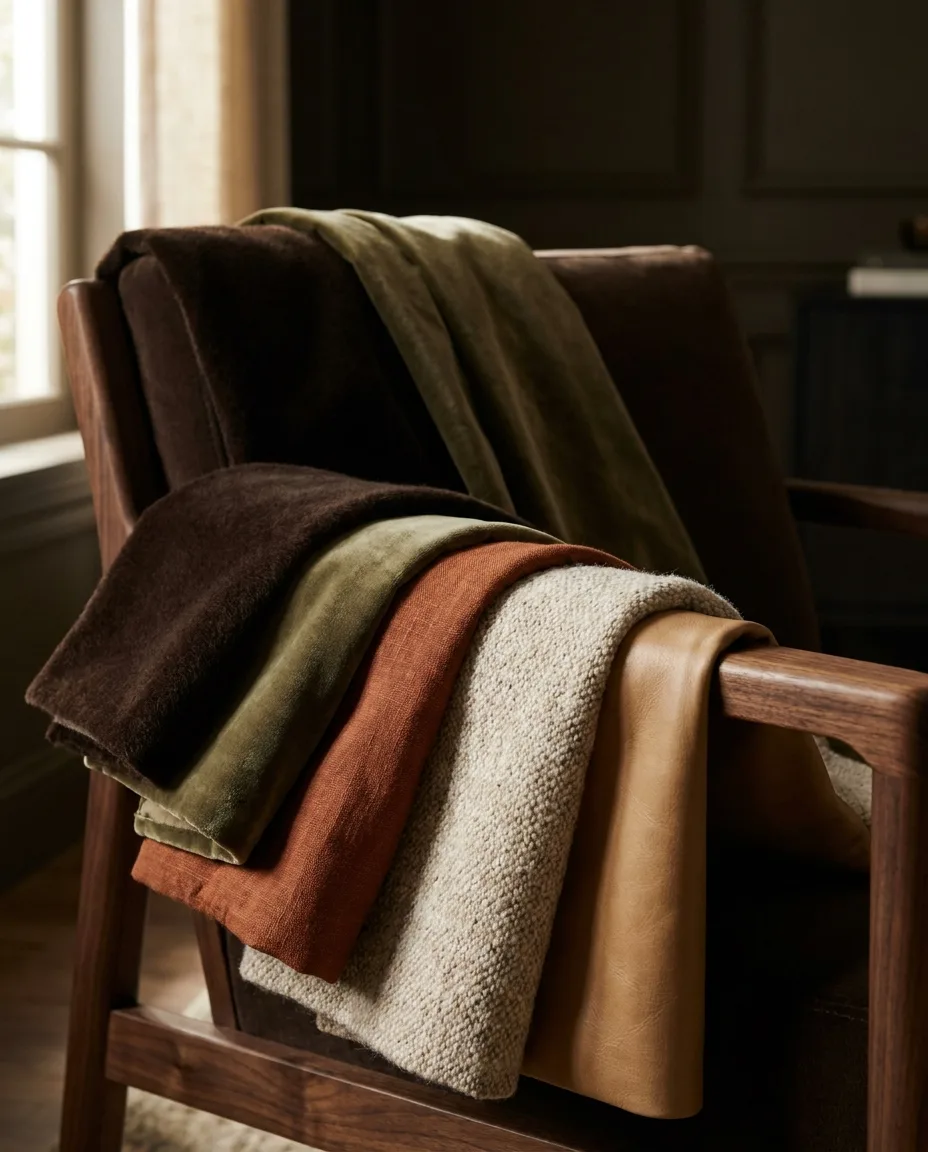
Upholstery follows the palette. Chocolate, olive, rust, and other deep mid-tones are displacing cream. Mohair, chenille, matte velvet, washed linen, dense wool, and soft matte leather are the fabrics designers say they're buying, with performance versions now good enough to pass for the luxury article — a line the trade expects to blur completely.
Vintage is the best furnishing arbitrage in short-term rentals right now. An estate-sale dresser costs a third of its big-box equivalent, survives abuse better, and gives your photos something no competitor can copy — because there's literally one of it. Keep the upholstered pieces new and performance-fabric (bodies and spills are real), and buy the wood old. That split is the whole playbook.
Art, Objects, and the Collected Room
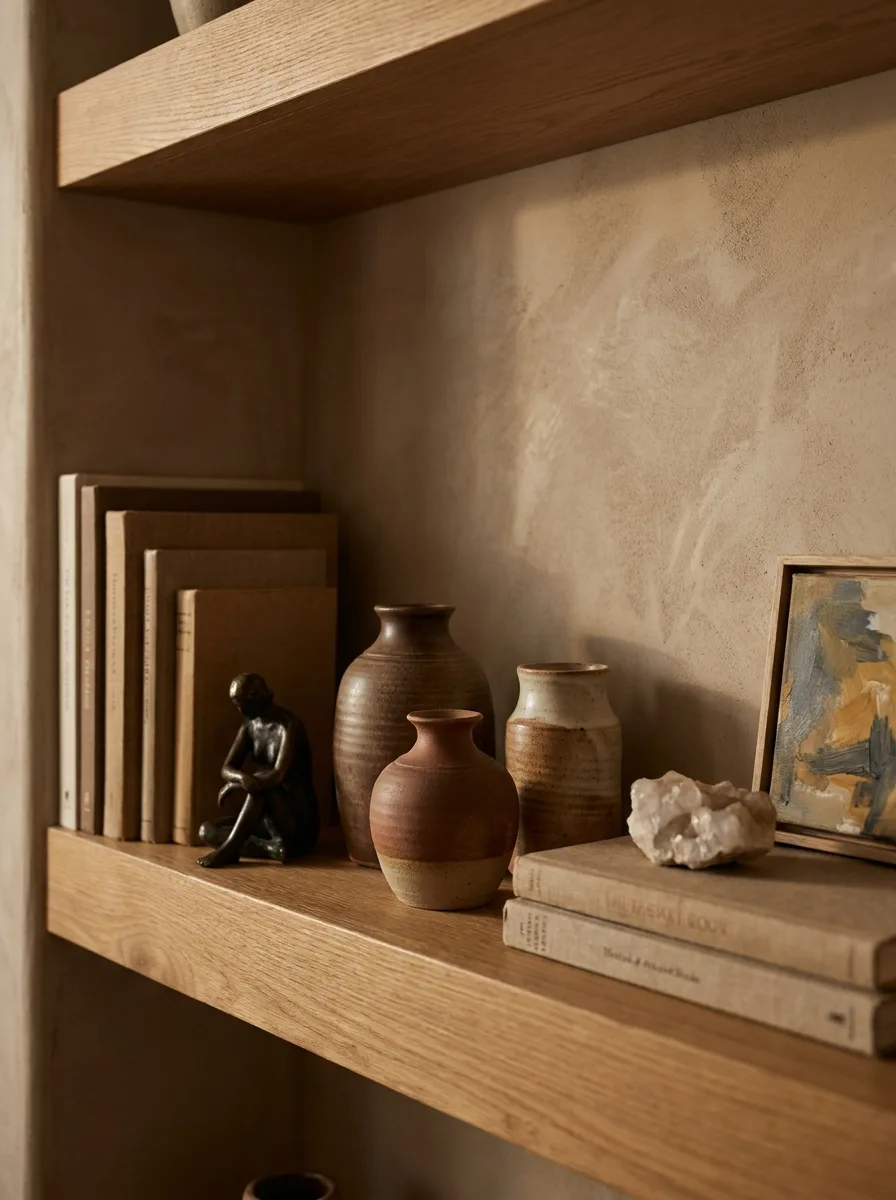
If maximalism and eclecticism are the most-requested styles — and per the 1stDibs designer survey, they are — then the skill of 2027 is curation: choosing and arranging objects so a room reads as a life, and never as a haul.
"Found luxury" is the operating system. The phrase the design press has settled on for quiet luxury's successor describes rooms assembled slowly — an inherited mirror, a market find, a new sofa, a strange lamp — where the mix is the point. The practical implication is permission: nothing needs to match, but everything needs a reason. The one-order showroom room, however expensive, is now the thing that looks cheap.
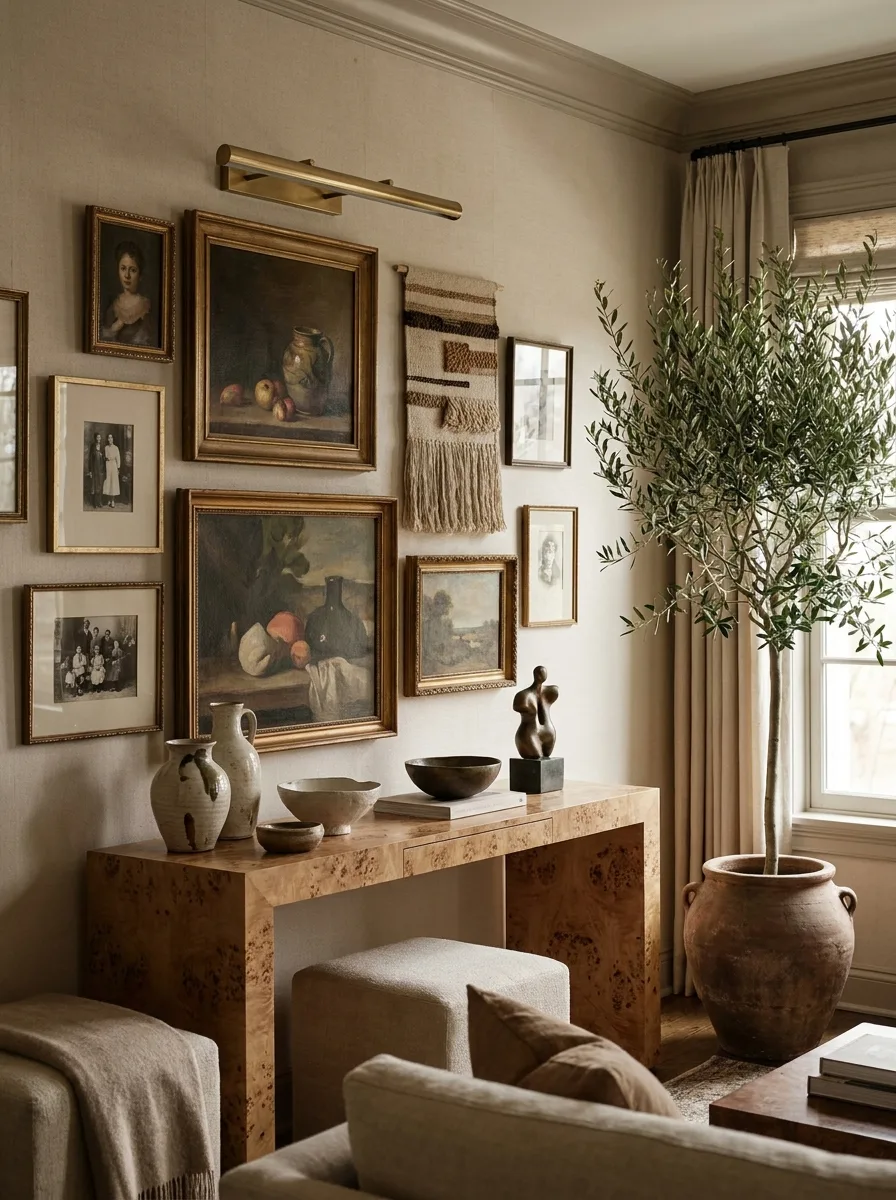
Art gets personal and plural. The gallery wall survives in its denser, more eclectic form — paintings against photographs against textiles against the kid's framed drawing — and single oversized statement pieces carry the minimal rooms. What's fading is filler: the mass-market abstract chosen to match a sofa is exactly the algorithmic sameness the whole year is reacting against. Picture lights over art, from the lighting section, are how the collected wall gets staged after dark.
Objects with stories beat objects with barcodes. The same 1stDibs data showing vintage sourcing at a five-year high covers the small stuff: ceramics, glass, books, boxes, candlesticks. Pinterest's trend mining points the same direction with its heritage and global-craft themes — hand-loomed fabric, carved wood, patterned tile references. Styling discipline keeps it from tipping into clutter: odd-numbered groupings, varied heights, breathing room between vignettes, and the ruthless rule that every flat surface holds one composition, not one layer of stuff.
Plants: fewer, bigger, better. The jungle-shelfie era is over even on Pinterest, which now surfaces architectural statement plants — one olive tree, one big strelitzia — over the forty-pot windowsill. It matches the whole year's arithmetic: fewer things, each earning its place.
In a rental, decor is theft-and-breakage inventory, so the collected look needs a budget trick: real vintage for the big immovable pieces (art screwed to the wall, the heavy lamp, the case goods), and convincing-but-replaceable for anything pocketable. Photograph every vignette after staging — that's your reset sheet for the cleaning team, and it's the difference between a collected room and a drifted one by month three.
Kitchens: Wood Wins, and the Kitchen Grows a Back Room
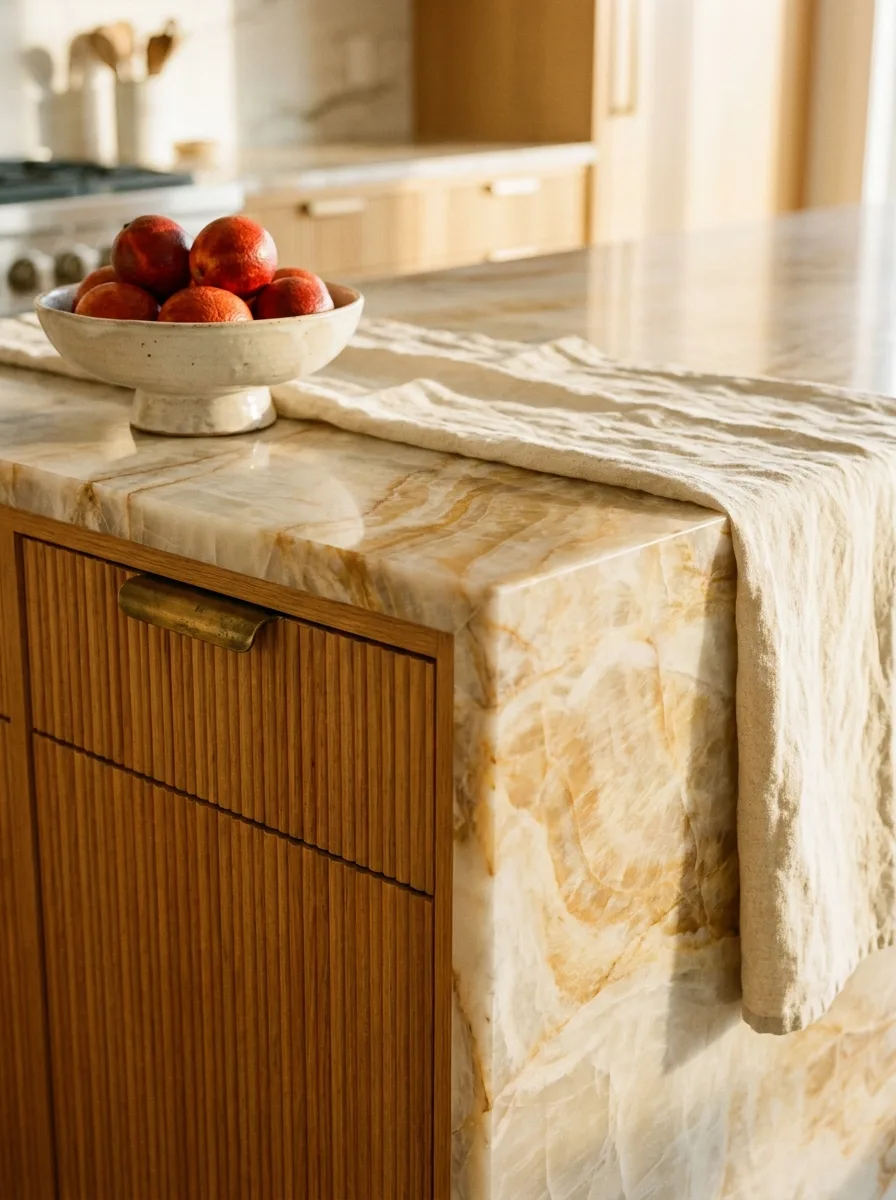
Kitchens have the hardest data of any room, and 2026 delivered a genuine milestone: in the Houzz kitchen study released in January, wood became the number-one cabinet choice among renovating homeowners for the first time — 29%, edging out white at 28%, with medium tones leading. The NKBA's kitchen trends report, surveying 634 industry pros with a three-year outlook that covers 2027, goes further: wood-grain cabinetry surpasses painted at 59%, white oak leads the species chart, and flat slab doors are the growth style at 69%. A decade of white shaker just formally ended.
The two-tone kitchen is the standard. In kitchens mixing colors, the Houzz data shows white or off-white uppers over wood, blue, or green lowers as the dominant formula. Green cabinets have now passed gray in the color rankings — a sentence that would have been unthinkable in 2019. Statement color increasingly arrives via the island and the backsplash while perimeter runs stay calm; NKBA pegs both around 60%.
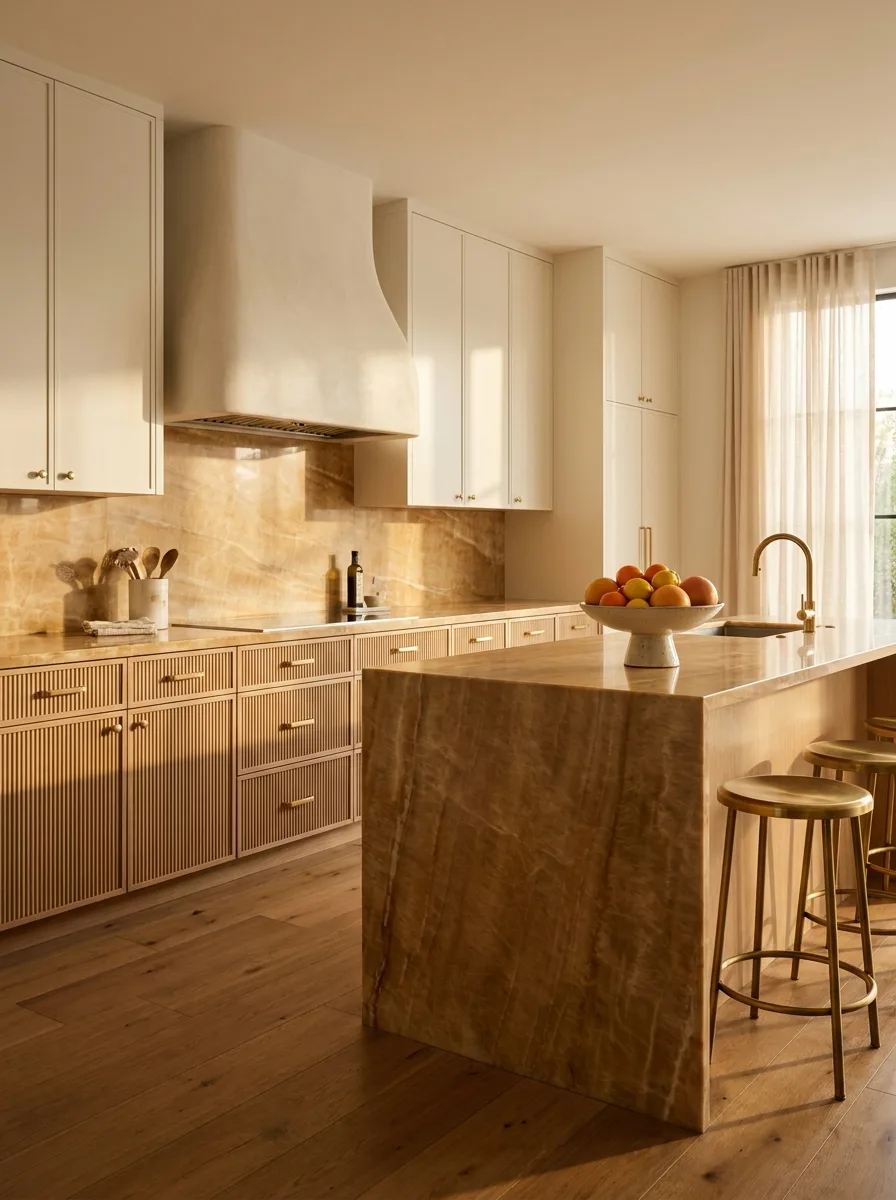
Countertops: quartz holds the volume, quartzite takes the crown. Engineered quartz is still the single most-installed surface (32% in Houzz's study) though it declined year over year. The luxury tier belongs to natural quartzite — Taj Mahal above all — and NKBA has quartzite preference at 62% among pros, with quartzite backsplashes right behind. Porcelain slabs have crossed from niche to mainstream on zero porosity and UV stability, honed and matte finishes beat gloss, and the full-height slab backsplash is the growth detail (75% in the NKBA report). Butcher block on the island jumped 13 points in a year among those mixing materials — warm wood landing on the one surface guests touch most.
Appliances disappear or make a statement; nothing in between. Panel-ready dishwashers (85%) and refrigeration (72%) lead the NKBA growth list — the concealment trend applied to the kitchen's biggest boxes. At the other pole, color appliances stopped being a novelty: KitchenAid launched jewel-tone ranges at KBIS, and the editorial consensus treats a colored range the way the last decade treated a statement hood. Induction keeps climbing steadily on the strength of performance and rebate programs without yet being the majority. Steam ovens, serious vent hoods, and beverage centers (85% of pros expect dedicated beverage areas to grow) fill out the list.
The island becomes an appliance garage and a dining table. More than half of Houzz renovators (53%) now put at least one appliance in the island — dishwashers (35%) and microwaves (32%) leading — which quietly reorganizes the work triangle around the slab. Add the NKBA finding that eat-in kitchens are a growth area (59%) while its report describes kitchens "replacing dining tables with custom storage," and the island's 2027 job description is clear: prep surface, appliance dock, breakfast table, and social stage at once. Underfoot, the debate is over — 94% of NKBA pros favor wood flooring in the kitchen, the last major surface to join the warmth consensus.
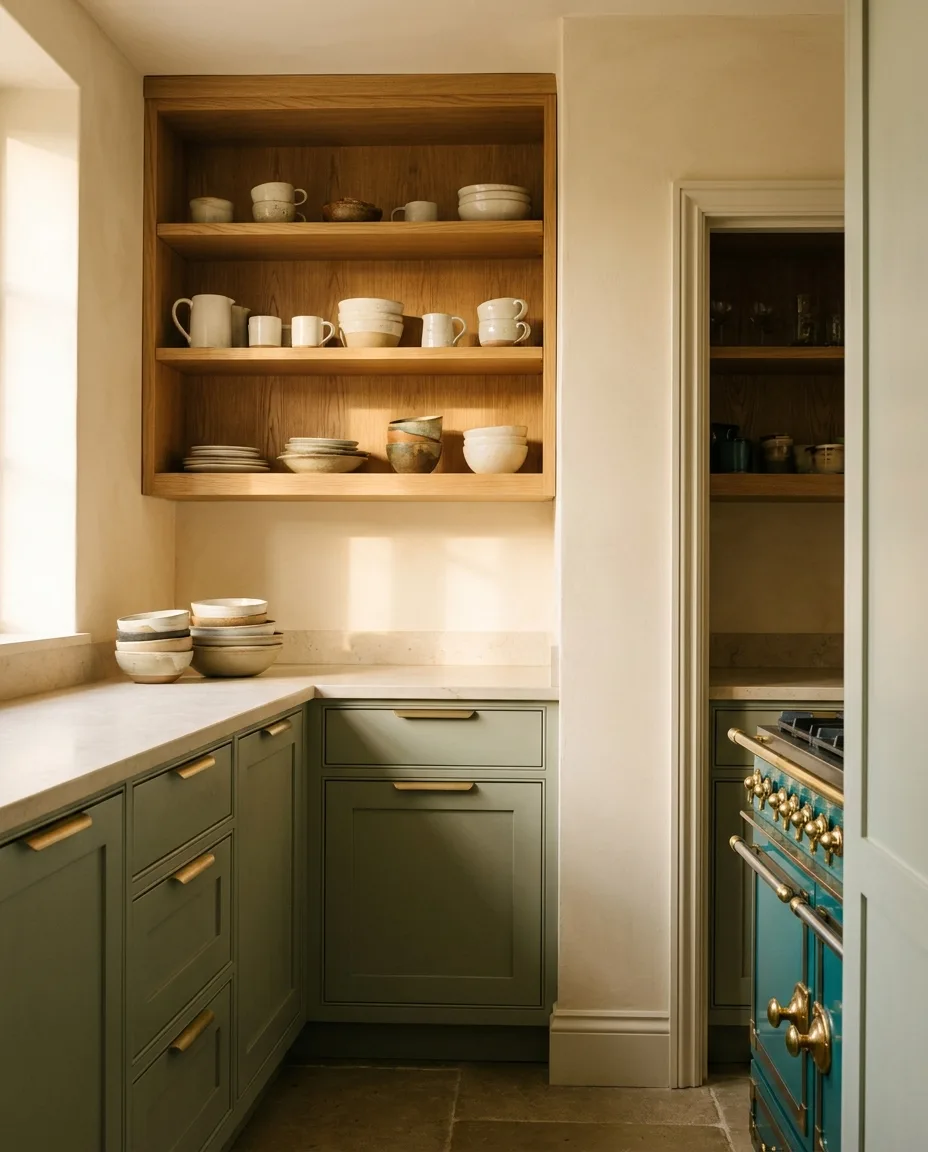
The scullery is the new garage. Roughly three-quarters of Houzz renovators added specialty storage, and the American Institute of Architects' quarterly survey registered a 52% jump in demand for working pantries. The layered kitchen — a beautiful open front-of-house backed by a hard-working hidden prep room — is how the open-plan question actually resolves in 2027. The walls aren't coming back; the mess is just moving behind one. And the kitchen keeps annexing territory: 76% of NKBA pros expect footprints to grow over the next three years, with eat-in space replacing the formal breakfast nook and pet stations (64%) becoming a named line item.
If you're renovating a rental kitchen for the next five years, the safe 2027 spec is wood-tone lowers, light uppers, quartz or porcelain counters (quartzite's beauty isn't worth its sealing schedule in a rental), one statement move — island color or a plaster hood — and a faucet that looks expensive. Guests cook on vacation. A kitchen that photographs like a real cook works there books groups, and groups pay the big nightly rates.
Faucets, Fixtures, and Hardware: The Finish Wars
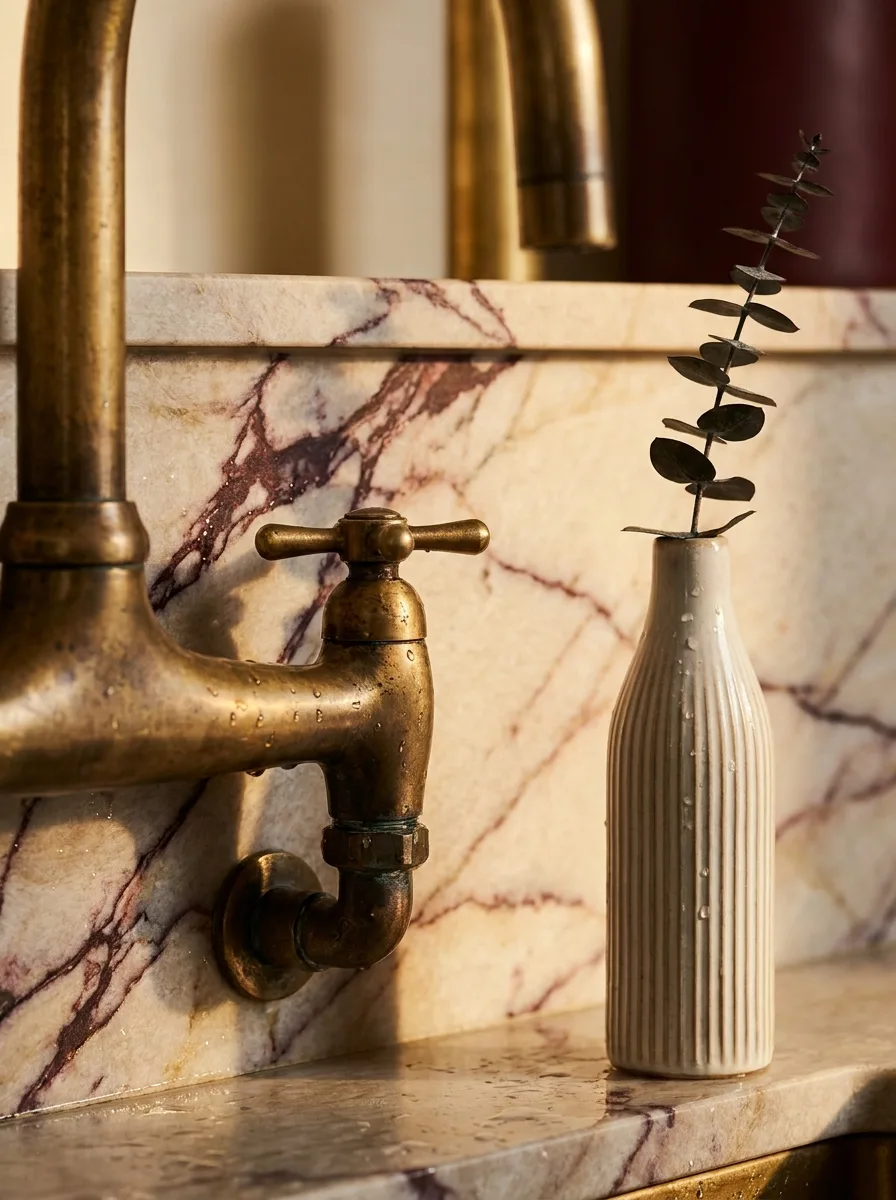
Fixtures are jewelry for a house, and like jewelry, the metal matters more than the design most years. 2027 is a metal-shift year.
The finish landscape, ranked. Matte black overtook brushed nickel in new US kitchen renovations in 2026 — a first, per trade tracking — with the standing caveat that cheap non-PVD matte black wears visibly within a few years in hard-water homes; buy the good one or skip it. The fastest growers heading into 2027 are gunmetal and champagne bronze, with brushed gold close behind. Polished chrome and nickel are legitimately back as a tailored contrast note against creamy whites and wood, and the NKBA bath data shows the texture preference clearly: matte (54%), brushed (51%), and satin (46%) finishes all outrank polished (39%). Unlacquered brass remains the designer's pick precisely because it refuses to stay perfect.
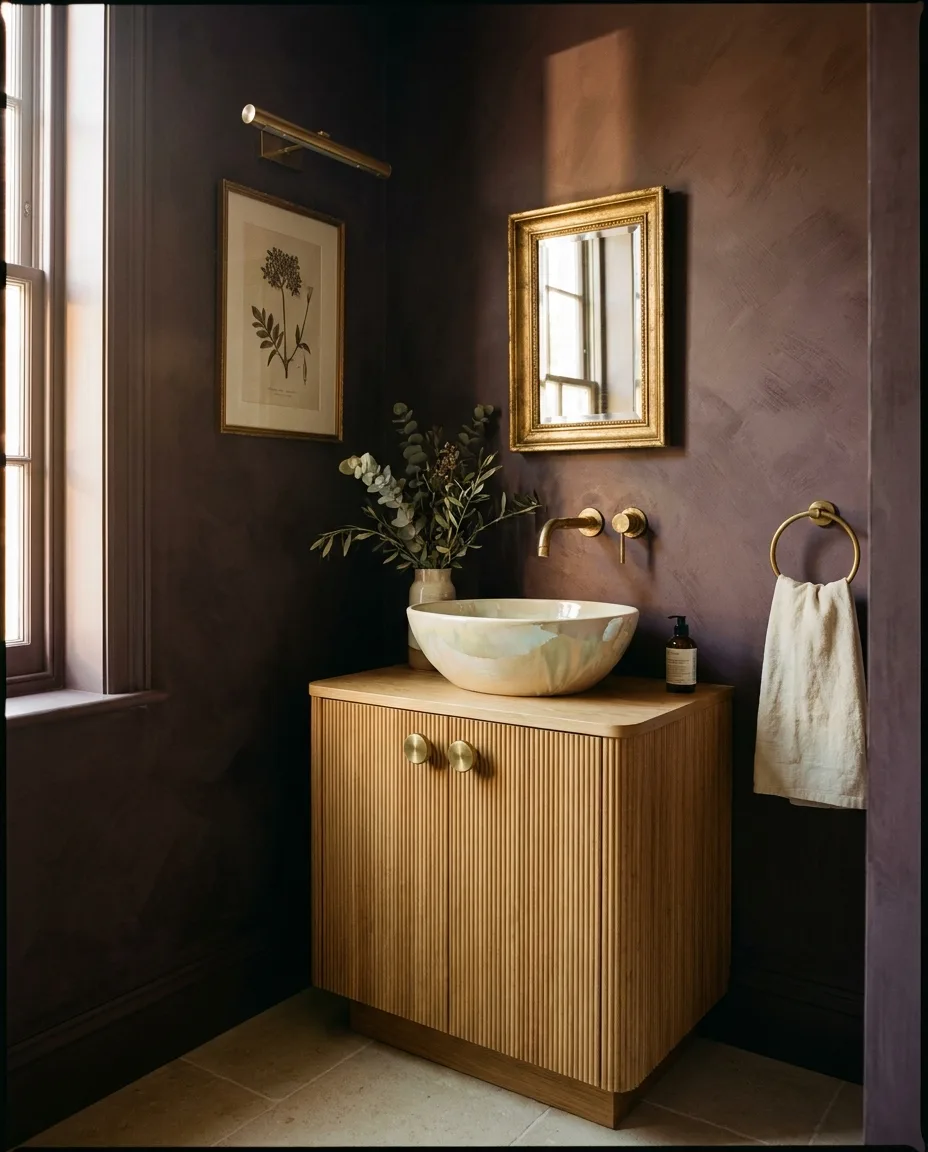
Mixed metals are now the rule, with a rule. Two finishes per room, deliberately paired — aged brass faucet with polished nickel pulls, gunmetal tap against brass details. Three metals is where designers draw the clutter line.
Shape and color arrive. The KBIS 2026 floor was full of sculptural spouts — curving, flaring, rounded forms — and softened-traditional details like the fluted handles on Moen's newest bath suite. The bigger surprise was color: sinks and fixtures in blues, greens, yellows, and Kohler's shimmery pearlized ceramic finishes. Colored fixtures are an early-adopter play for 2027, and a strong one for powder rooms, where a $400 basin can carry the whole room's personality.
Function trends: the workstation sink keeps winning. Ledge sinks with sliding boards, colanders, and racks keep growing — Kohler's newest system runs to 72 inches wide — because they make the sink a prep zone instead of a hole. Touchless faucets are widely adopted with a real caveat in the reporting: homeowner fatigue with the malfunctioning ones is documented, so this is a buy-quality category. And the pot filler has been demoted from default luxury badge to a considered choice — the trade press now openly discusses the stagnant-water and leak-risk objections.
Cabinet hardware scales up. Pulls in the 5-to-12-inch range are replacing the old 4-inch standard, with knurled textures, champagne bronze, matte black, and unlacquered brass leading, in classic shapes the dealers are calling "modern heritage." Statement hardware remains the cheapest kitchen facelift that exists: forty dollars of knobs reads as a remodel in photos.
Bathrooms: The Hotel Spa Moves In
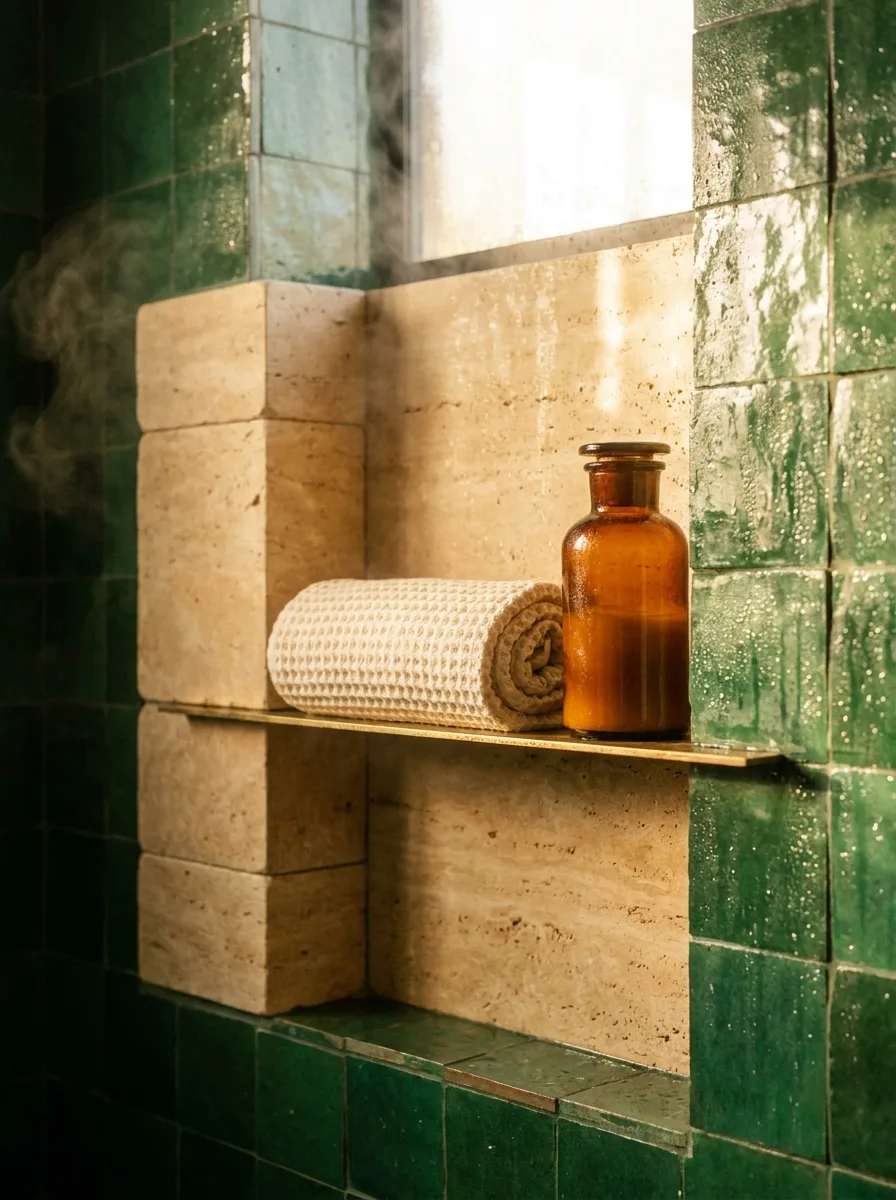
The NKBA's bath trends report — 688 industry pros surveyed, with the same three-year forecast window that covers 2027 — reads like a hospitality brief. 77% of pros favor hotel-inspired wellness design, 72% say bathroom footprints are increasing, and 89% report clients prioritizing space for the primary bath. The industry even has a word for it now: hotelification.
The shower beat the tub. 55% of NKBA pros say clients would rather have a larger shower than a tub at all — and the reclaimed square footage goes to steam, aromatherapy, chromotherapy, built-in benches, and niches. Where tubs survive, they've gone sculptural: among renovators upgrading a tub in the Houzz bath study, the freestanding flat-bottom style is the runaway top choice while the built-in alcove tub fades. The emerging shape to know is the "shower pod" — an enclosed cocoon that holds heat and steam, pushing back on the decade of wide-open walk-ins.
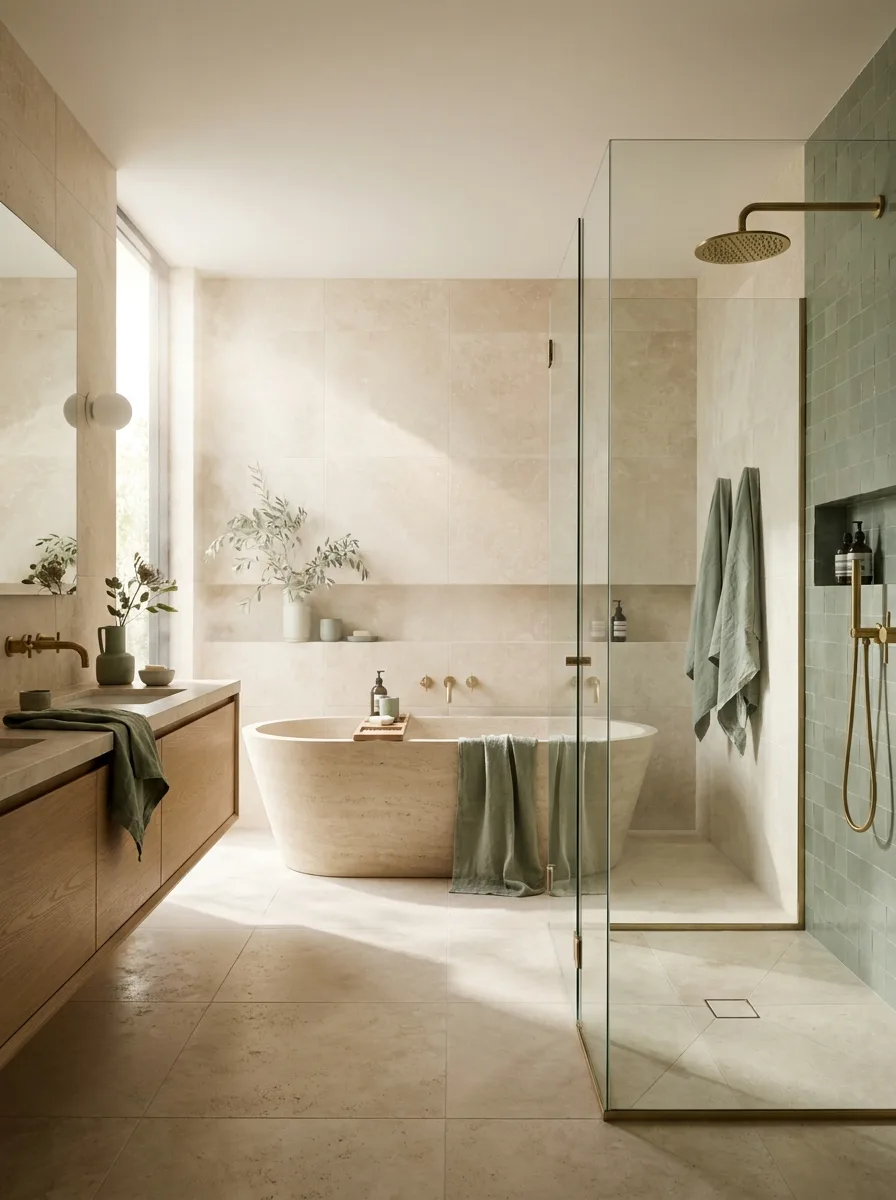
Wet rooms cross into the mainstream. 16% of renovated bathrooms in the most recent Houzz wave were full wet rooms — tub and shower behind one glass wall on one continuous floor — and most of those include a freestanding tub. It's a look, and it's also the most future-proof layout in the house: curbless entry is accessibility design that doesn't read as accessibility design, which matters as the NKBA reports aging-in-place going mainstream.
Wellness hardware gets serious. Just over a third of renovated baths now include some wellness feature per Houzz, and at the luxury end the escalation is steep: saunas and steam rooms on the wish list of roughly four in ten luxury buyers per 2026 industry reporting, with home cold plunges climbing sharply alongside. Smart toilets stopped being a Tokyo curiosity — half of NKBA pros expect the category to keep rising, and market analysts project the global smart-toilet segment to grow more than 50% by 2030.
Aging in place goes mainstream without announcing itself. A third of NKBA pros already call aging-in-place design mainstream and nearly half say it's next — and the elegant part is that 2027's fashionable bathroom is accidentally its accessible one. The curbless wet room, the built-in shower bench, the handheld spray, the better nighttime lighting: every one is a wellness feature in the brochure and a universal-design feature in practice. Grab bars now come from the same design houses as the towel bars they match, and the smart move in any renovation is roughing in the blocking whether or not the bars go on today.
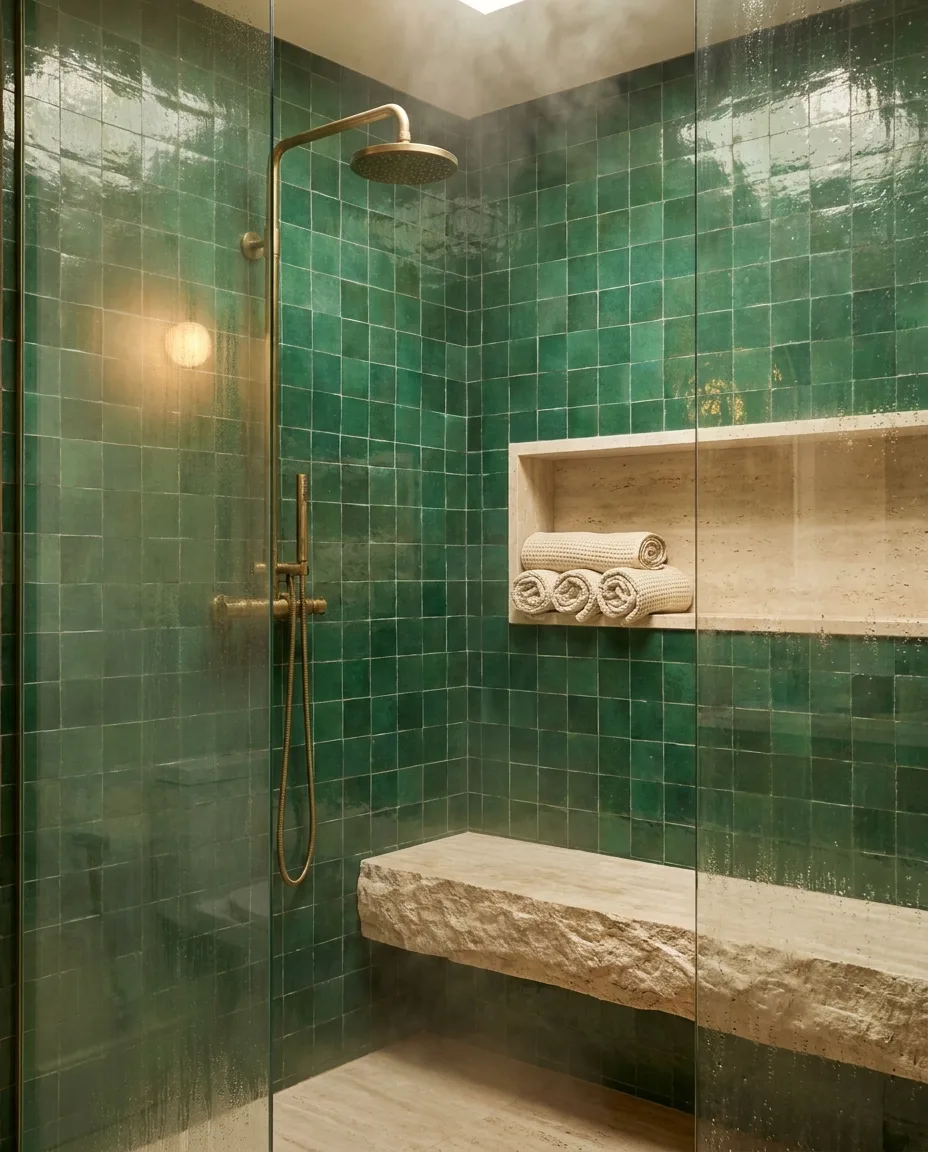
The materials mirror the kitchen. Wood-faced vanities now beat painted ones in the NKBA data (62% vs 53%) — the same wood takeover, one room over. Tile goes large-format with minimal grout (89% of pros report clients wanting fewer or no grout lines), textured and patterned surfaces are in the growth column, and the accent palette is dominated by brown-based greens: sage at 64%, olive at 43%, with hard teals and emeralds lagging. Lighting is treated as a spec item, with task lighting at 92%, nighttime-specific lighting at 80%, and half the industry expecting in-shower mood lighting to grow.
Bathrooms are the highest-ROI renovation in the rental world because they're binary: guests either say "spa" or they say "dated," and nothing in between. If you can't afford the wet room, you can afford its signals — a glass panel instead of a curtain, a rainfall head with real pressure, large-format tile, a backlit mirror, towels that match the ambition. And after 800 nights in rentals I'll tell you the wellness amenity guests actually use is water pressure. Test it before you buy the cold plunge.
Living Rooms: Built Around the Fire, Not the TV
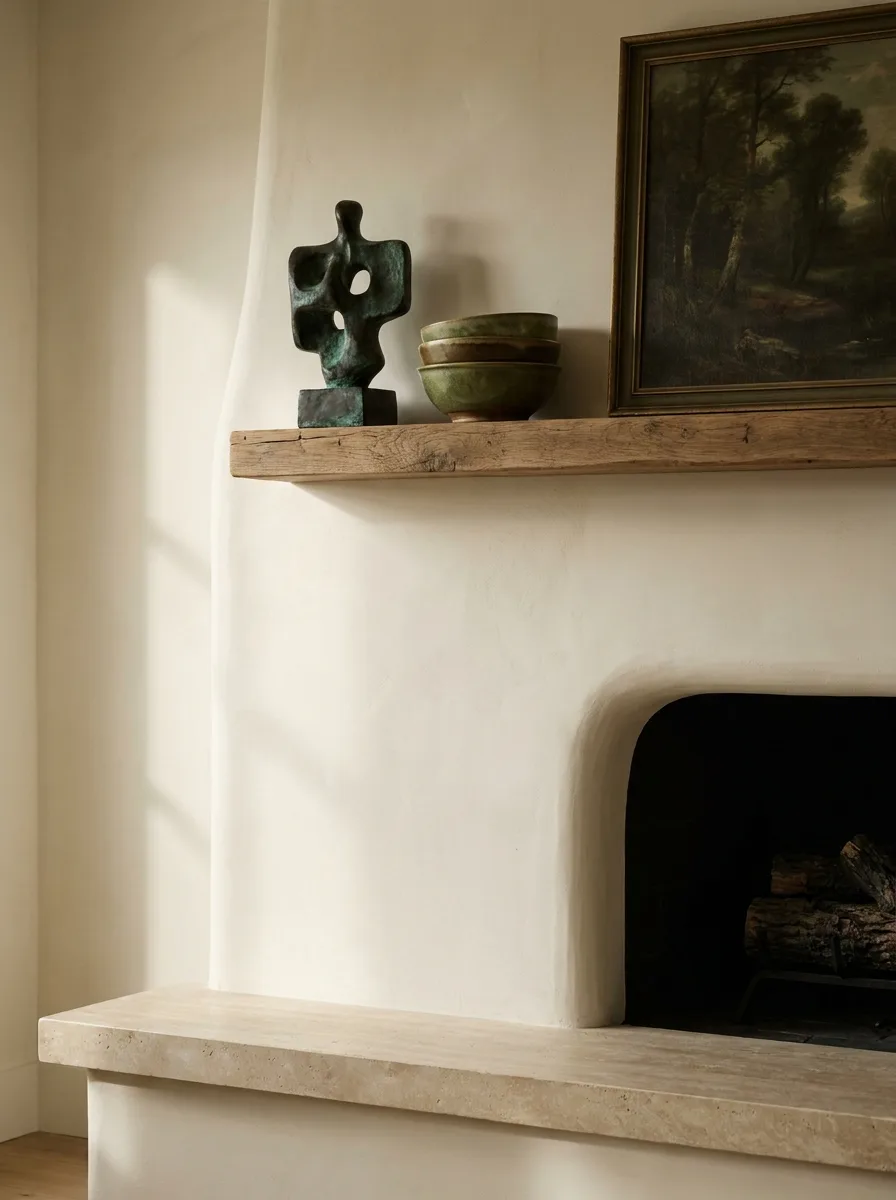
The living room's 2027 shift is about what the furniture points at. For twenty years the answer was a screen. The current designer consensus starts the layout at the fireplace instead, and treats television as something to be managed — clad into a textured media wall of slatted wood or stone if it stays, or banished entirely to a dedicated den if it doesn't.
Both endpoints are trending at once. The media wall continues to grow, though the 2026 versions are fireplace-first compositions where the screen sits inside a larger textured surface rather than dominating it. Meanwhile the counter-current has a name: the snug — a small, curtained, deliberately screen-free room built for reading and conversation, which the trend press has been championing as living spaces "designed around conversation and intentional, electronic-free time." The resolution for larger homes in 2027 is both: a screen-free main lounge, and a media room that owns the technology completely.
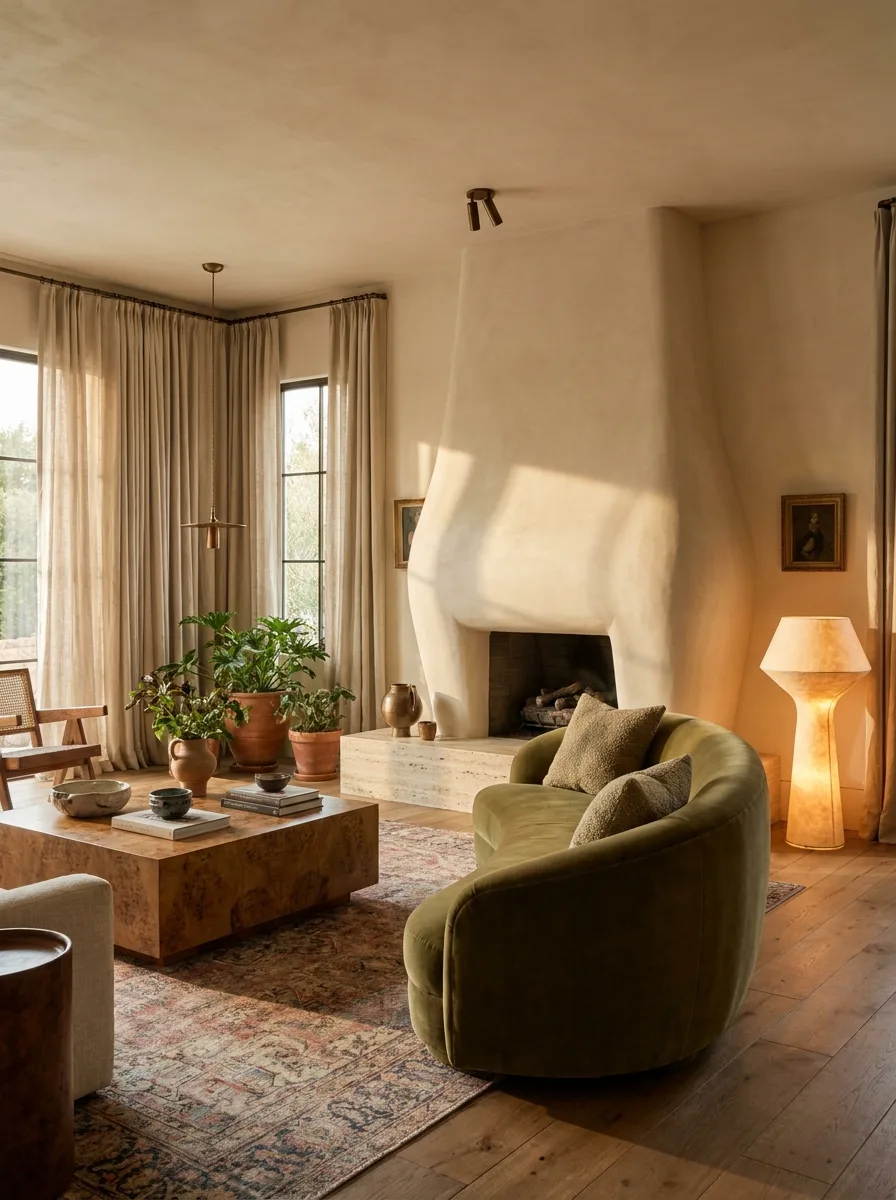
Seating softens without going bulbous. As covered in the furniture section, the curved sofa survives in its restrained form — low-slung, organic, balanced against straight lines — while the exaggerated cloud-scale versions age out. Sculptural pieces in mohair and velvet are displacing the overstuffed sectional-that-ate-the-room, and moody, characterful palettes are displacing the all-light-everything room.
The conversation pit is genuinely back. The most editorial trend in this section: sunken lounges are being built again, in travertine and cream upholstery rather than orange tweed, sometimes flowing straight through glass walls into sunken outdoor lounges. There's no adoption data — this is a luxury-build and design-media trend — but the volume of coverage through 2025–26 is real, and it's the clearest possible expression of the room-as-gathering-place idea that runs through everything above.
Do not remove the TV from a rental — guests punish it. Do steal the composition trick: mount it inside a full-height textured wall or over a fireplace so your hero photo reads "architecture," and let a big sculptural fixture and a fire feature carry the shot. The listing photo that leads with a screen looks like a waiting room. The one that leads with a fire books winter weekends.
Bedrooms: Cocooning, Canopies, and the Second Primary Suite
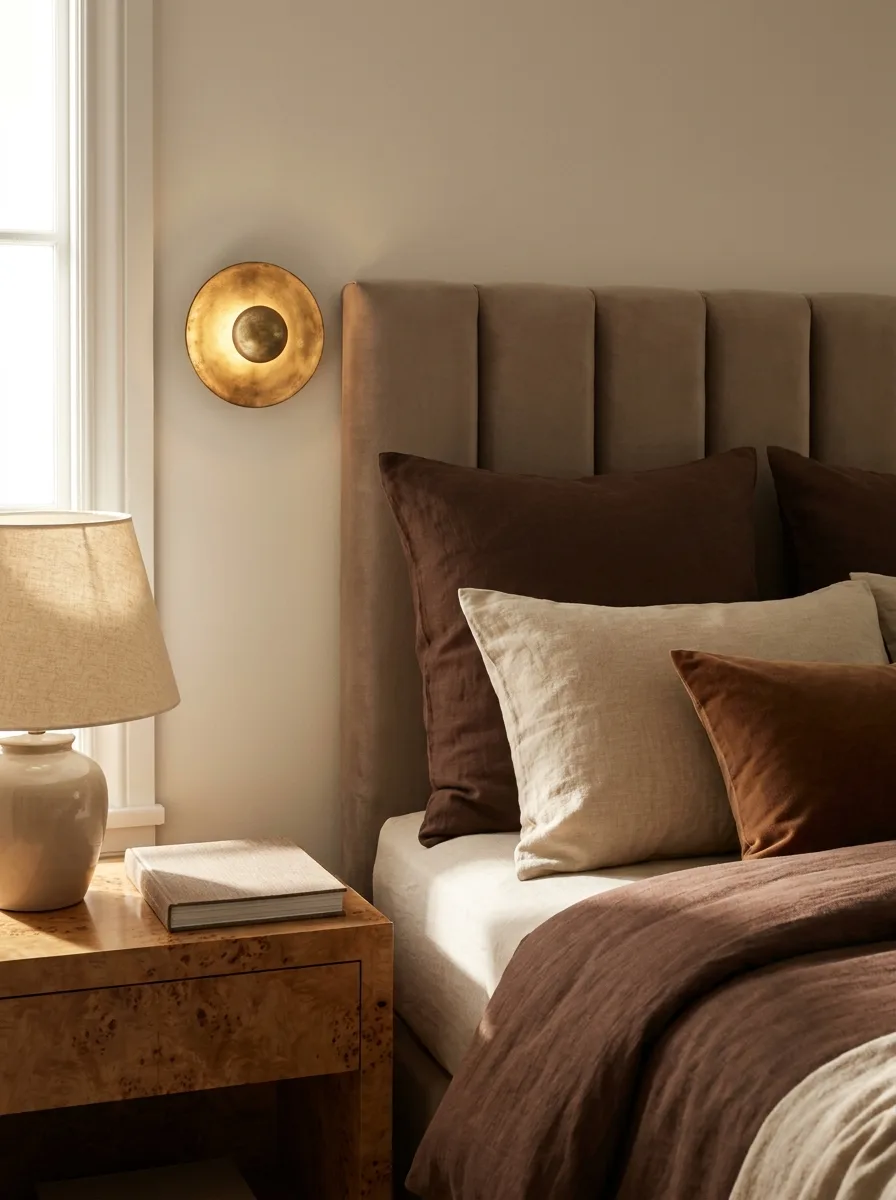
The bedroom brief for 2027 is the boutique hotel room, imported wholesale. The trend press calls the umbrella "hotelification of the home," and every specific under it points the same way.
The bed becomes architecture. Statement headboards keep growing — oversized, upholstered, sometimes wall-to-wall with integrated sconces and nightstands, exactly the way a five-star suite builds its bed wall. Above it, the canopy and four-poster are staging a designer-led comeback in lighter, modern forms: a frame and a length of linen rather than Victorian drapery. The most-repeated word in bedroom trend coverage right now is "cocooning" — quilted textures, enveloping color, layered bedding you can photograph from the doorway.
Sleep got measured, and design responded. The data behind the wellness-bedroom push is legitimate: about a third of US adults report sleeping apart from their partner at least occasionally per the American Academy of Sleep Medicine's survey work, and ResMed's global survey puts couples who at least sometimes sleep separately at around half. Housing coverage now tracks separate-bedroom capability creeping into buyers' wish lists. The design consequences run from blackout everything and low-lumen nighttime lighting to the second primary suite — two real bedrooms with real baths — becoming a listed feature rather than a compromise.
The dual-primary-suite trend is a revenue lever, not a design flourish. Group trips — two couples, multigenerational families — are the highest-value bookings most properties can win, and they filter for exactly this. If one secondary bedroom can take an en-suite and a king, that renovation changes which searches you appear in. Meanwhile the cheapest hotelification move is bedding: white duvets you bleach, a real topper, four pillows minimum, and a throw with texture. Guests photograph beds more than any other object in the house.
Dining Rooms: The Formal Room Comes Back Daily
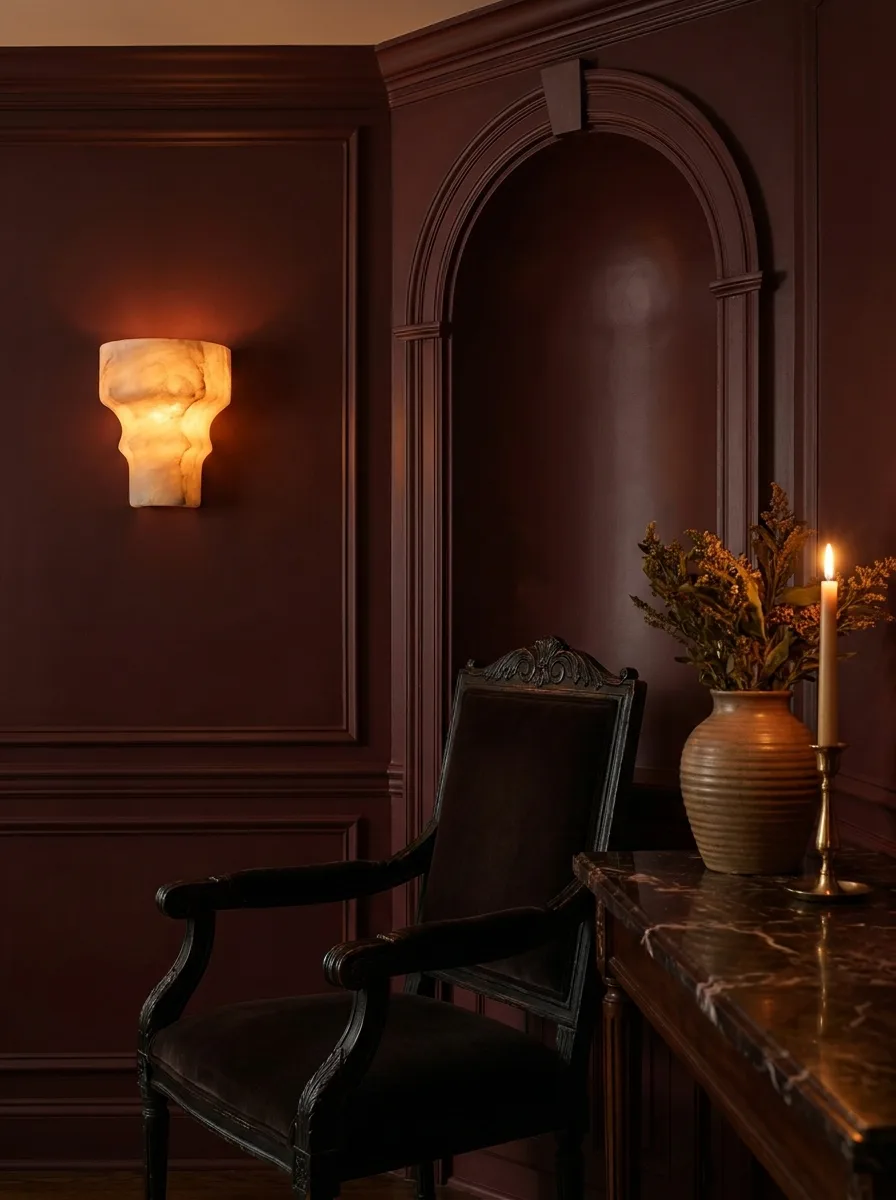
House Beautiful called it outright: the return of the formal dining room is the biggest trend of the season. But "formal" has been redefined — the room comes back as a place used daily and designed for lingering, all mood and candlelight, rather than a roped-off museum for holidays.
The look is dark on purpose. Dining rooms are where the year's moody palette gets its fullest expression: color-drenched walls and ceilings in oxblood, bronze green, and deep browns, dimmed sculptural chandeliers, and rich nature-drawn tones designers describe as designed for the dinner that runs long. If you only drench one room in the house, the trend consensus says it's this one.
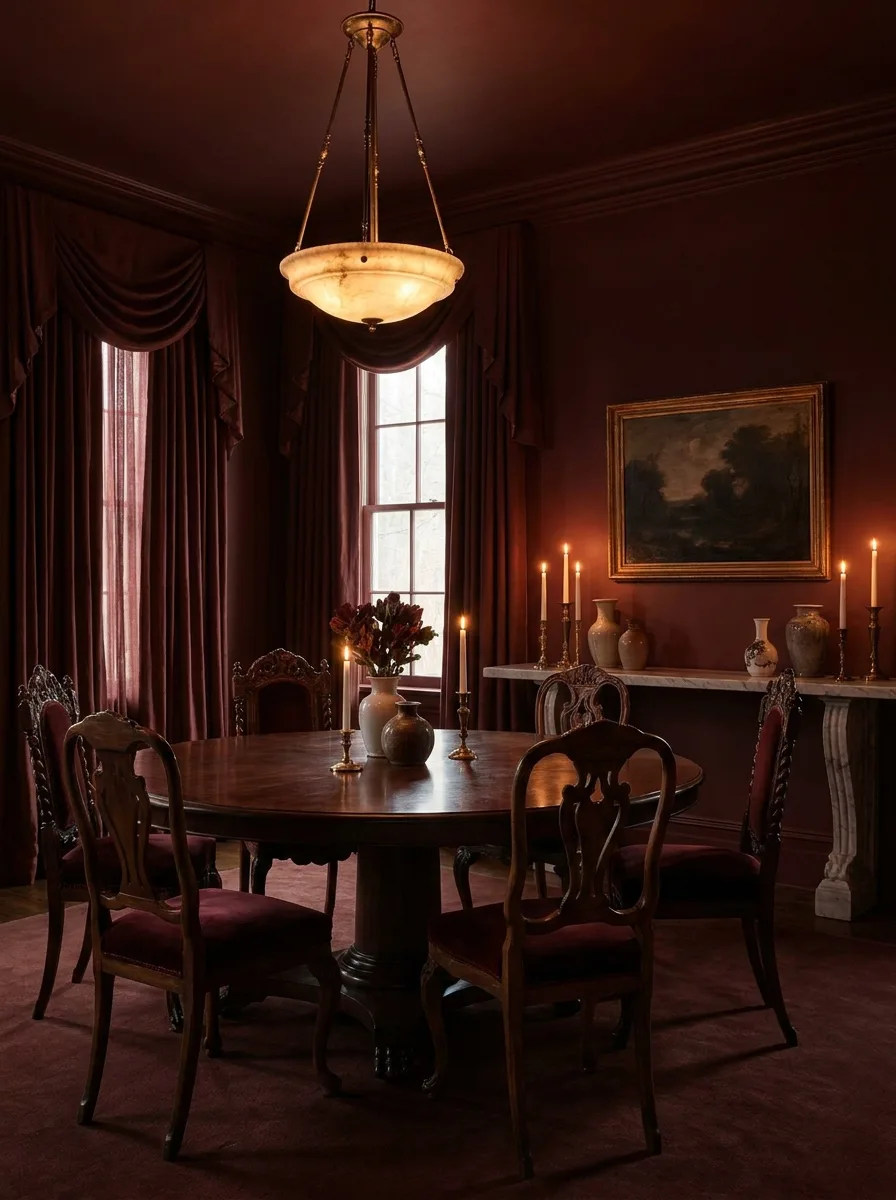
Round tables displace the long rectangle. The comeback shape is the round or softly-oval table on a sculptural base — the '70s-Italian pedestal silhouette — because it seats conversation rather than hierarchy. Vintage tables anchor the room in exactly the way the furniture section predicts, and mismatched-but-related seating replaces the eight-identical-chairs set.
Banquettes: read the room. The verdict splits cleanly in the 2026 coverage — banquettes keep winning in casual nooks and breakfast corners, while designers now call the formal-dining banquette dated and impractical. Nobody wants to climb over a stranger's lap between courses.
Home Offices, Laundry Rooms, and Entryways: The Hard-Working Rooms Get Style
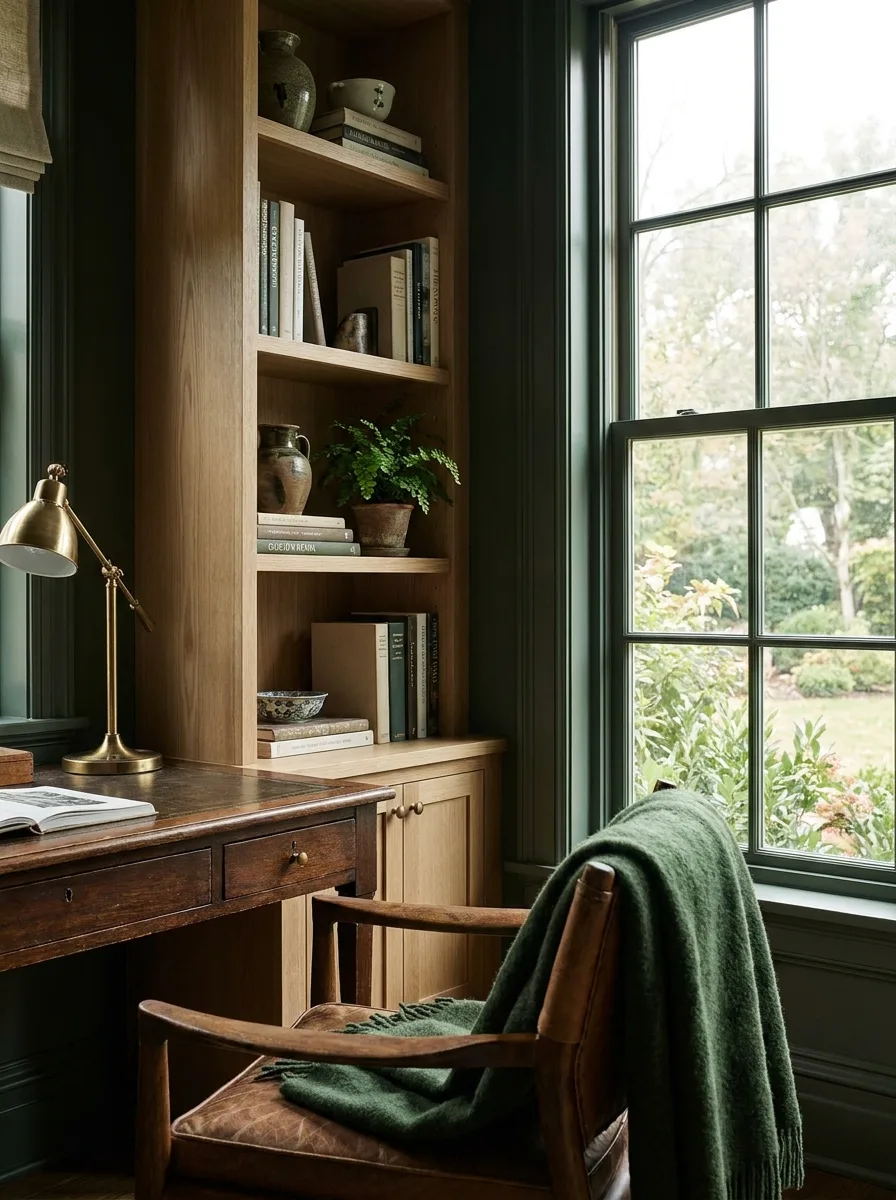
The unglamorous rooms are having their best decade ever, because hybrid work made the house do more jobs. With roughly three-quarters of companies settled into hybrid schedules per the 2026 workplace surveys, the home office is permanent — and it's evolving away from the 2021 dedicated-Zoom-bunker toward flexible, furniture-grade rooms that read as libraries or studies when the laptop closes. The adjacent trend is the hobby room: a space owned by one pursuit — music, sewing, a reading nook (mentions up 48% in Zillow's listing data) — rather than a guest bed that apologizes for the desk in the corner.
Laundry rooms grow personalities. The mudroom-laundry hybrid is being called one of the most practical layouts of the moment, and the finish level has jumped: sage green cabinets with brass pulls, muted navy, wallpapered ceilings, concealed appliances. It's the room where homeowners test-drive bold color because the commitment is twenty square feet.
Entryways get one sculptural move. The current formula is a curved or sculptural console — arched base, kidney top — against a warm-neutral envelope of oat, stone, and taupe with one deep note (chocolate, oxblood, smoked plum). Drop zones go architectural: benches, hooks, and shoe storage built in so the gear disappears into the millwork rather than piling against it.
"Dedicated workspace" is a search filter, so a rental office has to survive a photo and a speed test, nothing more: a real desk, a real chair, a lamp, and the router nearby. But the mudroom thinking is worth stealing everywhere — ski racks, beach-gear hooks, a boot bench by the door. Gear storage matched to your market tells guests you know why they're coming, and it keeps sand and snow out of your cleaning bill.
Smart Home: More Capable, Less Visible
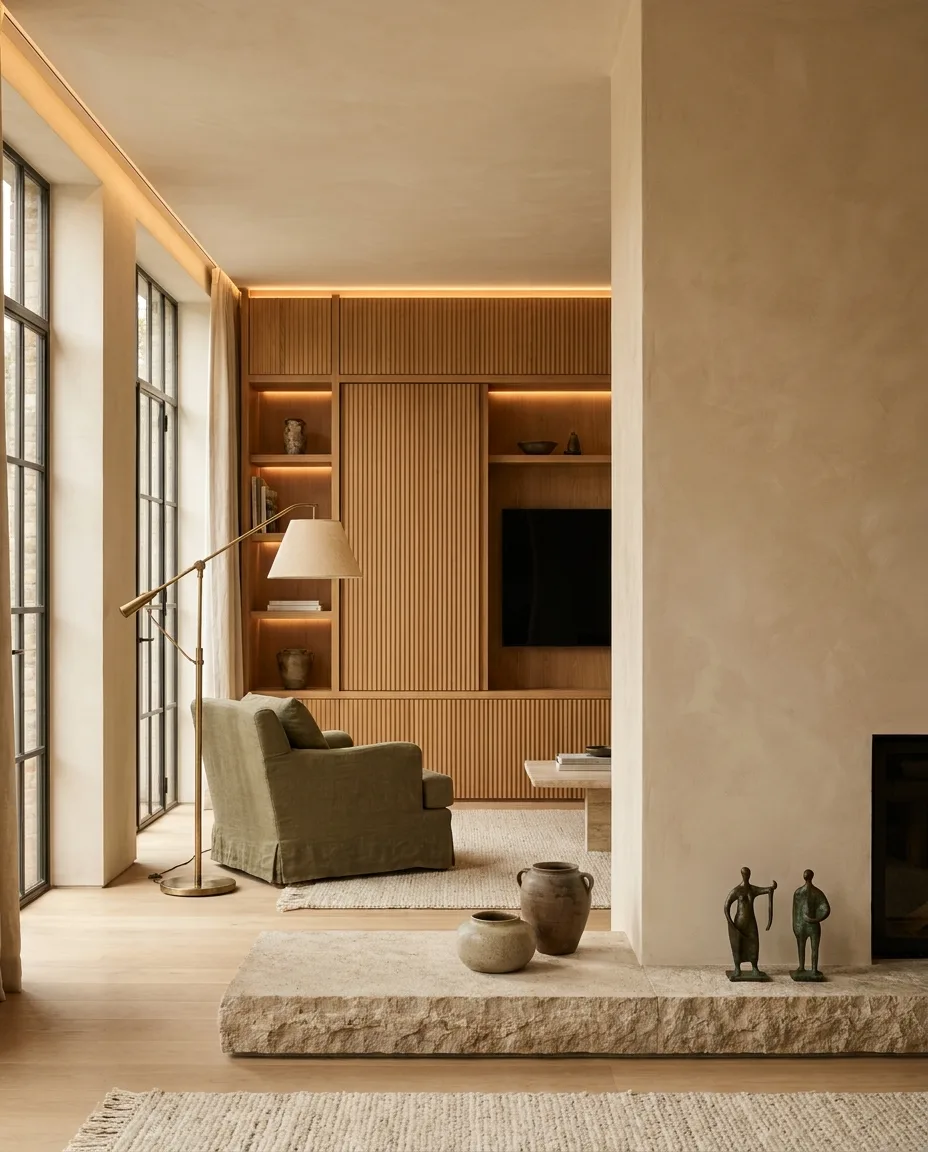
The technology story of 2027 splits into two halves that sound contradictory and aren't: adoption keeps climbing, and visibility keeps dropping.
The plumbing finally works. Matter — the interoperability standard that was supposed to fix smart-home fragmentation — has largely done it, with hundreds of companies shipping certified products, the major platforms defaulting to it, and IKEA selling Matter devices under ten dollars. The practical 2027 baseline for a well-equipped home: smart locks, learning thermostats, leak sensors, and scene-based lighting, all speaking to each other regardless of brand. Energy is the growth frontier — whole-home orchestration of batteries, EV charging, and loads — and Zillow's listing data (batteries up 40%, EV charging up 25%, zero-energy-ready up 70%) shows buyers already pricing it in.
Invisibility is the luxury tier. The 2026 luxury-design reporting is blunt about this: visible technology is now déclassé. High-end projects bury lighting automation in the millwork, hide screens behind art and joinery, and use presence sensing instead of wall panels — the flex is a home that looks unplugged while running more computing than ever. The same instinct drives the tech-free countertrend at the room level: the snug, the screen-free bedroom, the drawer where phones go during dinner. Design serves attention now, in both directions.
For rentals, three devices pay for themselves and the rest is hobby: a smart lock (self-check-in is the baseline expectation now, and a code that expires at checkout), a remote thermostat (the single biggest utility-bill saver in an STR), and leak sensors under every wet point (one caught leak funds the whole kit). Skip the voice assistants — guests distrust microphones in bedrooms, and they're right to. I covered the full stack in our smart home guide for rentals.
Sustainability: From Virtue to Spec Sheet
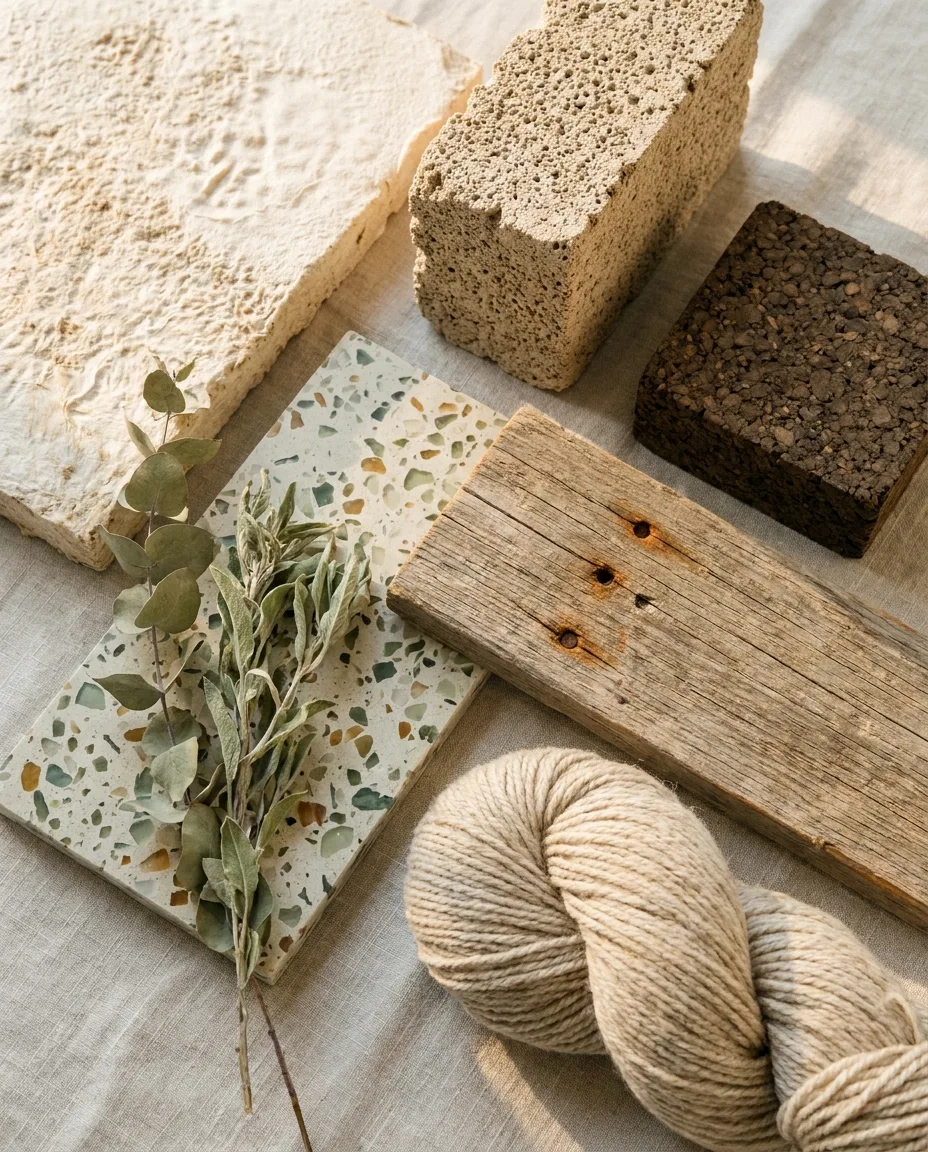
Sustainability spent a decade as a marketing adjective. What makes 2027 different is that it's now measurable in three separate datasets, and it changed shape along the way — from recycling symbolism to longevity and resilience.
The resilience numbers are the loudest. Zillow's analysis of listing language found zero-energy-ready homes up 70% year over year, whole-home batteries up 40%, EV charging up 25%, and flood-protection features up 64%. Those numbers come from sellers deciding what buyers will pay for, which makes them harder evidence than any designer survey. Homes are being pitched as systems that keep working — through outages, through weather, through utility-price swings — and the design market prices that in.
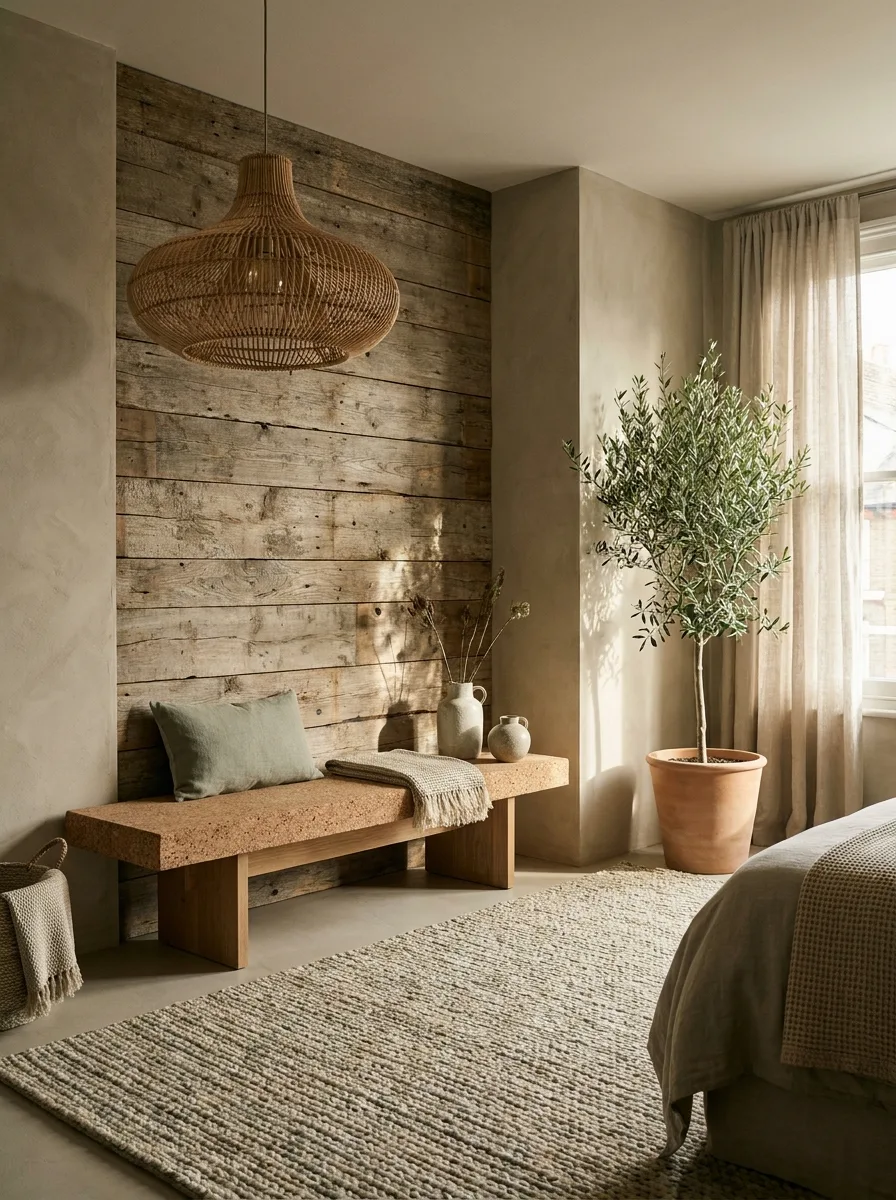
Longevity is the aesthetic version. WGSN attached its Clay color story explicitly to products designed for longer lifespans. The furniture market's craftsmanship pivot — repairable construction, traceable origins, the investment-piece framing — is the same idea in walnut. So is the vintage boom: the most sustainable piece of furniture is the eighty-year-old one that needed nothing but a new home, and it happens to be the most fashionable one this year too. Buy-once is simultaneously the green choice, the luxury signal, and the budget play, which is why it's winning.
Materials move from claim to catalog. Reclaimed timber is fully spec-able today. The next wave — mycelium acoustic panels, hempcrete, bio-based insulation — is real in the architecture press and still early residentially; watch it, don't wait for it. Meanwhile the mainstream versions do the volume work: natural fibers as the textile default, low-VOC mineral finishes like limewash, native low-water landscapes that cut the irrigation bill, and LED lighting warm enough that nobody misses what it replaced.
Guests won't book you for a heat pump, but sustainability shows up in a rental's P&L anyway: the remote thermostat, the leak sensors, the LED conversion, and the drought-tolerant yard all cut real operating costs, and the "EV charger" filter is a booking gate that costs a few hundred dollars to pass. Write the features into the listing as comfort and convenience — "charge overnight," "stays cool quietly" — because that's the language travelers actually shop with. Our eco-luxury guide covers where the premium positioning is real.
Exteriors: Earth Tones, Mixed Cladding, and the Warm Front Door
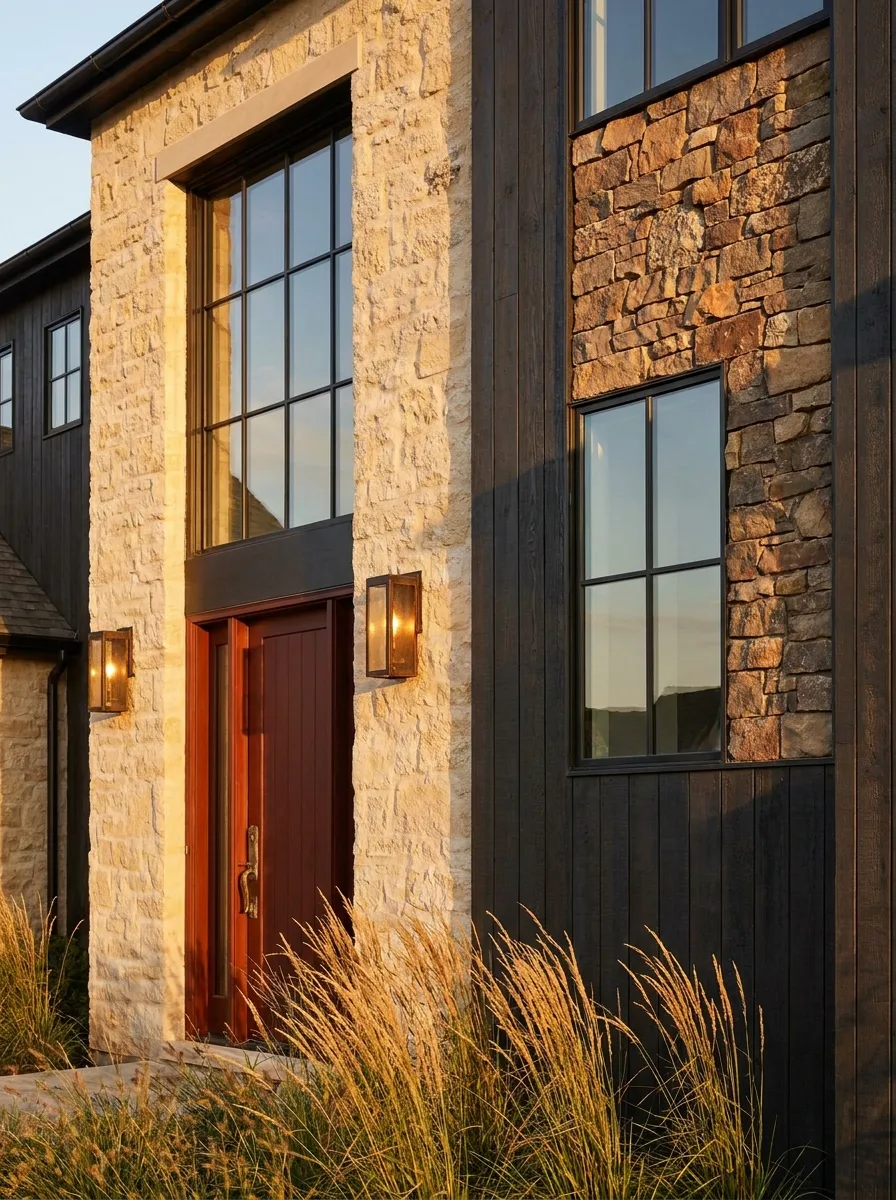
Curb appeal is running the same software as the interior: warmth, nature, and materials that are what they look like. Sherwin-Williams' Rewild forecast is explicitly an exterior document too — its heritage story leans on colors like Roycroft Bronze Green and deep bronze that are classic exterior territory — and the 2026 color picks that set the runway (Benjamin Moore's espresso-brown Silhouette, pitched by the brand as a warm alternative to black; Behr's taupe exterior stain pick) all point away from the stark white-and-gray boxes of the early 2020s.
The palette: clay, moss, bark, and mineral. The consensus exterior direction for 2027 is earth-drawn — terracotta and clay tones, olive and mossy greens, stone and sand neutrals, deep browns, and warm whites in the Swiss-coffee family rather than bright builder white. Two-tone schemes with a darker grounded base are the composition trick of the moment.
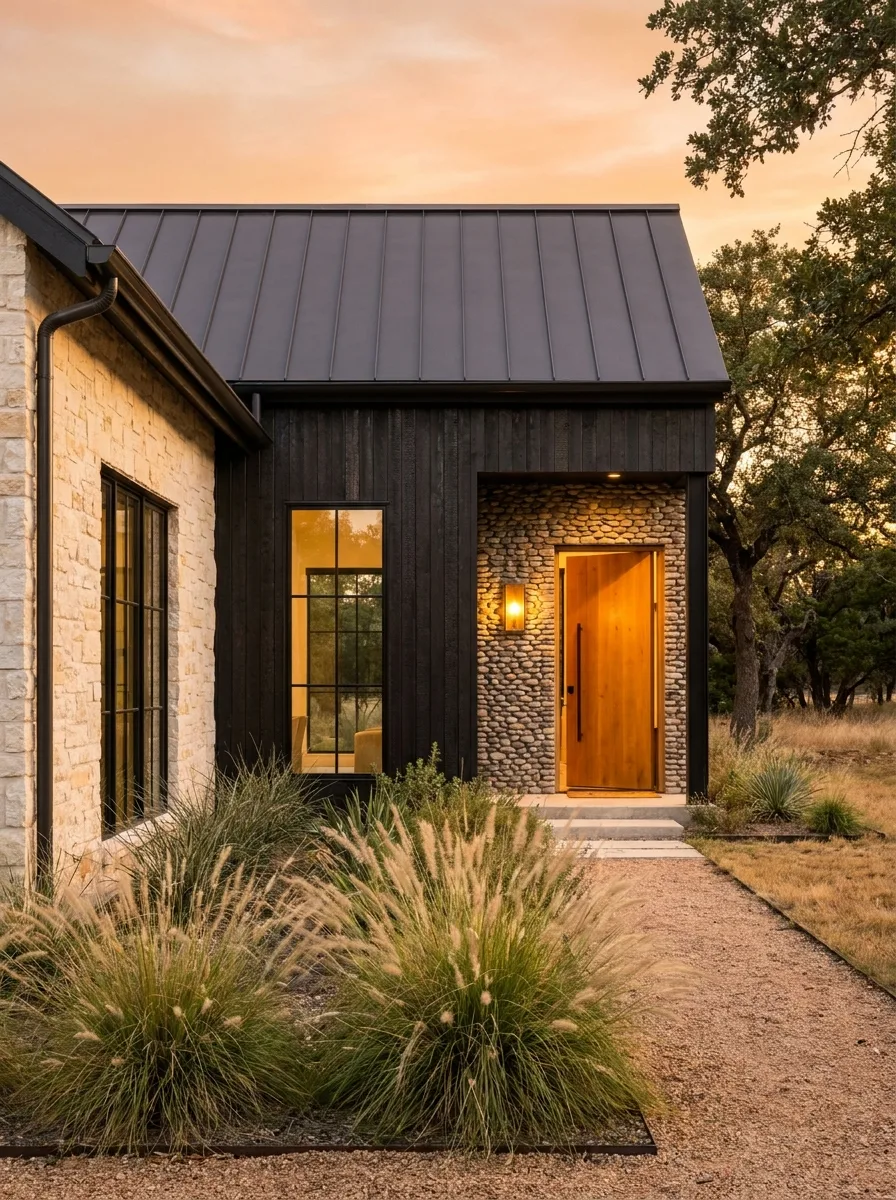
Cladding mixes, and wood gets torched. The most-requested exterior combination in the 2026 reporting is fiber cement plus natural stone plus warm wood accents — textural layering instead of one material wall to wall. Thermally treated and charred-look wood (the shou-sugi-ban aesthetic) is the accent material to know, and metal roofs keep gaining alongside bigger glass and metal-clad windows.
Windows stay black; doors go woody. Black window frames remain the dominant choice in industry surveys and have graduated from trend to neutral, though bronze, graphite, deep brown, and soft greige frames are the growing alternatives for warmer schemes. At the front door, the reported shift is from painted color to stained wood — the real-materials trend at its most literal — with deep navy and black holding for painted doors on modern facades.
Your exterior photo is usually your listing's first or second frame, and it's the one guests screenshot to say "this is the house." A repaint in a warm earth scheme plus a stained-wood or deep-color door is a weekend of labor that changes the thumbnail. If the budget picks one exterior project, make it whatever shows in that first photo — often that's just the entry elevation, not all four sides.
Outdoor Living: The Backyard Becomes the Second House
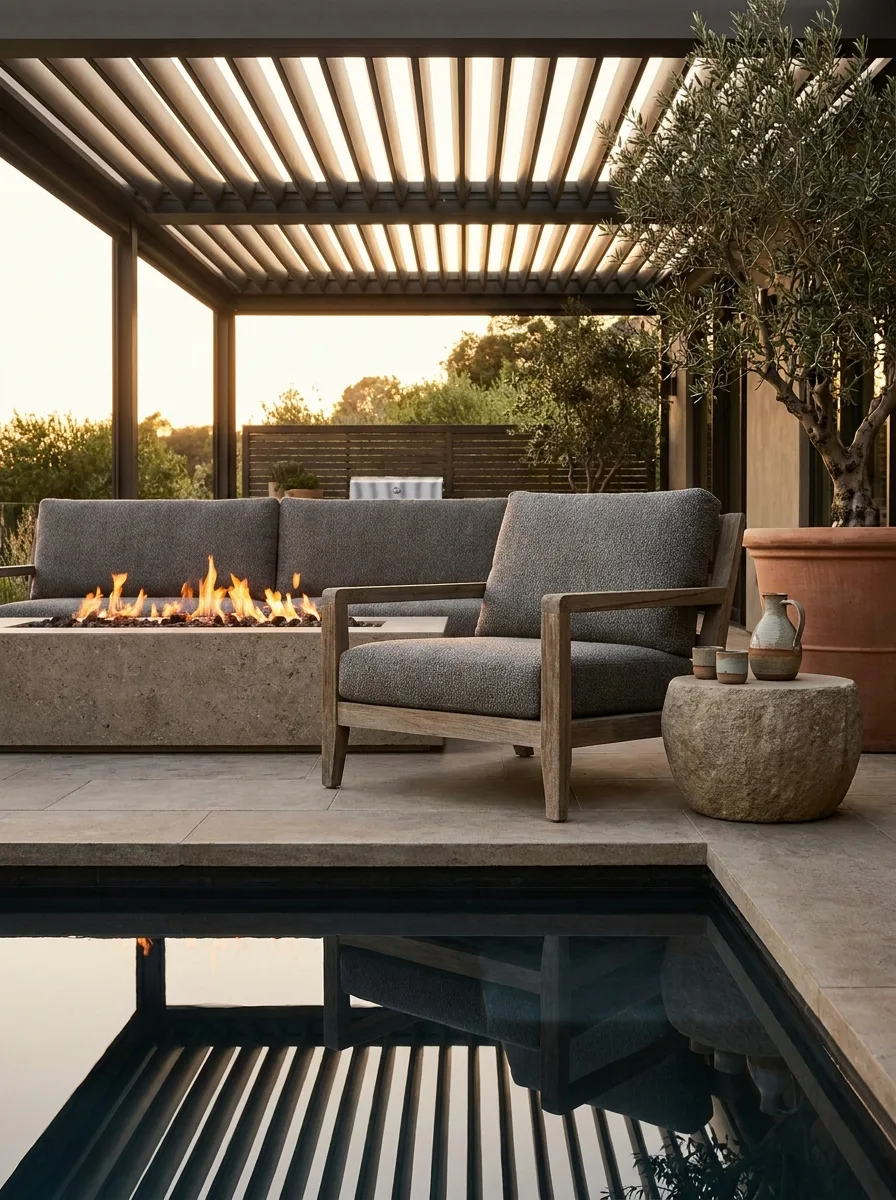
Outdoor spending stopped being about a grill and a table somewhere around 2021 and hasn't looked back. The 2027 shape of it is the outdoor room, plural: defined zones for cooking, dining, lounging, and soaking, weather-protected enough to run three seasons or four.
Structure first. The pergola went bioclimatic — motorized louvers, integrated lighting, rain sensing, smart-home control — turning a decorative frame into a roof you can open. Under it: full outdoor kitchens with stone counters, pendant lights over the table, heaters, and performance-fabric furniture with indoor manners. The design language matches the interior's warm minimalism, down to the hardscape running natural stone and porcelain in warm tones.
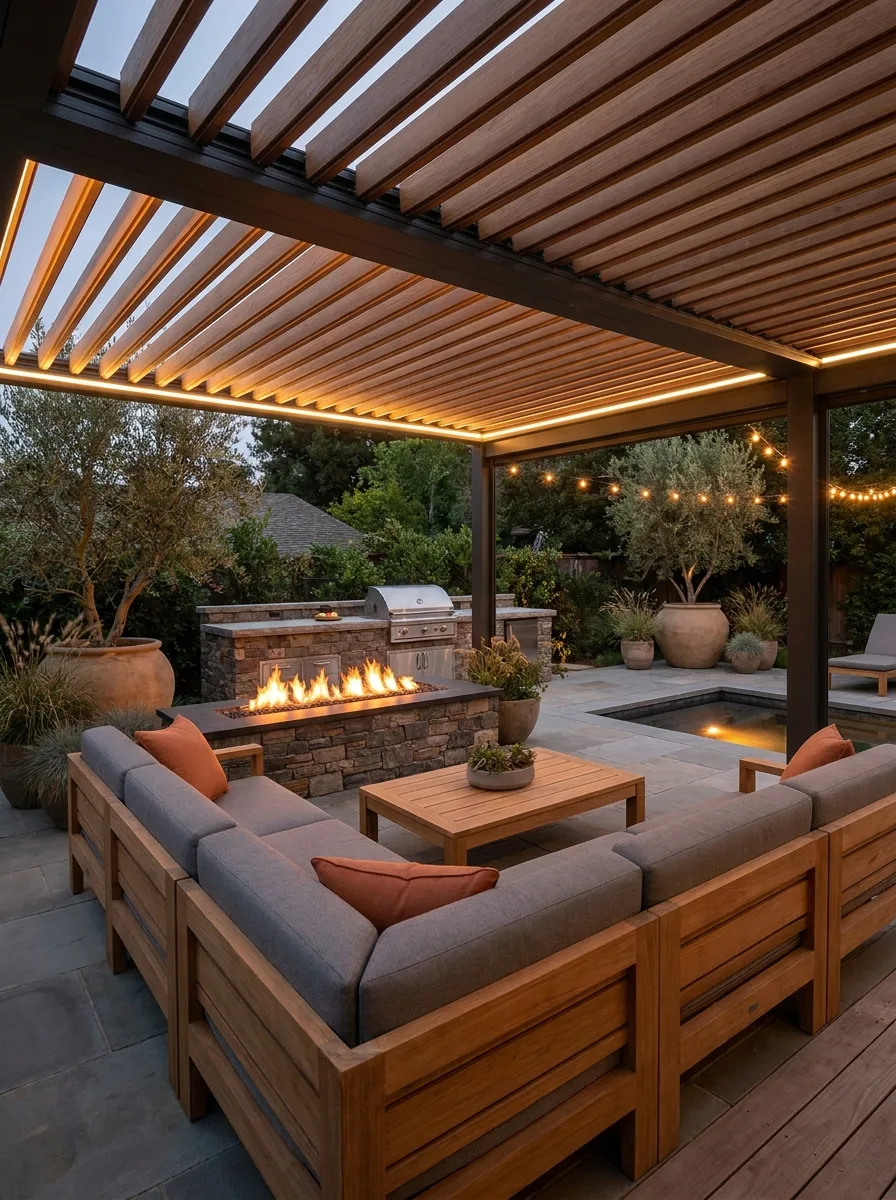
Water gets smaller and smarter. The pool trend runs opposite to the McMansion era: plunge pools and cocktail pools deliver the photo and the cool-down on a fraction of the footprint, water, and cost, and the luxury reporting frames the whole category as "micro-resort" design. Around the water, wellness hardware keeps arriving — barrel saunas, cedar hot tubs, and dedicated cold-plunge tubs tucked into privacy corners, the same biohacking wave the bathroom section covered, moved outside.
Fire defines the zones. Fire features — linear gas tables, built-in fire pits, outdoor fireplaces — are the anchor around which lounge zones get drawn, and the practical function is season extension: a fire feature adds usable weeks to both ends of the calendar.
The landscape rewilds, tidily. Native and drought-tolerant planting has gone from virtue signal to default recommendation — the New Perennial look of grasses and drifting perennials, kept legible with mown edges and clear paths. Outdoor lighting follows the interior doctrine exactly: warm (2200–2700K), low, and layered, pools of light instead of floodlit walls, integrated fixtures instead of string-light everything.
Outdoor amenities are the strongest rate movers in most leisure markets — a hot tub or plunge pool routinely changes what a property can charge, and a fire feature sells shoulder season. But every outdoor amenity is also a maintenance contract and, in the case of water, a liability line. Price the cleaning and the insurance before the install, and light it properly: outdoor spaces that photograph at dusk are the listing photos that stop the scroll.
The Economics Underneath the Trends
One more layer before the playbooks, because money is shaping 2027's look as much as taste is.
Tariffs are redrawing the supply map. In the 1stDibs survey, 92% of designers reported that 2025's tariffs affected their business — as close to unanimous as survey data gets. Imported new furniture got more expensive and less predictable, and the market's response is visible all over this guide: vintage and antique sourcing at five-year highs (the inventory is already here and pays no tariff), domestic craft commanding premiums, and clients steered toward fewer, better pieces because the churn got pricey. Some of 2027's "taste for provenance" is genuine cultural appetite. Some of it is arithmetic wearing a nice jacket.
Fast furniture stopped being cheap. The replace-it-in-three-years cycle only worked when the replacement was trivial money. The consumer-finance coverage now runs the math out loud: a disposable sofa bought three times costs more than the rebuildable one bought once, before you count the landfill run. That calculation is the quiet engine behind the craftsmanship pivot, the repairability talk, and the investment-piece framing the furniture trade has adopted.
Renovation beats relocation. With owners locked into low mortgage rates, improving the house you're in keeps winning against moving — which helps explain why the trend energy concentrates in renovable categories (paint, lighting, fixtures, one-room remodels) and why the NKBA's pros report growing footprints for kitchens and baths: the money that would have bought the next house is buying the better version of this one. For anyone furnishing income property, all three forces point the same direction — buy less, buy older or better-made, and put the savings into the rooms that earn.
The 2027 Playbook by Property Type
Trends are national; houses aren't. After walking properties in fifty countries, the pattern I trust most is that the same trend list gets filtered completely differently by climate, architecture, and who's standing in the doorway. Here's how I'd apply this guide's material to the four property types I see most.
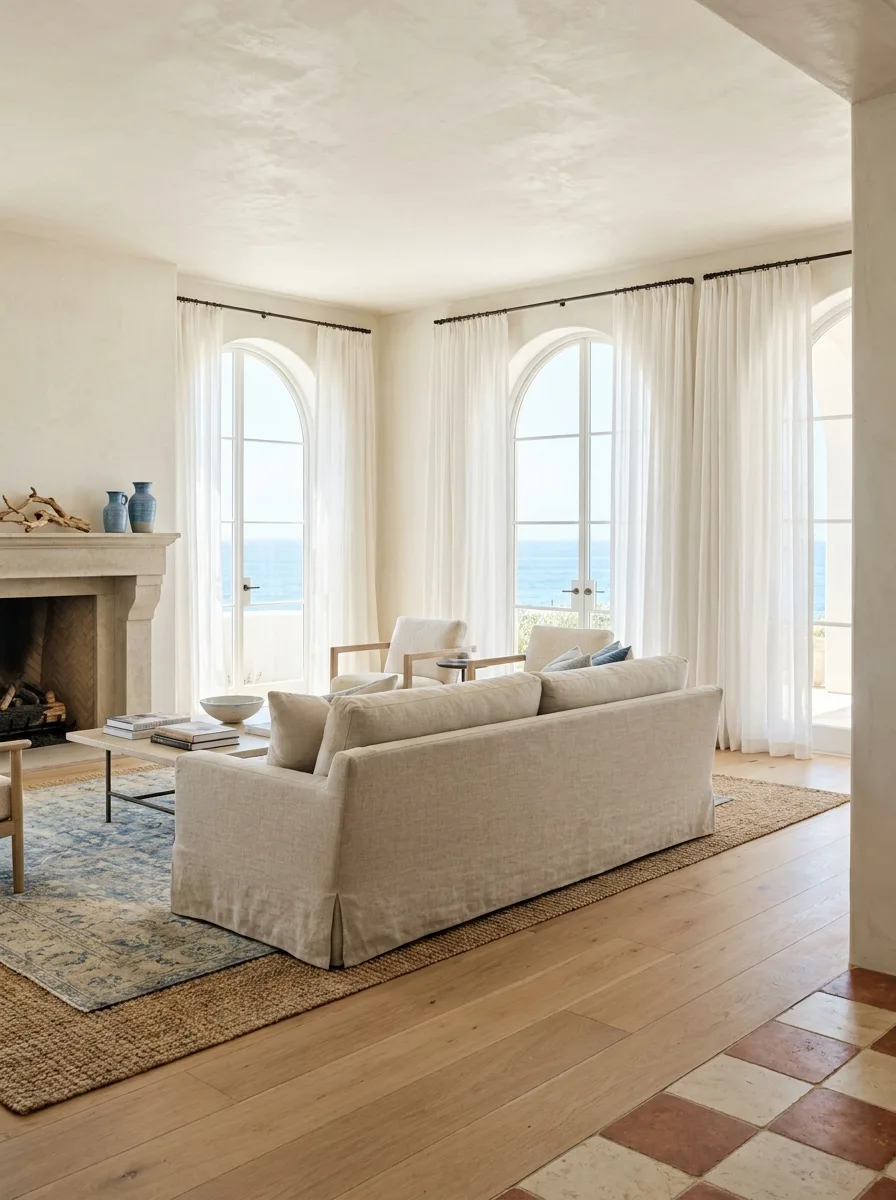
Coastal and beach houses. The warm-mineral palette was built for you: sand, clay, chalky white, with the year's blues doing what blue does best near water. Limewash handles humidity gracefully and hides scuffs from sandy hands. Performance fabrics are non-negotiable, checkerboard tile earns its keep in entries and outdoor showers, and the plunge-pool-plus-fire-zone combination extends the season on both ends. Skip the deep moody drench in small rooms — beach light is the amenity, and 2027's darker story belongs in one den, at most.
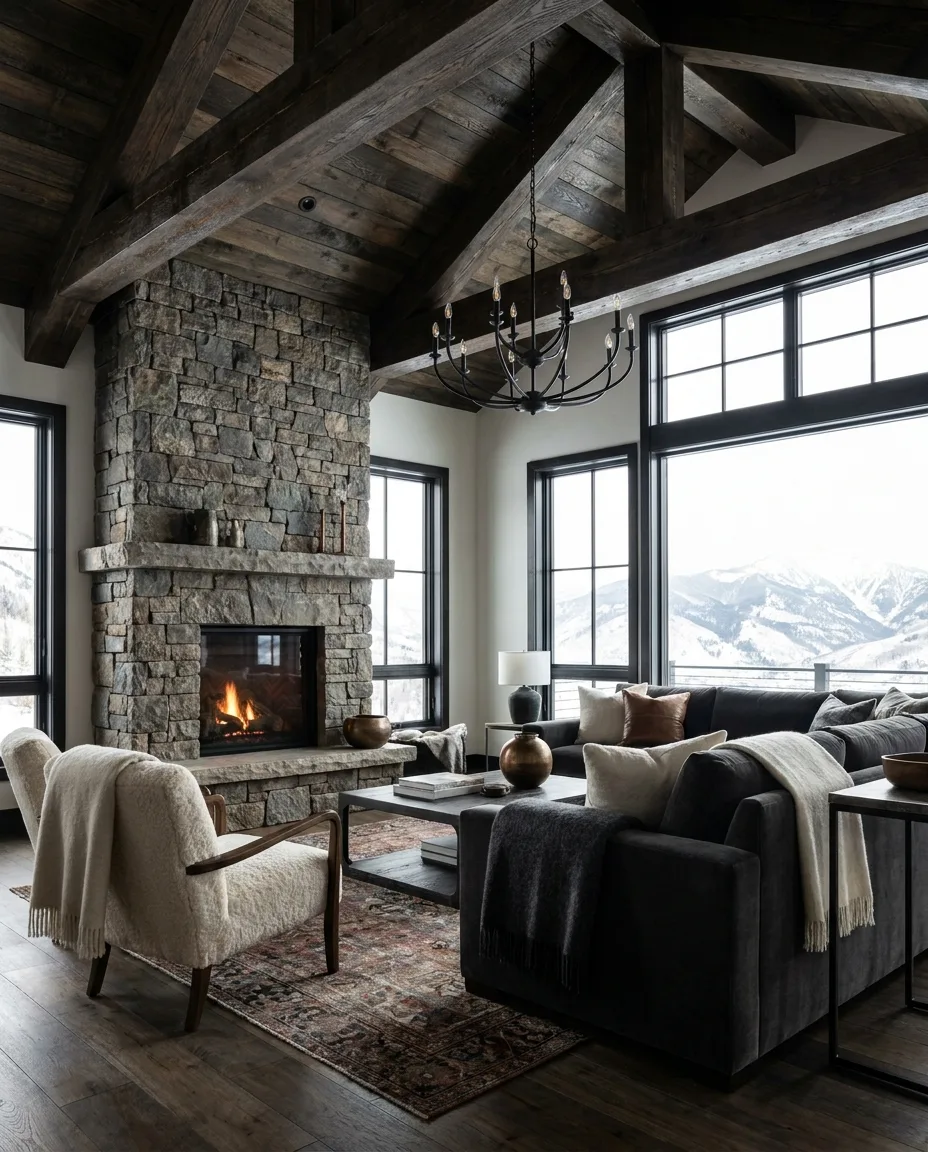
Mountain and cabin properties. This is dark wood's home turf, and the brown-furniture comeback means the look can be assembled from auctions at a fraction of new-rustic pricing. Lean into the cocooning bedroom, the wool-and-mohair soft layer, the fireplace-first living room, and the statement wood ceiling — mountain architecture usually already has the bones for it. The outdoor sauna and cold plunge are in-market here in a way they aren't anywhere else, and 2200K exterior lighting against snow is the best dusk photo in real estate.
Desert and dry-climate homes. Terracotta, clay plaster, travertine, and the rewilded native landscape read as inevitable rather than trendy — the region was doing 2027 before 2027. Curves belong here (the restrained versions), zellige and handmade tile carry the hand-touch story, and shade structures are the outdoor-room trend at its most literal. The one warning: dark exterior colors and west-facing glass punish you thermally; keep the moody palette indoors.
Urban condos and townhouses. Square footage is the constraint, so spend where hands and eyes land: fixtures, hardware, lighting, one drenched dining nook or powder room, a genuinely great bed wall. The scaled-down versions of the big trends all work — a micro-checkerboard entry, a cocktail-sized balcony fire bowl, a single vintage case piece — and the invisible-tech instinct matters most here because visible gadgets shrink small rooms further. If the unit has one architectural feature, point every design decision at it.
The 2027 Trend Calendar: What Lands When
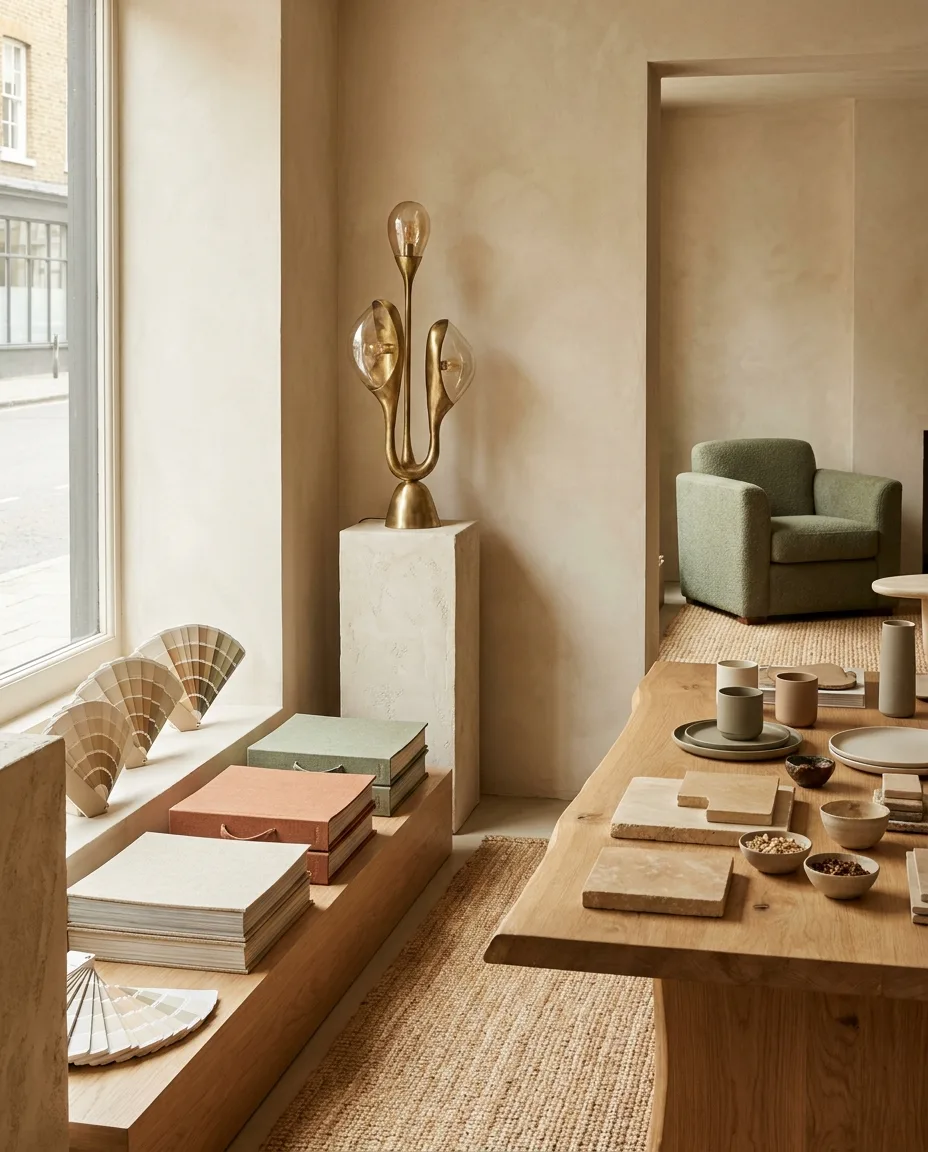
Design trend season has a schedule, and if you're planning a renovation or a refresh around it, the sequencing is useful.
- September 8, 2026 — Dulux reveals its 2027 Colour of the Year; the European paint direction sets up the season.
- September–October 2026 — the NKBA's next kitchen and bath trend reports land around KBIS announcements, refreshing the three-year professional outlook; Benjamin Moore's Color of the Year typically arrives mid-October, with Behr, Glidden, and Dutch Boy in the same window.
- October–November 2026 — Zillow's home trends report (listing-data reality check) and the 1stDibs designer survey (what the trade is actually buying) both typically publish in this stretch.
- Early December 2026 — Pantone's 2027 color announcement and Pinterest Predicts, the two most-covered consumer trend events of the cycle.
- February 2027 — KBIS and the winter Las Vegas Market show the products behind the forecasts; Lightovation sets the lighting floor.
- April 2027 — High Point Market, where the furniture industry commits inventory to the trends that survived winter.
The planning logic: paint decisions can wait for nothing — the direction is already published and consistent. Fixture and furniture buys made before February get last cycle's pricing on next cycle's look. And if you run a rental, the renovation window that matters is your own off-season, with photos reshot before your booking season opens; a January refresh that isn't photographed until June donates six months of its advantage to your competitors.
What's on the Way Out in 2027
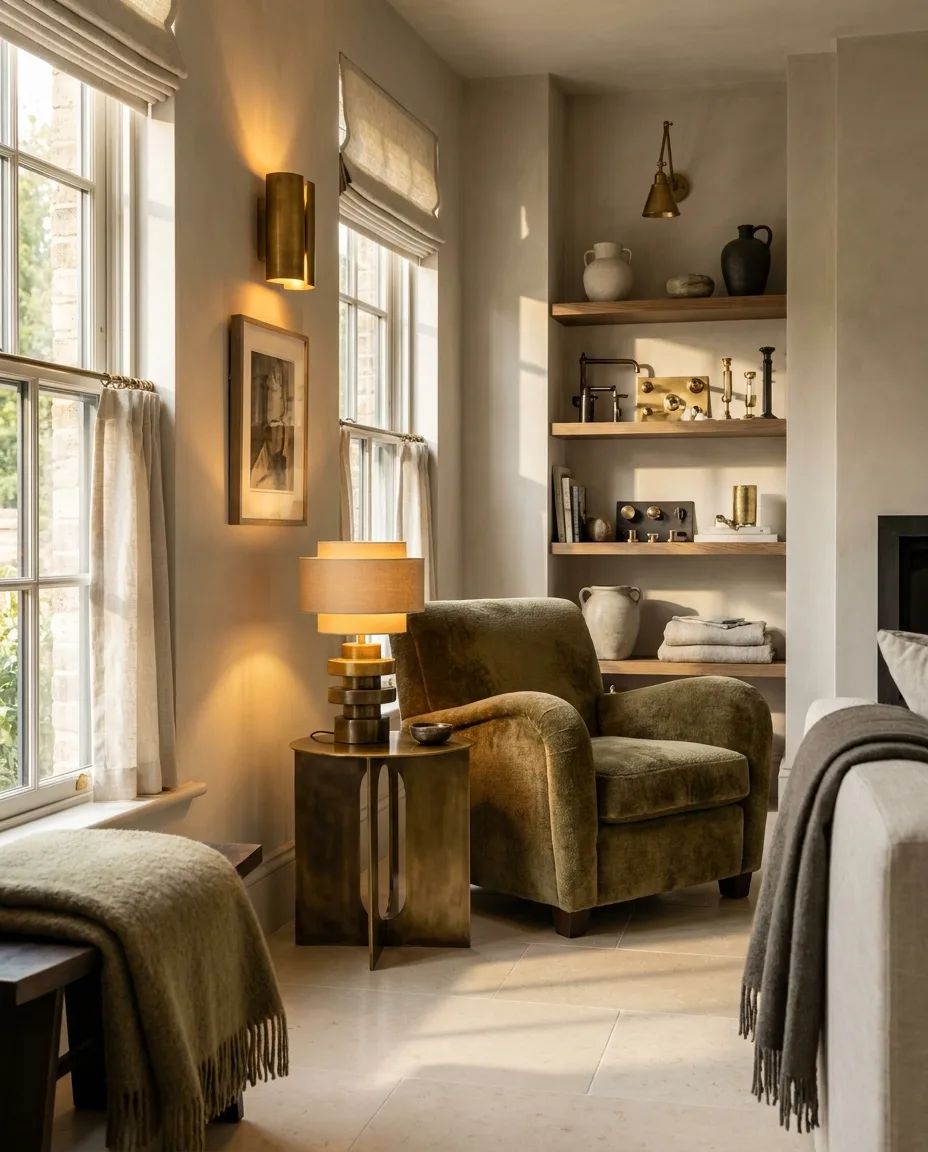
Every one of these has a source behind it in the sections above; this is the consolidated exit list. If you're deciding where a limited renovation budget goes, start by not spending it here.
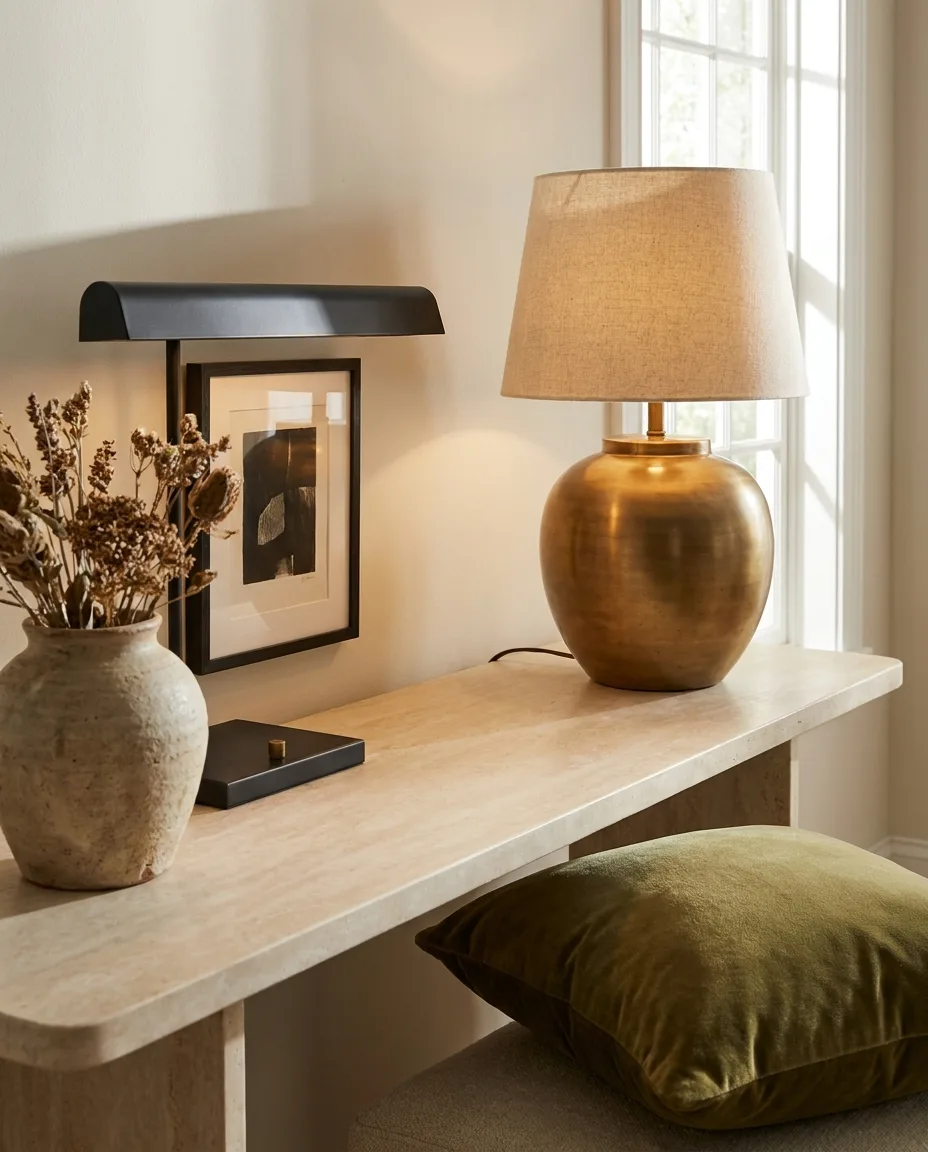
- Cool gray everything. Walls, floors, and cabinets in icy gray are the single most-cited dated look in current designer surveys and trend coverage. Gray hardwood in particular is done.
- Stark builder white as a whole-house strategy. The whites that survive are warm, chalky, and mineral. Bright cold white now reads unfinished.
- The all-white shaker kitchen as default. White cabinets just lost the number-one spot for the first time in the Houzz data. A white kitchen isn't wrong; an automatic one is.
- Cream bouclé on every seat. The design press has formally moved on. Texture stays; the ubiquitous teddy fabric goes.
- Exaggerated curve-everything rooms. Organic shapes continue; the bulbous, all-curves showroom look is already being called dated.
- Exposed Edison bulbs and dotted LED strips. Hide the source, diffuse the line, warm the temperature.
- Recessed-can grids as the lighting plan. Layered lamps, sconces, and dimmers are the doctrine now.
- Plain white subway tile and spiky tropical wallpaper. Twenty years is a good run.
- Decorative shiplap accent walls. Mineral plaster and architectural paneling took the job.
- Matching-metal fixture suites. Two mixed finishes per room is the new correct.
- The pot filler as automatic luxury badge. Now a considered choice, and often skipped.
- Formal-dining banquettes, juice stations, and the 1970s revival. Each has its own obituary in the data — Zillow's listing analysis caught juice stations declining 19%, and the 1stDibs survey shows '70s sourcing cooling while earlier eras grow.
- Visible technology as a status signal. The panel on the wall became the thing luxury design hides.
Which 2027 Trends Actually Pay in a Rental
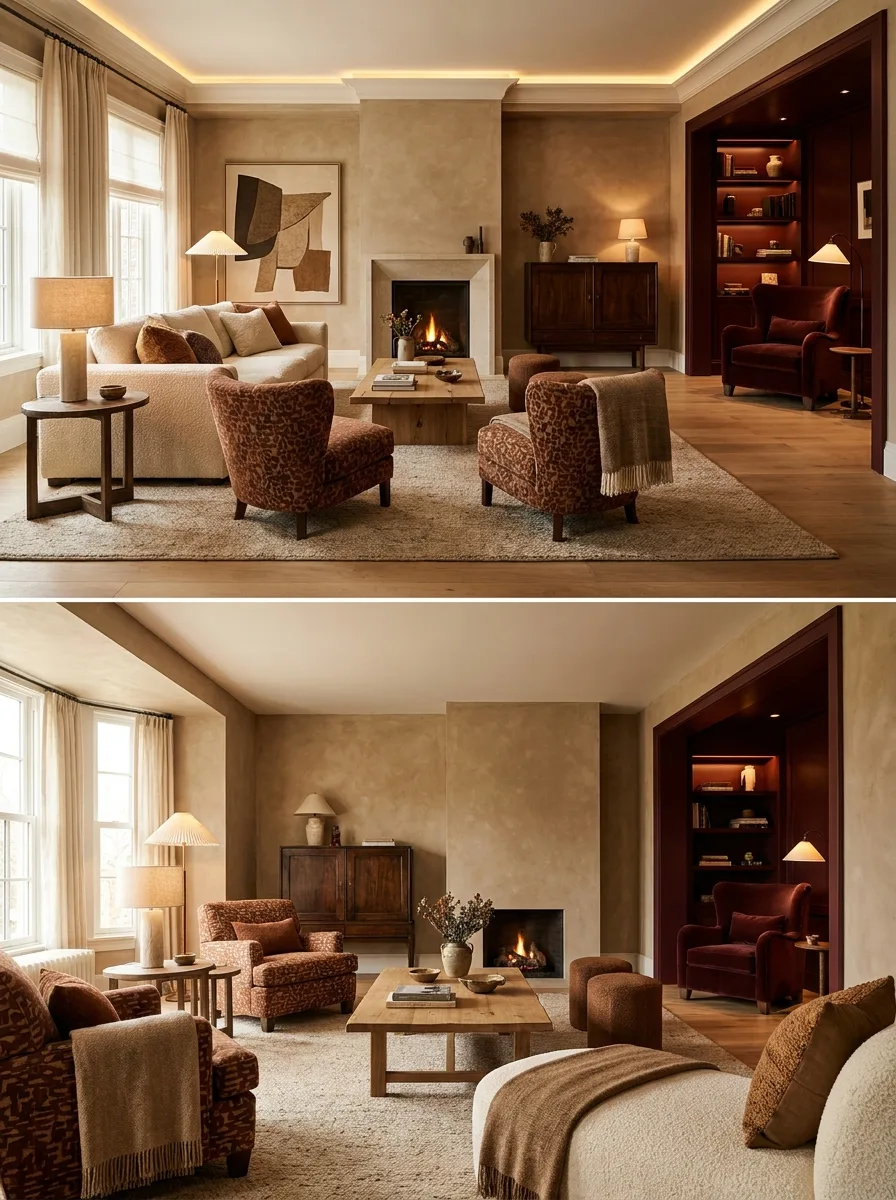
Here's the section the rest of the internet's trend guides won't give you. I've furnished properties as an investor and audited hundreds of listings through Cavmir, and the math divides trends into three buckets for anyone whose house earns income.
Bucket one: trends that print money. These photograph well, survive turnover, and move rate. Warm earth palettes with one drenched statement room. Patina finishes that hide wear. Vintage wood case pieces (cheaper and tougher than new). Hotelified bedding and bathroom signals. Layered warm lighting on dimmers. A ceiling treatment in the hero rooms. Outdoor fire and small-format water. The dual-primary-suite conversion where the floor plan allows it. Every one of these shows up in your photos, and photos are the product — as I've argued in our photography guide, guests buy the picture long before they experience the room.
Bucket two: trends that pay in the right market only. Saunas and cold plunges earn their keep in wellness and mountain markets and sit unused in family beach markets. Colored appliances and colored fixtures work where your guest avatar skews design-literate. The scullery matters for group-travel properties where two people cook at once. Media walls pay where winter is long. Match the trend to the guest, and if you're not sure who your guest is, that's the first problem to fix — it's the foundation of everything we do on the interior design side at Cavmir.
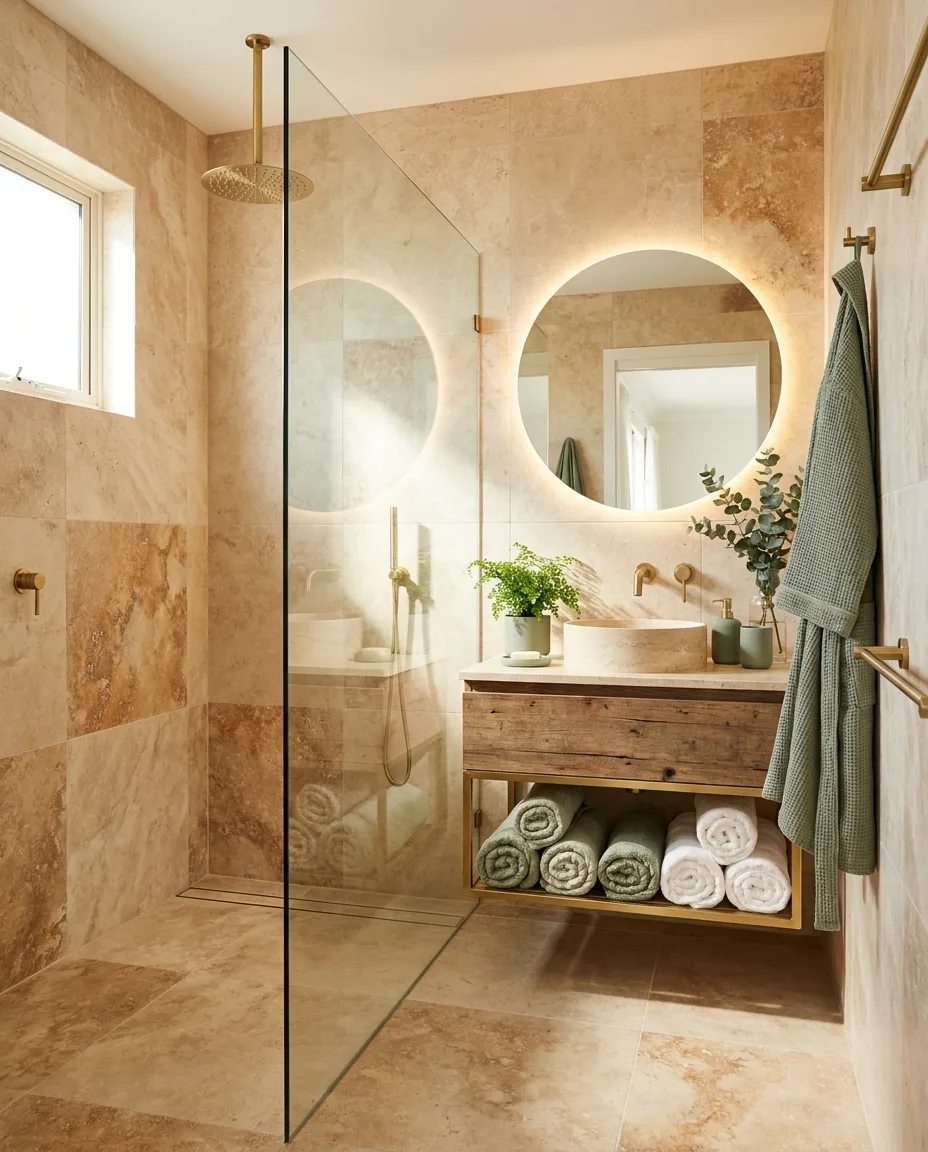
Bucket three: trends to admire in magazines. Conversation pits (a liability conversation with your insurer). Quartzite counters in a self-catering rental (sealing schedules and red-wine roulette). All-vintage upholstery (bodies, sunscreen, spills). Whole-house color drenching in this year's viral shade (repaint clock starts immediately). Invisible-tech millwork budgets (guests won't find the light switch, and they will write about it).
The meta-rule sitting over all three buckets: trends are a vocabulary, and a property still needs something to say. The listings that win carry a coherent point of view that this year's vocabulary happens to serve; box-checking has never produced one. That was true when I wrote our luxury interior design guide, it's the entire premise of the $5,000-upgrade case study, and it will still be true when the 2028 forecasts land.
How to Use This Guide
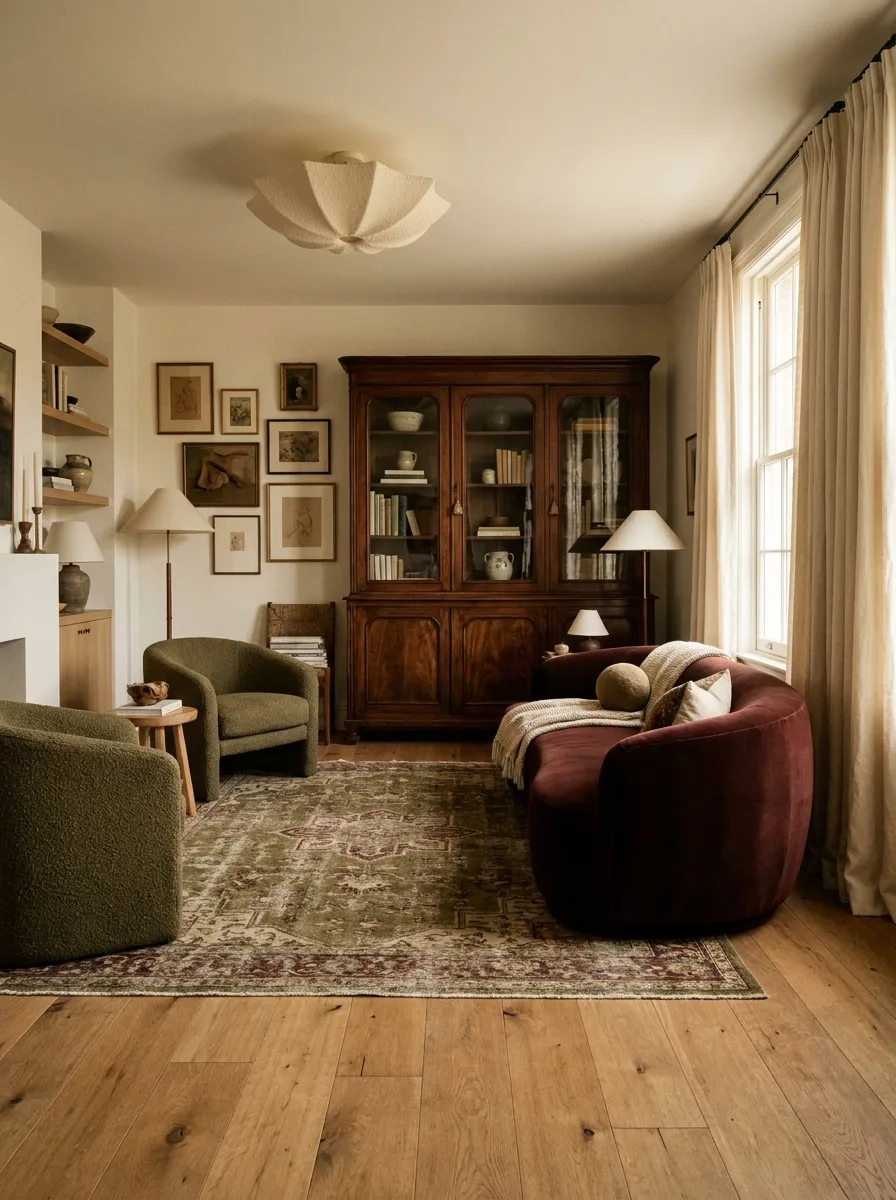
Twelve thousand words of trends can produce paralysis, so here's the compression. If you touch nothing else in 2027, touch these five things, in this order:
- Warm the palette. Paint is the cheapest transformation in the book. Kill the cool gray, pick from the earth-tone families every major forecaster agrees on, and drench one room for a signature.
- Fix the light. 2700K bulbs, dimmers, lamps and sconces layered in every room, one sculptural fixture where the camera looks. This is hundreds of dollars, not thousands, and it changes how every other object in the house reads.
- Add one real thing per room. A vintage chest, an antique mirror, a hand-thrown lamp. The collected look that defines 2027 is built one object at a time, and the objects are sitting in estate sales at a discount to particleboard.
- Upgrade the touch points. Faucets, hardware, bedding, towels. Hands find these before eyes do, and the finish trends in this guide — living brass, gunmetal, champagne bronze — are where cheap houses feel expensive.
- Spend the big money where the photos are. Kitchen face-lift, bathroom spa signals, the exterior's first frame, the outdoor dusk shot. Whether you're designing for guests or for yourself, the rooms that get looked at hardest deserve the budget first.
And if you want the ninety-day version — the sprint I'd run on any property between now and its next busy season — it goes like this. Weeks one and two: paint, using the warm families above, one drenched room included. Weeks three and four: the lighting pass — bulbs, dimmers, lamps, one statement fixture ordered. Weeks five through eight: the hunt — estate sales and auctions for the two or three vintage anchors, hardware and faucet swaps while you wait for deliveries. Weeks nine and ten: soft goods — rugs sized correctly, curtains hung high, the bedding upgrade. Weeks eleven and twelve: styling, the outdoor dusk setup, and photography in that order, because the photos are the deliverable and everything before them was prep. None of that requires a contractor, and the whole list costs less than one mid-range bathroom remodel.
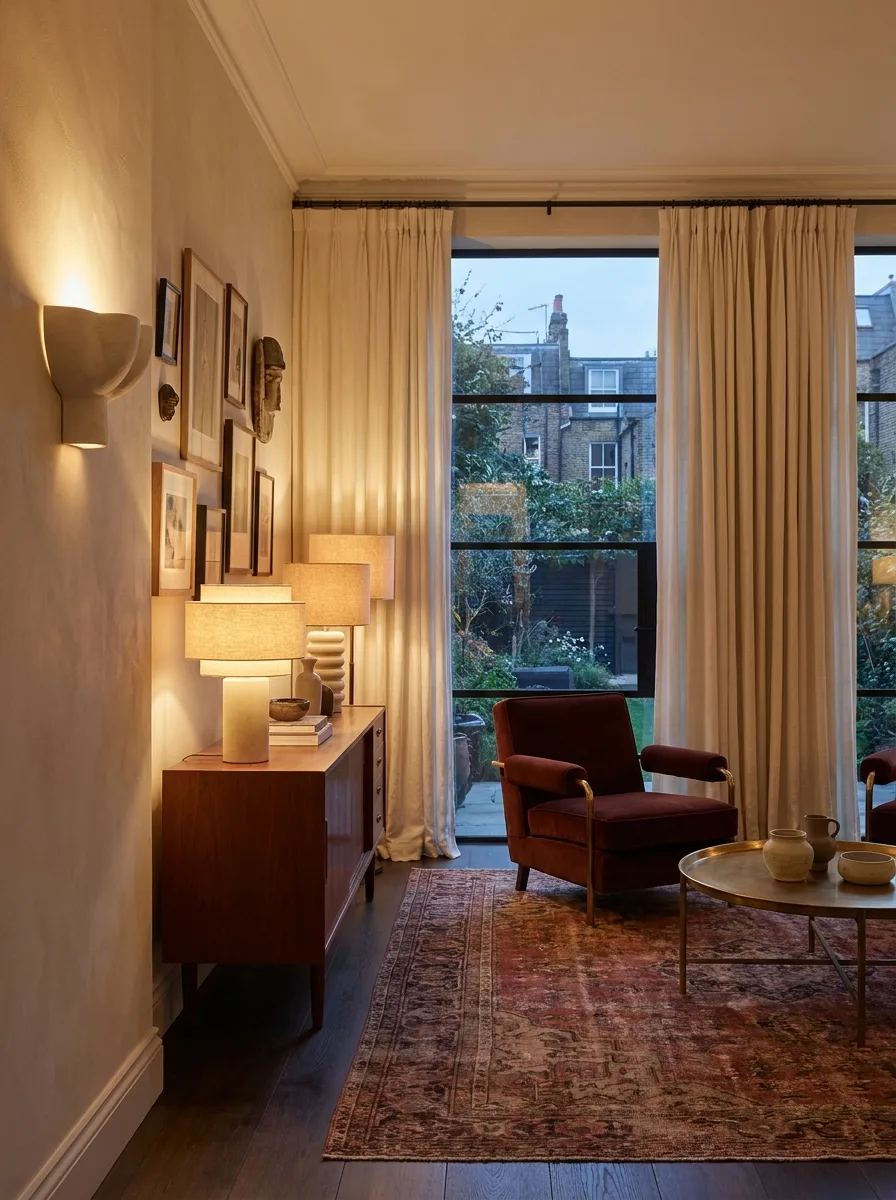
The 2027 announcements will keep landing through the fall — Dulux in September, Benjamin Moore in October, Pantone in December — and I'll keep reading them so you don't have to. But the direction is already set, and it's the friendliest one in years: warmer, older, softer, more personal, harder to fake. Design just spent two years watching machines generate perfect rooms by the million. The response, from the paint companies to the furniture market to the people booking stays, is a vote for the rooms only a person could have made. Build one of those and 2027 will come to you.