


From the Newport Mansions to Today's Trophy Rentals: A Century of American Luxury Hospitality
A century before anyone filtered an Airbnb by "trophy rental," the Vanderbilts were building 70-room "summer cottages" on the Rhode Island coast. The Gilded Age understood scale, craft, and spectacle better than almost anyone since — and its instincts still shape the most-coveted luxury vacation rental on the market today.
Walk the halls of The Breakers or the endless rooms of the Biltmore Estate and you're looking at the original luxury short-term rental market — private houses built to host, to impress, and to stage a certain kind of life. What made them work is exactly what makes an ultra-luxury Airbnb work now.
This is the through-line from 1895 to today: what the great American estates got right, how those instincts resurface in the modern trophy rental, and what a host marketing a property in this class can actually take from a hundred years of American luxury.
When a House Was the Show
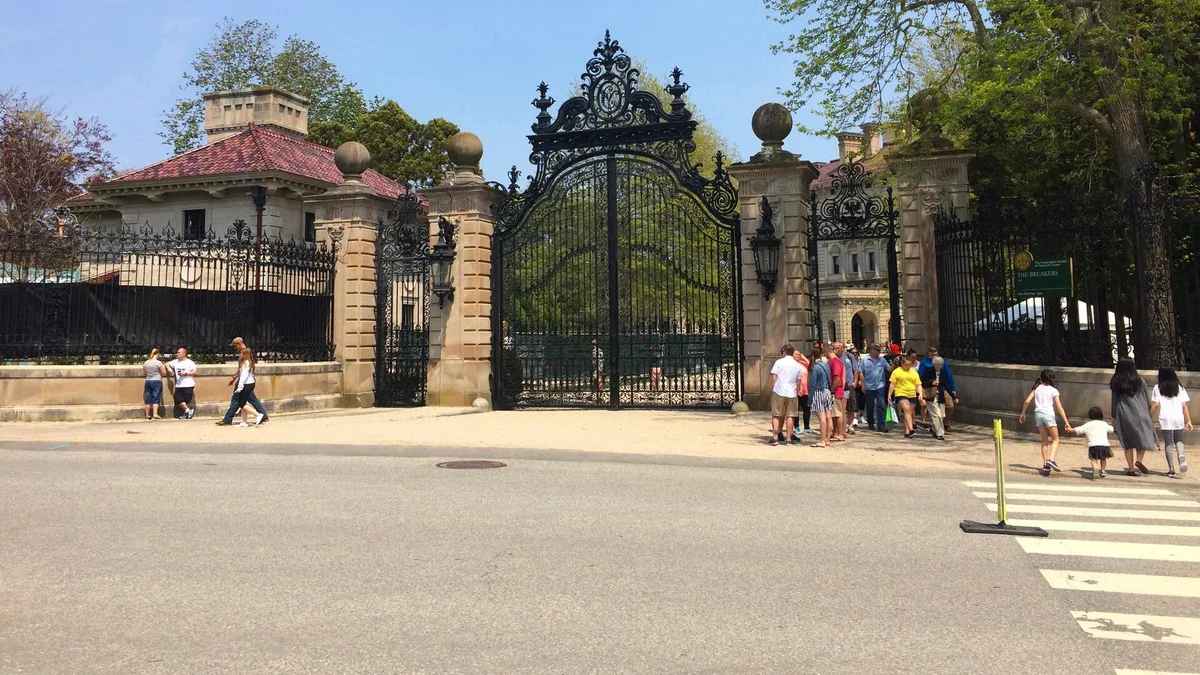
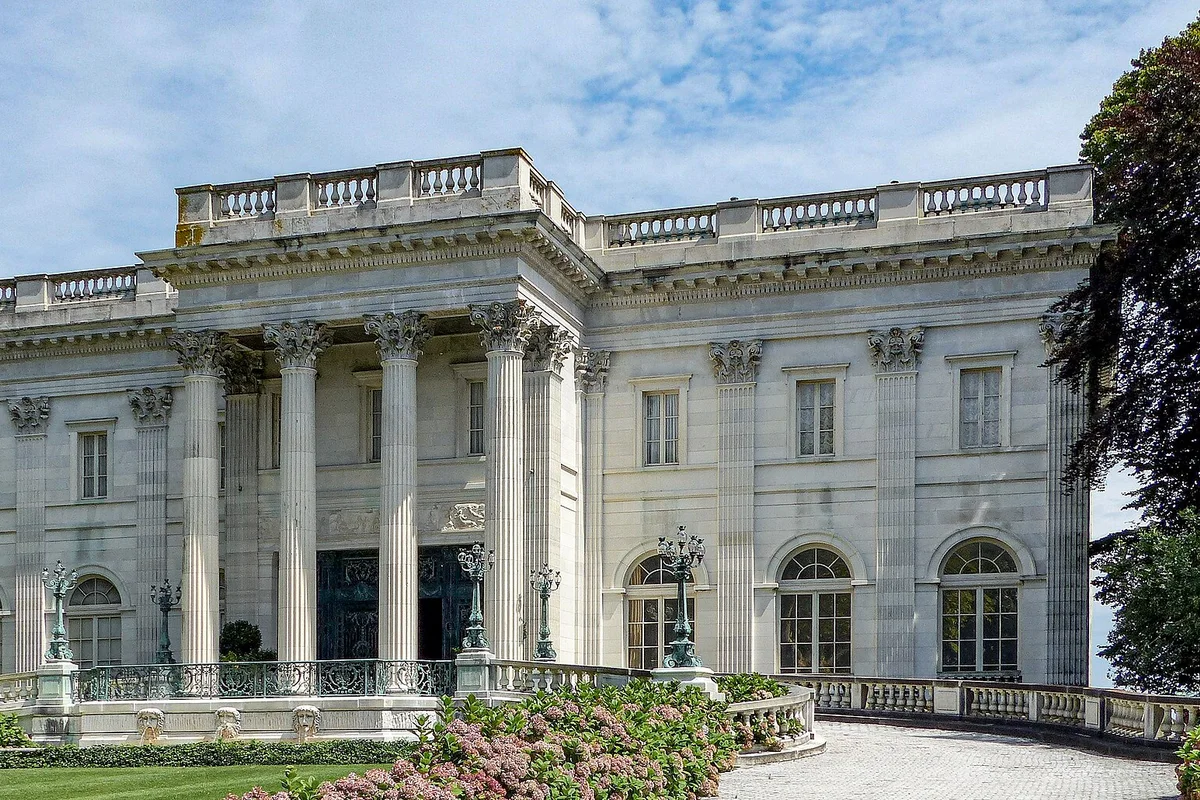
1895Newport, Rhode Island. The Breakers opens as the summer home of Cornelius Vanderbilt II, designed by architect Richard Morris Hunt in the manner of a 16th-century Italian Renaissance palazzo. It is roughly seventy rooms of Caen stone, marble, and gilt, built to be occupied a few weeks a year. Three years earlier, Hunt had completed Marble House nearby for William K. and Alva Vanderbilt — a home whose name is not a metaphor. These were not houses in any ordinary sense. They were arguments, made in stone, about who their owners were.
That is the first thing the Gilded Age understood that today's luxury market keeps rediscovering: at the top, a property is not shelter. It is social theater. The Newport "cottages" were staging grounds for a season of dinners, balls, and carefully managed appearances. The architecture existed to hold those moments — the grand staircase to descend, the loggia to be seen on, the dining room built to seat a scene. Everything pointed outward, toward the impression it would leave.
The craftsmanship followed the same logic. Owners imported European artisans, whole rooms, and centuries-old materials because the point was permanence and provenance you could feel. A guest was meant to sense that no expense and no shortcut had touched the place. That instinct — that the finish should read as uncompromised the moment you walk in — is exactly what separates a genuine luxury vacation rental from a merely expensive one today.
Landscape as the first amenity
The Newport houses were not dropped anywhere. They sat on Bellevue Avenue, along the Cliff Walk, where the lawns ran to the edge of the Atlantic. The location was inseparable from the luxury — a private stretch of coast, a view that couldn't be bought a second time. The Gilded Age treated the setting as the first and most expensive amenity, and it was right to. A century later, the single most reliable driver of a trophy rental's value is still the thing no renovation can add: irreplaceable land, water, and view.
Biltmore, and the Logic of Scale
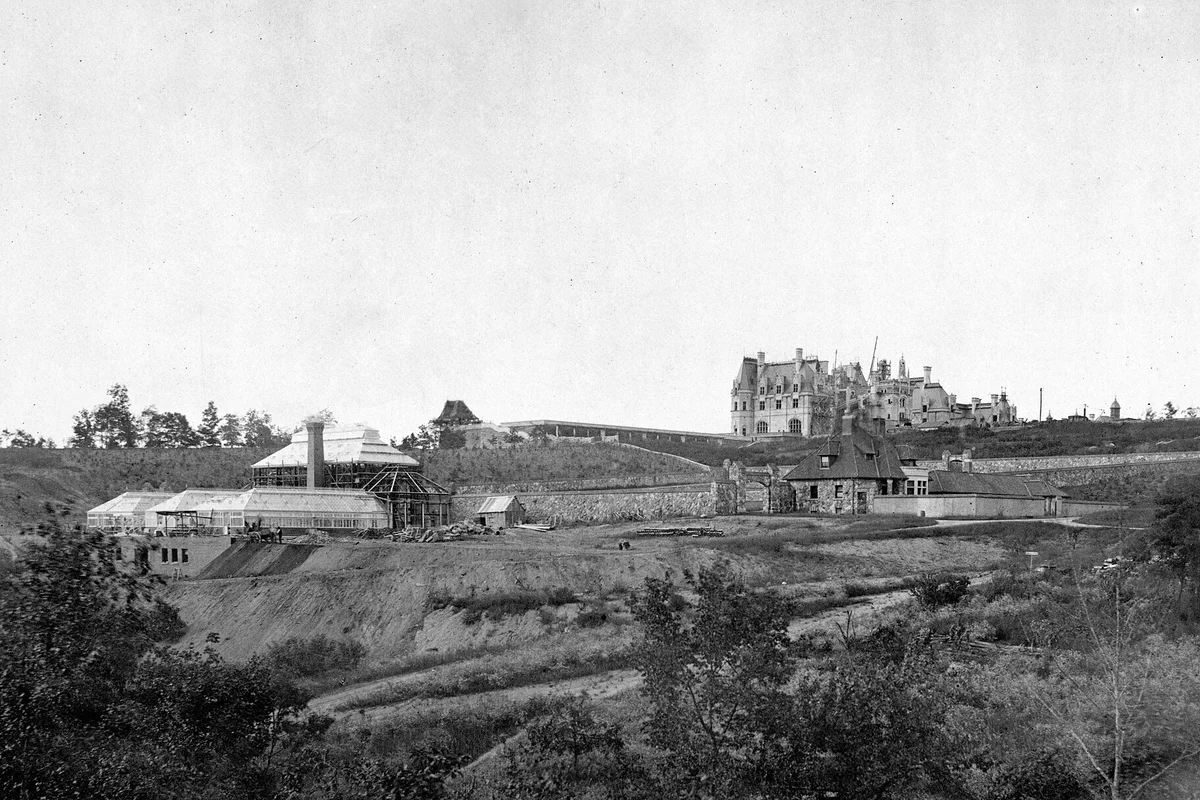
The same year The Breakers opened, George Washington Vanderbilt II unveiled the Biltmore Estate in Asheville, North Carolina — a French Renaissance-style château that remains the largest privately owned house in the United States. Biltmore was not just big for effect. It was a self-contained world: gardens laid out by Frederick Law Olmsted, working farms, its own village, thousands of acres of managed forest. The house was the centerpiece of an entire designed landscape.
That is the second lesson, and it's a subtle one. At the very top of the market, scale is not about square footage — it's about completeness. Biltmore worked because a guest never had to leave it to have a full experience. Everything was considered, connected, and provided. The estate answered every need before it was voiced.
The best ultra-luxury Airbnb today runs on the same principle. A trophy rental at this level isn't judged only on the master suite; it's judged on whether the whole stay is seamless — the chef who can be arranged, the boat at the dock, the staff who appear and disappear at the right moments, the grounds that reward a slow morning. Guests in this class are buying a complete, frictionless world for a week. Scale, done right, is really just the absence of anything missing.
Scale, done right, is really just the absence of anything missing.
A house that tells a story
Biltmore and the Newport mansions all traded on narrative. They borrowed the language of European palaces and châteaux on purpose — the story was the product. Guests weren't just staying somewhere grand; they were stepping into a story about grandeur. Modern trophy rentals that command real attention almost always have a story too: an architect's name, a piece of local history, a design point of view strong enough to have a title. A property with a story is far easier to market than one that's simply large, and it's the story that guests repeat to their friends.
How the Great Estates Became Rentable
The private-empire model didn't last. Income taxes, the Depression, war, and the simple cost of running a seventy-room house made the Gilded Age palaces impossible to keep as they were. Many Newport mansions passed to the Preservation Society of Newport County, which still operates them; Biltmore became a company-run estate open to the public. The houses survived by finding an audience — by opening their doors and, in effect, letting people buy their way into the experience for a day, an event, a stay.
That handover, across the middle of the twentieth century, is the hinge of this whole story. The instinct behind luxury didn't die when the dynasties couldn't afford it anymore. It got democratized and monetized. The grand hotel had already been doing a version of this; now the private estate joined it. Access to extraordinary places became something you could book rather than something you had to inherit.
The modern luxury short-term rental market is the direct descendant of that shift. When a guest books a historic estate rental in the Hudson Valley or a landmark villa on the coast, they are doing precisely what the twentieth century made possible: renting the Gilded Age instinct — scale, craft, setting, service — by the night instead of buying it for a lifetime. Platforms like Airbnb Luxe and the growth of high-end villa brands, widely covered by outlets like Skift and Robb Report, are the latest chapter of a very old idea.
What changed, and what didn't
What changed is ownership and duration: the same experience, unbundled and sold in weeks. What didn't change is the standard. A high-net-worth guest walking into a trophy rental today measures it against the same instincts the Vanderbilts hard-wired into stone — is the setting irreplaceable, is the craftsmanship real, is the experience complete, does the place have a story worth telling. Meet all four and you have a property that markets itself. Miss one and no amount of price positioning covers the gap.
Four Gilded-Age Lessons for Trophy-Rental Hosts
If you're marketing a property in this class, the Newport playbook is more useful than any 2026 trend deck. The instincts that built these houses are the same ones that make a modern ultra-luxury Airbnb convert — and most of them are about how you present the place as much as the place itself. Here's how they translate.
Sell the setting first
The Vanderbilts led with the coast, not the cabinetry. Lead your listing and photography with the irreplaceable thing — the view, the water, the land, the address. It's the value a competitor can't copy, so make it the first frame a guest sees.
Let the craft read as real
Provenance was the whole point at Marble House. Name the architect, the materials, the maker, the vintage. Specific, verifiable detail signals that nothing was faked — and photography that captures texture and finish does more for a high-end listing than another wide shot.
Deliver a complete world
Biltmore answered every need on the grounds. Package the chef, the driver, the boat, the concierge so the stay is frictionless. High-net-worth guests are buying a seamless week, not a set of rooms — market the whole experience, not just the address.
Give it a story and a name
Every great estate had a narrative worth repeating. Give your property a real point of view — an architect, a history, a design idea — and a name to match. A story is the most shareable thing you own, and it's what turns a listing into a destination.
Where marketing does the real work
Here's the honest part. Most trophy properties have the setting, the craft, and often the service already. Where they lose is in the telling — a listing that undersells the view, photography that flattens the finish, a story left implicit, a booking path that makes a serious guest hesitate. The Gilded Age never made that mistake. Those houses were marketing machines in stone, every sightline engineered to leave an impression.
That's the gap a good agency closes. Cavmir helps hosts of high-end properties get the presentation right — photography that captures the setting and the craftsmanship the way the Vanderbilts would have wanted it seen, listing optimization that leads with the irreplaceable, a direct-booking website that gives serious guests a path that matches the property, and search visibility so the right people find it at all. If you want the wider view of who these guests are, our guide to attracting high-net-worth guests and the best luxury STR markets for 2026 are good next reads.
Marketing a property in this class?
If you're hosting a trophy rental — a historic estate, a coastal landmark, a home with a story — Cavmir can help you present it the way it deserves to be seen. Low-pressure. Talk to us.
Start a conversation