

If you own a place in Scottsdale, or you're thinking about buying one to rent by the night, you're looking at one of the more predictable short-term rental markets in the country. Predictable doesn't mean easy, and it doesn't mean the money shows up on its own. It means the demand follows a calendar you can plan around, the rules are written down and enforced, and the guests who come here are looking for a specific kind of stay. Understand those three things and you'll make better decisions than most of the people competing with you for the same winter bookings.
This is a practical market guide, not a pitch. The Scottsdale Airbnb market runs on a hard winter-high, summer-low cycle, layered with a handful of events that pull rates up sharply for a week or two at a time. On top of that sits Arizona's state framework for short-term rentals plus Scottsdale's own licensing, tax, and good-neighbor rules, which have real teeth and got tighter again in 2026. We'll walk through what drives rates, when the money actually lands, how licensing and taxes work, which neighborhoods do what, who your guests are, and where hosts get themselves into trouble.
Where a number could change or a rule might have been updated after this was written, we say so and point you at the official source. Nothing here is tax or legal advice. Confirm the current City of Scottsdale STR licensing rules and talk to your own accountant before you make decisions with real dollars behind them.
Why Scottsdale works as an STR market
Scottsdale sits in the northeast corner of the greater Phoenix metro, and it's built a national reputation as a warm-weather getaway: golf, spas, pools, Old Town nightlife, and reliable sun from roughly October through April. That reputation is the whole engine. People from cold states and from Canada come here on purpose, and a lot of them come every year. When your demand is that consistent, you can plan a full season instead of guessing week to week.
The market is also large and liquid. Third-party trackers like AirDNA and AirROI count several thousand active short-term listings across Scottsdale, which means there's a lot of supply, but there's also a lot of demand to soak it up. Supply has grown quickly in recent years, so standing out matters more than it used to. A generic listing at a middle-of-the-road price will still book in February. It'll sit empty in July. The gap between a well-run listing and an average one is widest exactly when the market is soft, which is the part most owners underestimate.
If you want to see how Cavmir frames the surrounding area, the Scottsdale market page and the broader Phoenix market page give you the wider metro picture, and Sedona is worth a look if you're weighing a second desert market with a very different guest profile.
The seasonal rate cycle: winter high, summer low
This is the single most important thing to understand about the Scottsdale Airbnb market, so we'll spend real time on it. Scottsdale's calendar splits cleanly into a long, strong high season and a hot, slow low season, with two shoulder stretches in between.
High season: roughly January through April
Winter and early spring are when Scottsdale earns. The weather is close to perfect, the snowbirds are in town, spring training is running, and the big events stack up in February and March. Trackers consistently show the highest monthly revenue landing in this window, with March frequently topping the year. Occupancy stays high for months at a stretch, not just for event weekends, and nightly rates ride well above the annual average.
The practical takeaway: your winter pricing is where most of your annual revenue is decided. Underpricing a January-through-April week is a bigger mistake than overpricing a July week, because in July you may not have gotten the booking anyway. Set your high-season floor with intention and hold it.
Low season: roughly June through August
Summer is hot, and demand drops with the temperature. This isn't a small dip. Nightly rates and occupancy both fall, and a place that commands a strong rate in March may need a deep discount to stay busy in July. That's not a failure; it's the market. The owners who do well in summer treat it as a different business: lower rates, longer stays, and guests who have a specific reason to be here despite the heat.
Shoulder seasons: fall and late spring
September into October, and May into early June, are the in-between stretches. Weather is turning, events are lighter, and pricing sits between the two extremes. These weeks are where a lot of hosts leave money on the table, either by holding winter prices too long into the heat or by discounting too early in the fall. If you want a deeper playbook for these months, our guide to off-season and shoulder-month revenue gets into specific tactics.
Don't set one nightly rate and forget it. Scottsdale's swing between February and July is enormous, and a flat price guarantees you're wrong most of the year — too cheap in winter, too expensive in summer. Use rules-based, event-aware pricing that moves with the calendar, and check it against real booking pace at least weekly during high season.
The events that move rates
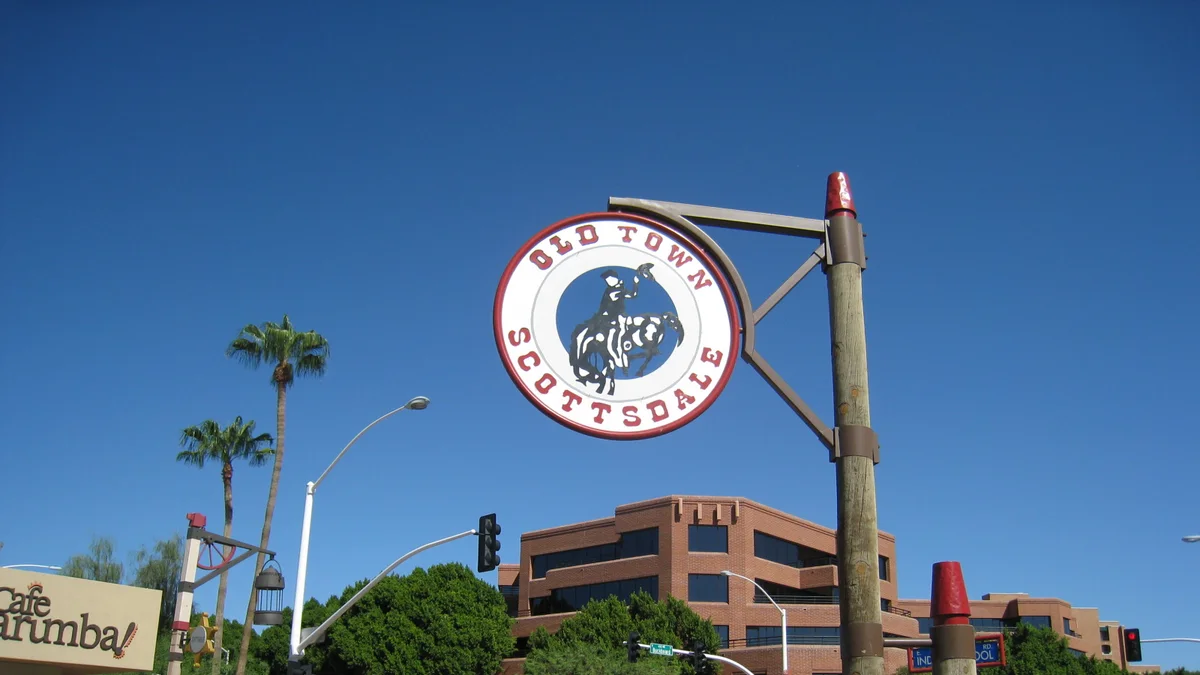
Scottsdale's baseline winter demand is strong on its own. On top of that, a cluster of events creates short, sharp spikes where rates can jump well above the January baseline for a few days. Knowing these dates a year out is one of the easiest edges you can give yourself.
- WM Phoenix Open (early February): A PGA Tour event held at TPC Scottsdale that draws enormous crowds — routinely one of the best-attended golf tournaments anywhere. This week is often the single highest-demand stretch of the year for Scottsdale rentals, and well-located listings command a large premium.
- Cactus League spring training (February–March): More than a dozen MLB teams hold spring training across the Phoenix metro, with several stadiums close to Scottsdale. Fans come for multi-day trips and often book longer stays than a typical weekend guest.
- Barrett-Jackson collector car auction (late January): A major collector-car event at WestWorld of Scottsdale that pulls in out-of-town buyers and spectators, tightening supply right as the winter season is ramping up.
- Golf and general winter tourism: Even without a headline event, Scottsdale's golf reputation keeps a steady flow of visitors through the cool months. Proximity to well-known courses is a genuine booking driver.
The lesson isn't just to raise prices during these weeks — most hosts figure that out. The lesson is to open your calendar and set the right minimum-stay and pricing well in advance, because the best-organized guests book these dates far ahead. If your calendar is closed or mispriced in the summer when someone plans their February trip, you don't get a second chance at that booking.
Scottsdale Airbnb market rates and what the numbers mean
You'll see a wide range of headline numbers quoted for Scottsdale, and they don't agree with each other. That's normal, and it's worth understanding why before you build a plan on any single figure.
Different trackers — AirDNA, AirROI, Rabbu, and others — report different average daily rates and occupancy percentages for Scottsdale because they use different methodologies, sample different sets of listings, and cover different time windows. It's common to see occupancy quoted anywhere from the mid-40s to the mid-60s percent, and average daily rates spread across a few hundred dollars depending on the source. None of them is lying; they're measuring different things.
What matters for your decisions:
- Use market averages for direction, not for your budget. A citywide average blends a beat-up studio with a resort-grade estate. Your property's real number depends on its size, location, condition, and how well it's marketed. Pull comps that actually look like your place.
- Watch the trend, not just the level. Supply in Scottsdale has grown fast, which puts pressure on occupancy per listing even when total demand is healthy. A rising tide doesn't lift a listing that looks like every other one.
- Separate the winter from the summer in your own model. A blended annual average hides the whole story here. Build your projection month by month, because the shape of the year is the point.
For a full framework on turning market data into an actual pricing strategy, see our complete guide to dynamic pricing. It walks through how to set floors, ceilings, and event overrides instead of chasing a single "right" nightly rate.
Arizona's short-term rental law: the short history
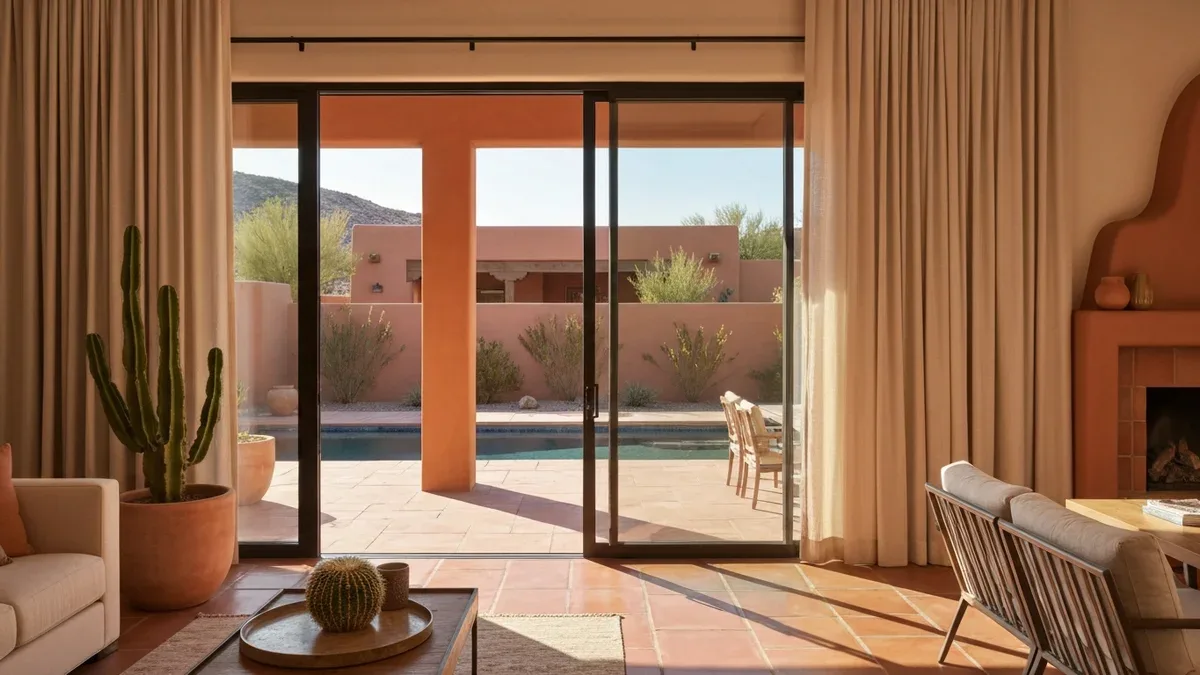
To understand what Scottsdale can and can't require of you, you have to know the state framework it sits inside. Arizona regulates short-term rentals at the state level, and the balance of power between the state and the cities has shifted over the past decade.
2016: SB 1350 preempted local bans
In 2016, Arizona passed SB 1350, which stopped cities and towns from prohibiting short-term rentals or restricting them based simply on the fact that they're short-term rentals. In plain terms, a city couldn't ban Airbnb-style rentals outright or zone them out of existence just for being short-term. This is why you see so many rentals across Scottsdale and the rest of the metro — the state took the outright-ban option off the table. You can read the bill text on the Arizona Legislature site.
2022: SB 1168 gave cities more authority back
After years of complaints about party houses and absentee owners, Arizona passed SB 1168 in 2022. It gave cities and towns clearer authority to regulate short-term rentals within limits — to require licensing or permitting, to require proof of liability insurance, to require a local emergency contact, and to enforce against nuisance activity with escalating penalties for repeat problems. This is the law that made Scottsdale's current licensing and insurance requirements possible.
2026: continued tightening
The pressure hasn't let up. In 2026, Arizona lawmakers again moved on legislation aimed at giving cities more tools against problem short-term rentals, and Scottsdale itself passed new local enforcement measures. Because this area keeps moving, don't rely on a blog — including this one — for the current letter of the law. Confirm the current City of Scottsdale STR licensing rules directly at the city's Short-Term Rental Resource Center before you list. If you want the wider national picture on where cities are headed, our roundup of STR regulations across US cities in 2026 puts Scottsdale in context.
Scottsdale licensing, insurance, and TPT tax
Here's where the state framework turns into a checklist you actually have to complete. The specifics below reflect what Scottsdale and the Arizona Department of Revenue have published, but fees and thresholds change — treat this as an orientation and verify each item against the official source before you rely on it.
City of Scottsdale STR license
- Annual license: Scottsdale requires short-term rentals to carry a city license, renewed every year, with an annual fee (widely reported at $250 — confirm the current amount with the city). You register through the city's portal before you list anywhere.
- Liability insurance: The city requires owners to carry liability insurance (commonly cited at a $500,000 minimum) covering the rental use. Check that your policy actually covers short-term rental activity, because a standard homeowner's policy often won't.
- Neighbor notification: Scottsdale requires you to notify nearby properties — typically adjacent homes and those across the street — after you get your license, and to provide an emergency contact and your license number. Confirm the exact radius and timing on the city's page.
- Occupancy limits: Scottsdale's zoning caps occupancy for these properties, so don't advertise sleeping arrangements that exceed the legal limit. Verify the current cap before you set your listing's maximum guests.
All of these trace back to Scottsdale's short-term rental ordinance, and the definitive, current version lives at the city's Short-Term Rental Resource Center. That's the page to bookmark.
Arizona TPT (transaction privilege / lodging tax)
Short-term stays in Arizona are taxable. You'll need a Transaction Privilege Tax (TPT) license from the state, and you collect and remit tax on stays under 30 days under the transient lodging classification. Scottsdale layers a city transient lodging tax on top of the state and county rates, so the total tax a guest pays is a stack of several pieces.
- Get your TPT license: Register with the Arizona Department of Revenue. The official overview is on the Arizona DOR TPT page.
- Know who's remitting: Platforms like Airbnb and Vrbo may collect and remit some taxes on your behalf, but the responsibility for full compliance is still yours. Don't assume the platform covers everything.
- Watch the 30-day line: The transient lodging tax applies to stays under 30 days. Longer stays are treated differently under Arizona's rules, which is one reason snowbird-length bookings can change your tax picture. Confirm the specifics with your accountant.
Tax rates and rules change, and this is exactly the kind of detail you should not take from a marketing article. Confirm current rates with the Arizona Department of Revenue and the City of Scottsdale, and have your accountant set up your filings correctly from the start. Getting this wrong is expensive and entirely avoidable.
Set your tax accounts up before your first booking, not after. Hosts who wait until they've already collected a few months of income end up scrambling to reconcile what the platform remitted versus what they still owe. Register for TPT, confirm your Scottsdale license, and put a recurring reminder on your filing dates. It's boring, and it's the cheapest insurance you'll buy all year.
Best areas to host in Scottsdale
Scottsdale is long and narrow, running south to north, and the guest experience changes a lot depending on where you are. Location shapes who books you, what they'll pay, and how much scrutiny you'll get from neighbors.
Old Town Scottsdale
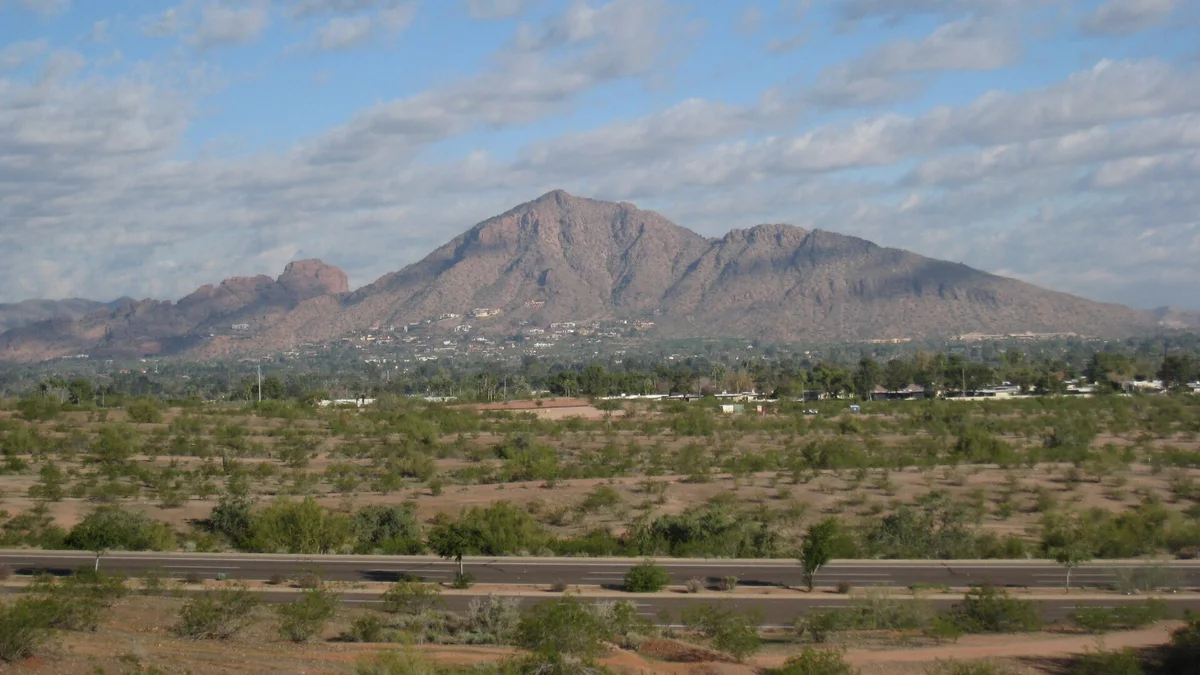
Old Town is the walkable, energetic core — restaurants, bars, galleries, and nightlife, plus easy reach to event venues. It's a magnet for bachelorette and bachelor groups, event-goers, and anyone who wants to walk to dinner and drinks. Rates here can be strong, especially during event weeks, and condos do well. The trade-off is that Old Town is also where the party-house scrutiny is highest, so your good-neighbor game has to be airtight.
North Scottsdale
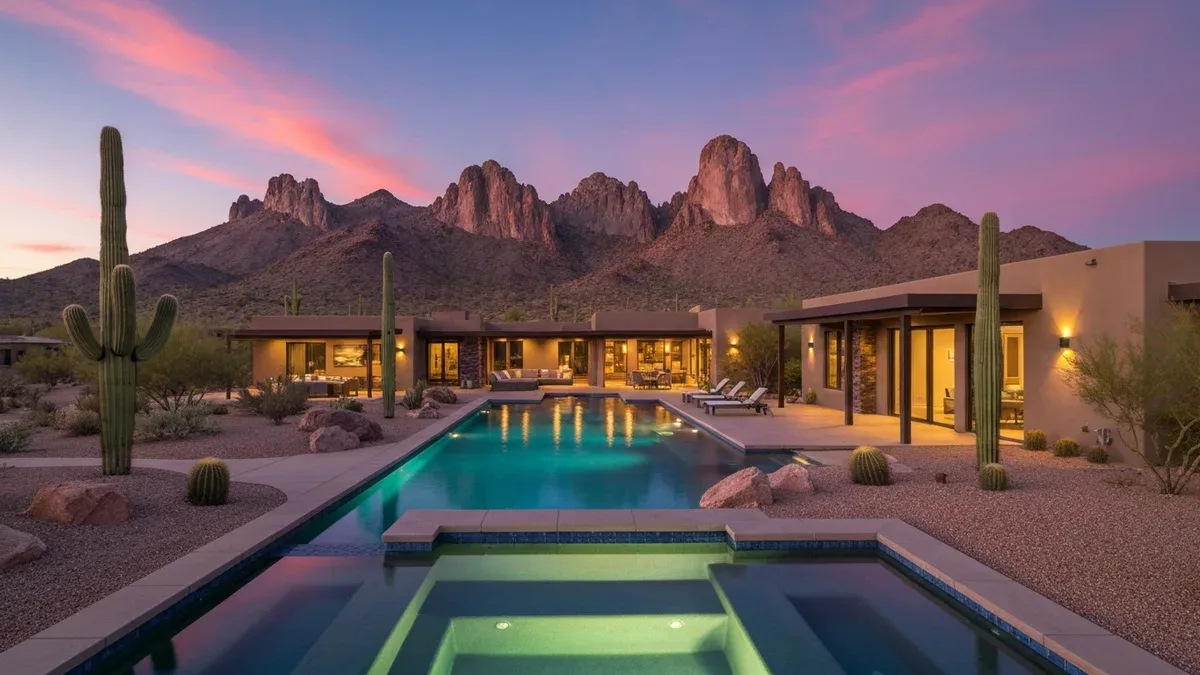
North Scottsdale is quieter, greener in the golf-course sense, and geared toward resort-style stays — bigger homes, private pools, golf access, and space. This is where families, golf groups, and higher-end travelers land. Nightly rates on a well-appointed home can be substantial, and the guest profile tends to be calmer than the Old Town crowd, which can mean fewer neighbor headaches if you run the place well.
The Paradise Valley border
Along Scottsdale's western edge, near Paradise Valley, you get some of the most premium addresses in the region — larger lots, mountain views, and a luxury feel. Rentals here compete on design, privacy, and amenities rather than nightlife access. If your property sits in this zone, you're marketing to a different, more discerning guest, and the bar for photography, furnishing, and presentation is higher.
Central and South Scottsdale
Between Old Town and the north, central and south Scottsdale offer more moderate pricing and a mix of guest types. These areas can be a solid entry point, and they benefit from being close enough to Old Town and event venues to catch spillover demand during peak weeks without the full Old Town premium — or the full Old Town scrutiny.
Wherever you are, the neighborhood sets your ceiling and your guest mix. A great listing in the wrong area for its guest type will underperform a good listing that's marketed to the right crowd.
Who your guests are
Marketing gets a lot easier when you know exactly who you're talking to. Scottsdale draws a few distinct guest types, and they book differently, spend differently, and want different things from your listing.
- Snowbirds: Retirees and remote workers escaping northern winters, often from the northern US and Canada. They book long — think weeks to a couple of months — usually across the October-to-April window. They value comfort, a well-equipped kitchen, reliable internet, and a home that lives well for an extended stay. Six months of steady, longer bookings at good rates is where a lot of the year's profit quietly accumulates.
- Golf travelers: Groups and couples who come for the courses. They want proximity to golf, room to spread out, and often a place to relax after a round. North Scottsdale and the Paradise Valley border are their natural fit.
- Bachelorette and bachelor groups: A big Scottsdale segment, drawn to Old Town nightlife and pool-party weather. They book Old Town, they want a photogenic pool, and they'll pay for the right vibe. They also carry the most party-house risk, so screening, house rules, and noise monitoring matter most with this crowd.
- Event-goers: Visitors in town for the Phoenix Open, spring training, Barrett-Jackson, and the rest. They book around fixed dates, plan ahead for the big events, and will pay a premium for the right week and location.
- Spa, wellness, and general leisure travelers: Couples and small groups here for sun, resorts, and relaxation. They span the seasons and reward a clean, well-designed, amenity-rich home.
You don't have to serve all of these. Often the smartest move is to pick the one or two your property is genuinely best for, and market to them specifically instead of writing a bland listing that speaks to no one.
Pool, desert, and the amenities that book
In a hot desert market, amenities aren't a nice-to-have — several of them are close to mandatory, and a few can meaningfully lift your rate and your booking rate.
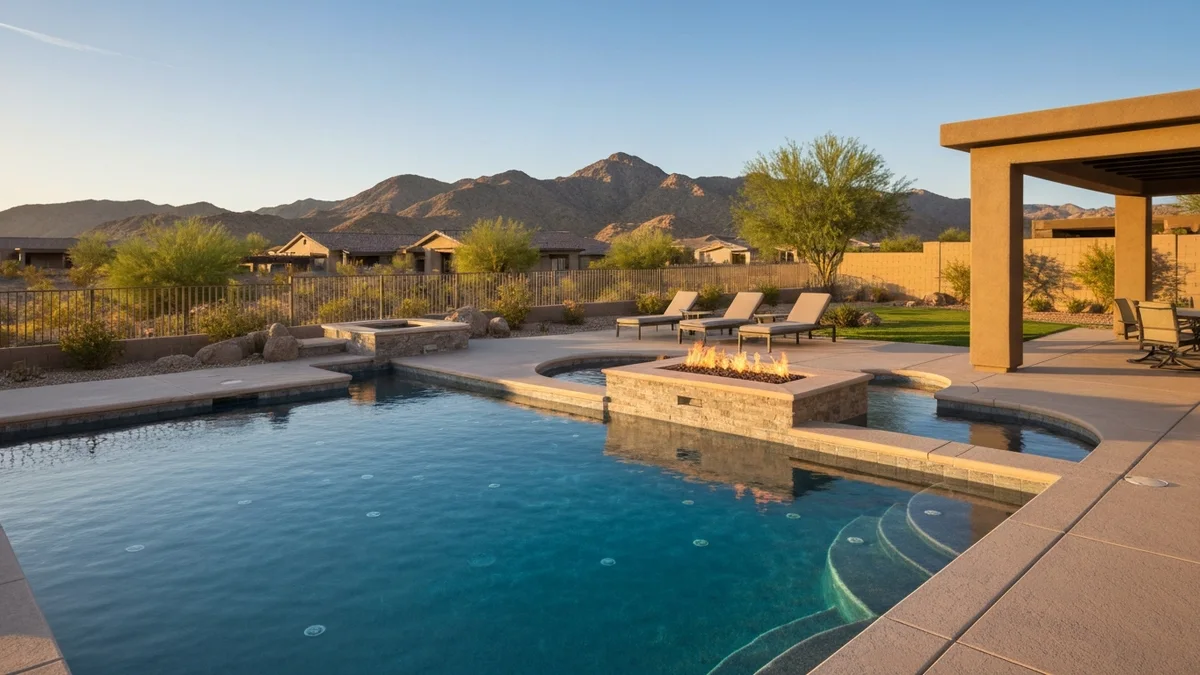
- A private pool: This is the headline amenity in Scottsdale. For a large share of guests — bachelorette groups, families, summer bookers especially — a private pool is the first filter. If you have one, it should be the star of your photos. A heated pool extends your appeal into the cooler months.
- Outdoor living: Shade, a patio, comfortable outdoor seating, a grill, maybe a fire pit for cool desert evenings. Guests come here to be outside; give them a reason to stay on the property.
- Strong air conditioning: Non-negotiable. In summer, an underpowered AC system will torpedo your reviews faster than almost anything else. Make sure it's up to the heat before you list.
- A real kitchen and long-stay comfort: Snowbirds and longer-stay guests want to live in the place, not camp in it. A functional kitchen, comfortable seating, a good workspace, and reliable fast internet all matter for the multi-week crowd.
- Design that photographs well: Scottsdale guests are visual, and the market is crowded. Furnishing and styling that reads clearly in photos is what earns the click. Our guide to amenities that increase bookings covers which upgrades tend to pull their weight.
Getting the physical property right is half the battle, and it's a spot where thoughtful interior design can change a listing's whole trajectory. A pool and a good bones are an opportunity; presentation is what turns the opportunity into bookings.
Marketing and distribution
Scottsdale has a lot of listings, so how you present and distribute yours is often the difference between a full winter calendar and a half-full one. A few things carry most of the weight.
Get the listing itself right
Your photos, title, and description do the selling before a guest ever reads a review. In a market this visual and this competitive, a mediocre photo set is expensive — it quietly costs you clicks you'll never see. Professional photography, a clear title that names your best feature, and an honest, specific description are the baseline. This is the core of listing optimization, and it's usually the highest-return work you can do.
Distribute beyond one platform
Relying on a single channel leaves bookings on the table. Listing across the major platforms widens your funnel, and building your own direct-booking website lets you capture repeat guests — snowbirds especially — without paying platform fees on every stay. Snowbirds who loved last winter are the easiest booking you'll ever get; make it easy for them to come straight to you.
Use paid reach for the high-value weeks
For event weeks and the peak season, targeted paid advertising can put your listing in front of the exact travelers planning a Scottsdale trip, well ahead of the dates. The math works best on your highest-value inventory and your highest-demand weeks, where a single incremental booking pays for a lot of ad spend.
Reshoot your photos before every high season, not just when you first list. Furniture ages, styling trends move, and a listing that looked sharp two winters ago can quietly start losing the click to newer competitors. In a market adding this much supply, standing still is the same as sliding backward.

Party-house risk and good-neighbor rules
This is the part that can end your rental business, so read it carefully. Scottsdale has become one of the more aggressive cities in the country about problem short-term rentals, and the rules got tighter again in 2026.
The city's ordinance targets nuisance activity — loud parties, excessive noise, disturbances — with escalating penalties. In broad strokes, a first verified violation brings a warning and a fine, a second within a set window brings a larger fine, and a third can mean suspension or revocation of your license. In 2026, Scottsdale went further, giving police more authority to shut down problem properties and adding consequences for owners and for the people throwing the parties. Homes advertised or ticketed as party venues can draw extra scrutiny. Because the details here are exactly what changes, confirm the current City of Scottsdale STR licensing and nuisance rules on the city's official page before you rely on any summary.
What this means for how you operate:
- Screen for the trip, not just the guest. A large group booking a single night over an event weekend is a different risk than a family booking a week. Set expectations up front and be willing to say no.
- Ban parties in writing and enforce it. Clear house rules, prominently stated, give you the footing to act. Noise-monitoring devices that measure decibel levels (not audio) can alert you before a gathering becomes a complaint.
- Be a real neighbor. Do the required notifications, share a responsive emergency contact, and respond fast when someone nearby raises a concern. Most enforcement starts with a neighbor complaint; a neighbor who can reach you is far less likely to call the city.
- Match your marketing to your rules. If your listing photos scream "party house," you'll attract exactly the bookings that get you fined. Market the property to the guests you actually want.
The good-neighbor stuff isn't just compliance theater. Getting it right protects your license, your reviews, and your ability to keep operating in a city that has clearly decided to police this closely.
Scottsdale STR FAQ
Do I need a license to run a short-term rental in Scottsdale?
Yes. Scottsdale requires a city short-term rental license, renewed annually, and you register before you list. You'll also need a state TPT license for taxes. Confirm the current requirements and fees at the city's Short-Term Rental Resource Center.
What taxes do I have to collect?
Stays under 30 days are subject to Arizona's transaction privilege tax under the transient lodging classification, plus city transient lodging tax. Platforms may remit some of it, but full compliance is your responsibility. Verify current rates with the Arizona Department of Revenue and your accountant.
When is the best time to rent in Scottsdale?
Winter and early spring — roughly January through April — are the strongest months, driven by snowbirds, spring training, and events like the WM Phoenix Open and Barrett-Jackson. Summer is the low season because of the heat.
Is a pool worth it?
In Scottsdale, a private pool is one of the strongest booking drivers you can have, and a heated pool extends your appeal into cooler months. For many guest segments it's a top filter, so if you have one, feature it prominently.
Can the city really shut my rental down?
Yes. Repeated verified nuisance violations can lead to fines and, ultimately, suspension or revocation of your license. Scottsdale strengthened its enforcement in 2026. Running a clean, well-managed, good-neighbor operation is how you protect your license.
Can Scottsdale ban short-term rentals outright?
No — Arizona's SB 1350 (2016) preempts outright local bans. But later state law (SB 1168, 2022) and continued 2026 legislation let cities license, tax, and heavily regulate rentals, which is why Scottsdale's rules are as detailed as they are.
How Cavmir helps Scottsdale hosts
Cavmir is a short-term rental marketing agency. We don't manage your property or run your operations — we help hosts market and optimize their listings so the right guests find them at the right price. In a market like Scottsdale, where supply is heavy and the money concentrates into a few strong months, sharp listing optimization, a direct-booking website to keep your repeat snowbirds, and well-aimed paid ads for your peak weeks can be the difference between a good winter and a great one.
If you own a place in Scottsdale or greater Phoenix and want a second set of eyes on how it's presented and priced, take a look at what we do for hosts on the Scottsdale market page. No pressure, and no long-term contracts to start a conversation.