Compliance · 2026
Biloxi and Gulfport permit rules, caps and lodging taxes
The two cities run opposite systems. Biloxi regulates short-term rentals parcel by parcel, with hearings, caps and paperwork that doesn't survive a sale. Gulfport has no short-term-rental permit at all: in January 2023 its council voted unanimously to scrap a proposed permit-and-inspection ordinance after the mayor argued that existing parking and noise rules already covered the complaints, and that mayor has since left office. So a Gulfport file comes down to zoning, deed restrictions and taxes, and it's worth re-checking yearly under the new administration. In Biloxi the zone map does the sorting, and the details sit one level under it.
Biloxi's hearing zones, the 75-rental cap and the tabled 2026 repeal
Outside Biloxi's by-right districts, a rental needs conditional-use approval, and the list is longer than most buyers expect: Limited Business and Neighborhood Business zones qualify along with the RM-20 and RM-30 multifamily districts. The gaming and hospitality planned-development zones open to rentals only through a master plan the council approves, and no tenant may run one in the city's harbors or marinas. The single-family, estate and restricted agricultural zones, RS-5, RS-7.5, RS-10, RE, RER and AR, stay closed. The two multifamily zones share a cap of 75 rentals. In March 2026 the community development director put approvals there at about 78, said around 20 operators had told the city they wanted out, and explained that a license not renewed by year-end goes to the next person on the waiting list. The live risk is Councilmember Wayne Gray's ordinance to end rentals in RM-20 and RM-30 altogether. The Planning Commission voted to deny it on March 19, 2026, it went to the council for a second reading on April 21 and has sat tabled since, and no council agenda through October 6 has called it back. If it ever passes, existing multifamily rentals stay only while their licenses keep renewing. Pending isn't law, but it's the first question to ask about any multifamily parcel.
The hearing, the house rules and what a sale resets
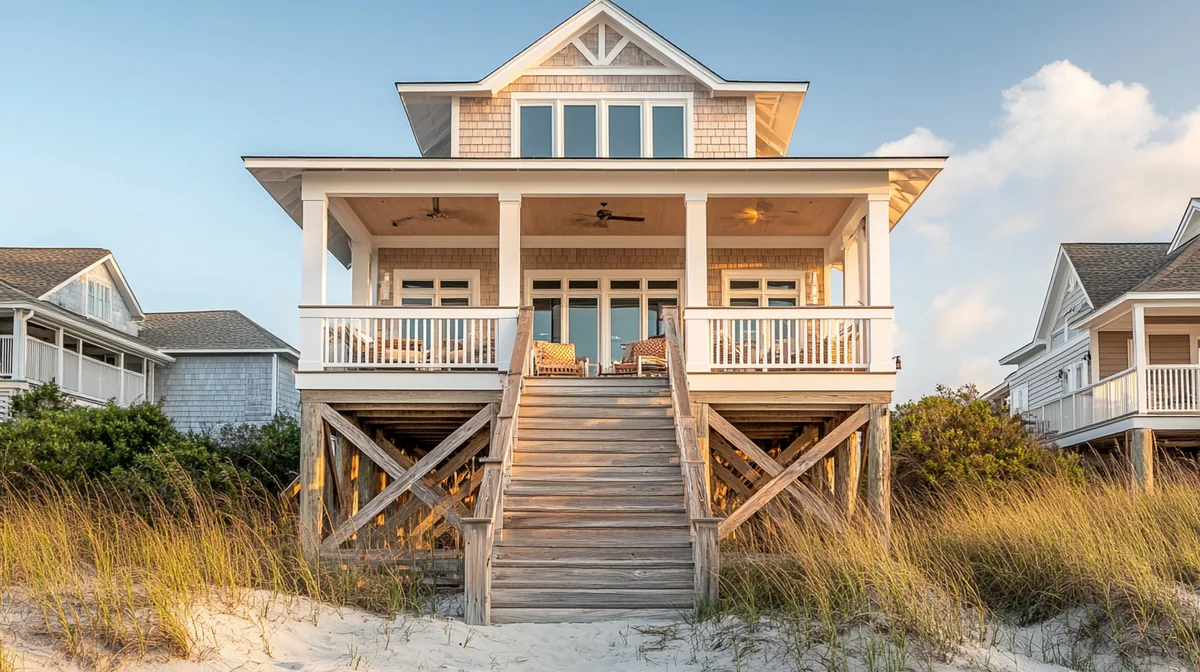
A conditional-use application has to reach the planning office by the first or third Thursday of a month to be heard the following month. The Planning Commission only recommends and the council decides; a denied applicant has 10 days to appeal, and an approval nobody acts on within a year expires. One 2026 RM-20 application dated in early March was heard on May 21 and went to council on June 16, so budget a season, not a week. Once approved, every Biloxi rental runs under the same house rules: a guest register with names, home addresses, license plates and dates that the city can inspect; a local contact who can reach the property within 30 minutes; on-site parking at one space per bedroom or unit, whichever is greater; parking and buildings on no more than 60 percent of the lot; no rental signs in residential zones; and annual fire inspections. A house raised above grade also needs two separate stairways as emergency exits. The rental has to fit any covenants or deed restrictions, and the burden of proving it is yours. The city notifies the Hotel & Lodging Association of every application, and a staff member checks licenses, with revocation possible when problems go unfixed. The certificate of occupancy, the zoning certificate and the privilege tax license don't transfer, so a buyer reapplies for all three.
The 12 percent tax stack and who files it
Across Harrison County, a night's rent carries Mississippi's 7% sales tax, the county's 3% regional visitors-bureau tax and a 2% tax for the Coast Coliseum, about 12% in all. Both county taxes apply to anyone renting rooms to transient guests, however few units they own. Airbnb collects the 7% on the listing price including cleaning and guest fees, plus the local tourism and economic development taxes, and Vrbo has collected the state, local and tourism taxes since September 1, 2020. Your own website is where the work lands: register with the Department of Revenue, charge the full stack on direct bookings and file through its TAP portal. Filing is annual below $600 of tax a year, quarterly from $600 to $3,599 and monthly above that, due by the 20th after each period. Watch Biloxi too. In December 2025 the mayor proposed a $3 nightly city occupancy tax that would have covered short-term rentals; it needed the Legislature and a 60% vote of residents, and it was pulled from the agenda. None of this is tax or legal advice for your property, so have a Mississippi CPA set up the filings and a local land-use attorney read the parcel, and confirm the current figures with the city and the Department of Revenue before you buy.