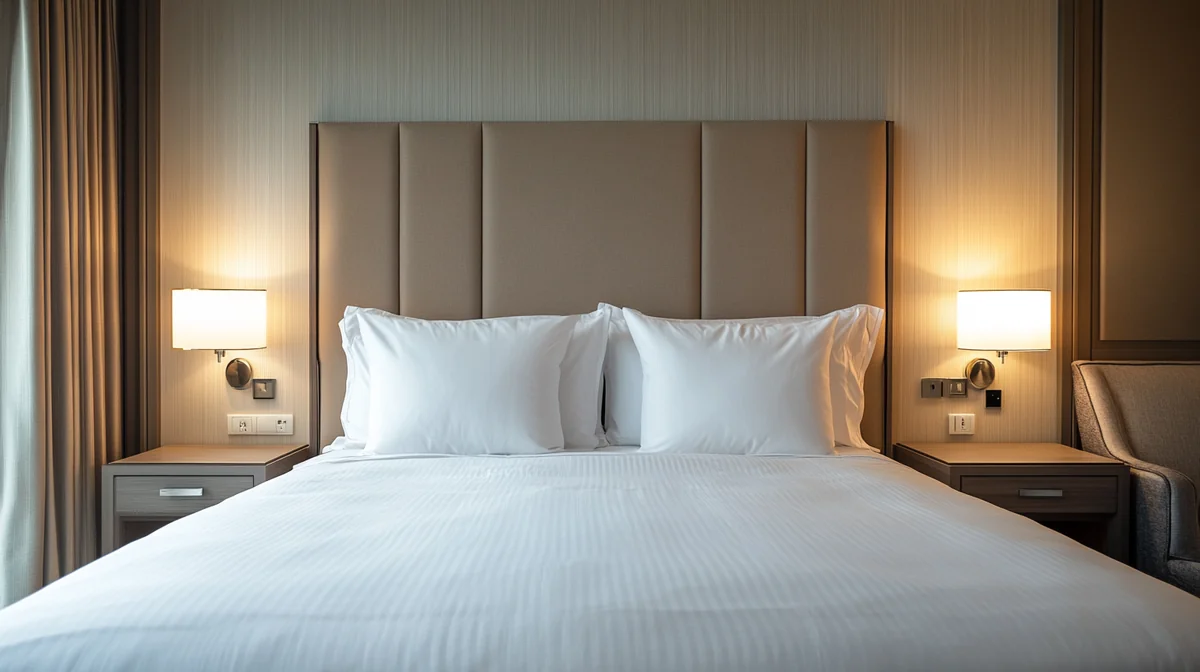

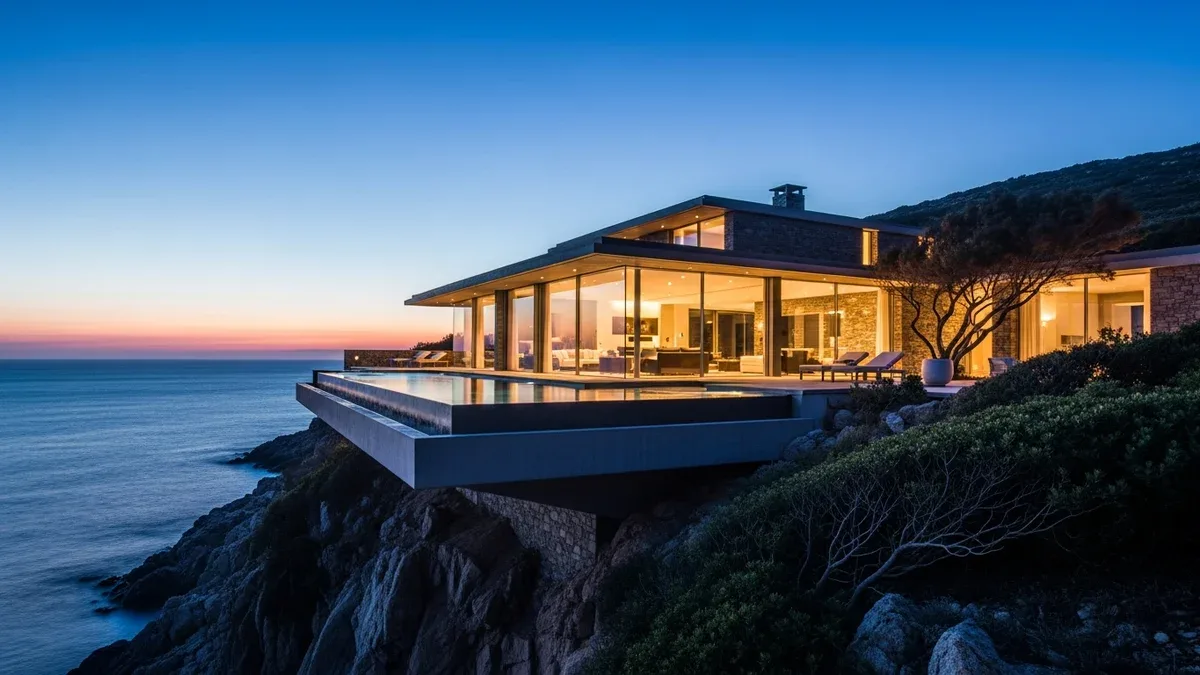
Here's the thing about a $12,000-a-week villa: the guest decides whether to even read your description in about two seconds, and they decide it on a photo. Not on your amenities list, not on your price, not on your reviews. On the first frame. So if that frame looks like it came off a phone in the wrong light, you've already lost the booking you spent a fortune building the property for. Luxury Airbnb photography isn't a line item you trim. It's the whole game at the top of the market, and most owners get it wrong in ways that are easy to fix once you see them.
I've spent years on the marketing side of short-term rentals, and the pattern is consistent. The homes that command the rates you'd expect in Aspen or Amalfi aren't always the best houses. They're the best-photographed houses. Let's walk through what actually sells a trophy home, from who you hire to how you order the frames so the story lands before anyone scrolls.
Why Phone Photos and Standard Real-Estate Shots Kill a Luxury Listing
A phone camera does two things badly that matter enormously at this level. It distorts lines, so your straight walls bow and your ceilings tilt, and it can't hold both a bright window and a dim corner in the same frame, so you get blown-out views or muddy interiors. A guest paying premium money reads those flaws as carelessness, even if they can't name what's wrong. The house feels smaller and cheaper than it is.
Standard real-estate photography is a different trap. It's built to move mid-market houses fast: wide-angle everything, flash bounced off the ceiling, every room shot from the doorway at eye level. It's technically clean and completely soulless. It tells a buyer the square footage. It tells a luxury guest nothing about how it feels to wake up there. The wide-angle look actually works against you at the top end, because it screams "listing" instead of "escape," and it warps the proportions that make an architectural space feel considered.
The tell is emotion. Mid-market photos answer "what's here." Luxury photos answer "what's it like to be here." You want a guest to feel the cool of a stone floor, the quiet of a room at dusk, the pull of a view. That's a craft decision, not a gear decision, and it starts with who's behind the camera. Good photography that books is the single highest-return investment most luxury hosts make, and it's usually the one they underspend on.
Hiring an Architectural Photographer, Not a Generic Airbnb Shooter
There's a real difference between someone who shoots Airbnbs for a living and someone who shoots architecture and interiors. The generic shooter knows the platform's requirements and can turn a house around in two hours for a few hundred dollars. That's fine for a condo. It's the wrong hire for a home where the design is the product.
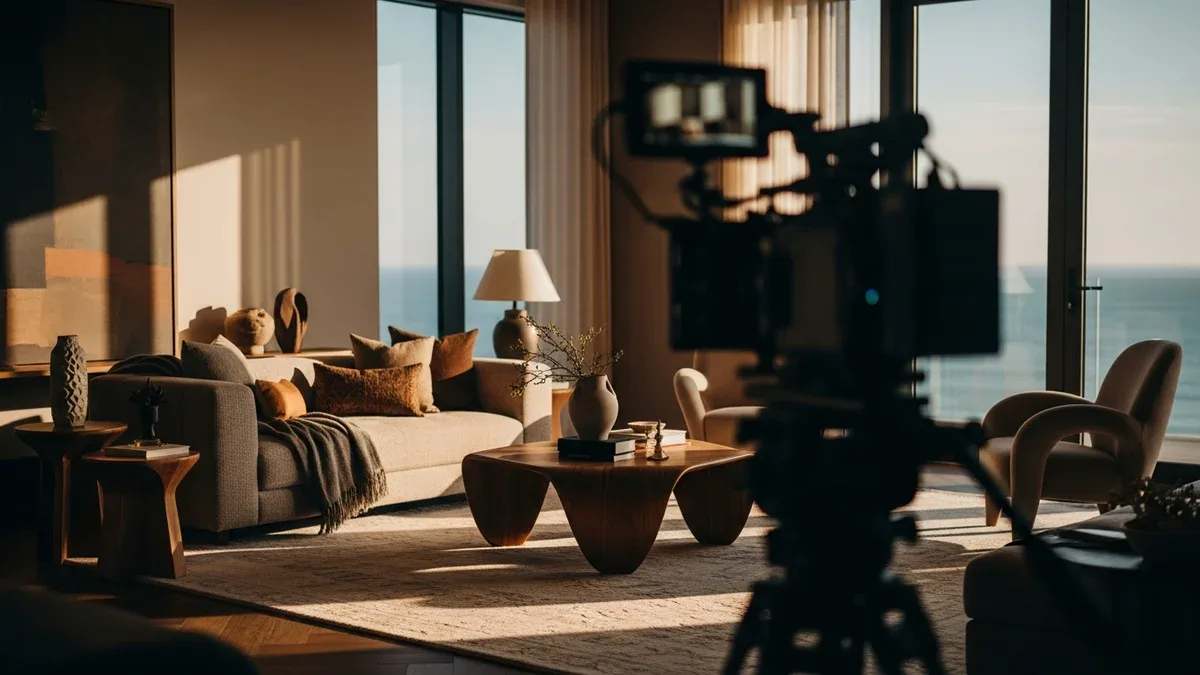
An architectural or interiors photographer thinks in light and line. They'll use a tilt-shift lens or correct perspective in post so your walls stay vertical. They'll wait for the light instead of forcing it with flash. They'll blend several exposures so the window view and the room interior are both true, the way your eye actually sees the space. And they'll compose for feeling: a doorway framing the next room, a chair angled to the view, negative space that lets an expensive room breathe instead of cramming every corner into frame.
When you're vetting one, look at their portfolio for consistency, not one lucky shot. Do their interiors feel calm and true to color? Are the verticals straight? Can they shoot a lifestyle vignette that looks lived-in rather than staged? Ask specifically whether they've shot high-end residential or hospitality, and ask to see a full house set, not a highlight reel. Budget accordingly. A proper shoot for a trophy home runs well into four figures, sometimes past it once you add drone and video, and it's the cheapest marketing you'll ever buy relative to what one extra booked week returns.
Ask the photographer to send you three or four sample edits before the full delivery, so you can align on color and mood early. A warm, honest tone reads as luxury. Oversaturated, HDR-heavy edits read as a timeshare brochure, and they're hard to walk back once the whole set is processed.
The Shot List a Trophy Home Needs
A luxury shoot isn't "cover every room." It's a deliberate sequence of frames, each doing a job. Before the shoot, walk the house with your photographer and build a list. Here's the backbone I'd want for any high-end villa:
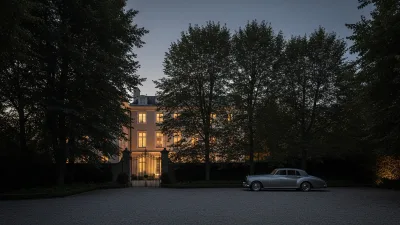
- The hero exterior at dusk. The single most important frame. Shot in the blue hour with every interior light on, so the house glows and the sky still holds color. This is usually your cover photo.
- The arrival sequence. The approach, the gate, the entry, the first thing a guest sees walking in. It sets the tone and builds anticipation before you ever show a bedroom.
- Signature spaces. The rooms that justify the rate: the great room, the primary suite, the kitchen, the pool. Two or three angles each, not one.
- Details. The tap, the stone, the art, the linen, the coffee setup. Close, intentional frames that signal quality and care.
- Lifestyle vignettes. A table set for dinner, towels by the pool, a fire lit, a book on the arm of a chair. These make a guest picture their own stay.
- Aerial and drone. Context and scale, especially for waterfront, cliffside, or estate properties where the setting is half the value.
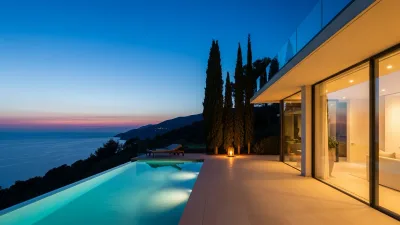
- The view. Shot as its own subject, at the best light of day, treated with the same care as any room. The view is often the reason someone books.
Miss any one of these and you leave money on the table. The details and lifestyle frames are the ones amateurs skip, and they're exactly the ones that separate a luxury listing from a nice house.
Source: Industry estimates; Airbnb listing-quality guidance
Cinematic Video and Vertical Clips for Social and Your Direct Site
Stills sell the booking. Video sells the feeling, and at the top of the market it's become the thing that makes a listing memorable. A short cinematic walk-through, ninety seconds of slow, stabilized movement through the house at golden hour, does something a photo can't: it shows scale, flow, and how the light moves through the day. On your own listing optimization and direct-booking site, that video can be the hero of the page.
Then there's the vertical cut. The same footage, recut to nine-by-sixteen for Instagram, TikTok, and Reels, is where discovery happens now. Guests find high-end homes on social before they ever hit a booking platform. Airbnb and Skift have both pointed to how much short-form video drives inspiration for premium travel, and the homes that show up in a feed as a moving, cinematic clip get remembered in a way a carousel of stills doesn't.
You don't need a Hollywood crew. You need a shooter who understands pacing: slow reveals, motion that has a reason, a soundtrack that fits, and cuts that breathe. The mistake is fast, choppy, drone-everything edits that feel like an ad. Luxury video is patient. It lingers. Cavmir helps hosts plan these shoots so the same day produces the hero film, the vertical clips, and the stills, instead of paying three times for three crews.
Shoot video and stills on the same day with the same styling, so everything matches. Then bank a library of vertical clips you can release across a whole season. One good shoot day should feed your social calendar for months, not a single post.
Art Direction, Styling, and Golden-Hour Scheduling
The best camera in the world can't fix a badly staged room, and the light won't wait for you. This is where a lot of expensive shoots quietly fail, because the owner treated it like a point-and-click job instead of a production.
Styling comes first. Clear the clutter, hide the cords, remove the personal photos and the fridge magnets and the plastic anything. Bring in fresh flowers, real fruit, good linens, folded towels. Set the table. Fluff the beds. A stylist, or a photographer who styles, will spend as much time arranging a room as shooting it, and it shows. The goal is a home that looks lived-in and cared for, not sterile and not cluttered. That balance is the whole craft of luxury interior design for luxe Airbnbs, translated to camera.
Then schedule around the light. Every space in your house has a best hour. East-facing rooms shine in the morning; the pool and west terrace come alive at golden hour; the dusk exterior happens in a fifteen-minute window at blue hour and nowhere else. A good photographer builds the day's shot order around this, chasing the sun room by room. That's why a proper luxury shoot takes a full day, sometimes two, and why "we'll knock it out in the afternoon" always produces flat, gray results. The light is the product. Plan the day around it.
Licensing and Reusing the Assets Across Airbnb, Your Site, and Travel-Advisor Decks
Here's a detail that trips up owners after the fact: you don't automatically own the photos you paid for. Photographers license usage, and the default license is often narrower than you think. Before the shoot, get the terms in writing. You want broad, ideally unlimited, usage across every channel you'll ever need: the Airbnb and Vrbo listings, your direct site, your social accounts, email, print, and crucially, third-party distribution.
That last one matters more at the luxury level than anywhere else, because your best bookings often come through travel advisors and villa collections. When a Virtuoso advisor builds a client proposal or a portfolio partner adds you to their deck, they need clean, high-resolution assets they can drop into their own materials. If your license doesn't cover that, or your files are low-res web exports, you've capped your own distribution. Ask for the full-resolution masters and a license that lets partners use them on your behalf.
Organize the delivery too. One shoot should give you a stills library, a hero video, a folder of vertical clips, and a set of print-resolution files, all named and sorted. That library becomes the backbone of your branding across every surface, so a guest sees the same considered look on Instagram, on your site, and in an advisor's proposal. Consistency is what reads as a real luxury brand rather than a one-off rental.
Ordering the Images So the Story Lands in the First Five Frames
You can have the best photos in the market and still lose the booking if you order them wrong. The platform shows a guest a cover and a handful of thumbnails, and that's where the decision gets made. So sequence with intent.
Lead with the hero, that dusk exterior or the signature view, the single frame that says "this is special." Then follow with the best interior, usually the great room or the space that most defines the house. Frame three should be the view or the pool, the reason someone books this location. Four and five carry the primary suite and the kitchen or another signature space. Those first five frames are your pitch. Get them right and the guest keeps scrolling with intent instead of curiosity.
After the top five, tell the rest of the story in a logical flow, the way a guest would move through the house: arrival, living spaces, kitchen, bedrooms, bathrooms, outdoor areas, then the details and lifestyle frames woven in to keep the emotion up. Don't bury your best work at position twenty. And revisit the order seasonally, leading with the pool in summer and the fire-lit interior in winter, because the frame that sells changes with the trip a guest is dreaming about.
None of this is complicated once you see it as production instead of paperwork. Hire someone who shoots spaces, not just listings. Build a real shot list. Chase the light. Shoot video and stills together, license them broadly, and order them so the story lands fast. Do that, and your listing stops looking like a house for rent and starts looking like the trip someone's been saving for. If you want a second set of eyes on where your current photos are helping or hurting, that's the kind of thing we're always happy to walk through.