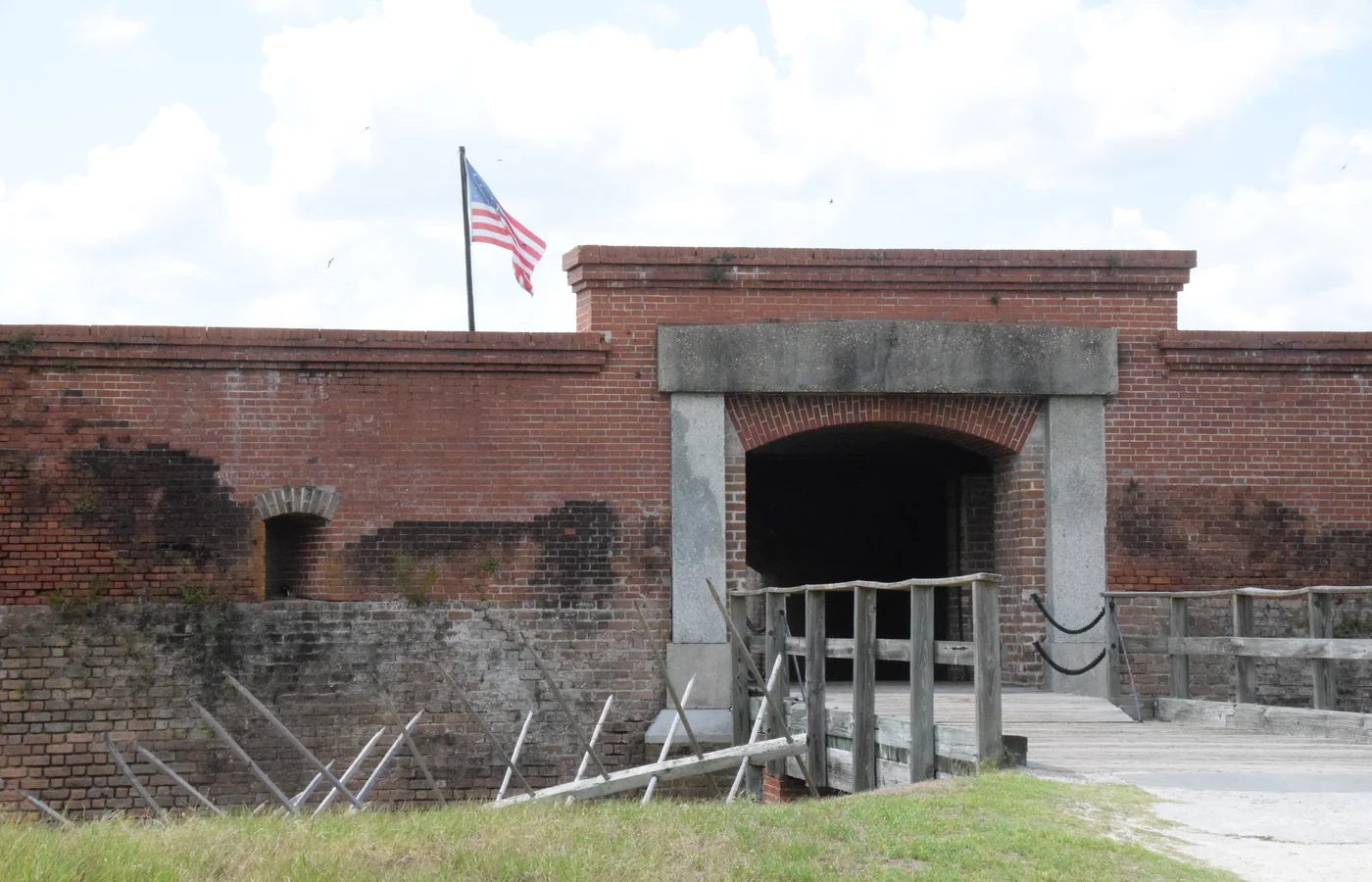
Fort Clinch at opening
The Civil War-era brick fort at the island's northern tip, with ramparts over the river mouth and a beach drive through the dunes. Go early: cool light, deer in the maritime forest, and Georgia visible across the water.
Expert short-term rental marketing to grow your bookings and nightly rate in Amelia Island, Florida, USA.
Sixteen services, one team. Everything below is built in-house and scoped to your property and market. Most owners start with the 12-Step System.
Every engagement is quoted to your portfolio. These are the ready-made scopes owners pick most — our Fall Special (55% off list or more) is already applied to the website, King Broker, Hotels and à la carte scopes. A clear proposal within 48 hours.
The work is public. Selected engagements and what changed — and reviews from the owners and managers behind them.
* Market averages from AirDNA and STR market reports.
Cavmir is an Airbnb marketing agency.
Amelia Island is thirteen miles of barrier island in Florida's far northeast corner, and it doesn't feel like the rest of the state. Fernandina Beach's fifty-block Victorian historic district looks more like coastal Georgia than Florida; shrimp boats still work the Amelia River; and the island's south end is anchored by the Ritz-Carlton and the Omni resort, which set an upscale tone the whole rental market benefits from. Guests here skew affluent and repeat — Atlanta, Jacksonville and the Southeast drive market, plus a wedding and event calendar that fills weekends most of the year. The rules split by jurisdiction: the City of Fernandina Beach confines true short-term rentals to specific zoning with a permit that must appear in every ad, while unincorporated Nassau County — including much of the resort corridor — runs friendlier.
The rhythm is a Southern beach season, not a snowbird one. Summer is the peak — June and July bring the highest rates and the fullest calendars as Georgia and Florida families take the beach — and the shoulders are genuinely good: March kicks off with The Amelia, the concours weekend that fills the island at luxury-car prices, and May's Isle of Eight Flags Shrimp Festival packs downtown Fernandina. October and November stay warm and walkable; deep winter is quiet but never dead, floated by the resorts' conference business and off-season couples. Blended nightly rates run around $340 with occupancy near the low 50s, and the island's small size keeps supply honest — there's no ten-thousand-listing race to the bottom here, just a premium market that rewards premium presentation.
Nearby Markets: St. Augustine | Savannah | Sea Island | Ponte Vedra Beach
Cavmir wins on Amelia Island because the island's story — Victorian streets, shrimp boats, eight flags, a beach that goes uncrowded even in June — is better raw material than almost any Florida market, and most listings reduce it to bedspread photos. We shoot the porch light and the dune walkovers properly, write copy that names Centre Street and the right table at sunset, and market the shoulder months the resorts already proved are sellable. For the island's B&Bs and inns — some of the best Victorian inn inventory in the South — we build direct-booking websites, SEO and photography that compete head-on with the big resorts' marketing budgets. We help position and market your property. We never manage it or touch your keys.
Amelia Island has flown eight flags in three hundred years — Spanish, French, British, even a pirate's — and every one of them was selling the same deep-water harbor. Cavmir simply writes the modern chapter.
Amelia Island has flown more flags than any other spot in America — eight of them. France planted the first in 1562; Spain and Britain traded the island for centuries; and in the early 1800s its deep-water port and smuggler-friendly borders attracted a parade of adventurers, including the self-styled Patriots of Amelia Island, Gregor MacGregor's Green Cross of Florida, and the Mexican rebel flag of pirate Luis Aury, before the United States took permanent hold in 1821. The Confederacy made it eight during the Civil War, when Fort Clinch changed hands. Florida's first cross-state railroad made Fernandina its Atlantic terminus, and the 1870s and 80s brought the island's first golden age of tourism — the Victorian mansions and storefronts of downtown Fernandina Beach date from that boom and still stand fifty blocks deep.
The twentieth century gave the island two more identities. Sicilian immigrant fishermen industrialized shrimping here in the early 1900s — Fernandina calls itself the birthplace of the modern shrimping industry, and the fleet still works the Amelia River. And in 1935, insurance pioneer A.L. Lewis — often called Florida's first Black millionaire — founded American Beach on the island's south end as a seaside haven for Black families shut out of segregated beaches; its story is preserved today within a national heritage area. Modern resort history arrived in the 1970s when Sea Pines developer Charles Fraser began Amelia Island Plantation (now the Omni resort), and the Ritz-Carlton followed in 1991, setting the upscale tone the island's rental market still trades on. Today's inventory — Victorian B&Bs downtown, beach houses along Fletcher Avenue, condos in the resort corridors — serves a Southeast drive market that treats the island as a repeat ritual.
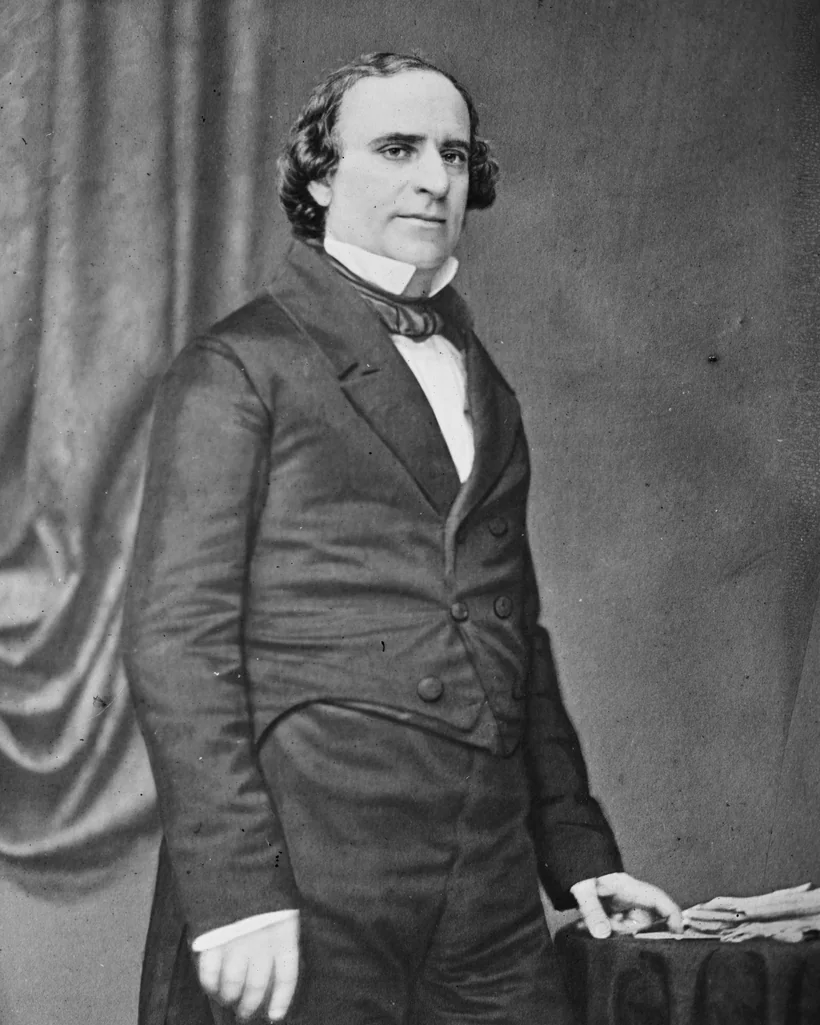
Before the platforms, empires and adventurers fought over this deep-water island because whoever held it could sell it. Yulee's railroad and the Gilded Age turned Fernandina into a Victorian resort town that still stands. The channel changed; the work is identical: presentation, positioning, and a harbor everyone always wanted. It is the same business Cavmir is in today.
Historical images: public domain and Creative Commons via Wikimedia Commons — Mathew Brady / Library of Congress and others.
The island prices on three products. Downtown Fernandina Beach — the Victorian district and its surrounding blocks — sells walkability, porches and history, with the town's B&Bs and the limited legal short-term inventory earning strong rates year-round. The oceanfront corridor along Fletcher Avenue and Main Beach is the family workhorse: beach houses and duplexes that book solid summer weeks. The south-end resort corridor around the Omni and the Ritz-Carlton carries the island's premium condo and villa inventory, where resort amenities and golf do half the marketing. Blended nightly rates run around $340 with wide seasonal spread — June oceanfront books at numbers deep winter never sees — and the island's small, supply-constrained market keeps well-presented properties from ever competing purely on price.
The rhythm is Southern-beach: summer is the peak — June and July at the top — with a long, genuinely good shoulder on either side. March opens the year with concours week, spring stays strong through May's Shrimp Festival, and October and November hold warm and walkable for couples and wedding parties. December trades on Dickens on Centre's Victorian Christmas; January and February are the quiet months, floated by resort conference business and off-season escapes. Smart calendars price the summer early and market the shoulders on their own merits rather than discounting them as leftovers.
The island splits into two rule books. Inside the City of Fernandina Beach, true short-term rental is a zoned activity: operating one requires a city Resort Rental Dwelling Permit (RRDP), which is generally available only in the R-3 zoning district or for properties with grandfathered resort-rental status. The permit process requires a current state DBPR lodging license and state tax registration, and the city is explicit that your RRDP number must appear in every advertisement — online listings included. Outside R-3 and the grandfathered set, city properties are limited to rentals of 30 days or more. Enforcement is real in a town this small, where neighbors know which porches turn over weekly.
In unincorporated Nassau County — which includes much of the island's south end and the resort corridors — the county has not layered a comparable permit regime on top of state law: the DBPR license, the county's Tourist Development Tax registration and general codes are the framework, making the county side meaningfully friendlier for nightly rentals. Two cautions apply everywhere: resort communities and condo associations impose their own minimum stays and rental programs, and Florida's short-term-rental law remains a moving target in Tallahassee. Confirm your parcel's jurisdiction, zoning and permit path with the city or county and your attorney before you buy or list.
The Amelia Island strategic tip: sell the island's difference, not its sameness. Every Florida listing has a beach photo; almost none has a shrimp boat at sunset, a Victorian porch, or a fort at the mouth of a river. Guests choose Amelia over the interchangeable beach towns because it feels like a place — and listings that lead with the place command the premium.
Tactically: first, shoot downtown into your listing even if your property is oceanfront — Centre Street at dusk, the marsh at golden hour, the dune walkover in the morning — because the island is the product and the house is the vessel. Second, build the events into your pricing a year ahead: concours week, the Shrimp Festival and Dickens on Centre are published dates with hotel-grade demand. Third, court the repeat guest deliberately — this is a drive market of Atlanta and Jacksonville families who return annually, which makes a direct-booking website and an email list the highest-return marketing assets on the island. Fourth, answer the questions guests actually ask: bikes, beach gear, golf-cart rules, dog-friendly stretches of sand. Fifth, for the island's B&Bs and inns — some of the best Victorian inn inventory in the South — compete on story and direct bookings: professional photography, real SEO for 'Amelia Island inn' searches, and a booking engine that works on a phone will hold rate against the resorts all year.
The constraints are supply-side: inside Fernandina Beach the RRDP regime confines nightly rentals to limited zoning, entry prices reflect an island that quietly became expensive, and coastal insurance costs climb here as everywhere in Florida. Deep winter demand is thin, and the island's low-key brand means owners must market the shoulder rather than wait for it. None of this deters the prepared — it's precisely what keeps the market premium.
Barrier-island ownership means barrier-island insurance: a short-term-rental or landlord policy with strong liability limits, wind coverage with a hurricane deductible, and flood insurance as a separate line for oceanfront, riverfront and low-lying parcels. Northeast Florida sees fewer direct hits than the Gulf coast, but underwriters price the whole state hard now, and older Victorian structures downtown bring their own underwriting questions — wiring, roofs, historic materials. Loss-of-rents coverage is worth the premium in a market where summer carries the year. Use a Florida agent who writes coastal Nassau County rentals specifically.
Short stays are taxed like hotel rooms. Sales tax in Nassau County runs 7% (6% state plus 1% county surtax), and the county's Tourist Development Tax — the Amelia Island bed tax — adds 5%, for roughly 12% combined on rentals of six months or less. Airbnb collects the state sales tax, but the county says platforms do not remit the 5% TDT, so registering and remitting it on every booking, platform or direct, is your responsibility. Non-homesteaded property taxes and federally taxable rental income apply as usual. Treat these rates as current approximations and confirm the details with your accountant.
The island finances like the premium second-home market it is: second-home and investment loans for the beach houses, DSCR products for documented rental performers, jumbo financing across the oceanfront and much of the historic district. Condos in the resort corridors need the usual association diligence — rental program rules, reserves and lender approval lists — and downtown's Victorian properties can raise appraisal and insurance questions worth solving before contract. A documented rental history and a professional marketing presence strengthen any file. Use a lender who already works Amelia and the Jacksonville coast.
The rule that trips up the most new owners on Amelia Island has nothing to do with zoning. The Nassau County Tax Collector says Airbnb, Vrbo and the other online marketplaces don't currently remit the island's 5% Tourist Development Tax, so you collect and file it yourself on every stay, platform bookings included. Airbnb's own Florida tax page shows where the confusion starts: it lists the state's 6% tax and a county surtax of 0.5-1.5% on stays of 182 nights or fewer, and Nassau County is missing from its list of county tourist taxes. An owner who assumes the platform has it covered can run a whole summer without filing a single bed-tax return while the county's late penalties stack up month by month. Set up the tax accounts before the first booking.
Inside Fernandina Beach, renting a home for less than 30 days takes a city Resort Rental Dwelling Permit, and the city issues one in only two situations. The first is a parcel zoned R-3. The second is an R-1 or R-2 home that was already operating as a resort rental when Ordinance 2000-28 took effect on October 3, 2000. That grandfathered status is fragile: it survives only while the permit never lapses for more than 180 days at a stretch, so a house that sat unpermitted through an estate settlement or a slow sale can lose its nightly-rental right for good. Section 509.032 of Florida's statutes bars local governments from banning vacation rentals or regulating how long or how often they rent, yet it exempts local rules adopted on or before June 1, 2011, and Fernandina's ordinance cleared that date by more than a decade. That's why current state preemption leaves the city's zoning limits standing. Inside R-3, a condo association or HOA can still ban short stays outright, so read the declaration too.
The permit application asks for a current state vacation-rental license from the DBPR, proof of a registered Florida tax ID and a certified home inspection, and recent guides describe a life-safety inspection at the first application and again at every yearly renewal. The permit number has to appear in all of your advertising. Recent fee guides put a new permit at about $300 and the yearly renewal at about $200, the same figures the city announced in 2015, so confirm the current figure with the city before you budget. Coverage of the city's 2015 crackdown reported that the fine for renting without a permit had gone from $75 to $1,000, cited reports of more than 100 local properties renting for under 30 days at a time, and warned that unpaid county bed tax, state tax or a homestead exemption on the rental would bring further penalties. A recent guide to the city's code puts daily code-enforcement fines at up to $250 for a first violation and $500 for a repeat. On a sale, the state license stays behind: section 509.241 says a DBPR license may not be transferred from one place or individual to another, so the buyer applies in their own name. Ask the city in writing how the RRDP itself is handled at closing, and build that gap into your first season.
Stays of six months or less carry two taxes: the 7% sales and use tax, paid to the Florida Department of Revenue, and the 5% bed tax, paid to the Nassau County Tax Collector. The bed tax has been 5% since July 1, 2018, and it applies to mandatory cleaning, pet and early check-in fees as well as the nightly rate. You register through the Tax Collector's TouristExpress portal and file monthly: each return is due on the 1st of the next month and late after the 20th, and you file one even for a month with no stays. Pay by the 20th and you keep a collection allowance of 2.5% of the first $1,200 of tax, capped at $30. Miss it and you lose the allowance and owe a penalty of 10% of the tax for each month late, with a $50 minimum and a 50% cap, plus interest. A manager can file a consolidated return for you, but the county holds the owner ultimately responsible, and bookings you take yourself go on your own account. Keep an eye on Tallahassee too: Senate Bill 658, which would have required certain licensed vacation rentals to add water-safety features and show a certificate of compliance at licensing and renewal, passed the Senate 37-0 on February 19, 2026 and died in the House on March 13, 2026, so watch for it next session. Confirm the details with the Nassau County Tax Collector, the city and an accountant or local attorney before you list.
On Amelia Island the first question about any address is which government it answers to. Most of the north end and the middle of the island, downtown included, sit inside the City of Fernandina Beach, where the permit map decides what you can do. The south end, from the resort communities to the state park, is unincorporated Nassau County, where the state license, the tax accounts and your association's documents decide it. Within each half the guest changes from one area to the next: downtown sells walking and festivals, the oceanfront sells the summer beach week, and the resort communities sell golf, tennis and the Concours crowd. Buy the address that already matches the guest you want, then check the rules that come with it. It's the read Cavmir starts from when we market a home here.
The Victorian blocks around Centre Street and the Silk Stocking District win couples, festival weekends and the walk-to-dinner guest. The zoning map is the catch. Unless a house sits in R-3 or carries a grandfathered permit with a clean history, the legal plays here are stays of 30 days or longer, for snowbirds, visiting families and staff on assignment at Baptist Medical Center Nassau, or a properly licensed inn. Exterior changes in the historic district go through the city's Historic District Council, so allow time before you repaint a porch or swap windows. North of downtown, Old Town, the Spanish-plan grid above the river, is quieter still and suits the long-stay guest who'd rather watch the marsh than chase nightlife. Out toward Fort Clinch and North Fletcher, the guest shifts to nature-minded families who come for the park's trails, the fort and the pier at the river mouth. Check every address on its own, because two houses on the same street can sit under different rules.
Fletcher Avenue, the beach road through the city, carries the island's summer workhorses: beach houses, duplexes and small condo buildings a walkover from the sand, booked by Jacksonville and Atlanta families a week at a time. Main Beach Park anchors the busier middle, and the stretches north and south of it trade activity for quieter sand. On this road the permit is part of what you're buying. A Fletcher house with a live permit in R-3, or a grandfathered one that never lapsed past 180 days, is worth more to a rental buyer than the same house next door without one, so get the permit history and the city's confirmation in writing before you price the offer. Then get flood-zone, elevation and insurance quotes before you fall for the view, because on the oceanfront those numbers can change the math on their own. Dogs, beach gear, bikes and an outdoor shower sell harder here than anywhere downtown.
South of the city, the island turns to resort communities in unincorporated Nassau County: Summer Beach around the Ritz-Carlton, and Amelia Island Plantation, home of the Omni resort. They win golf and tennis couples, anniversary trips and the Concours week crowd, in condos, villas and a smaller set of large oceanfront homes. There's no city permit to chase here, so the binding rules come from the condo declaration and the community association, and they differ building by building. Ask each association for its minimum stay, any renter registration, and its pet and vehicle rules before you sign. In the Plantation, find out in writing which resort amenities your renters can use, because listings there differ on what's included, and a broken amenity promise costs reviews. Farther south, American Beach draws heritage travelers and families who want a quieter beach and smaller cottages, next to Amelia Island State Park and the fishing pier on Nassau Sound. The 5% bed tax applies down here exactly as it does downtown.

Amelia's trajectory is quiet appreciation. The island can't add land, Fernandina's zoning caps the downtown rental supply, and the resort anchors keep investing — all of which protects rates for compliant, well-presented properties. The Jacksonville metro next door keeps growing, feeding the drive market, and the island's event calendar keeps earning national attention without inviting mass tourism. Watch the state legislature — Florida's preemption battles will keep redrawing the edges of local rules — and watch insurance costs, the honest headwind for every coastal owner. The durable play into 2027 and beyond: hold legal inventory on the right side of the island's rule book, present the place with the craft it deserves, and build the direct-booking relationships this market's famously loyal repeat guests are waiting to give you.
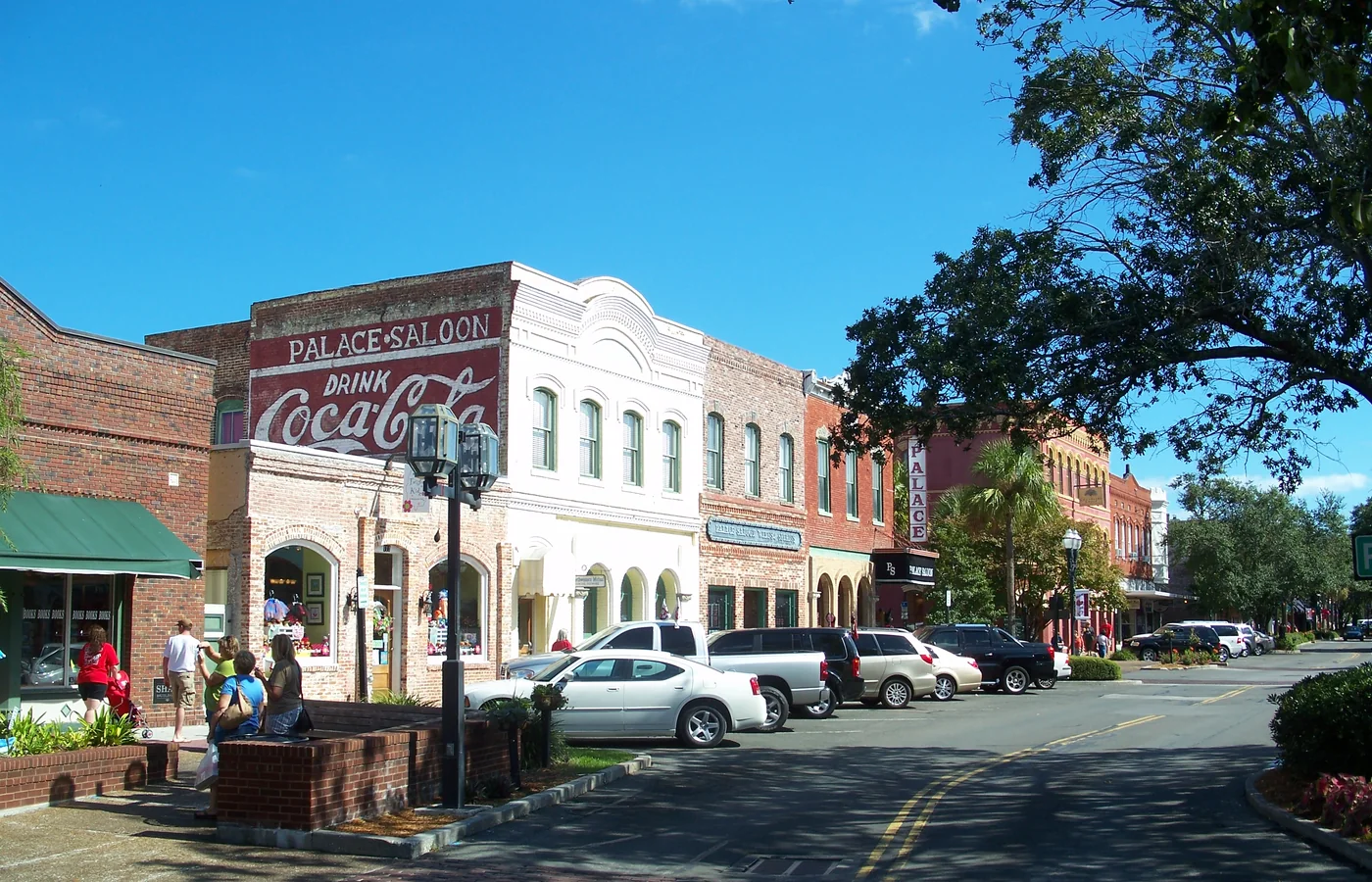
Amelia is the rare Florida market with a plot. Eight flags, a pirate or two, a Victorian downtown that survived intact, shrimp boats that still work, a beach that stays uncrowded in June — a copywriter doesn't have to invent anything here, only pay attention. We love marketing this island because specificity is its native language: the listing that names Centre Street at dusk, the right whale season offshore, the porch at the Palace Saloon, reads like it was written by someone who loves the place. It was. And that listing beats the bedspread-photo competition without ever discounting a night.
We also love the market structure. The island is small, the zoning caps the supply, the resort anchors keep the brand upscale, and the guests — Atlanta and Jacksonville families, couples on ritual anniversary trips, wedding parties — come back on schedules you can set a calendar by. That's relationship economics, and it makes the direct channel worth more here than in markets ten times the size: an email list of returning families is functionally an annuity on an island that can't add beach. Add the inns — some of the South's best Victorian inn inventory, sitting on stories a chain would pay millions to fake — and this is the kind of place where doing the marketing properly feels less like promotion and more like stewardship. That's the job at its best.
A few insider picks for Amelia Island — the kind of specifics that make a listing read like a local wrote it, because one did. Real places, no filler.
The Civil War-era brick fort at the island's northern tip, with ramparts over the river mouth and a beach drive through the dunes. Go early: cool light, deer in the maritime forest, and Georgia visible across the water.
The Amelia River marina at dusk — masts, rigging and working shrimp boats against the marsh sunset. It's the image that separates Amelia from every interchangeable beach town in Florida, and it belongs in your listing.
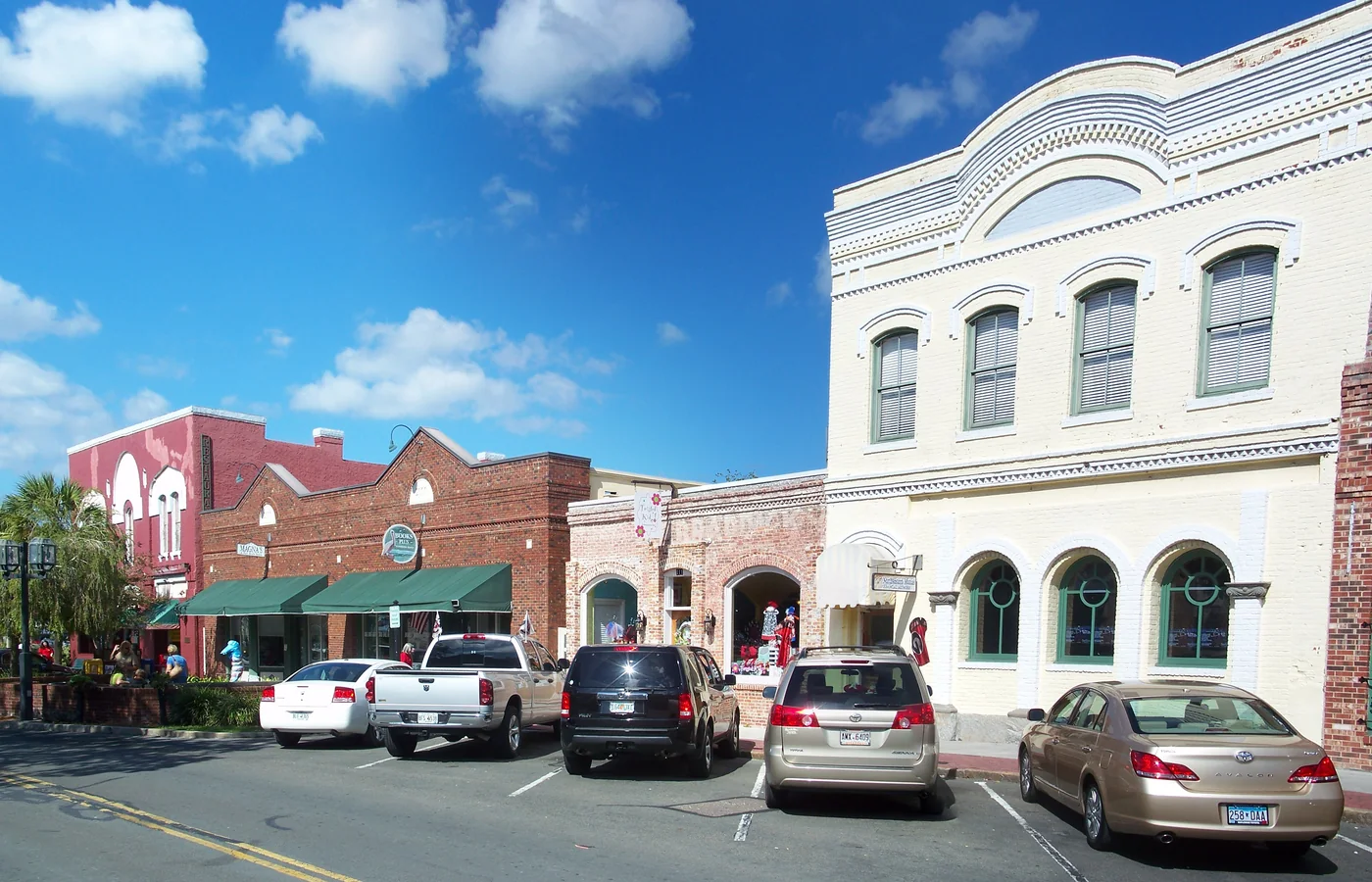
Fifty blocks of Victorian storefronts and sea-captain houses, ending at the water. Walk it at dusk when the porch lights come on — the whole district is the reason people choose a downtown rental over a resort room.
The island's special-occasion room — Five Diamond dining over the dunes. Guests staying in a cottage still want one resort evening; the host who tells them to book Salt on arrival day earns the review.
This town calls itself the birthplace of the modern shrimping industry and defends the title annually at the Shrimp Festival. Point guests to a basket of local shrimp at Timoti's Seafood Shak and you've handed them the island's story on a tray.
The waters off Amelia sit within the North Atlantic right whale's only known calving grounds — winter walkers occasionally spot mothers and calves from the beach. It's the quiet-season story no other Florida island can tell.
A short drive to St. Marys and a ferry to a barrier island of wild horses, live-oak forest and the Carnegie ruins at Dungeness. The best day trip on this coast, and almost no listing mentions it.
Amelia inquiries repeat three questions: are there bikes (the island rides flat and shaded), is the beach dog-friendly (much of it is, on leash — say so), and can you still drive onto the sand (at designated accesses, yes). Plain answers win bookings here.
A few composite engagements drawn from how Cavmir typically works in this market. The details are illustrative and consistent with Amelia Island, not pulled from a single named client.
A five-bedroom beach house booked solid summers but went quiet from October through February — no shoulder story, no event pricing for concours or Shrimp Festival weekends, and photography that showed the house but never the island.
Cavmir reshot the property and the island together — dune walkover at sunrise, downtown at dusk — built The Amelia, festival and wedding-season windows into pricing a year out, and created a direct-booking page aimed at the house's returning Atlanta families.
Concours and festival weekends began booking at their true value, October and November filled with couples and wedding parties, and repeat families moved their summer rebookings direct.
A permitted historic-district rental leaned on charm the photos flattened — dim interiors, no porch or streetscape imagery, and copy that never mentioned the walk to Centre Street or the permit compliance that set it apart from gray-market listings.
Cavmir shot the porch light and the Victorian streetscape properly, wrote the district into every paragraph, displayed the resort-rental permit number plainly as the mark of a legitimate operation, and tuned rates to the downtown event calendar.
The listing became the obvious choice for the downtown-minded guest, festival weekends sold out early, and the visible compliance drew exactly the careful, house-respecting guests the owner wanted.
An inn with 19th-century bones and a decades-long guest book was losing ground to the resorts — an outdated website, OTA dependence, and no digital relationship with generations of returning guests.
Cavmir rebuilt the brand and direct-booking website around the inn's genuine history, photographed the rooms and the wraparound porch at golden hour, started a seasonal email program for the guest book, and ran search campaigns for travelers seeking a historic inn on the island.
Direct bookings became the inn's leading channel, returning guests booked their standing weeks without a commission attached, and the inn held its rates confidently against the resort corridor through the following season.
Demand in Amelia Island peaks around March, June and July and runs quietest around January.
Summer carries the volume, with June and July family beach weeks, but the single hottest dates of the year arrive in March, when Concours week fills the island with the car world and spring break follows right behind. Treat them differently: summer wants weekly-minimum discipline, while Concours week wants premium pricing set nearly a year out and held.
April, May and October are gracious shoulders. The Shrimp Festival packs downtown Fernandina in early May, the Jazz Festival gives October a week of bookable dates, and the weather stays kind through both. August holds up until Southern schools return, then eases into a September lull worth pricing honestly.
Deep January and the back half of September are the quietest stretches, softened by snowbirds settling in for long winter stays and Jacksonville couples on short-notice weekends. December is livelier than most beach markets thanks to Dickens on Centre. Use the true lulls for maintenance and a photography refresh before Concours season.
Concours week books the furthest out, with many regulars securing lodging close to a year ahead, and summer beach weeks fill through the spring. Weekend trips from Jacksonville and Georgia move inside a couple of weeks all year. Set the event weeks early and firm, and keep shoulder pricing nimble for the short-fuse layer.
Summer runs on week-long family stays, while the rest of the year mixes two-to-four-night couples trips with event weekends. Winter adds a real long-stay layer of month-plus snowbird bookings. It's a balanced calendar by beach-town standards, which rewards hosts who market to more than one guest type.
Two profiles win here. Downtown, a historic cottage within walking distance of Centre Street owns the festival calendar and the couples market year-round. On the beach side, a house near a walkover with a pool and a screened porch owns summer. The screened porch is close to mandatory either way; evenings on Amelia are the product, and the porch is where guests consume it.
Build the listing around your strongest geography, whether that's walking distance to Centre Street or steps to a beach walkover, with photography that sells porches, evening light and the historic district. Price the event calendar deliberately: Concours week, the Shrimp Festival and Dickens on Centre behave nothing like ordinary weekends. Add a Google Business Profile for map searches and a direct-booking site for the repeat families and event regulars who return annually. That's the marketing layer Cavmir builds for Amelia hosts, and this island's repeat-guest pattern makes it compound quickly.
June and July are the volume peak for family beach weeks, while March delivers the highest-demand single week of the year around the Concours, with spring break close behind. October and early May bring event-driven surges, and deep January is typically the quietest stretch.
Concours regulars book close to a year out, and summer families fill June and July through the spring. The Jacksonville and Georgia weekend layer books inside a couple of weeks all year long. Lock the event weeks early, then stay responsive; this market rewards both postures.
The drive market leads: Jacksonville is barely half an hour away, with Atlanta, Savannah, Orlando and Tampa filling weekends and school breaks. Fly-in guests from New York, Chicago, Dallas and the Northeast corridor arrive easily through Jacksonville's airport, especially for the Concours and the fall events.
A screened porch is the island's signature amenity, followed by a pool or a genuinely short beach walk. Pet-friendliness pays because the beaches welcome leashed dogs and the drive market brings theirs, and bikes cover the last mile between beach houses and the historic district.
Counted from the Florida DBPR vacation rental license file, deduplicated by permit number — real registry data, not an estimate. See the full Florida permit data →
As of July 2026, the Florida DBPR vacation rental license file shows 295 current licenses on file in Fernandina Beach, the city that covers most of Amelia Island. A license is not always one listing — some licenses cover multiple units — so treat this as a verified floor for the size of the legal market.
Fernandina Beach ranks number 41 of Florida's tracked markets by records on file, holding about 1% of the 50,295 records we compiled for Florida. Every one of those operators shows up in the same searches your guests use — which is why presentation, photography, and a direct-booking path decide who gets seen.
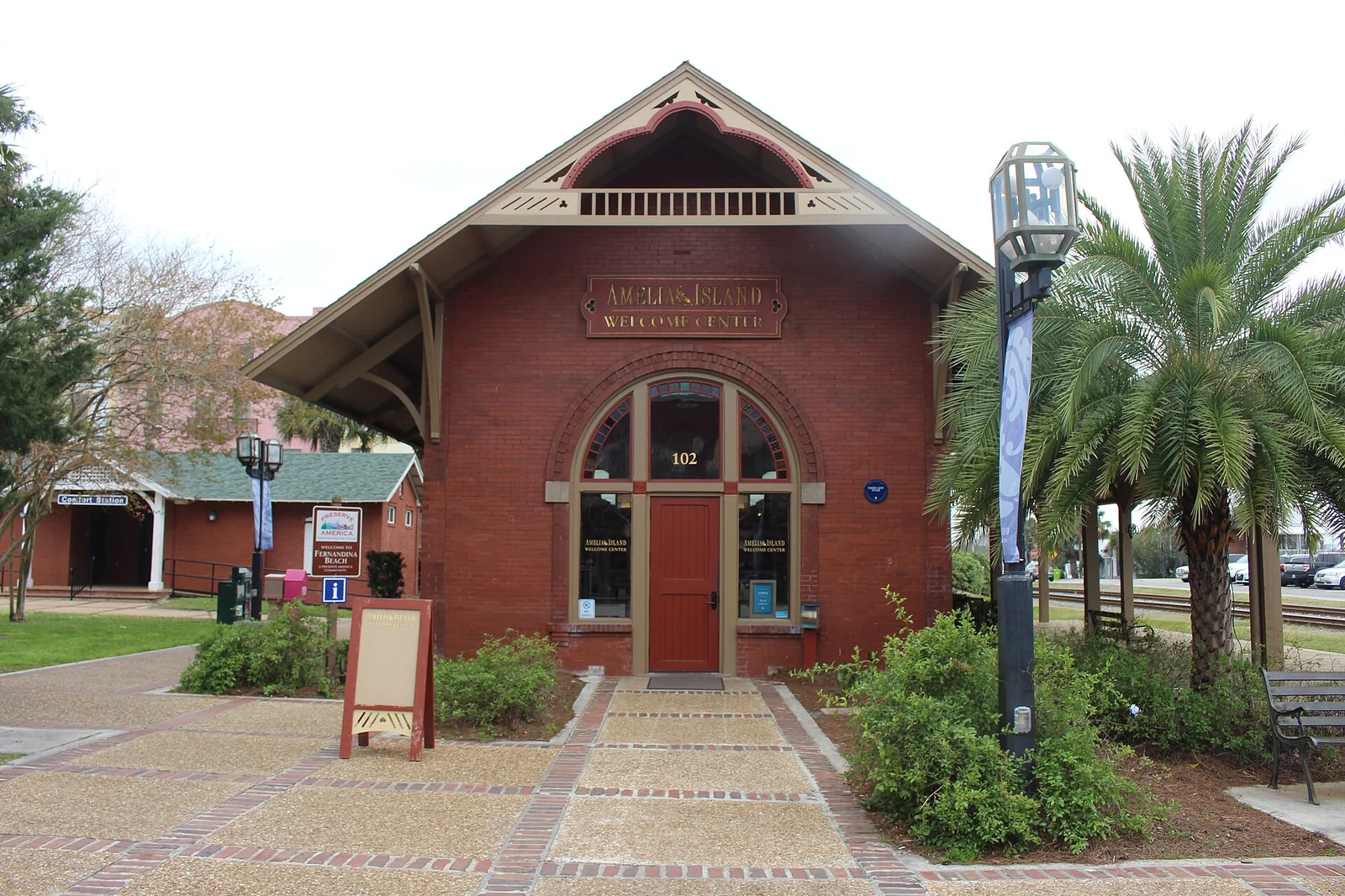
Photography via Wikimedia Commons (images resized and cropped): Amelia Island Welcome Center by Michael Rivera (CC BY-SA 4.0) · Fort Clinch, Florida, U.S. - Cannons by Bubba73 (Jud McCranie) (CC BY-SA 4.0) · Fort Clinch State Park, Florida, US (77) by bubba73 (CC BY-SA 3.0) · Fort Clinch, Florida, U.S - wall facing Cumberland Sound by Bubba73 (Jud McCranie) (CC BY-SA 4.0) · Fort Clinch State Park, Florida, US by bubba73 (CC BY-SA 3.0) · Fernandina Beach FL HD Centre Street pano01 by Ebyabe (CC BY-SA 3.0) · Fernandina Beach FL HD Centre Street03 by Ebyabe (CC BY-SA 3.0).