$255
Avg. Nightly Rate
48%
Avg. Occupancy Rate
$3,400
Avg. Monthly Revenue
7-10%
Est. Cash-on-Cash ROI
MEDIUM
Seasonality
LIGHT
Regulatory Burden

* Market averages. Properties marketed by Cavmir typically exceed these figures by 25–45%. Data sourced from AirDNA, STR market reports, and Cavmir internal analytics.

The Market

Why Apalachicola is One of the World's Premier STR Markets

Apalachicola sits where its river meets the bay on the Florida panhandle, on the stretch of coast that markets itself as the Forgotten Coast and mostly deserves the name. There are no high-rises. The town is a few hundred blocks of nineteenth-century brick warehouses, tin-roofed houses and a working waterfront, with one of the largest concentrations of historic structures in the state. Across the bay, St. George Island runs twenty-odd miles with a state park at the east end and no traffic lights anywhere on it. This was a cotton port in the 1830s and an oyster town for the century after that, and the identity of the place is still tied to the water in a way that most of Florida's coast gave up decades ago. The rental market is historic houses in town, beach houses on St. George, and cottages scattered around Eastpoint and Carrabelle. Regulation is light by Florida standards and demand is drive-to from Georgia, Alabama and the Florida interior.

This is a quieter, cheaper and more loyal market than the beach towns two hours west, and those three things shape everything. Guests here are people who deliberately chose not to go to Destin or Panama City, which means they are looking for a specific thing — quiet, water, seafood, a beach without a wall of condos behind it — and they come back. Repeat rates in this market are high and word of mouth matters more than in a resort town. The season runs from March through October with a spring peak, a busy summer and a genuinely strong autumn; November brings the seafood festival, which fills the county. Winter is soft but supported by snowbirds who take longer stays at lower rates, which is a product worth building rather than an inconvenience. The oyster story is important context: the bay's wild harvest was closed by the state to let the reefs recover, and that closure and its timeline have been a live local issue ever since. Seafood is still central to the town's identity and its restaurants, but an owner writing copy about oysters should check the current status rather than assume. On the supply side, inventory has grown but the market has not been overbuilt in the way the panhandle's resort corridors have.

Top Attractions & Landmarks

  • St. George Island State Park at the east end of the island
  • The historic waterfront and brick warehouses on Water Street
  • Apalachicola Bay and the working shrimp and oyster boats
  • The John Gorrie Museum State Park in town
  • The Cape St. George Light on St. George Island
  • Paddling and fishing the Apalachicola River delta
  • The Florida Seafood Festival each November

Nearby Markets: 30A  |  Panama City Beach  |  Destin

Airbnb marketing services in Apalachicola, Florida, USA
Postcards

Apalachicola through the lens

A few of the visual fingerprints we lean into when we shoot, brand and market a Apalachicola property — courtesy of the open Wikimedia Commons archive.

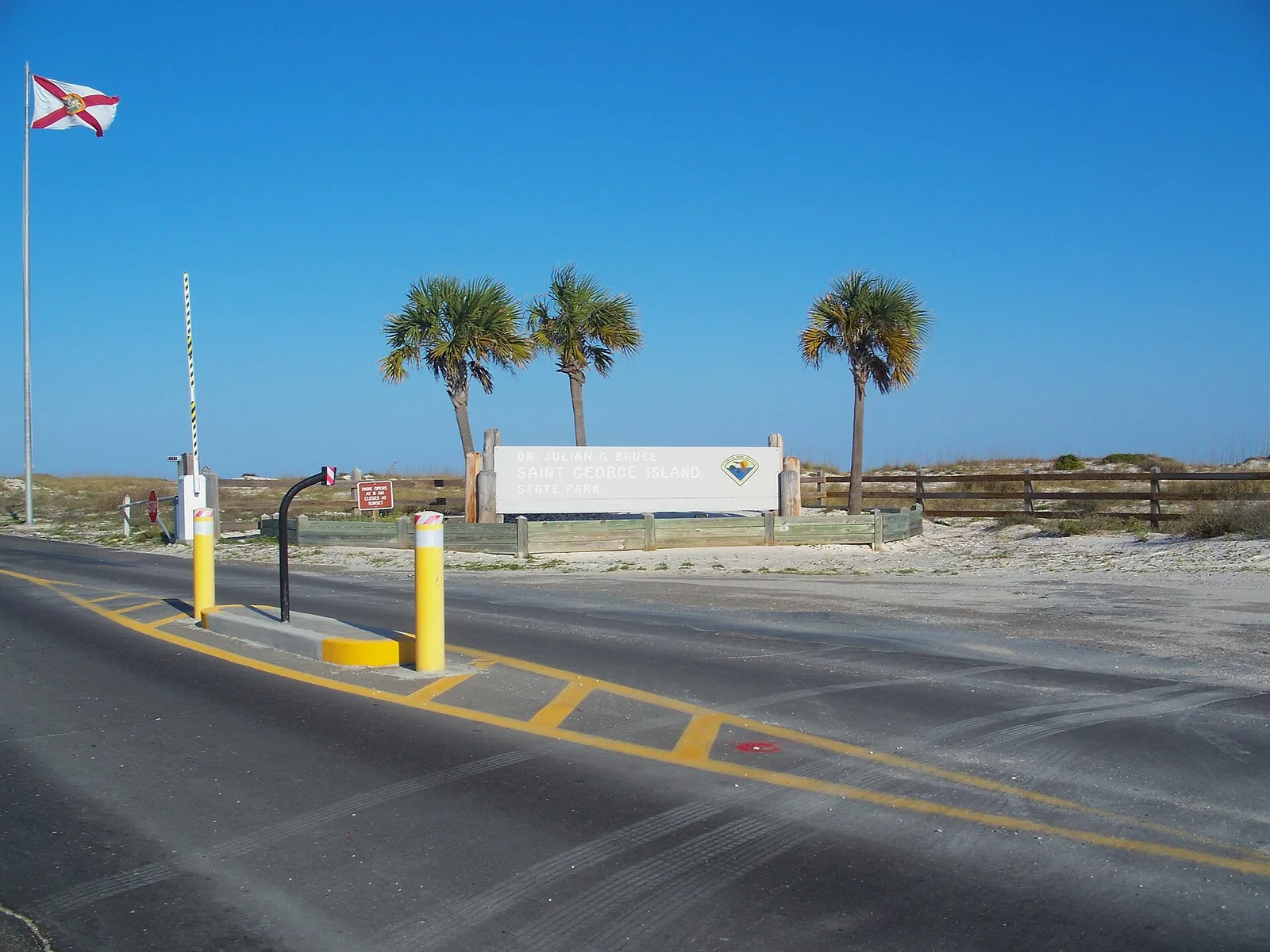
07 11 24 StGeoPk2 — Apalachicola airbnb marketing
Local Color
Apalachicola Local Landmark
PC St George Island SP entr02 — Apalachicola airbnb marketing
Local Color
PC St George Island SP
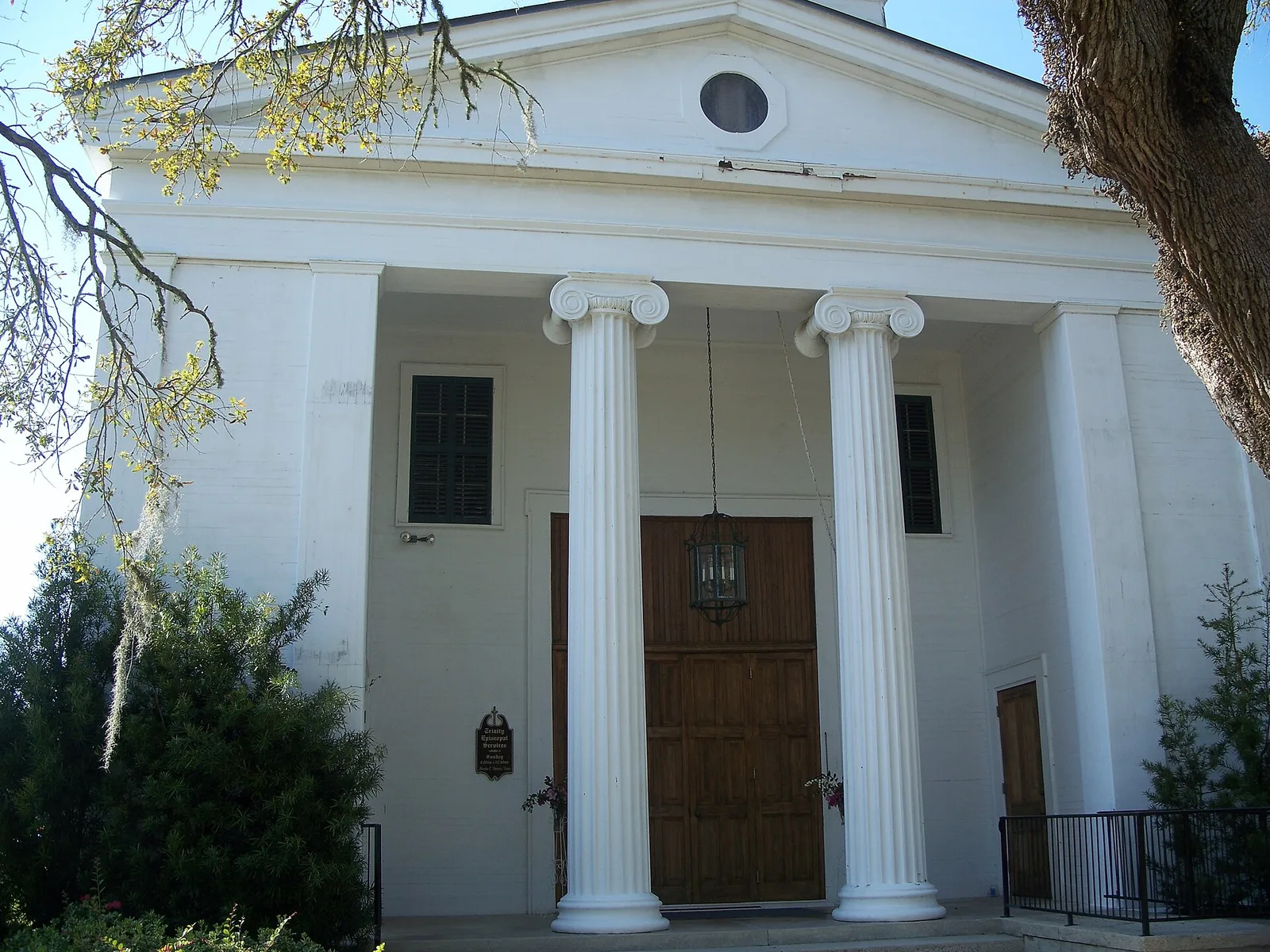
Trinityepiscapalachicola01 — Apalachicola airbnb marketing
Local Color
Apalachicola Local Landmark
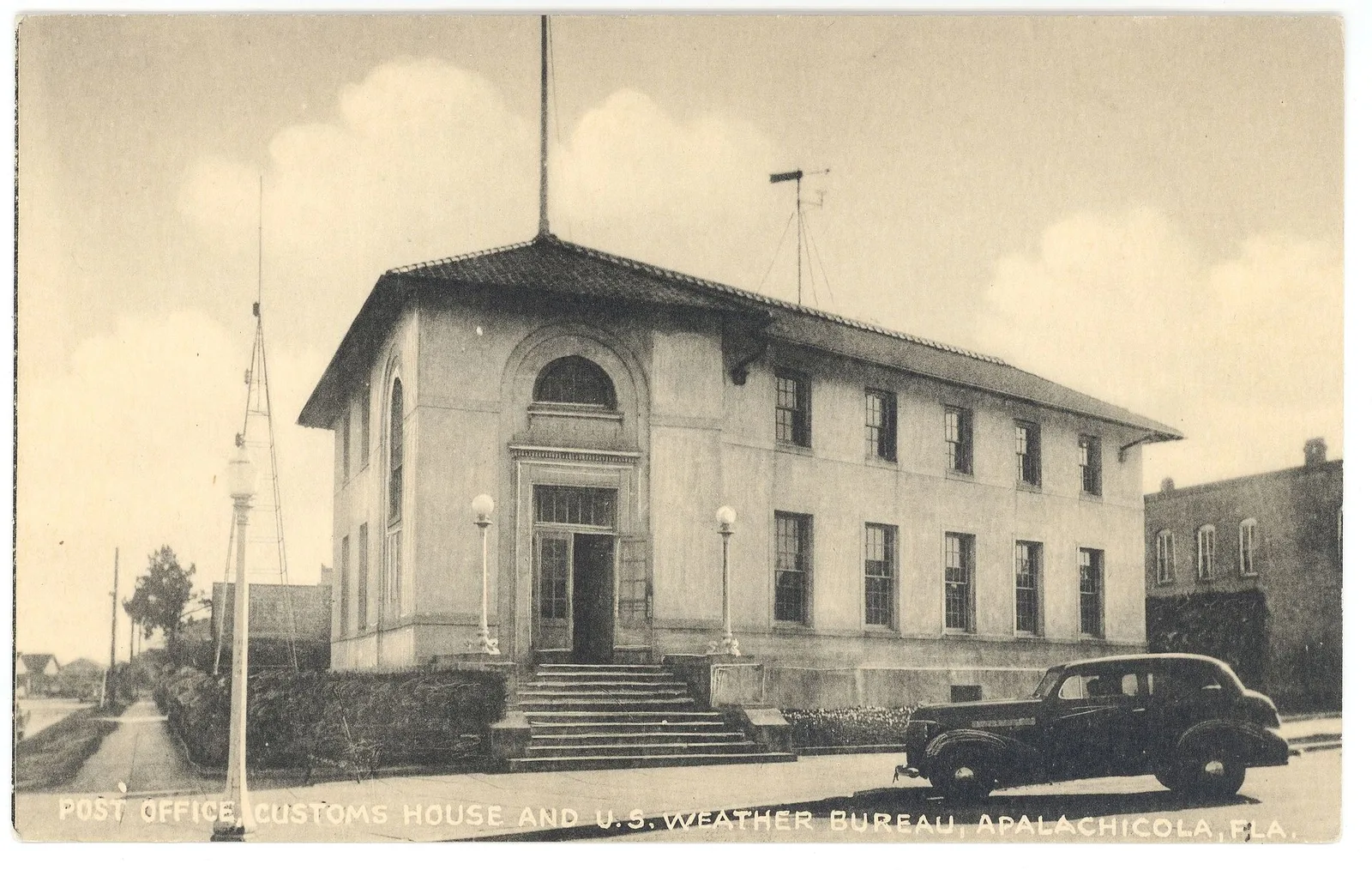
Wea01364 Flickr NOAA Photo Library — Apalachicola airbnb marketing
Local Color
Wea01364 Flickr NOAA Photo Library
Why Cavmir

The Cavmir Advantage
in Apalachicola

Cavmir markets Apalachicola and St. George Island properties to the guest who is choosing this coast on purpose. We photograph the house, the porch, the water and the light, and we shoot the beach the way it actually looks at seven in the evening rather than at noon. We write copy that names the town — the brick warehouses on Water Street, the drive over the bridge, the state park at the end of the island, the oyster house history — because a guest choosing the Forgotten Coast over Destin wants to be told exactly what they are getting. We build the direct-booking website, get it ranking for the St. George Island and Forgotten Coast searches, and set up the email list that turns a high repeat rate into actual direct bookings instead of platform bookings you pay a commission on twice. We build a real winter product for longer stays instead of leaving four months empty. We handle the state licensing and tax questions as part of setup. We help position and market your property. We never manage it or touch your keys.

State of the Industry · History

The Apalachicola STR Market — Past & Present

Apalachicola was a cotton port before it was an oyster town. In the 1830s and 1840s it was one of the busiest ports on the Gulf, with cotton coming down the river from Georgia and Alabama and going out to Europe, and the brick warehouses along Water Street were built for that trade. The railroads eventually took the cotton elsewhere, and what the town had left was the water. Sponges for a while, then timber, then oysters — and oysters became the identity. Apalachicola Bay is shallow, brackish and fed by one of the largest river systems in the Southeast, and for a century it produced a very large share of Florida's oysters and shipped them across the country under this town's name.

That fishery collapsed. Reduced freshwater flow from upstream, drought, and the aftermath of the 2010 Gulf oil spill combined to devastate the reefs, and in 2020 the state closed Apalachicola Bay to wild oyster harvest entirely to give the reefs a chance to rebuild. The closure ran five years. In late 2025 the Florida Fish and Wildlife Conservation Commission voted to reopen the bay under a tightly managed framework, and harvesting resumed on 1 January 2026 for a limited season through the end of February, with the following season set to run from October 2026 through February 2027. Harvest is restricted to reefs meeting a minimum density threshold, capped at a small percentage of available oysters, and limited to permit holders. It is a genuine, cautious restart rather than a return to the old days, and the town has been waiting a long time for it.

What kept Apalachicola going through all of that was its historic fabric and the coast around it. The town never got the high-rise treatment. Several hundred historic structures survive, the Apalachicola Bay area is designated an area of critical state concern, and St. George Island across the bay has a state park at one end and no traffic light anywhere on it. That combination — a real town with a real waterfront, and a barrier island with almost nothing on it — is what the visitor economy runs on now.

Pricing Strategy & Seasonality

Pricing, Seasonality & When to Capture ROI

Pricing Strategy

This is a lower-rate, higher-loyalty market than the panhandle resort corridors, and pricing should lean on the loyalty. Spring is the strongest run: March through May has the best weather of the year, the water is warming and the crowds elsewhere on the coast have not arrived. Summer is busy and family-driven, particularly on St. George Island, with weekly bookings the norm for beach houses. Autumn is genuinely good and under-sold — September and October have warm water and empty beaches — and November brings the seafood festival, which fills the county for a weekend. Winter is the interesting one. This coast gets snowbirds who will take a month or six weeks at a much lower nightly rate, and an owner who builds a proper long-stay winter product converts four dead months into a meaningful revenue line. Most owners here do not, and simply sit empty from December to February. The practical structure is weekly rates for summer on the island, nightly rates with weekend minimums in spring and autumn, an event rate for the festival weekend, and an explicit monthly winter rate marketed to the snowbird audience rather than left to chance.

Seasonality & ROI Windows

Long shoulders, moderate peak. Spring from March through May is the best combination of weather and demand. Summer is the volume peak, especially on St. George Island, though the heat and afternoon storms are real. September and October are excellent and quiet, and the water stays warm well into autumn. November has the seafood festival weekend and then quietens. December through February is soft, and is best addressed with long-stay winter pricing rather than empty nights at a hopeful rate. Hurricane season runs June through November and does affect booking behaviour, particularly late-season cancellations, which is worth building into your policies rather than handling case by case.

Regulation & Licensing · 2026

What the Law Requires in Apalachicola

Florida is a state-preemption environment and that shapes everything here. State law limits how far local governments may go in regulating vacation rentals — in particular, local rules that prohibit vacation rentals outright or regulate their duration or frequency of rental are preempted, with an exception for ordinances that were already in place before the statutory cutoff in 2011. Local governments retain authority over things that apply generally, such as noise, parking, building and life-safety codes, and they may operate certain registration programmes within the limits state law allows. The practical result for Franklin County and the City of Apalachicola is a lighter regulatory environment than you would find in a comparable coastal town in South Carolina or Georgia. That is a real advantage, and it is one of the reasons this market is worth a look.

Light does not mean absent. At the state level, a property rented to transient guests generally requires a vacation rental licence from the Florida Department of Business and Professional Regulation, and you should confirm which licence classification applies to your property — the categories differ between a single dwelling and a group of units. You will also need a Florida sales tax registration. On tax, Florida sales tax applies to transient rentals, and Franklin County levies a tourist development tax on transient rental transactions, which increased from two percent to three percent effective 1 July 2021. Franklin County is one of the counties where the tourist development tax is administered by the Florida Department of Revenue rather than by a county tax collector, so your filing goes to the state. Confirm the current rate and the correct filing channel before your first return.

One local specific worth knowing: the Apalachicola Bay area is designated an area of critical state concern, which adds a layer of state oversight to land use and development in the area. That matters more to renovation and construction plans than to day-to-day operation, but it is worth understanding before you buy something you intend to change substantially.

Market-Specific Tips & Challenges

Local Tips & Unique Market Challenges

Tips That Actually Move Revenue in Apalachicola

Sell the absence of things. The guest choosing Apalachicola over Destin is choosing no high-rises, no traffic and no crowd, and the listing should say that in plain language rather than trying to sound like a resort. Name what is not here. Second, split your two products properly. A historic house in town and a beach house on St. George Island are different holidays for different people, and the copy, the photography and the guest guide should reflect which one you have. Third, shoot the beach at the end of the day. St. George faces south into the Gulf and the evening light is the best asset on this coast; midday photographs make white sand look flat and grey. Fourth, use the oyster story carefully but do use it. The bay reopened to limited harvest in 2026 after a five-year closure, and that is a genuinely interesting piece of news that guests find compelling — just describe the current, limited season accurately rather than implying the old abundance is back. Fifth, build the winter long-stay product deliberately. Snowbirds on this coast exist, they book directly and early, and four filled months at a monthly rate beats four empty ones. Sixth, be straight about hurricane season in your cancellation policy and say so up front. Guests booking September on the Gulf appreciate clarity far more than they appreciate optimism.

Unique Apalachicola Challenges

Distance is the main one. This coast is a long drive from anywhere and it has no major airport nearby, which keeps rates lower and the guest pool smaller than the resort corridors to the west. Hurricane exposure is real and affects insurance, cancellations and occasionally the whole season. The oyster fishery's collapse hit the local economy hard and its restart is deliberately limited, so the town's underlying economics remain fragile. And the market's low rates mean margins depend on filling more of the calendar rather than charging more per night, which puts the burden squarely on shoulder and winter marketing.

Air conditioning was invented here
Dr. John Gorrie was a physician in Apalachicola in the 1840s, treating yellow fever patients, and he became convinced that cooling the air would help them. He built a machine that made ice using compression, and in 1851 he received a United States patent for it — the foundational patent behind mechanical refrigeration and, downstream from it, air conditioning. He died without commercial success and his backer's death ended the venture, but the principle was his. There is a state museum in town dedicated to him with a replica of the machine, and Florida's statue of Gorrie stands in the National Statuary Hall Collection in Washington. It takes a guest half an hour, it is genuinely remarkable, and it is a far better rainy-day answer than most beach towns can offer.
Finance Essentials — Apalachicola
🛡️

Insurance

The Gulf coast of Florida is one of the harder insurance markets in the country and this is where a purchase here succeeds or fails financially. Start with a dedicated short-term rental policy carrying real liability limits, then treat wind and flood as separate, major line items rather than details. Windstorm coverage typically carries a separate percentage deductible; on a beach house that number can be very large, and you should know it precisely before hurricane season. Flood insurance is separate again and essential on a barrier island and along the bay; obtain the current flood-zone determination and, for elevated construction, an elevation certificate, since elevation substantially affects the premium. Read the loss-of-rental-income provision closely, including its treatment of mandatory evacuation orders, because evacuations here are a normal part of some seasons. Older houses in the historic district bring wiring, roof and moisture questions in a subtropical climate. Declare docks, pools, hot tubs and any watercraft you provide. Get guest injury and guest property damage confirmed in the policy language.

🧾

Property & Income Tax

Florida sales tax applies to transient rental transactions. Franklin County levies a tourist development tax on those transactions, which increased from two percent to three percent effective 1 July 2021, and Franklin is one of the counties where that tax is administered by the Florida Department of Revenue rather than a local tax collector — so your tourist development tax filing goes to the state alongside your sales tax. You will also need the appropriate Florida vacation rental licence from the Department of Business and Professional Regulation before renting to transient guests. Booking platforms remit portions of these taxes on the reservations they process; direct bookings are your obligation, and since this is a market with high repeat rates and strong direct-booking potential, that is not a small share of your revenue. Register and set the filing calendar before you start marketing direct. Your accountant should confirm the current rates and how personal use and rental days interact for your ownership structure.

🏦

Mortgages & Financing

The financing conversation on this coast is dominated by insurance. Wind and flood premiums on a St. George Island beach house or a low-lying bayfront property can be large enough to change whether a deal works at all, and they change a lender's debt-to-income calculation, so get real quotes on the specific address before you go far. Elevation and construction type matter enormously: a modern elevated stilt house on the island and an older ground-level house in town will price very differently for insurance and may appraise differently too. Historic-district properties in town bring old-building inspection items and, in an area of critical state concern, additional review for substantial renovation. Second-home lending is cheaper than investment-property lending and the intended-use question matters. Debt-service-coverage products are available for buyers scaling past one property. Whatever the route, model this market on filling more of the year rather than on high nightly rates, and build a realistic hurricane-season allowance into the numbers.

Future Outlook · 2027 & Beyond

Where Apalachicola is Headed Next

The single most important local development is the oyster restart. The bay reopened to limited, tightly managed harvest on 1 January 2026 after a five-year closure, with the following season running from October 2026 through February 2027 under strict reef-density thresholds and harvest caps. If the reefs continue to recover, the town's identity, its restaurants and its story all strengthen with it, and that is genuinely good for the visitor economy. The second thread is water — both the freshwater flow from upstream that determines the bay's health, which has been litigated for decades, and the storm and sea-level exposure that shapes insurance costs. The third is the coast's slow discovery. As the resort corridors west of here get more expensive and more crowded, the Forgotten Coast keeps picking up travellers who want the opposite. That is a favourable trend, but it is also the thing that eventually brings development pressure. Owners who build a direct guest relationship, work the shoulder and winter seasons, and keep their licensing and insurance in order will be positioned for either version of the future.

From the Desk of Sofie Sinag

Why We Love Marketing in Apalachicola

Apalachicola is what the Florida coast looked like before it was developed, and it is still like that for a genuinely simple reason: nobody built anything tall. The town is a grid of tin-roofed houses and nineteenth-century brick warehouses on a working waterfront, with shrimp boats tied up and a bridge going out over the bay. There are several hundred historic structures in a town of a couple of thousand people. Across the water, St. George Island runs more than twenty miles with a state park on the east end, dunes, and no traffic lights, which means the beach is quiet even in July if you drive far enough. The oysters that made this town famous were gone for five years while the state closed the bay to let the reefs rebuild, and they came back to a limited season in January 2026 — which is the sort of thing that tells you how seriously this place takes its water. What we like about marketing here is the clarity of the pitch. This is not a place you sell with adjectives. You sell it by listing what is absent: no high-rises, no traffic, no chain restaurants on the beach, no crowd. The guests who want that want it badly, they come back every year, and they tell their friends. A market with that kind of loyalty and that little marketing sophistication is exactly where a direct-booking strategy pays for itself fastest.

Why It Matters

A great property in Apalachicola doesn't just want a listing — it wants a point of view, an audience, and a brand the city itself would recognise.

Cavmir's Apalachicola Cheat Sheet

The Picks We Recommend for Your Welcome Book

Eight things for the guest guide. Names, distances, honest answers — this coast rewards specificity.

Coffee & First Light

The waterfront on Water Street at dawn

Walk down past the old brick warehouses to where the boats tie up, early, before the heat. The river and the bay come together right there and it is the best ten minutes of the day.

The Table Worth Booking

A seafood dinner in town

The restaurant count is small and the good ones fill on spring and festival weekends. Tell guests to reserve early and to ask what came in that day rather than ordering off habit.

Local Obsession

Apalachicola oysters

The bay was closed for five years and reopened to a limited, managed season in 2026. Explain the story honestly in your guide — guests find it genuinely interesting and it changes how they eat here.

Rainy Day

The John Gorrie Museum State Park

Half an hour in town on the physician who patented an ice-making machine here in 1851 and effectively invented mechanical refrigeration. Small, odd and much better than it sounds.

Shoulder Season Secret

St. George Island in late September

Warm water, empty sand, no summer crowd and the light at its best. It is the finest fortnight on this coast and the rates are still set as if the season were over.

Weekend Escape

The state park at the east end of the island

Drive to the end of St. George Island and the state park has dunes, pine forest and a beach with almost nobody on it. Take water — there is nothing out there, which is the point.

The View

The bridge over the bay at sunset

Coming back from the island in the evening with the water on both sides going orange is the photograph everyone takes. Pull off at the end and watch it properly.

What Guests Ask For

What to do when a storm is coming

State your cancellation and evacuation policy in plain language before they book. On this coast guests respect clarity far more than optimism, and it prevents the worst conversation of the season.

Local Work · Composite Case Vignettes

What Cavmir Has Done for Apalachicola Properties

A few composite engagements, drawn from how Cavmir typically works with owners on a quiet, loyal, low-regulation coast. Illustrative rather than a specific client's file.

Historic house in town · two blocks off the water
The Brief

Marketed as a beach rental despite being a town property, so guests arrived expecting sand outside the door and reviewed it accordingly.

What We Did

Repositioned entirely around the historic town, the waterfront and the food, with the island framed honestly as a short drive, and built landing content aimed at the guest choosing this coast over the resort corridors.

The Result

Guest expectations matched the property, reviews improved, and the house started attracting couples and food-driven travellers rather than families looking for a beach house.

Beach house · St. George Island, summer-only calendar
The Brief

Full in July and empty from November through February, with the owner treating four months as unavoidable dead time.

What We Did

Built an explicit monthly winter rate and marketed it to the snowbird audience directly, with photography showing the island in winter light and copy about long, quiet stays rather than beach holidays.

The Result

Winter months began producing revenue at a monthly rate instead of sitting empty, without any change to the strong summer business.

Owner with a town cottage and an island house
The Brief

High repeat-guest loyalty, with every one of those returning guests rebooking through a platform and costing commission on business already earned.

What We Did

Built one owner-branded direct-booking site covering both properties, captured the existing guest list, and set up a seasonal email inviting past guests to rebook before dates went public.

The Result

A growing share of returning guests moved to direct booking, and cross-referral between the two properties retained enquiries that would previously have been lost to blocked dates.

Market Intelligence · Seasonality

Airbnb seasonality in Apalachicola, month by month

Demand in Apalachicola peaks around April, May and July and runs quietest around January and December. Here is how the year actually books — and what to do about each stretch of the calendar.

Peak demandSteadyQuiet

Peak season

Spring from March through May is the best combination of weather and demand, and July is the volume peak on St. George Island as family holiday travel lands. Hold rates through those windows and set weekly minimums for summer beach houses. The seafood festival weekend in November fills the county and deserves its own rate.

The shoulders

September and October are quietly the best time to be here — warm water, empty sand, good light — and they are priced as if the season had ended. Market them to last summer's guests directly. Late winter and early spring reward a long-stay product aimed at travellers moving along the Gulf.

The quiet stretch

December through February is soft. Build an explicit monthly rate and market it to snowbirds rather than sitting empty at a nightly price nobody will pay. Use the window for maintenance, exterior work and a spring reshoot.

Dates that fill first

Florida Seafood FestivalNovember
A long-running festival that fills Franklin County for a weekend and is the single most predictable sell-out of the year.
Summer beach weeks on St. George IslandJune through August
Weekly family bookings that carry the volume peak, with July strongest.
Spring fishing and paddling seasonMarch through May
The best weather of the year and the strongest demand from drive markets to the north.
Apalachicola Bay oyster seasonautumn and winter
The bay reopened to a limited managed harvest in 2026 after a long closure; the story draws food travellers to a quiet part of the calendar.
Holiday weekendsMay, July and September
Memorial Day, Independence Day and Labor Day are dependable across the county.
Market Intelligence · Guests

Who books Apalachicola Airbnbs — and how far ahead

Anti-resort beach families
People who deliberately chose this coast over Destin or Panama City. Week-long summer stays and very high repeat rates.
Food and history travellers
Couples drawn by the historic town, the working waterfront and the seafood, taking shorter stays year round.
Anglers and paddlers
Bay, river and offshore fishing visitors who travel in shoulder months and book on water access.
Winter long-stay snowbirds
Travellers taking a month or more at a lower nightly rate in the coldest months, booking directly and early.

The booking window

Summer island weeks book from late winter and repeat families rebook a year ahead. The seafood festival weekend fills months out. Spring and autumn run on a three to six week window. Winter long stays are usually arranged well in advance by returning guests.

Typical stays

Weekly stays dominate on the island in summer. Town properties run shorter, two and three nights, through most of the year. Winter is where the long-stay product lives and it is the most under-developed part of the market.

Where guests drive from

TallahasseeAtlantaBirminghamMontgomeryDothanJacksonville

Where guests fly from

TallahasseePanama CityAtlanta
This is a drive market from Georgia, Alabama and the Florida interior with no significant airport nearby. Concentrate spend on Atlanta, Birmingham and Tallahassee, and lean on repeat guests, who are a larger share here than in most coastal markets.
Market Intelligence · What Wins

The Airbnb that wins in Apalachicola

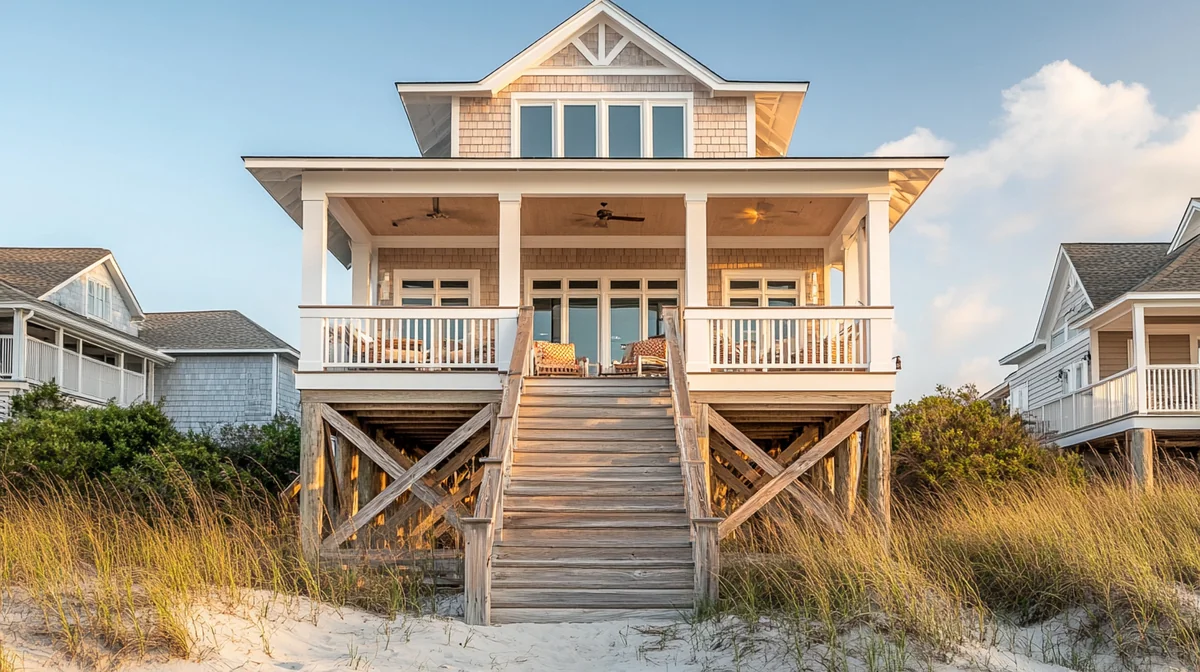
Beach houses on St. George Island sleeping eight or more, elevated, with a screened porch and an outdoor shower, are the summer product. In town, a restored historic house within walking distance of Water Street is a different and equally strong product for couples and food travellers. Bayfront and river properties suit the fishing audience if the water access is real and shown.

Amenities that move bookings here

screened porchoutdoor showerelevated deck with a viewbeach gearfast wifiwasher and dryerdog friendly
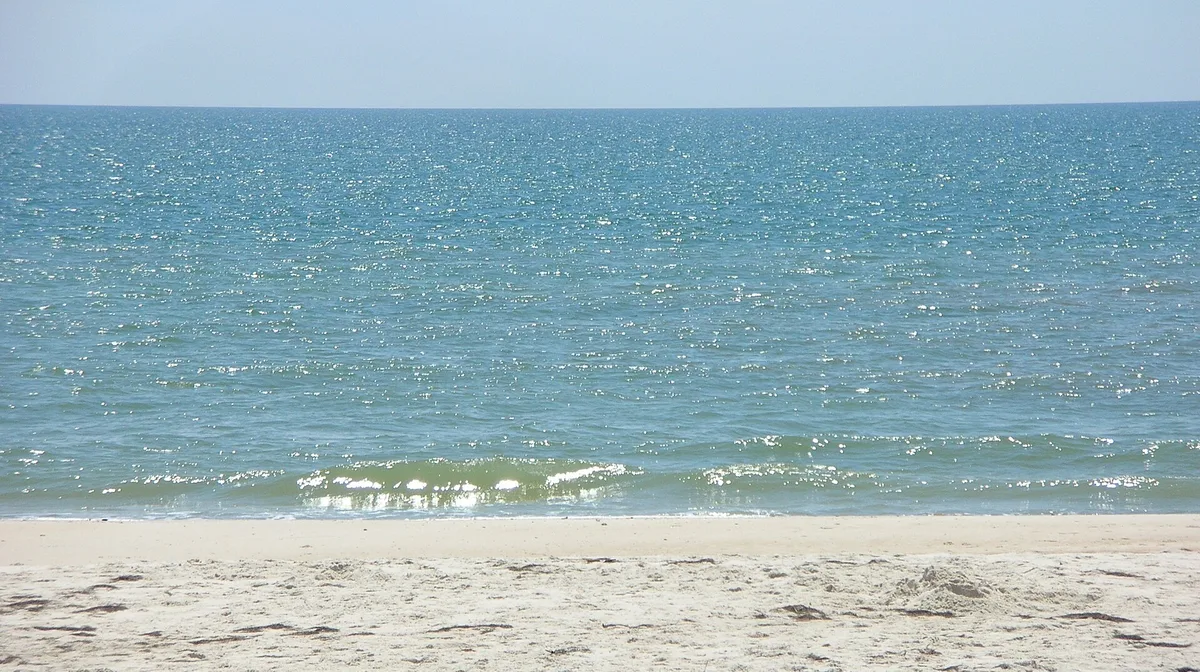
Shoot the beach in the last hour of light. White sand at midday photographs flat and grey, and this coast's whole advantage is that it looks like the Gulf before the towers arrived.
Straight Answers

Apalachicola Airbnb marketing questions, answered

How do I market my Airbnb in Apalachicola?

Start with photography that shows what a guest actually gets here, then write the listing around a real itinerary rather than a feature list. Build a direct-booking site so returning guests can come back without going through a platform, and keep an email list segmented by season so you can reach last year's visitors before the calendar opens. Local search matters more than people expect in a market this size, because guests search the destination and the attraction rather than the word rental. A marketing agency layer handles the photography, the listing copy, the direct-booking site and the local SEO as one system instead of four disconnected jobs.

When is peak season for Apalachicola Airbnbs?

Spring from March through May is the best weather and strong demand, and July is the volume peak on St. George Island. September and October are excellent and quiet, with warm water and empty beaches. November brings the seafood festival, which fills the county for a weekend, and December through February is the soft stretch.

How far in advance do guests book Apalachicola Airbnbs?

Summer island weeks book from late winter, and repeat families often rebook a year ahead. The seafood festival weekend fills months out. Spring and autumn run on a three to six week window. Winter long stays are usually arranged well ahead by returning snowbirds, which makes an email list unusually valuable here.

Where do most Apalachicola Airbnb guests come from?

Almost entirely drive markets: Tallahassee, Atlanta, Birmingham, Montgomery, Dothan and Jacksonville. There is no major airport nearby, which keeps the visitor pool smaller and the loyalty higher. People who like this coast come back annually, so repeat and referral traffic is a larger share of the business than in the resort corridors to the west.

What amenities matter most for a Apalachicola Airbnb?

A screened porch, an outdoor shower and an elevated deck with a real view carry the island houses, along with beach gear that saves a family packing it. In town, walkability to Water Street and the waterfront matters most. Being genuinely dog friendly opens a segment this coast attracts naturally, and reliable wifi matters more than people expect for the winter long-stay guest.

Free Tools · Websites That Book

See what your listing in Apalachicola is leaving on the table

Run your Airbnb, Vrbo, or website through Cavmir's free grader. It checks the things that decide whether guests book in Apalachicola — photos, listing copy, page speed, local search — and shows you where bookings leak. Takes about a minute, and there's no sales call attached.

If the report says your booking engine is the weak link, that's fixable: a direct-booking website of your own means repeat guests stop paying platform fees to come back to you. That's the work Cavmir does — see Airbnb website design in Apalachicola.

What the grader measures

  • Photos and the first-impression frame
  • Listing title and copy
  • Your direct-booking website (or the lack of one)
  • Page speed and mobile experience
  • Local search and Google visibility
Grade My Listing — Free
By The Numbers · July 2026
36
Current licenses on file in Apalachicola
50,295
Records statewide in Florida
142
Rank among Florida's tracked markets

Counted from the Florida DBPR vacation rental license file, deduplicated by permit number — real registry data, not an estimate. See the full Florida permit data →

Straight Answers

The Apalachicola market, counted

How many licensed short-term rentals are in Apalachicola?

As of July 2026, the Florida DBPR vacation rental license file shows 36 current licenses on file in Apalachicola. A license is not always one listing — some licenses cover multiple units — so treat this as a verified floor for the size of the legal market.

How competitive is Apalachicola for short-term rental owners?

Apalachicola ranks number 142 of Florida's tracked markets by records on file, holding about 0% of the 50,295 records we compiled for Florida. Every one of those operators shows up in the same searches your guests use — which is why presentation, photography, and a direct-booking path decide who gets seen.

Who tracks short-term rental licensing in Apalachicola?

The number above comes from the Florida DBPR vacation rental license file, an official public source, pulled and deduplicated in July 2026. Rules and requirements change — always confirm current licensing requirements with the program directly before you buy or list.

Ready to Grow in Apalachicola?

Let's Put Your Apalachicola
Property on the Map

Talk to Cavmir today. We'll show you exactly what your Apalachicola property is leaving on the table — and how fast we can change that.

Book a Free Strategy Call