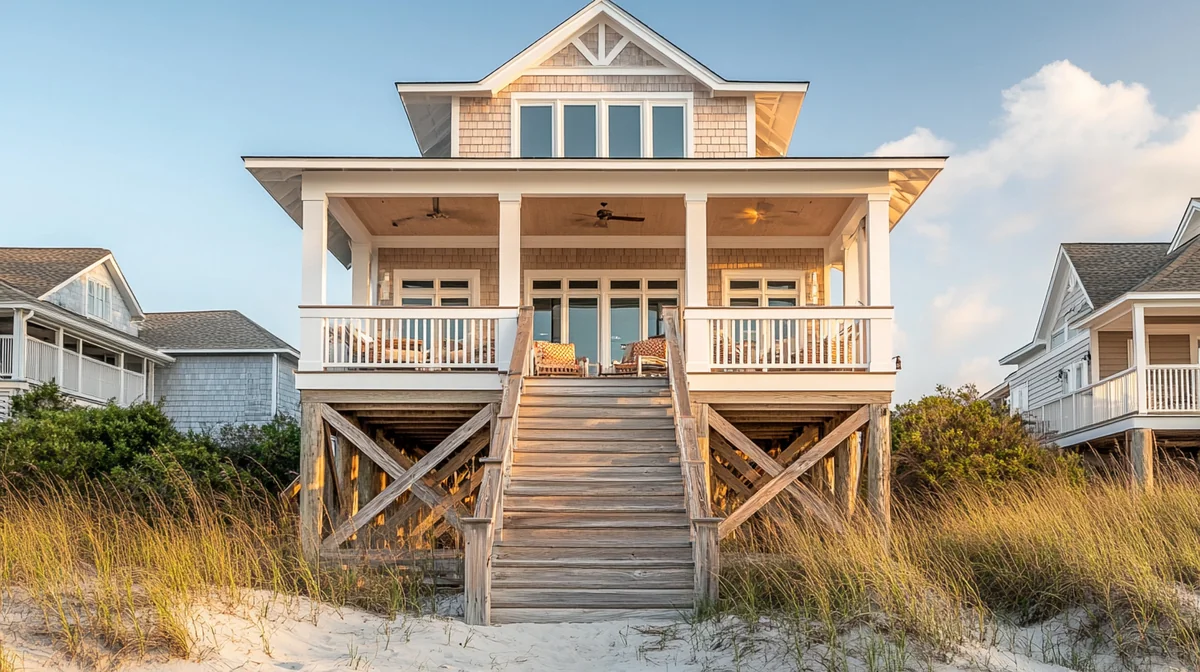


Morning
The village by cart, early
Coffee in the village before the day warms, then the cart south under the banyans to the lighthouse. The island's rhythm reveals itself before nine — tell guests to start there.

Expert short-term rental marketing for Gasparilla Island — village cottages, golf-cart streets and Gulf-front estates in one of Florida's last old-money beach towns.
Sixteen services, one team. Everything below is built in-house and scoped to your property and market. Most owners start with the 12-Step System.
Every engagement is quoted to your portfolio. These are the ready-made scopes owners pick most — our Fall Special (55% off list) is already applied. A clear proposal within 48 hours.
The work is public. Selected engagements and what changed — and reviews from the owners and managers behind them.
* Market averages. Properties marketed by Cavmir typically exceed these figures by 25–45%. Data sourced from AirDNA, STR market reports, and Cavmir internal analytics.
Boca Grande is what Florida beach towns looked like before Florida happened to them. The village at the heart of Gasparilla Island — a seven-mile barrier island reached by a small toll causeway south of Sarasota — runs on golf carts, banyan shade and a social calendar that has changed remarkably little in a century. There are no high-rises, no chain stores, no beach-bar strip; there is a historic downtown of white cottages and a hardware store, the Gasparilla Inn holding court as it has since 1913, and some of the most valuable residential sand on the Gulf coast. The rental market here is small, expensive and ferociously loyal — and marketing that treats it like a normal Florida beach town misses everything that makes it price the way it does.
The island's rental geography is compact but distinct. The village core holds the historic cottages — walkable to the shops, the Temp and the community's daily life, and the most requested product on the island. The Gulf-front streets north and south of downtown carry the estate tier, where beachfront weeks in season transact at numbers that surprise even Naples agents. The bay side offers dockage and sunset-over-water calm; the island's north end runs quieter and more residential; and everything is stitched together by the golf-cart lanes and the bike path down the old railbed. A listing that names its micro-address — village-walkable, Gulf-front, bayside dock — books its actual guest.
Who is that guest? In winter, the island fills with a generational society season — families who have wintered here for decades, their guests, and the overflow from the Inn — and the rental market runs on their rhythm: month-long January stays, repeat February families, wedding parties around the club calendar. In late spring the tarpon season brings an entirely different economy: Boca Grande Pass is the most famous tarpon fishery on earth, and May through July fills the island with anglers, guides and tournament crews who book houses with dockage and rise before dawn. Two markets, two calendars, one island — and the marketing should speak to each in its own language.
Access is deliberately modest — the causeway toll, a forty-five-minute drive from the Fort Myers or Punta Gorda airports, and no through-traffic to anywhere — and the modesty is the moat. Nobody passes through Boca Grande; everyone on the island chose it. That self-selection produces the guest every luxury market wants — early-planning, high-spending, repeat-visiting — and it means visibility on the island's specific search terms, rather than broad Florida-beach advertising, is where the bookings actually live.
Nearby Markets: Naples & Marco Island | Sarasota | Fort Myers & Sanibel
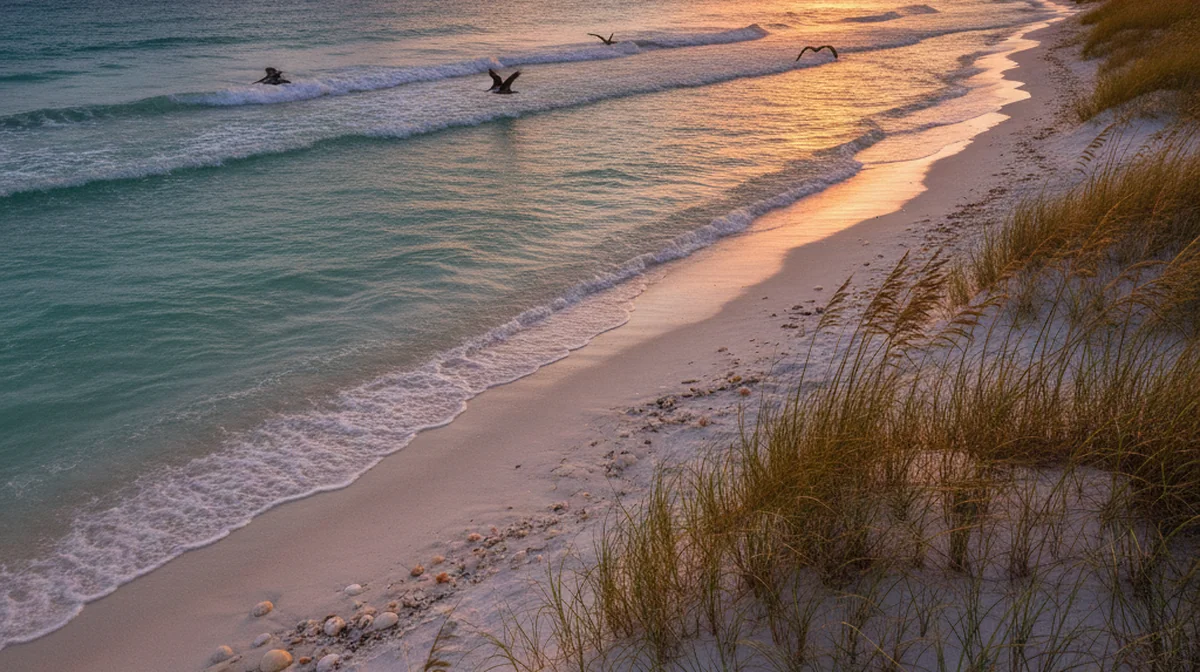
A few of the visual fingerprints we lean into when we shoot, brand and market a Boca Grande property — courtesy of the open Wikimedia Commons archive.
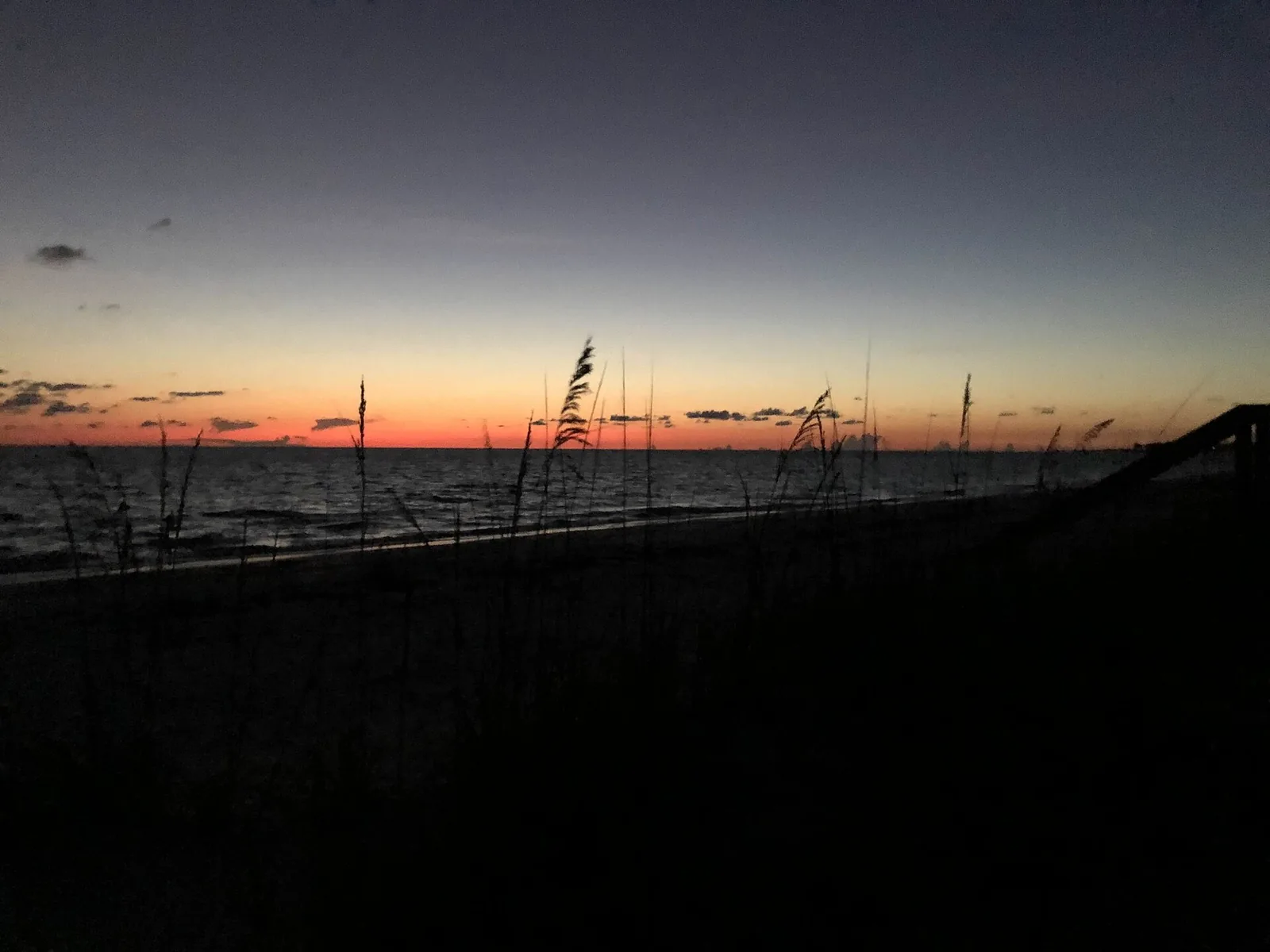

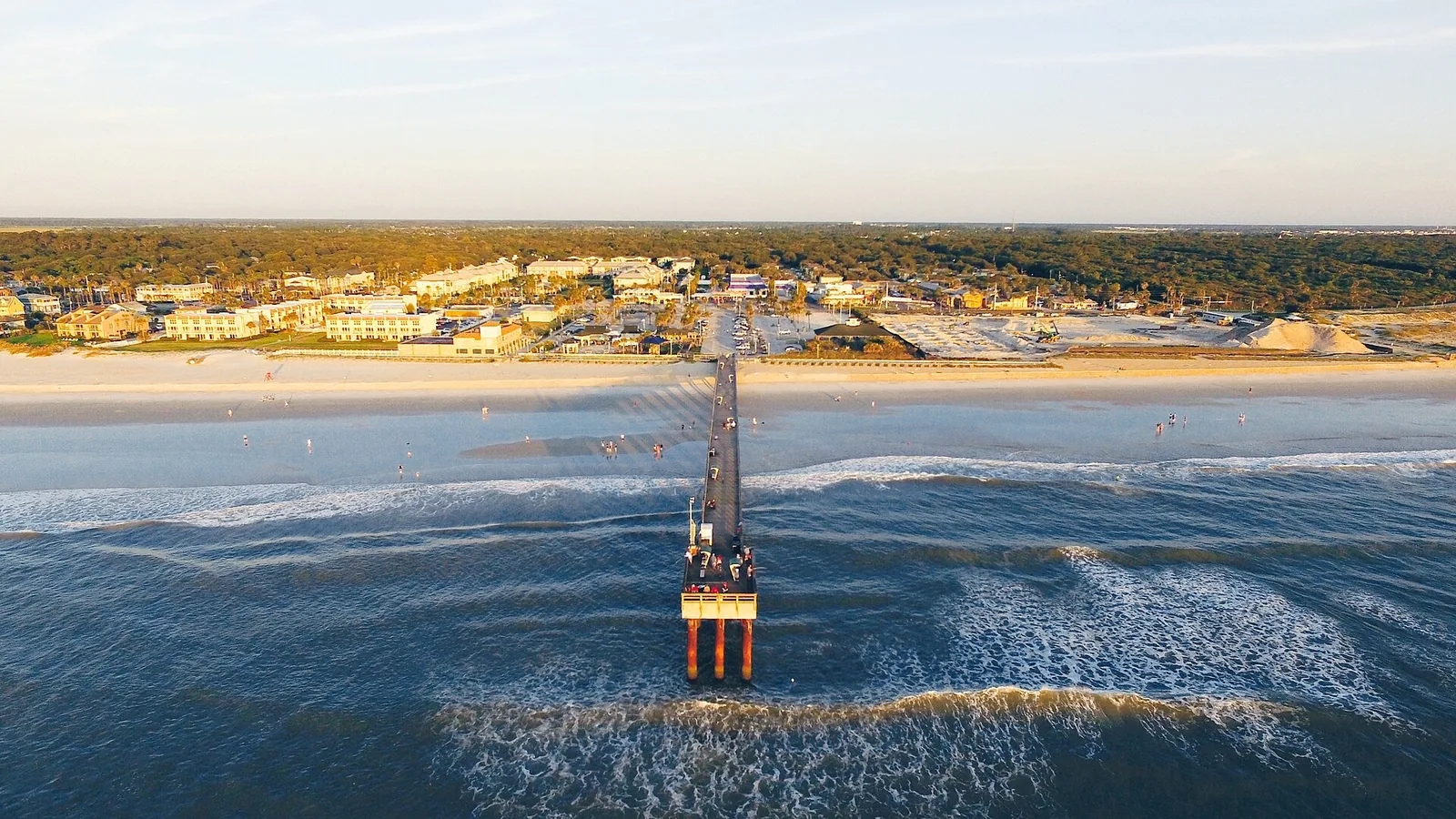
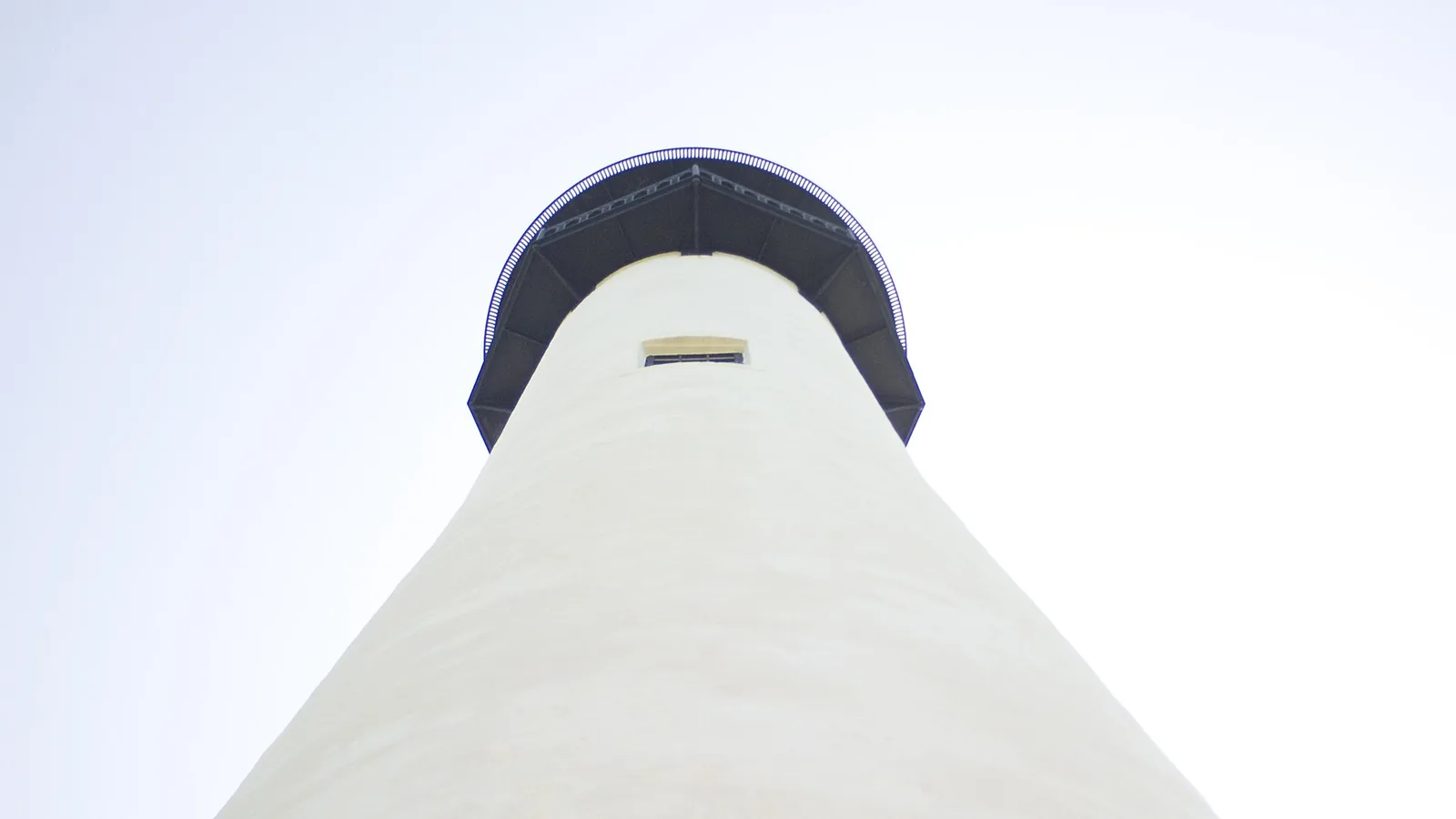
Cavmir markets Boca Grande rentals as the small heritage brands they are — not as interchangeable inventory in a Florida-beach feed. We position your cottage or estate in front of the exact traveler who books Gasparilla Island: the generational winter family, the tarpon-season crew, the wedding party at the Inn — wherever they search.
Boca Grande built a deep-water port to ship phosphate, then quietly became the tarpon capital of the world and an old-money hideaway. Cavmir simply writes the modern chapter.
Boca Grande's improbable story starts with fertilizer. In the late 1800s, phosphate mined up the Peace River was barged to the deep natural pass at Gasparilla Island's southern tip, and a railroad arrived in 1907 to carry it — bringing with it, almost accidentally, wealthy Northern industrialists who discovered the tarpon in the pass and the sand on the Gulf side. The Gasparilla Inn opened in 1913 to house them, the du Pont family's long stewardship shaped the island's character through the twentieth century, and a winter society — Astors to Bushes — settled into a rhythm the island still keeps.
When the phosphate port closed and the railroad stopped, the island did something rare: nothing. No condo wave, no strip development — the old rail line became the bike path, the village kept its cottages and its hardware store, and the Gasparilla Island Conservation District's height limits hard-capped what could ever be built. Scarcity was written into law, and the island's real estate compounded on it for fifty years while the rest of the Gulf coast built itself into sameness.
The rental market grew quietly inside that scarcity — first as word-of-mouth seasonal lets among the winter families' circles, then through long-standing island agencies, and only recently onto the platforms. Recent hurricane seasons tested the island hard: Ian in 2022 and the 2024 storms brought surge and damage to the region, and Boca Grande rebuilt the way it does everything — carefully, expensively and with its character intact. The storms also professionalized the market's operations: insurance, elevation and resilience are now table stakes of ownership here.
Today the market is defined by a mismatch worth money: demand from two loyal economies — the winter season and the tarpon season — meeting a tiny, capped supply of rentable homes, marketed for the most part far below the standard the island's guests expect everywhere else in their lives. The listings that close the gap — real photography, precise village-or-Gulf positioning, a direct channel that lets a February family rebook forever — collect the island's premium. The rest quietly subsidize them.
Before the platforms, a lighthouse, a phosphate railroad and a grand yellow inn built this island — and then it made discretion its whole brand. The channel changed; the work is identical: presentation, positioning, and an island that sells itself by staying quiet. It is the same business Cavmir is in today.
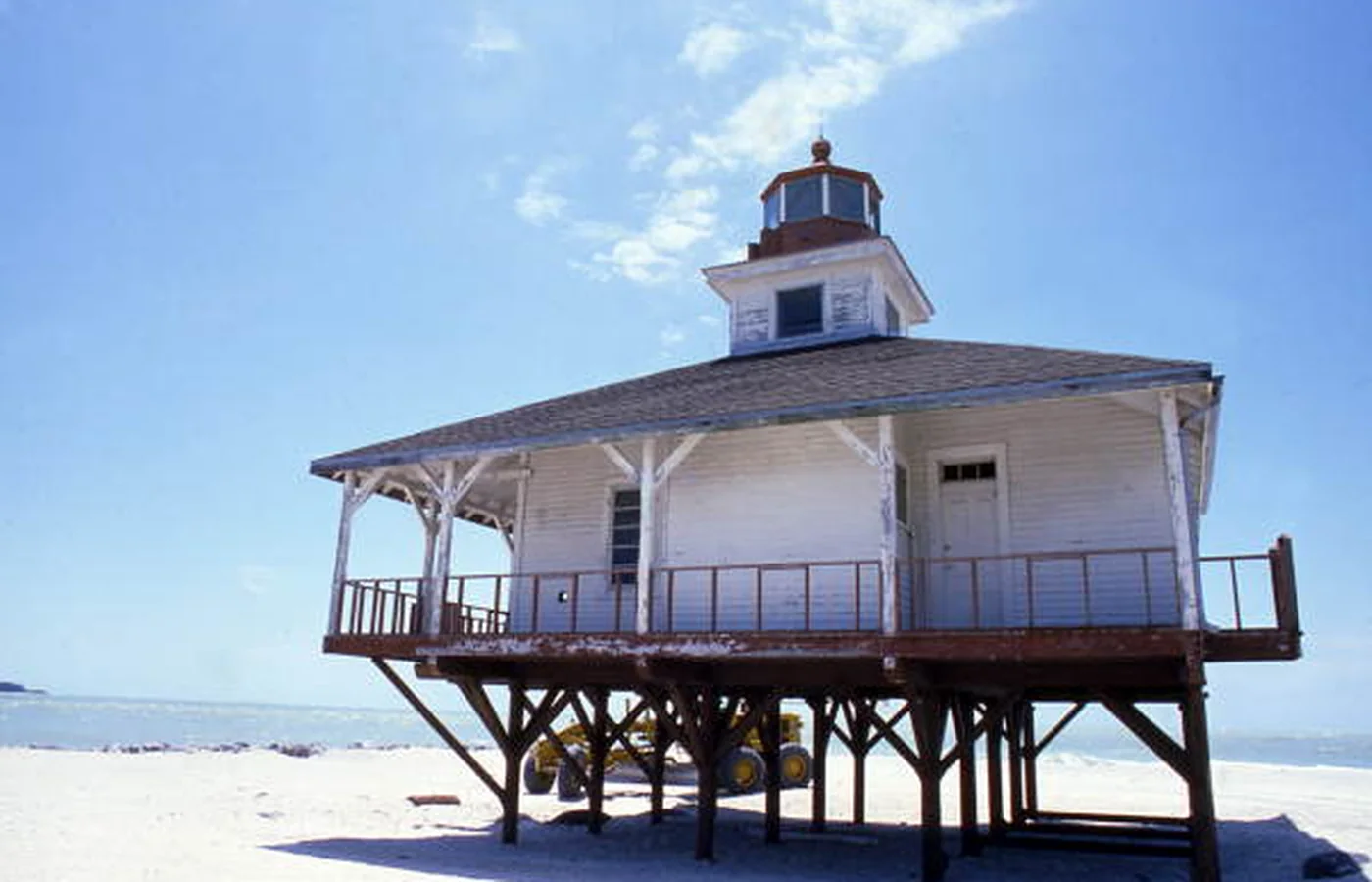
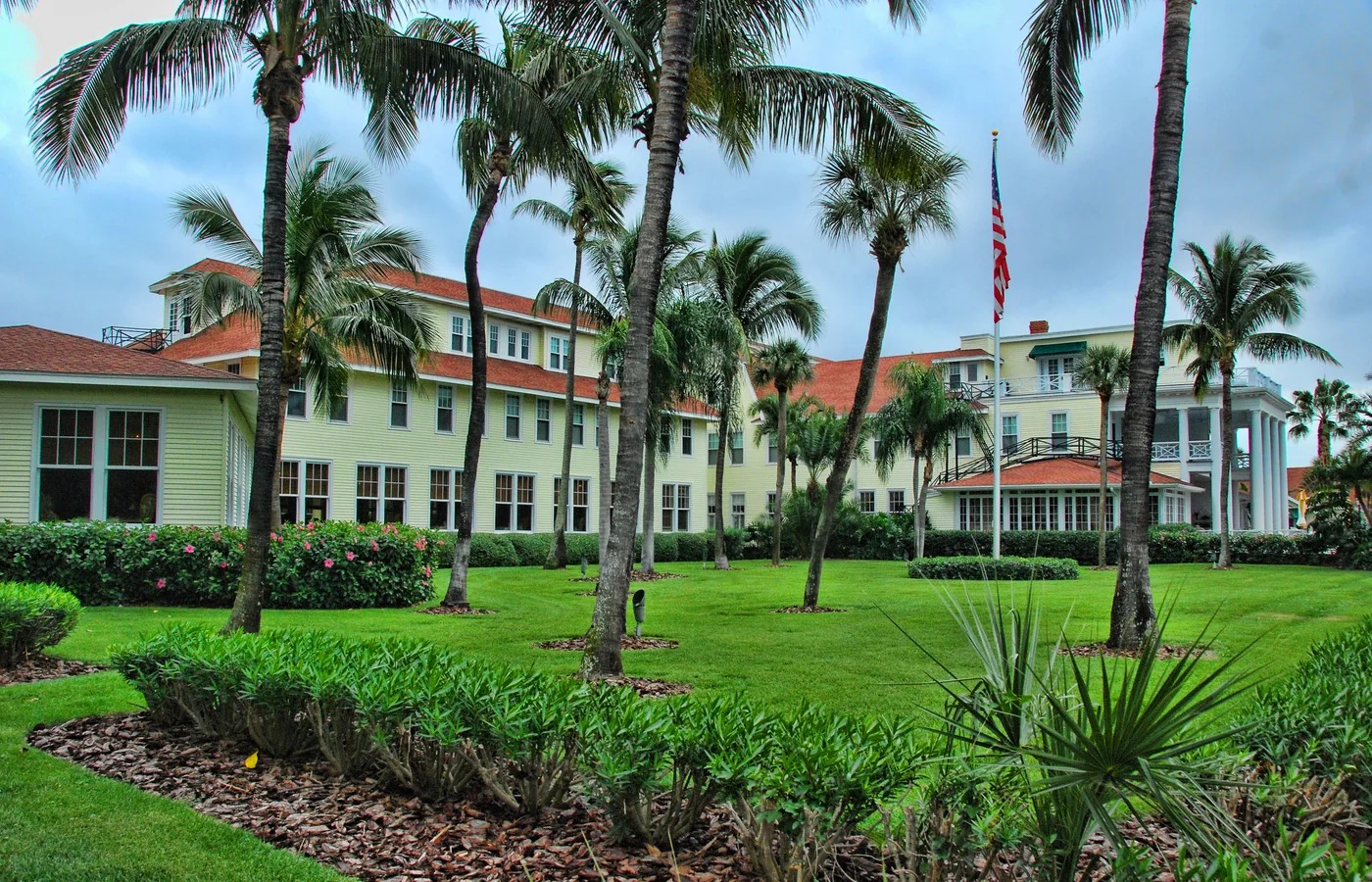
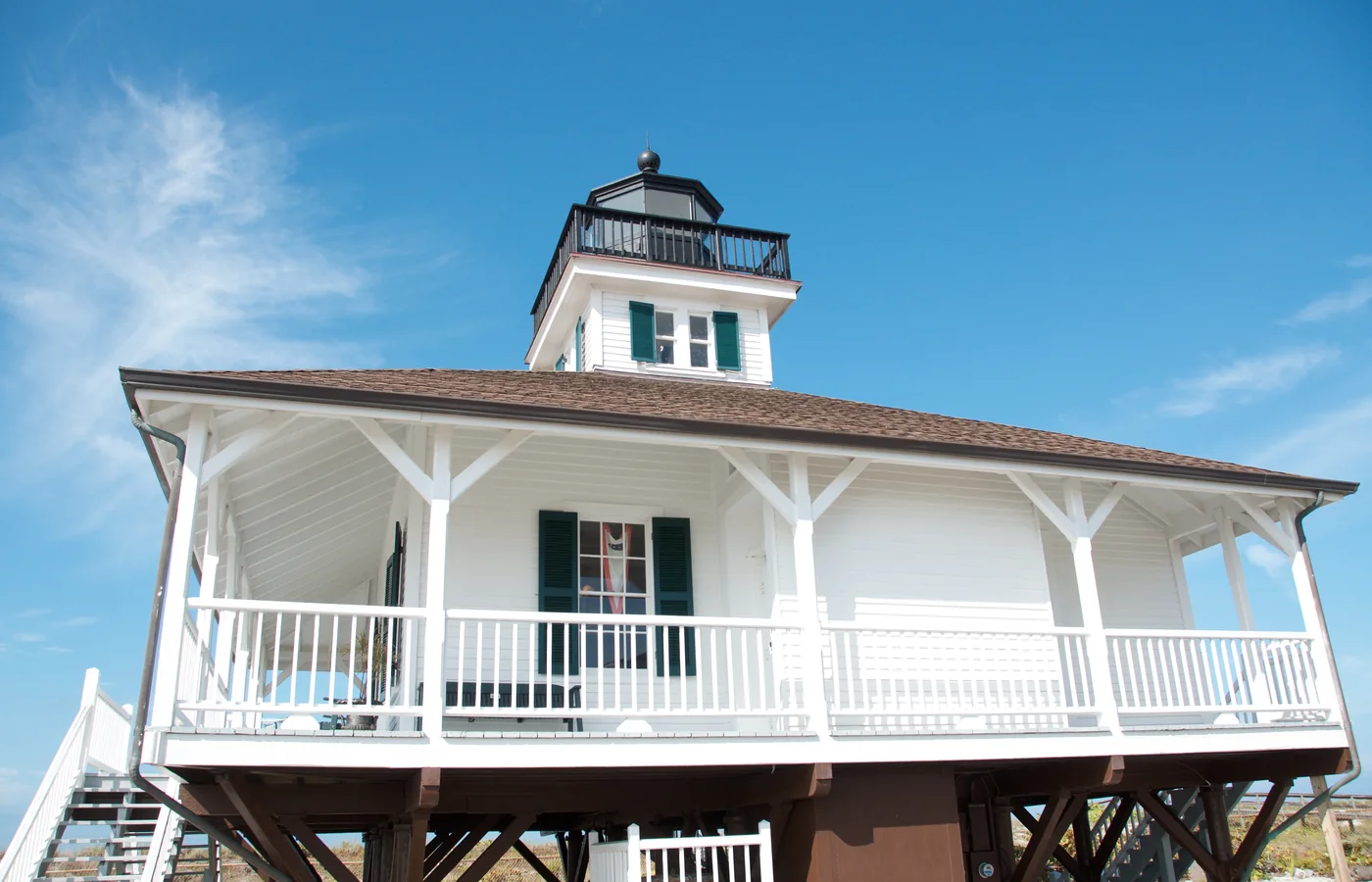
Historical images: public domain and Creative Commons via Wikimedia Commons — the State Library and Archives of Florida and others.
Boca Grande prices on address and season with unusual clarity. Village-core cottages command a walkability premium that grows every year; Gulf-front homes anchor the top tier, with peak-winter and tarpon-season weeks at the best addresses clearing five figures; bayside homes with dockage carry their own premium in May through July, when a dock in tarpon season is worth real money. The value tier is the island's quieter streets a cart ride from everything — honest positioning, not apology, wins that comparison.
The calendar has two peaks with different physics. The winter season — Christmas through Easter — runs on long stays: month-long January lets, repeat February families, rates that reward continuity over churn. Tarpon season — May through mid-July — runs on weeks and weekends, books around tournaments and moon phases, and pays premiums for dockage, fish-cleaning stations and early-morning-proof housekeeping. Pricing that treats these as two products, with long-stay discounts structured for winter and dock premiums switched on for spring, outperforms any flat seasonal curve.
August through November is the honesty window: hot, quiet and storm-watchful. The island's rates soften substantially, and the smart plays are monthly stays for the solitude-seekers, flexible cancellation terms that convert hurricane-season anxiety into bookings, and maintenance scheduling that has the house camera-ready by Thanksgiving, when the winter families begin arriving and the year truly starts.
High seasonality with two peaks: the winter society season (Christmas–Easter, long stays, generational repeaters) and tarpon season (May–mid-July, angler weeks around tournaments and tides). Late summer through fall is the soft window, best addressed with monthly rates and flexible terms; Thanksgiving reopens the year.
The revenue most owners miss is the tarpon economy. Winter takes care of itself on the island's loyalty, but May through July books on different criteria — dockage, boat logistics, dawn-friendly operations — and most listings never speak to them. A house that markets its dock, names the pass and welcomes the fishery captures a second peak its neighbors treat as shoulder.
Gasparilla Island's rules are layered but navigable. Most of the island sits in Lee County (the north end crosses into Charlotte County), and Florida requires short-term rental operators to hold a state DBPR vacation rental license, register for state sales tax and remit the county's tourist development tax — a stack the platforms collect only partially depending on configuration. The island's defining ordinance is older and stranger: the Gasparilla Island conservation framework caps building heights and density island-wide, which is why the place looks the way it does and why supply can never meaningfully grow.
The practical layer is the island's own texture: historic-district considerations in the village, community norms with real teeth about noise, carts and beach behavior, and — after the recent storm years — insurance, elevation and floodplain rules that shape what any renovation must do. None of it is hostile to rentals; the island's winter economy has run on seasonal lets for a century. But it is a small community that notices everything, and an operator who runs a quiet, well-managed house inherits goodwill that no marketing budget can buy.
Treat this section as orientation rather than legal advice: licensing details, county tax rates and floodplain requirements all shift, and the county line down the island matters for whose rules apply. Confirm current requirements with Lee or Charlotte County, the state DBPR and a local insurance agent before you list. Cavmir handles the marketing; compliance sits with you and your local professionals.
First, market the cart, not the car. The golf-cart life is the island's signature experience — the school run, the grocery run and the sunset run all happen at fifteen miles an hour under the banyans — and a rental that includes a cart, photographs it and explains where it may go has already differentiated itself from every listing that buries 'golf cart included' in an amenity list. It is the single most requested feature on the island; treat it like the headline it is.
Second, speak both of the island's languages. The winter family wants heritage, quiet and the village at walking distance; the tarpon crew wants dockage, dawn logistics and a fish-cleaning station that drains properly. Most listings mumble at both audiences in generic beach-copy; a listing that runs a winter story and a tarpon story — different photography, different copy blocks, even different minimum stays by season — books both peaks at their real rates.
Third, engineer the long stay. Boca Grande's winter runs on month-long lets and repeat families, and the economics of one January family who returns for a decade beat a season of one-week strangers on both revenue and wear. Structure monthly pricing deliberately, hold repeat families' dates with a first-refusal note each summer, and treat the welcome book like a club handbook — which market for provisions, which sandbar at low tide, how the Temp's murals came to be.
Fourth, let operations carry the brand. This is a small island that notices everything: the house whose turnovers are quiet, whose guests understand the cart rules and whose maintenance never becomes the neighbors' problem earns a standing in the community that translates directly into referrals, forgiveness and the benefit of every doubt. On Gasparilla, reputation is distribution.
The storms are the structural challenge. Recent seasons brought surge and damage to the island and its region, and every owner now carries the full modern Florida coastal load: hardening insurance markets, elevation and floodplain rules, and a guest population whose hurricane-season anxiety must be managed with transparent cancellation terms. The island rebuilds well — it always has — but the carry cost of Gulf-front ownership has stepped permanently upward, and pricing has to respect it.
Scarcity cuts both ways operationally. The island's tiny commercial base means thin vendor pools — housekeepers, tradespeople and managers are limited, ferociously booked in season and expensive — and the causeway toll adds friction to every service call from the mainland. Owners who lock in reliable island teams and treat them impeccably hold an advantage that cannot be bought mid-season.
And the market's discretion is its own challenge: Boca Grande does not advertise itself, its best rentals historically moved through private circles, and a newcomer owner can misread the quiet as absence of demand. The demand is enormous; it is simply loyal to houses it already knows. Breaking in requires patience and presentation — photography, positioning and operational polish at the level the island's guests live at everywhere else — and once a house earns its families, the calendar defends itself for years.
Florida barrier-island coverage is the market's hardest line item: wind via Citizens or surplus-lines carriers, separate flood (NFIP plus private excess for Gulf-front values), named-storm deductibles as a percentage of dwelling value, and elevation certificates that materially move premiums. Post-storm, insurability increasingly shapes what sells and for how much. Budget a five-figure annual line and work a coastal-specialist broker.
Florida levies state transient rental tax plus the county tourist development tax on short stays — platforms collect part; owners license (DBPR) and remit the rest. There is no state income tax, a structural advantage; property taxes reset on purchase under Florida's assessment rules, which surprises buyers of long-held island homes. Coordinate with a Florida accountant.
Financing is jumbo-dominated and insurance-sensitive: lenders now underwrite the full carry — note, taxes, wind and flood — and seasonal revenue projections get discounted. Many island transactions at the top tier are cash; leveraged buyers should stress-test debt service against a storm-year revenue dip, not an average one.
Boca Grande's future is its past, on purpose: the conservation framework caps what can be built, the Inn anchors the social calendar, and the generational families keep arriving each Thanksgiving as they have for a century. Supply is fixed by law while Gulf-coast wealth compounds around it — the most durable appreciation math in Florida — and the rental market inherits that scarcity directly.
The variables are climate and carry. Storm seasons will keep testing the island's resilience and repricing its insurance; elevation and hardening will keep separating the houses that operate confidently from those that cannot; and the rising carry cost will keep nudging casual owners out — thinning competition for the committed. The tarpon economy, meanwhile, is strengthening as the fishery's global profile grows, institutionalizing the island's second peak.
And discovery is shifting even here: the island's next generation of guests — the winter families' children, the tournament crews' networks — increasingly start with an AI assistant or a direct search rather than a platform scroll or a phone call to an island agency. Houses that publish clear, structured, genuinely local information — village-or-Gulf precision, honest storm-season terms, real tarpon logistics — will surface in those answers while the island's old word-of-mouth channel ages. Positioning for both channels now is the most durable advantage an owner here can build.
Boca Grande is the rare market where restraint compounds. Everything the island refused to build — the towers, the chains, the strip — became the premium it charges today, and marketing here is the pleasant work of simply telling that truth well. A cottage under the banyans, a cart humming to the village, tarpon rolling in the pass at first light: the island writes its own copy for anyone paying attention.
What I love about this market is its two heartbeats. The winter season is heritage — the same families, the same porches, the same season the du Ponts kept — and the tarpon season is adrenaline, dawn boats and silver fish the size of doors. One island, two entirely different loyal economies, and a rental that learns to speak to both runs a calendar most Florida beach towns would envy.
And the loyalty here is the deepest I know of on the Gulf coast. Families do not visit Boca Grande; they belong to it, and a house that earns a family keeps it for a generation. Marketing that respects that — first-refusal notes, a welcome book with real island knowledge, operations quiet enough for a small island's standards — is not really acquisition work at all. It is stewardship, and it pays like it.
The picks Cavmir puts in a Boca Grande welcome book — the details that make a stay feel like resident knowledge instead of a printed concierge script, and that quietly earn the five-star reviews.
Coffee in the village before the day warms, then the cart south under the banyans to the lighthouse. The island's rhythm reveals itself before nine — tell guests to start there.
One short street under a cathedral of banyan trees planted a century ago — the island's most photographed hundred yards. Golden hour turns it green-gold; the photo sells your next booking.
The 1890 lighthouse at the island's southern tip, with its small museum and the pass rolling beside it. Pair it with a state-park beach afternoon and the tarpon story.
The Inn has dressed for dinner since 1913. Seasonal guests can book the classic dining room experience — the special-occasion answer on an island that keeps its traditions.
'The Temp' has fed the island since the 1940s under its famous murals — the bar where the winter families and the fishing guides share a room. Guests come home talking about it.
PJ's for the grouper the island argues about; the Loose Caboose in the old rail depot for families. Both walkable, both cart-parking, both exactly what the village does best.
The world's most famous tarpon water is a short idle from most docks. Book guests a guide well ahead in season — a host who arranges the boat has made the trip.
An uninhabited state-park island of empty beach lies just across the pass. A charter or rental boat day to Cayo Costa — with the sandbar stop on the way home — is the memory guests retell.
The old phosphate railbed runs the island's length as a path — village to lighthouse with Gulf glimpses the whole way. The island's best free afternoon.
Explain the cart rules, where it may go, charging and parking before arrival day. The cart is the island's signature amenity — and clarity about it prevents the only common guest confusion.
The village grocery covers the essentials at island prices; serious provisioning happens on the mainland before the causeway. One honest note about which is which saves guests a toll and reads as genuine care.
Representative Cavmir engagements in Boca Grande. Property identifiers redacted; figures composited from internal analytics and market benchmarks.
A historic cottage two blocks from the shops renting through word-of-mouth and one dated listing, dark half the winter despite the island's demand.
Rebuilt the brand around village walkability and heritage — cottage-history copy, cart-and-banyan photography, monthly January pricing, and a direct-booking site with first-refusal notes to past winter families.
The winter filled with long stays at repriced rates, two February families converted to annual rebooks, and the cottage now closes its season by Thanksgiving without a platform in the middle.
A beachfront estate earning well in February and nothing in tarpon season, its dock unmentioned anywhere in the marketing.
Split the product in two — winter-family weeks and a May–July angler offer with dock specs, boat logistics, dawn-quiet housekeeping and tournament-calendar pricing — with photography for each season.
Tarpon season went from empty to fully booked at premium weekly rates, adding a second peak worth roughly a third of annual revenue on top of an untouched winter.
A dock-front bayside house losing every comparison to Gulf-front listings it was never going to beat on their terms.
Repositioned around what the Gulf-front cannot offer — protected dockage, sunset-over-water evenings, kayak flats off the seawall — with honest cart-minutes-to-village framing and angler-season visibility.
The house stopped discounting against the beach and started winning its own guest: dock-led bookings filled May through July, and bayside sunset photography carried the winter at rates the owner had never asked before.
Yes. Cavmir works with owners across Gasparilla Island — village cottages, Gulf-front estates, bayside dock homes and the quieter north end — on branding, listing optimization, photography direction, direct-booking websites, SEO and paid campaigns. Properties near the village, Banyan Street and the lighthouse are exactly the kind of stays we market.
The snapshot on this page shows average nightly rates around $850 with occupancy near 60%, but the island tiers sharply — a village cottage, a Gulf-front estate and a bayside dock home are different products, and peak winter and tarpon-season weeks at the best addresses clear five figures. Treat these as directional averages, not guarantees.
Two peaks: the winter season (Christmas through Easter — long stays, repeat families, February at the heart) and tarpon season (May through mid-July, when the world's most famous tarpon fishery fills the island). Thanksgiving reopens the year; late summer through fall is the quiet window, best served with monthly rates and flexible terms.
Florida requires a DBPR vacation rental license, state sales tax registration and county tourist development tax (Lee County for most of the island, Charlotte at the north end). The island's conservation framework caps building height and density — the reason it looks the way it does. Verify current requirements with the county, the DBPR and a local insurance agent. Cavmir handles marketing; we don't provide legal advice.
Enormously — and most listings ignore it. May through mid-July books on different criteria entirely: dockage, boat logistics, dawn-friendly operations and tournament dates. A house that markets its dock and welcomes the fishery captures a second peak its neighbors treat as shoulder season. It is the most common revenue gap we find on the island.
This island was built for direct booking — its winter families rebook for decades when given the chance. A fast direct-booking website, a complete Google Business Profile and a first-refusal note each summer to past guests turn platform strangers into generational families. See vacation rental SEO for the visibility layer.
Honestly and in writing: transparent flexible-cancellation terms for the August–October window, proper named-storm insurance, and communication that converts guest anxiety into confidence. The island has rebuilt from recent storms with its character intact; an owner who addresses the season plainly books the weeks competitors leave to fear.
It depends on scope. Current plans and one-time project pricing are on the pricing page — most owners start with a listing overhaul or the 12-step system. A conversation about your property costs nothing: contact Cavmir.
Send us the listing and we'll tell you what we'd change. Not a pitch deck — a straight read on your photos, your title, your rates against the Boca Grande comp set, and whether a direct-booking site would pay for itself.
You'll hear back from a person, usually inside one business day. If we don't think we can move your numbers, we'll say so. Cavmir is a short-term rental marketing agency — we position and market properties, we don't manage them.
Demand in Boca Grande peaks around January through April and runs quietest around September. Here is how the year actually books — and what to do about each stretch of the calendar.
This is a winter-and-spring season market, and the peak runs roughly December through April when Northerners and snowbirds fill Gasparilla Island to escape the cold. Then spring keeps its grip through the tarpon run. Set premium rates across the whole winter season, hold minimum stays over the holidays and the tarpon tournament dates, and have the listing dialed by late fall before the season crowd arrives.
May and November bookend the season. May carries real energy from the tail of tarpon fishing and the first warm-weather beach crowd, while November is the ramp-up as snowbirds start drifting back. These are the months to keep pricing nimble, lean on mid-week angles, and capture the anglers and early-season families before the full rush.
Late summer into early fall is the quiet stretch, with September the softest as heat, humidity and hurricane season thin the calendar. A modest family bump comes around the Fourth of July. Use August and September for maintenance, longer stays, and the photography refresh you'll want finished well before the winter season opens.
The winter season and the tarpon tournament dates book the furthest out, with regulars often reserving close to a year ahead for the same house. Holiday weeks fill through the fall. The in-state weekend layer moves inside a couple of weeks. Set the season and tournament dates early and firm, and keep off-season pricing flexible for the short-fuse traffic.
The winter season runs on long stays, from full-week rentals to month-plus snowbird bookings, while spring shifts toward tarpon-angler weeks and holiday family gatherings. In-state weekenders fill short two and three night trips year-round. It's a market that rewards hosts who can serve both the long-stay season and the short-notice layer.
Two profiles win. In the village, a characterful old-Florida cottage within a golf-cart ride of the lighthouse, the beach and the shops owns the couples and the walkable crowd. Toward the Gulf, a house with a pool or a short beach walk and room for a family owns the winter and holiday weeks. A golf cart is close to mandatory either way, since that's how the whole island gets around.
Build the listing around your geography, whether that's a golf-cart ride to the village and lighthouse or a short walk to the Gulf, and photograph the beach, the light and the old-Florida charm that sets this island apart. Price the winter season and the spring tarpon dates deliberately, because they behave nothing like the quiet summer. Add a Google Business Profile for map searches and a direct-booking site for the snowbirds and anglers who return to the same house every year. That's the marketing layer Cavmir builds for island hosts, and Boca Grande's loyal repeat pattern makes it compound.
Peak runs roughly December through April as snowbirds and holiday travelers fill the island, and spring holds strong through the tarpon run into May. Late summer is the quiet stretch, with September the softest during hurricane season, softened only by a small Fourth of July family bump.
The winter season and the tarpon tournament dates book the furthest out, often close to a year ahead, because regulars rebook the same house. Holiday weeks fill through the fall, while in-state weekenders move inside a couple of weeks. Set the season and tournament dates early, then stay responsive for the short-notice layer.
The Gulf metros lead, from Fort Myers and Sarasota up to Tampa and over from Naples, filling weekends and school breaks. Fly-in snowbirds and anglers from New York, Chicago, Boston, Washington and Toronto arrive through Southwest Florida's airport at Fort Myers, especially for the winter season and the spring tarpon run.
A golf cart tops the list because the island runs on them, followed by a pool or a genuinely short beach walk. Boat and gear storage pays during tarpon season, bikes cover the last mile to the village, and a screened porch earns its keep on the warm evenings.
Talk to Cavmir today. We'll show you exactly what your Boca Grande property is leaving on the table — and how fast we can change that.
Book a Free Strategy CallPhotography via Wikimedia Commons (images resized and cropped): Gasparillla Inn at Boca Grande Florida (11370743003) by Trish Hartmann from Tampa, Florida, USA (CC BY 2.0) · Port Boca Grande Lighthouse (16340475103) by Pete Markham from Loretto, USA (CC BY-SA 2.0).
