

Morning
Blind Pass at low tide
Send guests to the pass with the tide chart and a mesh bag — the island's founding ritual, best on winter minus tides and after-storm mornings. The shell-haul photo is the review's opening line.

Expert short-term rental marketing for Captiva — the village, the Gulf-front lanes and the sunset beach at the end of the road past Sanibel.
Sixteen services, one team. Everything below is built in-house and scoped to your property and market. Most owners start with the 12-Step System.
Every engagement is quoted to your portfolio. These are the ready-made scopes owners pick most — Low-season pricing shown (through September 15), discount already applied. A clear proposal within 48 hours.
The work is public. Selected engagements and what changed — and reviews from the owners and managers behind them.
* Market averages. Properties marketed by Cavmir typically exceed these figures by 25–45%. Data sourced from AirDNA, STR market reports, and Cavmir internal analytics.
Captiva is what waits past the end of the causeway, past Sanibel's bike paths and wildlife refuge, across the narrow bridge at Blind Pass: a five-mile ribbon of island where the road finally runs out at a west-facing beach famous for shells and sunsets. There are no traffic lights, no high-rises and no way through to anywhere — Captiva is a destination by construction, and the guests who make it this far chose it deliberately over every easier Florida beach. The rental market rewards that self-selection: a compact village, a limited stock of cottages and Gulf-front homes, and rates that run well above the coast's averages because supply cannot grow and the loyal come back every year.
The island's rental geography is intimate. The village — Andy Rosse Lane and its surrounding streets — is the walkable heart, steps from the Bubble Room and the Mucky Duck, where cottages book couples and families who want dinner on foot and the beach at the end of the lane. The Gulf-front stretch south toward Blind Pass carries the beachfront tier, where sunset-facing homes command the island's premium. The bay side offers docks on Pine Island Sound and calm-water mornings; and the island's north end runs quieter toward the resort grounds at land's end. Naming the micro-address — village-walkable, Gulf-front, bayside dock — is the first job of any Captiva listing.
The guest is a repeater by nature. Captiva's families have been coming for generations — the shelling ritual at low tide, the same sunset from the same beach chair, dolphin mornings on the Sound — and the island's compact charm converts first-timers into annuals at a rate most markets would envy. They plan early for winter and spring, book weeks rather than nights, and respond to marketing that knows the island's texture: the Blind Pass shelling tide, the boat day to Cayo Costa, which porch catches the evening light. Generic beach-vacation copy is invisible to them; specificity is everything.
The island's recent history is part of its story, told honestly. Hurricane Ian struck this coast hard in 2022, and the years since have been a rebuilding era — homes elevated and hardened, the resort at the north end comprehensively renewed, the village's institutions returning one by one. The recovery reshaped the rental stock upward: what has reopened is newer, stronger and better than what stood before, and demand returned faster than inventory did. For owners, that means a market where a well-presented, well-operated house faces less competition than at any time in memory — and where honest, confident storm-season communication is simply part of professional operation.
Nearby Markets: Fort Myers & Sanibel | Naples & Marco Island | Boca Grande
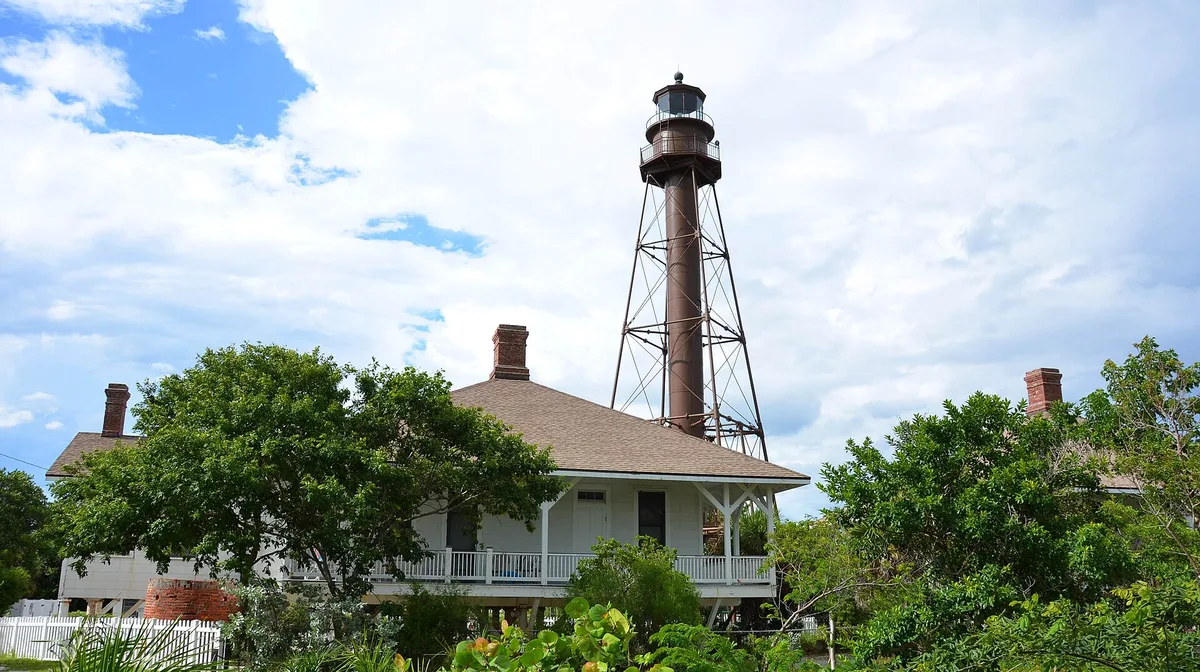
A few of the visual fingerprints we lean into when we shoot, brand and market a Captiva Island property — courtesy of the open Wikimedia Commons archive.
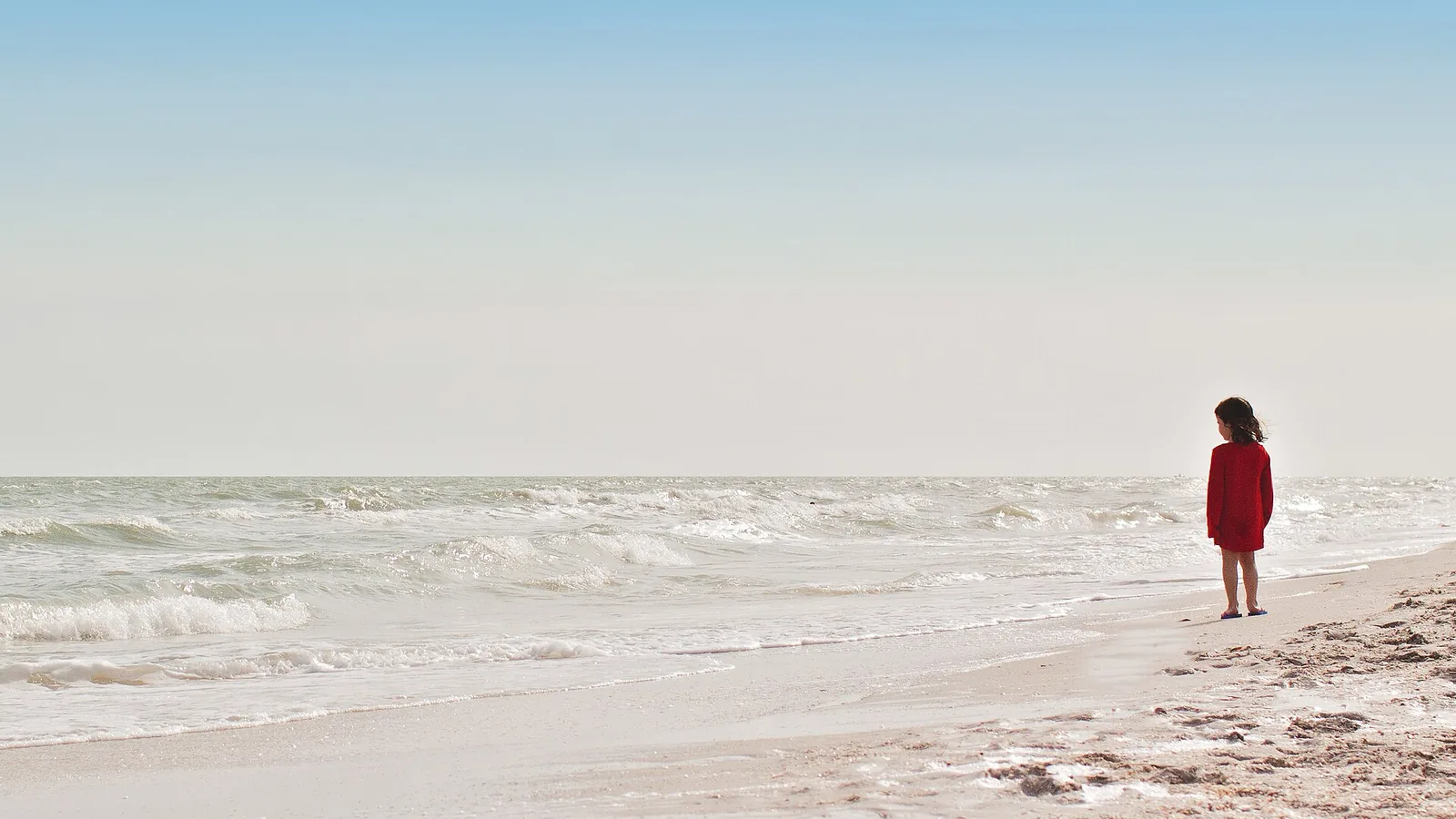
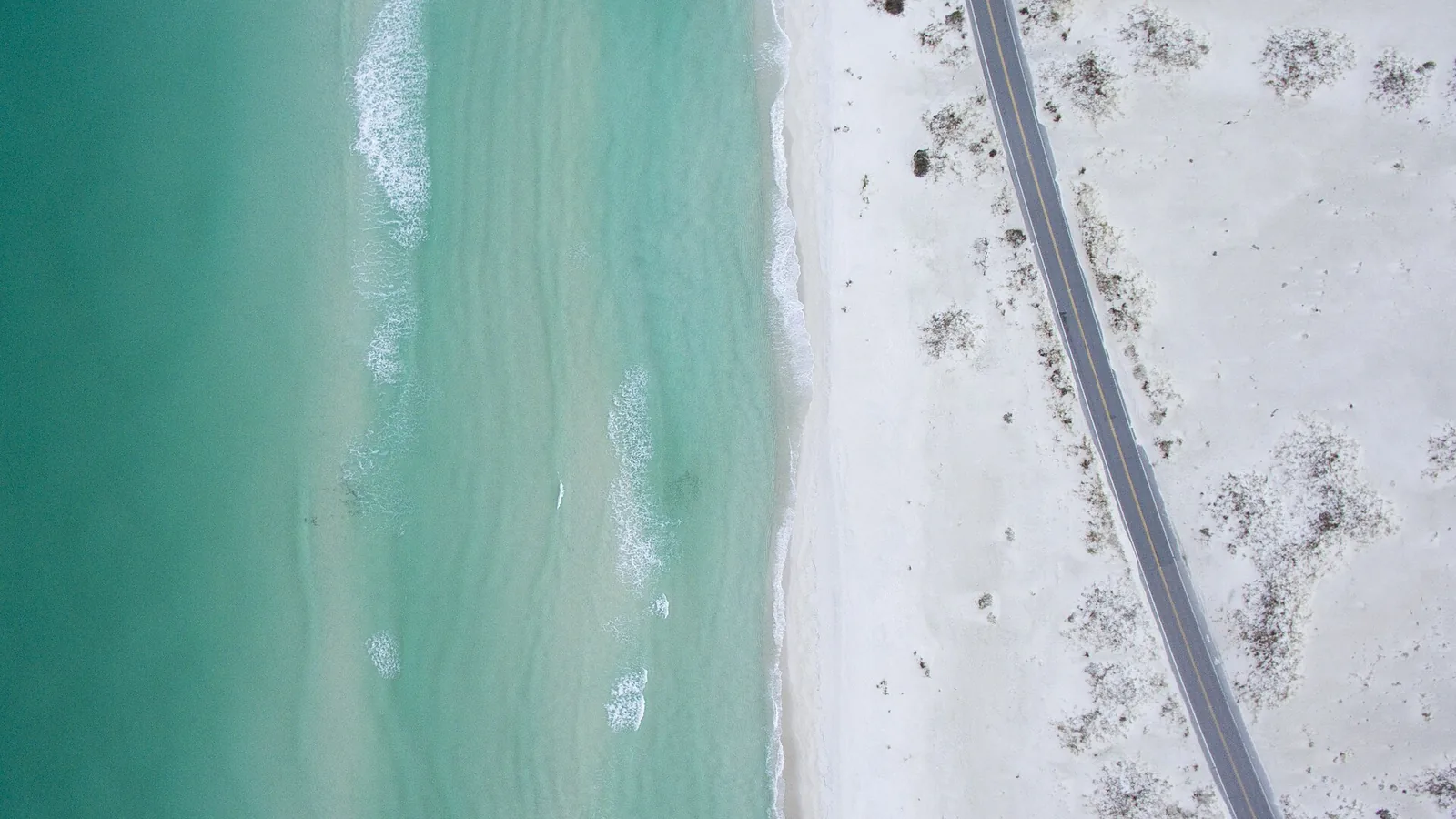
Cavmir markets Captiva rentals as the small heritage brands they are — not as interchangeable inventory in a Florida-beach feed. We position your cottage or Gulf-front home in front of the exact traveler who drives past the end of the road on purpose: the generational shelling family, the sunset couple, the repeat guests who want their week held — wherever they search.
Captiva is a two-mile sandbar famous for shells and solitude — the place Anne Morrow Lindbergh came to write 'Gift from the Sea.' Cavmir simply writes the modern chapter.
Captiva entered the twentieth century as a fishing and farming outpost — key limes and coconuts, a mail boat, a handful of families — and drifted into resort life almost by accident when winter visitors discovered the shelling. The islands' position on the Gulf's shell-rich shelf made Sanibel and Captiva world-famous among collectors; the 'Sanibel stoop' became a genuine cultural export, and small inns and cottages grew up along the lanes to house the pilgrims. Artists followed — most famously Robert Rauschenberg, who lived and worked on Captiva for decades — and the island settled into its identity: small, green, eccentric and loyal.
The modern rental economy grew through the late twentieth century on cottage lets and the resort at the north end, and the island resisted the condo wave that transformed the mainland coast. Lee County's land-use rules and the island's geography — one narrow road, no through-traffic, water on both sides — kept development low and supply tight, and by the platform era Captiva had become one of Southwest Florida's highest-rate beach markets almost without trying.
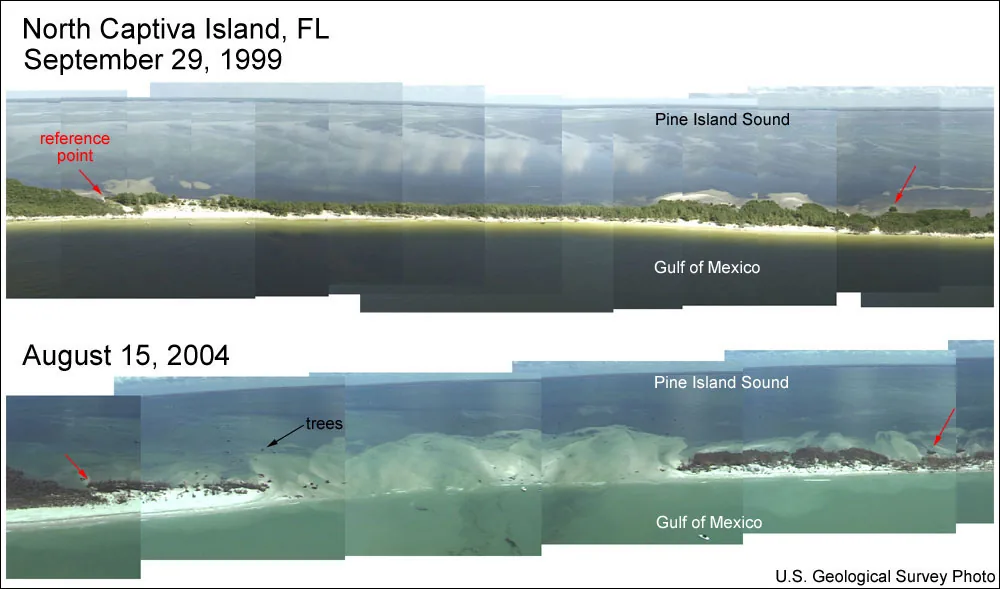
Hurricane Ian in September 2022 was the island's hardest modern test: surge crossed the island, Blind Pass reshaped itself, and the rental stock went dark for months. The rebuilding that followed remade the market — homes came back elevated and hardened, the north-end resort renewed itself comprehensively, and the village's beloved institutions returned to full life. Demand, notably, never left; the island's families waited out the closures and returned the moment doors opened, proving the loyalty that underwrites the market's economics.
Today's market is smaller, newer and stronger than pre-storm Captiva: fewer total keys, a higher standard among those operating, and rates that reflect both scarcity and quality. What remains uneven is presentation — many houses returned to service with builder-grade photos and hurried listings, marketing far below the standard of their renovation. The gap between the island's product and its presentation is precisely the current opportunity.
Before the platforms, the beach, the shells and the solitude sold this island to people who wanted less, not more — famously to a writer who made it the setting for a meditation on simplicity. The channel changed; the work is identical: presentation, positioning, and a two-mile island that guards its quiet. It is the same business Cavmir is in today.
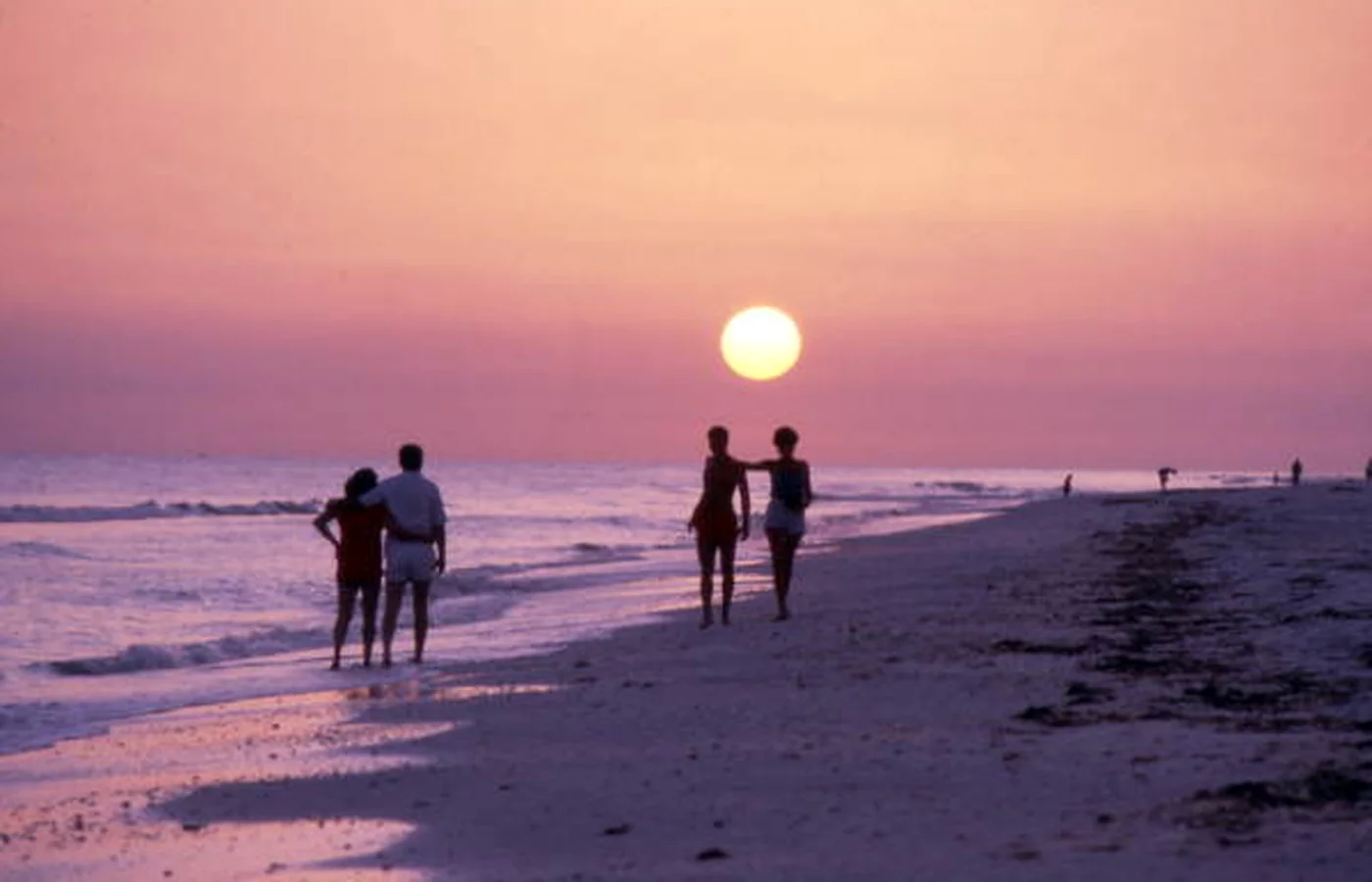
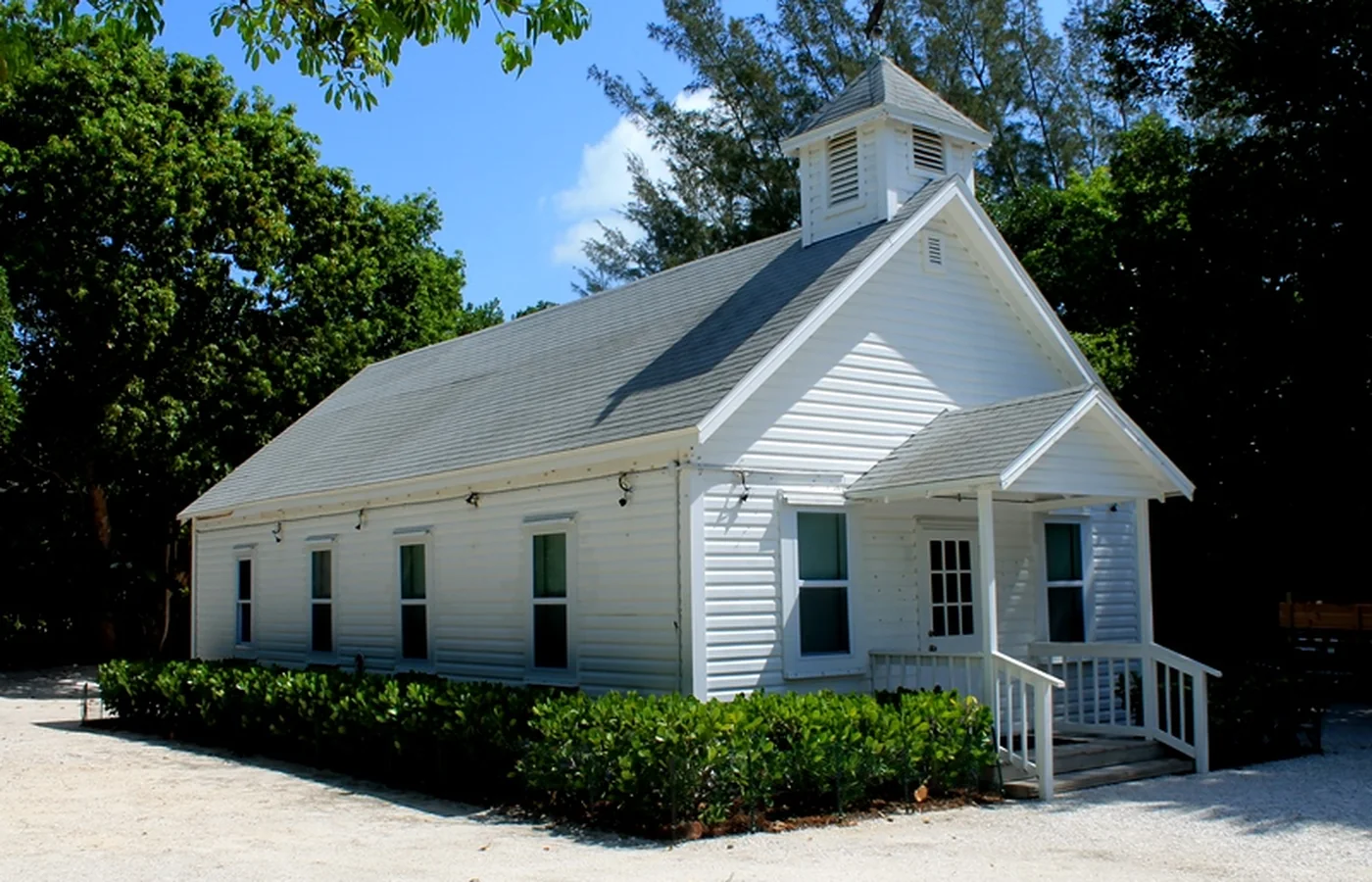
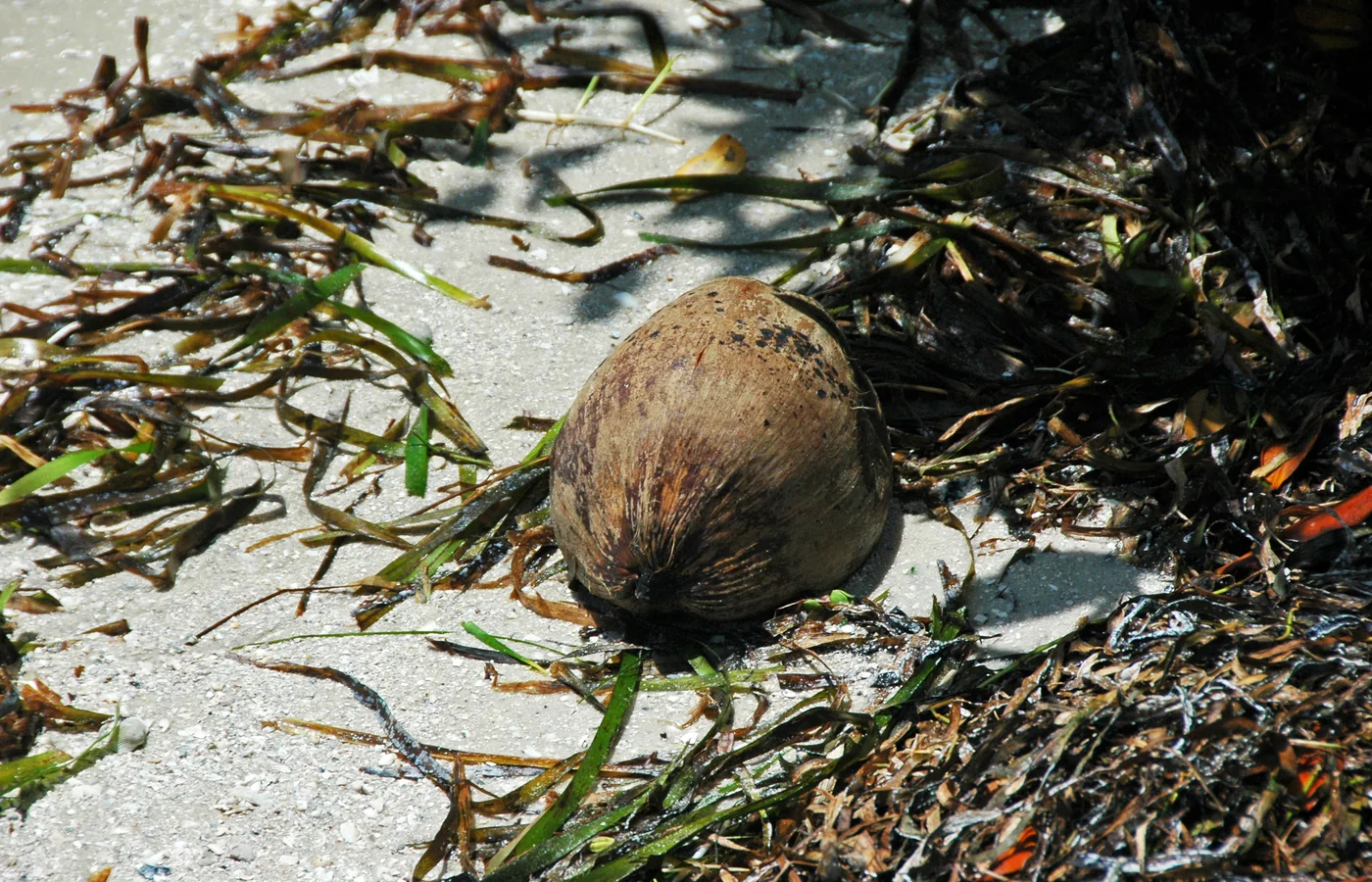
Historical images: public domain and Creative Commons via Wikimedia Commons — the State Library and Archives of Florida and others.
Captiva prices on three clear tiers. Gulf-front sunset-facing homes anchor the top — peak-winter and spring weeks at the best addresses clear five figures — with the premium tracking beach access measured in steps, not minutes. Village-walkable cottages carry a distinct second premium: couples and small families pay for dinner-on-foot and the lane-to-beach stroll. Bayside and interior homes win on docks, pools and honest value framing against the island's headline rates. Every listing should state its tier and its walk times plainly — Captiva's guests know the island's geography and reward precision.
The calendar is a long winter-into-spring season rather than a single spike. Christmas opens it; February and March are the sustained heart, with Presidents' week and Easter the high-water marks; and the island holds bookings deeper into May than mainland markets because the loyal stretch their seasons. Summer brings families on school break at softer rates and warm-water beach days; the true quiet is late August through October, when honest hurricane-season terms and monthly pricing convert the anxious and the solitude-seeking alike.
Weeks are the island's natural unit — Saturday turns in season, minimum stays that protect the housekeeping calendar — and the pricing plays that work are structural: shelling-tide and sunset positioning that justifies the Gulf-front premium, dock-and-boat framing for the bay side in spring, and a deliberate monthly product for the fall. The island's demand is loyal enough that visibility and presentation, not discounting, are what fill the marginal weeks.
Medium-to-high seasonality on a long curve: the season opens at Christmas, peaks February–Easter, and holds through May; summer runs warm and family-driven at softer rates; late August–October is the quiet, storm-watchful window best served with monthly stays and flexible terms; Thanksgiving reopens the year.
The revenue most owners miss sits in May and early summer — the Gulf is warm, the sunsets are the year's best, rates have softened but the drive-market families are actively looking, and most listings have already gone quiet. Staying visible and honestly priced through early summer captures a shoulder the island's casual operators concede every year.
Captiva is unincorporated Lee County — a crucial distinction from neighboring Sanibel, which is its own city with its own, stricter rental rules. On Captiva, the framework is Florida's standard stack: a state DBPR vacation rental license, state sales tax registration and Lee County's tourist development tax, with platforms collecting part of the taxes depending on configuration and owners responsible for the rest. County land-use and noise rules apply, and the island's community associations add local expectations with real social weight.
The post-Ian layer is now permanent: floodplain and elevation rules shape every renovation and rebuild, insurance requirements have hardened, and county permitting has been the island's rhythm section through the recovery years. None of it prohibits short-term rental — Captiva's economy has run on cottage lets for a century — but operating well now means operating to a documented standard: elevation certificates, storm shutters and written hurricane procedures are part of a professional listing's kit.
Treat this section as orientation rather than legal advice: license details, tax rates and floodplain requirements shift, and the Sanibel–Captiva distinction confuses even experienced Florida owners. Confirm current requirements with Lee County, the state DBPR and a coastal insurance agent before you list. Cavmir handles the marketing; compliance sits with you and your local professionals.
First, sell the end of the road. Captiva's remoteness is its premium: past Sanibel, over Blind Pass, no through-traffic, sunset at the terminus. Copy and photography that walk the guest down that road — the drive over the pass, the lane to the beach, the evening ritual on the sand — sell the island's actual product, which is the feeling of having arrived somewhere most people never bother to reach.
Second, market the tides, not just the beach. Shelling is Captiva's founding ritual and it runs on tide charts: the Blind Pass low-tide walk, the after-storm mornings, the winter minus tides that empty the flats. A welcome book that teaches the tides — and photography that shows the harvest — speaks to the guest who has planned this pilgrimage for months and converts the first-timer into an annual.
Third, own the sunset. Captiva faces dead west, and the nightly gathering on the beach is the island's one universal event. A Gulf-front listing should name its sunset sightline; a village cottage should name the three-minute walk; a bayside home should sell the sunrise-and-dolphins counterpoint. Every house on this island has a light story — the listing that tells it precisely wins the couple deciding between five cottages at midnight.
Fourth, make the boat easy. The island's best days happen on the water — Cayo Costa's empty beaches, dolphins on the Sound, lunch runs to the out-islands — and the house that pre-arranges charters, explains dockage or partners with the rental fleets turns a beach week into an island week. That is the difference the review remembers, and the reason the family returns.
The storm era is the structural challenge. Ian rewrote the island's risk math: insurance is the hardest line in every owner's budget, floodplain rules shape every improvement, and each June-through-November brings guest anxiety that must be managed with transparent terms and calm, written procedures. The island has proven it rebuilds — and that demand returns — but the carry cost of barrier-island ownership has stepped permanently upward and pricing has to respect it.
Operations run on island logistics: one narrow road, a small vendor pool shared with Sanibel, causeway traffic in season, and materials and trades that arrive by appointment. Turnover crews are the market's scarcest resource; owners who lock in reliable teams and schedule maintenance for the fall window hold an advantage that cannot be improvised in February.
And the market's smallness cuts both ways: the loyal guest base fills the good houses year after year, but a new or newly renovated listing can sit invisible behind the incumbents' review walls. Breaking in takes deliberate presentation — photography at the island's actual standard, micro-address precision, and early-season pricing that buys the first dozen reviews — after which Captiva's loyalty economics take over and defend the calendar for years.
Barrier-island coverage is the budget's hardest line: wind via Citizens or surplus lines, separate flood (NFIP plus private excess for Gulf-front values), named-storm percentage deductibles, and elevation certificates that materially move premiums. Post-Ian rebuilds often carry better terms than legacy structures — a hardened, elevated house is now a pricing advantage. Work a Southwest Florida specialist broker.
Florida levies state transient rental tax plus Lee County's tourist development tax on short stays — platforms collect part; owners license (DBPR) and remit the rest. No state income tax; property taxes reset on purchase, which surprises buyers of long-held island cottages. Coordinate with a Florida accountant.
Financing is insurance-sensitive above all: lenders underwrite the full carry — note, taxes, wind, flood — and discount seasonal revenue. Elevated post-Ian construction finances more easily than legacy stock. Stress-test debt service against a storm-interrupted season, not an average one.
Captiva's trajectory is a smaller, stronger island: the rebuilt stock is elevated and hardened, the north-end resort's renewal anchors the island's amenity level, and supply remains capped by geography and land use while Southwest Florida's demand base keeps growing. Scarcity plus generational loyalty carried the market through its hardest test; the same math compounds in calmer years.
The watch items are insurance and the pass. Coverage costs will keep sorting owners into professionals and sellers — thinning competition for those who stay — and Blind Pass's restless geography will keep reshaping the island's southern beach and its shelling economy, as it always has. On the demand side, the recovery years proved the loyalty deeper than anyone had measured: the families waited, returned and rebooked, and each renovation cycle resets the island's product standard upward.
Discovery is shifting here as everywhere: Captiva's next guests increasingly ask an AI assistant or a direct search for the island by name, and houses that publish clear, structured, genuinely local information — micro-address precision, tide and sunset truth, honest storm-season terms — surface in those answers while generic listings fade. The island's specificity is its advantage in that world; the marketing that captures it first will own the next generation of the loyal.
Captiva is the rare market where the product is an ending — the road stops, the continent stops, and the day stops on the same west-facing beach every evening. Marketing that understands what is actually being sold here writes differently: not beach-vacation superlatives but the specific feeling of the lane, the tide chart and the sunset crowd at the end of it. The island hands you its story; the work is telling it precisely.
What I love about this market is what the storm years revealed: the loyalty was real. The families waited through the closures, returned the week doors opened, and rebooked their weeks as if the calendar had never broken. A market whose demand survives its worst year on record is a market whose economics you can trust — and whose houses reward every dollar of presentation invested in them.
And the island photographs like a memory you have not made yet: shells in a morning palm, the pass at low tide, the green tunnel of the village lanes, the nightly fire of the horizon. The raw material needs no exaggeration — it needs noticing, and a listing that notices well makes its first-time guest homesick for the place before they have ever been.
The picks Cavmir puts in a Captiva welcome book — the details that make a stay feel like resident knowledge instead of a printed concierge script, and that quietly earn the five-star reviews.
Send guests to the pass with the tide chart and a mesh bag — the island's founding ritual, best on winter minus tides and after-storm mornings. The shell-haul photo is the review's opening line.
The island faces dead west and gathers nightly for the show. Tell guests to walk down twenty minutes early with a drink — it is the one universal Captiva event and the trip's closing image.
Three floors of gleeful kitsch, Christmas lights year-round and cakes the size of hatboxes — an island institution since 1979. Guests come home talking about it; warn them about the portions.
A pub on the sand where the sunset happens over your shoulder — the island's beloved standby since 1976. The wait is part of it; send guests early with names on the list.
One short lane of color between the Gulf and the bay — galleries, scoops, porches. The evening stroll that makes a cottage stay feel like belonging.
Nine miles of uninhabited state-park beach across the pass, reached by charter or rental boat. The empty-island day that turns a beach week into an island week — pre-arrange it and be the hero.
The refuge's wildlife drive on Sanibel — spoonbills, herons, alligators — is twenty minutes down-island and best at low tide, early. Pair it with the lighthouse for the full Sanibel run.
The bay side's calm water runs with dolphins most mornings — kayak from the bayside docks or book the sound cruise. The counterpoint to the Gulf that most first-timers never find.
State the walk times honestly: lane to beach, cottage to village, drive to Sanibel's causeway. Captiva is small but its one road backs up in season — precision here prevents the island's only common friction.
The Bailey-Matthews National Shell Museum on Sanibel is the world's serious shell collection — the wet-afternoon answer that deepens the island's founding ritual.
The island markets cover essentials at island prices; the serious shop happens before the causeway. One honest provisioning note saves a family two hours of season traffic and reads as genuine care.
Representative Cavmir engagements in Captiva Island. Property identifiers redacted; figures composited from internal analytics and market benchmarks.
A rebuilt post-Ian cottage steps from Andy Rosse Lane, back in service with builder-grade photos and a listing that never mentioned the village at its door.
Rebuilt the presentation to match the renovation — lane-to-beach photography, sunset-walk copy, micro-address precision and a direct-booking site seeded with the owner's pre-storm guest list.
The first full season closed above 70% occupancy at repriced rates, and a third of bookings arrived direct from returning pre-Ian families.
A sunset-facing beachfront home earning well in March and invisible from May onward, its light story untold and its rates flat year-round.
Named the sunset sightline in the brand, built seasonal photography — winter shelling tides, May evenings — restructured pricing around the long season, and added honest storm-window terms with monthly fall rates.
May and early-summer weeks filled for the first time, the fall found monthly guests, and annual revenue rose by roughly a quarter without touching the winter peak.
A dock-front bayside house discounting endlessly against Gulf-front listings it could never beat on their terms.
Repositioned around what the beachfront cannot offer — protected dockage, kayak-to-dolphins mornings, sunrise water — with boat-day partnerships and spring visibility aimed at the on-the-water guest.
The house stopped competing on beach terms and won its own: dock-led bookings anchored spring, the kayak story carried summer, and the discount era ended.
Yes. Cavmir works with owners across the island — village cottages near Andy Rosse Lane, Gulf-front sunset homes, bayside dock houses and properties near the island's north end — on branding, listing optimization, photography direction, direct-booking websites, SEO and paid campaigns. Stays near Blind Pass, the village and the sunset beach are exactly what we market.
The snapshot on this page shows average nightly rates around $620 with occupancy near 63%, but the island tiers clearly — Gulf-front sunset homes, village-walkable cottages and bayside dock houses are different products, and peak winter weeks at the best addresses clear five figures. Treat these as directional averages, not guarantees.
The season opens at Christmas, peaks February through Easter and holds through May — a longer curve than most Florida markets because the island's families stretch their seasons. Summer runs family-driven at softer rates; late August–October is the quiet window; Thanksgiving reopens the year.
Captiva is unincorporated Lee County — importantly different from the City of Sanibel's stricter regime next door. Florida requires a DBPR vacation rental license, sales tax registration and the county bed tax; post-Ian floodplain and elevation rules shape renovations. Verify current requirements with the county and the DBPR. Cavmir handles marketing; we don't provide legal advice.
It made the island smaller, newer and stronger: fewer total keys, rebuilt homes elevated and hardened, and demand that returned faster than inventory — the loyalty proved deeper than anyone had measured. The current opportunity is presentation: many rebuilt houses returned with hurried listings, and a well-marketed property faces less competition than at any time in memory.
Captiva's generational families rebook for decades when given the chance. A fast direct-booking website, a complete Google Business Profile and a first-refusal note each summer turn platform strangers into annual families — see vacation rental SEO for the visibility layer.
Precision about the island's rituals: the walk time to the sunset beach, the shelling tides at Blind Pass, the lane-to-village stroll, dockage and boat logistics on the bay side. Captiva's guests know the island intimately — the listing that speaks their language wins them, and generic beach copy is invisible to them.
It depends on scope. Current plans and one-time project pricing are on the pricing page — most owners start with a listing overhaul or the 12-step system. A conversation about your property costs nothing: contact Cavmir.
Send us the listing and we'll tell you what we'd change. Not a pitch deck — a straight read on your photos, your title, your rates against the Captiva Island comp set, and whether a direct-booking site would pay for itself.
You'll hear back from a person, usually inside one business day. If we don't think we can move your numbers, we'll say so. Cavmir is a short-term rental marketing agency — we position and market properties, we don't manage them.
Demand in Captiva Island peaks around January through April and runs quietest around September. Here is how the year actually books — and what to do about each stretch of the calendar.
This is a winter-and-spring season market. The peak runs roughly December through April as Northerners and snowbirds fill the island to escape the cold, with the holidays and spring break the tightest dates. Set premium rates across the season, hold minimum stays over Christmas, New Year and the spring-break weeks, and have the listing dialed by late fall so you catch the season's first wave.
May and November are the shoulders on either side of the season. May still carries warm-weather beach demand before the summer heat settles in, and November ramps as snowbirds return and the Sanibel-Captiva calendar wakes up. Keep pricing nimble through both, lean on mid-week angles, and capture the early families and couples before the full rush.
Late summer into early fall is the quiet stretch, with September the softest as heat, humidity and hurricane season thin the calendar. A modest bump comes around the Fourth of July. Use August and September for maintenance, longer stays and the photography refresh you'll want finished well before the winter season opens.
The winter season, the holidays and spring-break weeks book the furthest out, with regulars often reserving the same house close to a year ahead. The shoulder months fill closer in, and the in-state weekend layer moves inside a couple of weeks. Set the season and holiday dates early and firm, and keep off-season pricing flexible for the short-fuse traffic.
The winter season runs on long stays, from full weeks to month-plus snowbird bookings, while the holidays and spring break skew toward week-long family gatherings. In-state weekenders fill short two and three night trips year-round. It's a balanced calendar that rewards hosts who serve both the long-stay season and the short-notice layer.
The winner is a Gulf-side or bay-side cottage with a pool or a short walk to the beach, room for a family, and screened outdoor living for the warm evenings. Character sells here; guests choose Captiva over a big-resort strip precisely for the low-key, old-island feel. Bikes and beach gear tip a booking, since the whole island moves at a bike-and-sandal pace.
Build the listing around your geography, whether that's steps to the Gulf or a quiet bay-side lane, and photograph the beach, the shelling, the lanai and the evening light that give Captiva its old-island calm. Price the winter season, the holidays and spring break deliberately, because they behave nothing like the quiet summer. Add a Google Business Profile for map searches and a direct-booking site for the snowbirds and beach families who return to the same house every year. That's the marketing layer Cavmir builds for island hosts, and Captiva's loyal repeat pattern makes it compound.
Peak runs roughly December through April as snowbirds and holiday travelers fill the island, with Christmas, New Year and spring break the tightest dates. May and November are pleasant shoulders, and late summer is the quiet stretch, softest in September during hurricane season apart from a Fourth of July bump.
The winter season, the holidays and spring-break weeks book the furthest out, often close to a year ahead as regulars rebook the same house. The shoulder months fill closer in, while in-state weekenders move inside a couple of weeks. Set the season and holiday dates early, then stay responsive for the short-notice layer.
The Gulf metros lead, with nearby Fort Myers and Naples up front and Sarasota, Tampa and Orlando behind, filling weekends and school breaks. Fly-in snowbirds and families from New York, Chicago, Boston, Minneapolis and Toronto arrive through Southwest Florida's airport at Fort Myers, especially across the winter season.
A pool or a genuinely short beach walk tops the list, followed closely by bikes and beach gear, since the island moves at a two-wheel pace. A screened lanai earns its keep on warm evenings, and pet-friendliness helps because the drive market often travels with dogs.
Counted from the Florida DBPR vacation rental license file, deduplicated by permit number — real registry data, not an estimate. See the full Florida permit data →
As of July 2026, the Florida DBPR vacation rental license file shows 27 current licenses on file in Captiva. A license is not always one listing — some licenses cover multiple units — so treat this as a verified floor for the size of the legal market.
Captiva ranks number 174 of Florida's tracked markets by records on file, holding under 1% of the 50,295 records we compiled for Florida. Every one of those operators shows up in the same searches your guests use — which is why presentation, photography, and a direct-booking path decide who gets seen.
The number above comes from the Florida DBPR vacation rental license file, an official public source, pulled and deduplicated in July 2026. Rules and requirements change — always confirm current licensing requirements with the program directly before you buy or list.
Talk to Cavmir today. We'll show you exactly what your Captiva Island property is leaving on the table — and how fast we can change that.
Book a Free Strategy CallPhotography via Wikimedia Commons (images resized and cropped): Captiva Chapel-by-the-Sea, Captiva Island by JMOOLY1978 (CC BY-SA 4.0) · Coconut & Thalassia seagrass on marine beach (Captiva Island, Florida, USA) (26076621771) by James St. John (CC BY 2.0).
