$385
Avg. Nightly Rate
55%
Avg. Occupancy Rate
$5,000
Avg. Monthly Revenue
3-5%
Est. Cash-on-Cash ROI
MEDIUM
Seasonality
HEAVY
Regulatory Burden

* Market averages. Properties marketed by Cavmir typically exceed these figures by 25–45%. Data sourced from AirDNA, STR market reports, and Cavmir internal analytics.

The Market

Why Fort Myers & Sanibel is One of the World's Premier STR Markets

Fort Myers and Sanibel are the Gulf Coast's comeback story, and the comeback is the marketing brief. Hurricane Ian came ashore here on September 28, 2022, as a Category 4 storm and damaged nearly every building on Fort Myers Beach — and the region has spent the years since rebuilding in public: the Sanibel Causeway reopened on temporary repairs just three weeks after landfall, the island's 1884 lighthouse was relit five months to the day after the storm, and a 254-room Margaritaville resort opened at the foot of a rebuilt Times Square in December 2023. The rental rules are as layered as the recovery. Fort Myers Beach requires every rental unit to register with the town; Sanibel restricts residential rentals to stays of no less than four consecutive weeks, one of the strictest standards in Florida; and everything sits under the state's DBPR vacation-rental license and a tax stack that runs about 11.5%. The demand never left — the shelling, the wildlife refuge, the winter season — and the owners who understand which island runs which rules are the ones collecting it.

This is a snowbird market with a family summer and a rebuilding supply curve. The season runs December through April — winter escapees from the Midwest and Northeast, spring training crowds for the Red Sox and Twins in February and March, and the Edison Festival of Light filling Fort Myers in February — then summer brings Florida families at gentler rates and September goes quiet. Blended nightly rates run around $385 across the beach and islands: Fort Myers Beach averages near $370 a night at 54% occupancy, while Sanibel runs higher, around $405 with occupancy in the high 50s, on a smaller pool of legal product. The wrinkle is supply — beach listings have grown roughly 19% in a year as rebuilt homes return — which means the market is getting more competitive exactly as it gets more photogenic. Sanibel's 28-day minimum makes the island a furnished-monthly business by ordinance, and it books precisely the long-stay winter guest every other market is chasing.

Top Attractions & Landmarks

  • J.N. "Ding" Darling National Wildlife Refuge
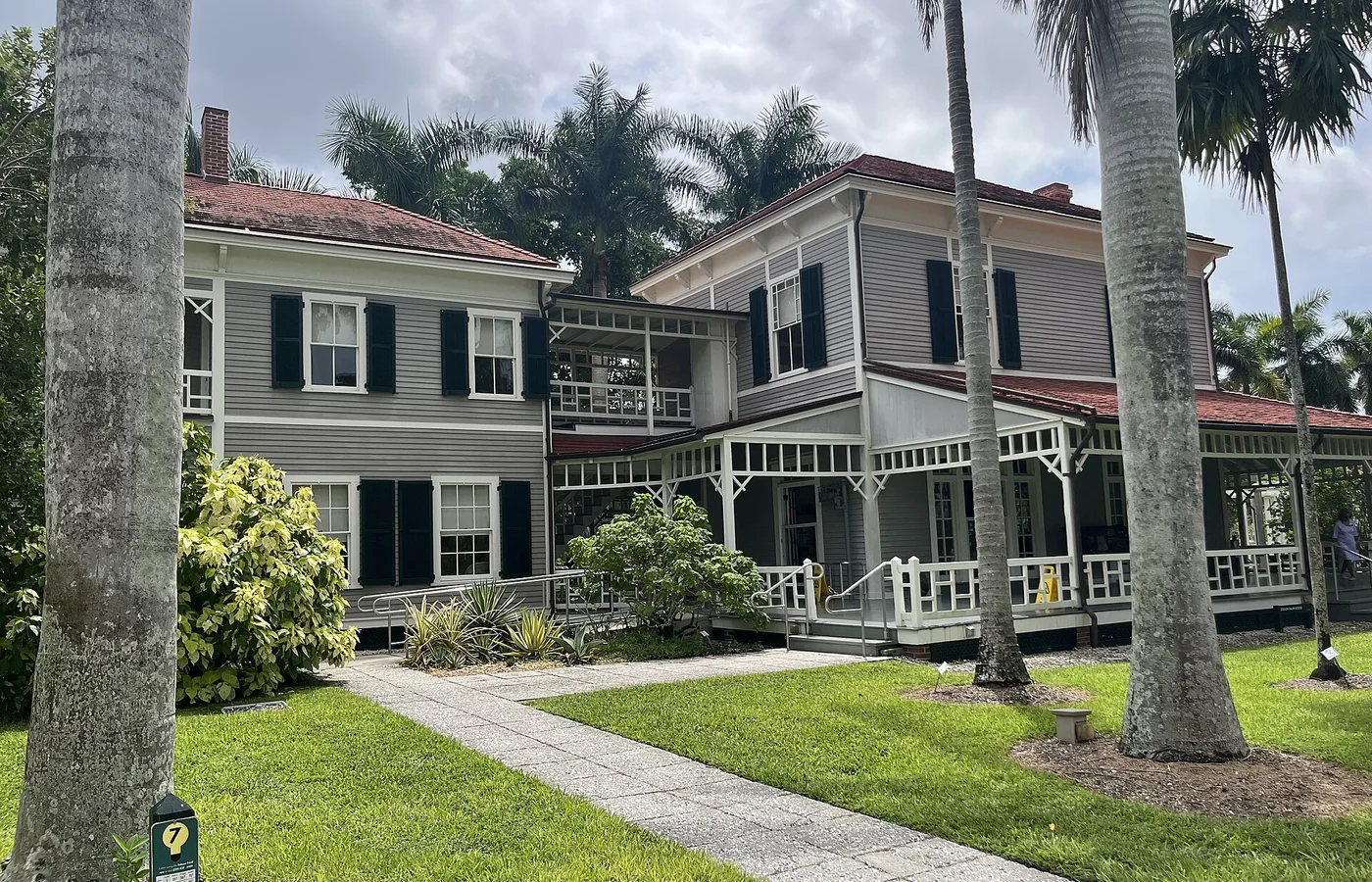
  • Edison and Ford Winter Estates
  • Bowman's Beach
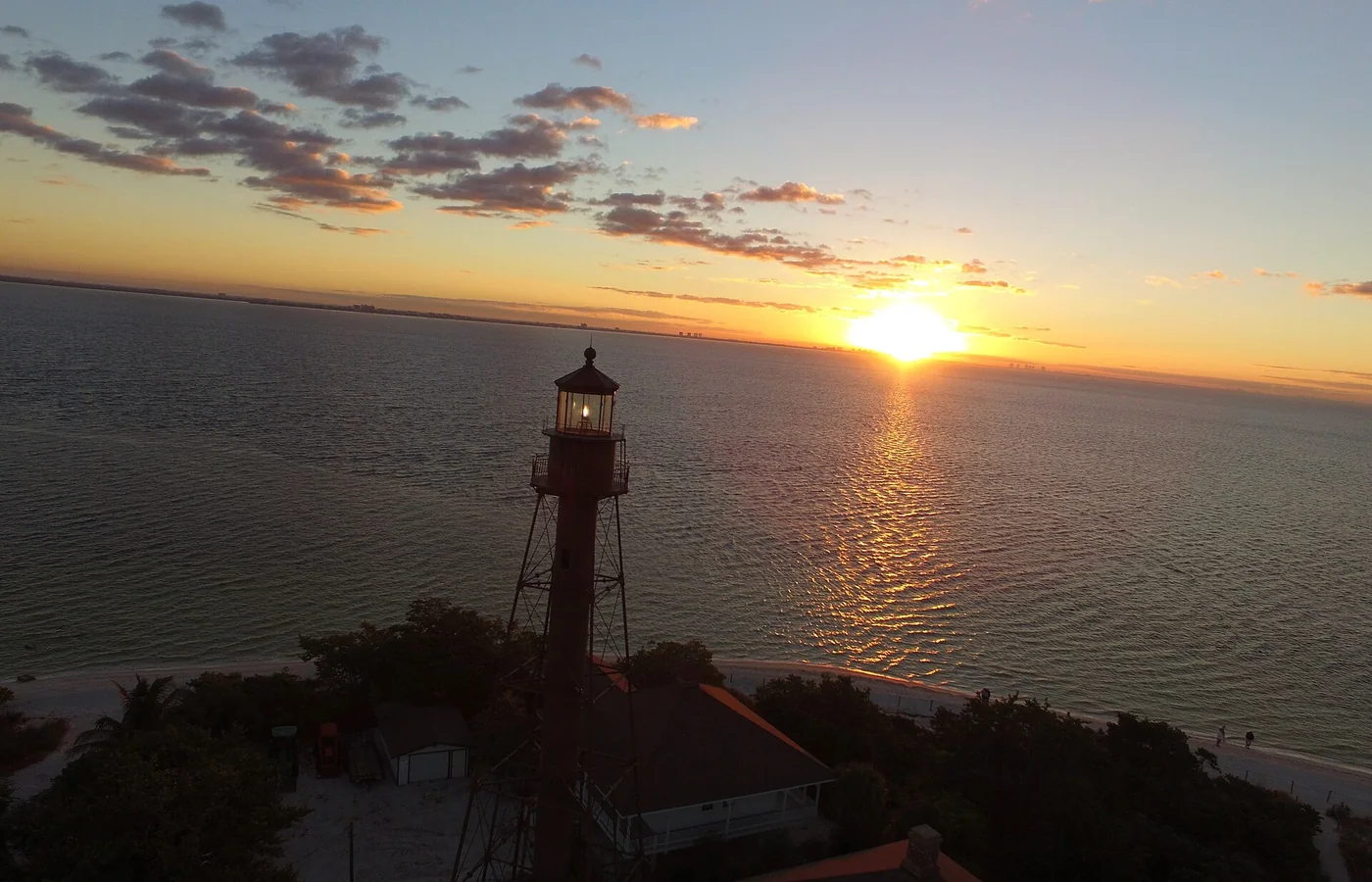
  • Sanibel Lighthouse
  • Times Square, Fort Myers Beach
  • Lovers Key State Park
  • Bailey-Matthews National Shell Museum

Nearby Markets: Naples & Marco Island  |  Sarasota  |  St. Pete & Clearwater

Airbnb marketing services in Fort Myers & Sanibel, Florida, USA
Postcards

Fort Myers & Sanibel through the lens

A few of the visual fingerprints we lean into when we shoot, brand and market a Fort Myers & Sanibel property — courtesy of the open Wikimedia Commons archive.

Fort Myers Beach sunset 1 — Fort Myers & Sanibel airbnb marketing
Local Color
Fort Myers Beach sunset
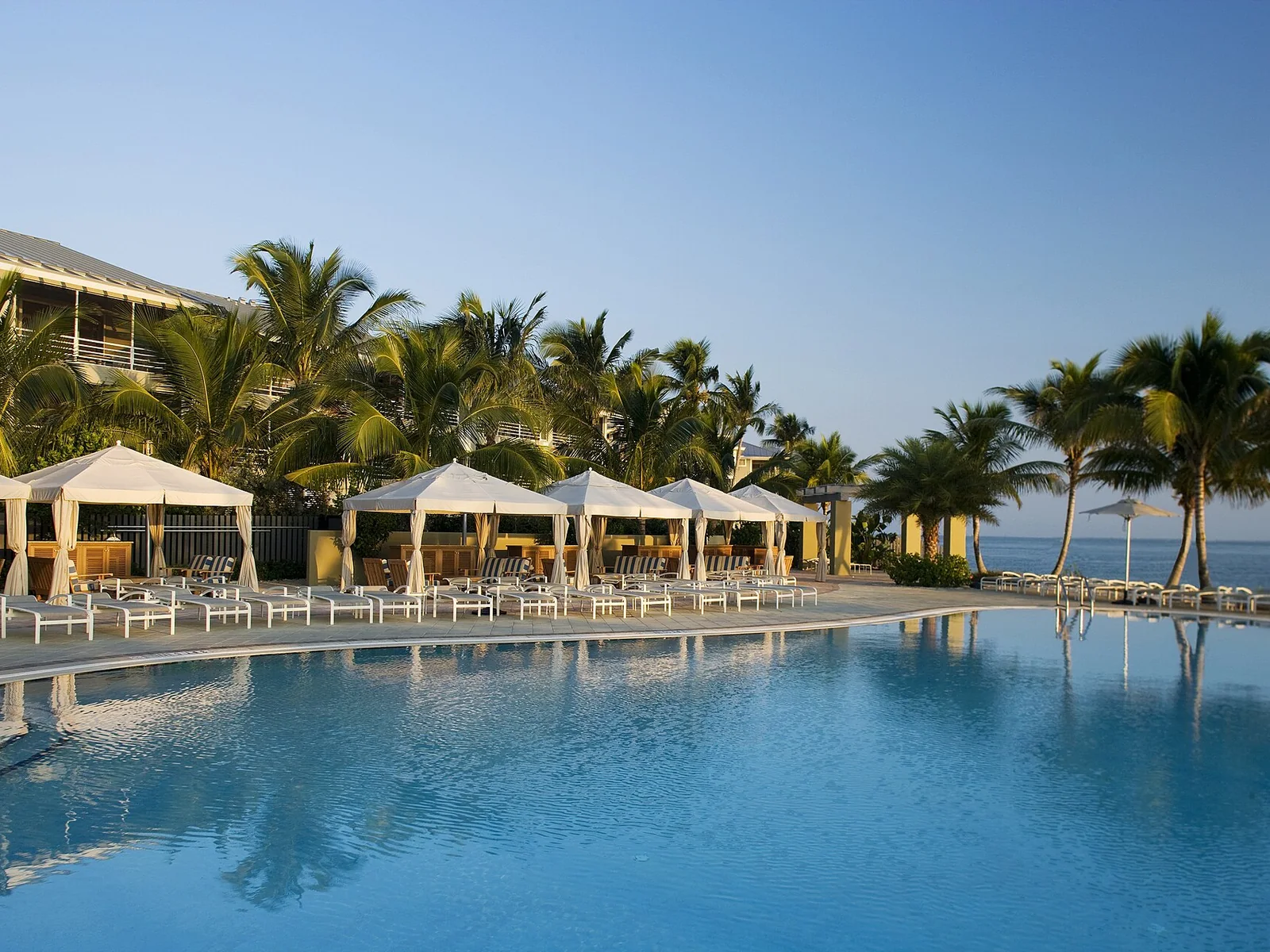
South Seas Island Resort, Captiva Island, Florida — Fort Myers & Sanibel airbnb marketing
Local Color
South Seas Island Resort, Captiva
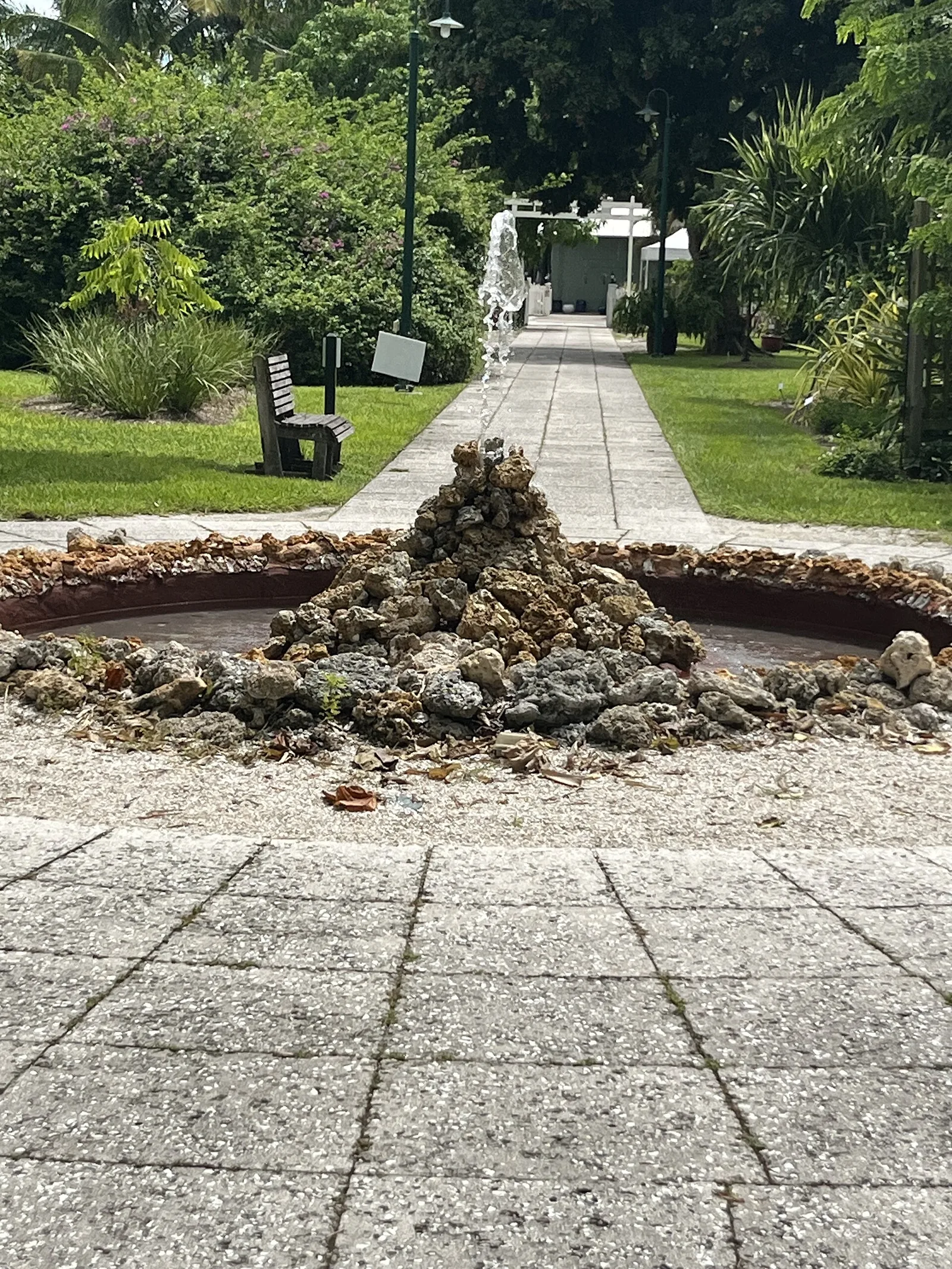
Fountain at Edison and Ford Winter Estates — Fort Myers & Sanibel airbnb marketing
Local Color
Fountain at Edison and Ford
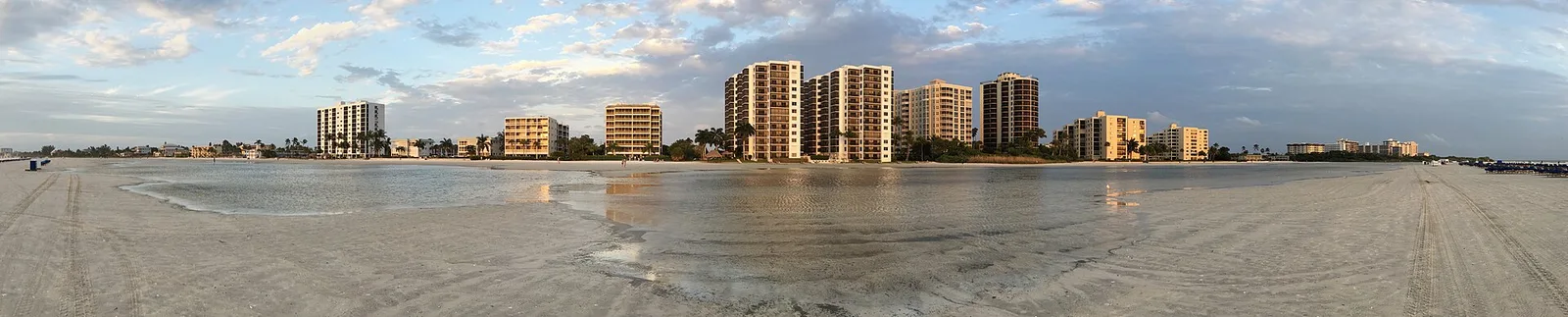
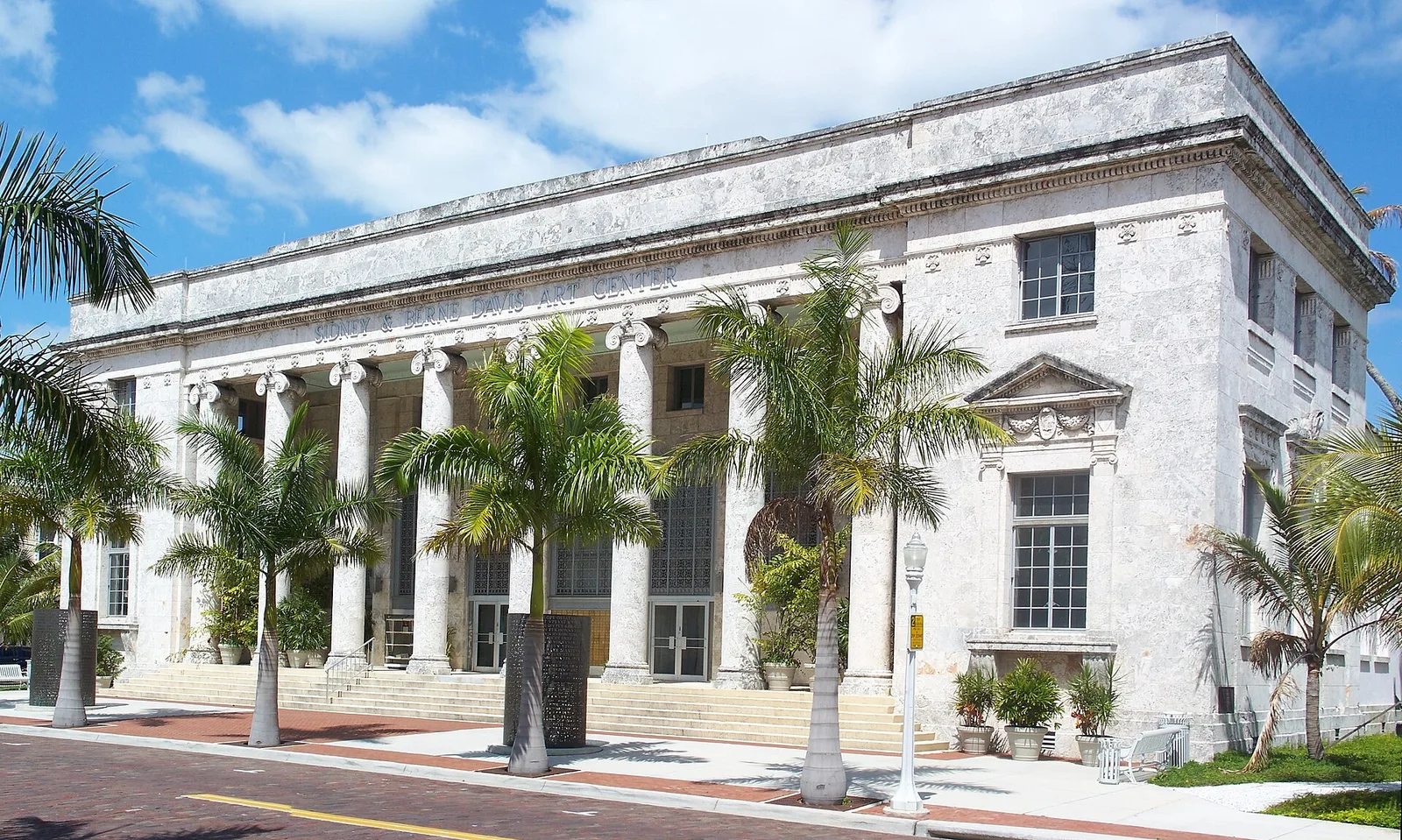
Fort Myers FL Downtown HD 1933 crths pano01 — Fort Myers & Sanibel airbnb marketing
Local Color
Fort Myers FL Downtown HD
Why Cavmir

The Cavmir Advantage
in Fort Myers & Sanibel

Cavmir wins in Fort Myers and Sanibel because this market is mid-rebuild, and mid-rebuild markets punish stale marketing twice. Half the listings still lead with pre-Ian photos or, worse, apologize for the island instead of showing the comeback: new construction, reopened beaches, the lighthouse lit. We shoot the Gulf light properly — shelling flats at low tide, the causeway at golden hour — write copy that answers the questions guests actually have about what's open, and build event pricing around spring training, the February festival season and the winter exodus. On Sanibel, we position the 28-day product as what it legally is: a premium furnished-monthly stay for the guest who was staying six weeks anyway. And for the inns and small resorts that anchored these islands for decades, we build direct-booking websites so the repeat winter guest stops paying a commission to come back. We help position and market your property. We never manage it or touch your keys.

State of the Industry · History

The Fort Myers & Sanibel STR Market — Past & Present

Fort Myers was a cattle town on the Caloosahatchee until Thomas Edison stepped off a boat in 1885, bought thirteen riverfront acres, and built the winter estate he called Seminole Lodge. Henry Ford bought the house next door in 1916, and for decades America's two most famous industrialists wintered side by side under the royal palms Edison helped plant along McGregor Boulevard — the reason Fort Myers still calls itself the City of Palms, and the reason the town has thrown a festival of light in Edison's honor every February since 1938. The islands grew on a different economy: Sanibel's lighthouse went up in 1884 to guide cattle boats and fishermen, the island stayed ferry-only until the causeway opened in 1963, and the residents who watched the bridge arrive spent the next decade making sure it wouldn't undo the place — incorporating in 1974 and writing a land-use plan that kept two-thirds of the island in conservation, banned buildings above the treeline, and eventually restricted residential rentals to four-week minimums. Sanibel chose to be a sanctuary, in the legal sense of the word.

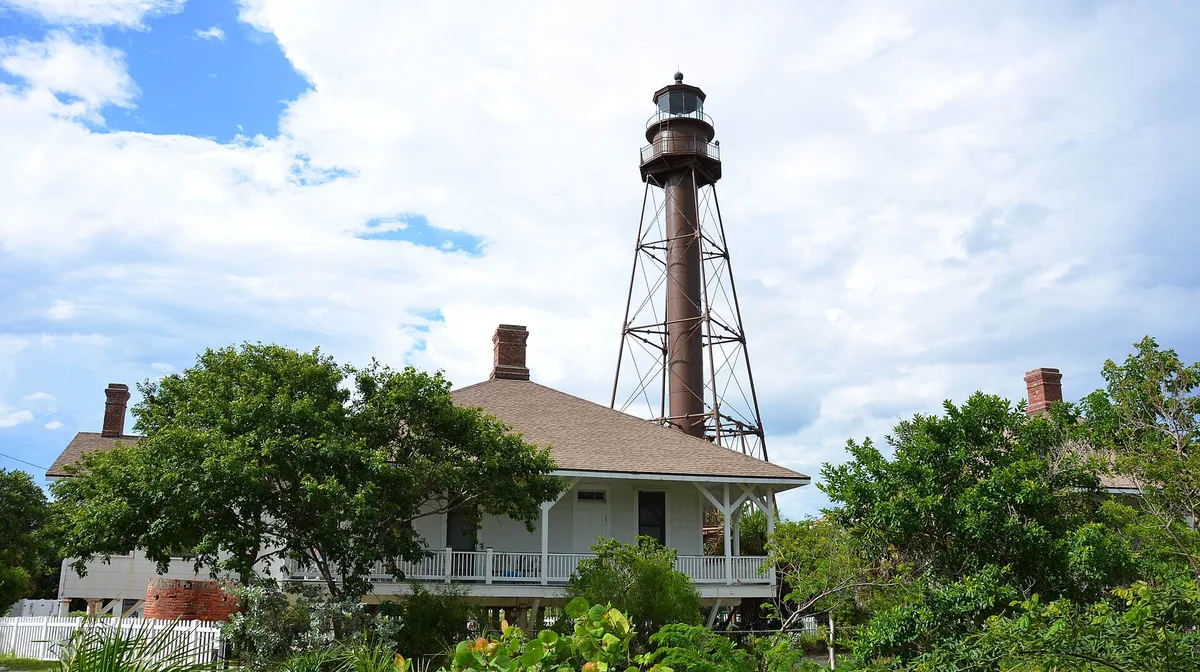
Then came September 28, 2022. Hurricane Ian crossed the barrier islands as a high-end Category 4, put a fifteen-foot surge through Fort Myers Beach, damaged nearly every structure on Estero Island, and severed the Sanibel Causeway in multiple places. The recovery became its own chapter of the region's history: the causeway reopened on emergency repairs just three weeks after landfall, the Sanibel lighthouse — one leg gone but standing — was relit on February 28, 2023, five months to the day after the storm, and Fort Myers Beach began rebuilding to a new, higher standard, with the 254-room Margaritaville resort opening beside a restored Times Square in December 2023. Officials talk honestly about a ten-year rebuild arc. For rental owners, that arc is the market: newer, stronger, better-photographed inventory returning to a coastline whose demand — shelling, wildlife, winter warmth — never went anywhere.

Pricing Strategy & Seasonality

Pricing, Seasonality & When to Capture ROI

Pricing Strategy

Water and island set the rate card. Sanibel and Captiva are the ceiling — the 28-day residential minimum makes Sanibel a furnished-monthly market by law, with island averages around $405 a night on the stays that do run and the grandfathered resort condos (a handful of complexes with weekly-rental rights that predate the rules) commanding a scarcity premium. Fort Myers Beach is the nightly engine: Gulf-front homes and condos on Estero Island average near $370 with the rebuilt, elevated new stock earning well above the survivors. Bonita Springs and Estero run strong family product between the beach and the interstate; the city of Fort Myers and its river district trade at mainland prices with steady event and medical-travel demand; and Cape Coral across the river — canal-front pools at mid-market rates — is the volume play most investors actually buy. Blended, the market lands around $385 a night at roughly 55% occupancy, with December-through-April earning the overwhelming share of the year.

Seasonality & ROI Windows

The season is the snowbird season: December through April, when the Midwest and Northeast arrive for months at a time, rates peak, and the good inventory books out by fall. February and March stack spring training and festival demand on top. Summer is a real second season at softer rates — Florida families, warm Gulf water, afternoon storms — and September and October are the honest trough, hot, quiet and hurricane-watchful. The smart calendar sells winter at premium, summer to families, and the fall to deal-hunters and the monthly trade.

Regulation & Licensing · 2026

What the Law Requires in Fort Myers & Sanibel

The rules here change at every bridge, so map your parcel first — and confirm everything with the relevant city and your attorney, because post-Ian councils revisit these ordinances regularly. The statewide baseline: Florida requires nearly every short-term rental to hold a DBPR vacation-rental license, register with the Department of Revenue, and collect state sales tax — and state law preempts outright bans, but grandfathered local ordinances and registration programs are very much alive here. The Town of Fort Myers Beach requires every rental unit to register with the town — a per-unit registration (around $300) under the ordinance framework formalized in 2018, renewed annually in the fall window, with quiet hours from 10 p.m. to 7 a.m., a required guest code of conduct, and mandatory compliance with hurricane evacuations. Sanibel is the strict one: the city code permits rental of a residential dwelling by one family only for periods of no less than four consecutive weeks — effectively one tenancy per month, minimum 28 days — with a limited set of grandfathered resort-zone condominiums holding older weekly-rental rights. That rule predates the platforms by decades and survived them comfortably.

Elsewhere: the city of Fort Myers and Cape Coral run comparatively permissive regimes layered on the state license, and unincorporated Lee County follows the state framework with county tax registration — but zoning, HOA covenants and condo documents do the real restricting parcel by parcel, so read them before you buy. The tax stack: Florida's 6% sales tax plus Lee County's surtax (about 6.5% combined) and the county's 5% tourist development tax, roughly 11.5% on stays of six months or less, remitted between the state and the Lee County Clerk. Stays structured as true long-term leases fall outside the transient taxes. As of 2026 the post-Ian rebuild keeps rules in motion — elevation requirements, rebuild permitting, registration enforcement — so treat this section as a map and get current answers in writing.

Market-Specific Tips & Challenges

Local Tips & Unique Market Challenges

Tips That Actually Move Revenue in Fort Myers & Sanibel

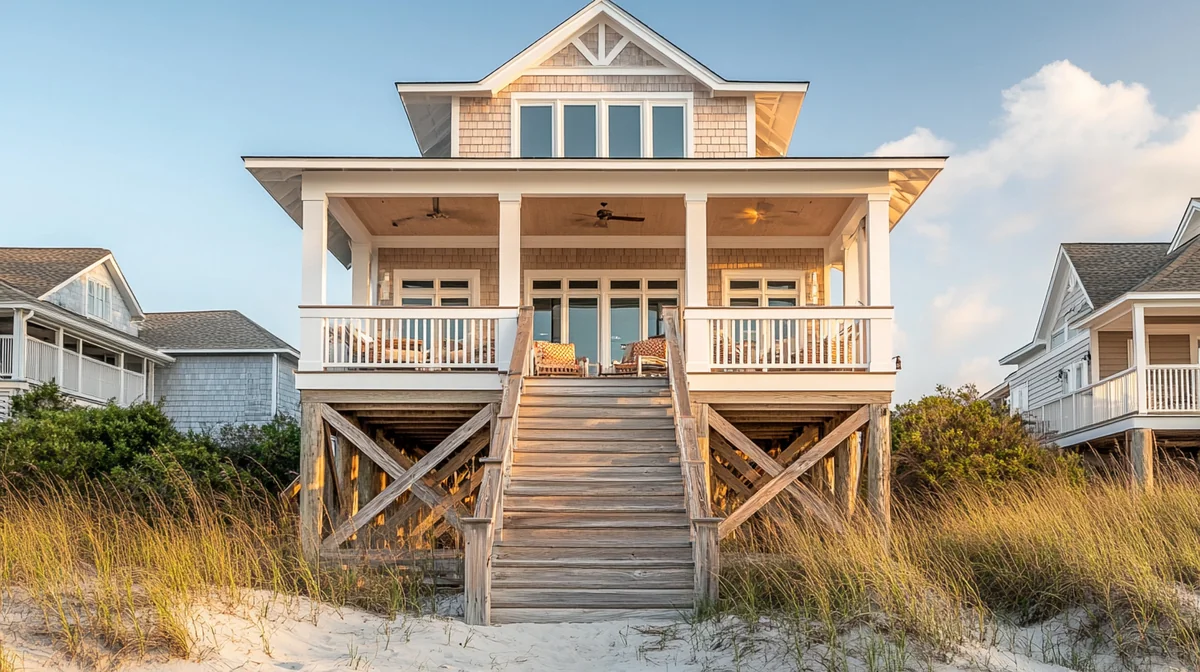
The Fort Myers strategic tip: market the comeback, not the catastrophe — and match the product to the island's actual rules. Guests searching this coast in 2026 want to know exactly what's open, what's new and what the beach looks like today; listings that answer with current photography and plain status notes convert the cautious traveler that outdated ones lose. And the legal geometry is a strategy in itself: nightly product belongs on Fort Myers Beach and the mainland, while Sanibel is a monthly market by ordinance — fighting that is a citation, embracing it is a premium winter business.

Tactically: first, reshoot everything — post-rebuild photography is the single highest-ROI spend in this market, because it proves recency; golden hour on the Gulf, the lighthouse lit, new construction gleaming. Second, sell winter by the month: the snowbird booking six to twelve weeks is this region's native guest, books nearly a year out, and on Sanibel is the only residential guest — build the listing, pricing and direct site around that stay length. Third, price the February–March stack deliberately: spring training, the Edison festival, shell season and school breaks are published dates that flat pricing gives away. Fourth, write the shelling story like a local — low-tide timing, Bowman's Beach before breakfast, the Shell Museum on the rainy day — because shelling is the search intent that separates these islands from every other Gulf market. Fifth, build the direct channel now, while supply is still rebuilding: the winter families and monthly guests who return annually are the cheapest revenue you will ever acquire, and the rebuilt market's loyalties are being formed right now.

Unique Fort Myers & Sanibel Challenges

The risks are named honestly: hurricane exposure is real and repriced — insurance is the line item that breaks lazy underwriting here — the rebuild means construction noise and shifting streetscapes for years yet, and beach supply is growing double digits as rebuilt homes return, which punishes unmarketed listings. Sanibel's 28-day rule removes the nightly option entirely on the island, and September can go very quiet. This market pays owners who plan for all of it.

A Curious Fort Myers & Sanibel Fact
Sanibel is one of the best shelling beaches on Earth because the island is built sideways. Most barrier islands on this coast run north-south; Sanibel hooks east-west, laying its southern shore across the Gulf's currents like a sixteen-mile scoop, so shells that would sweep past any other island pile up here by the million. The posture collectors adopt hunting them — bent at the waist, eyes down — is locally famous as the Sanibel Stoop, and the island took its shell obsession seriously enough to build the Bailey-Matthews National Shell Museum, the only museum in the United States devoted entirely to shells. Thomas Edison wintered up the river; the shells winter on Sanibel.
Finance Essentials — Fort Myers & Sanibel
🛡️

Insurance

Insurance is the underwriting question in Southwest Florida, so start it before you write an offer. Wind coverage and flood coverage (through NFIP or private carriers) price by elevation, construction year and flood zone — post-Ian rebuilt and elevated structures often insure meaningfully better than grandfathered older stock, which is quietly reshaping the market's economics. Short-term-rental operations need proper STR or landlord policies rather than homeowner's coverage, and barrier-island properties carry the fullest stack: wind, flood, liability with real limits. Document elevation certificates and mitigation features, and use a Southwest Florida broker who writes the islands specifically — this is the market where a generic policy fails.

🧾

Property & Income Tax

Short stays of six months or less owe Florida's 6% state sales tax plus Lee County's surtax — about 6.5% combined, remitted to the Department of Revenue — and the county's 5% tourist development tax, remitted to the Lee County Clerk, for a stack of roughly 11.5%. Platforms collect some of this on some bookings; registration and anything they don't cover, especially direct bookings, is on you. True long-term leases fall outside the transient taxes, which matters on Sanibel where the monthly structure is the norm. Florida has no state income tax, so the income faces federal tax only at the state-personal level. Treat these as planning figures and confirm your exact stack with your accountant.

🏦

Mortgages & Financing

Financing here is a three-variable problem: the loan, the insurance and the flood zone, and the second two now drive the first. Lenders underwrite barrier-island purchases with full insurance quotes in hand, and DSCR loans work well on Fort Myers Beach and mainland nightly product where rental income is legal and documentable — while Sanibel's 28-day structure means underwriting monthly income, which some DSCR programs handle and some don't. Condo buyers face post-Surfside structural-reserve scrutiny and occasional non-warrantable buildings. Entry prices run from Cape Coral's accessible canal homes to eight-figure island estates, so the lending answer is entirely parcel-specific. Use a lender who closes Lee County coastal property routinely and quote insurance before you offer.

Future Outlook · 2027 & Beyond

Where Fort Myers & Sanibel is Headed Next

The trajectory here is rebuild-and-upgrade. Fort Myers Beach is turning over its housing stock to newer, elevated, better-built inventory on a decade-long arc — construction disruption in the near term, a structurally stronger rental market on the far side — and every season more of the island comes back online photogenic. Sanibel's conservation-first identity is permanent; its 28-day rule has survived every pressure for decades and fits the long-stay direction travel is moving anyway. Demand fundamentals hold: the winter migration is demographic bedrock, the park-and-refuge draw compounds, and spring training renews its leases. The variables are insurance costs and storm memory, both real. The durable play into 2027 and beyond is owning rebuilt or resilient product in the right legal lane — nightly on the beach, monthly on Sanibel — marketed with current photography and a direct channel that locks in the returning winter guest. In a market this loyal, the owners who capture the comeback's first repeat guests will keep them for twenty years.

From the Desk of Sofie Sinag

Why We Love Marketing in Fort Myers & Sanibel

Fort Myers and Sanibel are the rare market where the story is currently being written, and marketing gets to write it. Every season since Ian, something reopens, something new goes up, another stretch of beach comes back — and the listings that document the comeback honestly are doing something more valuable than selling a house; they're updating the market's mental map. We love working a coastline where a fresh photo shoot is genuinely news, where the guest's first question — what's it like now? — is one a well-built listing can answer better than any headline, and where the emotional register writes itself: the lighthouse is lit, the causeway is open, the shells still come in on every tide.

We also love the split personality the ordinances created. Fort Myers Beach is a nightly market rebuilding into better inventory; Sanibel is a monthly market by law, which makes it — almost uniquely in Florida — a place where the 28-day winter guest is not a consolation prize but the entire design. Marketing a four-week Sanibel stay is closer to marketing a boutique hotel residency than a weekend rental: the guest is choosing a life for a month, the bike paths and the refuge and the shelling tide chart matter more than the countertops, and the copy gets to slow down and be good. Two islands, two completely different playbooks, one bridge apart — for an agency, that's the whole craft in one market.

Why It Matters

A great property in Fort Myers & Sanibel doesn't just want a listing — it wants a point of view, an audience, and a brand the city itself would recognise.

Cavmir's Fort Myers & Sanibel Cheat Sheet

The Picks We Recommend for Your Welcome Book

A few honest, insider picks for Fort Myers & Sanibel — the kind of specifics that make a listing read like a local wrote it, because one did. Real places, no filler.

Morning

Bowman's Beach at low tide

Sanibel's quietest major beach, and the shelling is best in the first hour after a falling tide — locals check the chart the night before and walk it at sunrise doing the Sanibel Stoop. A listing that includes the tide-chart link is speaking the island's native language.

Golden Hour

Lighthouse Beach, Sanibel's eastern tip

The 1884 iron lighthouse — relit five months after Ian, and now a symbol of the whole island's comeback — with the causeway's span catching the last light across the water. It's the closing shot of any Sanibel gallery, and the story behind it is worth a sentence in the listing.

Neighborhood Walk

The Fort Myers River District

Brick-lined First Street downtown: galleries, restaurants, the Edison theater marquee, and a monthly Art Walk that fills the blocks. It's the surprise for guests who thought Fort Myers was only beach — and the answer to what to do on the one rainy day.

Dinner That Photographs

The Mucky Duck, Captiva

A pub sitting directly on Captiva's sand, where the nightly ritual is dinner timed to the sunset — guests take drinks onto the beach and applaud when the Gulf swallows the sun. Tell them to arrive an hour early; the show doesn't take reservations.

Local Obsession

Shell fever

Sanibel's east-west hook scoops shells out of the Gulf like nowhere else in North America, and the obsession is institutional: a national shell museum, a shell festival running since 1937, and islanders who can identify a junonia at ten paces. A guest who finds one gets their photo taken at the museum — put that in the listing.

Shoulder Season Secret

May on the islands

The snowbirds have flown, the water is already bathtub-warm, the shelling stays strong and rates drop a full tier. May is the month locals claim the beaches back — sell it to couples and remote workers as the island at its ease, because that's exactly what it is.

Weekend Escape

Key West by ferry

The Key West Express runs from Fort Myers Beach to Mallory Square in about three and a half hours — no Overseas Highway, no flight, a day trip or overnight that turns a Gulf-coast week into a two-destination trip. Most visitors have no idea it exists; the listing that mentions it becomes the itinerary.

What Guests Ask For

The rebuild status and the beach report

Post-Ian guests ask two things before booking: what's open near the property, and what the beach looks like today. Answer both with dated photos and a plain paragraph — current, honest, unafraid — and you'll convert the cautious traveler that outdated listings scare off.

Local Work · Composite Case Vignettes

What Cavmir Has Done for Fort Myers & Sanibel Properties

A few composite engagements drawn from how Cavmir typically works in this market. The details are illustrative and consistent with Fort Myers & Sanibel, not pulled from a single named client.

Rebuilt Gulf-front home · Fort Myers Beach
The Brief

A newly rebuilt, elevated beach house — better than anything that stood on the street before Ian — was invisible in a comp set of returning listings, with builder photos, no registration story and pricing that ignored the winter season entirely.

What We Did

Cavmir shot the home at golden hour with the rebuilt streetscape and Times Square walk documented, led the copy with the new-construction and elevation story, made the town registration visible, and built winter and spring-training pricing with a direct-booking page for returning snowbirds.

The Result

The listing separated from the older stock within its first season, winter months booked out well ahead at rates the street had never seen, and the first year's guests began rebooking their weeks direct — the new house became the block's benchmark instead of its newcomer.

Furnished monthly · Sanibel
The Brief

An owner near the refuge assumed the island's 28-day rule made the house unmarketable, and had it drifting between empty months and casual annual leases while winter demand for exactly this product went unserved.

What We Did

Cavmir positioned it as a premium furnished-monthly stay: photography styled around island life — bikes, the shelling table, the screened lanai at dusk — copy naming Ding Darling, Bowman's Beach and the tide charts, placement aimed at the multi-month winter guest, and a one-page direct site for renewals.

The Result

The house moved to consecutive four-week-plus winter stays with minimal vacancy, drew the quiet, high-consideration guests the island's rules were designed for, and the owner ended up with steadier income than any nightly fantasy — fully inside the ordinance.

Island inn · Sanibel-Captiva corridor
The Brief

A small resort with grandfathered weekly rights and decades of returning families was paying OTA commissions on guests who had been coming since before the internet, with a dated website and no telling of its comeback story.

What We Did

Cavmir rebuilt the brand and direct-booking website around the inn's history and its post-Ian restoration, reshot the property and the beach path in the golden hours, ran search marketing for island-stay terms, and built an email program keyed to the winter booking window.

The Result

Direct bookings grew into a durable share of revenue, the returning families moved onto the inn's own list and booked next winter before leaving, and the comeback story — told properly for the first time — became the inn's strongest marketing asset.

Market Intelligence · Seasonality

Airbnb seasonality in Fort Myers & Sanibel, month by month

Demand in Fort Myers & Sanibel peaks around February through March and runs quietest around August through October. Here is how the year actually books — and what to do about each stretch of the calendar.

Peak demandSteadyQuiet

Peak season

Winter into spring is what this market is built on. From January through April the snowbird migration fills monthly calendars, February stacks the Edison Festival of Light and Red Sox and Twins spring training on top of returning seasonal guests, and March adds shell-season visitors and spring break families. Rates hold firmest from mid-February through Easter, so have photography, pricing and minimum stays locked before the holidays. Listings that aren't dialed by December miss the bookings that carry the whole year.

The shoulders

May through July is the family season: warm Gulf water, long beach days, and a steady stream of drive-in guests from Tampa, Orlando and Miami. It books on shorter windows and shorter stays than winter, so keep pricing responsive and lean your listing toward pool time and beach gear. November and December build back toward season as early snowbirds and holiday families return, and that's when next winter's stragglers grab what's left.

The quiet stretch

August through October is the honest lull, when heat, humidity and storm-season nerves thin the calendar. This is the window to court longer stays, welcome traveling professionals, and lock in next winter's monthly guests, who are already shopping. It's also the right time for deep maintenance and a photo refresh, because the season that pays for everything starts the moment the weather breaks.

Dates that fill first

Edison Festival of LightFebruary
Weeks of events around downtown Fort Myers capped by one of the biggest night parades in the Southeast. It concentrates demand near the River District right at the height of season.
Red Sox and Twins spring traininglate February through March
Two big-league camps in one town means a month of fans planning trips around game blocks. Mention your drive time to JetBlue Park and Hammond Stadium and you'll win these guests.
Sanibel Shell Show & FestivalMarch
The longest-running shell show in the country pulls collectors to the island during peak season. Shelling guests book early and love listings that talk their language.
Island Hopper Songwriter Festlate September
Days of songwriter sets across Captiva, downtown Fort Myers and Fort Myers Beach, and one of the few reliable demand bumps in the quietest stretch of the year.
Market Intelligence · Guests

Who books Fort Myers & Sanibel Airbnbs — and how far ahead

Snowbird couples
The backbone of the market. They book by the month from January into April, come back to the same place for years when they're happy, and care about a real kitchen, comfortable furniture and a screened lanai far more than designer finishes.
Spring training fans
February and March trips built around Red Sox and Twins game blocks. They want easy parking, a short drive to the ballparks and a pool to unwind at after day games.
Beach and shelling families
Sanibel and Captiva draw families who plan their days around low tide. Beach gear, bikes and an outdoor shower to rinse off the sand make your listing the easy pick.
Summer value families
Florida and Southeast drive-market guests chasing Gulf beaches at friendlier summer rates. A pool and flexible check-in matter more to them than season-level polish.
Boating and fishing groups
Canal-front and gulf-access homes pull anglers and boaters year-round. Dock space, a spot to clean the catch and trailer parking are the amenities that close these bookings.

The booking window

Snowbirds book the farthest ahead of almost any guest type there is; many reserve next winter before they leave in spring. Families planning summer beach weeks book a few months out, while fall guests decide on short notice. Practically, your winter calendar and monthly pricing need to be right by early fall, well before the season starts.

Typical stays

Winter runs long: month-plus snowbird stays anchor January through April, with shorter stays filling around them. Summer skews toward the classic week at the beach, and the rest of the year is mostly long weekends. Listings set up to host comfortably for a month earn the most stable revenue in this market.

Where guests drive from

TampaOrlandoMiamiNaplesSarasota

Where guests fly from

ChicagoMinneapolisDetroitBostonCleveland
The winter market is heavily Midwestern and Northeastern, flying into Southwest Florida International, while Florida's own metros supply summer and weekend guests by car. If you run ads, the Midwest snowbird corridor in late summer and fall, when next winter gets booked, is usually the efficient play.
Market Intelligence · What Wins

The Airbnb that wins in Fort Myers & Sanibel

The classic winner here is a single-story home with a heated pool and screened lanai in south Fort Myers, the McGregor corridor or Cape Coral's gulf-access canals, or a beach cottage on Sanibel with bikes leaning against the porch. Winter guests are staying a month, so livability beats spectacle: a real kitchen, comfortable seating and shaded outdoor space. On the islands, walk-to-beach distance and a genuinely equipped shelling setup separate you from the pack.

Amenities that move bookings here

heated poolscreened lanaibeach chairs and umbrellasbikesoutdoor showerfast wifiwasher and dryerdock or gulf access
If you do one thing, heat the pool and say so in your title. Winter is the season that pays here, and an unheated pool in January is a dealbreaker snowbirds quietly filter out.
Straight Answers

Fort Myers & Sanibel Airbnb marketing questions, answered

How do I market my Airbnb in Fort Myers & Sanibel?

Start with what winter guests are actually deciding on: photos that show the lanai, the pool and the distance to the beach, listing copy that answers snowbird questions like monthly availability and heated-pool details, and pricing that reflects how different February is from September. Then build the compounding layer: a Google Business Profile so you surface in map searches, and a simple direct-booking site so returning snowbirds can skip the platform fees when they rebook every year. That's the stack Cavmir builds for Gulf Coast hosts, and it matters most in a market where the same guests come back winter after winter.

When is peak season for Fort Myers & Sanibel Airbnbs?

January through April is the heart of it, driven by snowbird stays, the Edison Festival of Light and spring training, with February and March the strongest months. Summer brings a solid family season at softer rates, and August through October is the quiet stretch. The calendar that matters most is set months earlier, when winter guests book.

How far in advance do guests book Fort Myers & Sanibel Airbnbs?

Monthly winter guests book the farthest out, often reserving next season before this one ends. Summer families commit a few months ahead, and fall travelers book on short notice. Have your winter pricing and minimum-stay rules finalized by early fall or you'll take the leftovers.

Where do most Fort Myers & Sanibel Airbnb guests come from?

Winter guests fly in from the Midwest and Northeast, with Chicago, Minneapolis, Detroit, Boston and Cleveland heavily represented. Summer and weekend guests drive from Tampa, Orlando, Miami and across South Florida. That split is why smart hosts market to the northern snowbird corridor in fall and to Florida drive markets in late spring.

What amenities matter most for a Fort Myers & Sanibel Airbnb?

A heated pool and a screened lanai are the two that move winter bookings, and winter is where the money is. After those: beach gear and bikes so island guests can skip the rental shop, an outdoor shower for sandy feet and shell buckets, and a washer and dryer for month-long stays. Dock or gulf access puts you in a category of your own for boating guests.

Ready to Grow in Fort Myers & Sanibel?

Let's Put Your Fort Myers & Sanibel
Property on the Map

Talk to Cavmir today. We'll show you exactly what your Fort Myers & Sanibel property is leaving on the table — and how fast we can change that.

Book a Free Strategy Call