


Morning
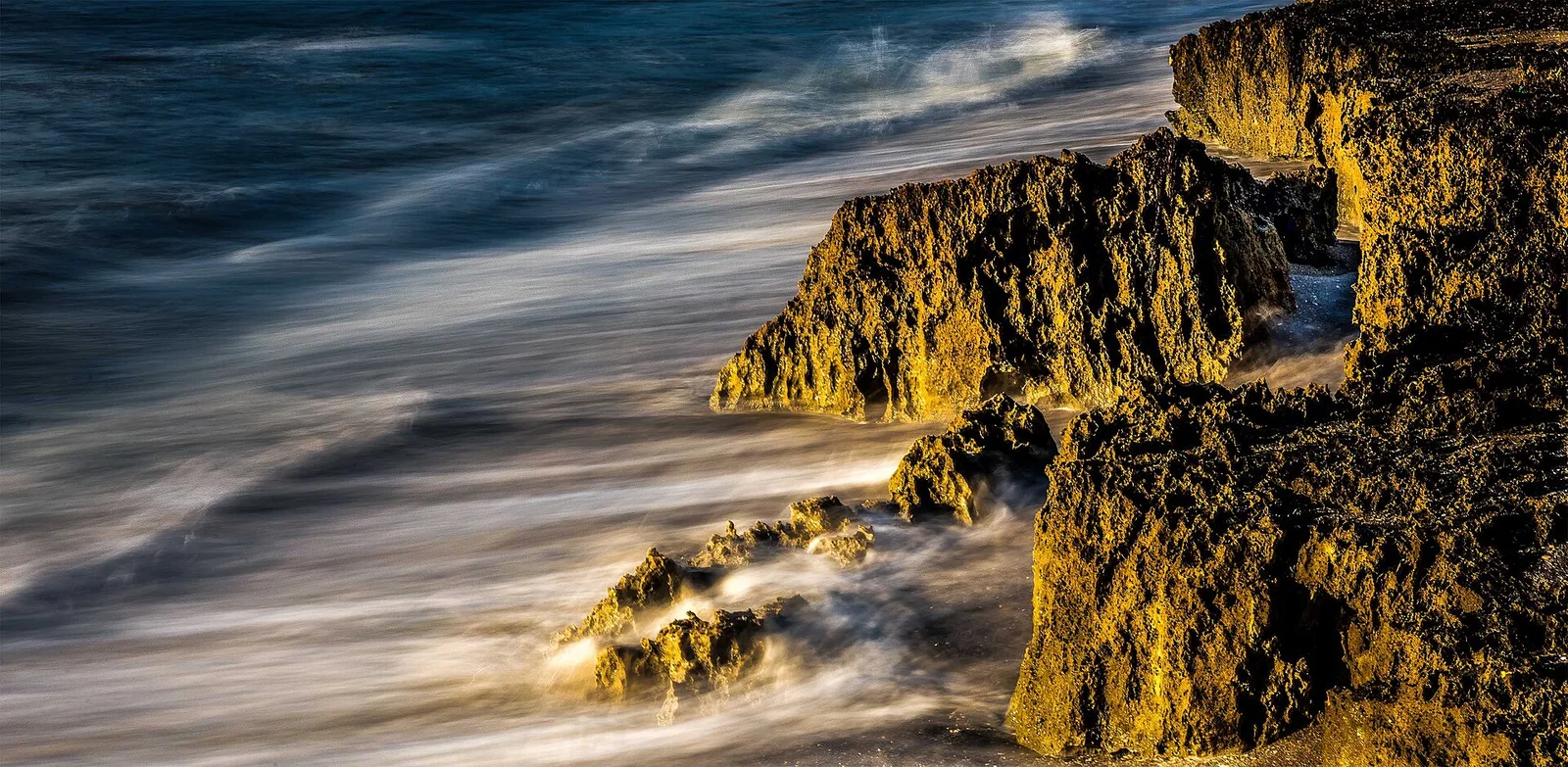
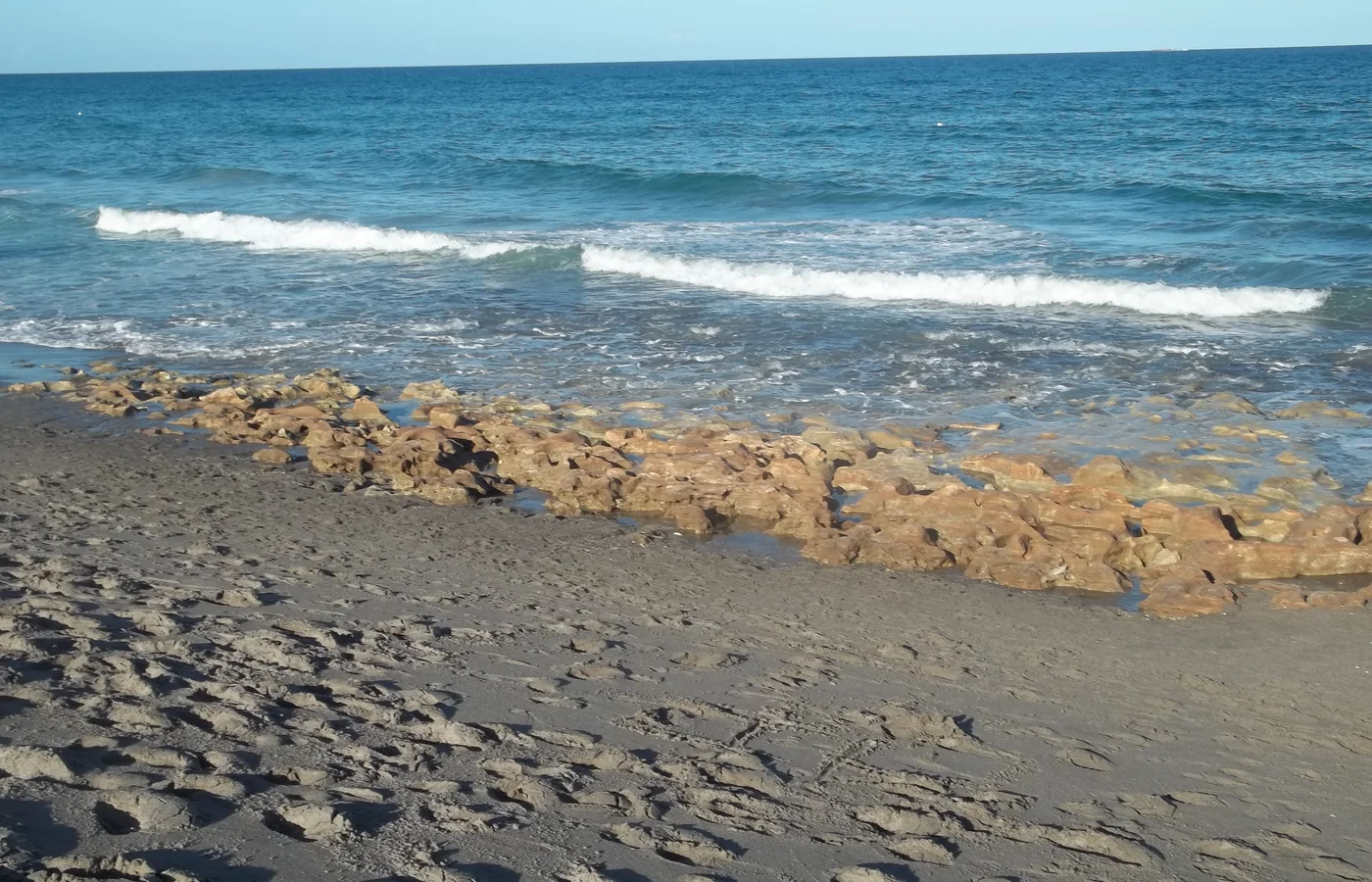
Blowing Rocks at high tide
Winter swells turn the limestone shore into geysers — check the tide chart and send guests early. South Florida's most under-photographed spectacle, ten minutes from most corridor doors.

Expert short-term rental marketing for the corridor around America's quietest wealth — Jupiter, Tequesta and Hobe Sound, in the orbit of Jupiter Island.
Sixteen services, one team. Everything below is built in-house and scoped to your property and market. Most owners start with the 12-Step System.
Every engagement is quoted to your portfolio. These are the ready-made scopes owners pick most — our Fall Special (55% off list) is already applied. A clear proposal within 48 hours.
The work is public. Selected engagements and what changed — and reviews from the owners and managers behind them.
* Market averages. Properties marketed by Cavmir typically exceed these figures by 25–45%. Data sourced from AirDNA, STR market reports, and Cavmir internal analytics.
Jupiter Island is where American wealth goes when it is done being seen. A narrow barrier island north of Palm Beach — banyan tunnels, sea-grape dunes, no commercial strip at all — it has ranked for decades among the country's wealthiest addresses, home to golf's greatest names and to families whose money predates the brands on it. The island town itself guards its residential quiet with famously strict rules, which is precisely what makes the corridor around it — Jupiter, Tequesta and Hobe Sound — one of Florida's most interesting rental markets: the visitors that Jupiter Island's world attracts must stay somewhere, and the somewhere is you.
The corridor's rental geography is a string of distinct products. Jupiter proper holds the beachfront condos and inlet-side homes around the lighthouse and the riverfront restaurant docks — the walkable, boatable heart of the market. Tequesta, tucked along the Loxahatchee, trades on river docks and village quiet. Hobe Sound, north across the Martin County line, is the corridor's understated gem — old-Florida lanes, Bridge Road's small-town main street, and beach access at the island's public cut. Between them run the golf economies (some of the highest concentrations of elite courses and touring professionals in the world), the marinas, and Jonathan Dickinson State Park's wild interior. Naming the product — inlet condo, river-dock home, Hobe Sound cottage — is the first job of any listing here.
The guest mix is unusually rich for a market this quiet. Winter brings the seasonal families and the golf economy's full orbit — members, guests, tournament crews and the try-before-buying wealthy shopping the corridor's clubs. Spring brings baseball's faithful to the Cardinals' and Marlins' shared spring-training home. Year-round, the fishing and boating culture around the inlet — one of the Atlantic coast's great small ports — books dock homes the way ski markets book slopeside. And beneath it all runs the relocation current: this corridor is where quiet money moves when Palm Beach feels loud, and its trial stays are the market's best-kept secret.
Access is effortless in the Florida way: Palm Beach International is thirty-five minutes south, drive markets from Orlando to Miami feed the weekends, and I-95 delivers the Northeast's snowbirds to their winter latitude. But the corridor's real advantage is what it is not — not a spring-break coast, not a nightlife strip, not a high-rise wall. The Atlantic here is turtle-nesting beaches backed by dunes, the Intracoastal is a working boater's waterway, and the guest who chooses this stretch chose it for exactly that calm. Marketing that understands the choice — and speaks in its register — collects the corridor's premium.
Nearby Markets: Palm Beach | Fort Lauderdale | Miami
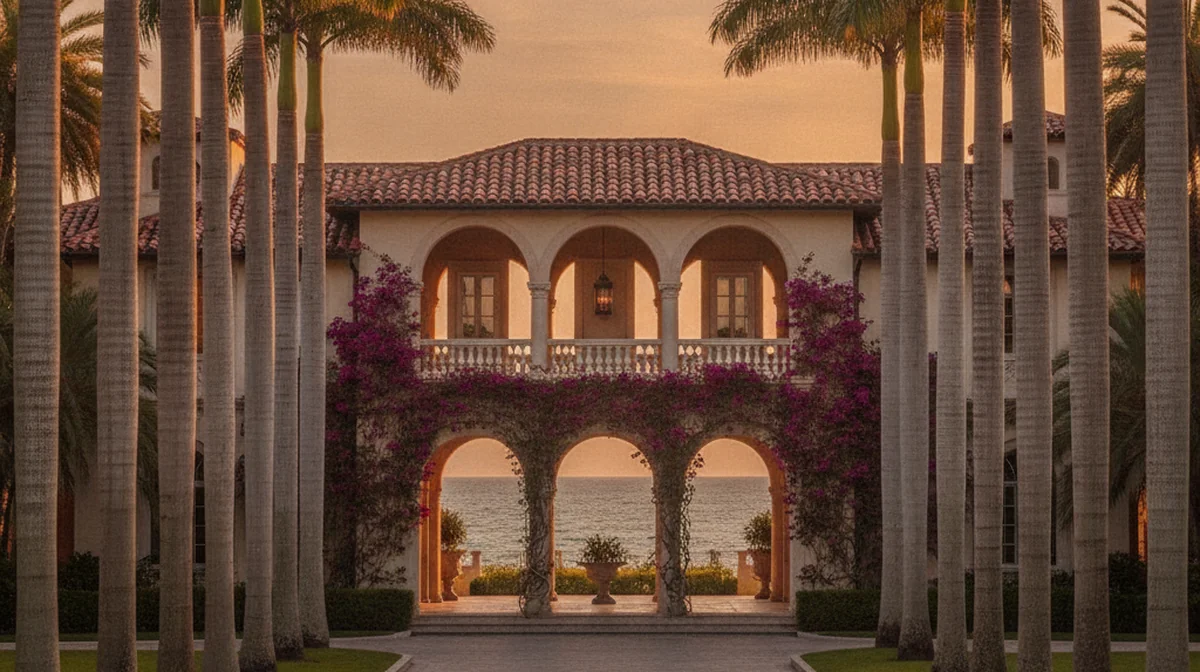
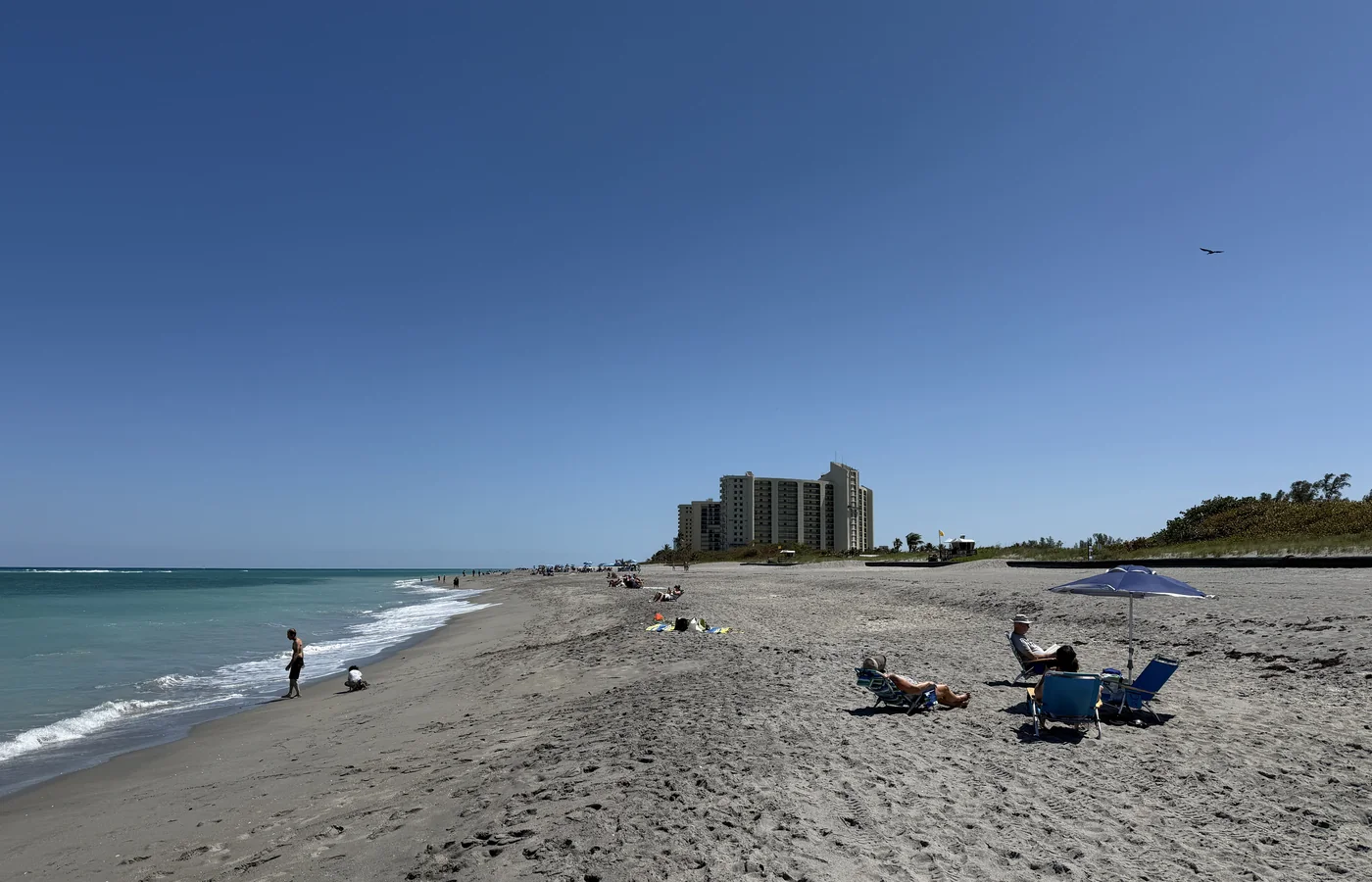
A few of the visual fingerprints we lean into when we shoot, brand and market a Jupiter Island property — courtesy of the open Wikimedia Commons archive.
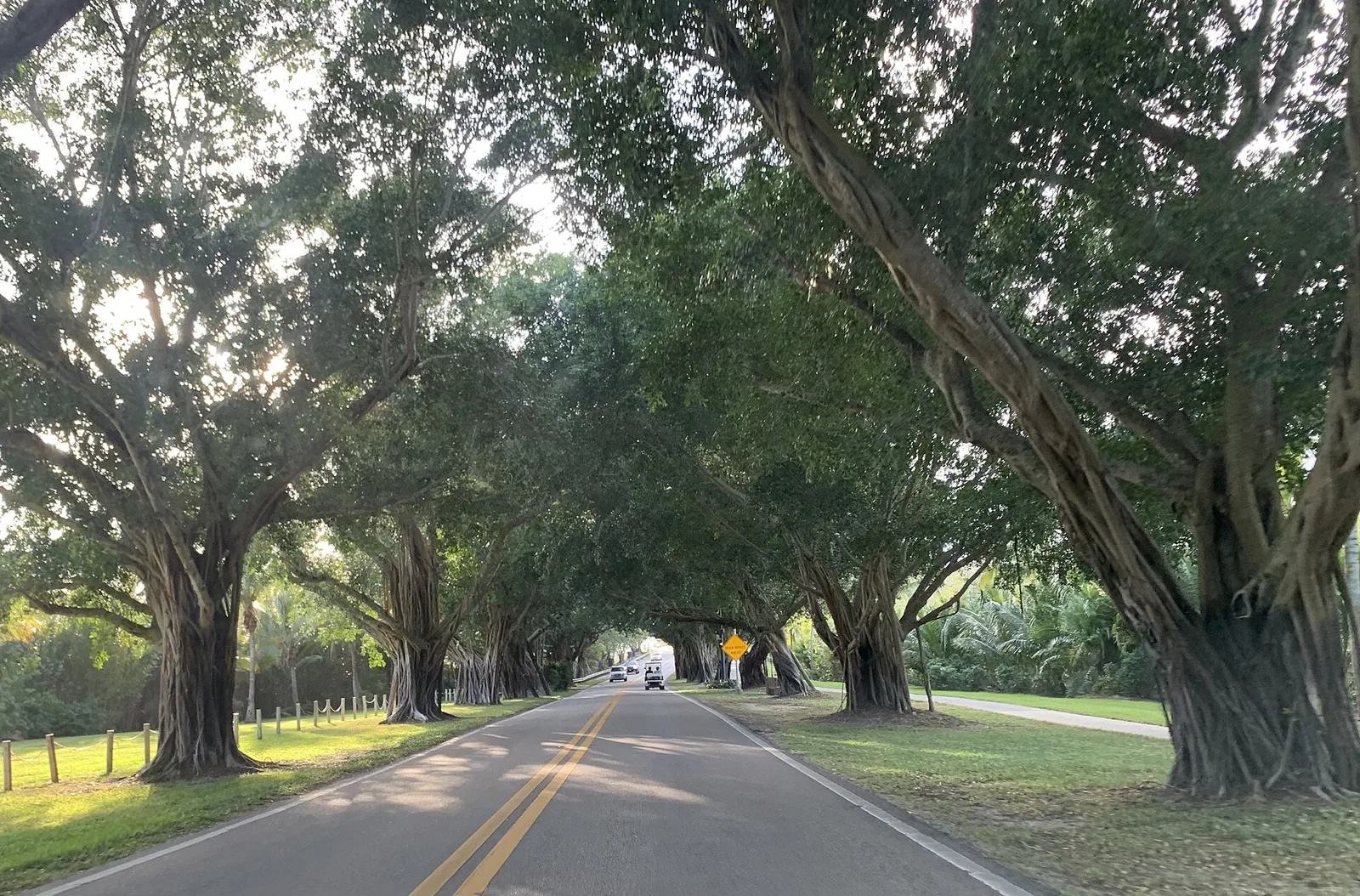
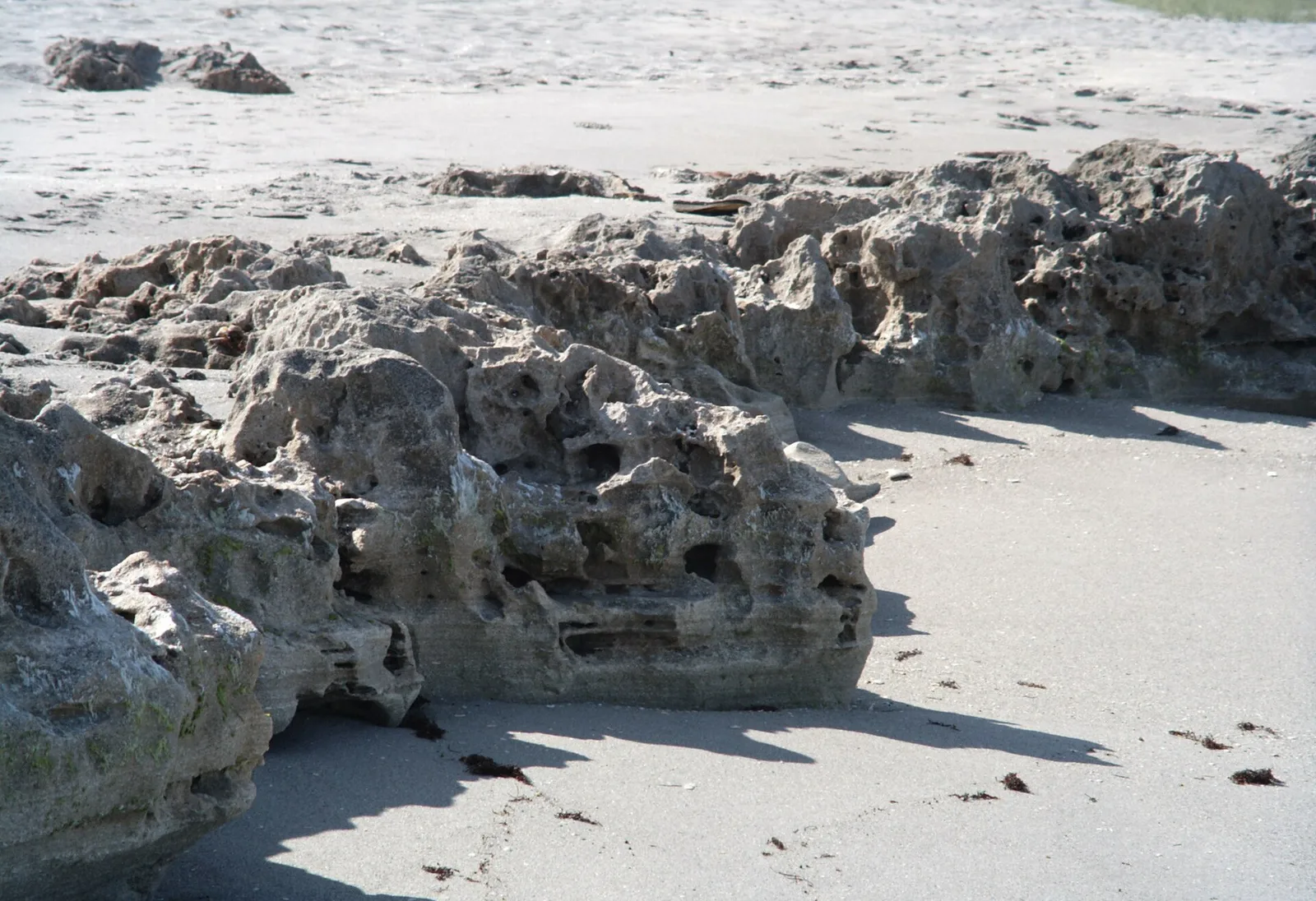
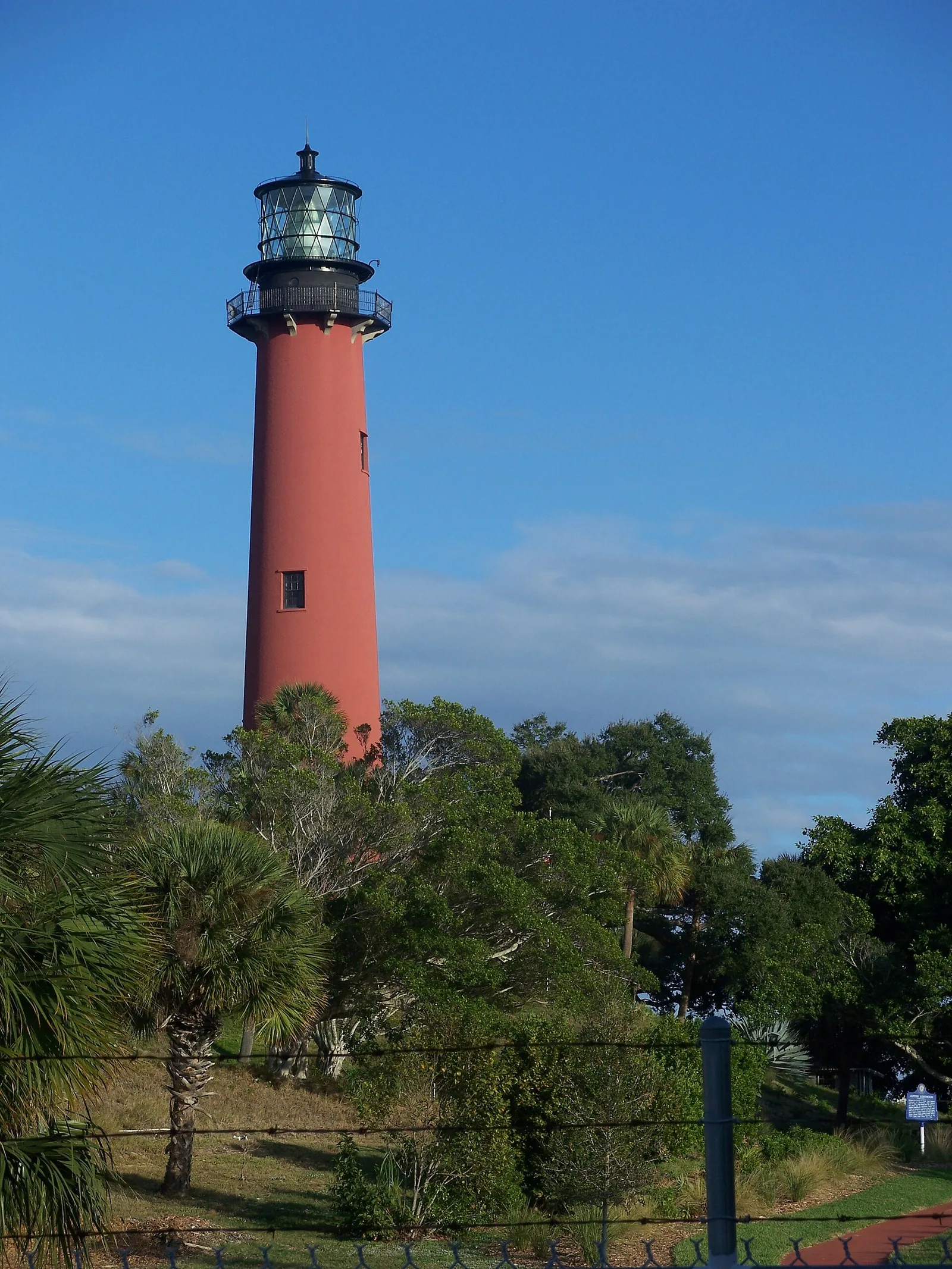
Cavmir markets corridor rentals as the small hospitality brands they are — not as interchangeable inventory in a Florida feed. We position your inlet condo, river-dock home or Hobe Sound cottage in front of the exact traveler this coast attracts: the wintering family, the golf orbit, the boating faithful, the quietly relocating — wherever they search.
Jupiter has marked its inlet with the same red-brick lighthouse since 1860, and the barrier island behind it became one of the most private addresses in America. Cavmir simply writes the modern chapter.
The corridor's story is told by its lighthouse: the red brick tower at Jupiter Inlet has stood since 1860, marking one of the Atlantic coast's trickiest and most valuable cuts, and the settlements that grew around it stayed small, maritime and practical long after South Florida's boom transformed everything below them. Jupiter Island's transformation came quietly in the twentieth century, as a discreet winter colony of industrial and financial families built the island's reputation as the anti-Palm Beach — no ballrooms, no photographers, just barrier-island privacy defended by one of America's most restrictive little towns.
The late twentieth century added the golf economy that now defines the corridor's public image: an extraordinary concentration of championship courses and communities grew up through Jupiter and Hobe Sound, and with them came the touring professionals — the corridor has been home to the game's biggest names for a generation — whose presence pulled a global golf-tourism orbit into a market with almost no hotel capacity to serve it. The vacation-rental economy grew directly into that gap: golf groups, tournament weeks and member-guest overflow became the corridor's steadiest premium demand.
The past decade compounded everything. South Florida's wealth migration pushed north from Palm Beach as buyers sought quiet; the boating economy boomed around the inlet and the Bahamas-crossing culture it serves; and the pandemic-era relocation wave discovered that the corridor offered Palm Beach latitude without Palm Beach noise. Rental demand deepened across every stream while the corridor's low-rise, dune-backed character — protected by both counties' coastal rules — kept supply growth modest. Rates followed the arithmetic.
Today the market is prosperous, quiet and marketed far below its sophistication. The corridor's guests are among Florida's wealthiest and most specific — a golf foursome with a tee sheet, a boating family with a Bahamas float plan, a wintering couple with a five-month calendar — while the average listing still sells generic beach-vacation copy to none of them in particular. That mismatch between guest specificity and listing genericism is the whole opportunity, and it is wide open.
Before the platforms, a red-brick lighthouse and a little railroad with celestial names put this coast on the map — and then the island behind it made privacy its whole point. The channel changed; the work is identical: presentation, positioning, and a shore that sells itself by staying discreet. It is the same business Cavmir is in today.
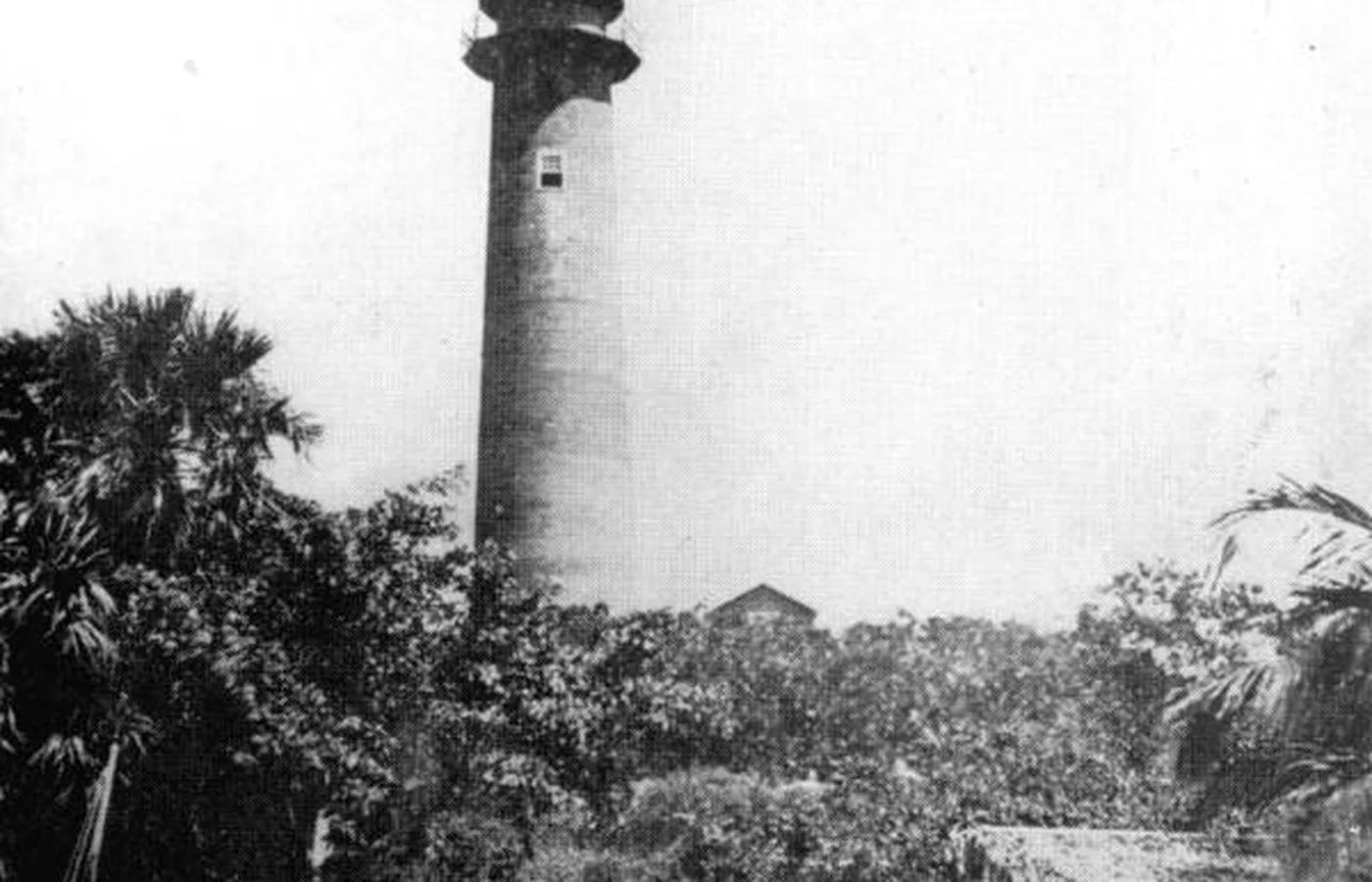
Historical images: public domain and Creative Commons via Wikimedia Commons — the State Library and Archives of Florida and others.
Corridor pricing runs on water and season. Oceanfront and inlet-view condos anchor the beach tier; dock homes on the Loxahatchee and the Intracoastal carry a boater's premium that deepens in winter and around Bahamas-crossing season; Hobe Sound cottages trade a notch below Jupiter's headline rates and win the value-with-character comparison; and the golf-adjacent homes price on proximity to the corridor's famous addresses, especially in tournament and member-guest weeks. State the water access in exact terms — dock beam, draft, beach walk minutes — because this market's guests read specifications like contracts.
The calendar is classic Florida east coast with corridor-specific spikes. The winter season — Christmas through Easter — is the sustained peak, carried by snowbird months and the golf orbit's high season; February and March run strongest, with spring training adding its faithful crowd. Summer is the family-and-fishing season at softer rates, warm water and boat days offsetting the heat; fall is the honest quiet, best served with monthly stays and flexible storm-season terms. Monthly winter lets are the corridor's anchor product — structure the January-through-March pricing for the wintering couple first and the weekly vacationer second.
The plays that work are stream-specific: golf-week packaging with accurate drive times to the famous gates; dock-home marketing written in a boater's language (draft, power, trailer logistics, the inlet's character); relocation-trial positioning for the quietly house-hunting; and turtle-season honesty — lights-out rules and dune care — that reads as stewardship to exactly the guest this coast attracts. Specificity is the premium here; generic Florida copy prices at generic Florida rates.
Medium seasonality on a long winter curve: the season opens at Christmas, runs strongest February–March (snowbirds, golf high season, spring training) and holds through Easter. Summer is family-and-fishing season at softer rates; fall is the quiet, storm-watchful window for monthly stays; Thanksgiving reopens the year.
The revenue most owners miss sits in the corridor's specific streams: golf and tournament weeks that book dock-to-tee homes at premium rates, Bahamas-season boaters who pay for real dockage, and relocation trials that stretch to months. Each books on specifics the generic listing never states — the cheapest rate premium in the market is simply saying them.
The corridor's rules are a two-county, multi-town patchwork worth mapping precisely. The Town of Jupiter Island itself maintains famously restrictive residential rules — the island town is not where the corridor's rental market operates, a fact that shapes everything around it. The market lives in the surrounding jurisdictions: Jupiter and Tequesta in Palm Beach County and Hobe Sound in unincorporated Martin County, each with its own registration expectations layered over Florida's state framework — a DBPR vacation rental license, state sales tax and the county tourist development tax.
Florida's state preemption keeps municipalities from banning vacation rentals outright, but towns retain registration, inspection and nuisance powers and use them; HOA and condo-association rules bind harder than any ordinance in much of the corridor's inventory, with minimum-stay floors common in the beach condos and rental prohibitions outright in some golf communities. On the coast itself, turtle-nesting season brings lighting rules with real enforcement — and real marketing value for the operator who embraces them.
Treat this section as orientation rather than legal advice: the town-by-town registration details, association rules and county tax rates all shift. Confirm the specific parcel's stack — jurisdiction, association, license, taxes — with the relevant town or county and a Florida professional before you list. Cavmir handles the marketing; compliance sits with you and your local professionals.
First, pick your stream and speak its language. The corridor's premium guests — the golf group, the Bahamas-bound boater, the wintering couple, the relocation trial — search on specifics: tee-time drive times, dock draft and power, monthly winter terms, school-district trial stays. A listing that commits to its best-fit streams and states their specifics outperforms the generic beach listing at every price point. This is the market's single biggest gap and the easiest to exploit.
Second, if you have a dock, the dock is the headline. Protected dockage within reach of Jupiter Inlet is scarce, valuable and searched for by name; specify beam, draft, power and trailer logistics like the contract terms they are, photograph the boat at the dock at golden hour, and price the winter and crossing seasons accordingly. A dock home marketed as a beach house with a bonus is leaving its premium on the water.
Third, market the quiet as the luxury it is. This coast's product is dune-backed beaches, banyan shade, riverbend mornings and towns that close early — the precise opposite of the Florida the billboards sell. Photography and copy in that register — Blowing Rocks at dawn, the lighthouse across the inlet, the sea-grape path to an uncrowded beach — attract the guest who pays for calm and self-select away the one who reviews its absence.
Fourth, build the winter-let engine and the return channel. The corridor's anchor product is the one-to-four-month winter stay, booked by couples who return annually for a decade when treated well — structure the monthly pricing deliberately, hold repeat dates with first-refusal notes each summer, and let operations (dock maintenance, storm procedures, turtle-season lighting) demonstrate the stewardship this guest quietly evaluates.
The market's structure is its challenge: demand is deep but specific, and the generic operator never sees most of it. A listing invisible to the golf, boating and winter-let streams competes only for the thin generic-vacation remainder and concludes, wrongly, that the corridor is soft. Breaking in requires deliberate stream positioning and the patience to build the review base each stream reads before booking.
Florida's coastal realities apply in full: hurricane season shapes insurance, cancellation terms and fall pricing; coastal coverage has hardened sharply; and barrier-beach and Intracoastal properties carry flood-zone math that must be modeled, not hoped about. Turtle-season rules and dune care add a stewardship layer that the corridor's communities take seriously — and notice when operators do not.
And the corridor's discretion cuts against the lazy: this is not a market the platforms' algorithms lift on volume, the best demand moves through specific searches and quiet referrals, and community standing — with associations, neighbors, dockmasters and clubs — functions as distribution. The operator who runs a quiet, compliant, well-presented house inherits the corridor's goodwill; the volume player finds the market politely closed.
Coastal South Florida coverage is the budget's hardest line: wind via admitted or surplus carriers, separate flood (NFIP plus private excess near the water), named-storm percentage deductibles and elevation math that moves premiums materially. Dock and vessel-adjacent liability deserves specific attention on river and Intracoastal homes. Work a coastal-specialist broker and review annually.
Florida levies state transient rental tax plus the county tourist development tax (Palm Beach or Martin by parcel) on short stays — platforms collect part; owners license (DBPR) and remit the rest. No state income tax; property taxes reset on purchase under Florida's assessment rules. Monthly winter lets past six months shift the tax character — structure with a Florida accountant.
Financing is conventional-to-jumbo with insurance-driven underwriting: lenders model the full carry — note, taxes, wind, flood — and discount seasonal revenue. Dock homes appraise on scarce comparables; document the dockage as the asset it is. Stress-test debt service against a storm-interrupted fall, not an average year.
The corridor's trajectory is quiet compounding: South Florida's wealth migration keeps moving north toward exactly this stretch, the golf economy keeps deepening around its famous addresses, the inlet's boating culture grows with every Bahamas season, and both counties' coastal rules keep the supply low-rise and finite. Demand streams multiplying against constrained supply — the corridor's arithmetic is the good kind and nothing on the horizon changes it.
The variables are insurance and stewardship. Coastal coverage costs will keep sorting owners into professionals and sellers, thinning the competition for those who remain; and the corridor's communities will keep raising the stewardship bar — turtle lighting, dune care, association standards — in ways that favor the operator who treats compliance as brand. Watch, too, the relocation current: every trial stay is a potential sale, and owners positioned for that stream sit at the corridor's most valuable intersection.
Discovery is shifting toward the corridor's strengths: its guests already search on specifics — dockage near Jupiter Inlet, winter monthly rentals near the golf gates, quiet beaches north of Palm Beach — and increasingly ask AI assistants exactly those questions. Listings that publish precise, structured, genuinely local answers surface first in that world. The corridor's specificity is its moat; the marketing that states it plainly will own the next decade of its guests.
This corridor is the most pleasurable kind of marketing problem: a market whose product is understatement. Nothing here wants to be shouted — the banyan tunnels, the lighthouse across the inlet, the dune path to a beach with nobody on it — and the copy that works is the copy that trusts the quiet. Writing it feels like being let in on the same secret the residents are keeping.
What I love about this market is the specificity of its guests. A boater reads dock specs like poetry; a golf group plans around drive times to gates they whisper about; a wintering couple wants the same three months, the same porch, the same egret working the same seawall. Marketing to people who know exactly what they want is the easiest honest work there is — the job is simply to say, precisely, that you have it.
And the corridor photographs like old Florida's last argument: geysers through limestone at Blowing Rocks, the 1860 lighthouse over a sailboat-threaded inlet, sea grapes shading a two-lane road to the beach. The raw material needs no invention — it needs noticing, and a market this under-marketed rewards noticing better than anywhere else on the coast.
The picks Cavmir puts in a Jupiter–Hobe Sound welcome book — the details that make a stay feel like resident knowledge instead of a printed concierge script, and that quietly earn the five-star reviews.
Winter swells turn the limestone shore into geysers — check the tide chart and send guests early. South Florida's most under-photographed spectacle, ten minutes from most corridor doors.
A hundred and five steps up the 1860 tower for the inlet, the turquoise cut and the coast in both directions. The corridor's origin story with the best view in it.
Florida's first federally designated Wild and Scenic River winds through cypress a few minutes from the beach — kayak rentals and the Trapper Nelson story included. The old-Florida morning nobody expects here.
Jupiter's restaurant docks do waterfront dinner the corridor's way — arrive by boat if you can. Guanabanas' tiki canopy for the family night; 1000 North when the occasion calls for it.
The wildlife-refuge beach at the island's public cut is the corridor's quietest stretch — dunes, sea grapes and turtle tracks in season. Send guests north when they ask where the crowds aren't.
The corridor's small-town heart — a few blocks of shops and breakfast counters under old trees. The Saturday-morning stroll that explains why people move here.
This coast is one of the hemisphere's great sea-turtle nesting shores. Explain the lighting rules and point guests to a permitted turtle walk in June–July — stewardship reads as luxury to exactly this coast's guests.
From the inlet the day fans out — the sandbar rafts, the reef lines, and Bahamas water within a serious boat's reach. Pre-arrange the charter and the week acquires its chapter.
The Cardinals and Marlins share the corridor's ballpark each February and March — an easy family afternoon that fills the season's calendars. Tickets in the welcome book convert to review lines.
Map the corridor honestly: Jupiter's inlet-and-docks energy, Tequesta's river quiet, Hobe Sound's old-Florida lanes — and Jupiter Island itself, the hedge-lined drive worth taking slowly. Precision here is the corridor's welcome.
The serious shop is easy in Jupiter's centers; the charm shop is Bridge Road's counters. One honest note on which is which — and where the boat provisions load easiest — reads as genuine care.
Representative Cavmir engagements in Jupiter Island & Hobe Sound. Property identifiers redacted; figures composited from internal analytics and market benchmarks.
A protected-dock river home marketed as a generic beach rental, its dockage mentioned in one line and its boater premium entirely uncollected.
Rebuilt the brand around the dock — specs stated like contract terms, golden-hour boat photography, inlet-and-crossing content — with winter and Bahamas-season pricing and search visibility on dockage terms.
Boater bookings became the calendar's anchor at a premium the beach positioning never reached, and winter months closed by October on returning crews.
A beachfront condo competing on price against an identical stack of neighbors, invisible to every one of the corridor's premium streams.
Repositioned for the winter-let couple — monthly terms first, February–March structured pricing, quiet-luxury photography, turtle-season stewardship copy — with a first-refusal channel for returning snowbirds.
The condo moved from weekly churn to a three-month winter anchor plus shoulder weeks, revenue rose on fewer turnovers, and the same couple has now wintered three years running.
An old-Florida cottage compound near Bridge Road undervalued as 'far from the action' — the action being precisely what its guest was avoiding.
Made the quiet the brand — refuge-beach mornings, Bridge Road strolls, banyan-lane photography — priced the value-with-character tier honestly and aimed search at the corridor's calm-seeking queries.
Occupancy stabilized above 70% in season at repriced rates, and the guest mix shifted to exactly the repeat-prone families the positioning was built for.
Yes. Cavmir works with owners across the corridor — Jupiter's oceanfront condos and inlet homes, Tequesta's river-dock properties, Hobe Sound cottages and golf-adjacent homes — on branding, listing optimization, photography direction, direct-booking websites, SEO and paid campaigns. Stays near the lighthouse, Blowing Rocks and Bridge Road are exactly what we market.
The snapshot on this page shows average nightly rates around $580 with occupancy near 62%, but the corridor tiers by water and stream — dock homes near the inlet, oceanfront condos and Hobe Sound cottages are different products, and golf and boating weeks pay premiums the averages disguise. Treat these as directional figures, not guarantees.
The Town of Jupiter Island maintains famously restrictive residential rules, and the island town is not where the corridor's rental market operates. The market lives in the surrounding jurisdictions — Jupiter, Tequesta and Hobe Sound — serving the demand the island's world attracts. Verify any parcel's specific rules with its town or county before purchasing to rent.
The winter season — Christmas through Easter, strongest in February and March — carried by snowbird monthly lets, the golf orbit's high season and spring training. Summer runs on families, fishing and Bahamas-season boating at softer rates; fall is the quiet, storm-watchful window best served with monthly stays and flexible terms.
Florida requires a DBPR vacation rental license, state sales tax and the county bed tax (Palm Beach or Martin by parcel); Jupiter and Tequesta maintain local registration expectations, and association rules bind hard across much of the inventory. Turtle-season lighting rules are enforced on the coast. Verify the parcel's full stack with the town or county. Cavmir handles marketing; we don't provide legal advice.
Protected dockage within reach of Jupiter Inlet is scarce and searched for by name. Specify beam, draft, power and trailer logistics like contract terms, photograph the boat at the dock, and price winter and Bahamas-crossing season deliberately — a dock home marketed as a beach house with a bonus is leaving its premium on the water.
Build the winter-let engine: a fast direct-booking website, monthly terms stated plainly, and first-refusal notes each summer to returning snowbirds and boat crews. The corridor's guests return for a decade when treated well — see vacation rental SEO for the visibility layer that reaches them.
It depends on scope. Current plans and one-time project pricing are on the pricing page — most owners start with a listing overhaul or the 12-step system. A conversation about your property costs nothing: contact Cavmir.
Send us the listing and we'll tell you what we'd change. Not a pitch deck — a straight read on your photos, your title, your rates against the Jupiter Island & Hobe Sound comp set, and whether a direct-booking site would pay for itself.
You'll hear back from a person, usually inside one business day. If we don't think we can move your numbers, we'll say so. Cavmir is a short-term rental marketing agency — we position and market properties, we don't manage them.
Demand in Jupiter Island peaks around January through April and runs quietest around September. Here is how the year actually books — and what to do about each stretch of the calendar.
This is a winter-and-spring season market. The peak runs roughly December through April as Northerners and snowbirds settle into the Treasure Coast to escape the cold, with the holidays and the late-winter weeks the tightest. Set premium rates across the whole season, hold minimum stays over Christmas and New Year, and have the listing dialed by late fall so you catch the season's opening wave.
May and November are the shoulders. May still carries warm-weather beach demand and the start of turtle-nesting curiosity, while November ramps as the season crowd drifts back in. Keep pricing nimble through both, lean on mid-week and longer-stay angles, and capture the early-season couples and families before the full rush.
Late summer into early fall is the quiet stretch, with September the softest as heat, humidity and hurricane season thin the calendar. Summer sea-turtle walks and the Fourth of July bring a modest family bump. Use August and September for maintenance, longer stays and the photography refresh you'll want done before the winter season opens.
The winter season and the holidays book the furthest out, with regulars often reserving the same home close to a year ahead. The shoulder months fill closer in, and the South Florida weekend layer moves inside a couple of weeks. Set the season and holiday dates early and firm, and keep off-season pricing flexible for the short-fuse traffic.
The winter season runs on long stays, from full weeks to month-plus snowbird bookings, while the holidays skew toward week-long family gatherings. In-state and South Florida weekenders fill short two and three night trips year-round. It's a market that rewards hosts who can serve both the long-stay season and the short-notice layer.
The winner is a private, well-kept home with beach or Intracoastal access, screened outdoor living for the warm evenings, and a calm setting that matches why guests choose this quiet stretch of coast in the first place. Privacy and upkeep matter more than flash here. Proximity to the beach, the preserves or the water is the value, so lead with the location and the light.
Build the listing around the quiet this coast is known for, and photograph the pool, the screened lanai, the beach access and the calm light that separate it from the busier South Florida strips. Price the winter season and the holidays deliberately, because they behave nothing like the quiet summer. Add a Google Business Profile for map searches and a direct-booking site for the snowbirds and privacy-seeking families who return to the same home every year. That's the marketing layer Cavmir builds for coastal hosts, and this market's loyal, repeat pattern makes it compound.
Peak runs roughly December through April as snowbirds and holiday travelers fill the Treasure Coast, with Christmas and New Year the tightest dates. May and November are pleasant shoulders, and late summer is the quiet stretch, softest in September during hurricane season apart from turtle-season and Fourth of July bumps.
The winter season and the holidays book the furthest out, often close to a year ahead as regulars rebook the same home. The shoulder months fill closer in, while South Florida weekenders move inside a couple of weeks. Set the season and holiday dates early, then stay responsive for the short-notice layer.
The South Florida metros lead, with nearby West Palm Beach up front and Fort Lauderdale and Miami behind, filling weekends and school breaks. Fly-in snowbirds from New York, Boston, Chicago, Washington and Toronto arrive through Palm Beach International just to the south, especially across the winter season.
A private pool and genuine privacy top the list, since this coast sells calm and seclusion, followed by beach or Intracoastal water access. A screened lanai earns its keep on warm evenings, and boat or gear storage helps with the golf and boating crowd that visits year-round.
Counted from the Florida DBPR vacation rental license file, deduplicated by permit number — real registry data, not an estimate. See the full Florida permit data →
As of July 2026, the Florida DBPR vacation rental license file shows 80 current licenses on file in the Town of Jupiter, the commercial heart of the corridor. A license is not always one listing — some licenses cover multiple units — so treat this as a verified floor for the size of the legal market.
Jupiter ranks number 95 of Florida's tracked markets by records on file, holding under 1% of the 50,295 records we compiled for Florida. Every one of those operators shows up in the same searches your guests use — which is why presentation, photography, and a direct-booking path decide who gets seen.
The number above comes from the Florida DBPR vacation rental license file, an official public source, pulled and deduplicated in July 2026. Rules and requirements change — always confirm current licensing requirements with the program directly before you buy or list.
Talk to Cavmir today. We'll show you exactly what your Jupiter Island & Hobe Sound property is leaving on the table — and how fast we can change that.
Book a Free Strategy CallPhotography via Wikimedia Commons (images resized and cropped): Blowing Rocks Preserve Jupiter Island Florida by LTreadwell (CC BY-SA 4.0) · Coquina (Anastasia Formation, Pleistocene or Holocene; Cayo Costa Island, Florida, USA) (26032505336) by James St. John (CC BY 2.0) · Jupiter Inlet Lighthouse by Clinton & Charles Robertson from Del Rio, Texas & College Stat (CC BY-SA 2.0) · Jupiter beach looking south at Jupiter Beach Park by Dough4872 (CC BY-SA 4.0) · Jupiter FL Coral Cove Park beach02 by Ebyabe (CC BY-SA 4.0).
