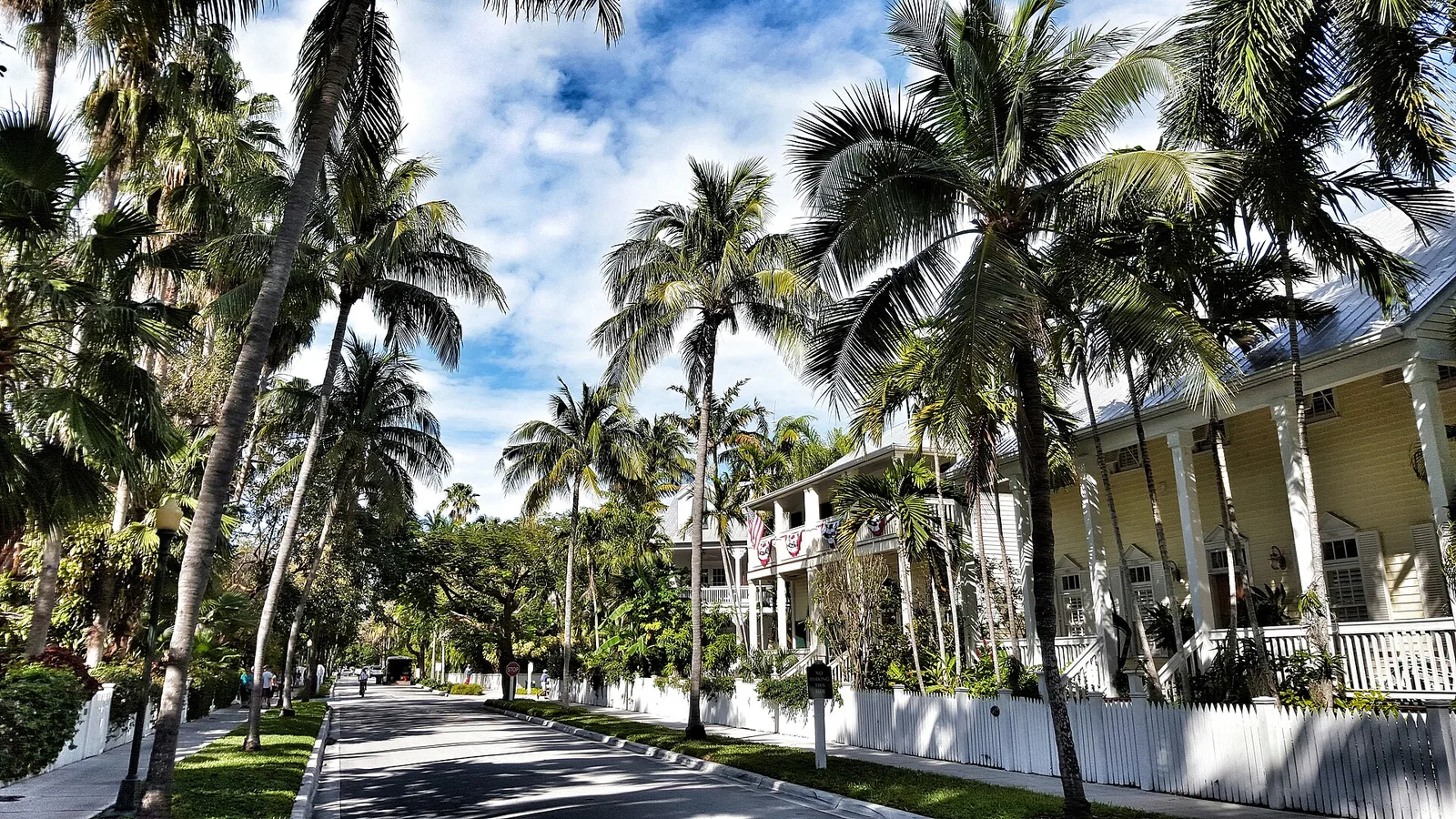
Old Town on a bicycle before eight
The streets are empty, the light on the conch houses is the best it will be all day, and the heat has not arrived. A bike is the correct way to see this island and most guests work that out too late.
Expert short-term rental marketing to grow your bookings and nightly rate in Key West, Florida, USA.
* Market averages. Properties marketed by Cavmir typically exceed these figures by 25–45%. Data sourced from AirDNA, STR market reports, and Cavmir internal analytics.
Key West is the most regulated short-term rental market Cavmir works in anywhere in the United States, and that single fact is the whole investment story. The city stopped issuing new transient rental licences in most of the island years ago. You cannot apply for one. If a property does not already carry a grandfathered licence, it cannot legally be rented nightly or weekly, and the only way to get one is to buy a property that already has it. That has turned the licence into a transferable asset with its own market, entirely separate from the value of the house it is attached to. The consequence for an owner who holds one is unusual and worth understanding clearly: your competition is a fixed set. It cannot grow. Nobody is building new supply next door. In almost every other market Cavmir works in, good marketing has to outrun new inventory. Here it does not. What it has to do instead is make sure that a scarce, expensive, legally protected asset is presented like one — and a surprising number of them are not.
The demand side is as strong as the supply side is constrained. Key West runs high occupancy across a longer season than most Florida markets, carried by winter escape traffic, a dense events calendar, weddings, the bar and restaurant economy on Duval and the sheer number of people who want to say they have been to the end of US 1. Old Town, with its conch houses, gingerbread trim and walkable streets, is the premium product and the one guests picture. The cruise-ship day traffic is loud and largely irrelevant to you, because those visitors are not sleeping anywhere on the island. Two structural pressures shape the market. The first is that the local housing conversation is intense — Key West has a serious workforce housing problem and short-term rentals are frequently the subject of it, which is part of why the licensing regime is as tight as it is. The second is Florida's preemption framework. The city's restrictions predate the state's preemption of local vacation rental regulation and are preserved because of that timing, which creates an unusual incentive: significantly amending them could jeopardize the protection. That tends to freeze the rules in place, which is good news for a licence holder.
Nearby Markets: Islamorada | Key Largo | Florida Keys

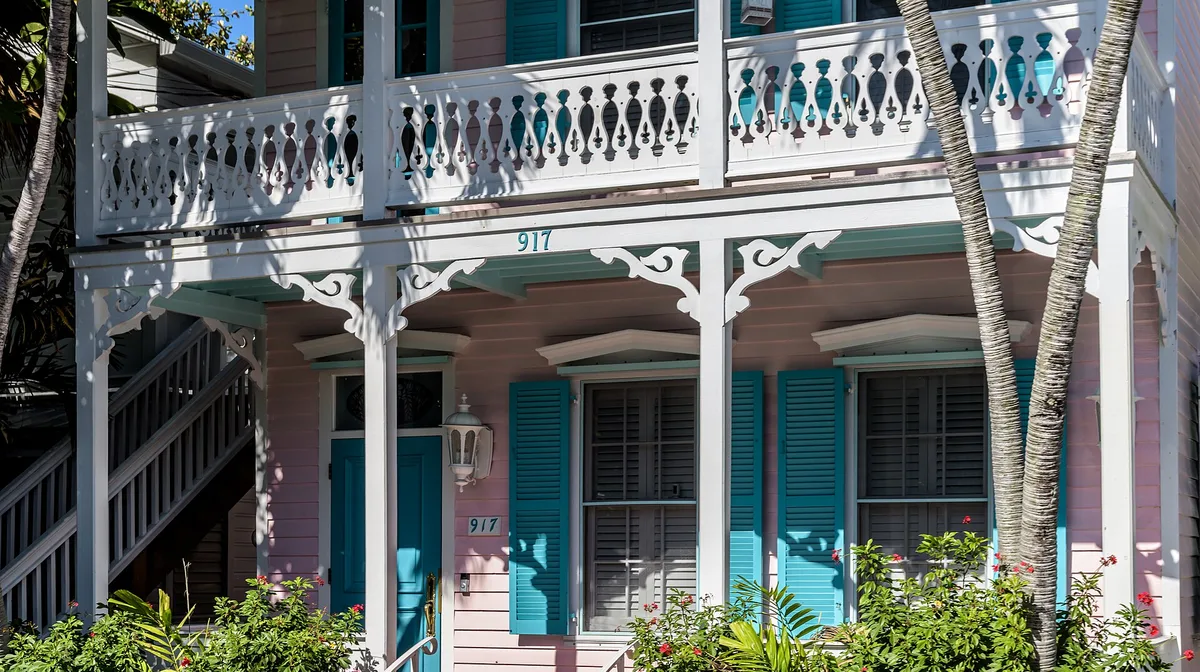
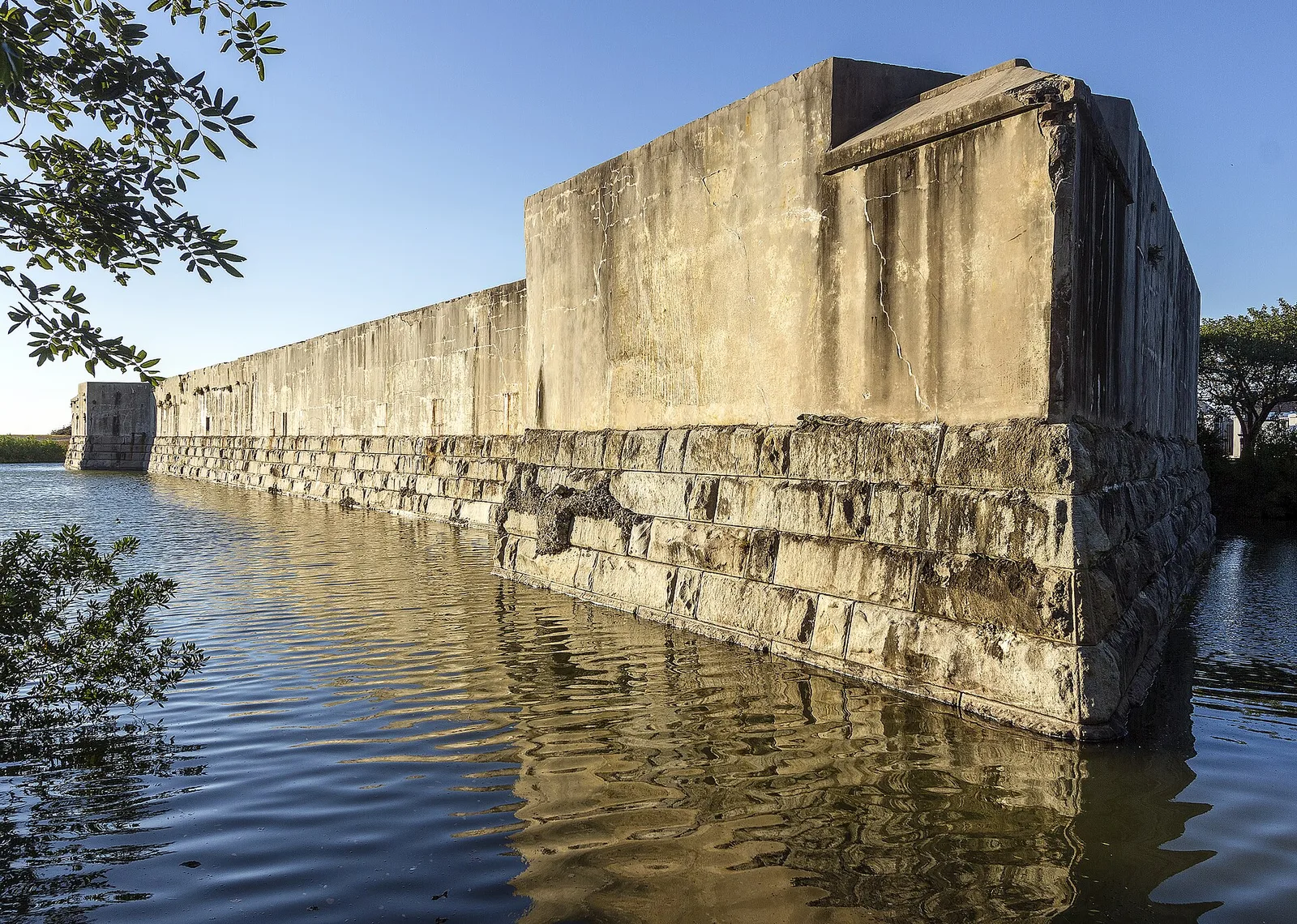
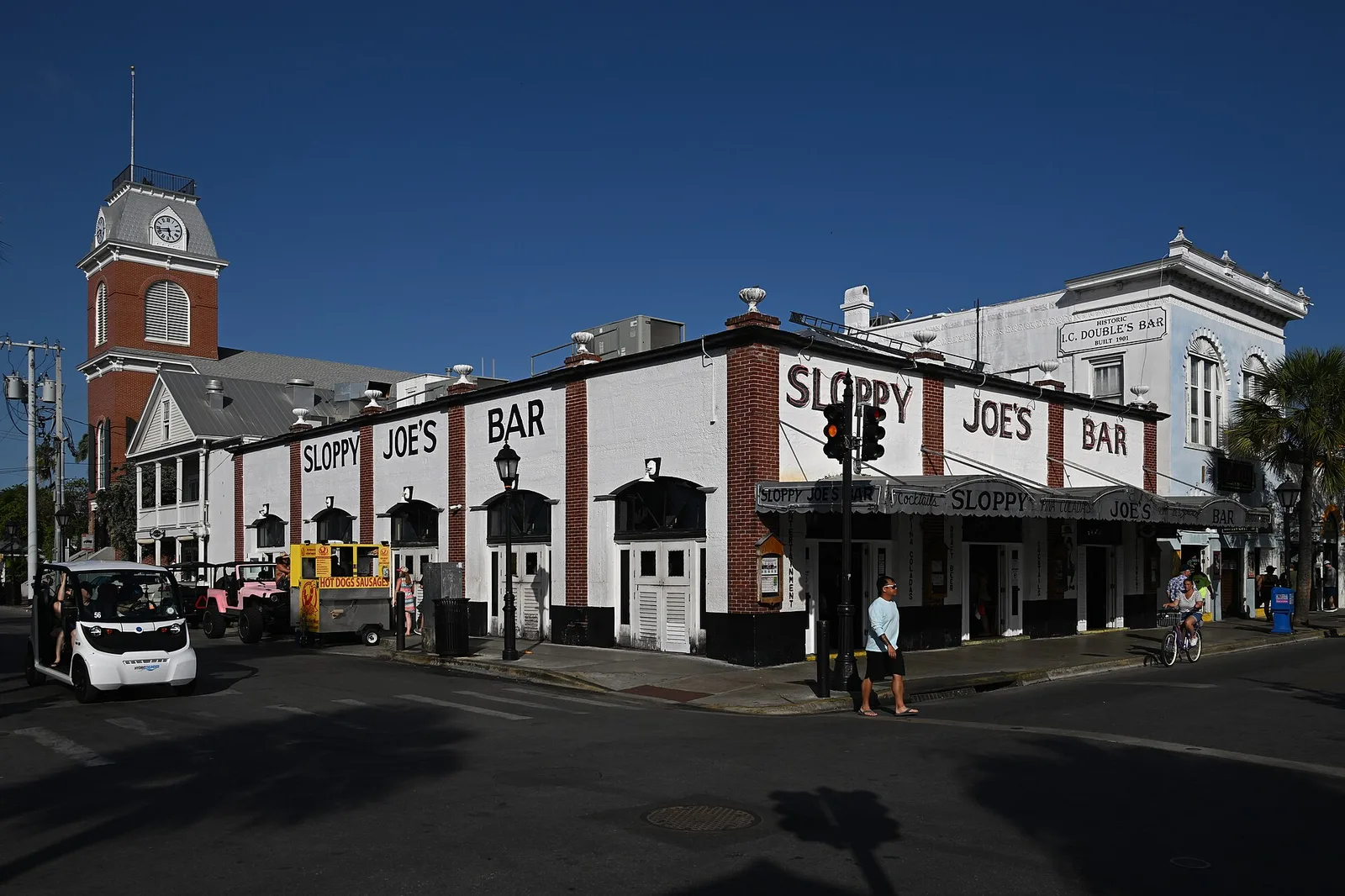
A few of the visual fingerprints we lean into when we shoot, brand and market a Key West property — courtesy of the open Wikimedia Commons archive.
Cavmir markets licensed Key West properties like the scarce assets they are. We photograph the house properly, which on this island means shooting the architecture, the porch, the pool and the light rather than a wide-angle sweep of an empty living room, and we lead with what makes a conch house different from a hotel room. We write the listing and the site around a real Key West day by street name, and we build you a direct-booking site that ranks for Old Town and neighbourhood searches so that guests who return year after year come back to you rather than to a search page. We set up the email flow that matters enormously in a repeat-heavy market like this one. We put your licence status where guests and platforms can see it, because in a city where illegal rentals are actively pursued, provable legitimacy is a genuine selling point. We run paid campaigns against the mainland cities that feed this island. We help position and market your property. We never manage it or touch your keys.
The Spanish called it Cayo Hueso, bone key, and the name survived into English as Key West by way of pronunciation rather than translation. John Simonton bought the island in 1822 and the US Navy arrived almost immediately, because a deep harbour at the end of the Florida reef was worth having. What made the town rich was wrecking. Ships ran aground on the reef with such regularity that salvage became an organized, licensed industry with its own court, and through the middle of the nineteenth century Key West was reputed to be the wealthiest city per capita in the United States. The big Old Town houses with the wide porches and the widow's walks were built with that money, frequently by ship's carpenters, which is why the joinery looks the way it does.
Sponging and cigar-making followed, the latter bringing a large Cuban community and a cultural link across the strait that has never gone away. Then Henry Flagler did something outrageous. His Overseas Railroad reached Key West in 1912, running across open water on a chain of bridges, and for twenty-three years you could take a train to the end of the continental United States. The Labor Day hurricane of 1935 destroyed it. The roadbed and the bridges became the Overseas Highway in 1938, which is the road every guest still drives in on.
Ernest Hemingway lived on Whitehead Street through the 1930s. Harry Truman ran the country from the Little White House on winter working holidays. And in April 1982, in protest at a Border Patrol roadblock on US 1 that was throttling traffic to the island, Key West staged a mock secession and declared itself the Conch Republic — a stunt that worked, made national news and is still commemorated every year. The island has spent two centuries being independent-minded in a way that shows up in everything from its architecture to its ordinances.
Key West is a rate market rather than a volume market, and the scarcity of licensed inventory is what lets it be one. Peak runs from roughly December through April, anchored by winter escape traffic from the Northeast and Midwest, with the holidays and the March stretch at the top. Spring holds well. Summer is warmer, cheaper and busier than outsiders assume, carried by Florida and Southeast drive traffic and by divers and anglers who prefer the calmer water. The genuine soft window is September into early October, which sits in the most active part of hurricane season. What separates Key West from most seasonal markets is the events calendar, which repeats every year and moves rates more than the weather does. Fantasy Fest in late October, the powerboat races in November, the literary and songwriter festivals in January, the Hemingway Days week in July — these are dates you set minimum stays and premium rates around twelve months in advance, and owners who price them off a rolling algorithm rather than a calendar consistently leave money behind. A four-tier structure with hard event overrides and a three-night floor across the busy stretches is the sensible baseline. Because the licence itself is the scarce asset, do not benchmark against unlicensed properties advertising monthly stays. They are a different product in a different market.
Peak is December through April, driven by winter escape traffic and the events calendar, with the holidays and March strongest. Spring stays healthy into May. Summer is hotter and more humid but far from dead — drive traffic from South Florida, diving, fishing and Hemingway Days in July keep it moving, and rates soften enough to attract a different guest. Late August through early October is the softest stretch and the most active part of hurricane season, when cancellation policy becomes the first thing a guest asks about. Then Fantasy Fest in late October snaps the calendar back hard. Key West holds higher year-round occupancy than most Florida markets because the licensed supply is capped while demand keeps growing, which is a structural advantage that no amount of marketing could manufacture on its own.
This is the most important section on the page and it is short on nuance for a reason: the rules here are unusually blunt. Key West does not issue new transient rental licences across most of the island. If your property does not already hold one, you cannot obtain one by applying, paying a fee or meeting a standard. The only route is to acquire a property that already carries the licence, and because that licence can transfer with the property, it has developed a market value of its own that is separate from the value of the house. Renting nightly or weekly without one is not a paperwork problem, it is illegal, and the city actively pursues unlicensed operators. Before you buy anything in this city on the assumption you will rent it short-term, verify the licence exists, verify it is current, and verify in writing that it transfers on the terms you think it does.
The reason the regime survives is a quirk of Florida law. The state preempted local regulation of vacation rentals, but local rules that were already in place before the relevant statutory date were grandfathered and remain enforceable. Key West's restrictions predate that line, which is why they stand while newer local ordinances elsewhere in Florida have been struck down or constrained. The practical consequence is unusual and worth understanding: significantly amending the rules could jeopardize the grandfathered protection, which creates a strong incentive for the city to leave them broadly as they are. For a licence holder, that stability is the asset.
Layered on top: Monroe County requires a local business tax receipt, and the county's own vacation rental framework applies to unincorporated areas rather than to the city. Condominium and HOA documents can restrict rental independently of city permission and frequently do. Some properties carry licences with conditions attached about occupancy or minimum stay, so read the specific licence rather than assuming a general rule. Confirm everything with the City of Key West licensing department directly, and get it in writing before money moves.
Lead with the house, not the island. Every listing in Key West has palm trees and a sunset photograph, so those images do no work. What differentiates a conch house is the architecture — the porch, the shutters, the tin roof, the pool tucked into a walled garden, the height of the ceilings — and those are the pictures that make someone stop scrolling. Second, be exact about location by neighbourhood and street. Old Town is not one thing. A house on a quiet lane off Southard is a different holiday from a place three blocks from the noisy end of Duval, and guests who book the wrong one write about it. Say which you are, including the honest version. Third, parking is the number one operational complaint on this island. If you have a legal off-street space, that is a headline feature and should be in your first three lines. If you do not, explain the alternative clearly rather than letting a guest discover it at eleven at night. Fourth, market the events calendar deliberately and early, because the guests who come for Fantasy Fest or the January festivals book far in advance and search by event name. Fifth, put your licence number in your marketing. In a city with active enforcement and a lot of grey-market inventory, visible legitimacy reassures guests who have read the news. Sixth, sell the summer as a different trip — calmer water, better diving, lower rates, Hemingway Days — rather than as a discount on the winter product.
Acquisition cost is the barrier, because you are buying both a house and a licence in one of the most expensive small-city property markets in the country, which compresses yield. Insurance is expensive and getting more so, with wind and flood both in play on a low-lying island. The workforce housing crisis makes short-term rentals a recurring subject of local political attention. Parking is a permanent operational headache in Old Town. Hurricane season affects the calendar, the insurance and the cancellation conversation. And sea-level rise and king-tide flooding are long-horizon realities that a serious owner should factor into both property selection and capital planning rather than dismiss.
Insurance in Key West is a major line item and it deserves early, serious attention rather than a quote at the end of the process. You are on a low-lying island in a hurricane corridor, so wind and flood are both live and they are separate policies. Named-storm deductibles are typically a percentage of insured value rather than a flat figure. Flood coverage will turn on your elevation certificate and your flood zone, and on an island where a few feet of elevation changes the number materially, that document is worth obtaining before you make an offer rather than after. Many owners here end up with some combination of surplus lines carriers and the state-backed insurer of last resort, and availability shifts from year to year. On the rental side, standard homeowner's coverage will not follow you into transient use — you need a short-term rental or commercial policy with real liability limits, and pools, hot tubs, decks and any water access should be disclosed specifically. Ask for guest injury, guest property damage, loss of rental income and post-storm business interruption to be written into the policy rather than described on a call.
Three taxes stack on a Key West stay. Florida sales tax applies to transient accommodations, Monroe County adds a discretionary sales surtax, and on top of those the county levies a five percent tourist development tax plus a one percent tourist impact tax that applies in the Keys as an area of critical state concern — which is why the combined rate on a nightly stay in this county runs past thirteen percent. Rentals of six months or less are within scope. You will also need a Monroe County local business tax receipt and registration with the Florida Department of Revenue. Booking platforms collect and remit a good deal of this on the reservations they process, which is convenient right up until you start taking direct bookings — and direct bookings are exactly what effective marketing produces. Get registered before you turn that channel on, and keep platform and direct revenue separated from the very first reservation rather than untangling a mixed year later. Your accountant should look at how rental days, personal use, depreciation and the treatment of the licence itself interact for your ownership structure.
Financing in Key West is conventional in mechanics and unusual in substance, because a meaningful part of what you are buying is not the building. A transient rental licence carries real value, and appraisers do not always account for it the way a buyer does, which can create a gap between purchase price and appraised value that you need to be ready to bridge. Expect lenders to want clarity on the licence, on flood zone and elevation, and on insurability — in a market where a wind or flood policy can be difficult to place, a property that cannot be insured cannot be financed. Get insurance quotes in hand during diligence, not after. Older Old Town houses raise their own questions: wood construction, historic district requirements that constrain what you may change, roof age and foundation condition all show up in underwriting. Debt-service-coverage loans underwritten on rental income are common in this market and often the practical route for an investor, and lenders offering them will want to see documented rental history. Have your accountant model insurance at current Keys pricing, the full thirteen-plus percent tax stack and a realistic seasonal curve rather than a flat annual occupancy figure.
Three horizons matter. In the near term, watch the interplay between Florida's preemption framework and the city's grandfathered rules. The protection depends on the local regime not being materially changed, which creates unusual stability, but state legislation on vacation rentals is proposed with some regularity and a change at the state level could reshape what local governments may do. For a licence holder, any move that expanded supply would be the single biggest risk to the asset, and any move that preserved the status quo protects it. In the medium term, the workforce housing crisis keeps short-term rentals politically live, and enforcement against unlicensed operators is likely to continue or intensify — which is good for you if you are legal. In the long term, sea-level rise, king-tide flooding and the cost and availability of insurance are the real structural questions for property on this island, and they are already showing up in premiums. None of this argues against owning here. It argues for buying with clear eyes, insuring properly, and building a direct relationship with your guests so your business is not dependent on a single channel or a single assumption holding.
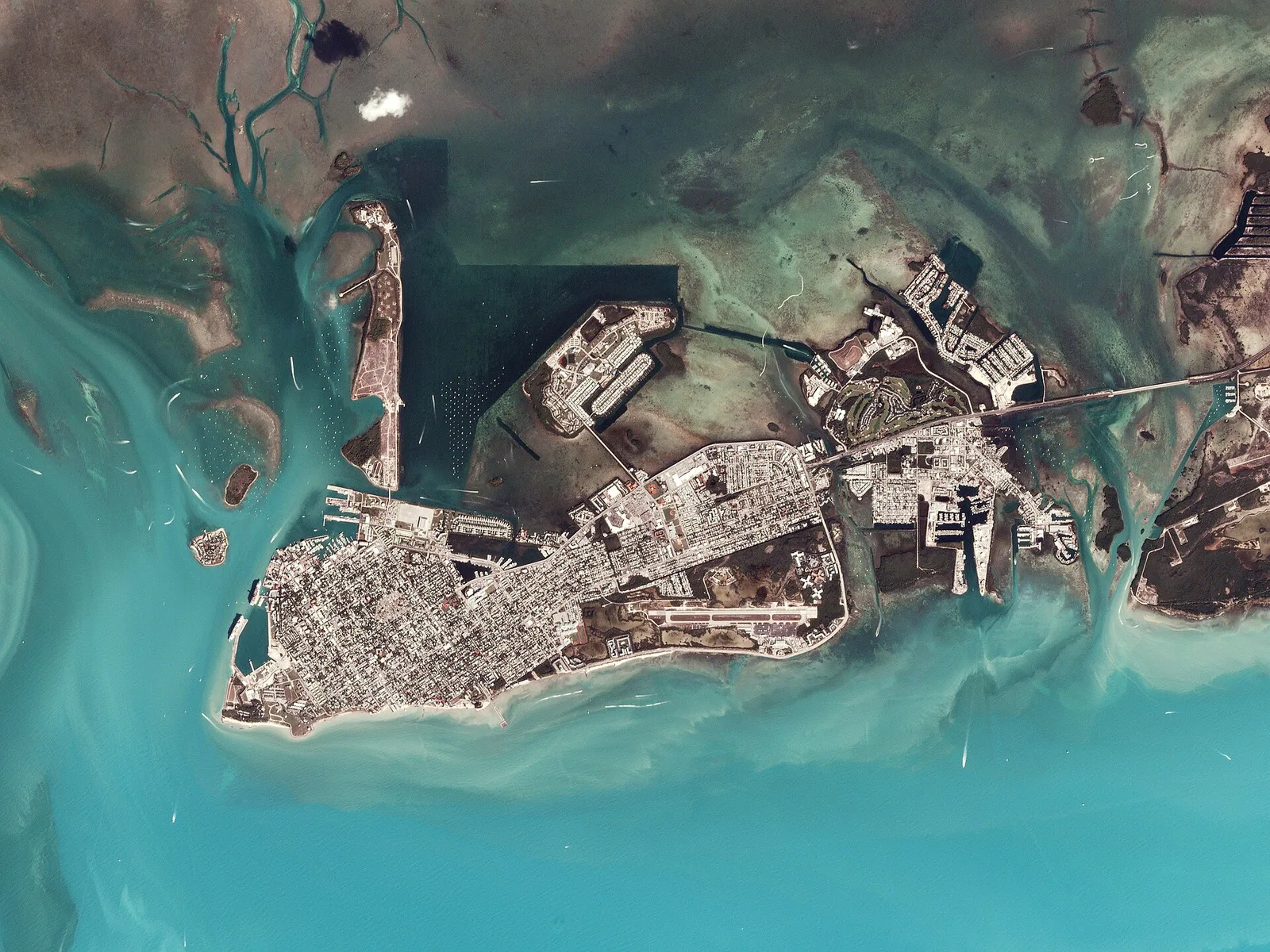
Key West is a genuinely strange town that has resisted becoming a theme park version of itself, which is harder than it sounds for a place that receives this many visitors. Duval Street at ten at night is exactly what everyone expects and mostly not the point. The point is four blocks away, on a lane off Southard or Elizabeth, where the houses are a hundred and forty years old, built by ship's carpenters out of Dade County pine, with porches deep enough to sit out a rainstorm on. There are chickens in the road. There is a cemetery in the middle of town with a headstone that reads I told you I was sick. Hemingway's cats are real and there are a lot of them. The island is two miles by four and you can cycle all of it, which is how most people who live here get around and how guests should. What we like about it commercially is rare enough to be worth stating plainly: this is the only market Cavmir works in where new competition genuinely cannot be built. The licence supply is fixed. In every other town on our list, an owner who builds a great marketing position has to keep defending it against new inventory. Here, a well-presented, legally licensed property is competing against a set that will not grow. That changes the maths of investing in marketing, and it is why the properties that get this right tend to stay ahead.
A great property in Key West doesn't just want a listing — it wants a point of view, an audience, and a brand the city itself would recognise.
Eight answers to put in your guest guide. These are the questions guests ask anyway, and getting them right in advance is the cheapest review insurance there is.
The streets are empty, the light on the conch houses is the best it will be all day, and the heat has not arrived. A bike is the correct way to see this island and most guests work that out too late.
The good restaurants are on the side streets, not the main strip, and they fill in season. Tell guests to reserve when they book the stay, especially December through April and during any festival week.
It is touristy and it is also genuinely good, with buskers, a real crowd and a hard deadline. Tell guests to arrive forty-five minutes early, or to watch from the Fort Zachary Taylor side instead for a quieter version.
The house, the studio and about sixty polydactyl cats descended from the writer's own. Indoors, short, and the single most-asked-about thing on the island.
The winter crowd has gone, hurricane season has not started, the water is calm and clear for diving and the rates have dropped. The best value window in the Keys and almost nobody markets it.
Seventy miles west by ferry or seaplane, with Fort Jefferson and some of the clearest water in North America. Tell guests to book weeks ahead — the ferry sells out and it is a full day.
The best beach on the island, inside a state park, with a view west that beats the crowd at Mallory. Small entry fee, shaded picnic areas, and it closes at sunset.
Parking is the number one arrival problem in Old Town. If you have a legal off-street space, lead with it. For a Key West-only trip, most guests are better off on bicycles and should be told so before they book a rental car.
A few composite engagements, drawn from how Cavmir typically works with owners of licensed properties in a supply-capped market like this one. Illustrative rather than any single client's file.
A genuinely beautiful historic property photographed with a wide-angle lens in flat midday light, so it looked like every other rental on the island and competed on price against places with none of its character.
Reshot the architecture properly — porch, shutters, ceiling height, the walled pool garden in late light — rebuilt the photo order to lead with what only a conch house has, rewrote the listing around a walkable Old Town day by street name, and built a direct-booking site with the licence number displayed.
The property moved out of a generic price comparison and into a category where its architecture was the argument, with a rising share of repeat winter guests booking direct rather than re-shopping each year.
Strong reviews on the property itself undercut repeatedly by arrival-day frustration over parking, which guests raised in writing even when they liked the house.
Addressed parking head-on in the listing and in a pre-arrival email with the specific lot, the rate and the walk, repositioned the property around not needing a car at all, and added bicycles as a photographed feature rather than an afterthought.
Arrival-day friction dropped because expectations were set before the guest left home, and review language shifted from logistics complaints back onto the property itself.
Premium event weeks priced by a rolling algorithm that had no idea Fantasy Fest existed, so the highest-demand dates on the island were being sold months early at ordinary rates.
Built a twelve-month calendar of the events that actually move this market, set minimum stays and premium rates against them a year in advance, and ran early direct-booking campaigns targeting guests searching by event name.
The highest-demand weeks stopped being released cheaply far in advance, and a growing share of event bookings came through the owner's own site rather than the platform.
Demand in Key West peaks around January, February and March and runs quietest around September. Here is how the year actually books — and what to do about each stretch of the calendar.
December through April, anchored by winter escape traffic from the north-east and midwest, with the holidays and the March stretch at the top. What separates this island from most seasonal markets is that the events calendar moves rates more than the weather does, and it repeats every year on known dates. Set minimums and premium rates against those dates twelve months out.
May and early June are the best value weeks in the Keys — the winter crowd has gone, storm season has not started, the water is calm and clear for diving, and almost nobody markets them properly. Late October and November recover fast after the autumn festival. Both reward being sold as their own product rather than as a discount.
Late August through early October is the softest stretch and the most active part of hurricane season, when cancellation policy becomes the first thing a guest asks about. Put a longer-stay rate in the market, keep the policy clear and calm, and use the window for maintenance and reshoots.
The winter holidays and the named event weeks book furthest out, often close to a year. Ordinary winter weeks fill through the autumn. Summer and shoulder months are a much shorter window and reward visibility and sensible pricing over holding out for an early booking.
Three to seven nights is typical in the winter peak, with longer stays common from January and February escape guests. Summer skews shorter and more last-minute, carried by drive traffic from the mainland.
Old Town conch houses with real architectural character, a porch and a private pool outperform generic units at the same size, because the field is competing on price and the architecture is the argument. Off-street parking is a headline feature on this island and should appear in the first lines. Licence status is itself a selling point in a city with active enforcement.
Start with photography that shows what a guest actually gets here, then write the listing around a real itinerary rather than a feature list. Build a direct-booking site so returning guests can come back without going through a platform, and keep an email list segmented by season so you can reach last year's visitors before the calendar opens. Local search matters more than people expect in a market this size, because guests search the destination and the attraction rather than the word rental. A marketing agency layer handles the photography, the listing copy, the direct-booking site and the local SEO as one system instead of four disconnected jobs.
December through April is the rate peak, carried by winter escape traffic with the holidays and March strongest. What is unusual here is that the events calendar moves rates more than the weather does — Fantasy Fest in late October, the January festival weeks, the November race week and Hemingway Days in July are all fixed dates that fill the island.
The winter holidays and the named event weeks book furthest out, frequently close to a year ahead, because guests search by event name. Ordinary winter weeks fill through the autumn. Summer and the shoulder months run a much shorter window, so being visible and sensibly priced matters more than being booked early.
A genuine mix that shifts through the year. Winter guests fly in from New York, Chicago, Boston, Atlanta and Washington. Summer and shoulder demand drives down US 1 from Miami, Fort Lauderdale, Naples and Tampa. Ad spend should follow that shift rather than sitting on one audience all year.
A private pool and off-street parking are the two that move the needle most, and parking should be in your first three lines because it is the number one arrival complaint on this island. After that: a porch or real outdoor living space, bicycles, an outdoor shower and fast wifi. Put your licence number in the listing too — in a city with active enforcement, visible legitimacy reassures guests.
Run your Airbnb, Vrbo, or website through Cavmir's free grader. It checks the things that decide whether guests book in Key West — photos, listing copy, page speed, local search — and shows you where bookings leak. Takes about a minute, and there's no sales call attached.
If the report says your booking engine is the weak link, that's fixable: a direct-booking website of your own means repeat guests stop paying platform fees to come back to you. That's the work Cavmir does — see Airbnb website design in Key West.
Counted from the Florida DBPR vacation rental license file, deduplicated by permit number — real registry data, not an estimate. See the full Florida permit data →
As of July 2026, the Florida DBPR vacation rental license file shows 367 current licenses on file in Key West. A license is not always one listing — some licenses cover multiple units — so treat this as a verified floor for the size of the legal market.
Key West ranks number 32 of Florida's tracked markets by records on file, holding about 1% of the 50,295 records we compiled for Florida. Every one of those operators shows up in the same searches your guests use — which is why presentation, photography, and a direct-booking path decide who gets seen.
The number above comes from the Florida DBPR vacation rental license file, an official public source, pulled and deduplicated in July 2026. Rules and requirements change — always confirm current licensing requirements with the program directly before you buy or list.
Talk to Cavmir today. We'll show you exactly what your Key West property is leaving on the table — and how fast we can change that.
Book a Free Strategy Call