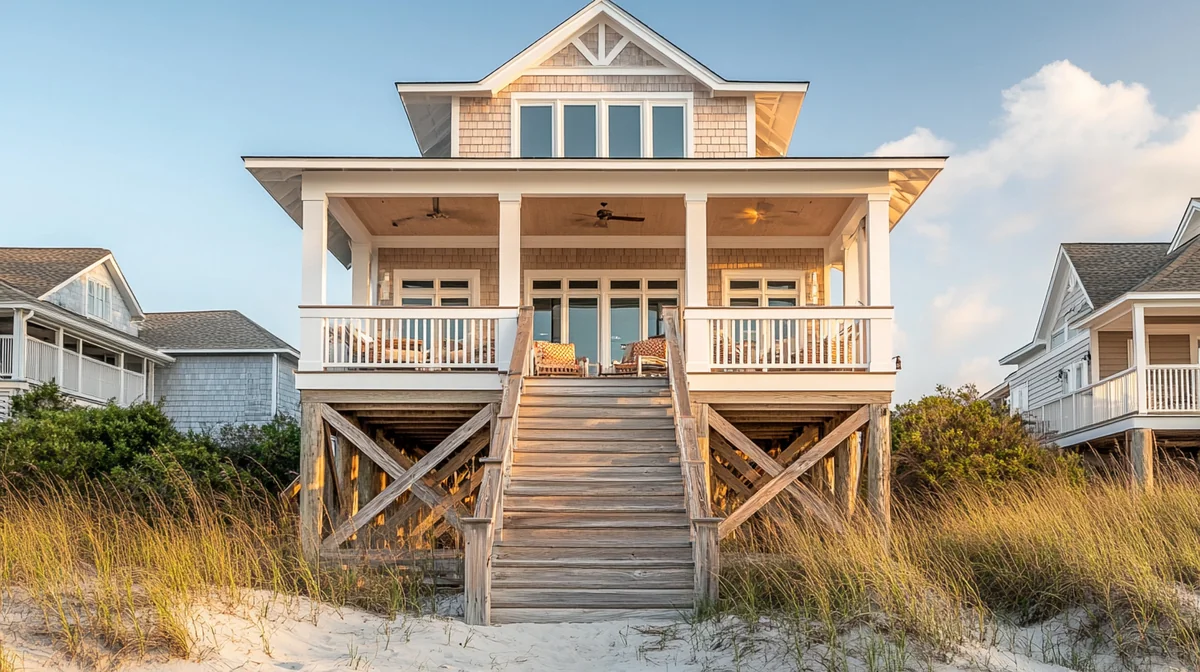



Coffee & First Light
The dock before the wind gets up
Bay-side water is glass early and choppy by ten. Tell guests to take their coffee outside at six-thirty — it is the best hour of the day here and the one visitors sleep through.

Expert short-term rental marketing to grow your bookings and nightly rate in Islamorada, Florida, USA.
Sixteen services, one team. Everything below is built in-house and scoped to your property and market. Most owners start with the 12-Step System.
Every engagement is quoted to your portfolio. These are the ready-made scopes owners pick most — our Fall Special (55% off list or more) is already applied to the website, King Broker, Hotels and à la carte scopes. A clear proposal within 48 hours.
The work is public. Selected engagements and what changed — and reviews from the owners and managers behind them.
* Market averages from AirDNA and STR market reports. A single home's numbers depend on its size, its location and how it is marketed.
Cavmir is an Airbnb marketing agency. We build the brand, the direct-booking website and the marketing for short-term rentals in Islamorada.
Islamorada calls itself the sport fishing capital of the world and it has a reasonable claim. The village runs across a chain of islands in the Upper Keys — Plantation Key, Windley Key, Upper and Lower Matecumbe — and the water on either side of it does two completely different things. To the west is Florida Bay and the backcountry, shallow flats where people pole skiffs looking for bonefish, permit and tarpon. To the east is the Atlantic and the reef. That geography is why this market exists and why its guests behave the way they do: they book around fishing, diving and boats, they come back to the same captain year after year, and a house with a dock is a fundamentally different product from a house without one. Islamorada is also an incorporated village with its own rules rather than county ones, and those rules are among the strictest in Florida. There is a hard cap on the number of vacation rental licences in the entire village. If you hold one, you hold something that cannot be manufactured.
The regulatory picture defines this market more than anything else. Islamorada operates a village-wide cap of three hundred and thirty-one vacation rental licences, and in most residential districts the minimum stay is seven days — shorter stays are only permitted in the Tourist Commercial district. Rentals of twenty-eight days or more fall outside the licence requirement entirely, which creates a genuine strategic choice for owners rather than a single obvious path. The effect of the cap is the same as in Key West: supply is fixed, so your competitive set is known and finite. The demand side is anchored on the water. Fishing charters, diving, boating and the family traffic that comes with them fill the calendar, with the strongest stretch running through the winter and spring. What is unusual about Islamorada compared to the rest of the Keys is the length of stay — a seven-day minimum in most of the village means you are not selling weekends, you are selling weeks, and the marketing job changes accordingly. The listing set here is uneven. Waterfront properties with docks are frequently photographed badly, and very few owners explain the boating and fishing logistics that their guests care about most.
Nearby Markets: Key Largo | Key West | Florida Keys
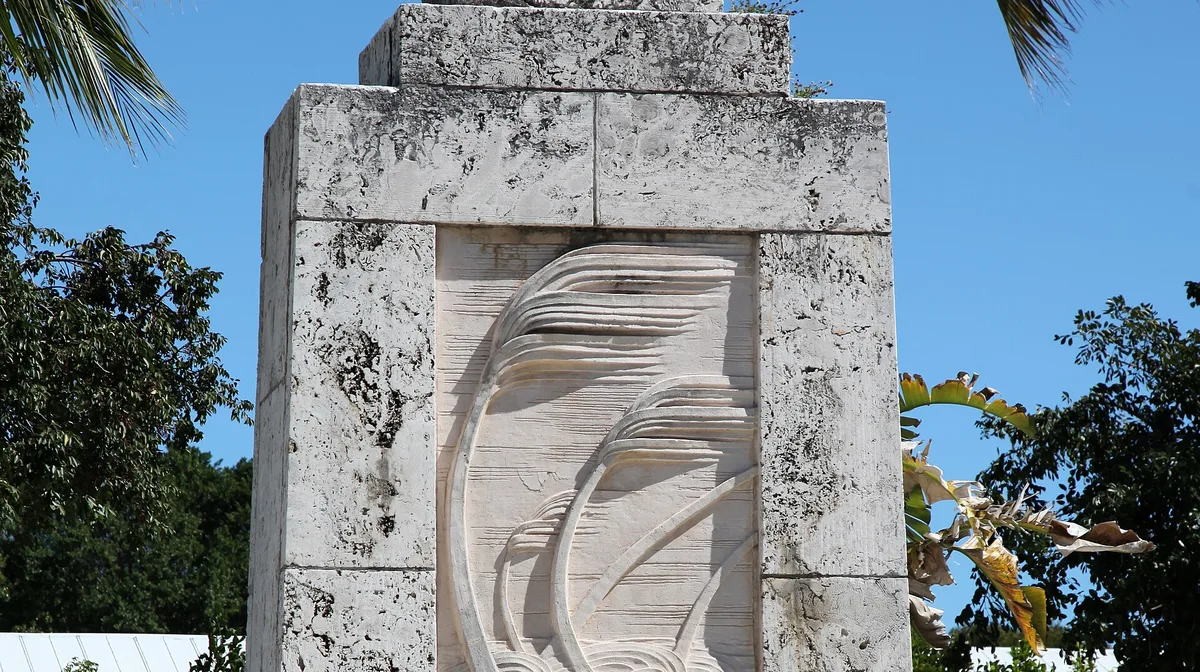
A few of the visual fingerprints we lean into when we shoot, brand and market a Islamorada property — courtesy of the open Wikimedia Commons archive.
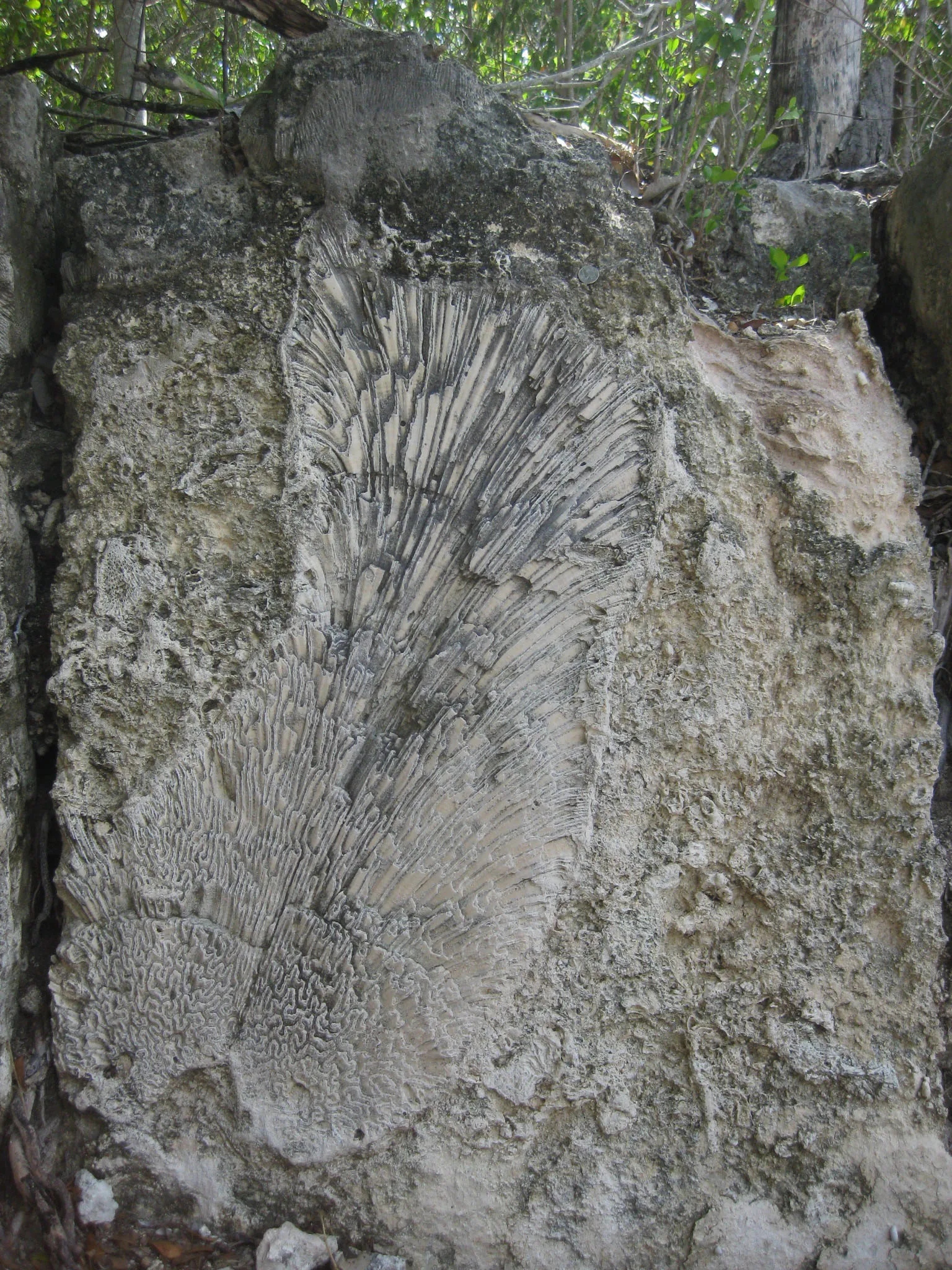
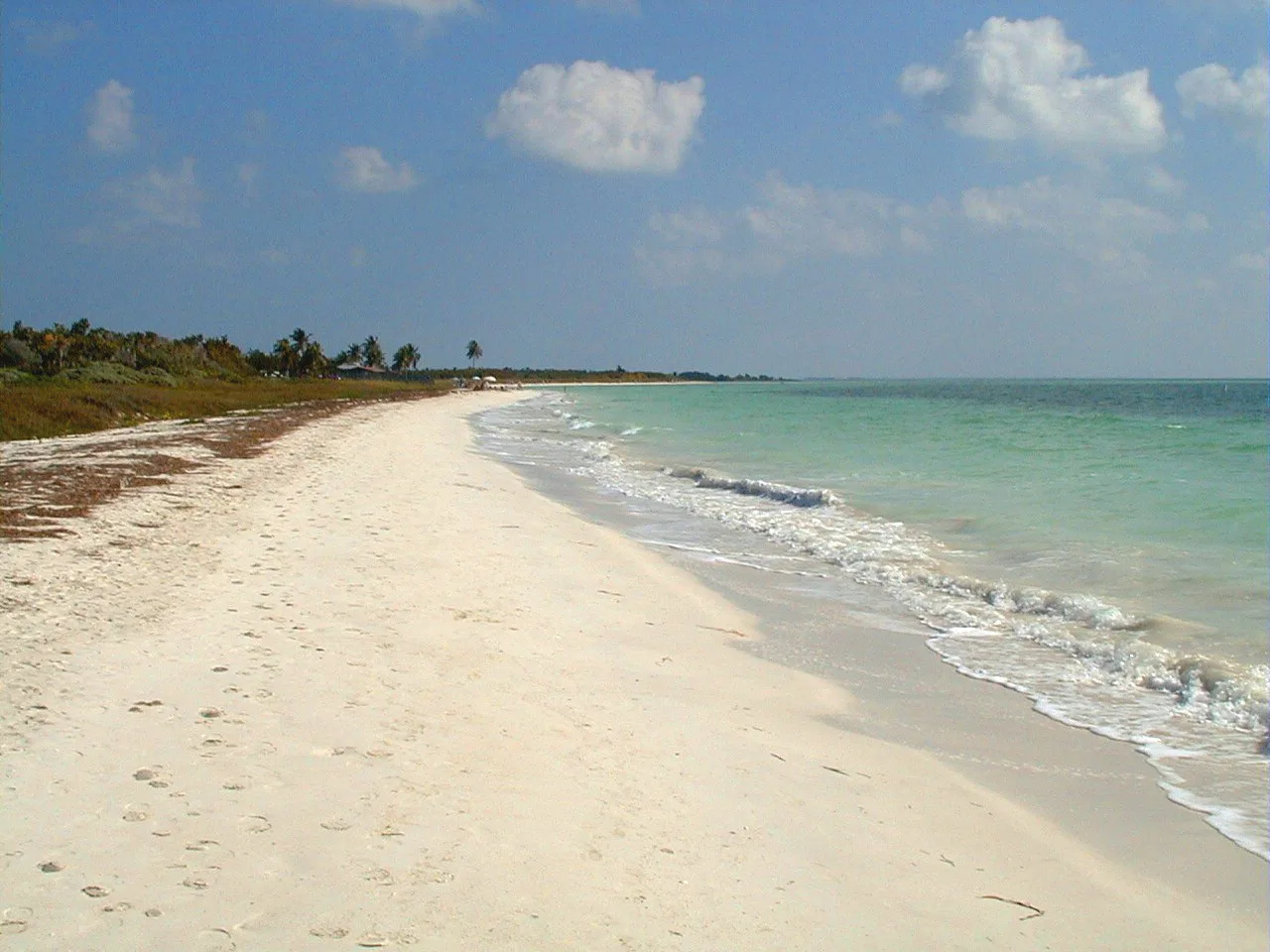
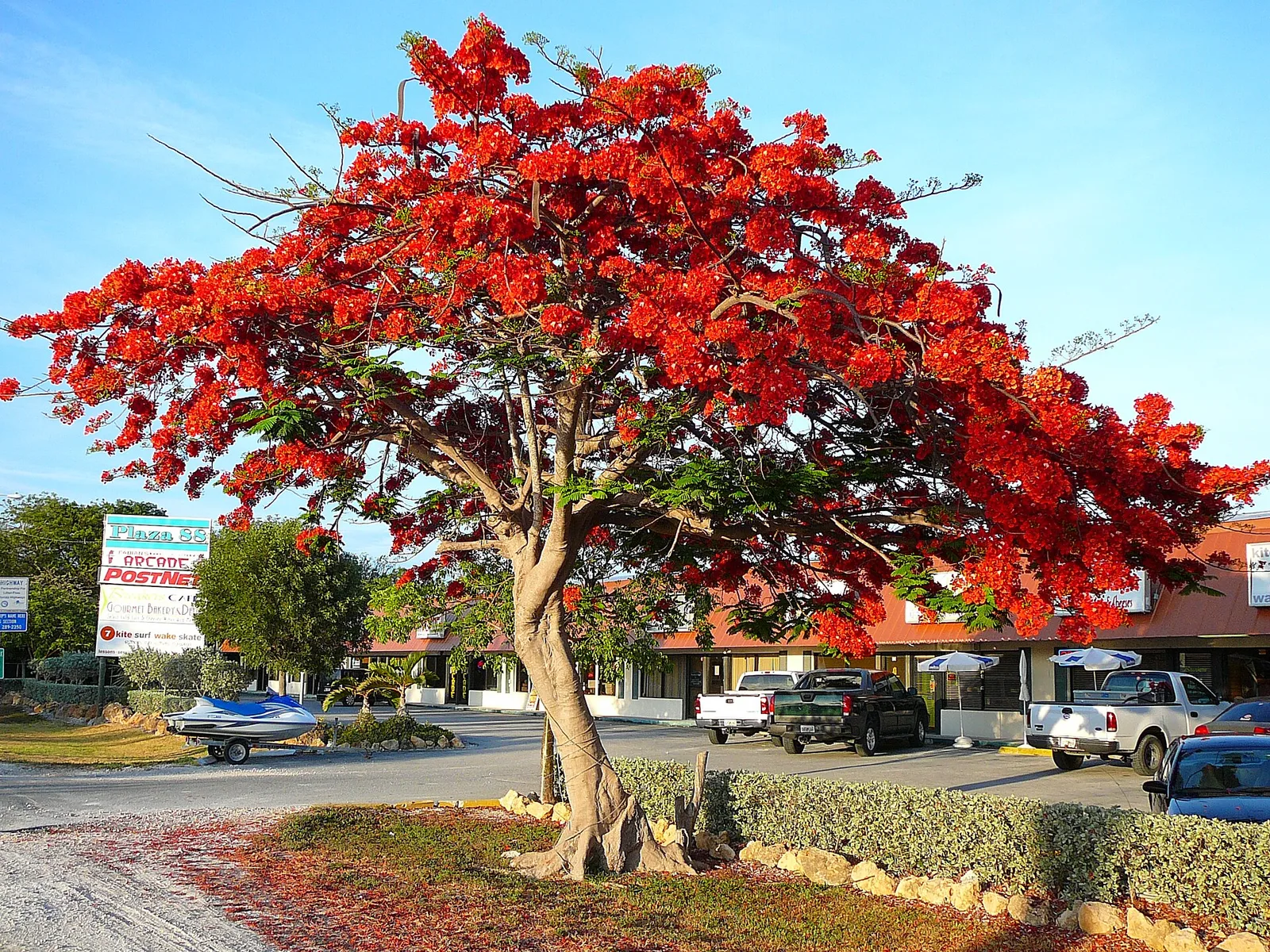
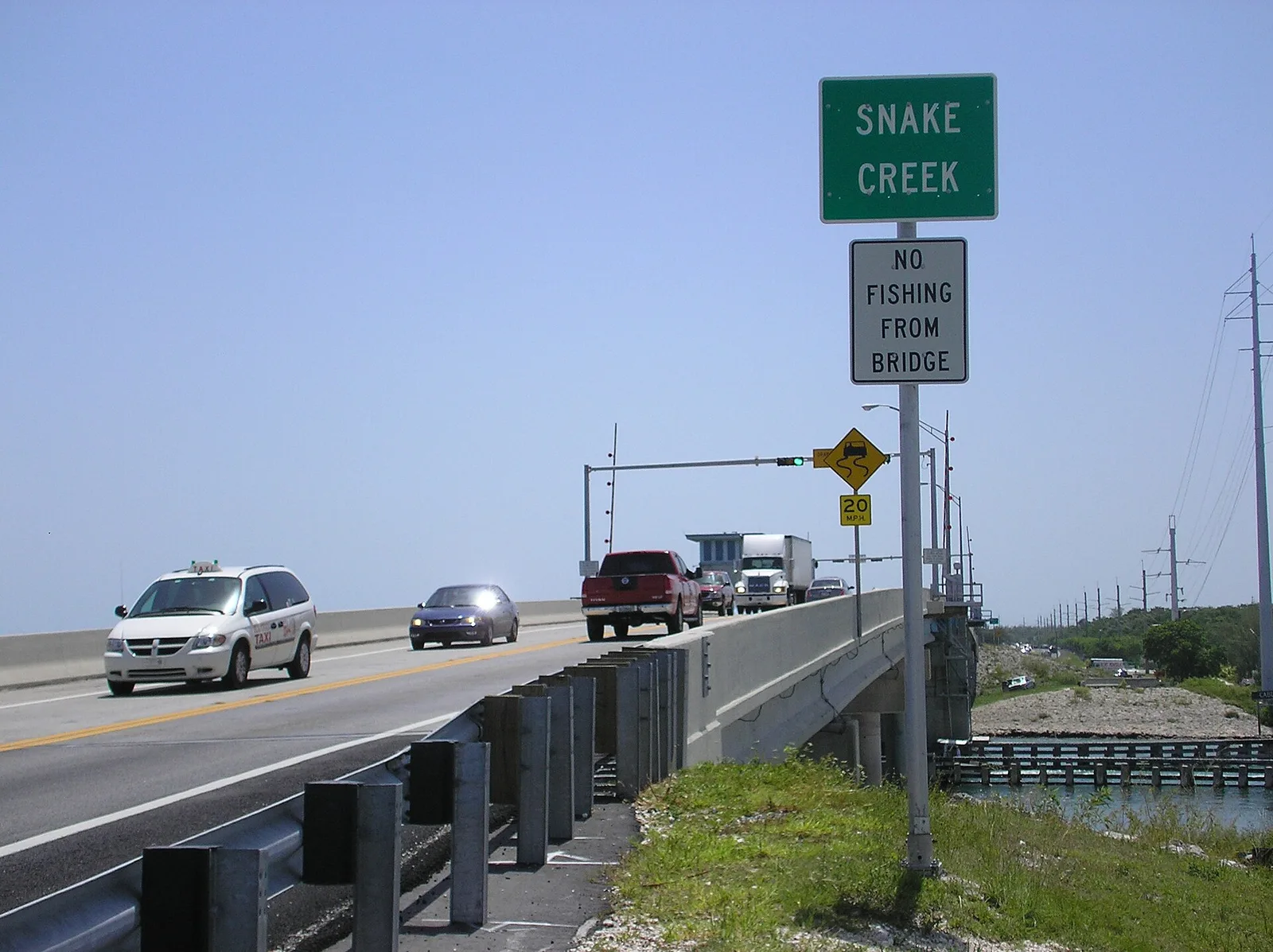
Cavmir markets Islamorada rentals around the water, because that is what the booking is actually about. We photograph the dock, the water access, the boat draft and the view honestly, and we shoot in the light that makes flats water look the way guests picture it. We write the listing and the site for someone planning a fishing week — where the ramp is, what the dock will take, how far the backcountry is, which charters run from where — because that specificity converts and generic beach copy does not. We build your direct-booking site and rank it for the fishing, diving and family searches that bring people to the Upper Keys, and we set up the email list that a market with this much repeat traffic rewards more than almost any other. We make your licence status visible, because in a village with a hard cap, provable legitimacy is a selling point. We will also help you think through the seven-day and twenty-eight-day question honestly rather than assuming one answer fits you. We help position and market your property. We never manage it or touch your keys.
Islamorada calls itself the Sport Fishing Capital of the World, and it keeps a monument to the hurricane that nearly ended it. Cavmir simply writes the modern chapter.
Islamorada is not one island. It is a string of them — Plantation Key, Windley Key, Upper Matecumbe and Lower Matecumbe — and for most of the nineteenth century the money here came off the water in ways that would not be legal now. Wrecking was the trade. Ships came apart on the reef and licensed salvors raced out to strip them, and the most notorious operator in the Upper Keys built his own private town on Indian Key to do it from. Jacob Housman ran that settlement until raiders destroyed it in 1840, during the Second Seminole War, killing the botanist Henry Perrine among others. The island is a state park now and you can still walk the street grid.
Farming came next — pineapples and key limes on the higher ground — and then Henry Flagler's Overseas Railroad arrived in the early 1900s and changed everything. The quarry that supplied its fill is now Windley Key Fossil Reef Geological State Park, where the cut walls show fossilized coral in cross-section. Flagler also built the Long Key Fishing Camp nearby, and the sport-fishing club that formed around it counted Zane Grey as its president. That is where Islamorada's identity as a fishing town starts.
Then, on Labor Day 1935, one of the most intense hurricanes ever to reach the United States came ashore here. It killed more than four hundred people, a large share of them World War One veterans working on the highway project, and it tore the railroad apart so completely that it was never rebuilt. The Florida Keys Memorial on Upper Matecumbe went up in 1937 to hold the dead, a sixty-five-foot art deco slab facing the road. The rail bed became the Overseas Highway in 1938.
Theater of the Sea opened on Windley Key in 1946, one of the oldest marine parks anywhere. The village itself incorporated in the late 1990s as Islamorada, Village of Islands, and that decision is why it has its own vacation rental ordinance today instead of the county's.
Before the platforms, a wrecking economy, a railroad and the fish sold these islands — and then the worst hurricane in American history rewrote the story in a single night in 1935. The village rebuilt on sportfishing. The channel changed; the work is identical: presentation, positioning, and water that still fills the boats. It is the same business Cavmir is in today.


Historical images: public domain and Creative Commons via Wikimedia Commons — the State Library and Archives of Florida and others.
The seven-day minimum in most of Islamorada's residential districts is the single fact that should shape your rate card, because it means you are not in the weekend business. You are selling weeks, and a weekly rate that is genuinely competitive against seven separate nights is the difference between a full season and a patchy one. Peak runs from roughly December through April, carried by winter escape traffic, the fishing calendar and spring family travel, with the holidays and the March stretch strongest. Late spring holds well. Summer is warm and humid and busier than outsiders expect, because the drive-down family traffic from South Florida and the flat summer water that anglers and divers prefer both land then. September into early October is the soft window and the most active part of hurricane season. Two pricing errors are common here. The first is pricing a waterfront house with a usable dock the same way as a house across the road with none — the dock is worth a real premium and owners routinely fail to charge for it. The second is ignoring the tournament and season calendar. Fishing seasons and tournament weeks move demand in this village more reliably than the weather does, and they are known a year in advance. Set premiums and minimums against them rather than letting a rolling algorithm discover them too late.
Peak is December through April, with the winter holidays and March at the top, driven by escape traffic from the north, the fishing calendar and spring break. May and early June are the best-value weeks in the Upper Keys — calm, clear water, the winter crowd gone, hurricane season not yet started — and almost nobody markets them properly. Summer holds on drive-down family traffic from Miami and Broward and on divers and anglers who prefer the flat water, at softer rates. Late August through early October is the quietest stretch and the height of storm season, when your cancellation policy becomes the first thing a guest asks about. November recovers on Thanksgiving and the early winter run-up. Because the seven-day minimum pushes most bookings into full weeks, Islamorada's calendar moves in blocks rather than nights, which makes gap management and shoulder-week pricing unusually important.
Islamorada is an incorporated village, which means the village's own vacation rental ordinance governs rather than Monroe County's — and that ordinance is one of the strictest in Florida. The headline is the cap. The number of vacation rental licences the village will issue is limited to three hundred and thirty-one, village-wide. That number does not grow. If you do not hold one, you cannot obtain one by meeting a standard; you acquire a property that already carries it, and the licence becomes part of what you are buying.
The second structural rule is the minimum stay. In residential zoning, a vacation rental must be at least seven days. In the village's mixed-use and commercial classifications that restriction does not apply, which is why the same house on two different parcels can be two entirely different businesses. Confirm your parcel's zoning classification with the village before you assume anything, and do it before you make an offer rather than after.
The third rule creates a genuine strategic fork: rentals of twenty-eight days or more do not require a vacation rental licence at all. For some owners in this village — particularly those without a licence, or those whose zoning makes short stays impossible — a monthly rental model is not a consolation prize, it is the actual business. It carries lower turnover cost, a different guest and a different marketing job, and it is worth modelling honestly against the licensed short-stay path rather than dismissing.
Licensing is annual and it stacks. Expect the village to require, each year, a Florida public lodging licence from the state, a Monroe County business tax receipt, and an inspection report from the village fire chief, alongside the application itself. Condominium and homeowner association documents can restrict rental independently of village permission and frequently do. Verify all of it directly with Islamorada, Village of Islands, and get the current requirements in writing — the ordinance has been amended over time and a licence broker's summary is not a substitute for the village's own answer.
Photograph the water first and photograph it honestly. In Islamorada the booking decision is usually made on the water access, so the dock, the canal, the bay view and the boat draft are the pictures that matter, and a wide shot of a beige living room is not. Shoot in the light that makes flats water look the way people picture it, which is early and late, not midday. Second, publish the boating specifics. How long is the dock, what draft will it take, is there a lift, where is the nearest ramp, how far is the ocean cut, how far is the backcountry. Nobody else does this properly and the anglers and boaters who make up your best guests are looking for exactly those numbers. Third, name your island. Plantation Key, Windley, Upper and Lower Matecumbe are different in feel, in drive time and in what is walkable, and guests who book the wrong one say so in writing. Fourth, sell the week, because the ordinance means that is what you are selling. Build the copy around a seven-day trip with a rhythm to it rather than a weekend. Fifth, put your licence number in your marketing — in a village with a hard cap and real enforcement, provable legitimacy reassures a guest who has read about rentals being shut down. Sixth, build an email list. Fishing guests come back to the same house and the same captain year after year, and this is one of the highest repeat-rate markets on the entire site.
The cap is the barrier to entry and it is absolute — acquisition means buying a licensed property, which prices the licence into the house. Insurance is expensive and getting more so, with wind and flood both live on a low island. The seven-day minimum limits your ability to fill gaps with short stays, so a hole in the calendar is a full week rather than a night. Hurricane season affects the calendar, the insurance and the cancellation conversation every year. Dock and seawall maintenance is a real recurring capital cost that owners consistently underestimate. And the village enforces — noise, parking, trash and occupancy complaints have teeth here, and a licence is not a permanent entitlement if the conditions attached to it are ignored.
Insurance in Islamorada is a major line item and it should be quoted during diligence rather than after closing. Wind and flood are separate policies and both are live on a low-lying island in a hurricane corridor. Named-storm deductibles are typically a percentage of insured value rather than a flat number, which on a waterfront property is a large figure you want to know before you buy. Flood coverage turns on your elevation certificate and flood zone, and in the Keys a few feet of elevation changes the premium materially — get the certificate during diligence, not after. Many owners here end up with a mix of surplus lines carriers and the state-backed insurer of last resort, and availability moves from year to year. On the rental side, a standard homeowner's policy will not follow you into transient use; you need a short-term rental or commercial policy with real liability limits. Docks, seawalls, boat lifts, pools and any watercraft need to be disclosed specifically, because water-adjacent liability is exactly where these claims come from. Ask for guest injury, guest property damage, loss of rental income and post-storm business interruption to be written into the policy rather than described on a call.
Monroe County carries one of the heaviest lodging tax stacks in Florida and Islamorada sits inside it. Florida sales tax applies to transient accommodations, the county adds a discretionary sales surtax, and on top of those the county levies a five percent tourist development tax plus a one percent tourist impact tax that applies throughout the Keys as an area of critical state concern — which is why the combined rate on a nightly stay in this county runs past thirteen percent. Rentals of six months or less are within scope. You will also need a Monroe County business tax receipt and registration with the Florida Department of Revenue, and the state public lodging licence is a separate requirement from the tax registration. Booking platforms collect and remit a good deal of this on the reservations they process, which is convenient until you start taking direct bookings — and direct bookings are exactly what good marketing produces. Get registered before you switch that channel on, and keep platform revenue and direct revenue separated from the very first reservation rather than untangling a mixed year in April. Florida has no state income tax, which is a real part of the ownership case here, but your accountant should still look at how rental days, personal use and depreciation interact for your structure.
Financing a licensed Islamorada property is conventional in mechanics and unusual in substance, because part of what you are buying is a licence that cannot be replaced. Appraisers do not always value that the way a buyer does, which can open a gap between contract price and appraised value that you need to be ready to bridge. Expect lenders to focus hard on insurability first — in a market where a wind or flood policy can be difficult to place, a property that cannot be insured cannot be financed, so get quotes in hand during diligence. Elevation certificate, flood zone, roof age, seawall and dock condition all show up in underwriting on waterfront parcels, and a failing seawall can stop a loan outright. Debt-service-coverage products underwritten on rental income are common in the Keys and are often the practical route for an investor; lenders offering them will want documented rental history and will want to see the licence. If the property is a condominium, the lender will scrutinize the association's reserves and its master insurance, and Florida's post-Surfside structural reserve requirements have made that review considerably more searching. Model insurance at current Keys pricing, the full thirteen-plus percent tax stack, dock maintenance and a realistic week-block occupancy curve rather than a flat annual number.
Three things to watch. First, the cap. Three hundred and thirty-one licences is a political number as much as a regulatory one, and the village revisits its vacation rental framework periodically — any movement in either direction changes the value of what you hold, and an expansion would be the single biggest risk to a licence holder. Second, insurance. Premium levels and carrier availability in the Keys are the real constraint on this market's economics, more than demand or regulation, and they are trending in one direction. Owners who plan capital around a stable premium are planning badly. Third, water and climate. Sea-level rise, king-tide flooding, coral reef health and the state of Florida Bay all sit underneath this market's demand engine as well as its property values — the fishing and diving economy depends on the ecosystem staying worth traveling for. None of this argues against owning here. It argues for buying a licensed property with clear eyes, insuring it properly, maintaining the waterfront infrastructure ahead of failure, and building a direct relationship with the guests who come back every year so that your business does not depend on a single channel.
Islamorada is where the Keys stop being a drive and start being a place. The highway narrows, the water opens on both sides, and you can see the difference between them — Florida Bay to the west, pale and shallow and endless, the Atlantic to the east, deeper and bluer with the reef out there somewhere. People here talk about the water the way people elsewhere talk about weather, because their week depends on it. There are skiff guides who have fished the same flats for thirty years and know them by the foot. There is a bait shop that sells better sandwiches than most restaurants. There are tarpon the size of a person hanging around a dock at Robbie's waiting to be hand-fed by tourists, which is ridiculous and also completely worth doing. And there is a sixty-five-foot memorial by the side of the road holding the ashes of four hundred people who died in a storm in 1935, which most visitors drive past without a glance. Commercially, what we like is the combination of a hard licence cap and an unusually loyal guest. Supply cannot grow. The people who come here come back — same week, same house, same captain, for years. That is the best possible setup for owned marketing, and yet most Islamorada listings are still generic beach copy with a badly lit photo of a dock. The gap between those two facts is the opportunity.
A great property in Islamorada doesn't just want a listing — it wants a point of view, an audience, and a brand the city itself would recognise.
Eight answers to put in your guest guide. These are the questions guests ask anyway, and getting them right in advance is the cheapest review insurance there is.
Bay-side water is glass early and choppy by ten. Tell guests to take their coffee outside at six-thirty — it is the best hour of the day here and the one visitors sleep through.
The good waterfront tables fill from December to April and on every holiday weekend. Tell guests to reserve when they book the stay, not the afternoon of.
Hundred-pound fish taking bait out of your hand off a dock on Lower Matecumbe. It is touristy and it is genuinely startling. Go early, bring small bills, and mind the pelicans.
An old quarry cut for the railroad, with fossilized coral standing in the walls in cross-section. Short trails, shade, and a story about Flagler most guests have never heard.
Winter crowd gone, storm season not started, the water flat and clear for diving and the flats fishing at its best. The best-value weeks in the Upper Keys and almost nobody sells them.
Two state park islands offshore — one the ruins of a nineteenth-century wrecking town, one an old-growth hardwood hammock. Access is by water only and worth arranging in advance.
Islamorada is one of the few places in the Keys where you get the sunset over open water without a crowd. Tell guests which side of the highway to be on and roughly when.
Boating logistics are the number one question in this village. Give them the ramp, the draft your dock will handle, the run time to the ocean cut and to the backcountry, and two guides you would actually call.
Guests who find an Islamorada rental on Airbnb search its name afterwards, and the page they should land on is the owner’s own site. Cavmir builds vacation rental websites of 40 to 125 pages in the owner’s brand. For a home that only lists on Airbnb, that is a website for your Airbnb: your name and domain, your photos, your area guides and your reviews, with a button that sends guests to the listing. For homes on Hostaway, Guesty or Hospitable it is a direct booking website: live availability and prices from the PMS, the whole stay priced before checkout, and the booking completed in the PMS. Both start from the same vacation rental website design, run the TrollBuster™ compliance scan before launch, and are yours at launch: domain, code, content and photos.
The guide pages of an Islamorada site can start with the picks on this page: The dock before the wind gets up, Dinner on the water in season and Feeding the tarpon at Robbie's. Each one is a search a guest makes before choosing a home, and each becomes a page that leads to the booking button.
Packages start at $1,475 for the Starter Website (40 pages, two to three weeks) and run to $3,732 for Full with Direct Booking (125 pages, booking synced with your PMS); the current prices are on the pricing page.
A few composite engagements, drawn from how Cavmir typically works with owners of licensed waterfront property in a capped market. Illustrative rather than any single client's file.
A property whose entire value was the dock and the water access, presented with two dark photographs of it at the end of a twenty-image set that led with furniture.
Reshot the water first — dock, canal, lift, the run out — in early and late light, rebuilt the photo order around the boating story, and rewrote the listing with the draft, the ramp distance and the run times to the flats and the reef stated plainly.
The property stopped being compared with inland houses at similar rates and started attracting the boating and fishing guests it was actually built for, with longer stays and more repeat enquiries.
A rate card and a listing written for weekend traffic in a district where seven nights is the legal minimum, leaving orphan weeks scattered through the shoulder months.
Rebuilt the rate structure around week blocks with shoulder-week pricing designed to close gaps rather than discount peak, and rewrote the copy around a full seven-day trip with a day-by-day rhythm instead of a weekend pitch.
Fewer stranded weeks in the shoulder months and a calendar that filled in blocks, with turnover costs falling as average stay length rose.
The same groups coming back for the same week every year, but rebooking through a platform search each time, so the owner paid to reacquire guests they already had.
Built a direct-booking site with the licence number visible, moved the existing guest list onto an email flow that opened next season's dates to returning groups before the public release, and pointed every checkout toward the direct route.
A growing share of the repeat weeks were locked in direct before the general calendar opened, and the owner gained a channel they controlled rather than rented.
Demand in Islamorada peaks around January, February and March and runs quietest around August through September. Here is how the year actually books — and what to do about each stretch of the calendar.
December through April, driven by winter escape traffic, the fishing calendar and spring family travel, with the holidays and March strongest. Because most residential districts here carry a seven-day minimum, the calendar moves in week blocks rather than nights, which makes holiday and tournament weeks unusually valuable and unusually easy to underprice.
May and early June are the best-value weeks in the Upper Keys and almost nobody sells them properly — calm clear water, the winter crowd gone, storm season not started, and the flats fishing at its best. September recovers late. Both should be marketed as their own product rather than discounted.
Late August through early October is the quiet stretch and the height of storm season. Put a longer-stay rate in the market, keep the cancellation policy clear and calm, and use the window for dock and seawall maintenance and a pre-season reshoot.
Holiday and tournament weeks book furthest out, frequently a year. Winter weeks fill through the autumn. Fishing groups often rebook the following year before they leave, which is the single most valuable habit a host here can encourage.
Week blocks dominate because of the seven-day minimum in most residential districts, with some longer stays and a small short-stay segment in the commercial zoning. Gaps are full weeks rather than nights, which makes shoulder-week pricing unusually important.
A private dock with usable depth is the single biggest value driver in this village and it is routinely under-described. Houses that genuinely sleep and function for a group of six to eight outperform smaller premium properties, because the fishing week is a group trip. A pool, outdoor living space and somewhere to clean and store gear round it out.
Start with photography that shows what a guest actually gets here, then write the listing around a real itinerary rather than a feature list. Build a direct-booking site so returning guests can come back without going through a platform, and keep an email list segmented by season so you can reach last year's visitors before the calendar opens. Local search matters more than people expect in a market this size, because guests search the destination and the attraction rather than the word rental. A marketing agency layer handles the photography, the listing copy, the direct-booking site and the local SEO as one system instead of four disconnected jobs.
December through April, driven by winter escape traffic, the sport fishing calendar and spring family travel, with the holidays and March at the top. Because most residential districts carry a seven-day minimum, the calendar moves in week blocks. May and early June are the best-value weeks in the Upper Keys and almost nobody markets them.
Holiday and tournament weeks book furthest out, frequently a year ahead. Winter weeks fill through the autumn. The most valuable pattern here is fishing groups rebooking the following year before they leave, which happens if you ask and does not if you do not.
South Florida drive traffic from Miami, Fort Lauderdale, Naples and West Palm Beach is the backbone, with a strong fly-in layer from the north-east, Atlanta and Dallas for the fishing season. Because stays are week-long rather than weekend-length, the catchment is wider than it would otherwise be.
A private dock with usable depth, stated honestly in feet, is the single biggest value driver here. After that: a boat lift, a pool, fish cleaning and gear space, real outdoor living space and kayaks. Publish the run times to the flats and the reef — no other listing does, and the guests who pay the most are looking for exactly that.
Run your Airbnb, Vrbo, or website through Cavmir's free grader. It checks the things that decide whether guests book in Islamorada — photos, listing copy, page speed, local search — and shows you where bookings leak. Takes about a minute, and there's no sales call attached.
If the report says your booking engine is the weak link, that's fixable: a direct-booking website of your own means repeat guests stop paying platform fees to come back to you. That's the work Cavmir does — see Airbnb website design in Islamorada.
Counted from the Florida DBPR vacation rental license file, deduplicated by permit number — real registry data, not an estimate. See the full Florida permit data →
As of July 2026, the Florida DBPR vacation rental license file shows 169 current licenses on file in Islamorada. A license is not always one listing — some licenses cover multiple units — so treat this as a verified floor for the size of the legal market.
Islamorada ranks number 63 of Florida's tracked markets by records on file, holding about 0% of the 50,295 records we compiled for Florida. Every one of those operators shows up in the same searches your guests use — which is why presentation, photography, and a direct-booking path decide who gets seen.
The number above comes from the Florida DBPR vacation rental license file, an official public source, pulled and deduplicated in July 2026. Rules and requirements change — always confirm current licensing requirements with the program directly before you buy or list.
Send us the listing and we'll tell you what we'd change. Not a pitch deck — a straight read on your photos, your title, your rates against the Islamorada comp set, and whether a direct-booking site would pay for itself.
You'll hear back from a person, usually inside one business day. If we don't think we can move your numbers, we'll say so. Cavmir is a short-term rental marketing agency — we position and market properties, we don't manage them.
Talk to Cavmir today. We'll show you exactly what your Islamorada property is leaving on the table — and how fast we can change that.
Book a Free Strategy CallPhotography via Wikimedia Commons (images resized and cropped): The Florida Keys Memorial, view of monument 4856 by Bcrford (CC BY-SA 4.0) · Aerial view of Bahia Honda Key 2025-05-17 by Schwerdf (CC BY 4.0) · Royal Poinciana by Averette (CC BY-SA 3.0) · Indian Key by Averette (CC BY-SA 3.0).
