





The fee
Per guest, per year
Reported at $219.45 per guest annually for single-family and $146.30 for multi-family. Occupancy is a recurring cost, not a free upgrade.

Expert short-term rental marketing to grow your bookings and nightly rate in Cocoa Beach, Florida, USA.
Sixteen services, one team. Everything below is built in-house and scoped to your property and market. Most owners start with the 12-Step System.
Every engagement is quoted to your portfolio. These are the ready-made scopes owners pick most — the AI Efficiency Discount is already applied. A clear proposal within 48 hours.
The work is public. Selected engagements and what changed — and reviews from the owners and managers behind them.
* Market averages. Properties marketed by Cavmir typically exceed these figures by 25–45%. Data sourced from AirDNA, STR market reports, and Cavmir internal analytics.
Cocoa Beach is a narrow strip of barrier island on Florida's Atlantic coast, about an hour east of Orlando, and three separate industries have shaped it. The first is surfing: this is the best consistent break on the east coast of Florida, it produced Kelly Slater, and Ron Jon Surf Shop has been sitting on A1A serving people at four in the morning, three hundred and sixty-five days a year, for decades. The second is cruising. Port Canaveral, immediately north, is one of the busiest cruise ports in the world, which means a permanent flow of people who need a bed the night before an early sailing and the night after a late return. The third is the one that gives this coast its name. Cape Canaveral Space Force Station and the Kennedy Space Center are a few miles up the beach, and the launch cadence from those pads is now higher than at any point in the history of American spaceflight. On a launch night, people stand on the sand at Alan Shepard Park and watch a rocket climb out over the ocean, and then a few minutes later a booster comes back down and lands, and the sonic booms roll across the island.
Cocoa Beach tightened its rules in 2025 and the fee structure it landed on is genuinely unusual. In March 2025 the City Commission passed Ordinance 1695, setting new requirements across the city for all short-term vacation rentals covering registration, occupancy limits, fees and fines. Every rental needs a Vacation Rental Certificate, a Business Tax Receipt and a designated local emergency contact. Then, from April 2025, the city restructured registration fees onto an occupancy basis: reported at $219.45 per guest per year for single-family homes and $146.30 per guest per year for multi-family units such as condominiums. Read that carefully, because it changes how you think about the property. Your permitted headcount is not just a marketing number, it is an annual line item you pay before a single booking arrives, and the decision to sleep two more people has a price attached to it every year for as long as you own the place. On tax, Brevard County levies a 5% tourist development tax alongside Florida sales tax, and the administration changed recently: on 22 July 2025 the county authorised the Clerk of Court to collect the tourist development tax, and from 1 October 2025 the Tax Collector stopped doing so. Confirm current fees and filing arrangements with the city and the Clerk.
Nearby Markets: Orlando | New Smyrna Beach | Daytona Beach
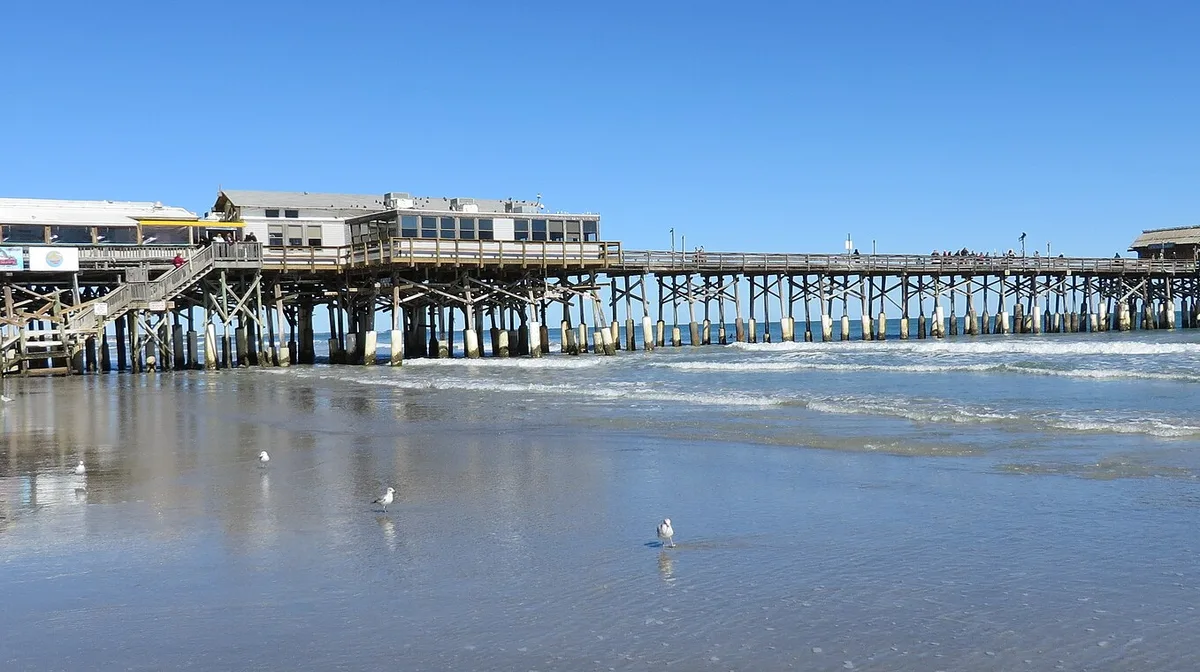
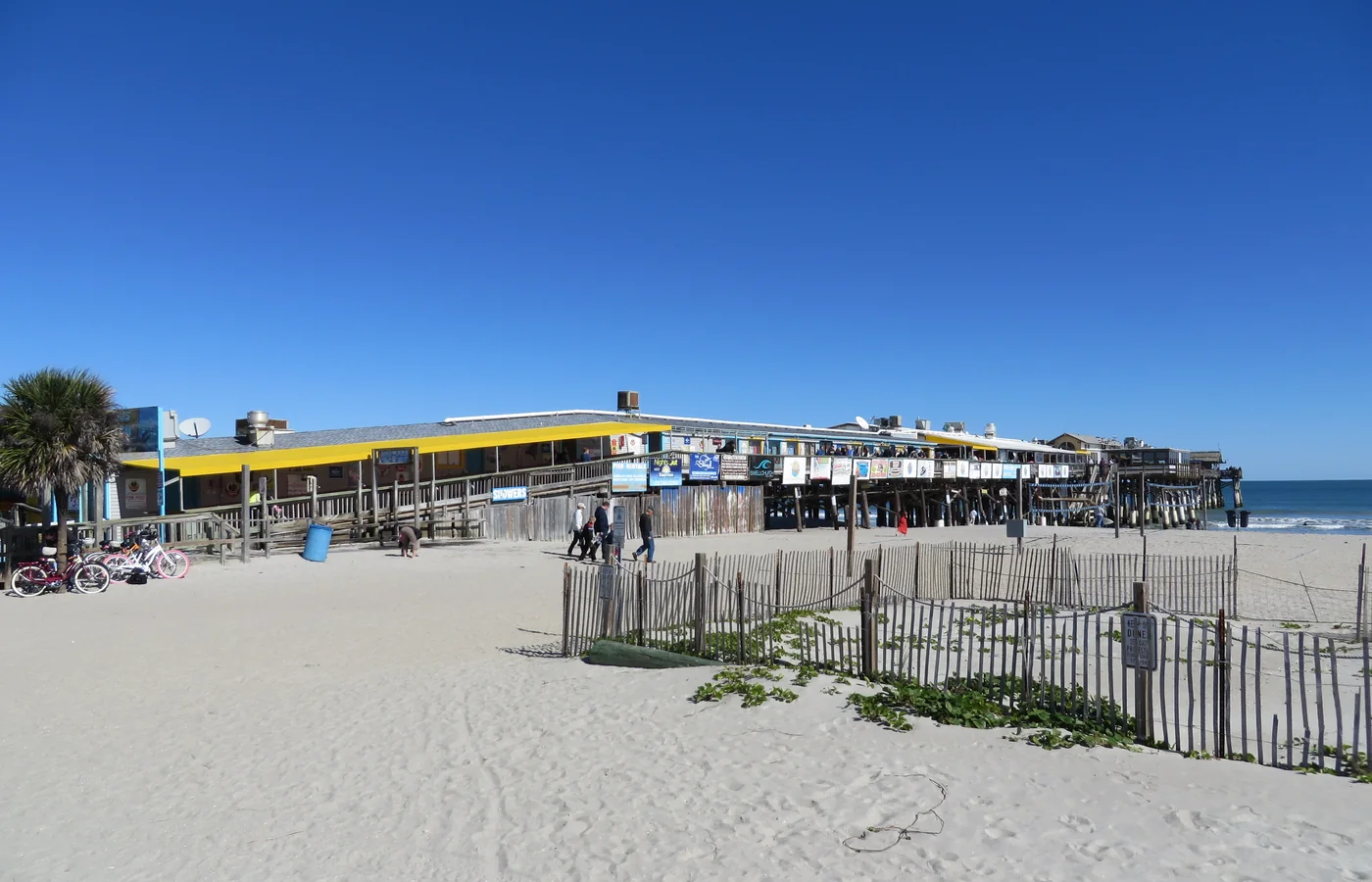
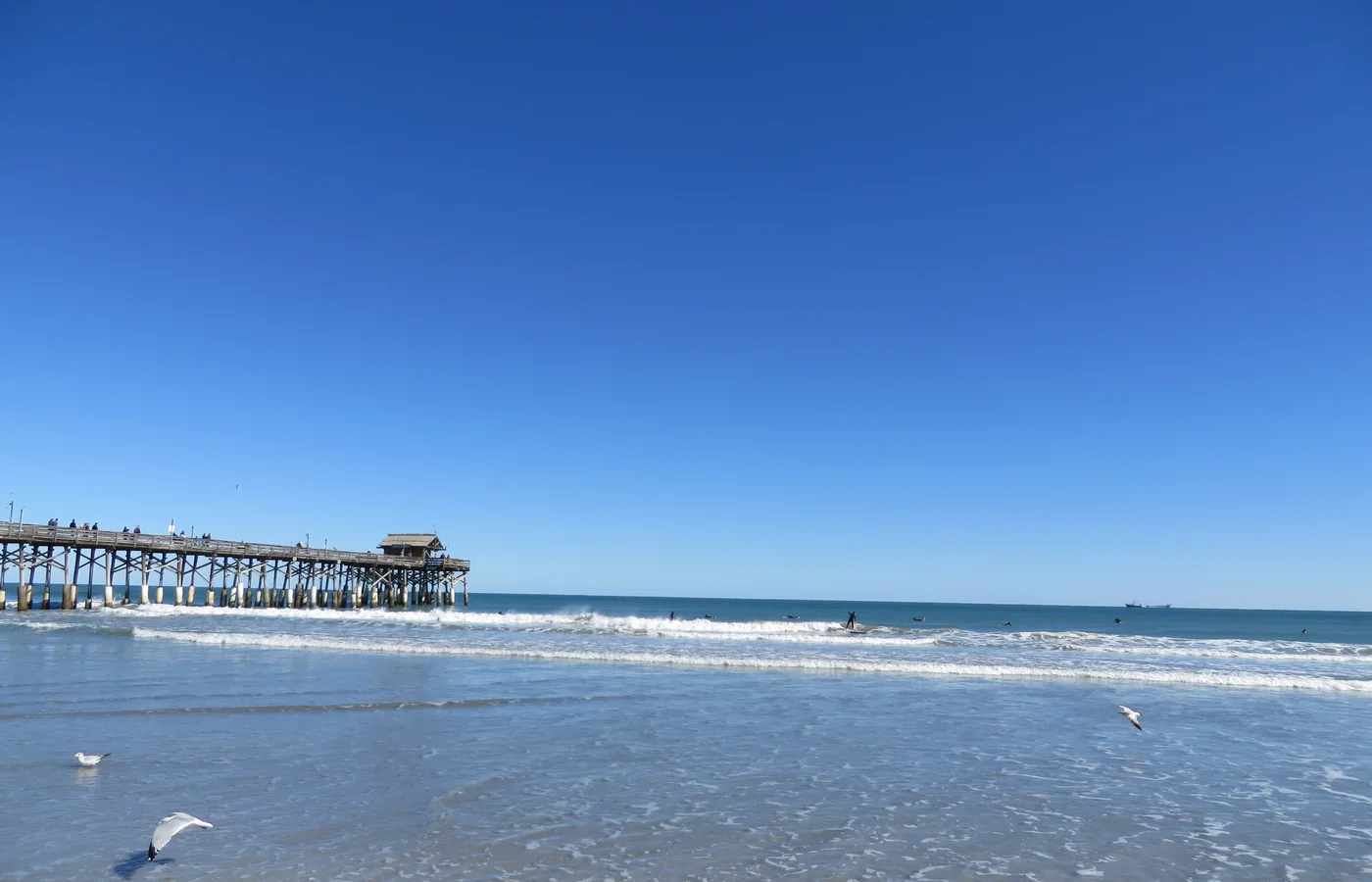
A few of the visual fingerprints we lean into when we shoot, brand and market a Cocoa Beach property — courtesy of the open Wikimedia Commons archive.
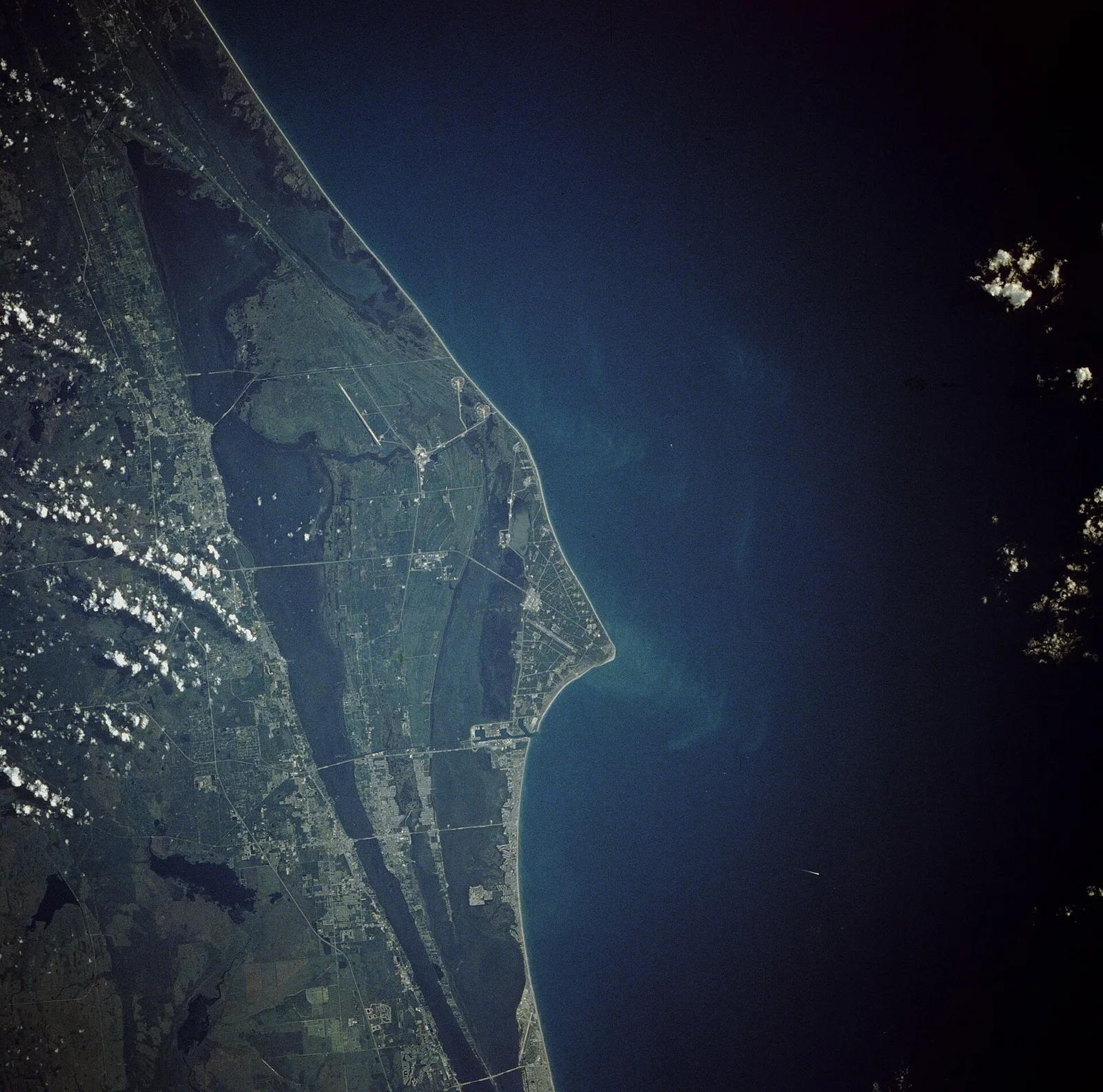
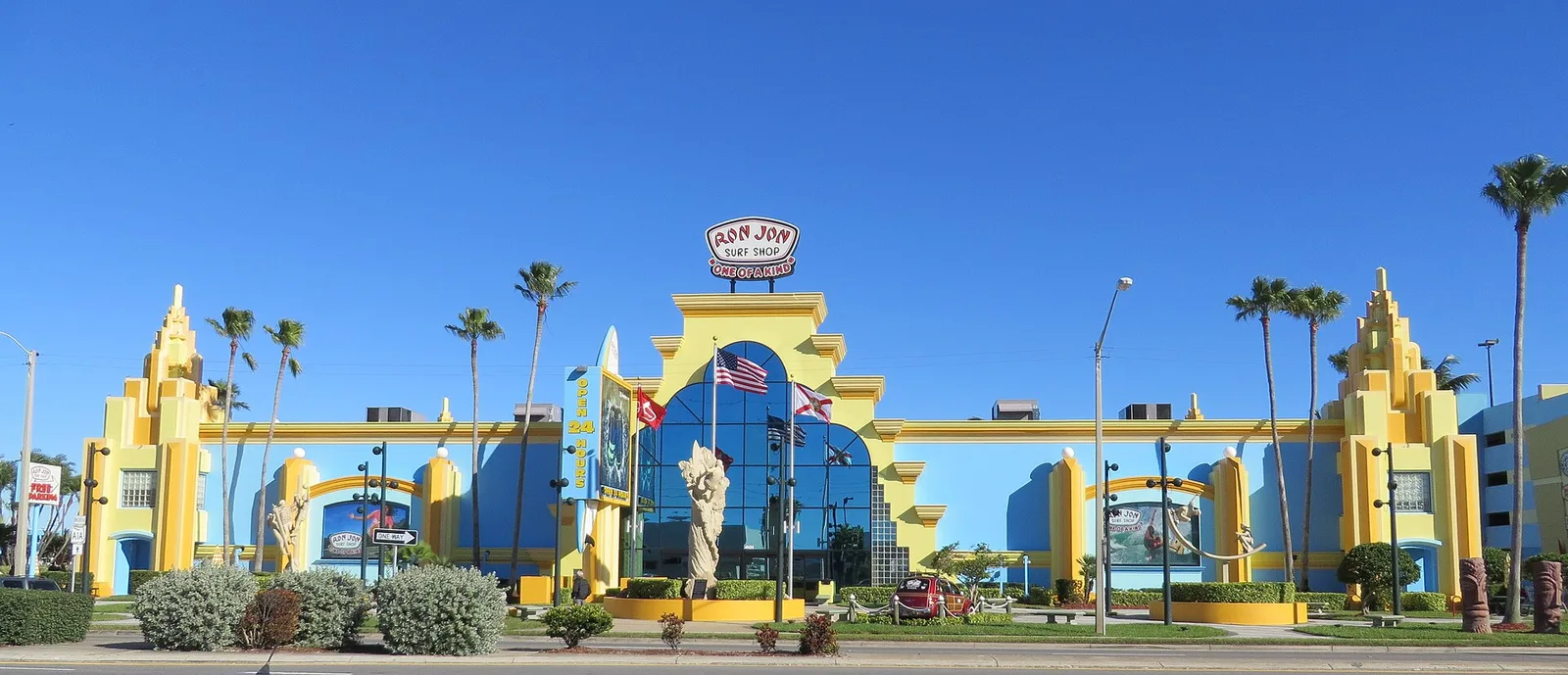
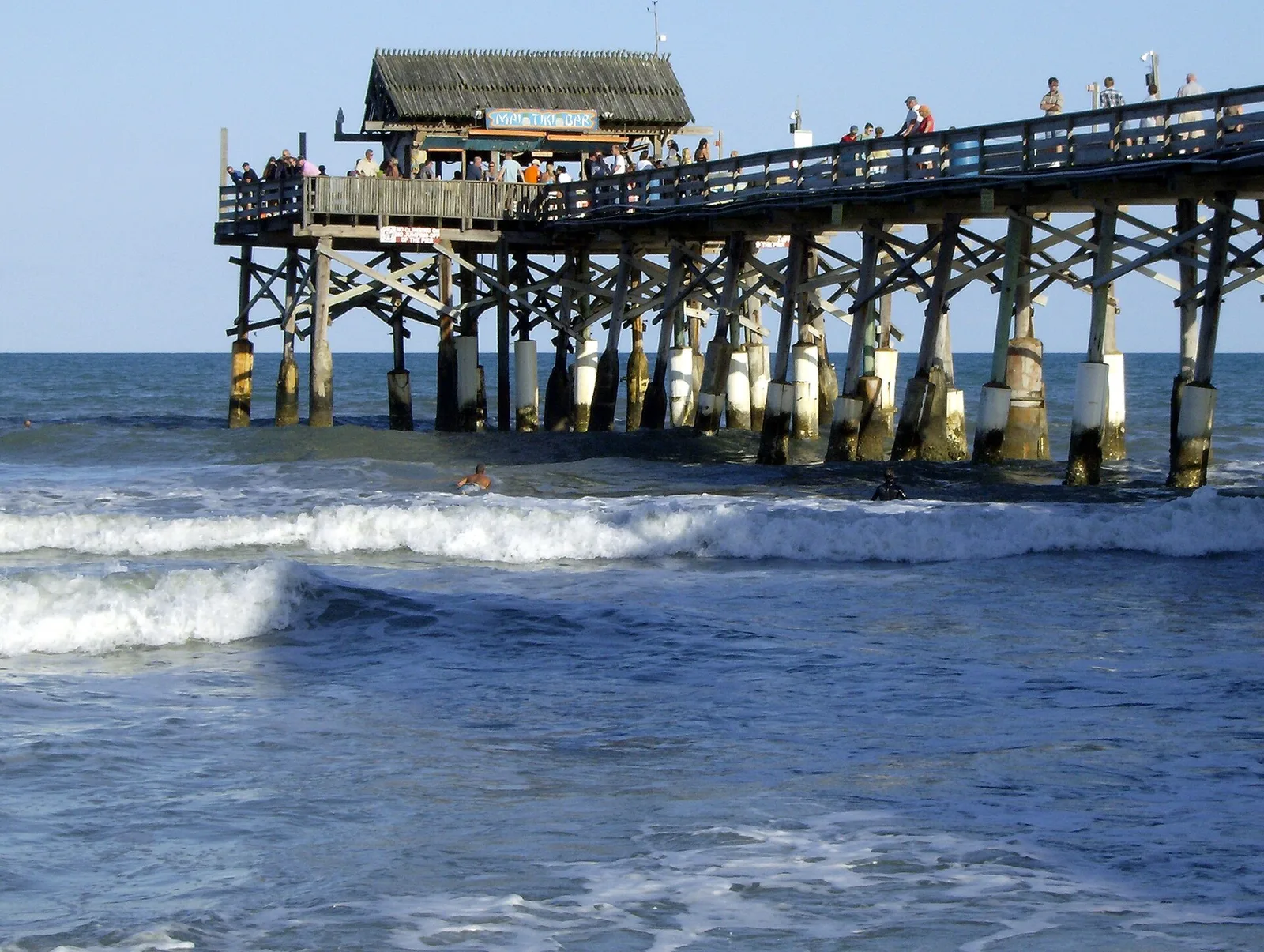
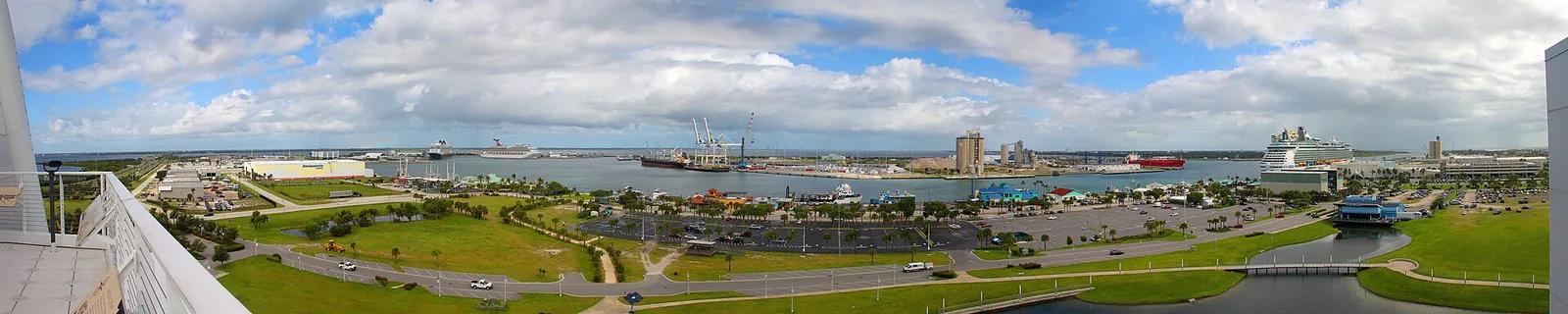
Cavmir markets Cocoa Beach properties against three demand calendars that almost nobody here runs together. The first is the launch schedule, which is published, moves constantly and produces short-notice demand from people who will drive over from Orlando or fly in for a window; a listing that explains where to watch from, what you will hear, and how a scrub works is doing something no hotel does. The second is the cruise calendar at Port Canaveral, which generates a steady, unglamorous, highly predictable flow of one and two night stays either side of sailings, and which most beach listings ignore because it is not a beach holiday. The third is the beach itself, and the surf, which has its own seasons. We write for all three and price each accordingly. We also handle the occupancy question properly, because in a city that charges by the guest, the right sleeping capacity is a commercial decision that deserves actual arithmetic rather than an extra sofa bed. We photograph the property with the ocean and the pier in frame, state the walk to the sand in minutes, build a direct booking site that captures the enormous branded search this coast generates, and keep the repeat list that a market with this much recurring traffic rewards. We help position and market your property. We never manage it or touch your keys.
Cocoa Beach grew up next to a rocket range, and its surf breaks and launch views made it the capital of the Space Coast. Cavmir simply writes the modern chapter.
Cocoa Beach was a sleepy stretch of barrier island with a few hundred residents until the middle of the twentieth century, when the federal government decided that a sparsely populated cape a few miles north, with open ocean to the east to drop spent rocket stages into, was the right place to test missiles. Cape Canaveral became the centre of American rocketry, and the town on the beach below it filled almost overnight with engineers, contractors, test pilots and the industries that served them. The population multiplied many times over in a decade. That era gave Cocoa Beach a specific cultural imprint: the astronaut bars, the motels, the ranch houses built fast for young engineering families, and eventually a television sitcom set here about an astronaut who found a genie, which is why there is a street named after it. Alongside the space business, a second and quieter industry grew: surfing. The break here is the most consistent on Florida's Atlantic coast, a surf shop opened on A1A in the 1960s and grew into something enormous that never closes, and the town produced one of the greatest competitive surfers in the sport's history. Then Port Canaveral developed into a major cruise port. Today the three run together, and on a given weekend the same island holds families waiting for a ship, surfers reading a swell forecast, and a crowd on the sand at midnight watching a booster come back down onto a landing zone.
Before the platforms, the rockets and the waves sold this beach to the country — the astronauts' town, a front-row seat to the launches, and a surf break that raised a world champion. The channel changed; the work is identical: presentation, positioning, and a coast with a view nobody else has. It is the same business Cavmir is in today.
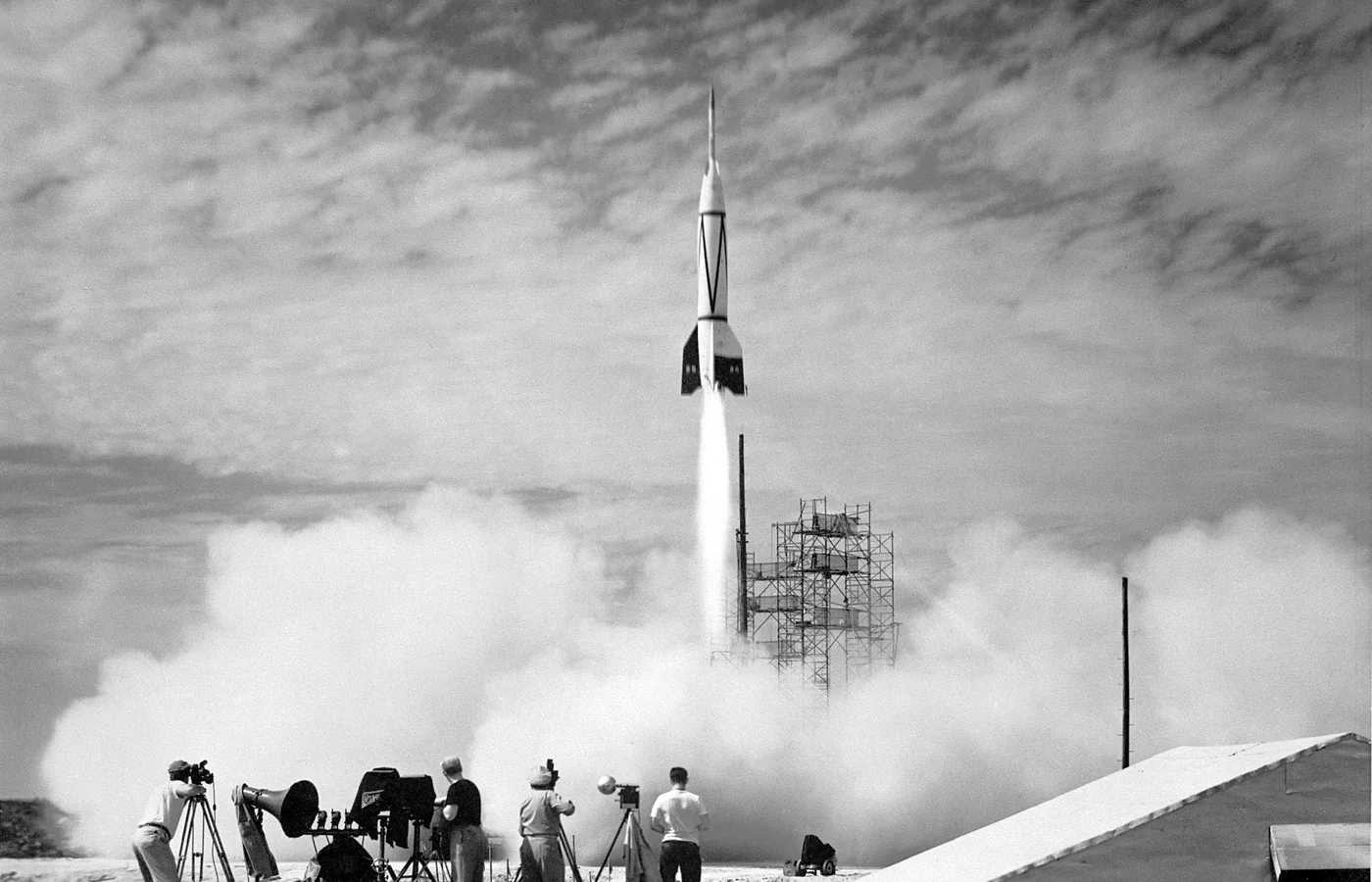
Historical images: public domain and Creative Commons via Wikimedia Commons — NASA and others.
Cocoa Beach has a flatter demand curve than most of this wave, which is an advantage, but it has three overlapping demand types and pricing one of them well while ignoring the others leaves money behind. The beach and family market peaks around spring break, the summer and the major holidays, and behaves like any Florida beach town. The cruise market is different: it produces one and two night stays clustered around sailing days, guests are price-sensitive but volume is reliable, and a property near the port that offers parking is selling a solved problem rather than a holiday. The launch market is the third, and it is the one nobody prices for. Launch windows are published but move constantly, scrubs are routine, and demand appears at short notice from people driving over from Orlando or flying in specifically. That argues for keeping some availability flexible and for being instantly bookable rather than requiring enquiry. Winter is the snowbird season and belongs to monthly stays. The other pricing input unique to this city is the per-guest registration fee: because you pay annually per permitted guest, the marginal revenue of an extra sleeping space has to clear a real annual cost, and for some properties adding capacity is not worth it.
Steadier than most markets in this wave. Spring break and the summer are the strongest, with the winter holidays adding a hard short peak. Autumn is the quietest stretch and coincides with the most active part of hurricane season. Winter is soft on nightly rentals and strong on monthly snowbird stays. Overlaid on all of it is a launch calendar that has no season at all and produces demand at short notice year round, and a cruise schedule that runs continuously.
In March 2025 the Cocoa Beach City Commission passed Ordinance 1695, which set out new rules across the city for all short-term vacation rentals, covering property registration, occupancy limits, fees and fines. Every short-term rental must be registered with the city, and each rental requires a Vacation Rental Certificate, a Business Tax Receipt and a designated local emergency contact. From April 2025 the city restructured its registration fees onto an occupancy basis, reported at $219.45 per guest per year for single-family homes and $146.30 per guest per year for multi-family properties such as condominiums. That structure is unusual and has a direct commercial consequence: the number of guests you are permitted to accommodate is an annual cost, paid in advance of any revenue, so sleeping capacity becomes a decision with a price rather than a free upgrade. Florida's state preemption statute, adopted in 2011, prevents local governments from prohibiting short-term rentals or regulating their duration or frequency, but it grandfathers local ordinances that were in place before that date, and the extent of a given city's remaining authority turns on that history; confirm how it applies here rather than assuming. On tax administration, Brevard County passed an ordinance on 22 July 2025 authorising the Brevard County Clerk of Court to collect the tourist development tax, and from 1 October 2025 the Tax Collector no longer collects it, so make sure you are filing with the right office.
Work the launch calendar. It is public, it moves, and it produces demand that most owners on this island simply do not see. A listing that explains where to watch from, what a scrub means for a booking, whether you can see the pad from the property and what the sonic booms of a returning booster actually sound like is offering something genuinely useful. Second, decide your occupancy deliberately. In a city that charges per guest per year, an extra sleeping space has to earn its annual fee, and for some properties the honest answer is to sleep fewer people and charge more. Do the arithmetic rather than adding a sofa bed by reflex. Third, take the cruise market seriously. It is not glamorous, but pre-cruise and post-cruise nights are steady, predictable and easy to fill, and a property that offers parking during a sailing is solving a real problem people will pay for. Fourth, state the walk to the sand in minutes and be honest about A1A crossings. Fifth, sell the surf properly: this is the most consistent break on Florida's Atlantic coast and the town's surf culture is genuine rather than decorative. Sixth, build the winter monthly business. Seventh, remember that this destination is searched by name constantly, and a direct booking site lets you meet that search rather than paying to be introduced to someone who already knew where they wanted to go.
The per-guest fee structure makes occupancy a recurring cost and penalises properties designed around large groups. Registration, certificates and business tax receipts add administrative overhead and annual cost. The island is narrow and traffic on A1A in season, particularly around cruise turnarounds, is genuinely difficult. Hurricane exposure is real and Florida insurance costs have risen substantially. Competition is heavy, with a large condominium inventory and hotels serving the same cruise and launch demand. And the autumn is both the quietest season and the most storm-exposed part of the year.
Florida coastal insurance is the dominant operating cost here and it should be quoted before purchase, not after. Windstorm and flood are separate considerations from general property cover, and on a narrow barrier island both matter. Premiums across Florida have risen sharply and a figure from a few years ago is not a guide. Roof age and shape, window and door protection, construction type, elevation and the building's year of construction all move the number substantially, and a property built to current codes can cost dramatically less to insure than an older one nearby. Get short-term rental use named in the policy and set liability limits with pools, balconies and ocean access in mind. Loss of rental income cover is worth more here than in most markets, because a storm can make a property unrentable for a season without a total loss. If the property is a condominium, understand what the association's master policy covers and where your responsibility begins, which after recent Florida legislation on structural reserves and inspections is a more consequential question than it used to be. Use a Florida broker who writes barrier island risk.
Brevard County levies a 5% tourist development tax on short-term accommodation, and Florida state sales tax applies alongside it; confirm the current combined figure, since the state rate and any discretionary surtax can change. The administrative arrangement changed recently and it matters: on 22 July 2025 Brevard County passed an ordinance authorising the Clerk of Court to collect the tourist development tax, and with effect from 1 October 2025 the Tax Collector no longer collects it. Filing with the wrong office is an easy and avoidable mistake in the first year after a change like that. Establish exactly what a booking platform collects and remits on your behalf versus what you must file directly, because the split differs and the liability remains yours. Separately, the city's occupancy-based registration fee is not a tax but it behaves like an annual per-head charge and should be modelled as a fixed cost. Florida also levies tangible personal property tax on furnishings used in a rental business, which owners from other states routinely overlook. Ask your accountant about the whole picture rather than assembling it from forums.
Financing on the Space Coast is a conventional Florida coastal exercise with one large variable, which is insurance. Because premiums here can be a very significant annual figure, lenders include them in affordability calculations and a high quote can reduce what you are able to borrow; get an indicative insurance number early rather than at the end of the process. Condominium purchases carry additional scrutiny following Florida's legislation on structural inspections and reserve funding, and lenders now examine association budgets, reserve studies and any pending special assessments closely; a building that is not compliant can be difficult to finance at all. Single-family homes avoid that but bring their own questions about roof age, which is a live underwriting and insurance issue in Florida, with older roofs sometimes requiring replacement before cover can be written. Short-term rental income treatment varies by lender and documented history performs better than projection. Property taxes for a non-homestead investment property are calculated differently from an owner-occupied home and the difference is significant. Use a Brevard County broker who writes vacation rental files regularly.
The most important thing happening on this coast is the launch cadence, and it is going in one direction. The number of launches from Cape Canaveral and Kennedy Space Center has risen year after year to levels that would have been unimaginable a decade ago, and each one produces visitors. That is a demand engine no other beach market in Florida has, it is growing rather than shrinking, and it is still barely marketed by the lodging industry here. Port Canaveral has also continued to expand its cruise capacity. Against that, the constraints are the ones facing all of coastal Florida: insurance costs that have risen dramatically and show little sign of easing, hurricane exposure on a narrow barrier island, and condominium buildings facing structural reserve requirements that will force real expenditure. Locally, Cocoa Beach has just formalised its rules and its per-guest fee structure signals a city that intends to manage occupancy rather than count properties, which is an unusual approach and worth watching to see whether other Florida cities copy it. For an owner, the strategy is to build across all three demand calendars rather than one, and to hold the direct relationship with guests who will come back for the next launch.
Cocoa Beach is a town where three completely unrelated things happen on the same three miles of sand, and the overlap is what makes it interesting. There is the surf, which is the best and most consistent on Florida's Atlantic side, with a culture around it that is entirely genuine and produced one of the greatest competitive surfers who has ever lived. There is the cruise industry at Port Canaveral just north, so on any given morning there are people wheeling suitcases toward a ship the size of an apartment block. And there is the rocketry, which is now so routine that locals check the launch schedule the way other people check the tide. On a launch night the whole island turns out. People stand on the beach at Alan Shepard Park with their phones up, and a pillar of light goes up over the ocean and turns the underside of the clouds orange, and everyone stops talking. Then a few minutes later there is a double crack that rolls across the island as the booster comes back down and lands itself on a pad a few miles north, and half the people on the beach jump because they forgot it does that. It is a genuinely extraordinary thing to be able to watch from a towel. And in between, at four in the morning on any day of the year, the surf shop on A1A is open, because it always is.
A great property in Cocoa Beach doesn't just want a listing — it wants a point of view, an audience, and a brand the city itself would recognise.
Eight things worth knowing about a barrier island where the registration fee is charged per guest and three separate industries drive the calendar.
Reported at $219.45 per guest annually for single-family and $146.30 for multi-family. Occupancy is a recurring cost, not a free upgrade.
Registration, occupancy limits, fees and fines. Every rental needs a Vacation Rental Certificate, a BTR and a local emergency contact.
Launch windows shift and scrubs are routine. Explain what that means for a booking and where to watch from.
A returning first stage produces a double sonic crack over the island. Tell guests before it happens rather than after.
Port Canaveral is one of the busiest cruise ports in the world. Pre and post-cruise nights are steady, predictable business.
The most consistent break in Atlantic Florida, with a genuine local culture and a world champion from this town.
Open twenty-four hours a day, every day of the year, for decades. Guests will ask, and the answer is yes, right now.
Brevard's tourist development tax moved to the Clerk of Court from 1 October 2025. File with the right office.
The three examples below are composite and illustrative. They reflect patterns common to Florida barrier island and event-driven markets rather than any single Cocoa Beach client, and no real business is described.
An owner had maximised sleeping capacity by reflex, registering for a high permitted occupancy under the per-guest fee structure, while the extra capacity was used on only a handful of nights a year.
We modelled the actual bookings against the annual per-guest cost, reduced the registered occupancy to the level the property genuinely sold, and repositioned it toward smaller groups at a higher rate.
Annual fixed costs fell, the average nightly rate rose, and the property stopped paying every year for beds that were used a few times.
A well-located property was priced purely on the beach season and repeatedly sold launch-window nights at ordinary rates to guests who had flown in specifically to watch a rocket go up.
We built launch awareness into the pricing routine and the listing, explained viewing spots and what a scrub means for a stay, and kept a portion of the calendar bookable at short notice.
Launch-driven nights began earning what they were worth, and the property started appearing in searches from an audience that had never been targeted before.
An owner dismissed cruise passengers as low-value one-night bookings and left those nights empty rather than filling them, in a market with a continuous sailing schedule a few miles up the road.
We built a separate pre and post-cruise proposition around parking, early departures and late returns, priced for convenience rather than for a beach holiday, and made it easy to find.
Nights that had previously gone empty filled consistently, adding occupancy without competing at all with the property's higher-rate beach bookings.
Demand in Cocoa Beach peaks around March, April and June and runs quietest around September through October. Here is how the year actually books — and what to do about each stretch of the calendar.
Spring break is the hardest peak, followed by the summer family season and the winter holidays. The curve here is flatter than most of this wave, which is an advantage, and the pricing skill is running three overlapping demand types rather than one. Launch windows and cruise sailings both produce demand that has nothing to do with the beach season.
Late spring and early winter hold up well on cruise traffic, launch activity and the mild weather that makes this coast pleasant when the north is not. Being instantly bookable matters more here than in most markets, because launch-driven demand appears at very short notice.
Autumn, roughly September into early November, is the quietest stretch and coincides with the most active part of hurricane season. Winter is soft on nightly rates but strong on monthly snowbird stays, which is the sensible way to work the first quarter.
Beach seasons book months ahead. Cruise nights fill on a rolling basis close to sailing dates. Launch demand is short-notice by nature and rewards being instantly bookable rather than requiring enquiry. Snowbird winter stays are arranged in the autumn.
Highly varied, which is unusual and useful. Cruise stays are one or two nights, launch trips two to three, beach holidays a week, and snowbird stays a month or more. A property configured to serve several of those patterns performs far better annually than one built around a single guest.
Properties that solve a specific problem win here. For cruise guests that is parking and an early departure. For launch watchers it is a view and a flexible booking. For beach families it is space and a short walk to the sand. Because registration fees are charged per guest, sleeping capacity should be a deliberate commercial decision rather than a default.
Start with photography that shows what a guest actually gets here, then write the listing around a real itinerary rather than a feature list. Build a direct-booking site so returning guests can come back without going through a platform, and keep an email list segmented by season so you can reach last year's visitors before the calendar opens. Local search matters more than people expect in a market this size, because guests search the destination and the attraction rather than the word rental. A marketing agency layer handles the photography, the listing copy, the direct-booking site and the local SEO as one system instead of four disconnected jobs.
Spring break is the hardest peak, followed by the summer family season and the winter holidays, and the curve is flatter than most markets. Overlaid on it are a continuous cruise schedule and a launch calendar that produce demand year round. Autumn is the quietest stretch and overlaps with hurricane season.
It depends entirely which guest you mean, which is the point. Beach seasons book months ahead, cruise nights fill on a rolling basis close to sailing dates, and launch demand is short-notice by nature and rewards being instantly bookable. Snowbird winter stays are usually arranged in the autumn.
Orlando is an hour inland and supplies a large local and overnight market, with Tampa, Jacksonville and Atlanta behind it. The cruise port pulls nationally and internationally, so the same property can serve a guest from an hour away and one from another continent. The marketing for each looks nothing like the other.
Parking is the amenity that wins the cruise market, because guests want to leave a car while they sail. A short stated walk to the sand and an outdoor shower carry the beach market. A balcony with a view of the Cape is genuinely valuable on launch nights, and laundry and a full kitchen support week-long family stays.
Run your Airbnb, Vrbo, or website through Cavmir's free grader. It checks the things that decide whether guests book in Cocoa Beach — photos, listing copy, page speed, local search — and shows you where bookings leak. Takes about a minute, and there's no sales call attached.
If the report says your booking engine is the weak link, that's fixable: a direct-booking website of your own means repeat guests stop paying platform fees to come back to you. That's the work Cavmir does — see Airbnb website design in Cocoa Beach.
Counted from the Florida DBPR vacation rental license file, deduplicated by permit number — real registry data, not an estimate. See the full Florida permit data →
As of July 2026, the Florida DBPR vacation rental license file shows 529 current licenses on file in Cocoa Beach. A license is not always one listing — some licenses cover multiple units — so treat this as a verified floor for the size of the legal market.
Cocoa Beach ranks number 18 of Florida's tracked markets by records on file, holding about 1% of the 50,295 records we compiled for Florida. Every one of those operators shows up in the same searches your guests use — which is why presentation, photography, and a direct-booking path decide who gets seen.
The number above comes from the Florida DBPR vacation rental license file, an official public source, pulled and deduplicated in July 2026. Rules and requirements change — always confirm current licensing requirements with the program directly before you buy or list.
Send us the listing and we'll tell you what we'd change. Not a pitch deck — a straight read on your photos, your title, your rates against the Cocoa Beach comp set, and whether a direct-booking site would pay for itself.
You'll hear back from a person, usually inside one business day. If we don't think we can move your numbers, we'll say so. Cavmir is a short-term rental marketing agency — we position and market properties, we don't manage them.
Talk to Cavmir today. We'll show you exactly what your Cocoa Beach property is leaving on the table — and how fast we can change that.
Book a Free Strategy CallPhotography via Wikimedia Commons (images resized and cropped): Cocoa Beach Pier (Cocoa Beach, Florida) 002 crop by Leonard J. DeFrancisci (CC BY-SA 3.0) · Ron Jon Surf Shop (Cocoa Beach, Florida) 001 crop by Leonard J. DeFrancisci (CC BY-SA 3.0) · Cocoa Beach pier FLAUSA by Mike Russell (CC BY-SA 3.0) · Port Canaveral Panorama 10-2019 by Timothy J. Quill (CC BY-SA 4.0) · Cocoa Beach Pier (Cocoa Beach, Florida) 001 by Leonard J. DeFrancisci (CC BY-SA 3.0) · Surfing at the Cocoa Beach Pier (Cocoa Beach, Florida) 001 by Leonard J. DeFrancisci (CC BY-SA 3.0).
