



The line
The Intracoastal
Every district where the city permits vacation rentals lies east of the Intracoastal Waterway. Cross the bridge and it changes.

Expert short-term rental marketing to grow your bookings and nightly rate in New Smyrna Beach, Florida, USA.
Sixteen services, one team. Everything below is built in-house and scoped to your property and market. Most owners start with the 12-Step System.
Every engagement is quoted to your portfolio. These are the ready-made scopes owners pick most — the AI Efficiency Discount is already applied. A clear proposal within 48 hours.
The work is public. Selected engagements and what changed — and reviews from the owners and managers behind them.
* Market averages. Properties marketed by Cavmir typically exceed these figures by 25–45%. Data sourced from AirDNA, STR market reports, and Cavmir internal analytics.
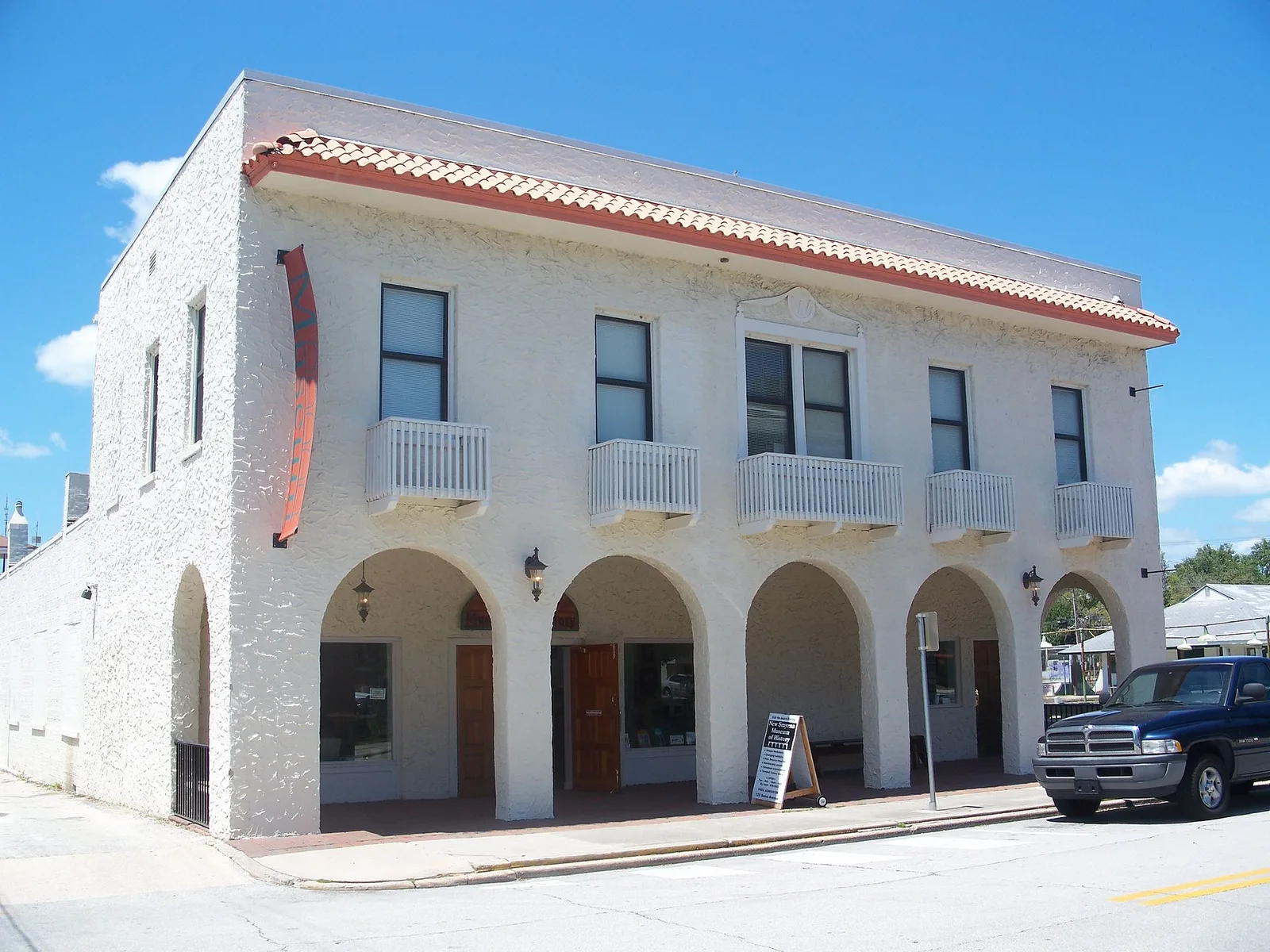
New Smyrna Beach sits on a barrier island south of Daytona, and it has spent the last few decades quietly becoming the opposite of its neighbour. Where Daytona went wide and loud, New Smyrna stayed low: a surf town with a two-street downtown, an art centre, a beach you can still drive onto in places, and twenty-four miles of completely undeveloped shoreline immediately to the south inside Canaveral National Seashore. Flagler Avenue runs down to a beach ramp with bars and shops along it. Canal Street, on the mainland side, has the historic buildings. The surf here is serious and has produced professionals. The town's origins are far stranger than its present suggests: in 1768 a Scottish doctor named Andrew Turnbull landed around 1,200 Minorcan, Greek and Italian colonists here in the largest single attempt at British colonisation in the New World, and the settlement collapsed within a decade in circumstances that were genuinely brutal. The survivors walked to St. Augustine. Their descendants are still there. And offshore at the inlet stands the tallest lighthouse in Florida, at Ponce de Leon Inlet, which has been lit since 1887.
The single most important thing about renting property in this area is a line on a map, and it is the Intracoastal Waterway. Volusia County's zoning ordinance has since 2004 prohibited rentals of less than thirty days in areas zoned residential, treating them as hotel or motel use, which is not a permitted use in residential neighbourhoods. The courts upheld that ordinance in December 2022. Operating an unpermitted short-term rental in the county can bring fines of up to $10,000 along with code enforcement action and an order to stop, and both the county and the cities enforce it in response to neighbour complaints. Within the City of New Smyrna Beach, vacation rentals are permitted only in a specific list of zoning districts, and every one of them is east of the Intracoastal. The permitted districts are R-3A east of Atlantic Avenue, R-4, R-5, R-6, B-4, M-U and BBH, together with R-2A east of the Intracoastal and south of 3rd Avenue. Proof of registration with the Florida Department of Business and Professional Regulation is required to obtain the city business tax receipt. In practical terms: cross the bridge to the mainland and, in most residential neighbourhoods, this business does not legally exist. Verify the district for any specific parcel before you commit.
Nearby Markets: Daytona Beach | Cocoa Beach | Orlando
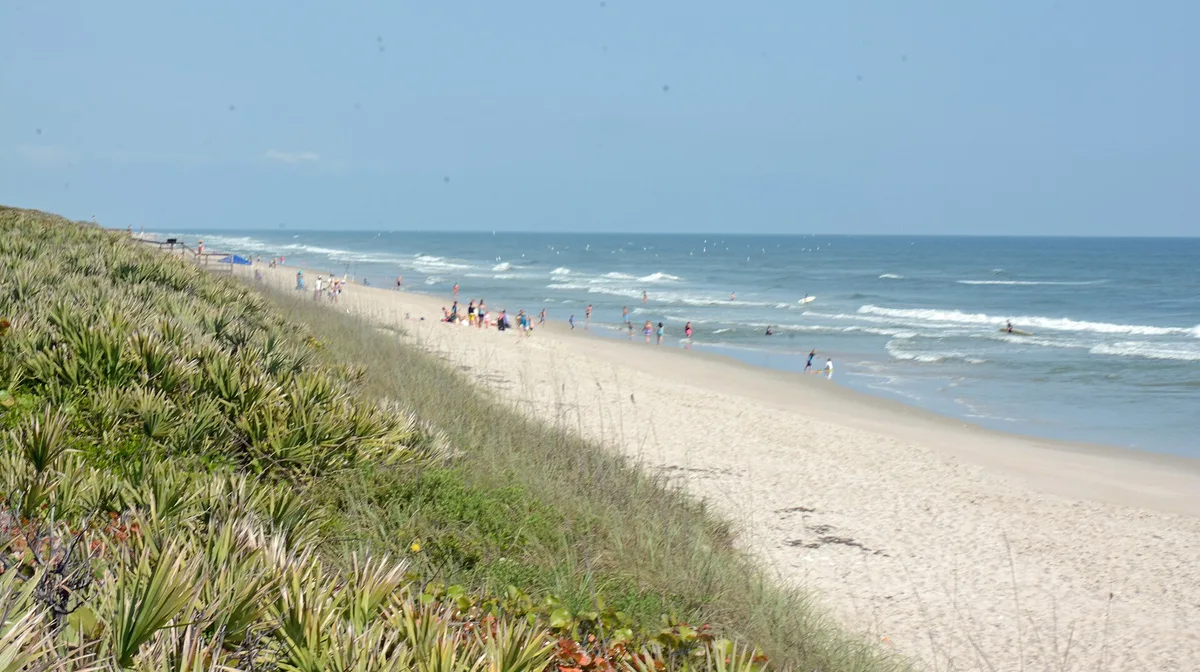
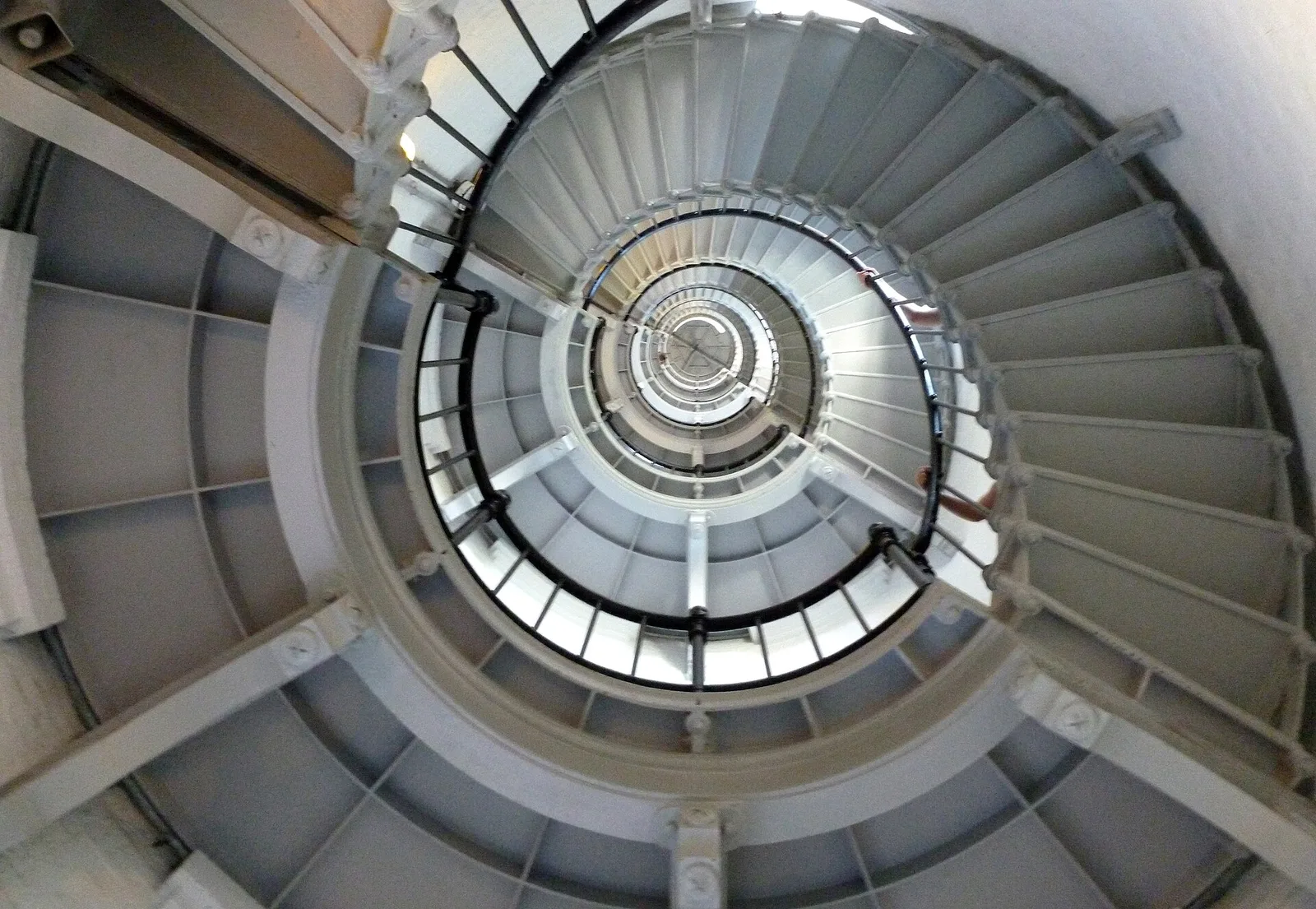
A few of the visual fingerprints we lean into when we shoot, brand and market a New Smyrna Beach property — courtesy of the open Wikimedia Commons archive.
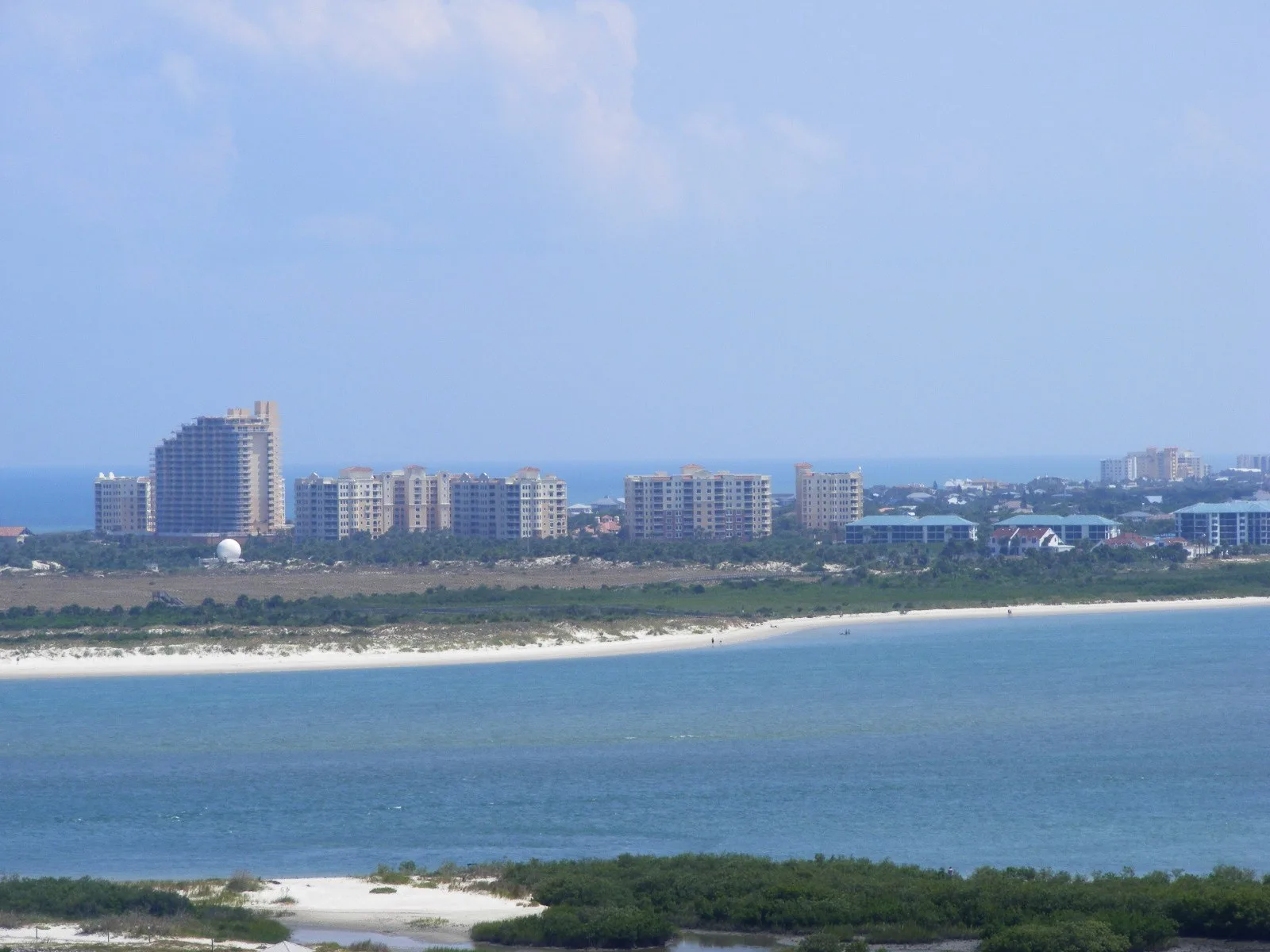
Cavmir markets New Smyrna Beach properties on the thing that separates this town from the one twenty minutes north, which is that it is a surf town rather than a spectacle. The guest who chooses here has usually chosen deliberately, wants Flagler Avenue and the national seashore rather than a speedway and a boardwalk, and is looking for a listing that understands the difference. We write that distinction plainly instead of describing generic Florida sunshine. We treat the beach driving question properly, because it confuses visitors constantly: where you can drive on, where you cannot, what the pass costs and when the ramps close. We photograph the walk to the sand and the actual view rather than a wide-angle version of it. And we build the year around real demand: the surf seasons, spring break, the summer family market, the autumn quiet that locals consider the best time of year, and the winter longer stays. Then we build a direct booking site that keeps the families who return every year out of a marketplace, run local search against the terms that pull people to this stretch rather than to Daytona, and work the email list that a repeat-heavy Florida beach town rewards more than almost anything else. We help position and market your property. We never manage it or touch your keys.
New Smyrna began as the largest single group of colonists ever brought to America — some 1,400 Minorcans, Greeks and Italians recruited in 1768 — and almost none of it went to plan. Cavmir simply writes the modern chapter.
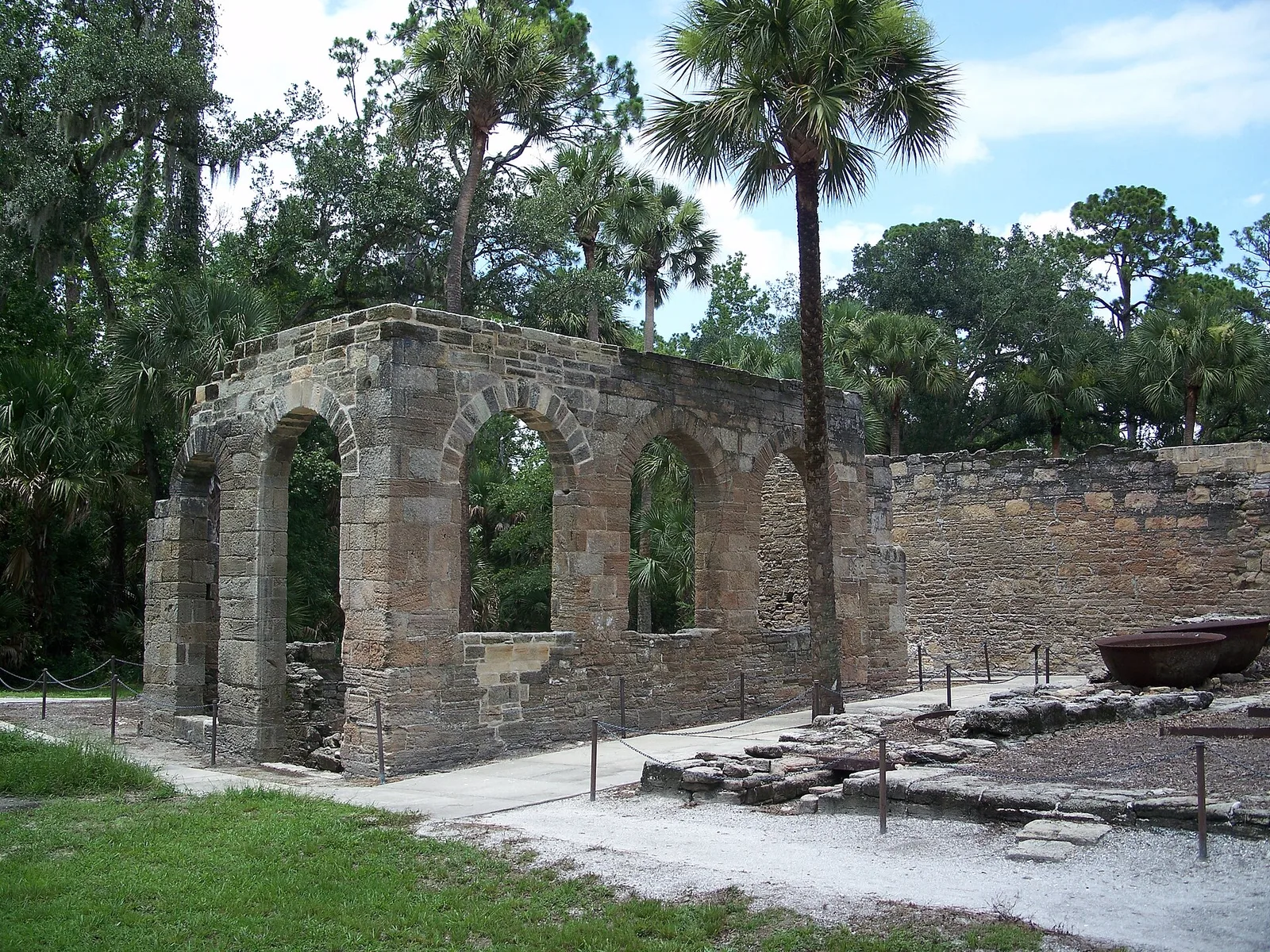
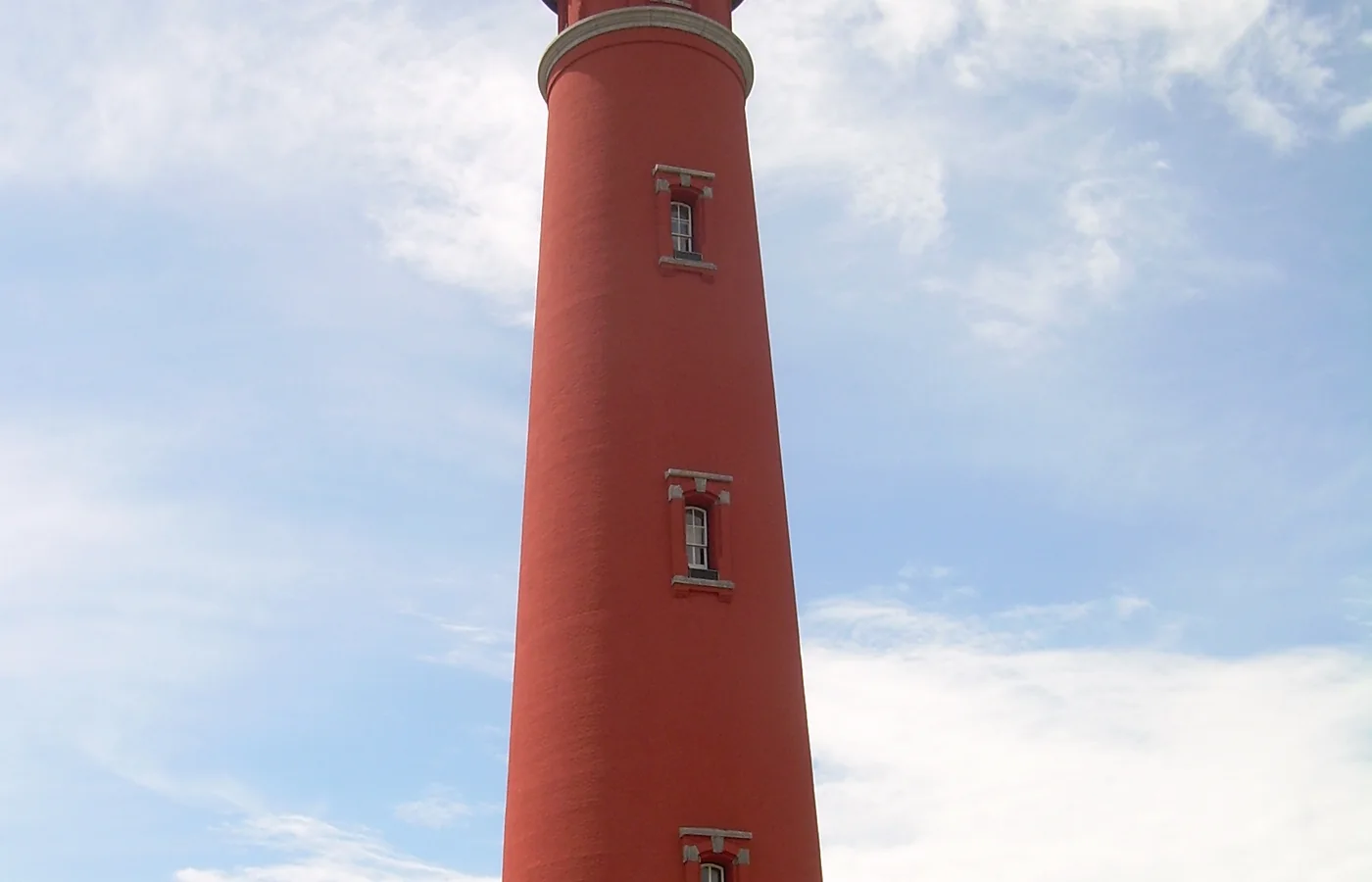
In 1768 Andrew Turnbull, a Scottish physician with connections in the British colonial establishment, landed around twelve hundred colonists on this stretch of Florida coast, recruited from Minorca, Greece, Italy and Corsica. It was the largest single attempt at British colonisation anywhere in the New World, and it was a catastrophe. The settlers had been promised land after a period of indenture; what they got was disease, insufficient food, brutal treatment and mortality that killed a large proportion of them within the first years. In 1777 the survivors, some six hundred people, walked seventy miles north to St. Augustine and petitioned the governor for their freedom, which they received. Their descendants are still in that city and the Minorcan influence on north Florida culture is direct and traceable. The plantation and its sugar works were abandoned, and the coquina ruins are still standing. The town that eventually grew here took its name from Turnbull's wife's birthplace in Asia Minor. In 1887 the lighthouse at Ponce de Leon Inlet was lit, at 175 feet the tallest in Florida. In the twentieth century New Smyrna became a beach town and then, distinctly, a surf town, developing a genuine competitive surfing culture around the inlet break while Daytona twenty minutes north went in an entirely different direction.
Before the platforms, a doctor's ambitious colony and the ruins it left behind gave this coast its name and its story. The lighthouse came later, and the surfers and the beach towns after that. The channel changed; the work is identical: presentation, positioning, and a beach with more history than most. It is the same business Cavmir is in today.
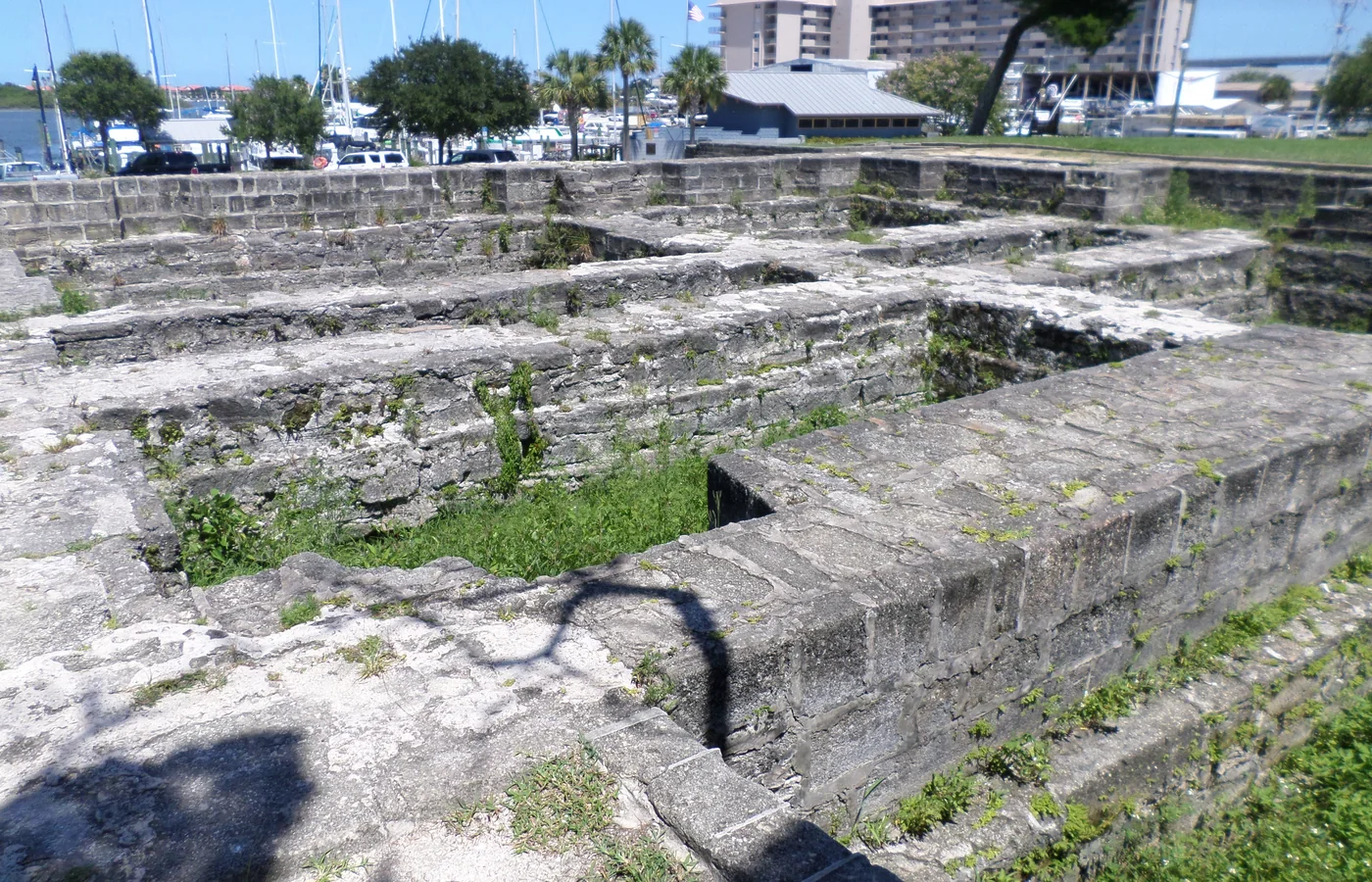
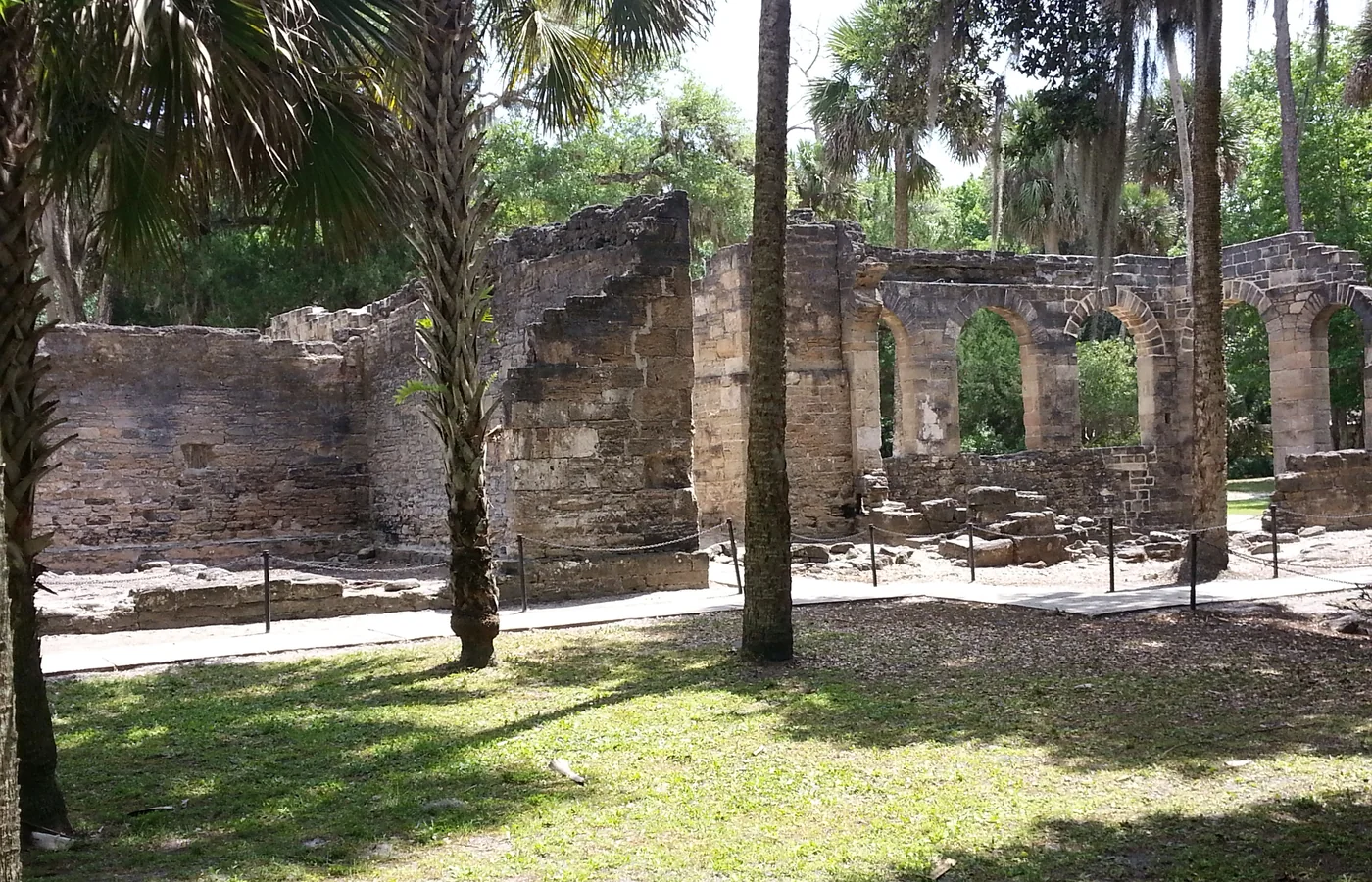
Historical images: public domain and Creative Commons via Wikimedia Commons — the State Library and Archives of Florida and others.
New Smyrna prices well because the guest chooses it deliberately, which is not true of every Florida beach market. Spring break and the summer family season are the peaks, with the summer running long and holding into August. Autumn is quiet and coincides with hurricane season. Winter belongs to monthly stays and to the snowbird market, and the honest strategy there is a longer-stay rate rather than a discounted nightly one. Within the season, the dominant rate variables are the walk to the sand and whether the property is oceanfront, ocean view or a few streets back, and those distinctions should be measured rather than described. Flagler Avenue proximity is a genuine amenity for guests who want to walk to dinner and a nuisance for guests who want quiet, so being explicit about which you are attracts the right booking. The under-used pricing opportunity here is the surf calendar: swell events bring short-notice demand, hurricane season swells in particular, and an instantly bookable property with board storage and an outdoor shower is well positioned for a guest who decides on a Thursday. September and October, once the schools return, are the locals' favourite time of year and are consistently under-sold to everyone else.
Spring break and summer are the peaks, with the summer holding into August. September and October are quiet and overlap with the most active part of hurricane season, though the weather is often excellent. Winter is soft on nightly rates and strong on monthly stays. The surf has its own rhythm, with the best waves generally in the autumn and winter, which puts a genuine demand source in the middle of the quiet season for owners who market to it.
Two layers govern short-term rentals here and the county layer is the strict one. Volusia County's zoning ordinance has since 2004 prohibited rentals of less than thirty days in areas zoned for residential purposes, on the basis that such rentals constitute hotel or motel use, which is not permitted in residential neighbourhoods. That ordinance was challenged and the courts upheld it in December 2022. Enforcement is real: operating an unpermitted short-term rental in Volusia County can result in fines of up to $10,000, code enforcement action and an order to cease renting, and the county and cities act on neighbour complaints rather than proactively hunting, which means a single unhappy neighbour is the usual trigger. Within the City of New Smyrna Beach, vacation rentals are permitted only in a defined set of zoning districts, all of which lie east of the Intracoastal Waterway: R-3A east of Atlantic Avenue, R-4, R-5, R-6, B-4, M-U and BBH, plus R-2A east of the Intracoastal Waterway and south of 3rd Avenue. Short-term rentals in Florida are also regulated by the Department of Business and Professional Regulation, and proof of state registration must be produced to obtain the city business tax receipt required to operate. The practical consequence is stark: parcel-level verification is essential, and a mainland residential address in this area is almost certainly not a lawful short-term rental. Confirm the district for a specific property with the city before buying.
Establish the zoning district before anything else, and put it in writing. In a county that fines up to $10,000 and a city that permits rentals only in named districts east of the Intracoastal, this is not paperwork, it is the difference between a business and a liability. Second, sell the difference from Daytona. Guests who pick New Smyrna have usually rejected the alternative twenty minutes north, and a listing that names what makes this town different, the surf culture, Flagler Avenue, the national seashore, gets those guests. Third, explain beach driving properly. Parts of the Volusia coast allow vehicles on the sand with a pass and parts do not, ramps have hours, and visitors find the whole subject confusing. A clear explanation reads as local knowledge. Fourth, market Canaveral National Seashore. Twenty-four miles of undeveloped Atlantic beach immediately south is a genuinely rare thing in Florida and most listings never mention it. Fifth, be straightforward about ocean safety. This inlet is well known for minor shark encounters involving small blacktips feeding in murky water near the sandbar, guests will find that out from a search engine anyway, and a calm factual note about swimming away from the inlet and out of bait schools is better hospitality than silence. Sixth, build the winter monthly business and the autumn surf market, which together fill the quietest quarter.
The zoning restriction is absolute and parcel-specific, which makes acquisition riskier here than in most markets and means a buyer cannot rely on a neighbourhood's apparent rental activity. Enforcement is complaint-driven, so a poorly managed property creates its own regulatory risk. Hurricane exposure and the cost of Florida insurance are significant. Beach erosion and dune damage recur after storms. The autumn is quiet and storm-exposed at the same time. And the town's own success has brought development pressure and a local debate about growth that periodically touches short-term rentals.
Insurance in Volusia County carries the standard Florida coastal profile and should be quoted before purchase. Windstorm and flood are separate from general property cover and both matter on a barrier island. Roof age is a live underwriting issue across Florida and an older roof can make cover difficult or expensive to obtain. Elevation, construction type and window protection all move the premium substantially. Get short-term rental use named in the policy, and set liability limits with beach access, pools and any supplied equipment in mind; if you provide surfboards, bicycles or beach gear, ask about them specifically. Loss of rental income cover is valuable here because storm damage can take a property out of service for a season. If the property is a condominium, understand the master policy boundary and the association's reserve position, which Florida legislation has made a much more significant question. And because enforcement in this county is complaint-driven, a good relationship with neighbours is genuinely part of your risk management. Use a broker who writes Volusia County vacation rentals.
Volusia County levies a tourist development tax on short-term accommodation and Florida state sales tax applies alongside it; the combined burden on rentals of six months or less has been reported at around 12.5%, made up of the county portion and the state portion, but rates change and you should confirm the current figures with the county and the Department of Revenue rather than relying on a summary. Registration is with the county for the tourist development tax and separately with the state. Florida's Department of Business and Professional Regulation licenses vacation rentals, and proof of that registration is required before the city will issue the business tax receipt you need to operate, so the three obligations are chained together. Confirm what a booking platform collects and remits on your behalf and what you must file yourself. Florida also charges tangible personal property tax on furnishings used in a rental business, which out-of-state owners regularly miss, and non-homestead property tax treatment differs materially from owner-occupied. Ask your accountant to map the whole set before your first season rather than after it.
Financing here follows the Florida coastal pattern, with insurance cost as the largest swing factor in affordability; obtain an indicative quote early because a high premium directly reduces borrowing capacity. Roof age matters to both insurers and lenders, and a property needing a roof before cover can be written will complicate the timeline. Condominium purchases require close attention to the association's finances, reserve study and any pending assessments under Florida's structural safety legislation, and a non-compliant building can be effectively unfinanceable. The zoning position is the local wrinkle: if your business case depends on short-term rental income, a lender may ask you to evidence that the parcel is in a permitted district, and given the county's ordinance that is a reasonable question rather than an obstructive one. Documented rental history performs far better than projections with most lenders. Non-homestead property tax treatment should be modelled properly, since it differs significantly from what a resident pays. Use a broker who lends in Volusia County and understands the east-of-the-Intracoastal rule.
New Smyrna Beach is in an unusual position: demand is strong and rising, and supply is legally capped by a county ordinance that the courts have already upheld. That combination is favourable for anyone who already owns in a permitted district and difficult for anyone trying to get in, which is precisely the kind of scarcity that rewards good marketing rather than price competition. There is no sign of Volusia County reversing its position; the 2022 court decision strengthened it, and the political pressure locally runs toward preserving residential neighbourhoods rather than opening them. Florida's state preemption framework limits how far local governments can go in new restrictions but grandfathers older ordinances, which is exactly the ground Volusia stands on. The medium-term risks are environmental and financial rather than regulatory: hurricane exposure, beach and dune erosion, and an insurance market that has repriced coastal Florida dramatically. The town's own growth debate is worth following, since development pressure on a barrier island generates its own politics. For an owner in a permitted district, the durable play is a direct relationship with the families and surfers who return every year, in a market where no new competitor can legally appear next door.
New Smyrna Beach is what happens when a Florida beach town decides not to become Daytona. It is twenty minutes south and it might as well be a different state. Flagler Avenue runs a few blocks down to a beach ramp with bars, surf shops and a fish place at the end of it, Canal Street on the mainland has the old buildings and the art centre, and the whole thing is low, shaded and unhurried. The surf is real: this is one of the genuinely good breaks on the Florida Atlantic and the town has a competitive surfing culture to match. Immediately south, the development simply stops, and twenty-four miles of Canaveral National Seashore run down the coast with nothing on them at all, which in this state is close to miraculous. At the north end of the inlet is the tallest lighthouse in Florida, lit in 1887, and you can climb it. But the thing that stays with us about this town is its beginning. In 1768 twelve hundred people from Minorca, Greece and Italy were landed here in the biggest single push of British colonisation ever attempted in the Americas, and it went so catastrophically wrong that in 1777 the six hundred survivors walked seventy miles north to St. Augustine to ask for their freedom. Their descendants are still there. The sugar mill they were brought here to build is still standing.
A great property in New Smyrna Beach doesn't just want a listing — it wants a point of view, an audience, and a brand the city itself would recognise.
Eight things worth settling in a market where a county ordinance and a zoning district list decide whether a property can legally be rented at all.
Every district where the city permits vacation rentals lies east of the Intracoastal Waterway. Cross the bridge and it changes.
R-3A east of Atlantic Avenue, R-4, R-5, R-6, B-4, M-U and BBH, plus R-2A east of the ICW and south of 3rd Avenue.
Volusia County prohibits rentals under thirty days in residentially zoned areas, treating them as hotel use. Upheld in court in December 2022.
Enforcement is complaint-driven rather than proactive, which means one unhappy neighbour is the usual trigger.
Canaveral National Seashore runs south from town with no development on it. Rare in Florida and rarely mentioned in listings.
The tallest lighthouse in Florida, lit in 1887, and you can climb it. A reliable answer to a grey afternoon.
Permitted in parts of Volusia with a pass, not in others, with ramp hours. Explain it; visitors find it genuinely confusing.
Twelve hundred Minorcan, Greek and Italian colonists, the largest British colonisation attempt in the New World. It ended in a seventy-mile walk.
The three examples below are composite and illustrative. They describe patterns common across zoning-restricted Florida beach markets rather than any single New Smyrna Beach client, and no real business is described.
A buyer had found an attractive, well-priced property on the mainland side and was planning a short-term rental business around it, having seen listings nearby and assumed the area permitted them.
The zoning district was checked against the city's permitted list and the county ordinance before anything else, and the search was redirected to eligible districts east of the Intracoastal.
The buyer avoided purchasing a property that could not legally operate as intended, in a county that fines up to $10,000 for doing it anyway.
A listing described sunshine, palm trees and a short walk to the beach, which made it interchangeable with every other property between Jacksonville and Miami, and it competed only on price.
We rewrote it around what actually distinguishes this town: the surf break, Flagler Avenue, the national seashore to the south, and the deliberate contrast with Daytona twenty minutes north.
The property began attracting guests who had specifically chosen New Smyrna rather than shoppers comparing Florida beach rentals generally, and the rate position improved.
Guests were arriving having read about the inlet's reputation for minor shark encounters, worried and sometimes upset, because the listing said nothing about ocean conditions at all.
We added a calm, factual note about swimming away from the inlet and out of bait schools, alongside practical surf and current guidance, in the listing rather than buried in a house manual.
Guests arrived informed rather than anxious, the subject stopped dominating pre-arrival messages, and the honesty read as competence rather than as a warning.
Demand in New Smyrna Beach peaks around March, April and June and runs quietest around January, September and October. Here is how the year actually books — and what to do about each stretch of the calendar.
Spring break and the summer family season are the peaks, and the summer runs long here, holding well into August. Rates should be set early for both. The walk to the sand and whether the property is oceanfront, ocean view or a few streets back are the dominant variables and should be measured rather than described.
September and October are the locals' favourite time of year and consistently under-sold to everyone else: warm water, empty beach, good surf. Late autumn holds up too. These weeks respond to email sent to summer guests rather than to a discount.
Winter is soft on nightly rates and belongs to monthly stays and the snowbird market. There is also a genuine surf market in the autumn and winter that most owners never speak to, which fills short-notice nights in months the family market has left.
Spring break and summer weeks book months ahead, and returning families frequently rebook before leaving. Surf demand is short-notice and rewards being instantly bookable. Snowbird winter stays are arranged in the autumn for the following winter.
Long weekends and week-long stays through the season, with the summer supporting the longest bookings. Surf trips are short and spontaneous. Winter belongs to monthly stays, which suits a market with a genuine snowbird following.
Location east of the Intracoastal is not just a legal requirement, it is the product, and within that the walk to the sand decides the rate. Whole houses and larger units that suit a family or a group of surfers perform best, and being near Flagler Avenue is a genuine premium for guests who want to walk to dinner.
Start with photography that shows what a guest actually gets here, then write the listing around a real itinerary rather than a feature list. Build a direct-booking site so returning guests can come back without going through a platform, and keep an email list segmented by season so you can reach last year's visitors before the calendar opens. Local search matters more than people expect in a market this size, because guests search the destination and the attraction rather than the word rental. A marketing agency layer handles the photography, the listing copy, the direct-booking site and the local SEO as one system instead of four disconnected jobs.
Spring break and the summer family season are the peaks, and summer holds well into August. September and October are the locals' favourite time of year and consistently under-sold, with warm water and good surf. Winter is soft on nightly rates but strong on monthly snowbird stays.
Spring break and summer weeks book months ahead, and returning families often rebook before leaving. Surf demand in the autumn and winter is short-notice and rewards being instantly bookable rather than requiring enquiry. Snowbird winter stays are typically arranged in the autumn for the following season.
Orlando is an hour inland and supplies the largest share of guests, which makes this one of the strongest short-drive beach markets in Florida, followed by Jacksonville, Tampa and Atlanta. The fly market comes through Orlando or Daytona and skews toward longer winter stays rather than weekends.
The walk to the sand, stated in minutes, matters most. An outdoor shower and somewhere to store boards win the surf market that fills the shoulder months. Laundry and a full kitchen support week-long family stays, and being able to walk to Flagler Avenue for dinner is a genuine premium.
Run your Airbnb, Vrbo, or website through Cavmir's free grader. It checks the things that decide whether guests book in New Smyrna Beach — photos, listing copy, page speed, local search — and shows you where bookings leak. Takes about a minute, and there's no sales call attached.
If the report says your booking engine is the weak link, that's fixable: a direct-booking website of your own means repeat guests stop paying platform fees to come back to you. That's the work Cavmir does — see Airbnb website design in New Smyrna Beach.
Counted from the Florida DBPR vacation rental license file, deduplicated by permit number — real registry data, not an estimate. See the full Florida permit data →
As of July 2026, the Florida DBPR vacation rental license file shows 209 current licenses on file in New Smyrna Beach. A license is not always one listing — some licenses cover multiple units — so treat this as a verified floor for the size of the legal market.
New Smyrna Beach ranks number 55 of Florida's tracked markets by records on file, holding about 0% of the 50,295 records we compiled for Florida. Every one of those operators shows up in the same searches your guests use — which is why presentation, photography, and a direct-booking path decide who gets seen.
The number above comes from the Florida DBPR vacation rental license file, an official public source, pulled and deduplicated in July 2026. Rules and requirements change — always confirm current licensing requirements with the program directly before you buy or list.
Send us the listing and we'll tell you what we'd change. Not a pitch deck — a straight read on your photos, your title, your rates against the New Smyrna Beach comp set, and whether a direct-booking site would pay for itself.
You'll hear back from a person, usually inside one business day. If we don't think we can move your numbers, we'll say so. Cavmir is a short-term rental marketing agency — we position and market properties, we don't manage them.
Talk to Cavmir today. We'll show you exactly what your New Smyrna Beach property is leaving on the table — and how fast we can change that.
Book a Free Strategy CallPhotography via Wikimedia Commons (images resized and cropped): Canaveral National Seashore 2015 by Bubba73 (Jud McCranie) (CC BY-SA 4.0) · Ponce de Leon Inlet Spiral Staircase (cropped) by Ponce_de_Leon_Inlet_Spiral_Staircase (CC BY-SA 3.0) · New Smyrna Sugar Mill Ruins14 by Ebyabe (CC BY 2.5) · NSB FL Museum of History02 by Ebyabe (CC BY 2.5) · NewSmyrnaBeachFromLighthouse3 by Gamweb (CC BY-SA 3.0) · New Smyrna Old Fort 1 by Che-or (CC BY-SA 4.0) · New Smyrna Sugar Mill Ruins by DSLangJr (CC BY-SA 4.0).
