$290
Avg. Nightly Rate
50%
Avg. Occupancy Rate
$3,500
Avg. Monthly Revenue
6-9%
Est. Cash-on-Cash ROI
MEDIUM
Seasonality
MEDIUM
Regulatory Burden

* Market averages. Cavmir-managed properties typically exceed these figures by 25–45%. Data sourced from AirDNA, STR market reports, and Cavmir internal analytics.

The Market

Why St. Augustine is One of the World's Premier STR Markets

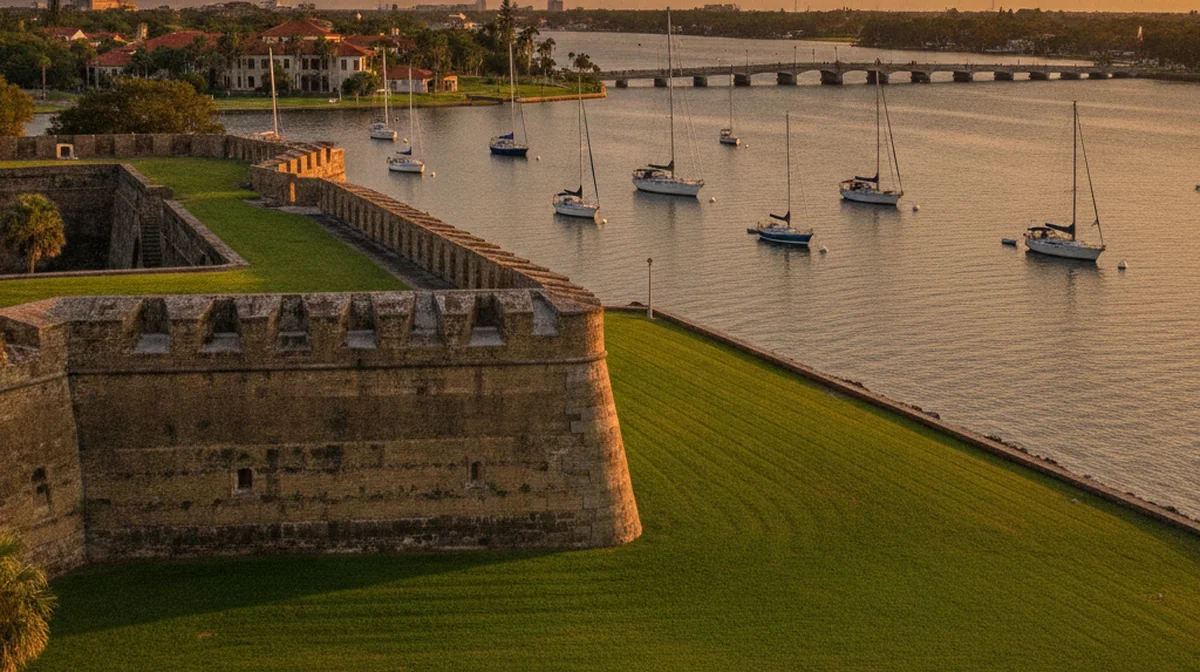
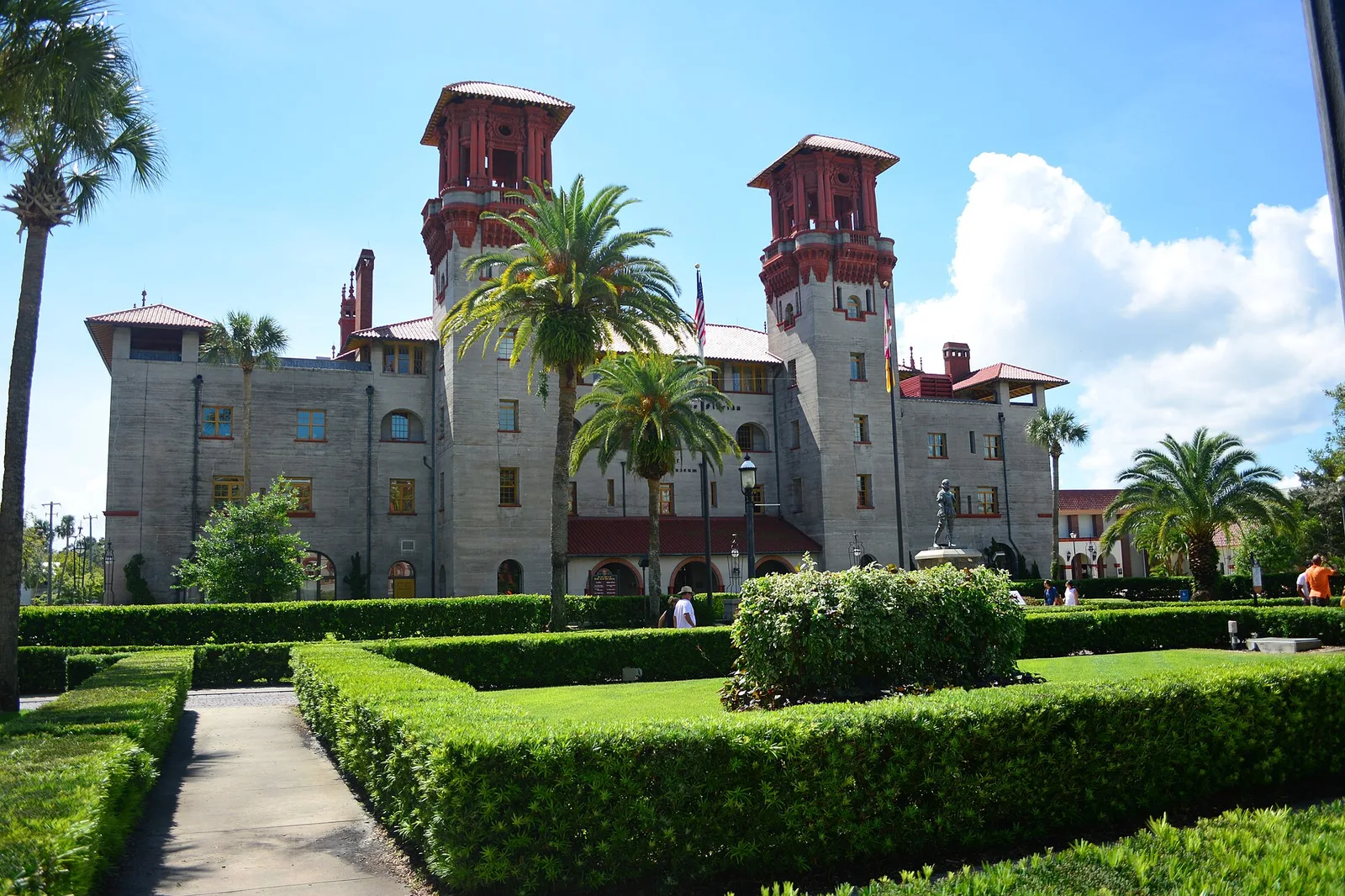
St. Augustine is the oldest continuously occupied European-founded city in the United States — settled in 1565, forty-two years before Jamestown — and it looks the part. The Castillo de San Marcos guards Matanzas Bay, St. George Street runs car-free through the colonial quarter, and Henry Flagler's Gilded Age hotels now house Flagler College and the Lightner Museum. Across the Bridge of Lions, Anastasia Island adds beaches and a state park. The rental inventory splits three ways: cottages and carriage houses in and around the historic district, condos and beach houses toward St. Augustine Beach, and a real bench of boutique inns and bed-and-breakfasts — which makes this one of the few Florida markets where inn marketing matters as much as Airbnb marketing.

Demand runs close to year-round, which is rare on this coast. March through July is the traditional strong stretch — spring break, Easter, early summer — and then Nights of Lights turns late November through January into a second peak, with millions of holiday lights pulling couples and families into the coldest months. Market estimates land near $290 a night and roughly 50% occupancy, with walk-to-everything historic district properties earning the premium. Guests skew toward couples and long-weekenders from Jacksonville, Orlando and Georgia, plus a steady wedding and anniversary trade. September is the trough — hot, storm-prone and quiet.

Top Attractions & Landmarks

  • Castillo de San Marcos
  • St. George Street
  • Flagler College
  • St. Augustine Lighthouse & Maritime Museum
  • Anastasia State Park
  • Lightner Museum
  • Bridge of Lions

Nearby Markets: Orlando  |  Savannah  |  Tampa

Airbnb marketing services in St. Augustine, Florida, USA
Postcards

St. Augustine through the lens

A few of the visual fingerprints we lean into when we shoot, brand and market a St. Augustine property — courtesy of the open Wikimedia Commons archive.

Aerial panorama of St. Augustine, FL 2025 05 20 — St. Augustine airbnb marketing
Local Color
Aerial panorama of St. Augustine,
The Lightner Museum — St. Augustine airbnb marketing
Local Color
The Lightner Museum
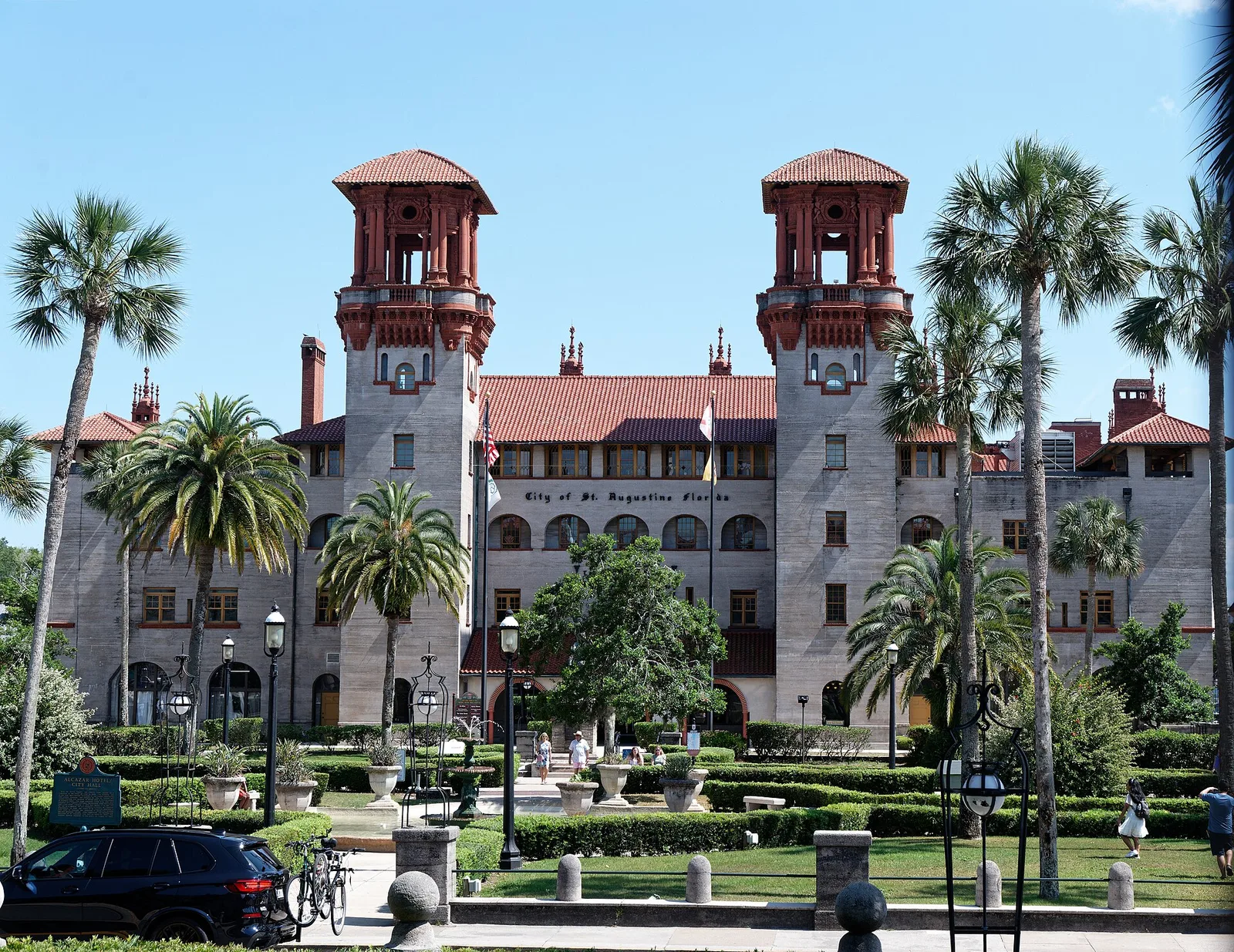
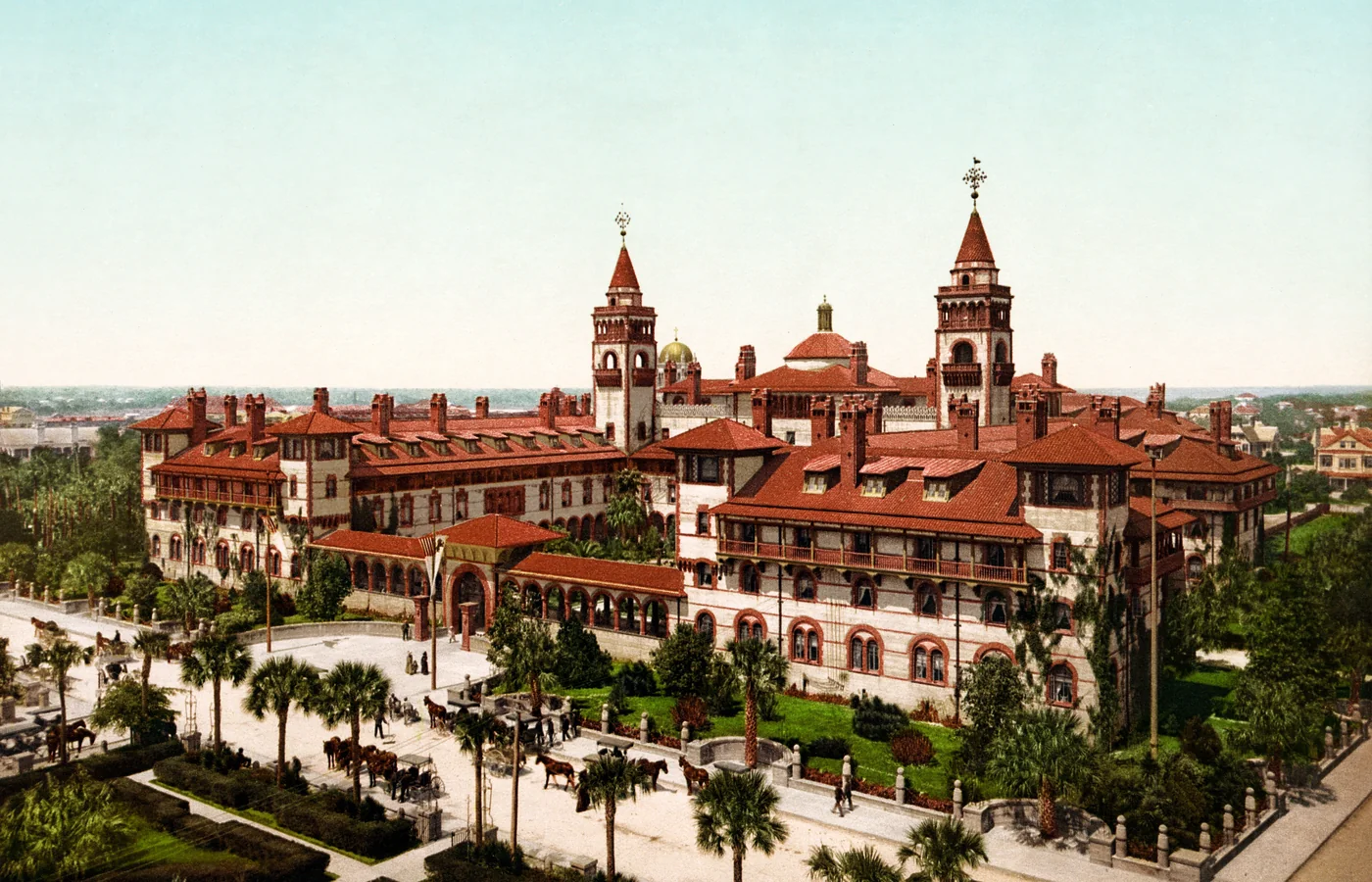
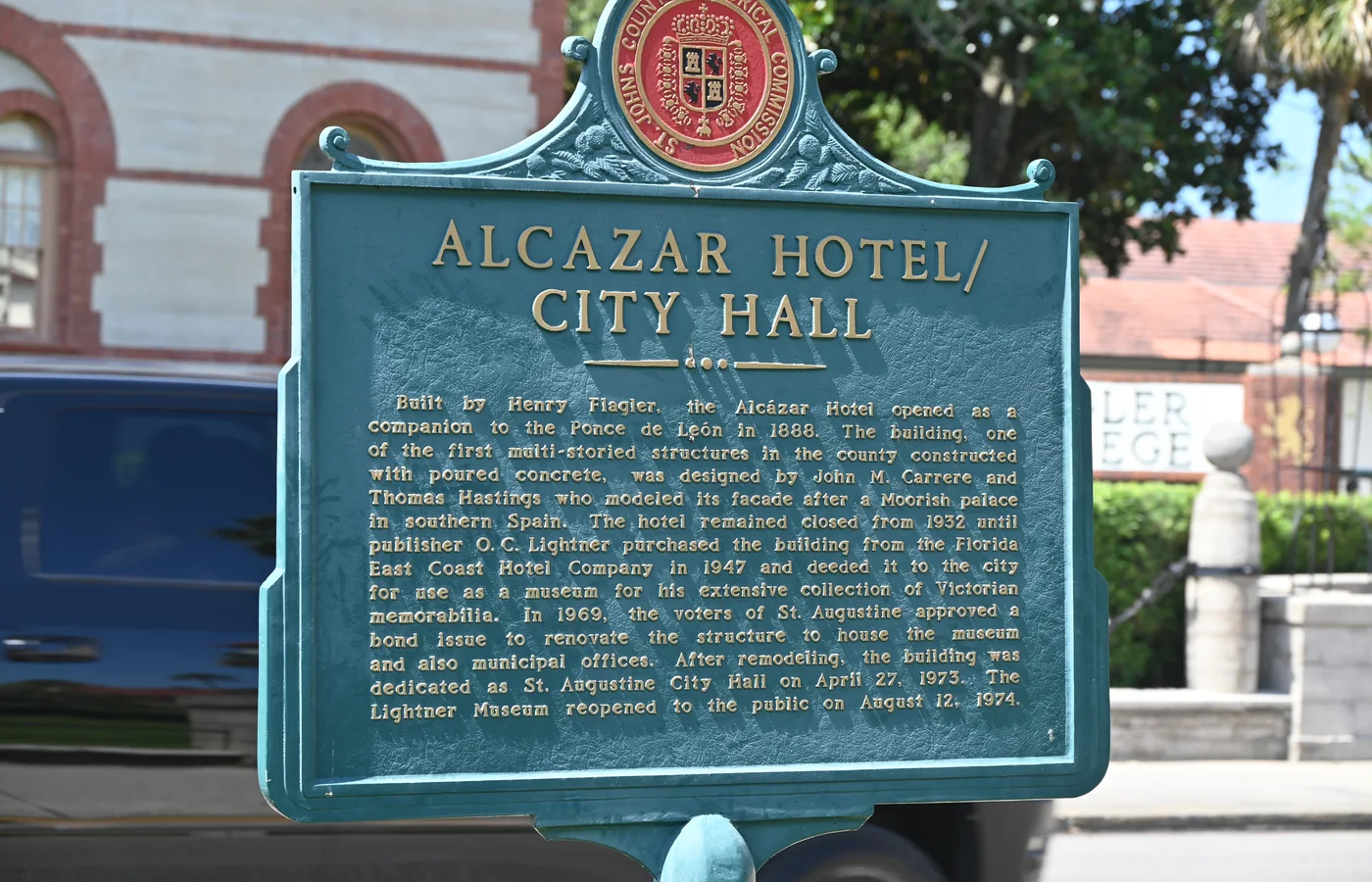
Alcazar Hotel, St. Augustine, FL, US — St. Augustine airbnb marketing
Local Color
Alcazar Hotel, St. Augustine, FL,
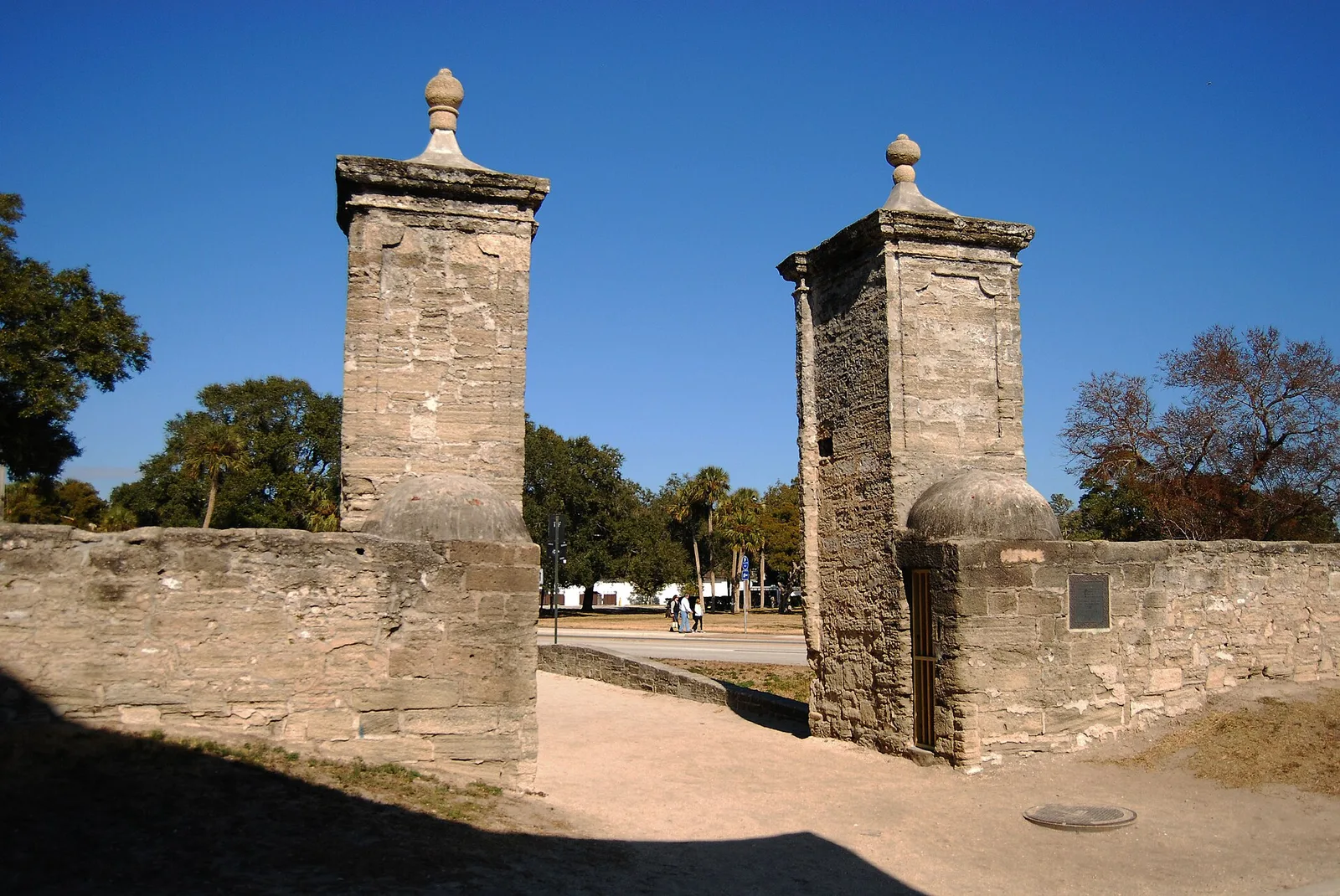
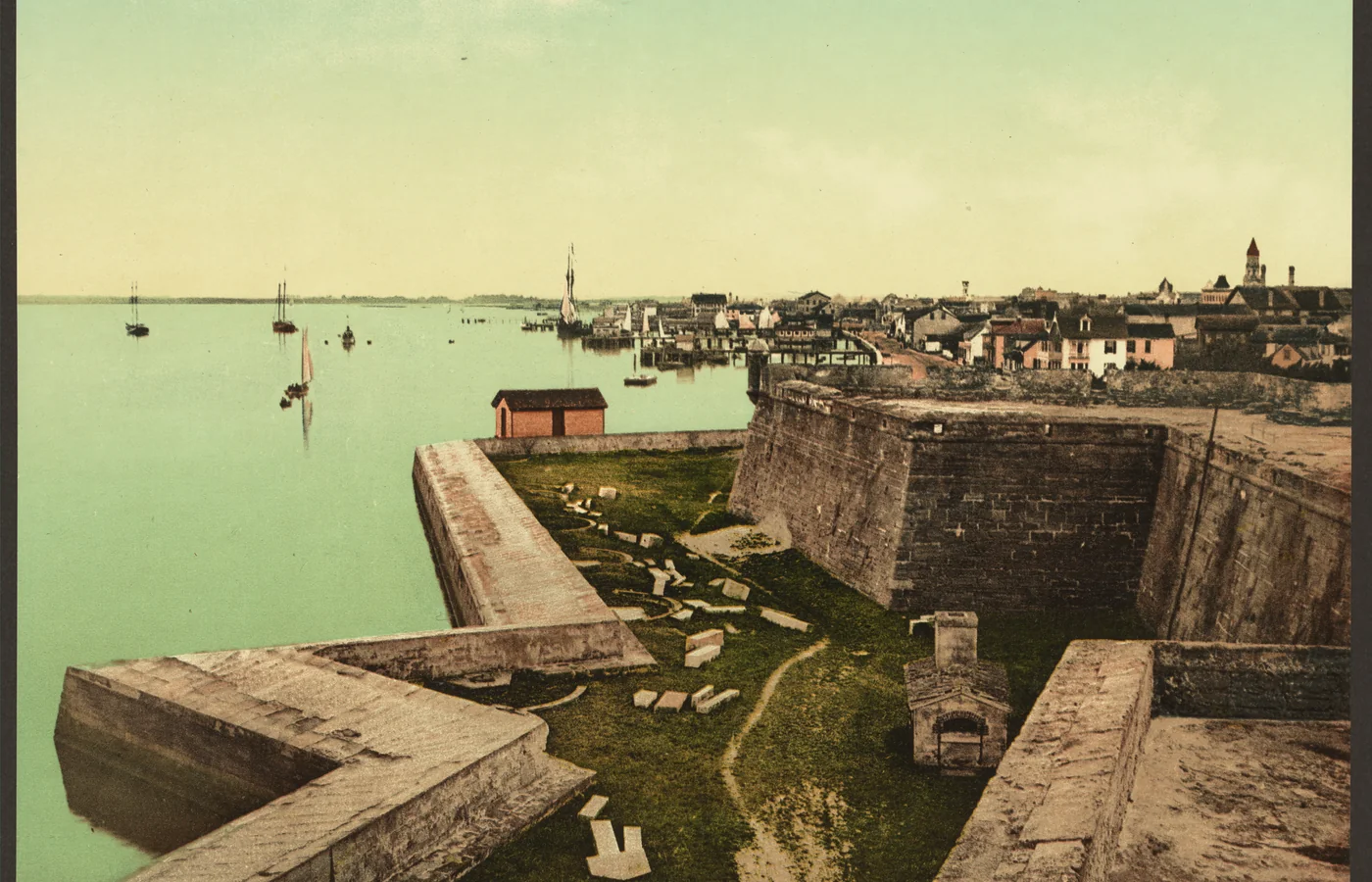
City gate — St. Augustine airbnb marketing
Local Color
City gate
Why Cavmir

The Cavmir Advantage
in St. Augustine

Cavmir wins in St. Augustine because guests are buying the city first and the bed second. We shoot the lantern-lit streets and courtyards at the hour they actually look like that, write copy that sells walkability to the fort and St. George Street, and build direct-booking websites — which for the boutique inns here is straight hotel marketing, cutting OTA commissions on every repeat guest. And we market Nights of Lights from summer onward, when the smart calendars fill. We help position and market your property. We never manage it or touch your keys.

State of the Industry · History

The St. Augustine STR Market — Past & Present

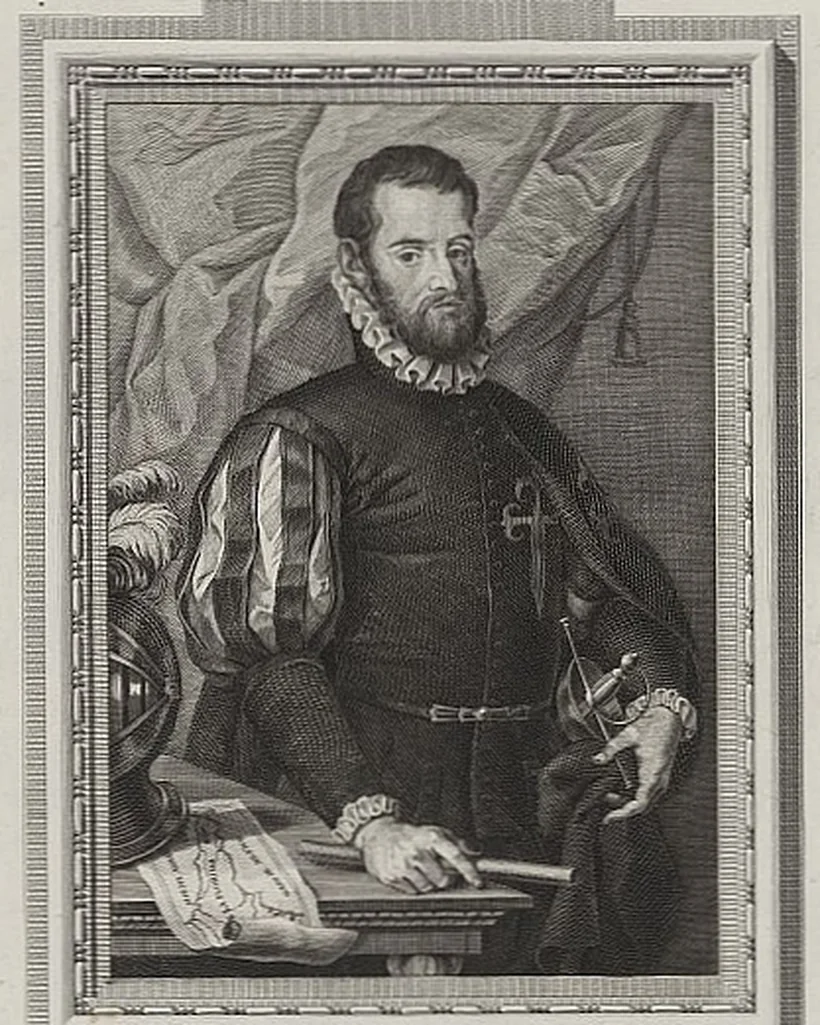
St. Augustine was founded in 1565 by the Spanish admiral Pedro Menéndez de Avilés — four decades before Jamestown, more than half a century before the Mayflower — making it the oldest continuously occupied European-founded city in the United States. The Spanish built to last: the Castillo de San Marcos, finished in 1695 from local coquina stone, survived sieges, pirates and two centuries of flag changes and still commands Matanzas Bay. The colonial street grid, the city gates and the narrow lanes like Aviles Street — the oldest street in the country — are the originals, not reconstructions.

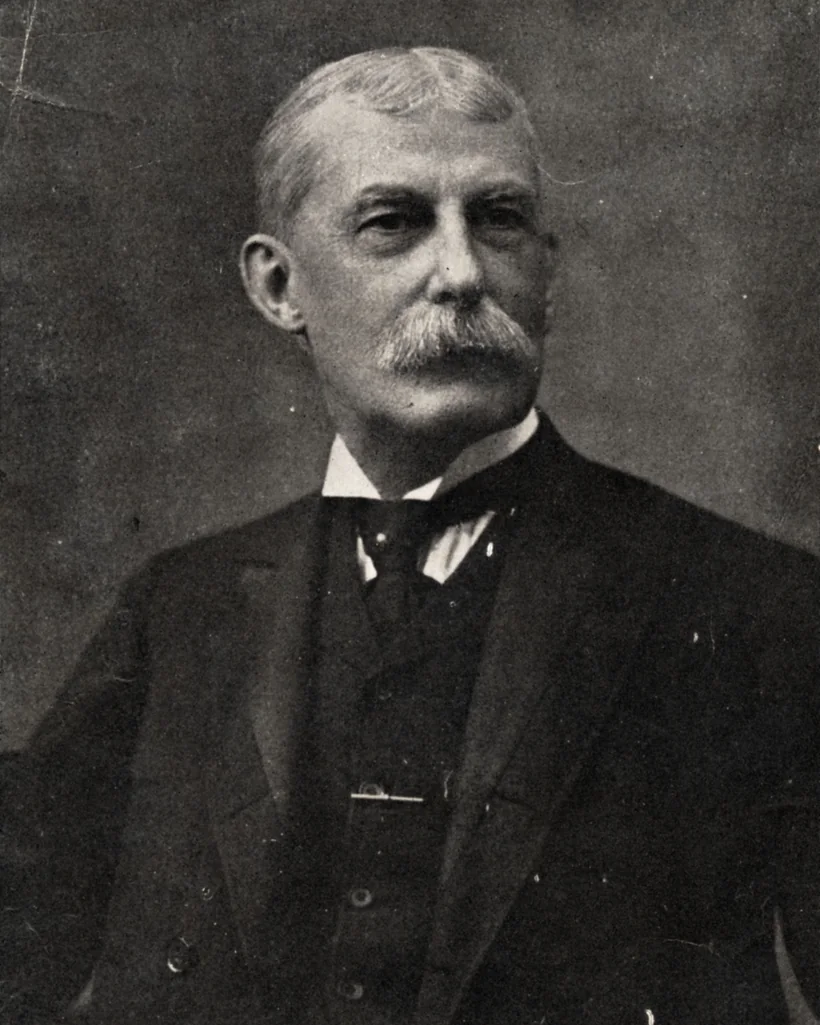
The city's second founding came with Henry Flagler, the Standard Oil partner who decided in the 1880s that St. Augustine would be America's winter Riviera. He built the Ponce de Leon Hotel (now Flagler College) and the Alcazar (now the Lightner Museum), ran his railroad south, and effectively invented Florida tourism before moving his ambitions down the coast. The town he left behind settled into what it remains: a small, walkable, endlessly photographed heritage city with a beach across the bay. That history shaped the lodging stock directly — St. Augustine has one of the best benches of boutique inns and bed-and-breakfasts in the South, layered alongside historic-district cottages, carriage houses and, over the Bridge of Lions, the condos and beach houses of Anastasia Island. Lincolnville, the historic Black neighborhood where Dr. King was arrested in 1964, adds another layer of real history a short walk from the plaza. For a marketing agency, this is the rare Florida market where the product is the city itself.

Pricing Strategy & Seasonality

Pricing, Seasonality & When to Capture ROI

Pricing Strategy

Historic district cottages and carriage houses are the premium product — walk-to-everything locations commonly run $250 to $450 a night, with multi-bedroom homes higher in peak windows. Davis Shores and close-in Anastasia Island trade a short drive for better value; St. Augustine Beach (its own city, with its own rules) runs on condos and beach houses at $200 to $350. The boutique inns price like small luxury hotels and live or die on direct bookings. Blended market estimates land near $290 a night, with Nights of Lights weeks and March commanding the year's top rates.

Seasonality & ROI Windows

The rhythm is unusual for Florida: March through July is the traditional strength — spring break, Easter, weddings, early-summer families — and then late November through January becomes a second peak when Nights of Lights wraps the colonial quarter in millions of bulbs and hotels sell out weekends into the new year. September is the trough: hot, storm-season, and quiet. The commonly missed money is twofold — booking Nights of Lights calendars early at proper rates, and filling the pleasant, empty weeks of early fall with couples who don't care about school calendars.

Regulation & Licensing · 2026

What the Law Requires in St. Augustine

St. Augustine allows short-term rentals but regulates them in layers, and the layer depends on your address. Inside the City of St. Augustine, every rental must be registered annually (the registration year follows the city's October–September fiscal year) and must pass a life-safety inspection by the fire department at registration and every year after — smoke alarms in every sleeping room, CO detectors where gas or attached garages exist, extinguishers on each level, visible address numbers. Zoning sets the minimum stay: certain single-family residential districts require a minimum one-week rental, the Historic Preservation-1 district requires 30 days, and most other districts allow nightly rental.

Beyond the city, St. Augustine Beach is a separate municipality with its own transient-rental rules, and unincorporated St. Johns County requires its own registration, renewed every twelve months. Statewide, every vacation rental needs a Florida DBPR license and tax registration with the Department of Revenue and the county. Florida law limits how far cities can go in banning rentals outright, but registration, inspection and occupancy programs like these are enforceable and enforced. Confirm your parcel's zoning district and its minimum-stay rule with the city (or the county) in writing before you buy or list.

Market-Specific Tips & Challenges

Local Tips & Unique Market Challenges

Tips That Actually Move Revenue in St. Augustine

The St. Augustine strategic tip: sell the city, then the house. Guests are choosing between the historic district and everywhere else in Florida — your job is to make the choice feel obvious. Walk times to the Castillo, St. George Street and the bayfront belong in the first three lines of every listing, and lantern-lit evening photography does more work here than any amenity list.

Tactically: first, shoot at blue hour. This city was built to be seen by lantern light, and the courtyard-and-gaslight shot is what converts couples, who are the core guest. Second, treat Nights of Lights as a product: open the calendar early, price it like the peak it is, and market it from July — the best weeks sell out months ahead. Third, if you run one of the boutique inns, this is a hotel marketing problem: a proper website with a booking engine and a repeat-guest email list claws back the OTA commissions that eat inn margins, and past guests here return at rates most markets would kill for. Fourth, chase the wedding and anniversary trade — the courtyards, the chapel calendar and the fall season make this a couples market twelve months a year. Fifth, solve parking in the listing itself: tell guests exactly where the car goes and how they'll live without it, because it's the number-one question and the listings that answer it win. And keep the fire-inspection and registration current — the city checks, and a compliant listing is a selling point.

Unique St. Augustine Challenges

The honest headwinds: parking scarcity in the historic core, real flood exposure — the downtown bayfront takes water in major storms, and insurance prices accordingly — a September trough, and an inspection-and-registration regime that punishes absentee neglect. The 30-day rule in the HP-1 district also surprises buyers who assumed the prettiest streets were rentable nightly. Do the zoning homework first.

A Curious St. Augustine Fact
The Castillo de San Marcos was never taken by force, and the reason is the rock. Coquina — a soft local stone made of compressed ancient shells — doesn't shatter when cannonballs hit it. It absorbs them, like a dense sponge, and the walls simply swallowed British shot during the sieges of 1702 and 1740. The fort has flown the flags of Spain, Britain, the Confederacy and the United States without ever surrendering to bombardment — and the shell-stone that saved it was quarried on Anastasia Island, where beachgoers now park.
Finance Essentials — St. Augustine
🛡️

Insurance

Coastal north Florida insurance requires attention: wind coverage with named-storm deductibles, and flood insurance as a separate policy that's essentially mandatory near the bayfront and on Anastasia Island — downtown St. Augustine floods in major storms, and insurers know it. On top of the geography, you need a policy that actually covers short-term renting, not a standard homeowner's contract, with liability limits sized for paying guests. Florida's property-insurance market shifts year to year; work with an agent who writes St. Johns County rentals and get current numbers before you commit.

🧾

Property & Income Tax

Florida taxes short stays like lodging: state sales tax plus the St. Johns County tourist development tax apply to rentals of six months or less, collected through the Department of Revenue and the county tax collector. Platforms remit part of the stack automatically, but registration is still your obligation, and direct bookings — which we actively want you to grow — are entirely on you to collect and file. Add the DBPR license fee and income tax on earnings. Rates and filing rules change; confirm the current stack with the county tax collector and your accountant.

🏦

Mortgages & Financing

Historic-district properties bring their own underwriting quirks: age, flood-zone status and insurance costs all land in the lender's math, and some historic homes need specialty appraisals. Most buyers use second-home or investment financing, and DSCR loans work well where a rental history exists — the year-round demand curve here supports the income story better than most seasonal beach markets. Confirm the property's zoning minimum-stay rule in writing first, because a 30-day-minimum parcel can't be underwritten on nightly income. A local lender who knows the district is worth the search.

Future Outlook · 2027 & Beyond

Where St. Augustine is Headed Next

St. Augustine's moat is unmanufacturable: nobody else gets a 460-year-old Spanish city with a beach. Heritage tourism keeps growing, Nights of Lights keeps extending the season, and 2026's national 250th-anniversary attention lifts every historic destination in the country — this one included, even though its story starts two centuries earlier. Expect the regulatory posture to stay steady: registration and inspection rather than prohibition, with the real constraints coming from zoning minimums and flood insurance rather than new bans. The durable play is a compliant, beautifully photographed property in or near the district, a direct-booking channel working the repeat couples trade, and calendars that treat December like July. The city's age is the asset; market it that way.

From the Desk of Sofie Sinag

Why We Love Marketing in St. Augustine

St. Augustine is the market where our photographers fight over the assignment. A 460-year-old Spanish city, coquina walls, lantern-lit lanes, a Gilded Age hotel turned college — the place was art-directed by history, and it photographs like nowhere else in Florida. Yet most listings here shoot a bedroom at noon and mention the fort in passing. Give us one blue-hour walk through the quarter and a courtyard with a gas lamp, and a modest cottage starts out-converting bigger properties a block away. The raw material is that unfair.

What we love most is the calendar. Nights of Lights hands this city two-plus months of peak winter demand that the rest of the state simply doesn't get — and half the market still prices December like a shoulder month. Add a genuine boutique-inn bench, where a proper website and a repeat-guest email program claw double-digit commissions back from the OTAs, and a wedding trade that books courtyards year-round, and you have a market full of compounding, ownable demand. This is a couples town, a storytelling town, and a direct-booking town waiting to happen. We're in it for the innkeeper and the cottage owner who know their place deserves better than a midday phone photo.

Why It Matters

A great property in St. Augustine doesn't just want a listing — it wants a point of view, an audience, and a brand the city itself would recognise.

Cavmir's St. Augustine Cheat Sheet

The Picks We Recommend for Your Welcome Book

A few honest, insider picks for St. Augustine — the specifics that make a listing read like a local wrote it, because one did. Real places, no filler.

Morning

The Castillo lawn at sunrise

Walk the seawall past the Castillo de San Marcos before the tour trains start, when the fort catches first light over Matanzas Bay and you have four centuries to yourself. It's the free, unrepeatable experience that belongs on page one of a guest guide.

Golden Hour

St. Augustine Lighthouse

Climb the 219 steps of the black-and-white striped lighthouse on Anastasia Island as the light goes gold over the inlet. The view covers the whole story — old city, bay, beach — in one frame.

Neighborhood Walk

Aviles Street and Lincolnville

Start on the oldest street in the country — galleries and cafés in colonial buildings — then wander into Lincolnville's Victorian blocks, where the civil-rights movement made real history in 1964. Ten minutes from the plaza and most visitors never find it.

Dinner That Photographs

Columbia Restaurant

The St. Augustine branch of Florida's grand old Spanish restaurant, on St. George Street since 1983 — tiled courtyards, pitchers of sangria, the 1905 Salad tossed tableside. It's the celebration dinner guests plan the trip around.

Local Obsession

Datil peppers

St. Augustine grows its own hot pepper, found almost nowhere else, and puts it in everything from Minorcan clam chowder to hot sauce. One line about datil sauce in a guest guide signals local knowledge no template listing can fake.

Shoulder Season Secret

Early November

The heat breaks, the wedding season peaks, and the city hangs its first lights before the Nights of Lights crowds arrive. Couples get the quarter at its most atmospheric with hotel-quiet streets — exactly what to sell once summer families vanish.

Weekend Escape

Anastasia State Park and Vilano Beach

Four miles of undeveloped Atlantic beach and dunes across the Bridge of Lions, with scruffy, local-flavored Vilano just north. It's the beach half of a city trip, fifteen minutes from the fort.

What Guests Ask For

Where the car goes

Parking is the historic district's defining logistics question — narrow lanes, permit zones, the big garage by the visitor center. A listing that answers it precisely, with walking times from the door, wins bookings on trust before the photos even load.

Local Work · Composite Case Vignettes

What Cavmir Has Done for St. Augustine Properties

A few composite engagements drawn from how Cavmir typically works in this market. The situations are illustrative and consistent with St. Augustine, not pulled from a single named client.

Carriage house · historic district
The Brief

A two-bedroom carriage house steps from St. George Street was presented like a suburban rental — midday interior photos, no mention of walkability, December priced like October — and it was losing couples to properties with worse locations and better storytelling.

What We Did

Cavmir shot the courtyard and lanes at blue hour, rewrote the listing around walk times to the fort, the plaza and the bayfront, opened the Nights of Lights calendar early at deliberate peak rates, and added a direct-booking page with an anniversary-trip email program.

The Result

The listing began converting couples at firmer rates year-round, Nights of Lights weekends sold out months ahead at the season's true value, and repeat anniversary guests started booking direct instead of re-searching platforms.

Boutique inn · bayfront blocks
The Brief

An eight-room inn with a courtyard and a century of history ran almost entirely on OTA traffic — a dated website with no booking engine, no email list, and commissions consuming the margin its five-star reviews had earned.

What We Did

Cavmir rebuilt the inn's website around a modern booking engine and proper photography, wrote the property's real history into the brand, launched a repeat-guest email program timed to Nights of Lights and wedding-season booking windows, and structured packages for anniversaries and elopements.

The Result

Direct bookings grew into a substantial share of revenue as commission costs fell, the winter season began filling from the inn's own list, and the wedding and elopement trade became a booked-ahead product line rather than incidental traffic.

Beach condo · Anastasia Island
The Brief

A gulf-of-traffic problem in reverse: a well-kept two-bedroom near St. Augustine Beach marketed itself purely as a beach rental, competing on price with the whole Florida coast while never mentioning the 460-year-old city ten minutes away.

What We Did

Cavmir repositioned the condo as the two-trips-in-one product — beach mornings, old-city evenings — with photography covering both, copy built around the bridge-crossing itinerary, and seasonal campaigns pairing summer beach demand with winter Nights of Lights demand.

The Result

The condo stopped competing as a commodity beach unit, shoulder and winter occupancy improved on the strength of the city story, and guests began arriving with two-part itineraries and longer average stays.

Ready to Grow in St. Augustine?

Let's Put Your St. Augustine
Property on the Map

Talk to Cavmir today. We'll show you exactly what your St. Augustine property is leaving on the table — and how fast we can change that.

Book a Free Strategy Call