Start here Work with Cavmir in Cape San Blas
Get a Proposal (786) 751-3426
$550
Avg. Nightly Rate
35%
Avg. Occupancy Rate
$3,900
Avg. Monthly Revenue
4–6%
Est. Cash-on-Cash ROI
HIGH
Seasonality
LOW
Regulatory Burden

* Market averages. Properties marketed by Cavmir typically exceed these figures by 25–45%. Data sourced from AirDNA, STR market reports, and Cavmir internal analytics.

The Market

Why Cape San Blas is the Whole-House Beach Market of the Forgotten Coast

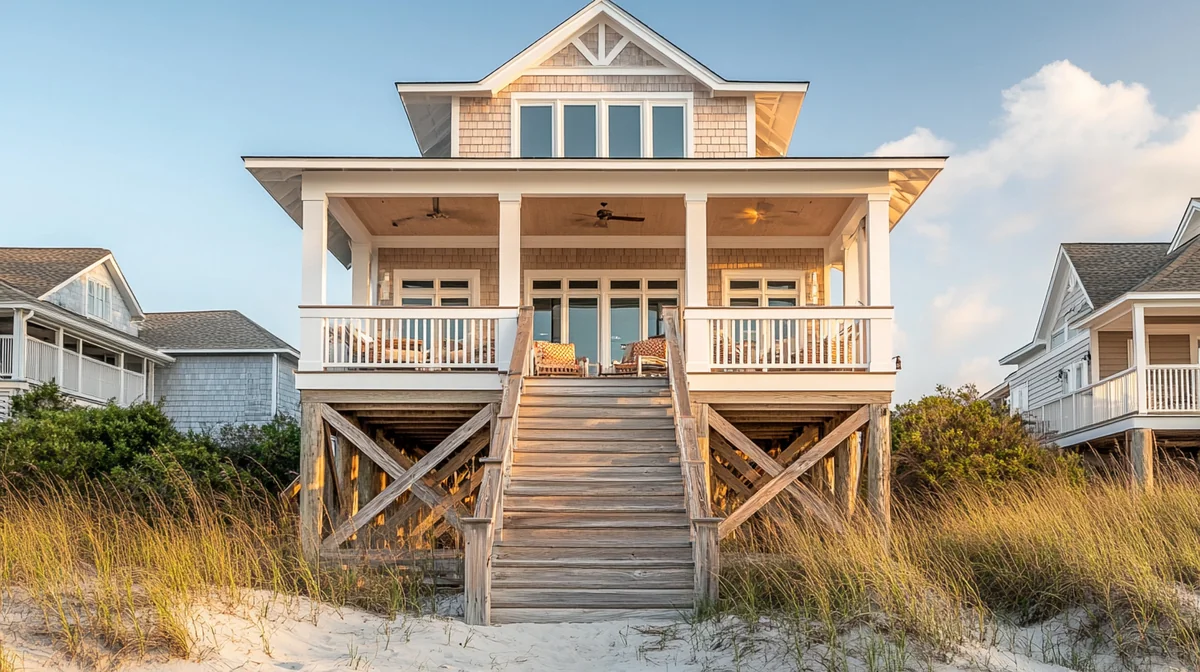
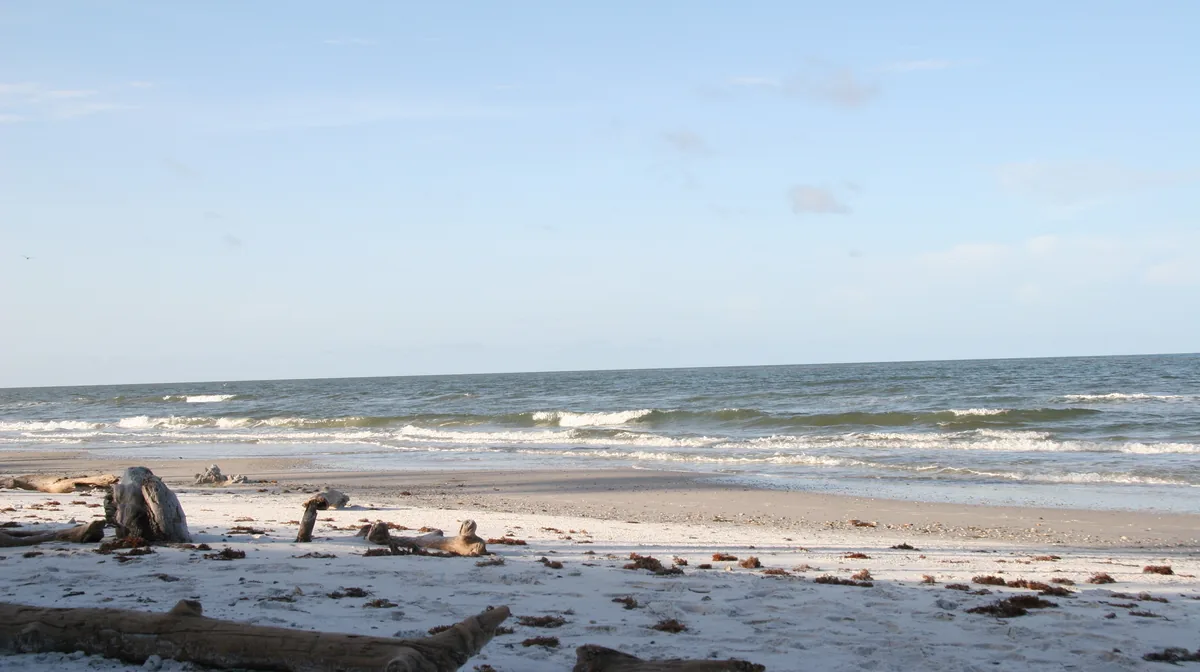
Cape San Blas is a seventeen-mile barrier peninsula in Gulf County, Florida, curving west and then north around St. Joseph Bay from the fishing town of Port St. Joe, with the Gulf of Mexico on one side, the bay on the other and a state park at its tip. There are no high-rises, no boardwalk, no chain hotels and no traffic lights on the Cape; there are beach houses on stilts, dunes, a bike path and a beach that Dr. Beach named the best in America in 2002 and then retired from his rankings because a winner cannot be ranked again. This is the Forgotten Coast, the stretch of Panhandle shoreline between Mexico Beach and Apalachicola that the interstate never reached, and it is one of the purest whole-house vacation-rental markets in the state.

The market splits into products that book and price very differently. Gulf-front houses on the Cape and at Indian Pass carry the top tier, sold on the private boardwalk over the dunes, the sunset from the deck and a pool for the grandchildren. The interior and bayside streets of the Cape carry the broad middle, where a four-bedroom with a short walk to a beach access is the workhorse. Port St. Joe, St. Joe Beach and the WindMark stretch of the mainland shore add town-side houses near restaurants and the marina, and Mexico Beach, twenty minutes west and still rebuilding from Hurricane Michael, adds a neighbouring beach town with its own guest. A listing that names its product, Gulf-front or bayside, Cape or Pass, beats a generic 'Cape San Blas beach house' in every season.

Access defines the guest. Cape San Blas is a drive market, first and last: Atlanta, Birmingham, Nashville, Tallahassee and the rest of the Southeast arrive by car for Saturday-to-Saturday weeks with a truck full of beach gear, a kayak and, very often, a dog, because the Cape is one of the few Florida beaches where leashed dogs are welcome on the sand. Northwest Florida Beaches International in Panama City is about an hour and a quarter away and Tallahassee about two hours, which brings a smaller fly-in share, but the family that has driven eight hours with the dog and the boat is the guest to build a house around.

What makes the Cape different from the beach markets down the coast is how completely its guests chose it on purpose. Nobody stumbles onto Cape San Blas; the drive filters for people who want quiet, space, a big house for a big family and a beach that empties at sunset. They plan early, book long, rebook the same house for years and spend their money at the raw bar and the bait shop rather than at a resort. That guest is reachable through search, through past-guest marketing and through a direct-booking presence that looks as considered as the beach itself, and reaching them directly, rather than renting visibility from the platforms every summer, is where the margin lives.

Top Attractions & Landmarks

  • T.H. Stone Memorial St. Joseph Peninsula State Park
  • The dog-friendly Gulf beaches of the Cape
  • St. Joseph Bay scalloping (late summer)
  • The Cape San Blas Lighthouse, George Core Park
  • Indian Pass Raw Bar
  • Reid Avenue, Port St. Joe
  • The Constitution Convention Museum State Park
  • Sunsets over the Gulf from the Cape's boardwalks

Nearby Markets: Apalachicola  |  Panama City Beach  |  30A

Airbnb marketing services in Cape San Blas, Cape San Blas, Florida, USA
Why Cavmir

The Cavmir Advantage
in Cape San Blas

Cavmir markets Cape San Blas houses as the small hospitality brands they are, the Gulf-front reunion house, the dog-friendly bayside cottage, the Indian Pass fishing base, rather than as interchangeable inventory in a Panhandle feed. We put your property in front of the guest who books the Forgotten Coast: the Atlanta family booking in January for July, the couple deciding on Wednesday to drive down for a shoulder-season weekend, and the repeat guest who wants their week held, wherever they search, from Google and Instagram to the email list that brings last summer's family back.

State of the Industry · History

The Cape San Blas STR Market — Past & Present

The Cape's story begins with a town that vanished. In the late 1830s St. Joseph, on the bay behind the peninsula, was briefly the largest town in territorial Florida and the host of the convention that wrote the state's first constitution between December 1838 and January 1839. Yellow fever arrived by ship in 1841, a fire followed, and an 1844 hurricane took the rest; the site was empty for half a century until Port St. Joe grew up beside it in the early 1900s as a railroad, timber and paper-mill town. The Cape itself stayed a place of lighthouse keepers, fish camps and military use into the second half of the twentieth century, and its beaches were known mostly to Panhandle families.

The vacation-rental market arrived with the rest of the Forgotten Coast's discovery in the 1990s and 2000s: stilt houses went up along the Cape's Gulf side, the state park at the tip won Dr. Beach's national ranking in 2002, Atlanta and Birmingham families found a beach without a strip, and the platforms of the 2010s turned second homes into full-time rentals. Gulf County kept its regulatory touch light, Florida's state licensing and bed-tax system did the paperwork, and the Cape developed into a market of professionally managed, mostly large, mostly whole-house rentals with a fiercely loyal repeat base.

Then came Hurricane Michael. On October 10, 2018, the storm made landfall at Mexico Beach as a Category 5 with 161-mile-an-hour winds, the first Category 5 to hit the Panhandle on record, and pushed nine to fourteen feet of surge from Mexico Beach to Indian Pass. It damaged almost every structure in Mexico Beach and destroyed hundreds, cut the peninsula at the state park into two new inlets, and flattened houses along the Cape. The rebuild reshaped the housing stock: what stands today is newer, taller and built to a stricter code, and the market that came back is more professional than the one that went down.

Today the Cape is a high-rate, seasonal, whole-house market. Nightly rates run in the mid-$500s on average, occupancy sits in the mid-thirties across the year because the calendar is so summer-heavy, and guests book more than three months ahead. What has not kept pace is the marketing. A remarkable number of Cape houses still trade on a decade-old photo set, a title that names the street rather than the experience, and total dependence on two platforms plus a manager's brochure site, in a market where the guest is this loyal and this valuable over a lifetime. That gap, between the quality of the house and the quality of its presentation, is precisely the opportunity an owner can exploit.

Pricing Strategy & Seasonality

Pricing, Seasonality & When to Capture ROI

Pricing Strategy

Cape San Blas pricing is tiered by the Gulf before anything else. Gulf-front houses with a private boardwalk, a pool and a sunset deck anchor the top tier and clear well above the market average in summer; second- and third-row houses with a short walk to a beach access carry the broad middle; bayside and Port St. Joe houses carry the value tier, often better for fishing, scalloping and dogs than the beachfront and worth saying so. Indian Pass, at the eastern end, prices on its own logic: fishing, the raw bar and the ferry to St. Vincent Island.

The calendar's shape does the heavy lifting. Summer, from Memorial Day through early August, is the super-peak, sold in Saturday-to-Saturday weeks and booked from January for the best Gulf-front houses; rates peak in June. Spring break in March and April is a strong second season for families, and the scallop season in St. Joseph Bay, late summer into September, gives the Cape a shoulder product almost no other beach has. October is quiet, warm and beautiful, and the November-to-February window is soft, with rates at their lowest in February.

The mistake most owners make is pricing every non-summer week as a discount rather than as a different product for a different guest. A scallop week for a family with a boat, a fall fishing week for two couples, a winter month for a snowbird couple with a dog: each has its own guest, its own rate and its own photography, and each fills nights the summer-only competition never touches.

Seasonality & ROI Windows

High seasonality with a summer top. Peak runs Memorial Day through early August; spring break and the scallop season are real shoulders; the soft window runs November through February, best addressed with a monthly-stay product for snowbirds and remote workers who want the beach to themselves. Saturday turnovers dominate summer; flexibility on check-in days in the shoulders is a competitive weapon.

The revenue most owners miss sits in late August and September, when the Gulf is at its warmest, the scallops are in the bay, rates have softened and demand from couples and off-calendar families is real and under-marketed. Hurricane-season anxiety suppresses bookings more than hurricanes do; a plain, flexible storm-cancellation posture in those weeks converts the hesitant guest your neighbours never reach.

Regulation & Licensing · 2026

What the Law Requires in Cape San Blas

Florida regulates vacation rentals at the state level first. Renting a whole house for stays under thirty days more than three times a year, or advertising it as a regularly rented property, requires a vacation rental license from the Department of Business and Professional Regulation's Division of Hotels and Restaurants, renewed annually, with the license number displayed in advertising. Florida's preemption statute bars counties and cities from banning vacation rentals or limiting how often or how long they rent unless an ordinance predates June 2011, which leaves local governments with registration, safety, noise, parking, trash and occupancy rules; a 2024 bill that would have rewritten that framework was vetoed, so it stands.

Gulf County has kept a light touch by Florida standards. The county's requirement is the Tourist Development Tax: every transient rental must register with the Gulf County Tax Collector and collect and remit the 5 percent bed tax that funds the Tourist Development Council, and, unlike the state sales tax, this one is not collected by Airbnb, because the county has no agreement with the platform. Owners remit it themselves, monthly, on every channel. Florida's 6 percent state sales tax and the county surtax apply on top and are collected by the platforms on most channels; homeowners' associations on parts of the Cape add rules of their own.

None of this is onerous, but it is layered, and the bed-tax point catches out-of-state owners every year. Treat this section as orientation rather than legal advice: confirm current requirements with the Department of Business and Professional Regulation, the Gulf County Tax Collector, your association and a Florida accountant before you list. Cavmir handles the marketing side; licensing and tax compliance sit with you and your local professionals.

Market-Specific Tips & Challenges

Local Tips & Unique Market Challenges

Tips That Actually Move Revenue in Cape San Blas

First, sell the specific beach. The Cape's guest is choosing it over Panama City Beach and 30A precisely because it has no strip, no crowds and a dog on the leash beside them at sunset, so say that plainly: name the nearest beach access in walking minutes, state the dog rules, show the boardwalk over the dunes and the empty sand at seven in the evening. Photography that captures the bike path, the kayak on the bay and the sunset from the deck outperforms another drone shot of a pool.

Second, sell the bay as much as the Gulf. St. Joseph Bay is the reason the Cape has a scallop season, a fishing culture and a shoulder product other beaches lack. A house with a kayak, a bay-side launch or a boat slip should lead with it from August to November, name the season dates and explain how scalloping works, and it will fill weeks the Gulf-front competition writes off.

Third, engineer the repeat. Cape families rebook the same week for a decade once a house earns them, and the lifetime value of one such family exceeds a summer of stranger bookings. That argues for a real direct channel: a fast direct-booking site, a past-guest list that gets first refusal on their week each January, and a rebooking incentive that beats the platform fee. Most of the Cape still does none of this, which is exactly why it works.

Fourth, treat operations as marketing. At these rates a wall of recent five-star reviews praising cleanliness, communication and accuracy moves search rank and defends the rate. That means hotel-grade turnovers on tight Saturday windows in a market with limited housekeeping labour, a check-in that works when the family arrives at midnight after nine hours on the road, beach gear that actually functions, and a storm and evacuation policy stated in plain language. The review flywheel is slow to build and impossible for a neighbour to copy quickly, which is why it is worth building on purpose.

Unique Cape San Blas Challenges

Hurricane exposure is the structural risk, and on the Forgotten Coast it is not theoretical. Michael rewrote the coastline in 2018 and the memory shapes insurance, cancellation policy and guest anxiety every June-to-November season. Owners need proper wind and flood cover, a clear evacuation communication plan and a cancellation posture that converts worry into bookings instead of bounces. Saturday-only summer turnovers compress operations too; a failed cleaning crew on a July Saturday in a county with a thin labour pool is a five-figure problem, so vendor redundancy is not optional.

Costs are rising and the calendar is narrow. Insurance on the Panhandle coast has climbed steeply since 2018, the state license and the county bed tax add paperwork, and a market whose revenue is concentrated in ten summer weeks leaves little room for an empty July. The casual owner-operator posture that worked in 2012 quietly loses money now.

There is also a distance problem. Most Cape owners live in Atlanta, Birmingham, Nashville or the Midwest, and remotely run houses drift: stale photos, slow replies, a calendar that never opens the scallop season. Guests at this rate level feel the drift immediately. The owners who win close the gap with a real local operations partner and a marketing presence that stays current, so the house presents in February the way it did the day it was shot.

A Curious Cape San Blas Fact
Gulf County is the only county in Florida that runs on two clocks. The Eastern-Central time line was drawn along the Apalachicola River, but shipping and railroad interests wanted the coast on Eastern time, so the line jogs along the Intracoastal Waterway: Port St. Joe, the Cape and the beaches are an hour ahead of the northern end of their own county. Guests driving in from Panama City lose an hour at the county line, and a welcome book that warns them about it earns the first review line.
Finance Essentials — Cape San Blas
🛡️

Insurance

Panhandle coastal insurance is expensive and hardening since Hurricane Michael: expect wind cover through Citizens or surplus-lines carriers, separate flood coverage through the NFIP plus excess for higher-value homes, and named-storm deductibles quoted as a percentage of dwelling value. Post-2018 construction, elevation, roof age and shutters materially move premiums. Budget a five-figure annual line for larger Gulf-front homes and shop it through a coastal-specialist broker.

🧾

Property & Income Tax

Florida charges 6 percent state sales tax plus the county surtax on short stays, collected by the platforms on most channels, and Gulf County's 5 percent Tourist Development Tax is registered for and remitted by the owner directly, because the county has no collection agreement with Airbnb. Florida has no state income tax, which is part of the Cape's appeal to out-of-state owners, but rental income is still federal income. Coordinate with a Florida accountant who knows the Panhandle counties.

🏦

Mortgages & Financing

Financing is conventional but sized for the market: jumbo loans on Gulf-front product, second-home and investment-property pricing, and lenders who want a realistic, summer-heavy revenue model rather than a flat average. Insurance increasingly drives the debt-service math on the Gulf side; model the full carry, not just the note.

Future Outlook · 2027 & Beyond

Where Cape San Blas is Headed Next

Cape San Blas's outlook is stable-to-strong for structural reasons. The peninsula is largely built out, the state park and the bay prevent the kind of supply shock a resort corridor suffers, the post-Michael housing stock is newer and stronger than anything the Cape had before, and the Southeast's drive-market families are not going anywhere. Scarcity plus loyalty is a durable combination.

The pressures to watch are insurance and expectation. Coastal insurance is the one line item rising faster than rates, and it will keep forcing casual owners to decide whether to operate professionally or sell, which, for committed owners, thins the competition. Meanwhile guest expectation ratchets upward every year; the gap between resort-corridor polish and Cape presentation is closing, and the owners who invest in brand, photography and direct channels capture the difference as margin.

The other shift is in how guests find the Cape. More travelers now start with an AI assistant or a direct search than with a platform scroll, and properties that publish clear, structured, useful information, real beach-access distances, dog rules, scallop dates, a plain storm policy, a fast site an assistant can read, surface in those answers. The Cape's planner-guest is exactly the demographic making that shift first. Positioning for it now, while most of the peninsula still markets the old way, is the most durable advantage an owner can build.

From the Desk of Sofie Sinag

Why We Love Marketing in Cape San Blas

Cape San Blas is the rare beach market where the absence is the product. There is no strip, no high-rise, no bar din; there is a seventeen-mile peninsula with a state park at the end, a bay full of scallops behind it, a dog on the sand at sunset and a guest who chose all of that on purpose. When a listing leans into that specific quiet instead of shouting generic beach-vacation copy, it attracts the traveler who is actually shopping for the Cape, and that traveler pays more, stays longer and complains less.

What I love about marketing here is the loyalty math. Families find the right house and come back for a decade, same week, same boardwalk, kids getting taller in the same photos on the same deck, and they bring the dog. One well-marketed house with a real repeat base outperforms a churn-dependent competitor on both revenue and stress, and the cost of earning that loyalty is a fraction of chasing strangers every summer.

And the raw material is glorious. The photographs take themselves when the Gulf goes gold at seven in the evening; the stories write themselves when the county runs on two clocks and the state's first constitution was written on the bay behind the house. Our job is rarely to invent an angle. It is to notice the true one the owner has stopped seeing, frame it plainly, and put it in front of the family already looking for exactly that.

Cavmir's Cape San Blas Cheat Sheet

The Picks We Recommend for Your Welcome Book

The picks Cavmir puts in a Cape San Blas welcome book: the details that make a stay feel like resident knowledge instead of a printed concierge script, and that quietly earn the five-star reviews.

Morning

The state park at the tip

T.H. Stone Memorial St. Joseph Peninsula State Park, the beach Dr. Beach ranked first in the nation in 2002. Send guests early, tell them which sections reopened after Michael, and it is the photo that sells the next booking.

The Dog

Leashed dogs on the sand

Dogs are welcome on leash along much of the Cape's Gulf beach, at Salinas Park and at Cape Palms Park. State the rules, including the no-digging-near-turtle-nests rule, and the dog-owning family books without asking.

Late Summer

Scalloping in St. Joseph Bay

The bay's scallop season ran from mid-August to late September in 2025; scallops sit in four to eight feet of clear grass flats. Say where to rent a kayak or a boat and how the license works, and August fills.

The Raw Bar

Indian Pass Raw Bar

The oyster house on County Road 30A at Indian Pass, with a second location uptown on Reid Avenue in Port St. Joe. Baked, steamed or raw oysters, no reservations, and the most-repeated recommendation on the coast.

Town

Reid Avenue, Port St. Joe

The old main street ten minutes from the Cape, with the shops, the lighthouse and the marina. A provisioning and dinner note here saves a family a longer drive.

History

The Cape San Blas Lighthouse

Moved off the eroding Cape in a day-long convoy in July 2014 and re-erected in George Core Park in Port St. Joe. Climbable, and the anecdote guests retell at dinner.

The Constitution

Constitution Convention Museum State Park

The site of the 1838–39 convention that wrote Florida's first constitution, in the town that vanished. Fifteen minutes of history for a rainy afternoon.

Sunset

The boardwalk at seven

The Cape faces west; the Gulf sunset from any beach access is the evening plan. Tell guests to bring a chair and the dog.

What Guests Actually Ask

Which time zone are we in?

Answer it before it is asked: the Cape and Port St. Joe are on Eastern time, and the clocks change at the county line on the drive from Panama City. A plain sentence here prevents a missed dinner reservation.

Storm Season

Say the policy out loud

Explain how you handle a tropical storm watch, an evacuation order and the refund, in plain words. Trusting guests with the truth converts the anxious September planner your neighbours never reach.

Provisioning

Shop in Port St. Joe on the way in

The grocery stores are in town; the Cape has a couple of small markets and a bait shop. One good provisioning note saves a family a second drive and reads as care.

Local Work · Composite Case Vignettes

What Cavmir Has Done for Cape San Blas Properties

Representative Cavmir engagements in Cape San Blas. Property identifiers redacted; figures composited from internal analytics and market benchmarks.

5BR Gulf-Front House · Cape San Blas
The Brief

A post-Michael Gulf-front house earning well in summer but dark from September to March, positioned as 'beachfront' with no story for the other seven months and no channel beyond two platforms.

What We Did

Split the product in two, peak-season family weeks and a fall-and-winter offer built around scallop season, fishing, the dog-friendly beach and a monthly snowbird rate, with autumn photography and a past-guest list that got first refusal on summer weeks each January.

The Result

September and October went from a handful of nights to consistently booked weeks, winter months filled at monthly rates, and annual revenue rose by roughly a third.

4BR Bayside Home · Cape San Blas
The Brief

A bayside house with a kayak launch that lost every comparison to Gulf-front listings because its marketing never made the case for the bay.

What We Did

Positioned it explicitly as the scallop-and-fishing house, launch at the door, dog welcome, a five-minute walk to the Gulf access, with plain comparative copy, new photography and search-optimized content for scallop-season and fishing queries.

The Result

The house stopped competing on Gulf-front terms and started winning its own: direct traffic on bay and scallop queries tripled, occupancy climbed from the high-20s to the mid-40s across the year, and the owner raised rates twice.

3BR Cottage · Indian Pass
The Brief

A well-kept cottage near the raw bar, invisible among the Cape's larger houses, renting on price with dated photos and a title that named the road.

What We Did

Rebuilt the listing around the specific place, the raw bar on foot, the St. Vincent Island ferry, the fishing at the Pass, with new photography, a proper brand name and a direct-booking page with a rebooking offer for the couples who came for fall fishing.

The Result

Occupancy climbed from the low-30s to the high-40s, the nightly rate rose by double digits in spring and fall, and repeat and direct bookings now anchor the October weeks that used to sit empty.

Straight Answers

Cape San Blas Airbnb Marketing:
Questions, Answered

Does Cavmir offer Airbnb marketing services in Cape San Blas?

Yes. Cavmir works with beach-house and cottage owners across the Forgotten Coast, Cape San Blas, Indian Pass, Port St. Joe, St. Joe Beach and Mexico Beach, on branding, listing optimization, photography direction, direct-booking websites, SEO and paid campaigns. Gulf-front houses, bayside homes with a kayak launch and dog-friendly cottages near the state park are exactly the kind of stays we market.

What do short-term rentals earn on Cape San Blas?

The snapshot on this page shows average nightly rates in the mid-$500s with occupancy in the mid-thirties, drawn from 2026 market data for the Cape and Port St. Joe, but the Cape is really several markets: a Gulf-front house with a pool and a bayside cottage are worlds apart, and the calendar is summer-heavy. Treat these as directional averages, not guarantees; the gap between a well-marketed and a poorly-marketed house on the same street is wide.

When is demand highest for Cape San Blas rentals?

Summer is the super-peak, Memorial Day through early August, sold Saturday-to-Saturday with rates peaking in June and the best houses booked from January. Spring break in March and April is the second season, scallop season in St. Joseph Bay carries late August and September, and fall fishing keeps October alive. The soft window is November through February, best filled with a monthly-stay product.

Are short-term rentals regulated on Cape San Blas?

Lightly, by Florida standards. The state requires a DBPR vacation rental license, Florida law limits what counties can restrict, and Gulf County's requirement is bed-tax registration and remittance of the 5 percent Tourist Development Tax, which Airbnb does not collect here. Confirm current requirements with the state, the county tax collector, your association and a Florida accountant. Cavmir handles the marketing side; we don't provide legal or permitting advice.

Can guests bring dogs to Cape San Blas?

Yes, and it is one of the Cape's biggest draws. Leashed dogs are welcome on much of the Cape's Gulf beach and at Salinas and Cape Palms parks, with rules about turtle nests in season. A listing that states its pet policy and the beach rules plainly wins the dog-owning family that most Florida beaches turn away, and that family rebooks.

How do I get more direct bookings on the Cape?

Give your repeat families a way to book you without a platform in the middle: a fast direct-booking website, a complete Google Business Profile, and a past-guest list that gets first refusal on their week each January. Cape families are exceptionally loyal, see vacation rental SEO, and most owners still leave that loyalty entirely to the platforms.

Do you work with Port St. Joe and Mexico Beach properties too?

Yes, and the strategy differs. Port St. Joe sells the town, the marina and the bay; Mexico Beach sells a rebuilt beach town with its own guest; the Cape sells the peninsula. A house on the mainland shore should say which guest it is talking to rather than borrowing the Cape's copy, and we build search visibility and plain comparative content for each.

How much does Airbnb marketing cost for a Cape San Blas property?

It depends on scope. Current plans and one-time project pricing are on the pricing page; most owners start with a listing overhaul or the 12-step system. A conversation about your property costs nothing: contact Cavmir.

Free Property Review

What is your Cape San Blas property actually worth per night?

Send us the listing and we'll tell you what we'd change. Not a pitch deck — a straight read on your photos, your title, your rates against the Cape San Blas comp set, and whether a direct-booking site would pay for itself.

You'll hear back from a person, usually inside one business day. If we don't think we can move your numbers, we'll say so. Cavmir is a short-term rental marketing agency — we position and market properties, we don't manage them.

  • No obligation, and no automated call sequence
  • We market and position — we never manage your property or hold keys
  • Works whether you're on Airbnb, Vrbo, or direct

Ready to Grow in Cape San Blas?

Let's Put Your Cape San Blas
Property on the Map

Talk to Cavmir today. We'll show you exactly what your Cape San Blas property is leaving on the table — and how fast we can change that.

Book a Free Strategy Call