Market-Specific Tips & Challenges
Local Tips & Unique Market Challenges
Tips That Actually Move Revenue in The Sea Ranch
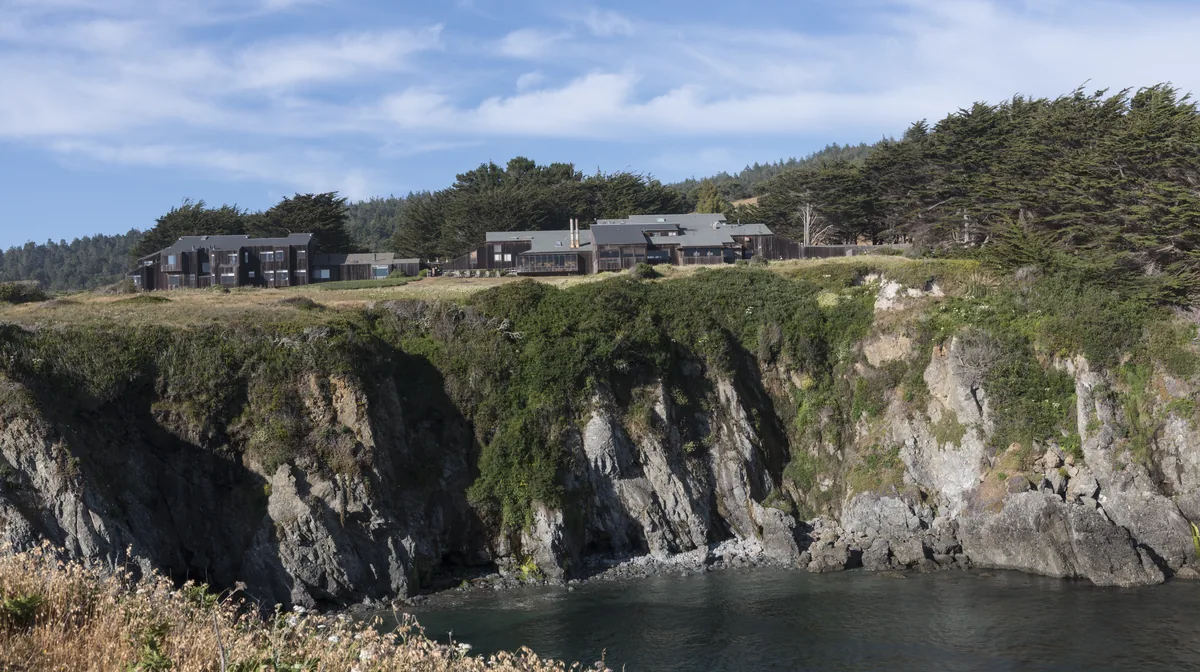
First, photograph the view and the walk from the ground. Drones are banned over every private lot and the commons at The Sea Ranch, so the aerial shot that carries listings elsewhere isn't available. That's fine, because guests are buying what they'll see from the house: lead with the view from the main room, the deck or patio in late-afternoon light, the meadow or the hedgerow from the front door and the walk to the nearest trail access. AirROI's amenity data shows what the market pays for. Listings tagged with an ocean view average about $118,000 a year against $57,800 without, and those with a patio or balcony about $100,000 against $37,000; bigger, better-placed houses explain part of that gap, but the view and a sheltered place to sit outside are what the top of the market sells. If you don't have the ocean view, don't imply it: sell the trees, the quiet and the walk. And light the night photos the way the Association asks guests to live, with shielded lamps and closed blinds on the windows facing neighbors, rather than every exterior light on.
Second, tell the design story with facts. The Sea Ranch has a museum-level reputation: SFMOMA ran an exhibition on its architecture and planning from December 2018 to April 2019, Condominium One is on the National Register, and the Association links an audio walking tour on its own site. Many guests choose the community for exactly that, so give them what a brochure can't: the year the house was built, the architect if you know it, whether it sits on the open meadow or in a hedgerow cluster, and what is distinctive about how it was designed or remodeled. Put the drive to the chapel, the lodge and the nearest trail access in minutes, and add a short guide to Condominium One, the chapel and the original Hedgerow Houses with a reminder that they're private homes, seen from the road. Search engines and AI assistants reward that kind of specific, checkable page, and it gives the architecture guest a reason to book your house over the agency listing next door.
Third, make the rules part of the welcome. The Association requires its rental notice in your advertising, house rules and rental agreement, and a placard inside the house for stays of 30 days or less, so build the rest of the guest guide around it: quiet hours from 9 p.m. to 7 a.m., no outdoor amplified music, no drones, no smoking on Association land, dogs on a leash, no outdoor fires from April 1 to December 1, and how passes and the vehicle hangtag work at the recreation centers, where no more than six people per lot can use the public facilities at once without day-use passes. A guest who reads the rules before arrival is less likely to meet Sea Ranch Security, and under the Association's rules the owner answers for a renter's nuisance. Then set minimums by season: most of the market uses two nights, but summer stays averaged about five nights in 2026, so a three- or four-night summer minimum and a two-night winter minimum often fit the calendar better than one rule all year.
Fourth, engineer the repeat and treat operations as marketing. San Francisco, Oakland and Berkeley send more than a third of the market's guests, and a Bay Area couple who finds the right house for a February weekend can come back every year, which argues for a real direct channel: a fast direct-booking website, a complete Google Business Profile, and a past-guest list that hears about whale season, the spring bloom and next summer's weeks first. The bar is high: AirROI's Sea Ranch listings average a 4.81 rating, about half carry Airbnb's Guest Favorite badge and only about a quarter use Instant Book, so a house that can be booked in one step has an edge. Only about four in ten listings display a permit or license number, so show yours; it reassures the careful guest. Operations count too: a check-in that works after a dark drive up Highway 1, the outdoor-fire rules spelled out, binoculars by the window in whale season and photos that match the house exactly.
Unique The Sea Ranch Challenges
The community's rules are strict, and the owner answers for the guest. The Sea Ranch Association treats loud noise, stray light, drones, smoke and loose dogs as nuisances, can fine the owner and suspend privileges, and holds every owner responsible for violations by renters and guests, while the county's penalties for running without a license start in the thousands. Roads and paths beyond the public trails are private, the Association's trespass policy applies to anyone without proper identification, and renters need passes for the recreation centers. None of this hurts a well-run rental, but a listing that sells a party house, a fire pit under the stars or drone views is selling something the community won't allow, and the reviews will say so.
The coast itself sets limits. Business slows from January to March and again from September to November, and February earns about half of July. The trails change: a landslide has closed the Walk On Beach trail at the bluff, so visitors can walk north from the parking lot but not south to the beach stairs, and the county expects the Stengel Beach stairway to stay closed for replacement through 2026, so a listing that promises a particular beach access needs checking every season. Fire is part of the picture too: outdoor burning is banned from April 1 to December 1, the Association requires Class A roofing and roofs kept clear of litter, and the county's license requires an emergency evacuation plan for guests. Say what applies before guests arrive, and a closed trail becomes a footnote instead of a complaint.
The competition is concentrated. About 204 listings sit in AirROI's Sea Ranch market, the count grew about 5 percent on the year, six in ten are professionally managed and the ten largest hosts run more than half of them. The median listing fills about 47 percent of its open nights while the top quarter fills 73 percent or more, and the average listing grossed about $68,100 against about $109,100 for a top-quarter one. A house presented like its neighbors gets priced like them. Owners who live in the city face a second problem: a remotely run house drifts, with stale photos, slow replies and a February calendar nobody opens. A strong local operations partner and current marketing close that gap.