Market-Specific Tips & Challenges
Local Tips & Unique Market Challenges
Tips That Actually Move Revenue in Smith Lake
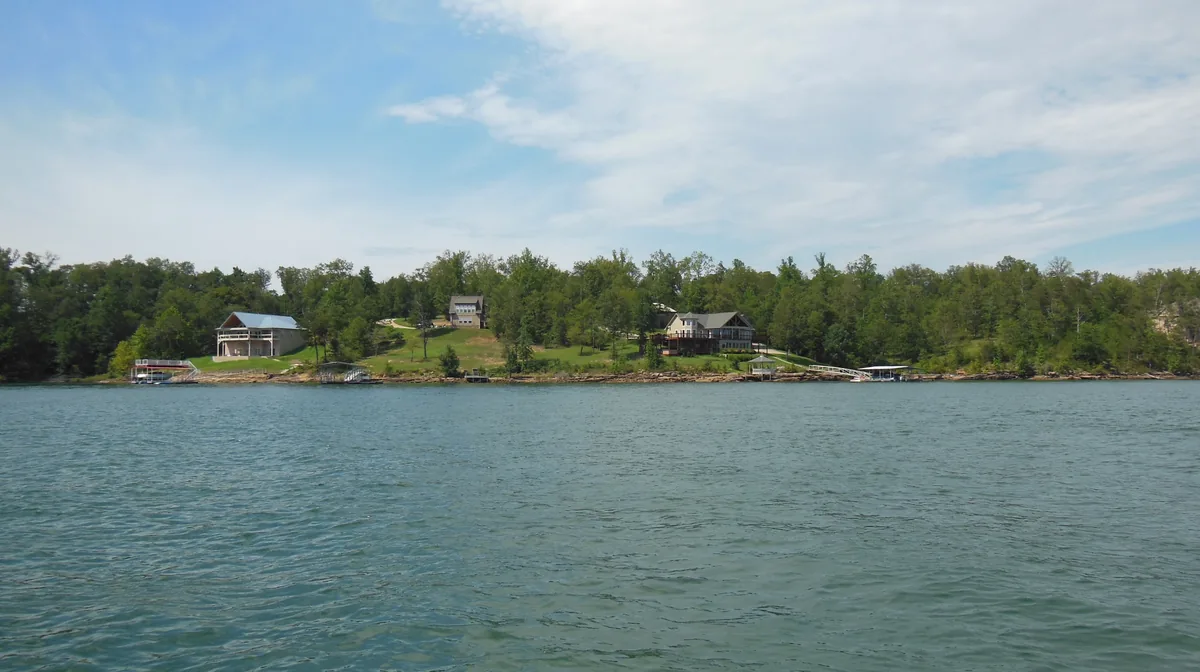
First, describe the water exactly. Smith Lake has 500 miles of shoreline, and guests can't tell from 'lakefront' whether a house sits on the main channel or at the back of a quiet cove, how far the walk is down to the dock, or what's on it. Say which arm of the lake you're on and a landmark a guest can find on a map, show the path to the water, and describe the dock as it's permitted: the slips, the swim platform, the covered deck and the storage area, without promising anything Alabama Power's rules don't allow. Be plain about winter too. The lake is drawn down from late fall and refilled into spring, so if your cove gets shallow in January, say so in the listing rather than reading about it in a review. Put the view from the dock in the first photo, then the house from the water, then the rooms where the group gathers. Never imply waterfront for a house across the road from the lake; AirROI's waterfront listings earn about 53 percent more than the rest, which is exactly why guests check.
Second, sell the group trip as its own product. Three-quarters of the market sleeps eight or more, and the guests who fill those houses are extended families and groups of friends who plan a summer around one week together. They want a separate bed for every adult, enough bathrooms for a house waking up at once, a big table, shade on the deck and a place for wet towels and life jackets. If guests can bring a boat, say where the trailer parks and name the nearest public launches: the Forest Service's ramps at Corinth and Clear Creek are open all year with a day pass. Give the group a summer page of its own with the bed list, the drive from Birmingham, Huntsville and Nashville, a minimum stay that matches a lake week, and a first-refusal offer on next year's dates for every group that books this year. July stays book about 82 days out, so have next July priced and photographed by spring.
Third, build the cool-weather product before fall arrives. From November to March, Smith Lake rates hold at about $420 to $435 a night while occupancy runs about 26 to 35 percent, and the guests who come want a different house: a hot tub, a fireplace that works without a lesson, blankets on the deck, and a welcome book with the Sipsey River trailhead, the waterfalls of the Bankhead, the Ave Maria Grotto and the Oktoberfest dates. AirROI's data shows how much the hot tub matters here: listings with one averaged about $76,700 a year against $36,700 without. Alabama Power doesn't allow a pool, spa or hot tub on its land or flood easement, which reaches the 522-foot line, so put it up by the house where the rules allow and photograph it at dusk with the water behind it. Offer a weekday rate and a two-night winter weekend, keep the minimum flexible, and keep pricing open late, because January and February stays book only about three weeks ahead.
Fourth, engineer the repeat and treat operations as marketing. A family that rebooks the same July week and a group that comes back every fall are worth more over ten years than a season of one-off stays, which argues for a real direct channel: a fast direct-booking website, a complete Google Business Profile and a past-guest list that hears about next summer's dates first. The bar is high: AirROI's Crane Hill listings average 4.92 stars, 63 percent carry Airbnb's Guest Favorite badge, and value is the lowest-scoring category at 4.87, so the total a guest pays has to feel fair. Only 38 percent of the market uses Instant Book, which leaves room for a house that answers fast. Operations count as marketing too: a dock ladder and life jackets checked before every summer stay, a manager who answers at night, house rules that match the guest count you advertise, and a check-in that works after dark on a lake road you've described turn by turn.
Unique Smith Lake Challenges
The lake itself sets the terms. Alabama Power owns the land under it up to the 510-foot contour and decides what can be built there, the permit goes to the owner rather than the contractor, and a rebuild, an enlargement or a substantial repair of a dock needs the company's written approval first, including for the older structures the guidelines call legacy structures. The water level moves through the year, from the winter pool to the summer full pool, and a dry year can keep it low: in April 2026 the company warned that without consistent rain some lakes might stay below their typical summer levels, and it named Smith among the storage lakes drought affects most. Before you buy, look at the lot in January as well as July, ask Alabama Power's shoreline office in Jasper what's permitted at the water, and read the subdivision covenants for anything they say about rentals.
Taxes and paperwork take more work than the platforms suggest. Airbnb collects the state's 5 or 4 percent and the local taxes the state collects, but Cullman County's 5 percent, Walker County's 9 percent and Double Springs' 5 percent are run by the county or by Avenu, and Airbnb's Alabama page doesn't list them, so the filing falls to you, and every direct booking puts the whole stack on you. Owners who live in Birmingham, Nashville or Atlanta face a second problem: remotely run lake houses drift, with stale photos, slow replies, a winter calendar nobody opens and a dock nobody has checked since Labor Day. A strong local operations partner and current marketing close that gap.
The competition is growing faster than demand. AirROI's Crane Hill listings rose 15 percent in a year while revenue per listing slipped 1.1 percent, and the Cullman market grew 13 percent while its revenue per listing fell 3.4 percent. The incumbents are good at this: an average of 4.92 stars, about half the listings run by Superhosts, and a top quarter that earns at least $6,870 in a typical month against $1,960 or less for the bottom quarter. The biggest houses fill the fewest nights, 25 percent for five bedrooms or more, so a large house that books only July and the holidays leaves most of its year unsold. Standing still costs money here, and the houses that win the extra nights do it by saying exactly what they offer and pricing the quiet months on purpose.