



Coffee & First Light
The dock before the boats are out
The coves are glass at seven and busy by eleven. Tell guests to take the first coffee outside, and where the nearest place is that opens early for the ones who need a proper cup.
Expert short-term rental marketing to grow your bookings and nightly rate in Smith Mountain Lake, Virginia, USA.
* Market averages. Properties marketed by Cavmir typically exceed these figures by 25–45%. Data sourced from AirDNA, STR market reports, and Cavmir internal analytics.
Smith Mountain Lake was made on purpose. Appalachian Power dammed the Roanoke River where it cuts through Smith Mountain, the water rose through the mid-1960s, and what filled in was a twenty-thousand-acre lake with something like five hundred miles of shoreline folded into coves and fingers between the ridges of the Virginia Piedmont. Roanoke is forty-five minutes away. Richmond, Greensboro, Raleigh and the Washington suburbs are all within a comfortable drive, and that catchment is what makes this a rental market rather than just a nice lake. The complication, and the thing that decides whether a property here is a business, is jurisdictional: the lake's shoreline is split between Franklin, Bedford and Pittsylvania counties, each of which regulates short-term rental on its own terms. Two houses on opposite sides of the same cove can be operating under entirely different rules, and buyers who do not check before closing find that out the expensive way.
This is a waterfront market and everything follows from the water. A house with a private dock, deep enough water at the dock for a boat, and a cove that is sheltered is a fundamentally different product from a house with a lake view and a shared ramp two miles away — and the price gap between them should be much larger than most listings imply, because owners routinely under-describe what they have. The season is concentrated: Memorial Day to Labor Day carries the calendar, with the Fourth of July and the summer holiday weekends at the top, and a real but much smaller autumn on colour and quiet. Winter is very soft. Guests are largely drive-in families and multi-generational groups from Virginia and North Carolina booking a week at a time, which means capacity, layout and boat logistics matter more than design does. The listing set is a long way behind the quality of the underlying inventory: docks photographed badly or not at all, no information about depth or draft, no honest description of which cove or which end of the lake, and almost no acknowledgment that the county line is a real thing.
Nearby Markets: Shenandoah Valley | Wintergreen | Snowshoe
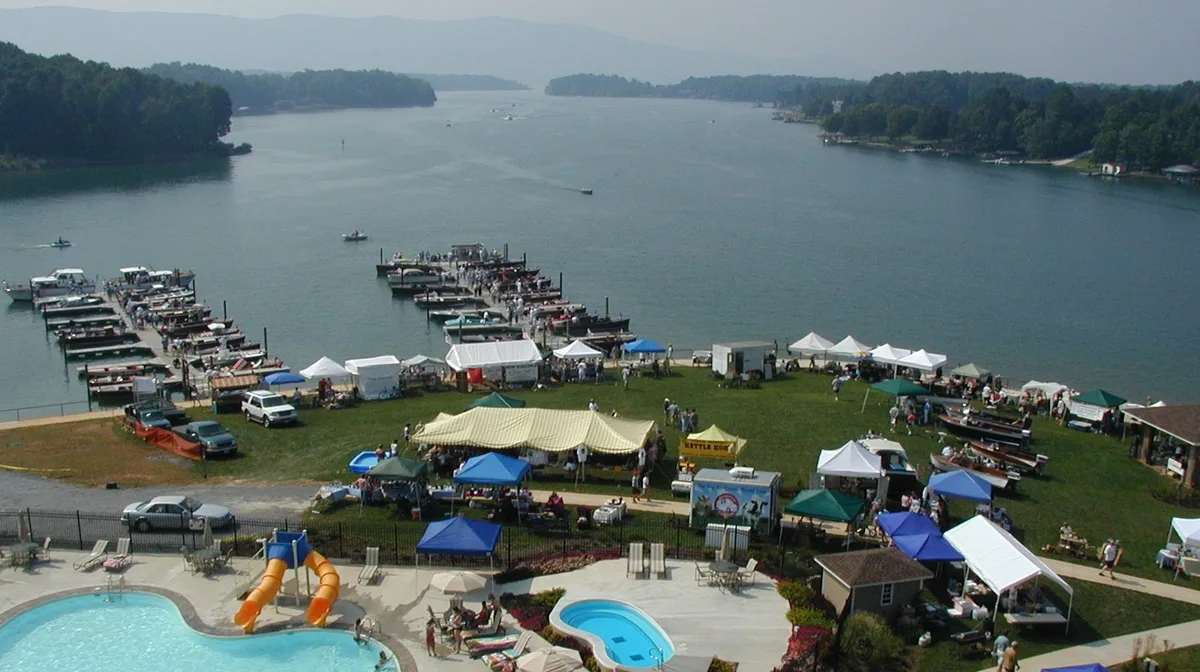
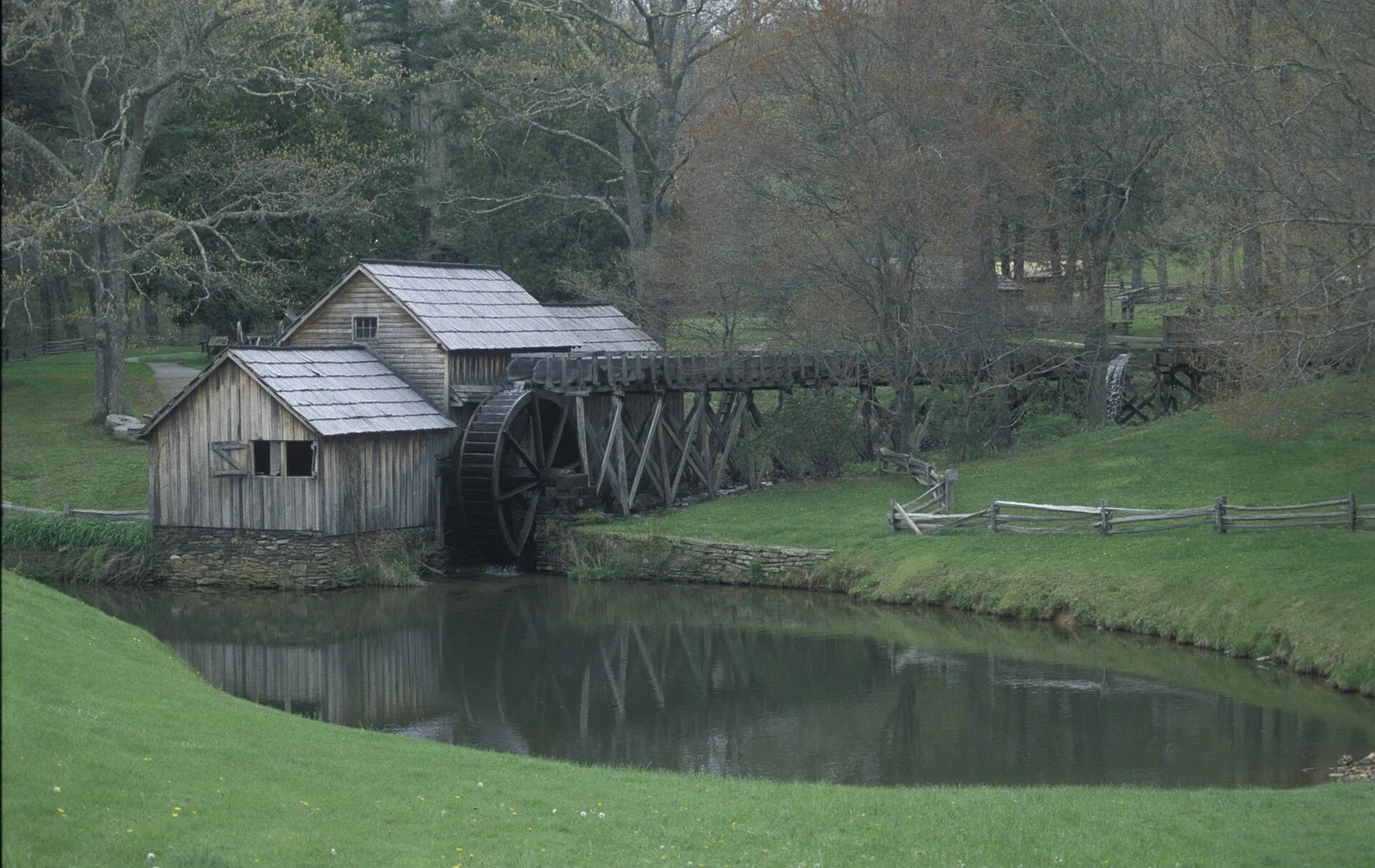
A few of the visual fingerprints we lean into when we shoot, brand and market a Smith Mountain Lake property — courtesy of the open Wikimedia Commons archive.
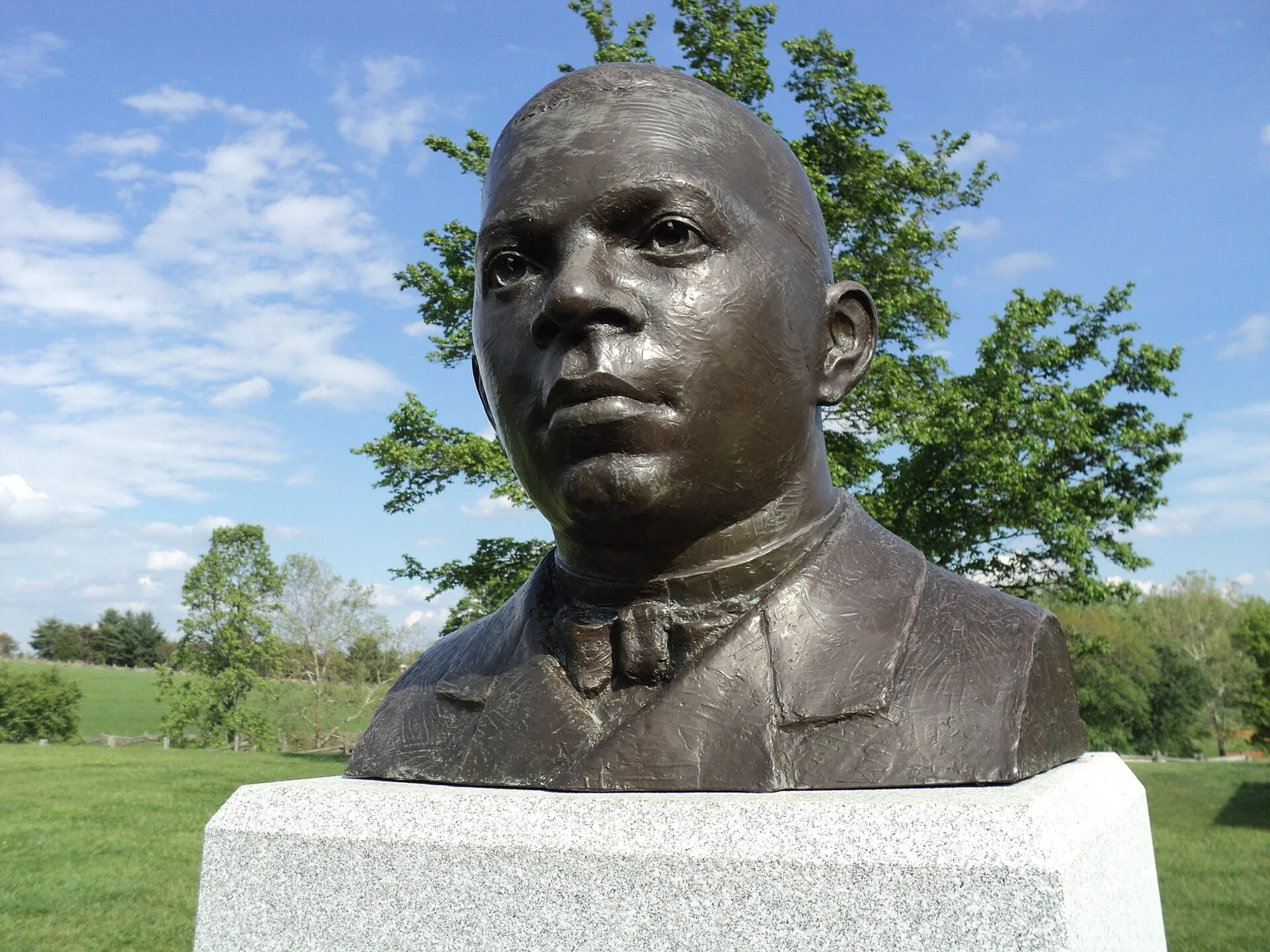
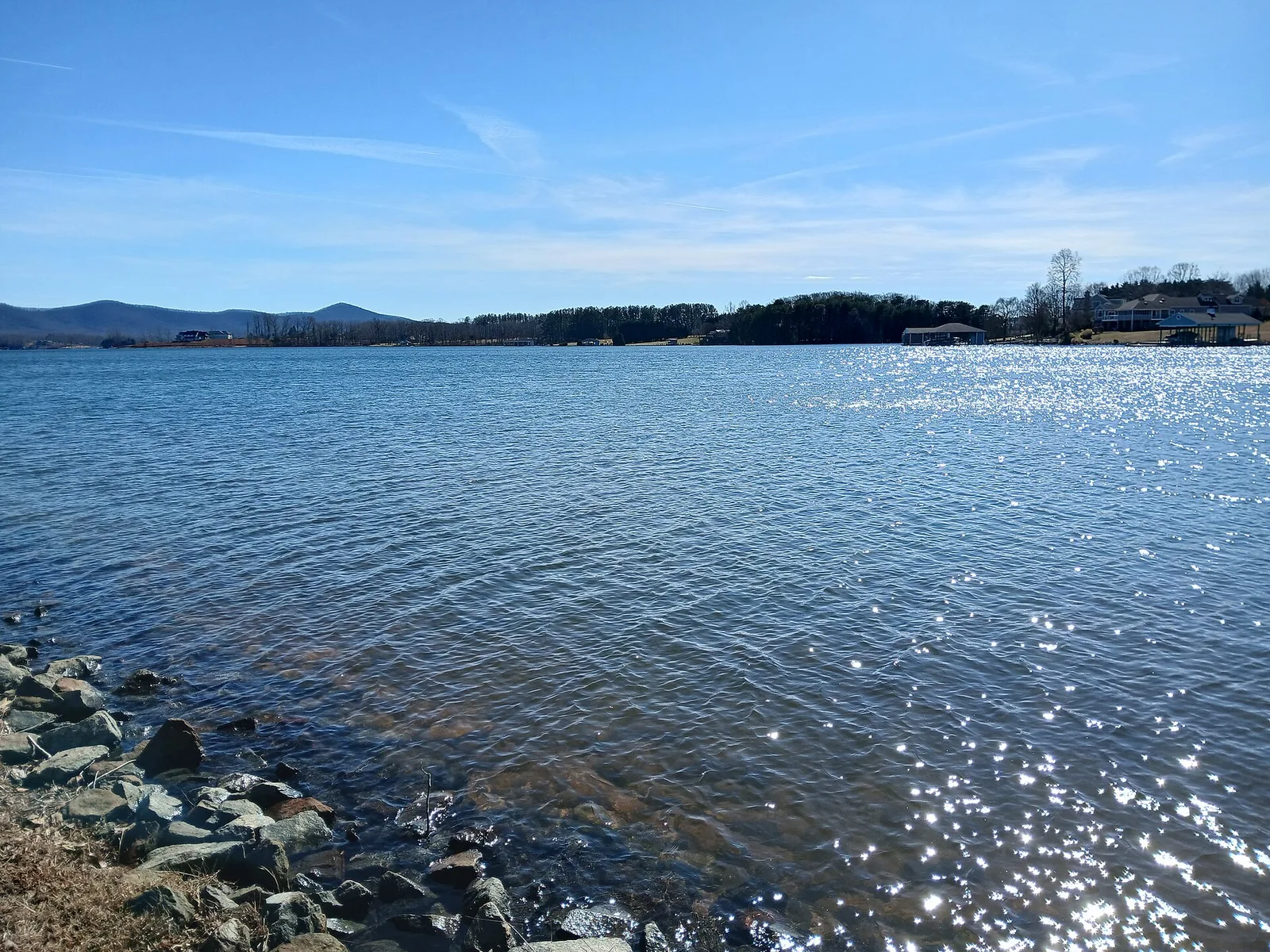
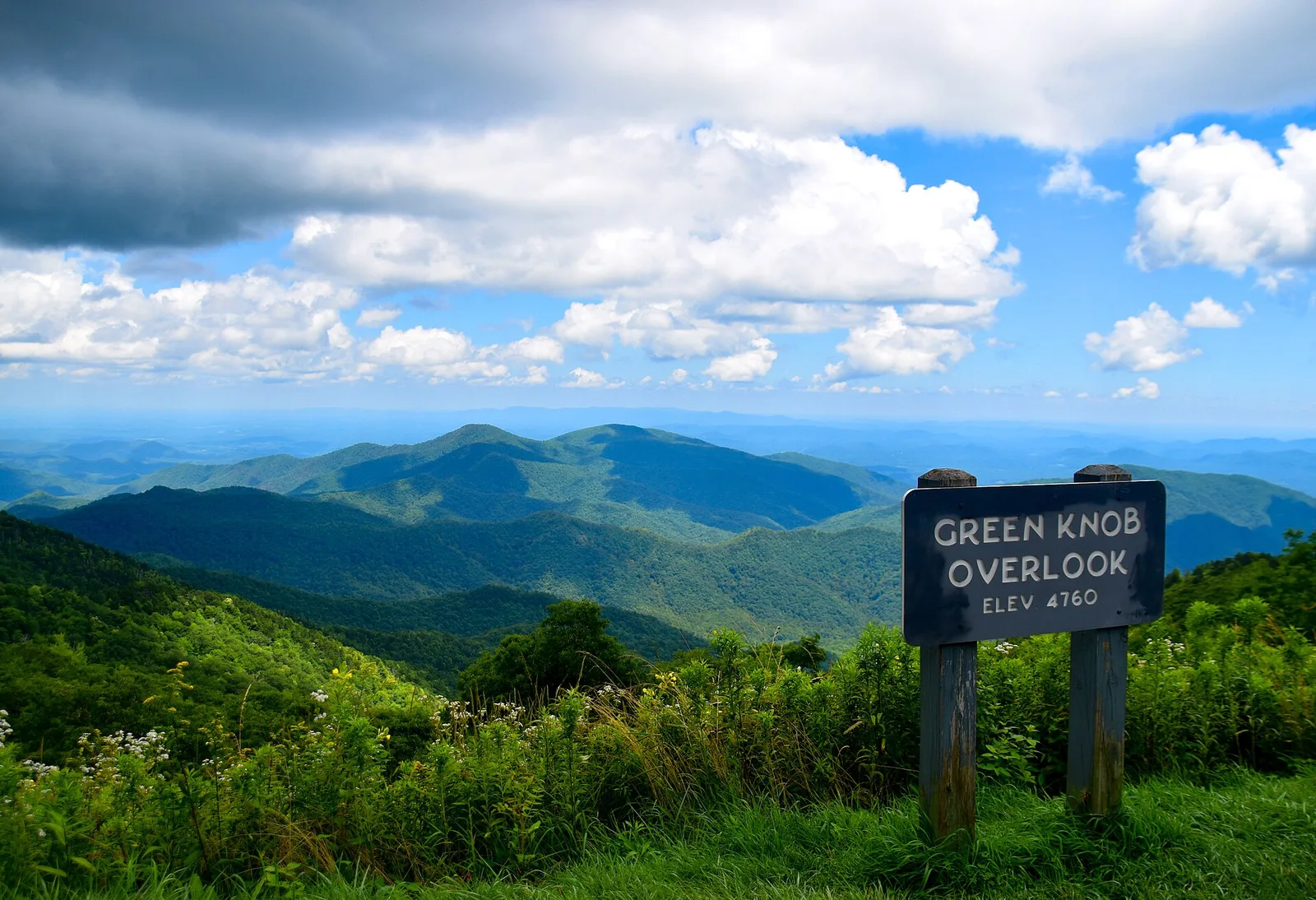
Cavmir markets Smith Mountain Lake homes around the dock and the water, in that order, because that is what the booking decision turns on. We photograph the waterfront properly — the dock, the approach, the cove, the view — in the early and late light that makes lake water look the way people picture it, and we lead the image order with it rather than burying it behind the living room. We write the listing and the site for a real lake week: where you are on the lake, what your dock will take, how the boat access works, where the nearest ramp and marina are, and what a group of ten actually gets. We build your direct-booking site and rank it for the waterfront, dock and lake-house searches that families in Virginia and North Carolina actually use, then set up the email flow that a market with this much annual repeat traffic rewards heavily. We will confirm which county you are in and what it requires before we write a word. We help position and market your property. We never manage it or touch your keys.
Smith Mountain Lake is not an old lake. Where it sits, the Roanoke River ran through a gap in Smith Mountain, and in the early 1960s Appalachian Power built a dam across that gap as part of a pumped-storage hydroelectric project — water is released to generate at peak demand and pumped back up at night. The gates closed and the valley filled through the mid-1960s, reaching full pond in 1966. What emerged was around twenty thousand acres of water with something close to five hundred miles of shoreline, because the valleys and creek beds between the Piedmont ridges turned into an intricate system of coves and fingers rather than one open sheet.
Farms went under. So did roads, a few small settlements and a good deal of family history, which is why the older families around this lake have a more complicated relationship with it than the weekenders do. What replaced them was, at first, very little: for a decade or two this was a quiet regional lake with fishing camps and modest cottages.
The country around it has its own history and it is worth knowing. Franklin County was, by reputation and by federal indictment, one of the great moonshine-producing counties in America — the Great Moonshine Conspiracy Trial of 1935 tried dozens of people including local officials, and the county's nickname as the wettest in the world stuck hard enough to end up in books and films. A few miles from the lake, in the same county, Booker T. Washington was born into slavery on a tobacco farm that is now a national monument.
Then the lake got discovered. Roanoke's growth, the arrival of retirees and the general boom in waterfront property turned Smith Mountain Lake into a resort market over the 1990s and 2000s, and Hollywood helped: the 1991 comedy What About Bob? was filmed here, standing in for a lake in New Hampshire. Today the shoreline is developed, expensive and — this is the part that matters — split between three counties that each write their own rules.
Smith Mountain Lake is a summer market with a short, intense core, and pricing it well means being honest about that shape rather than smoothing it. Memorial Day to Labor Day carries the calendar, with the Fourth of July at the top and the surrounding weeks close behind, and the bookings are largely full weeks taken by families and multi-generational groups driving in from Virginia and North Carolina. That means a weekly rate structure with a real advantage over seven separate nights, and hard minimums over the holiday weeks set twelve months out. Autumn is a genuine secondary season on colour, quiet water and the Blue Ridge Parkway a short drive north, and it is sold badly — most owners cut the rate rather than repositioning the product. Winter is very soft and is best used for longer stays. The largest single pricing error in this market, though, is failing to charge for the water. A private dock with adequate depth, a sheltered cove and a straightforward run to open water is worth a very substantial premium over a house with a lake view and no dock, and listings here routinely describe both as waterfront. Be precise about what you have and price it accordingly.
The season is concentrated from Memorial Day to Labor Day, with the Fourth of July week the strongest of the year and July and August carrying the bulk of the revenue. May and September are solid shoulder weeks with warm water and far fewer people. October is genuinely lovely — colour on the ridges, quiet coves, the Blue Ridge Parkway at its best — and is chronically underpriced. November through March is very soft, with the lake cold and most of the boating economy shut down; longer stays and local traffic are the realistic play. The shape is more concentrated than most lake markets on this site, which makes summer pricing discipline and holiday-week minimums unusually consequential here.
The single most important regulatory fact about Smith Mountain Lake is that there is no single regulator. The shoreline is divided between Franklin County, Bedford County and Pittsylvania County, and each sets its own zoning and short-term rental rules. Two houses across a cove from one another can be operating under different regimes with different permit requirements and different tax rates. Before you make an offer on anything here, establish which county the parcel is in and get that county's current requirements in writing.
Franklin County, which holds the largest share of the lake's rental inventory, requires short-term rental owners to register their properties with the county and pay an annual registration fee, currently in the region of two hundred dollars — confirm the figure. Zoning determines whether the use is permitted at all: in the zoned areas around the lake, short-term rental is allowed by right in certain planned residential and planned commercial districts, and in agricultural zoning it requires a special use permit rather than being permitted outright. Complicating matters usefully, a substantial part of southern Franklin County has no zoning at all. The county's transient occupancy tax applies to stays of less than thirty days.
Bedford County and Pittsylvania County each regulate separately, with their own zoning treatment of short-term rental, their own permitting mechanics and their own transient occupancy tax rates. Do not assume Franklin's answer applies across the water.
Layered on all of it: Virginia state sales tax applies to accommodations, localities levy transient occupancy tax on top, and Virginia law allows localities to establish short-term rental registries. Appalachian Power controls the shoreline itself under its federal licence, which means docks, boathouses, shoreline structures and vegetation management require its permits regardless of what the county says about the house. Verify with the county, the commissioner of revenue and the power company before you list.
Photograph the water first, and photograph the dock like it is the product, because it is. Shoot the dock, the approach, the depth, the cove and the view, in the early and late light that makes lake water look the way people picture it, and put those images at the front rather than behind three pictures of a sofa. Second, publish the specifics: how many feet of dock, how much water at the end of it, whether there is a lift, whether a wake boat can be moored, how far the nearest public ramp and fuel dock are. Nobody does this and every boating family wants it. Third, name your part of the lake and your county — the lake is large, the drive from one end to the other is not trivial, and guests who book the wrong end for their plans notice. Fourth, sell the group properly: this is a multi-generational market and capacity, bed configuration, bathrooms and outdoor seating for twelve matter more than styling does. Fifth, market October deliberately rather than discounting it. Sixth, build an email list around returning families, who take the same week every year for a decade if you ask them in September, and who are the single most valuable asset in a market with a season this short.
The season is short and concentrated, so a poor summer is a poor year with no second chance. The three-county split creates genuine complexity and a real risk of buying into the wrong rulebook. Shoreline and dock maintenance is a recurring capital cost, and the power company's shoreline management requirements add a permitting layer most buyers do not anticipate. Water levels fluctuate with the pumped-storage operation, which affects dock usability more than people expect. Waterfront acquisition costs are high relative to the achievable season, which compresses returns. Local sentiment about short-term rentals has been contentious around this lake, and county rules have tightened over time. And the drive-in family market brings large groups, which means heavier wear, bigger cleans and more scope for noise and parking complaints from year-round neighbours.
Insurance at Smith Mountain Lake is a waterfront liability conversation first. A standard homeowner's policy will not follow you into short-term rental use, so you need a short-term rental or commercial policy with real liability limits, and the dock, the boat lift, any ladders, the swim area, the seawall and any watercraft available to guests need to be named specifically — water-adjacent injury is where the serious claims in this market come from, and vague coverage is the same as none. If guests will use your boat, kayaks, paddleboards or a jet ski, that is a distinct conversation with your carrier and generally requires specific endorsement. Large groups raise occupancy and damage questions worth raising directly. On the property side, the routine claims are storm and wind damage, water intrusion, and freeze in an unoccupied winter house, so read what the policy requires during vacancy. Flood is excluded from standard policies and lakefront parcels should have their exposure assessed. Get quotes during diligence rather than after closing, and have guest injury, guest property damage, loss of rental income and business interruption written into the policy in terms you can read.
Virginia taxes accommodations through the sales tax system and layers a local transient occupancy tax on top, and at Smith Mountain Lake the local layer depends on which county your parcel sits in. Franklin County levies a transient occupancy tax on stays of less than thirty days, currently seven percent; Bedford and Pittsylvania set their own rates. Confirm your county's current rate with its commissioner of the revenue rather than assuming, and confirm the filing frequency, which is typically monthly. State and local sales tax applies to the accommodation charge as well. You will also need to complete whatever registration your county requires — Franklin County, for example, requires short-term rental owners to register annually and pay a fee. Booking platforms collect and remit a good deal of the tax on reservations they process, but they do not cover direct bookings, and direct bookings are exactly what effective marketing produces, so register first and keep platform and direct revenue separated from the very first reservation. Virginia has a state income tax and out-of-state owners will generally have Virginia-source rental income to report; your accountant should look at how a short concentrated season, personal use days and depreciation interact for your structure.
Financing at Smith Mountain Lake is conventional with waterfront-specific underwriting. The items that decide loans are the dock and shoreline, the septic system and the seasonality. On the shoreline: dock condition, permit status with the power company, seawall integrity and any erosion are all live, and an unpermitted or failing structure can hold up a closing. On septic: a great many lake properties are on septic systems with permitted bedroom counts that cap legal occupancy, so pull the records during diligence, because the occupancy your pro forma assumes has to be the occupancy the system is permitted for. On seasonality: present the concentrated summer honestly with the winter softness visible, because a smoothed annual occupancy figure will not survive review and an explained one underwrites better. Insurability is the usual gate, and lakefront flood exposure should be assessed early. Second-home and investment loans carry higher rates and larger down payments; debt-service-coverage products underwritten on rental income are available in Virginia and are frequently the practical route for an investor, and those lenders will want county registration and documented rental history. Model dock and shoreline maintenance as a real recurring cost rather than an occasional one.
The regulatory picture is the thing to watch and it will not resolve neatly, because three counties are managing the same lake with three sets of politics. Franklin County has already moved from an unregulated market to registration, fees and zoning distinctions, and the direction of travel around contested lake markets generally runs toward more structure. Expect the counties to converge slowly rather than to coordinate, and expect the differences between them to keep mattering. On demand, the fundamentals are solid: this is the largest lake in this part of Virginia, it sits inside comfortable driving distance of Roanoke, the Triangle, the Triad and the Washington suburbs, and the multi-generational family week is a durable travel pattern that has survived every disruption of the last two decades. The physical questions are dock and shoreline maintenance costs, water quality, and the pumped-storage operation's effect on levels. Against that, the structural advantage is simple and hard to erode: five hundred miles of shoreline that is already built out, in a market where new waterfront supply is essentially a function of resale rather than construction. Own a well-presented dock property, price the short season properly, and own the relationship with the families who come back every July.
Smith Mountain Lake does not look like a reservoir, which is the trick of it. Because the water filled a system of river valleys between Piedmont ridges rather than one open basin, what you get is five hundred miles of shoreline folded into coves and creek arms, so most properties look out at their own quiet piece of water rather than at a crowd. The Blue Ridge sits behind it. Roanoke is forty-five minutes away and the rest of the mid-Atlantic is a comfortable drive, which is why the boats on this lake mostly have Virginia and North Carolina plates and why the same families come back to the same coves every July. The country around it is more interesting than the lake's brochures let on: Franklin County was one of the great moonshine counties in American history and got a federal conspiracy trial in 1935 to prove it, and a few miles inland is the tobacco farm where Booker T. Washington was born into slavery, now a national monument. Bill Murray made a film here in 1991 pretending it was New Hampshire. What we like about it commercially is the dock. The gap in value between a property with real water access and one with a view is enormous, and the gap in how they are marketed is almost nothing. Closing that is the whole job.
A great property in Smith Mountain Lake doesn't just want a listing — it wants a point of view, an audience, and a brand the city itself would recognise.
Eight answers to put in your guest guide. These are the questions guests ask anyway, and getting them right in advance is the cheapest review insurance there is.
The coves are glass at seven and busy by eleven. Tell guests to take the first coffee outside, and where the nearest place is that opens early for the ones who need a proper cup.
The lakeside restaurants fill on every summer weekend and holiday. Tell guests to book when they arrive, and give them one option they can reach by boat.
This lake is a completely different place before ten. Give guests the ramp, the fuel dock, the no-wake zones near your cove and one quiet arm worth exploring.
The farm in Franklin County where he was born into slavery, now a national monument with a working historic farm. Twenty-five minutes from most of the lake and genuinely worth the afternoon.
Warm water into September, colour on the ridges through October, quiet coves and the Blue Ridge Parkway at its best a short drive north. The best-value weeks on this lake.
Forty-five minutes north for one of the best drives in the country, with overlooks, short hikes and the Peaks of Otter at the end. An easy day out of a lake week.
The advantage of a lake made out of river valleys is that most coves get their own light show with nobody else in it. Tell guests roughly when, and where to sit.
Boating logistics are the number one question here. Give the dock length, the depth, whether there is a lift, the nearest ramp and fuel, and two rental operators you would actually call.
A few composite engagements, drawn from how Cavmir typically works with waterfront owners in a short, concentrated lake season. Illustrative rather than any single client's file.
A property whose entire premium was the dock and the cove, represented by one distant photograph near the end of the set and a single word — waterfront — in the description.
Reshot the water in early and late light, rebuilt the image order to lead with the dock and the approach, and rewrote the listing with dock length, depth, lift, run time to open water and the nearest ramp and fuel dock stated plainly.
The property stopped being compared with view-only houses at similar rates and started drawing the boating families it was built for, at a materially different price point.
The single most valuable week of the year going out at an ordinary nightly rate nine months in advance, with no minimum stay, because the calendar was priced by a rolling algorithm.
Set a twelve-month-ahead holiday structure with hard minimums and premiums on the Fourth of July and the surrounding weeks, and opened those dates first to returning families through an email list built from past guests.
The peak weeks stopped clearing early at everyday rates, and a growing share of them were booked direct by families who had stayed before.
A property near a county line, an assumption that the neighbouring county's registration process applied, and a tax filing that did not match the parcel's actual jurisdiction.
Established the parcel's county and zoning district in writing, confirmed the registration requirement and the correct transient occupancy tax rate with the commissioner of the revenue, and rebuilt the compliance position before touching the marketing.
The owner moved from an uncertain footing to a documented one, and the direct-booking channel was opened with the right registrations already in place.
Demand in Smith Mountain Lake peaks around June through August and runs quietest around January, February and December. Here is how the year actually books — and what to do about each stretch of the calendar.
Memorial Day to Labor Day, with the Fourth of July week strongest and July and August carrying the bulk of the revenue. Bookings are largely full weeks taken by families and multi-generational groups driving in, which argues for a weekly rate structure with a real advantage over seven separate nights and hard minimums over the holiday weeks set a year ahead.
May and September are solid, with warm water and far fewer people. October is genuinely lovely — colour on the ridges, quiet coves and the Blue Ridge Parkway at its best a short drive north — and it is chronically underpriced. All three get cut rather than repositioned.
November through March is very soft, with the lake cold and most of the boating economy shut down. Longer stays and local traffic are the realistic play. Use the window for dock and seawall maintenance and a spring reshoot before the season opens.
The Fourth of July and the surrounding weeks book furthest out, and returning families frequently rebook the same week a year ahead if asked. Shoulder weeks run a much shorter window. Winter is largely last minute.
Full weeks dominate the summer, with shorter stays in the shoulder months and around fishing trips. Because the season is concentrated, a lost summer week is not recoverable, which makes holiday-week discipline unusually consequential.
A private dock with usable depth and a sheltered cove is the largest single value driver on this lake, and the gap between a real dock property and a view-only house should be much wider than most listings imply. Capacity is the second: houses that genuinely work for ten or twelve, with enough bathrooms and outdoor seating, sit in a far thinner competitive set.
Start with photography that shows what a guest actually gets here, then write the listing around a real itinerary rather than a feature list. Build a direct-booking site so returning guests can come back without going through a platform, and keep an email list segmented by season so you can reach last year's visitors before the calendar opens. Local search matters more than people expect in a market this size, because guests search the destination and the attraction rather than the word rental. A marketing agency layer handles the photography, the listing copy, the direct-booking site and the local SEO as one system instead of four disconnected jobs.
Memorial Day to Labor Day, with the Fourth of July week strongest and July and August carrying most of the revenue as full-week family bookings. May and September are solid shoulder weeks with warm water and fewer people, and October is genuinely lovely and underpriced. November through March is very soft.
The Fourth of July and the weeks around it book furthest out, and returning families frequently rebook the same week a year ahead if you ask them before they leave. Shoulder weeks run a much shorter window and winter is largely last minute. Because the season is concentrated, a lost summer week is not recoverable.
Almost entirely a drive market from Virginia and North Carolina. Roanoke is forty-five minutes away, and Richmond, Greensboro, Raleigh, Charlotte and the Washington suburbs are all within a comfortable half-day. Geo-targeted advertising into those metros beats anything national by a wide margin.
A private dock with usable depth and a sheltered cove is the biggest value driver, and it should be described in numbers rather than in the word waterfront. After that: capacity that genuinely works for ten or twelve, enough bathrooms, outdoor seating for the whole group, a boat lift, kayaks and a fire pit.
Run your Airbnb, Vrbo, or website through Cavmir's free grader. It checks the things that decide whether guests book at Smith Mountain Lake — photos, listing copy, page speed, local search — and shows you where bookings leak. Takes about a minute, and there's no sales call attached.
If the report says your booking engine is the weak link, that's fixable: a direct-booking website of your own means repeat guests stop paying platform fees to come back to you. That's the work Cavmir does — see Airbnb website design at Smith Mountain Lake.
Talk to Cavmir today. We'll show you exactly what your Smith Mountain Lake property is leaving on the table — and how fast we can change that.
Book a Free Strategy Call