$290
Avg. Nightly Rate
45%
Avg. Occupancy Rate
$3,100
Avg. Monthly Revenue
6-8%
Est. Cash-on-Cash ROI
MEDIUM
Seasonality
MEDIUM
Regulatory Burden

* Market averages. Properties marketed by Cavmir typically exceed these figures by 25–45%. Data sourced from AirDNA, STR market reports, and Cavmir internal analytics.

The Market

Why Shenandoah Valley is One of the World's Premier STR Markets

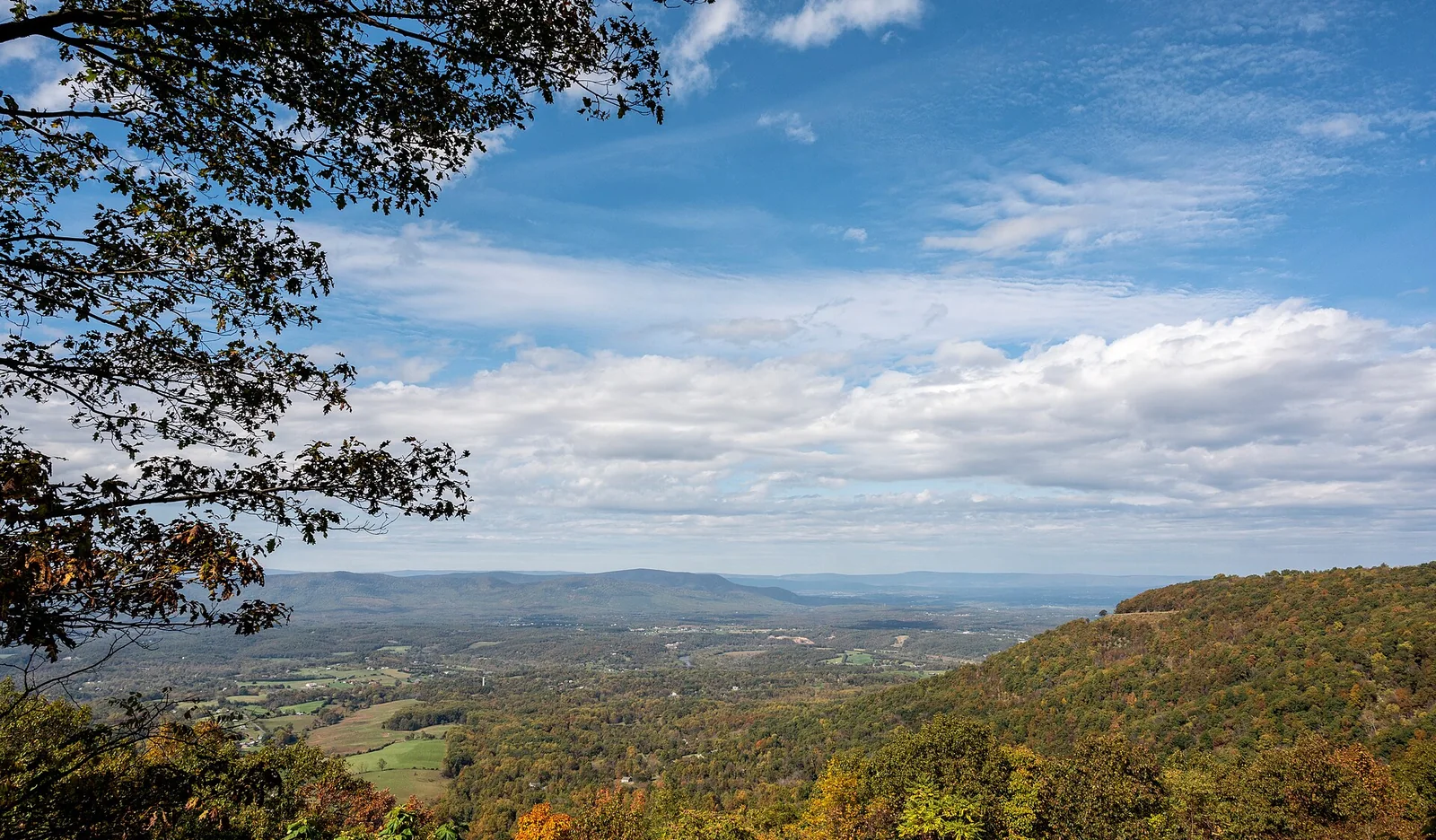
The Shenandoah Valley is the cabin business done at landscape scale. Shenandoah National Park runs a hundred-mile ridge down the valley's eastern wall, Skyline Drive threads its crest, and the counties below have built one of the East's densest rural rental markets around it — led by Page County, which Virginia designated the official Cabin Capital of the state in 2009 and which counts hundreds of rental cabins around Luray alone. The rules here are a county-by-county map rather than a single ordinance: Virginia layers its state sales tax on accommodations over each locality's transient occupancy tax, and the rates diverge sharply — Page County's occupancy tax runs 10%, among the highest county rates in Virginia, while Warren County (Front Royal's county, at the park's northern gate) collects 5% and Shenandoah County moved to 5% in late 2023 — with the towns levying their own rates inside their limits. A 2026 state law change even reshuffled who files the returns when platforms collect. None of it is prohibitive; all of it rewards owners who know exactly whose map their cabin is on. Washington sits ninety minutes from the northern entrance, the park drew visitors by the million long before remote work made the valley a weekday market too, and October — foliage season on Skyline Drive — remains one of the most reliable demand spikes in the Mid-Atlantic.

The valley runs on weekends, water and leaves. Demand is drive-to and short-stay — couples and small families from Washington, Richmond and Northern Virginia booking two and three nights — and it peaks three times: summer, when the park, the South Fork of the Shenandoah and the caverns run at full capacity; October, when Skyline Drive's foliage books cabins solid every weekend of the month; and the spring window around the Shenandoah Apple Blossom Festival, which has filled Winchester at the valley's northern end for nearly a century each late April into early May. Winter is quieter but not dead — Massanutten's ski season and hot-tub-and-fireplace weekends hold a floor, and January through March runs at the year's lowest occupancy. Blended nightly rates run around $290 with occupancy in the mid-40s: cabin economics, not resort economics, with entry prices among the lowest of any market this close to a top-ten metro. The formula that wins is consistent — hot tub, view or river access, fire pit, dog-friendly — and the gap between a cabin marketed on that formula and one marketed on a phone photo of a porch is the whole business.

Top Attractions & Landmarks

  • Shenandoah National Park and Skyline Drive
  • Luray Caverns
  • Old Rag Mountain
  • Shenandoah River State Park
  • New Market Battlefield State Historical Park
  • Massanutten Resort
  • Skyline Caverns

Nearby Markets: Deep Creek Lake  |  Williamsburg  |  Asheville

Airbnb marketing services in Shenandoah Valley, Virginia, USA
Postcards

Shenandoah Valley through the lens

A few of the visual fingerprints we lean into when we shoot, brand and market a Shenandoah Valley property — courtesy of the open Wikimedia Commons archive.

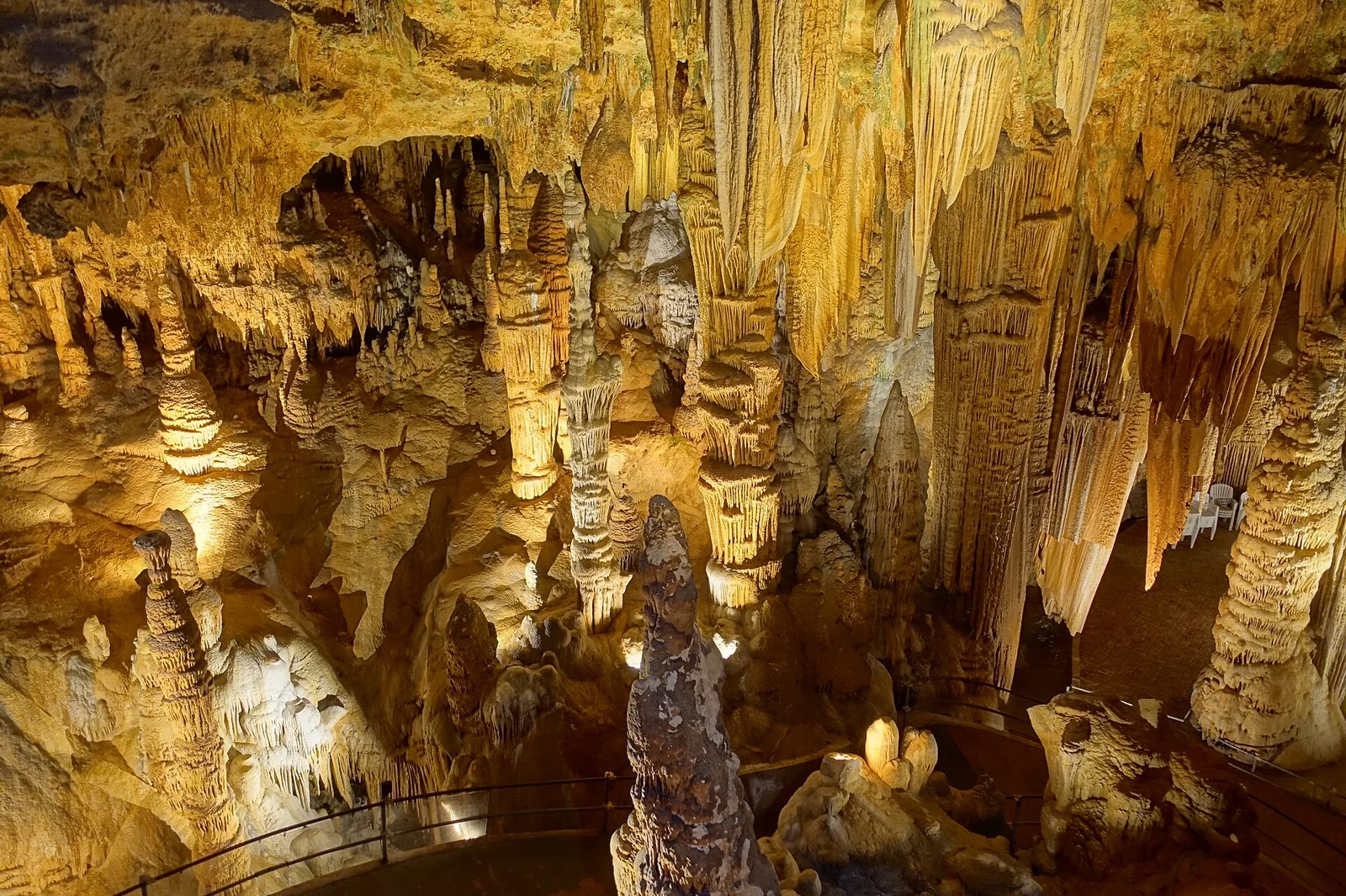
Stalacpipe Organ booth at Luray Caverns — Shenandoah Valley airbnb marketing
Local Color
Stalacpipe Organ booth at Luray
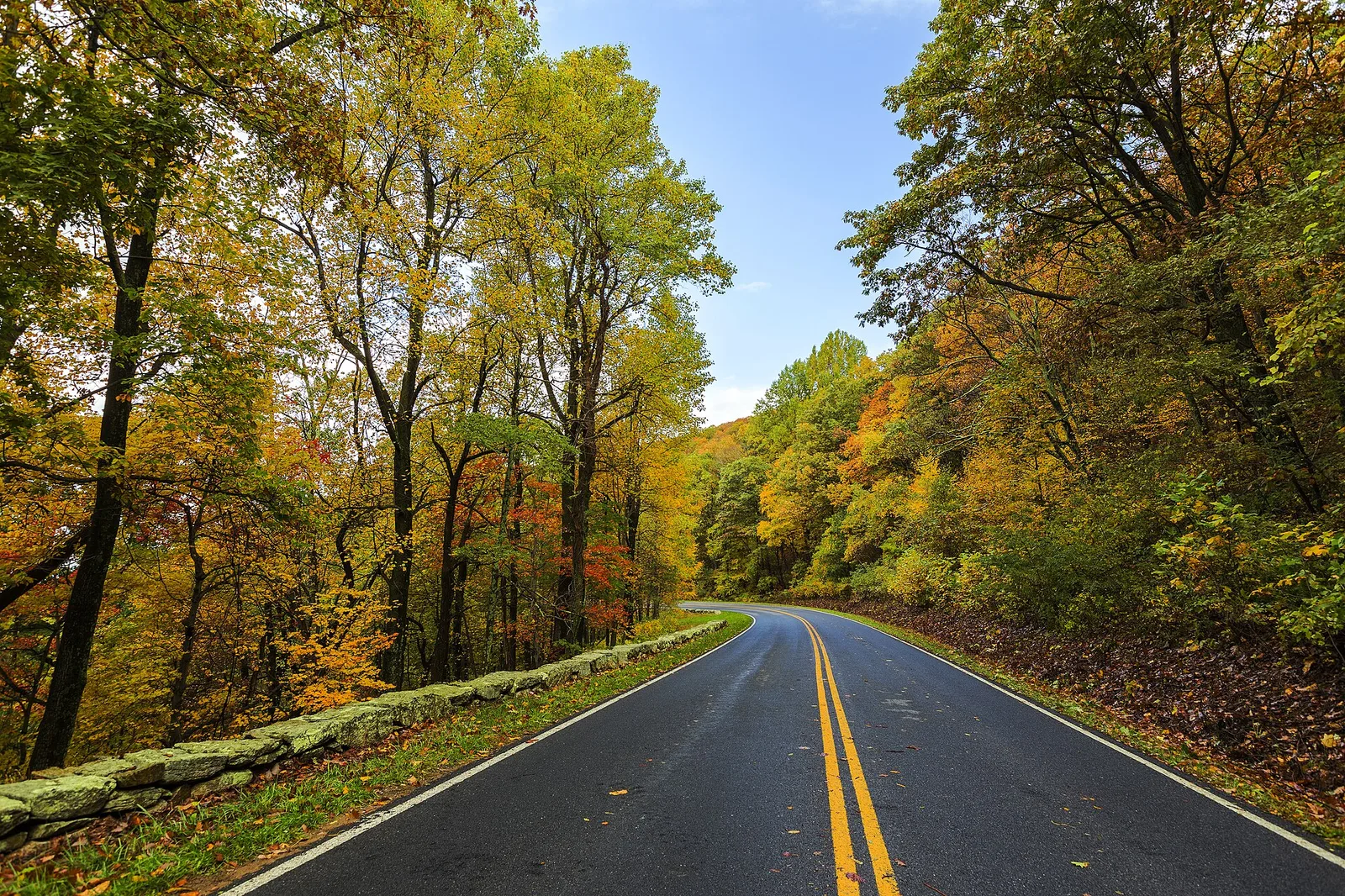
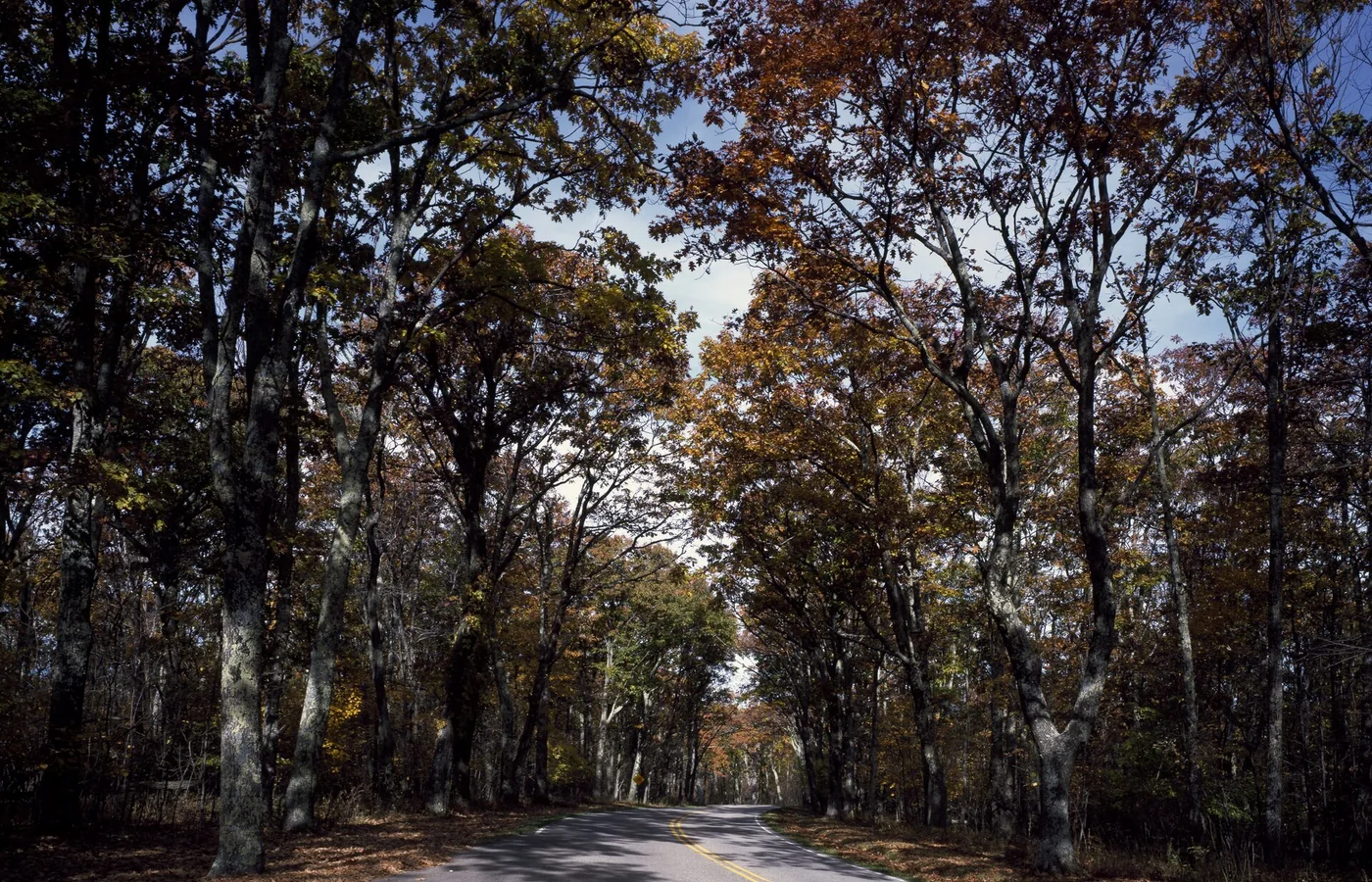
Skyline Drive in the Fall — Shenandoah Valley airbnb marketing
Local Color
Skyline Drive in the Fall
Shenandoah River, aerial — Shenandoah Valley airbnb marketing
Local Color
Shenandoah River, aerial
ShenandoahValley Bear'sDen — Shenandoah Valley airbnb marketing
Local Color
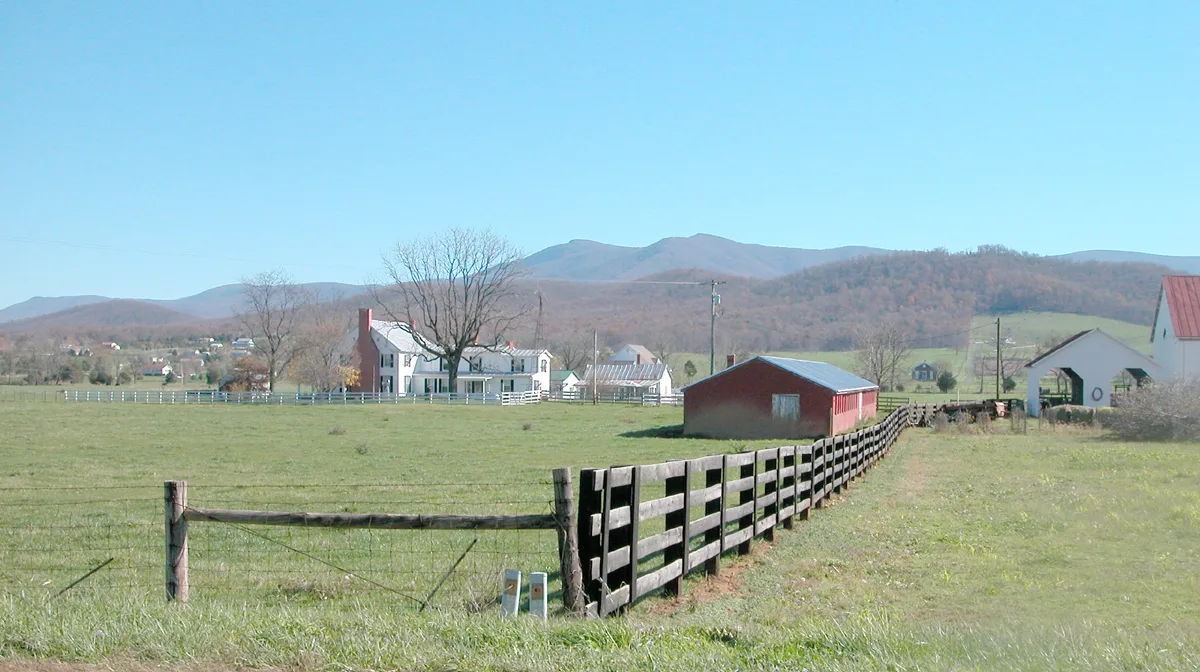
ShenandoahValley Bear'sDen
Why Cavmir

The Cavmir Advantage
in Shenandoah Valley

Cavmir wins in the Shenandoah Valley because this is a formula market where almost nobody executes the formula completely. The guest is searching for a specific evening — hot tub under the stars, fire going, ridge in silhouette — and we shoot exactly that: dusk exteriors, the tub steaming, the view from the deck at golden hour, honest interiors that show where the dog sleeps. We write the specifics that convert cabin guests: minutes to the nearest Skyline Drive entrance, which caverns are closest, where the river tubes go in, what the last mile of gravel is like in the rain. We price the published calendar — every October weekend, Apple Blossom week, summer Saturdays, the winter holiday stretch — and we put the tax-and-registration story in order across county and town lines so the operation is airtight wherever the cabin sits. And because this valley's guests return — the same couples, the same anniversary weekends, the same leaf-season pilgrimages — we build direct-booking websites and repeat-guest programs that turn one October into a decade of them. We help position and market your property. We never manage it or touch your keys.

State of the Industry · History

The Shenandoah Valley STR Market — Past & Present

The Shenandoah Valley has been a corridor for everything America moved: the Great Wagon Road that carried settlers south along what is now Route 11, the armies that made the valley a Civil War battleground — Jackson's 1862 campaign, the VMI cadets at New Market in 1864, Sheridan's burning that same autumn — and, in the twentieth century, the tourists. Two decisions in the 1920s and '30s built the modern visitor economy. In 1878, a tinsmith and a photographer followed a cold draft into a Page County hillside and discovered Luray Caverns, which grew into the largest caverns in the eastern United States and one of Virginia's oldest continuously operating attractions. And in the 1930s, the Civilian Conservation Corps built Skyline Drive along the crest of the Blue Ridge as Shenandoah National Park took shape — a hundred-plus miles of ridge-top road, opened section by section through the decade, that turned the valley's eastern wall into one of the most visited landscapes in the East and made October, when the hardwood canopy turns, the region's defining season.

The cabin economy is the modern chapter. Page County — the valley floor between the park's western boundary and Massanutten Mountain — filled its hollows and riverbanks with rental cabins through the 2000s and 2010s until the General Assembly designated it the official Cabin Capital of Virginia in 2009; hundreds of cabins now operate around Luray alone, alongside the campgrounds and river outfitters of the South Fork. The rules grew locally rather than statewide: Virginia lets localities register and tax short-term rentals, and the valley's counties diverged — Page County's transient occupancy tax climbed to 10%, among the highest county rates in the state, while Warren County (Front Royal, at the park's northern gate) holds 5% and Shenandoah County moved from 2% to 5% in October 2023, with towns like Luray and Front Royal levying their own rates inside their limits. The state wired the platforms into collection in 2022 and rewired the filing duties in 2026. None of it caps the trade; all of it rewards the owner who knows the map. The demand has never been the question — Washington is ninety minutes from the northern entrance, and the leaves turn every year.

Pricing Strategy & Seasonality

Pricing, Seasonality & When to Capture ROI

Pricing Strategy

The rate map runs on views, water and the park's gates. The Luray orbit — Page County's cabin country between Thornton Gap and the South Fork — is the market's heart: hot-tub cabins with Blue Ridge views, riverfront places with tube-launch backyards, and the occasional lodge-scale house, earning the area's strongest rates when the formula (view, tub, fire pit, dog-friendly) is complete. Front Royal and Warren County work the northern entrance and the canoe liveries of the North and South Forks, closest to Washington and strong on quick-escape weekends; Shenandoah County — Woodstock, Edinburg, Mount Jackson, Basye with its small ski hill — is the value corridor along Route 11 and I-81; Stanley and the Hawksbill foothills sell seclusion south of Luray; and the Massanutten resort area runs its own condo-and-house market around the four-season resort. Blended nightly rates run around $290 with occupancy in the mid-40s — cabin economics with low entry prices, where a well-executed $350-a-night cabin and a neglected $180 one may stand a mile apart on the same ridge. October outperforms everything; the difference between a flat calendar and a foliage-priced one is the year's margin.

Seasonality & ROI Windows

The valley runs on weekends with three annual crescendos. Summer brings families to the caverns, the river and the park — steady Friday-to-Sunday trade with full weeks around holidays. October is the sovereign month: every Skyline Drive weekend books the cabin stock solid, and rates should reflect it. Spring builds from March wildflowers to the Apple Blossom Festival's late-April crescendo at the valley's northern end. Winter is the quiet season with a real floor — Massanutten's ski calendar, holiday weeks and hot-tub weekends — and January through March runs the year's lowest occupancy. Midweek is the frontier: remote workers and retirees increasingly fill Tuesdays the old market never sold.

Regulation & Licensing · 2026

What the Law Requires in Shenandoah Valley

The valley's rules are a county-by-county map with town lines drawn through it, so the first task is locating the parcel's actual jurisdiction — then confirming the current requirements with that locality's zoning and commissioner-of-revenue offices and your attorney, because rates and registries here have moved repeatedly. The structure: Virginia law lets localities require short-term-rental registration and lets counties and towns levy transient occupancy tax (TOT) on stays of fewer than 30 days, with a county's tax generally not applying inside a town that levies its own. The valley's spread as of 2026: Page County — the cabin capital — taxes at 10%, among the highest county rates in Virginia after a contested increase, and administers lodging through its zoning framework, where tourist-lodging uses in agricultural and residential districts may need zoning approval; the county has openly debated how to balance cabin growth against housing. Warren County holds 5% with monthly filing; Shenandoah County moved to 5% effective October 1, 2023. The towns — Luray, Front Royal, Woodstock and others — levy their own TOT inside their limits, so a cabin outside Luray and a house on its Main Street file to different offices at different rates.

The state layer: Virginia's retail sales tax applies to accommodations (5.3% in the valley's localities), and since October 2022 accommodations intermediaries — the platforms — must collect and remit both the sales tax and the local TOT on the bookings they facilitate. A 2026 refinement matters operationally: effective January 1, 2026, an owner whose sales run entirely through intermediaries can, by attesting so to the locality, be relieved of filing the TOT returns themselves — but direct bookings put the filing duty squarely back on the owner, so a direct-booking strategy (which we recommend everywhere) comes with a filing calendar here. Zoning is the last layer: several valley counties require permits or conditional approvals for tourist lodging in certain districts, and HOAs on the river and ridge subdivisions restrict privately. No valley locality bans the trade; all of them expect the paperwork. Get current answers in writing — this is the most jurisdiction-fragmented market we cover in Virginia.

Market-Specific Tips & Challenges

Local Tips & Unique Market Challenges

Tips That Actually Move Revenue in Shenandoah Valley

The Shenandoah strategic tip: execute the cabin formula completely, because the guest is buying an evening, not a floor plan. The search that fills this valley is specific — hot tub, view, fire, quiet, dog — and the listing that photographs exactly that evening (tub steaming at dusk, ridge in silhouette, fire lit) outperforms the identical cabin shown as daylight rooms. Everything else is disciplined specificity: minutes to which park entrance, which caverns, where the tubes go in, what the gravel road does in rain. This is a market where the difference between professional and amateur marketing is fully visible in the rate card.

Tactically: first, price October like the peak it is — every weekend of the month, set in advance, with two-night minimums — because foliage demand is the most predictable spike in the Mid-Atlantic and flat calendars donate it annually. Second, build the midweek business: Washington's remote workers book Tuesday-to-Thursday stays the old market never sold, and a work-friendly listing (desk, real wifi speeds stated, coffee setup) captures them at rates that pure weekend cabins miss. Third, name the jurisdiction plainly and keep the tax registration visible — in a fragmented map, the demonstrably legal cabin wins the careful planner. Fourth, market the sky: Shenandoah's dark skies are a genuine product, and a stargazing paragraph with a fire-pit photo converts the anniversary guest. Fifth, run the repeat machinery — leaf-season pilgrims and anniversary couples return on the same weekends every year, and a direct-booking site with a same-weekend-next-year hold plus a September email converts one October into ten. The commission you don't pay in this price band is the difference between a good year and a great one.

Unique Shenandoah Valley Challenges

The honest frictions: this is the most jurisdiction-fragmented market in the region — three counties, multiple towns, diverging rates — and sloppy filings find the wrong office. Page County's 10% TOT must be priced in, winter occupancy is genuinely low, and rural operations mean wells, septic, gravel roads and cell-signal questions that guests ask about. Supply has grown fast in the cabin belt, punishing unmarketed listings, and the housing-versus-tourism debate in Page County means the rules deserve an annual check. This market pays the operator who runs it precisely.

A Curious Shenandoah Valley Fact
The world's largest musical instrument is underground in Page County. In 1956 a Pentagon scientist named Leland Sprinkle began wiring the stalactites of Luray Caverns to soft rubber mallets, tuning the cave itself note by note, and the result — the Great Stalacpipe Organ — plays three and a half acres of stone: press a key in the cavern's Cathedral room and formations hundreds of feet apart ring the melody through the earth. The caverns were found in 1878 by a tinsmith who noticed cold air rising from a sinkhole, and they've been Virginia's underground headliner ever since. Above ground, the valley holds the opposite superlative — some of the darkest night skies within two hours of Washington, which is why the park's meadows fill with stargazers every clear new-moon weekend.
Finance Essentials — Shenandoah Valley
🛡️

Insurance

Rural-cabin underwriting runs on its own questions: wood stoves and fireplaces (the market's signature amenities and its leading claim sources), hot tubs at nearly every property, long gravel drives and their emergency-access implications, wells and septic, and river-adjacent parcels with genuine floodplain exposure along the South Fork — get the flood determination before you offer on anything with a tube launch. Short-term-rental operations need proper STR or landlord coverage rather than homeowner's policies, with liability limits that respect hot tubs, fire pits and dogs. Vacancy freeze risk applies in winter. Premiums are gentle by national standards, one more line in the valley's yield math; use a Virginia broker who writes rural rental property routinely.

🧾

Property & Income Tax

Short stays owe Virginia's retail sales tax on accommodations — 5.3% in the valley's localities — plus the local transient occupancy tax: 10% in Page County, 5% in Warren County, 5% in Shenandoah County (since October 2023), with towns like Luray and Front Royal levying their own rates inside town limits in place of the county's. Platforms must collect and remit both taxes on the bookings they facilitate, and from January 1, 2026, owners whose sales run entirely through intermediaries can be relieved of local filing by attestation — but direct bookings restore the filing duty, so keep the TOT account current if you run a direct channel. Stays of 30 days or more fall outside the transient taxes. Confirm the current rates and mechanics with your accountant; this map has moved twice in three years.

🏦

Mortgages & Financing

The valley is one of the most financeable cabin markets in the East: entry prices sit comfortably inside conforming limits, conventional investment loans and DSCR products both work, and DSCR underwriting credits the documented October-heavy income once the seasonality is explained. The frictions are rural classics — thin comps in the hollows, unique log-and-timber builds that slow appraisals, gravel access and well-and-septic findings that narrow the lender pool, and floodplain determinations on riverfront parcels that move both insurance and terms. Land-plus-build projects price differently and are common in the cabin belt. Local and regional Virginia lenders handle these files better than national desks. The strategic note: low entry plus formula-driven revenue is the whole thesis — buy the view and the tub capacity, and don't over-leverage the winter away.

Future Outlook · 2027 & Beyond

Where Shenandoah Valley is Headed Next

The valley's future is compounding proximity. Washington keeps growing and keeps needing to leave town; the park's visitation runs at historic strength; and the cabin formula travels well into new demand — remote-work midweeks, dark-sky tourism, the wine-and-cider trail maturing along Route 11. Supply will keep growing too, which argues for buying well and marketing professionally rather than counting on scarcity; the licensed, view-equipped, formula-complete cabins will separate further from the commodity stock each year. The regulatory map will keep moving in detail — Page County's housing-versus-tourism debate, town-rate adjustments, the state's filing mechanics — but the direction is registration and taxation, not prohibition. Watch October: as foliage tourism grows region-wide, the valley's most bookable month keeps getting stronger. The durable play into 2027 and beyond is a correctly registered cabin with the formula complete — view, tub, fire, dog — photographed at dusk, priced to the published calendar, with a direct channel holding the anniversary couples and leaf-season pilgrims who return on the same weekends for decades. In the Cabin Capital of Virginia, the owners who treat cabins as a craft will own the category.

From the Desk of Sofie Sinag

Why We Love Marketing in Shenandoah Valley

The Shenandoah Valley is the purest expression of the cabin formula, and we love a market with a formula because execution becomes the entire game. The guest wants one specific evening — hot tub steaming, fire going, ridge going purple, dog asleep on the porch — and every marketing decision either serves that evening or wastes a click. Shooting it properly is some of the most pleasurable photography in the portfolio: this is a landscape of layered blue ridges and golden hollows that gave American scenery some of its founding imagery, and it does half the compositional work itself. The other half is discipline — dusk over daylight, specifics over adjectives, October priced like October — and the valley rewards that discipline faster than almost anywhere, because the comp set mostly hasn't tried.

We also love the valley's honest economics. This is a market where ordinary buyers can still assemble real cash flow — entry prices among the lowest of any market ninety minutes from a major metro, a demand calendar anchored by the most predictable event in the East (the leaves turn every single year), and a growing midweek business as Washington's remote workers discover Tuesday in a hollow. The county-by-county rule map scares off the casual and rewards the precise, which suits us fine. And the Cabin Capital of Virginia is a real designation with a real supply of guests who take it literally — anniversary couples, leaf pilgrims, stargazers — returning on the same weekends for decades. Building the machinery that brings them back direct is the best work in this price band.

Why It Matters

A great property in Shenandoah Valley doesn't just want a listing — it wants a point of view, an audience, and a brand the city itself would recognise.

Cavmir's Shenandoah Valley Cheat Sheet

The Picks We Recommend for Your Welcome Book

A few honest, insider picks for the Shenandoah Valley — the kind of specifics that make a listing read like a local wrote it, because one did. Real places, no filler.

Morning

Dark Hollow Falls before nine

The closest waterfall to Skyline Drive drops seventy feet through mossy greenstone, and in the early hours the trail belongs to deer and photographers — by late morning in October it's a procession. Tell guests to drive up for it first thing; the parking answer is the whole tip.

Golden Hour

Stony Man at sunset

One of the park's easiest summit walks ends on cliffs facing due west over the valley — the ridges layering blue into the distance as the sun drops behind the Alleghenies. It's the definitive Shenandoah photograph and a one-hour round trip from Skyline Drive.

Neighborhood Walk

Luray's Main Street and the Greenway

The cabin capital's county seat in twenty minutes: Main Street's storefronts, then the Hawksbill Greenway following the creek through town — herons, footbridges, the ridge above. It's the errand-day walk that makes the valley feel like a place, not a stop.

Dinner That Photographs

The porch at the Mimslyn Inn

Luray's 1931 grand inn keeps its columned porch and lawn pointed at the mountains, and dinner or a drink there photographs like the valley's golden age. It's the anniversary answer — and the reservation to name for guests celebrating something.

Local Obsession

Route 11 Potato Chips

The kettle-chip factory in Mount Jackson fries in small batches and locals stock up by the case — the valley's edible souvenir and the road-trip stop guests thank you for. A listing that names the habanero debate reads local instantly.

Shoulder Season Secret

November's open views

When the leaves drop, the valley reveals itself — hundred-mile views through bare trees, the year's best stargazing, empty trails and rates at their floor. Sell stick season plainly to couples and photographers: the same cabin, the biggest sky, half the calendar pressure.

Weekend Escape

Winchester's Old Town

At the valley's northern end: a pedestrian mall of eighteenth-century blocks, the Patsy Cline Historic House, and the apple-country roads that host the valley's great spring festival. It's the half-day trip that adds history to a nature week.

What Guests Ask For

The gravel, the signal and the dog

Valley inquiries repeat five questions: what the last mile of road is like (and whether the sedan makes it), how real the wifi is, whether the hot tub is private, how far the park entrance is, and whether the dog can come. Answer all five in the listing and the booking arrives without a message.

Local Work · Composite Case Vignettes

What Cavmir Has Done for Shenandoah Valley Properties

A few composite engagements drawn from how Cavmir typically works in this market. The details are illustrative and consistent with the Shenandoah Valley, not pulled from a single named client.

View cabin · outside Luray
The Brief

A cabin with a genuine Blue Ridge panorama and a hot tub under the stars was marketed with noon photos of empty rooms, a flat rate through October, and copy that said "mountain views" without showing or pricing them.

What We Did

Cavmir shot the formula at dusk — tub steaming, fire lit, ridge in silhouette — rewrote the listing around the evening the guest is actually buying plus the five logistics answers, priced every October weekend in advance with two-night minimums, and added a stargazing story for the new-moon weekends.

The Result

October booked out well ahead at rates the cabin had never earned, the anniversary couples the photography now spoke to became the review base, and the same guests began holding their leaf weekend for the following year direct.

Riverfront cabin · Warren County
The Brief

A cabin on the South Fork with its own tube launch ran a weekend-only business — empty Tuesdays, no work-from-cabin story, and river specifics (put-ins, outfitters, water levels) missing from a listing on a river famous for exactly that.

What We Did

Cavmir built the midweek product — stated wifi speeds, a real desk shot, quiet-Tuesday copy aimed at Washington's remote workers — completed the river answers with outfitter names and float times, priced summer Saturdays properly, and set up a direct page for the annual float-trip groups.

The Result

Midweek nights turned from dead calendar into found revenue, the river groups booked next summer's float before leaving, and the cabin's occupancy curve flattened into something the owner could finance against.

Four-cabin portfolio · Page County
The Brief

A family running four cabins across county and town lines had a compliance tangle — different tax offices, platform-collected taxes assumed rather than verified — and four OTA listings paying commissions on a repeat-heavy guest base.

What We Did

Cavmir straightened the jurisdiction map cabin by cabin, made the registrations and tax standing visible in each listing, built a small portfolio brand with a direct-booking website, unified the dusk-formula photography, and launched a repeat-guest email keyed to foliage-booking season.

The Result

The filings landed in the right offices at the right rates, the leaf-season regulars moved onto the direct channel within two Octobers, and the portfolio began operating as one business with four calendars instead of four accidents — margin up, risk down, in the state's cabin capital.

Market Intelligence · Seasonality

Airbnb seasonality in Shenandoah Valley, month by month

Demand in Shenandoah Valley peaks around October and runs quietest around January. Here is how the year actually books — and what to do about each stretch of the calendar.

Peak demandSteadyQuiet

Peak season

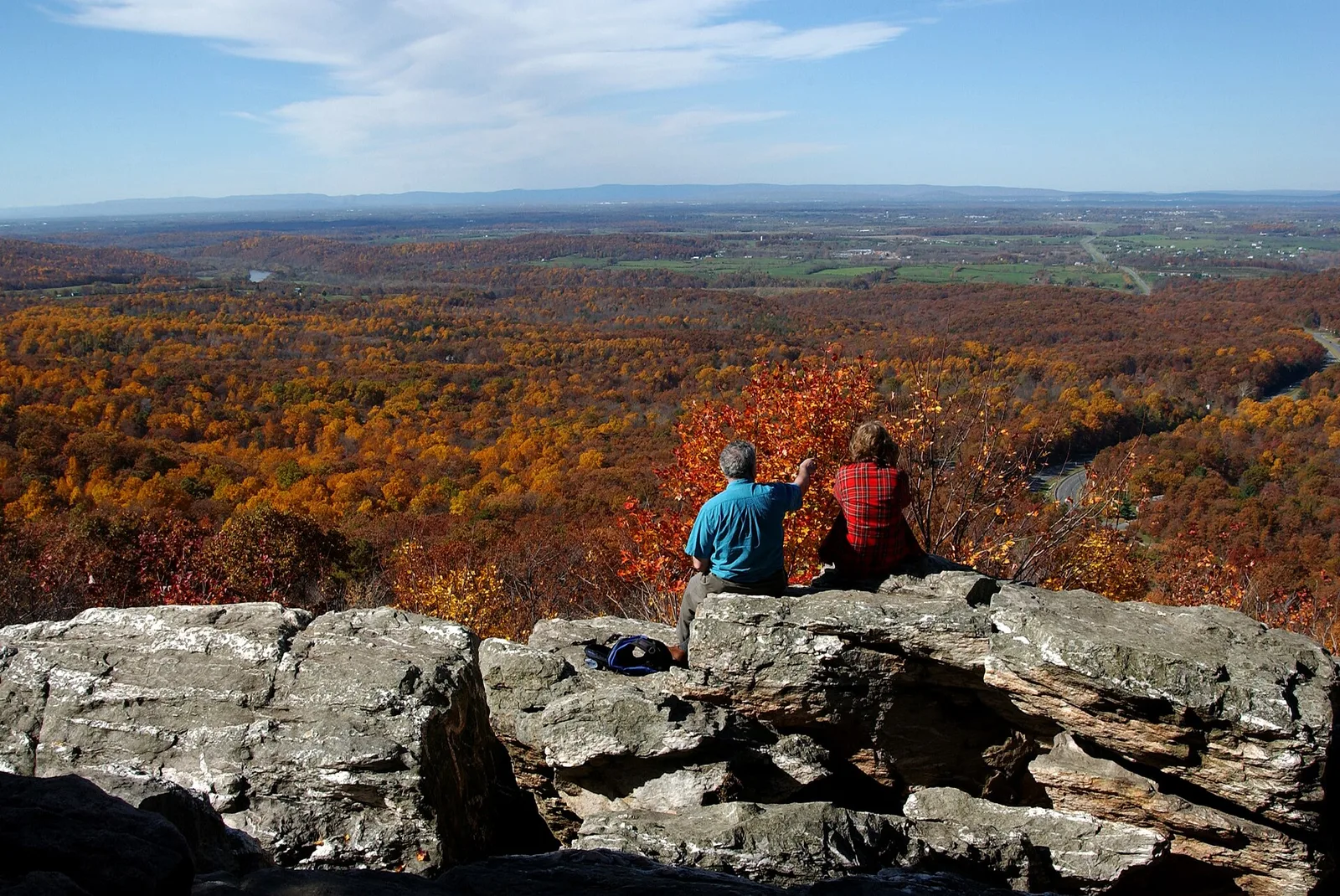
October is the summit of the year. Fall foliage along Skyline Drive turns every weekend into a sellout, cabins with views book out far ahead, and rates hold firmer than at any other point on the calendar. Have your fall photography ready and your October pricing set by midsummer, because leaf-season guests plan early and the prime weekends go to the listings that look ready first.

The shoulders

May through September runs strong and steady rather than spiking: hikers, wine-trail travelers, caverns visitors and summer families keep weekends full at sensible rates. Late April brings the Apple Blossom Festival crowds to the northern valley, and the Orkney Springs concert series adds summer weekend texture. The play is consistency, with weekends priced firmly, midweek kept attractive for remote workers, and event dates handled individually.

The quiet stretch

January through March is the honest quiet season, when the mountains are brown and the trail crowds thin. Winter is for couples chasing a hot tub, a fire and no cell signal, so lean into the cozy-cabin story, keep rates flexible, and use the stillness for maintenance, photo refreshes and listing updates before spring hiking season wakes the calendar up.

Dates that fill first

Fall foliage on Skyline DriveOctober
Peak color turns Shenandoah National Park's busiest month into the valley's defining demand event, and view cabins near the park entrances sell out first. Price every October weekend as a premium date.
Shenandoah Apple Blossom Festivallate April into early May
Winchester's ten-day festival pulls large crowds into the northern valley with parades and dozens of events. If you're within reach, price the run as its own event and flag the drive time.
Shenandoah Valley Music FestivalJuly through Labor Day weekend
The summer concert series at Orkney Springs gives specific weekends a reliable draw of day-trip-plus-overnight guests. Watch the lineup and price show weekends individually.
Page Valley Fairlate August
Luray's county fair week layers local and regional traffic onto late summer in the heart of cabin country. It's a reason to hold rates steady into the end of August.
Market Intelligence · Guests

Who books Shenandoah Valley Airbnbs — and how far ahead

Washington-area hikers and weekenders
The core guest: out of the city Friday, on a trail Saturday morning. They book on proximity to a park entrance, a hot tub and a view, and they come back seasonally when the first stay lands.
Fall leaf-peepers
October couples and friend groups plan early and shop almost entirely on the view. A deck facing the mountains, a fire pit and honest photos of the foliage window win these bookings.
Wine and cider trail travelers
The valley's wineries, cideries and small towns draw couples who want a scenic base between tastings. They care about charm, privacy and a good breakfast setup more than bed count.
Families doing caverns and parks
Luray Caverns, the national park and roadside Americana make this a classic family loop. They want space, a real kitchen, laundry and something for kids to do at the cabin.
Remote workers on a mountain reset
Midweek stays from people who just need wifi and a porch. Reliable internet and a workspace turn your quietest nights into bookings.

The booking window

October fills furthest ahead, with prime foliage weekends often locked by late summer. Spring and summer weekends firm up a few weeks out, and winter is largely last-minute, driven by weather and impulse. Practically, your fall calendar and pricing need to be dialed by July, while the rest of the year rewards responsive rates.

Typical stays

The two-night weekend is the backbone, stretching to three nights in October and around holidays. Summer families book longer loops through the region, and midweek remote-work stays are a small but growing segment for cabins with dependable wifi.

Where guests drive from

Washington DCRichmondCharlottesvilleBaltimorePhiladelphia

Where guests fly from

New YorkBostonChicagoAtlanta
The valley is DC's mountain escape first and everyone else's second, with Richmond, Charlottesville and Baltimore adding steady weekend flow down I-81 and I-66. Fly-in guests are the exception and route through the Washington airports or Charlottesville. Geo-targeted ads toward the DC metro, timed to late summer when people plan leaf season, are the efficient play.
Market Intelligence · What Wins

The Airbnb that wins in Shenandoah Valley

The Shenandoah winner is a cabin or A-frame with a genuine mountain view, a hot tub on the deck and enough seclusion that guests feel like they have the ridge to themselves, ideally within a short drive of a park entrance at Luray, Front Royal or Stanardsville. This is a feeling-first market: guests are buying the porch, the stars and the quiet. Modern-cabin interiors photograph best, but the view does the selling.

Amenities that move bookings here

hot tubmountain viewsfire pitfast wifipet friendlywell-equipped kitchenstargazing deck or porchev charger
If you do one thing in this market, make the hot-tub-with-a-view shot your first photo, taken at golden hour in peak color if you can get it. That single image is what Shenandoah guests are scrolling for, and it carries the whole listing.
Straight Answers

Shenandoah Valley Airbnb marketing questions, answered

How do I market my Airbnb in the Shenandoah Valley?

Sell the feeling first: photography that leads with the view, the hot tub and the porch, and listing copy that names your distance to the nearest Skyline Drive entrance, trailheads and wineries. Price October like the premium event it is instead of letting it ride the summer rate. From there, a Google Business Profile gets you found in map searches for cabin stays, and a simple direct-booking site captures the DC couples who come back every season. That's the stack Cavmir builds for Shenandoah hosts, and the repeat-guest math is what makes it pay.

When is peak season for Shenandoah Valley Airbnbs?

October is the clear peak, when fall foliage along Skyline Drive sells out view cabins weeks or months in advance. May through September runs strong and steady on hiking, wine trails and family trips, with late April's Apple Blossom Festival spiking the northern valley. January through March is the quiet, cozy-season stretch.

How far in advance do guests book Shenandoah Valley Airbnbs?

Foliage season books earliest, with prime October weekends often gone by late summer, so your fall calendar needs to be dialed by July. Spring and summer weekends fill a few weeks out, and winter stays are mostly spontaneous, moving with the weather. Responsive pricing catches more of the year here than early-bird demand does.

Where do most Shenandoah Valley Airbnb guests come from?

Washington DC dominates, with Richmond, Charlottesville, Baltimore and Philadelphia feeding the rest of the weekend traffic down I-81 and I-66. Fly-in guests are rare and come through the Washington airports or Charlottesville. For ads, the DC metro in the late-summer planning window is usually the only target you need.

What amenities matter most for a Shenandoah Valley Airbnb?

The hot tub with a view is the defining amenity, and a fire pit under dark skies is right behind it. Fast, reliable wifi matters more than it looks because remote workers extend stays and cell service is spotty in the hollows. Pet-friendliness wins the hiking crowd, and an EV charger is an easy differentiator for the DC guests making the drive.

Free Tools · Websites That Book

See what your listing in the Shenandoah Valley is leaving on the table

Run your Airbnb, Vrbo, or website through Cavmir's free grader. It checks the things that decide whether guests book in the Shenandoah Valley — photos, listing copy, page speed, local search — and shows you where bookings leak. Takes about a minute, and there's no sales call attached.

If the report says your booking engine is the weak link, that's fixable: a direct-booking website of your own means repeat guests stop paying platform fees to come back to you. That's the work Cavmir does — see Airbnb website design in the Shenandoah Valley.

What the grader measures

  • Photos and the first-impression frame
  • Listing title and copy
  • Your direct-booking website (or the lack of one)
  • Page speed and mobile experience
  • Local search and Google visibility
Grade My Listing — Free
Ready to Grow in Shenandoah Valley?

Let's Put Your Shenandoah Valley
Property on the Map

Talk to Cavmir today. We'll show you exactly what your Shenandoah Valley property is leaving on the table — and how fast we can change that.

Book a Free Strategy Call