$515
Avg. Nightly Rate
40%
Avg. Occupancy Rate
$2,400
Avg. Monthly Revenue
5-8%
Est. Cash-on-Cash ROI
HIGH
Seasonality
LIGHT
Regulatory Burden

* Market averages. Properties marketed by Cavmir typically exceed these figures by 25–45%. Data sourced from AirDNA, STR market reports, and Cavmir internal analytics.

The Market

Why Snowshoe is One of the World's Premier STR Markets

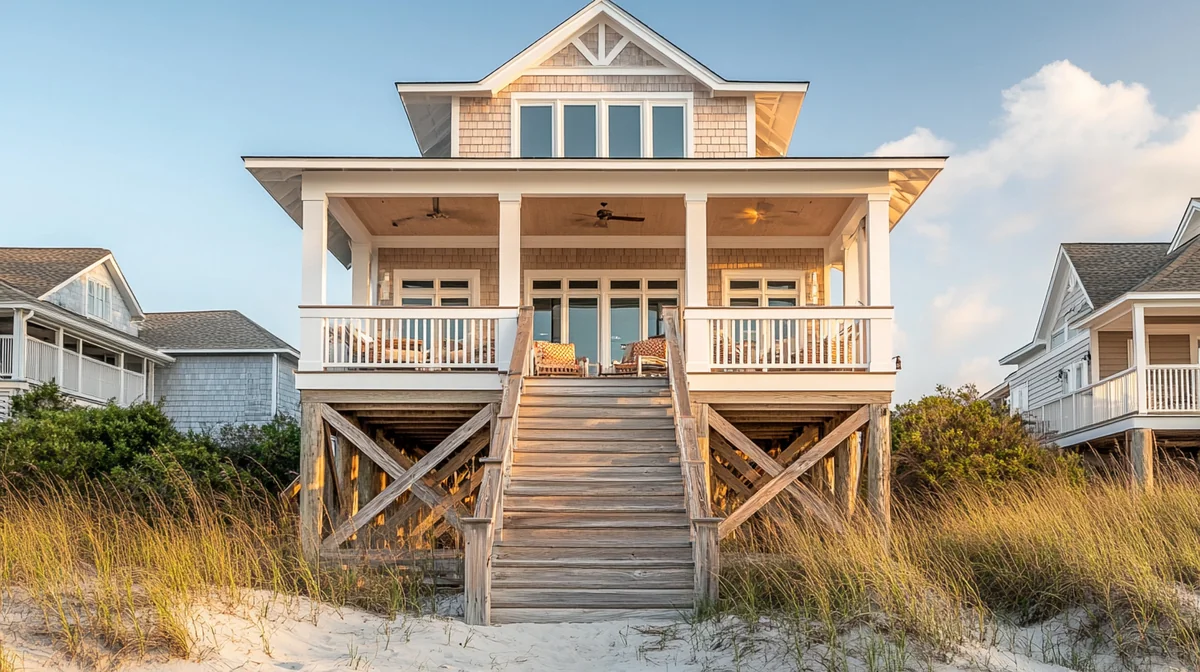
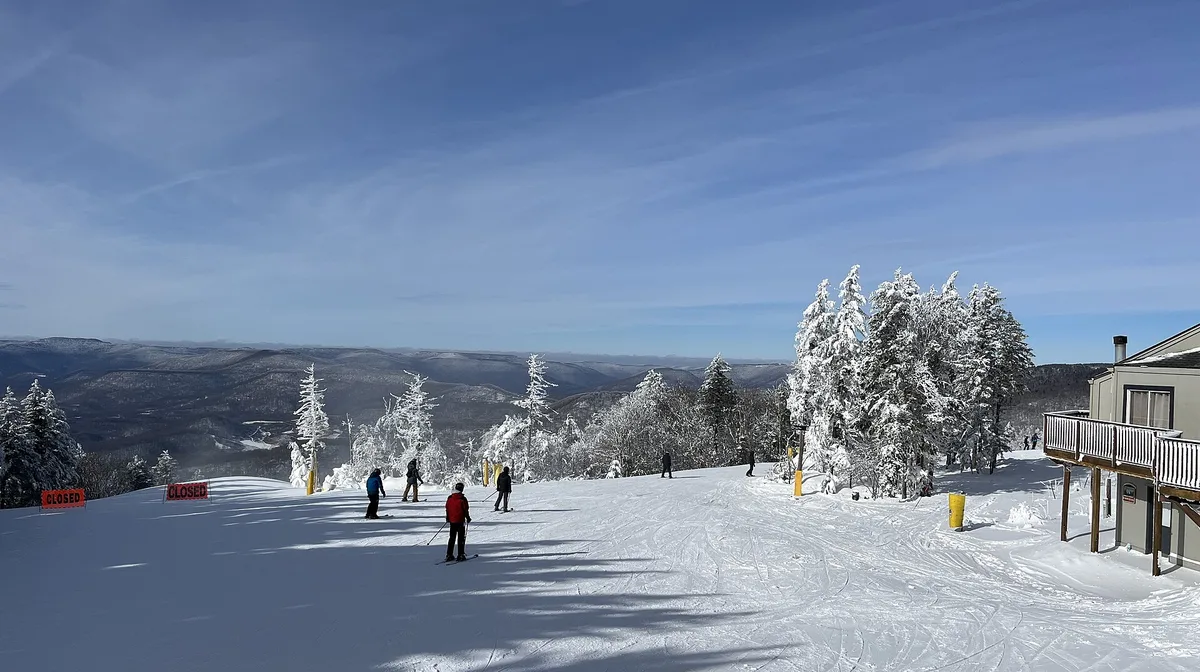
Snowshoe is the Southeast's ski capital, built upside down: the village sits on top of the mountain at 4,848 feet in Pocahontas County, West Virginia, and the signature runs — Cupp Run and Shay's Revenge, with 1,500 feet of vertical — drop off the western rim below it. Founded in 1974 on logged-over high country and owned today by Alterra Mountain Company, the resort anchors the Ikon Pass's mid-Atlantic outpost and pulls its winter from a huge drive map: Washington, Pittsburgh, Richmond, Charlotte and half the South. Summer built a second identity around the lift-served Snowshoe Bike Park — the mountain has hosted UCI World Cup finals — plus the GNCC races in June and a July festival stretch headlined by the 4848 Festival. The setting is the deep end of Appalachia: Pocahontas County calls itself the Birthplace of Rivers, the Cass Scenic Railroad runs Shay steam locomotives up Bald Knob half an hour away, and the Green Bank Observatory down the valley — home of the world's largest fully steerable radio telescope — sits inside the National Radio Quiet Zone, which is why cell service on the mountain is limited and engineered to point away from the telescope. Most of the lodging is condos, many inside the resort's own rental program — and the independent owner who markets outside that pool, honestly and well, has structural advantages this page is about.

Snowshoe is a winter market with a growing summer and honest silence in between. December through March makes the year: holiday weeks and the January-February weekend core run at the year's peak rates, driven by a Southeast guest who books around snow reports and school calendars, with Presidents Day the busiest stretch of all. Summer has become a real second season — bike park weekends, June's GNCC crowd, and the July festival run when the village fills for 4848 and Blues and Brews — while April-May and late October through Thanksgiving are deeply quiet, and smart owners plan for it rather than fight it. Blended numbers run around $515 a night with occupancy near 40% across more than a thousand listings — a rate skewed by big mountain homes and holiday pricing, over a calendar with true peaks and true troughs. The market splits three ways: walk-to-lift village condos compete on convenience inside a sea of near-identical listings; mountain homes with hot tubs and real parking own the group and family trade; and valley properties at Slatyfork and along Route 219 sell value and quiet. Because so many units sit inside the resort's rental program with interchangeable photography, an independently marketed property with its own photos, its own pricing and its own guest list doesn't just compete here — it stands out immediately.

Top Attractions & Landmarks

  • Snowshoe Mountain and the Western Territory
  • Snowshoe Bike Park
  • Cass Scenic Railroad State Park
  • Green Bank Observatory
  • Highland Scenic Highway
  • Raven Golf Club
  • Shavers Lake

Nearby Markets: New River Gorge  |  Deep Creek Lake  |  Shenandoah Valley

Airbnb marketing services in Snowshoe, West Virginia, USA
Postcards

Snowshoe through the lens

A few of the visual fingerprints we lean into when we shoot, brand and market a Snowshoe property — courtesy of the open Wikimedia Commons archive.

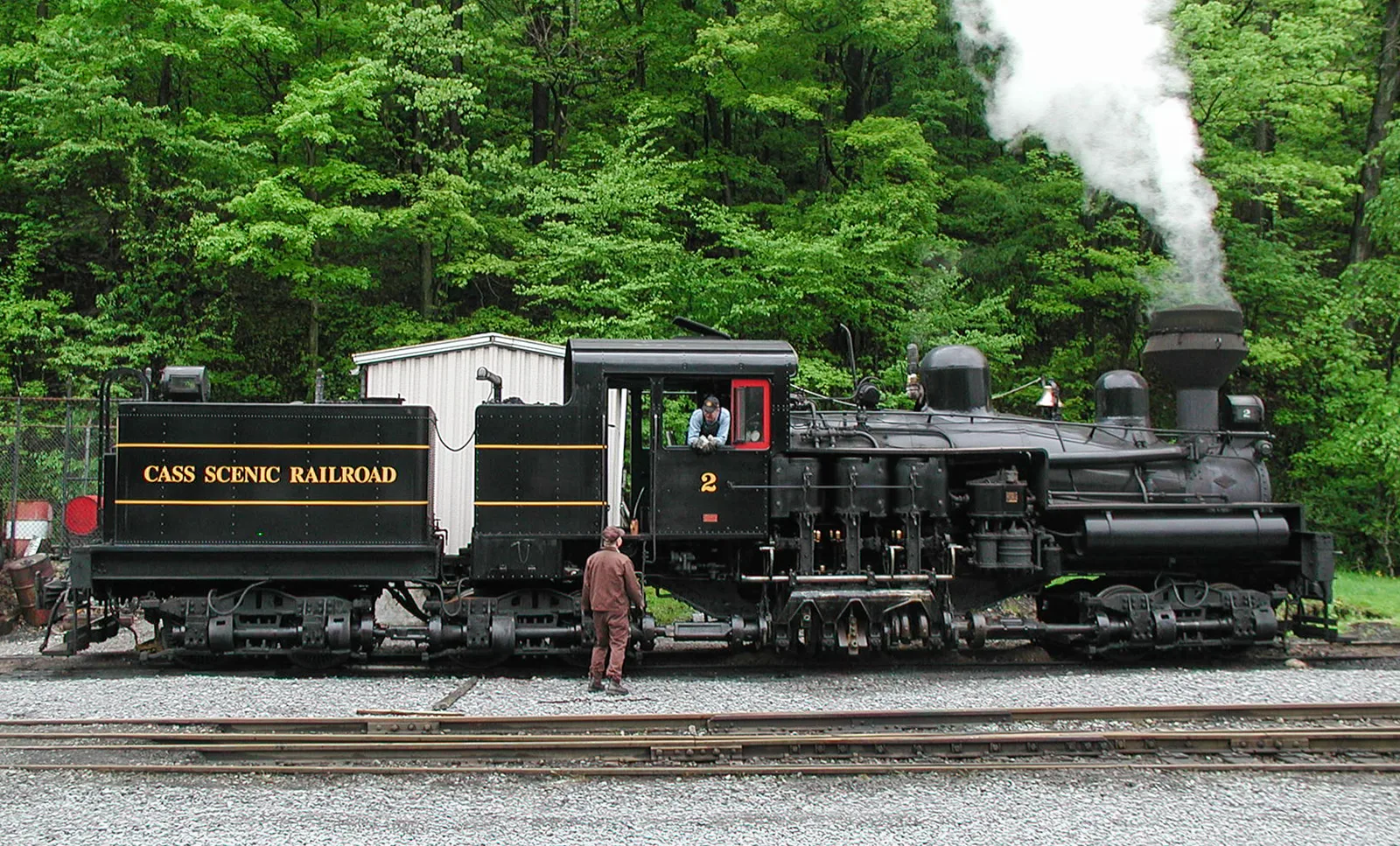
2003 05 16 Cass RR Shay Engine, Cass, WV USA — Snowshoe airbnb marketing
Local Color
Cass RR Shay Engine, Cass,
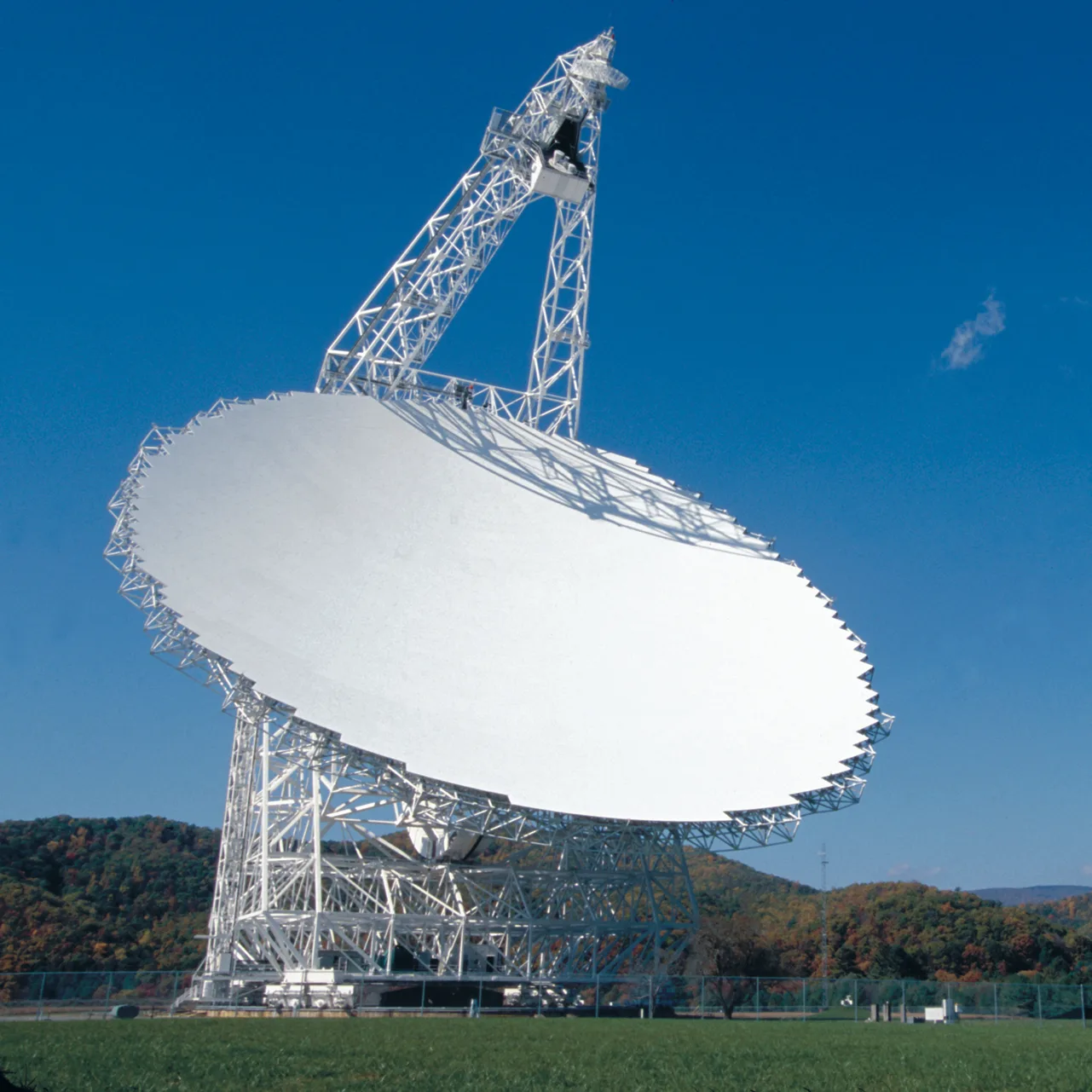
Green Bank Telescope NRAO — Snowshoe airbnb marketing
Local Color
Green Bank Telescope NRAO
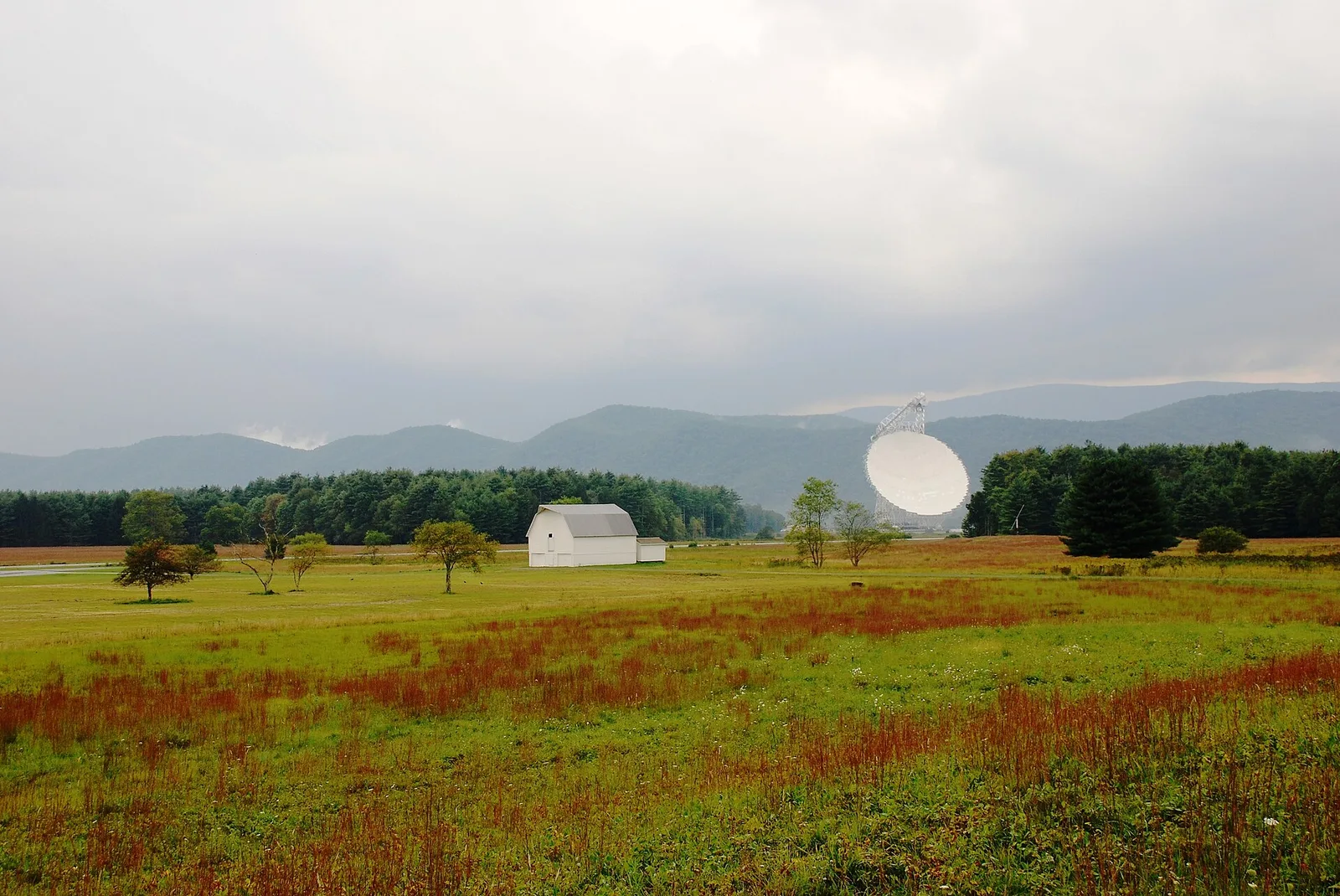
Green Banks GBT 4 — Snowshoe airbnb marketing
Local Color
Green Banks GBT
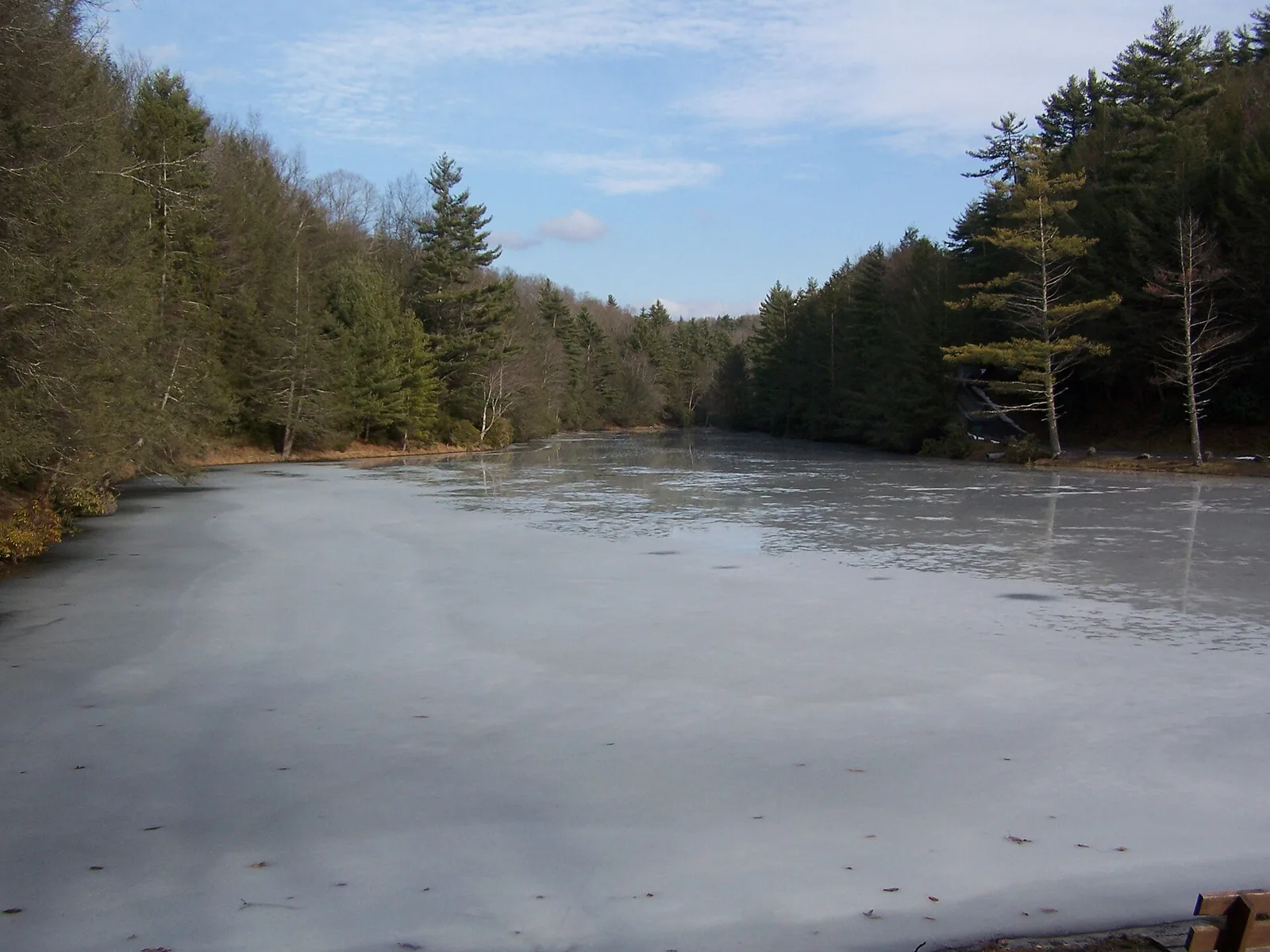
Seneca State Forest — Snowshoe airbnb marketing
Local Color
Seneca State Forest
Why Cavmir

The Cavmir Advantage
in Snowshoe

Cavmir wins at Snowshoe because most of this market's listings look identical and can't help it. Program units share photographers, templates and rate logic, which means an independent owner who invests in presentation is differentiated the day the photos go live. We shoot the property like the trip guests are imagining — hot tub steaming over a snowbank, the village lit at blue hour, bikes racked on the deck in July — and we write the copy this specific mountain requires: honest wifi speeds and the cell-service reality of the Quiet Zone, parking and shuttle logistics, ski storage, what the drive up Route 66 is like in a storm. We price the real calendar — holiday and Presidents weeks at their true worth, GNCC and festival weekends as the premium products they are, shoulder seasons honestly — and we send every arrival detail before guests leave home, because confirmation texts don't always land on the mountain. Then we build the direct channel: Snowshoe's Southeast families return every winter for decades, and an owner with a fast website, a guest list and a September snow-season email rebooks them commission-free while program units wait for walk-ins. We help position and market your property. We never manage it or touch your keys.

State of the Industry · History

The Snowshoe STR Market — Past & Present

Snowshoe stands on a mountain that logging emptied and skiing refilled. A century ago this was Shay-locomotive country: the town of Cass, down the valley, was built in 1901 as a company town for the timber operation whose geared steam engines hauled spruce off Cheat Mountain until the high country was cut over and the jobs moved on. The state bought the railroad in 1961 and turned it into Cass Scenic Railroad State Park, where the same Shays still climb to Bald Knob — at 4,842 feet the third-highest point in West Virginia — hauling tourists instead of logs. The ski idea arrived in 1974, when Dr. Thomas Brigham, the Alabama dentist who had already pioneered Southern skiing in North Carolina, opened Snowshoe on the logged-over summit with a design that still defines it: the village on top, the runs falling away below, and the signature Cupp Run dropping 1,500 vertical feet off the western rim. The resort survived a rocky first decade, grew through the eighties and nineties, and was transformed after Intrawest bought it in 1995, building the pedestrian village that gave the mountain its year-round center. When Intrawest's resorts became Alterra Mountain Company in 2018, Snowshoe joined the Ikon Pass map as its mid-Atlantic anchor.

The summer identity is newer and real: lift-served downhill riding grew into the Snowshoe Bike Park, the mountain hosted UCI World Cup finals in 2019, 2021 and 2022, the GNCC off-road races return each June, and the 4848 Festival — named for the village elevation — headlines a July concert calendar. All of it happens inside one of America's strangest overlays: the National Radio Quiet Zone, established in 1958 to protect the radio astronomy at Green Bank down the valley, which is why cell towers here are few, low-power and aimed away from the telescope. The mountain that once shipped its trees out by steam now sells silence, snow and gravity — and fills more than a thousand rental listings doing it.

Pricing Strategy & Seasonality

Pricing, Seasonality & When to Capture ROI

Pricing Strategy

The rate map is a map of convenience versus character. The village core — Rimfire Lodge, Allegheny Springs and the walk-to-lift buildings around the plaza — carries the convenience premium: ski-out access, restaurants downstairs, and the deepest competition, because hundreds of near-identical units share the same photography and the same rate logic inside the resort's rental program. Mountain homes off the village — big timber builds with hot tubs, fire pits and real parking — own the group and multi-family trade and set the market's top rates on holiday weeks. Silver Creek, the mountain's second pod, trades a tier below the core village with family loyalty and night-skiing convenience. The valley — Slatyfork, Linwood and the Route 219 corridor — is the value entry: cabins and farmhouses at a fraction of mountain pricing, selling quiet, fly fishing on the Elk, and a scenic half-hour drive to the lifts. Blended numbers run around $515 a night at roughly 40% occupancy — a rate skewed upward by big homes and holiday pricing across a calendar with true troughs. The pricing discipline that wins: holiday and Presidents weeks at their full worth, January-February weekends firm, GNCC and festival weekends priced as the premiums they are, and shoulder months managed honestly with midweek and long-stay rates rather than denial.

Seasonality & ROI Windows

A sharp winter peak, a real summer, and honest silence between. December through March makes the year — holiday weeks, then the January-February weekend core, with Presidents week the summit and storm cycles driving short-notice surges. Summer runs June through Labor Day on the bike park, GNCC in late June and the July festival stretch, strongest on weekends. Early October brings color season and Cass excursions. April-May and late October through Thanksgiving are deeply quiet: plan maintenance, hot-tub service and the photo refresh there, and court long stays rather than chasing rates.

Regulation & Licensing · 2026

What the Law Requires in Snowshoe

Snowshoe's rulebook is light on permits and specific about money — navigable in an afternoon, then worth confirming with the county and the district, because layers here are unusual. There is no state or county short-term-rental permit: unincorporated Pocahontas County imposes no municipal layer, and West Virginia's requirements are foundational — a business registration certificate from the State Tax Division (a modest one-time fee per location) before you operate, then tax collection. Two lodging taxes apply: West Virginia's 6% sales tax and Pocahontas County's 6% hotel occupancy tax, which funds the county's tourism engine. Since a 2021 state law, booking platforms collect and remit occupancy tax on the stays they facilitate; direct bookings are yours to collect and remit to the county, and the sales tax follows the same split — platforms handle theirs, your own bookings run through your state account.

The mountain adds a third layer most markets don't have: the Snowshoe Resort Community District, the state-authorized district that governs services on the mountain, levies a 2% resort service fee on lodging rentals of 30 days or less within its boundaries, filed monthly by the 20th — late filings draw penalties and interest, so put it on the same calendar as the county remittance. Beneath the public rules sits the private layer that actually shapes operations: building associations and covenants govern rental logistics in the village — front-desk buildings, parking allocations, hot-tub rules — and owners choosing between the resort's rental program and independent marketing should read their association documents before building the plan, because the program is optional but the covenants are not. Life-safety basics, honest occupancy and winter-access planning complete the file. As of 2026 it is a friendly framework that rewards the organized — verify current rates and boundaries with the county and the district before you list.

Market-Specific Tips & Challenges

Local Tips & Unique Market Challenges

Tips That Actually Move Revenue in Snowshoe

The Snowshoe strategic tip: communicate like the cell service doesn't exist, because sometimes it doesn't. The Quiet Zone is real — coverage on the mountain is limited and directional, and the drive up loses signal entirely in stretches — so the owner who sends complete arrival details before guests leave home (directions, door codes, parking pass logistics, the wifi password) delivers a smooth check-in while competitors field panicked messages that arrive hours late. Then turn the constraint into the pitch: fast, honest in-unit wifi plus the invitation to actually unplug is a better marketing story than pretending the mountain is somewhere it isn't.

Tactically: first, escape the program look — hundreds of village units share identical photography, so one professional shoot (hot tub steaming over the snowbank, the village at blue hour, bikes racked in July) differentiates you instantly. Second, price the published calendar: holiday and Presidents weeks, the GNCC and festival weekends, storm-cycle surges — dated demand that flat rates donate. Third, write winter logistics copy that reads like a local: which parking lot, how the shuttle runs, where skis dry, what Route 66 is like in a storm and why the drive is worth it. Fourth, build the summer file most owners skip — secure bike storage, a hose-down station and festival-week minimums put real revenue in months the ski-only listings sleep through. Fifth, sell the valley day trips — Cass's steam run to Bald Knob, the Green Bank Observatory tour, the Highland Scenic Highway — because they convert the on-the-fence family. And sixth, build the direct channel: Southeast ski families return for decades, and a September snow-season email to last winter's guest list rebooks them commission-free.

Unique Snowshoe Challenges

The trade-offs are structural: the fee stack — association dues, resort amenities, the 2% district fee on top of 12 points of tax — compresses net margins and belongs in every underwriting model. Occupancy near 40% reflects true shoulder-season silence, not a marketing failure to fix. Winter access is a weather event: storms that fill the calendar also test guests' driving and owners' communication. Village listings fight commodity sameness, and the covenants that protect the place also constrain it. This mountain pays owners who plan for all of it — and punishes optimists.

A Curious Snowshoe Fact
Snowshoe sits inside the quietest airspace in America. The National Radio Quiet Zone — 13,000 square miles established in 1958 across the Virginias — exists to protect the Green Bank Observatory down the valley, home of the world's largest fully steerable radio telescope, an instrument so sensitive it can detect the energy of a single snowflake hitting the ground. Radio transmissions are restricted across the zone; around the telescope itself, wifi and cell signals are policed, and Green Bank became famous as the town without cell phones, drawing so-called wifi refugees from across the country. Snowshoe's towers are engineered low-power and directional, aimed away from the dish — which is why guests lose their bars on the drive up, and why a mountain village at 4,848 feet can credibly market something almost extinct in American travel: a place where the phone actually stops.
Finance Essentials — Snowshoe
🛡️

Insurance

Insure for altitude and occupancy type. Village condos start with the association's master policy, but the gap is yours: an HO-6 owner's policy with a proper short-term-rental endorsement (or a dedicated STR policy) covering the unit interior, liability of at least $1 million, and loss-of-income language that matches a winter-weighted calendar. Mountain homes carry the fuller file: snow load and ice dams at 4,800 feet, frozen-pipe protection for midweek-empty houses (leak sensors and documented winterization pay for themselves), hot tubs — the amenity underwriters ask about first — fireplaces with cleaning records, and documented plowing for private drives. Confirm how the policy treats ski-season guests, and if bikes and gear storage are advertised, say what's covered and what isn't. A broker who writes resort condos in the Virginias will place all of it routinely.

🧾

Property & Income Tax

The Snowshoe stack has three layers: West Virginia's 6% sales tax, Pocahontas County's 6% hotel occupancy tax, and the Snowshoe Resort Community District's 2% resort service fee on lodging of 30 days or less within the district — roughly 14 points all-in, which belongs in the rate card rather than the margin. Since 2021, platforms collect and remit the occupancy and sales taxes on the stays they facilitate; direct bookings run through your own state account and county remittance, and the district fee files monthly by the 20th regardless of channel — with late penalties for the forgetful. The foundation is the state business registration certificate. Rental income then faces federal and West Virginia income tax. Rates and boundaries can move; confirm the current stack with the county, the district and your accountant.

🏦

Mortgages & Financing

Snowshoe financing sorts by product, and the village's convenience is the lender's complication. Many plaza buildings run front desks, rental programs and resort amenities — classic condotel characteristics that push conventional lenders away and route buyers toward portfolio, DSCR or specialty condotel paper at somewhat higher rates and larger down payments; a warrantability check belongs before the offer, not after. Mountain homes and valley properties lend conventionally as second homes or investments, and DSCR files read well when the winter-weighted income history is documented. Two Snowshoe-specific notes: association dues and the fee stack belong inside any DSCR calculation, because they move the ratio materially; and entry prices — village studios trade at figures most resort markets abandoned a decade ago — keep the absolute math accessible even where the financing is specialist. Regional banks in West Virginia and Virginia know these buildings by name and close what national desks won't.

Future Outlook · 2027 & Beyond

Where Snowshoe is Headed Next

Snowshoe's future is Alterra capital meeting Southeast demographics. The Ikon Pass keeps feeding new skiers to the mid-Atlantic anchor, the drive markets — Washington, Charlotte, Richmond, Pittsburgh, Atlanta beyond — keep growing, and the resort's investment cadence (snowmaking, lifts, village renewal) continues under an owner with deep pockets. Summer is the growth story: the bike park's reputation is national, the festival calendar keeps thickening, and every July booking diversifies a calendar that once depended entirely on snow — the honest hedge in a warming East, alongside Snowshoe's elevation and snowmaking advantages over every competitor south of the Poconos. Watch three files: the district's fee and service decisions, association rulebooks as buildings age and renovate, and any statewide short-term-rental legislation, which West Virginia has so far kept light. The durable play through 2027: a differentiated property — real photography, honest connectivity copy, event-priced calendar — with the fee stack underwritten, the winter file insured, and a direct channel rebooking the Southeast's most loyal ski families year after year.

From the Desk of Sofie Sinag

Why We Love Marketing in Snowshoe

Snowshoe is the market where differentiation is almost unfairly easy, and we love an unfair advantage we can hand to an owner. Most of the mountain's listings live inside one rental program — same photographers, same templates, same rate logic — which means the sea of sameness is structural, and the first independent owner in a comp set to invest in real photography and real copy stands out the day the listing goes live. The village on top of the mountain gives us sunrise above the clouds; the hot tub over a snowbank gives us the winter shot that books Presidents week; the bike park gives us a second season most ski markets would kill for. The raw material is spectacular and mostly unused.

We also love marketing the strangeness. This is a resort inside the National Radio Quiet Zone — down the valley, the world's largest steerable telescope listens to the universe, and the cell towers up here politely point away from it. Weak marketing hides that; good marketing leads with it: fast wifi in the unit, a mountain where the phone finally stops, and every arrival detail sent before guests leave home. Add the Cass railroad's steam whistle half an hour away, a county that calls itself the Birthplace of Rivers, a festival calendar that fills July, and a Southeast guest base that returns every winter for decades, and Snowshoe gives an owner everything we need: sharp peaks to price, real stories to tell, and a loyal audience waiting to be rebooked directly. The fee stack demands respect; the marketing gap pays for it.

Why It Matters

A great property in Snowshoe doesn't just want a listing — it wants a point of view, an audience, and a brand the city itself would recognise.

Cavmir's Snowshoe Cheat Sheet

The Picks We Recommend for Your Welcome Book

A few honest, insider picks for Snowshoe — the kind of specifics that make a listing read like a local wrote it, because one did. Real places, no filler.

Coffee & First Light

First chair on the Ballhooter side

Coffee in the village, then be standing at Ballhooter when it spins — the lift is named for the loggers who rolled timber down these slopes a century ago. On a cold morning the valley fog sits below the village and the summit floats above it.

The Table Worth Booking

The Restaurant at Elk River

Down the mountain at Slatyfork, the farm-to-table dining room at the old inn by the Elk feeds anglers, riders and skiers the county's best dinner. Book ahead on winter Saturdays; in the village, grab the classic slopeside standbys without ceremony.

Local Obsession

Cupp Run bragging rights

Everything here is measured against Cupp — 1,500 vertical feet off the western rim, the run that made Southern skiing serious. Guests ask about it before they ask about the hot tub. A listing that talks about the Western Territory like a local reads native.

Rainy Day

Cass and the telescope

Ride the Shay steam locomotives at Cass Scenic Railroad, then tour the Green Bank Observatory's science center and stand under the great dish. Two of the strangest, best afternoons in Appalachia, both under forty minutes from the village.

Shoulder Season Secret

Early October on the mountain

Color season empties the village while the Highland Scenic Highway and the Cass trains to Bald Knob run their best weeks of the year. Fall-priced stays with million-dollar leaves — the guests who find it once come back every October.

Weekend Escape

The Highland Scenic Highway and Cranberry Glades

Drive the parkway across the high country to the Cranberry Glades boardwalk — a piece of arctic bog stranded in West Virginia — with overlooks the whole way. It's the day trip that turns a ski-weekend guest into a four-season one.

The View

Bald Knob from the train

Let the Shay haul you to the third-highest point in West Virginia and look east over two states from the platform. In leaf season it's the region's definitive photograph, and it sells the trip to the non-skier in every group.

What Guests Ask For

Wifi honesty, parking, and the hot tub

The pre-booking questions are always the same: what the wifi actually measures and whether phones work (answer plainly — it's the Quiet Zone), where the car goes in a storm, and does the hot tub run all winter. Straight answers win this mountain.

Local Work · Composite Case Vignettes

What Cavmir Has Done for Snowshoe Properties

A few composite engagements drawn from how Cavmir typically works in this market. The details are illustrative and consistent with Snowshoe, not pulled from a single named client.

Two-bedroom condo · village core
The Brief

A walk-to-lift unit ran the same template photography and flat winter rate as fifty near-identical neighbors in the building, sat empty midweek, and lost the holiday weeks to units that photographed warmer and priced smarter.

What We Did

Cavmir differentiated everything the program couldn't: real photography at blue hour with the village lights on, copy that answered the mountain's actual questions — parking, shuttle, ski storage, honest wifi and cell expectations — plus a rebuilt rate card with holiday and Presidents weeks at full value and midweeks priced for passholders.

The Result

The unit pulled clear of its building's average within one winter — holiday weeks booked early at proper rates, midweek occupancy stopped flatlining, and reviews began citing the smooth, well-communicated arrivals the Quiet Zone usually sabotages.

Timber home · off the village
The Brief

A six-bedroom mountain home with a hot tub and real parking marketed itself on square footage alone — no group story, no event calendar, and a summer so empty the owner assumed the mountain shut down in April.

What We Did

Cavmir repositioned it as the group basecamp: dusk photography with the tub steaming over the snowbank, capacity-first copy — the long table, the bunk room, gear for twelve — holiday and ski-weekend pricing, then a summer file built on GNCC and festival weekends with secure bike storage and a hose-down station.

The Result

Winter filled with multi-family groups at the market's top rates, July produced real revenue for the first time as festival crowds found a house built for them, and the annual number stopped depending entirely on snow.

Valley farmhouse · Slatyfork
The Brief

A renovated farmhouse on the Elk sat marketed as a cheap fallback for skiers who couldn't afford the mountain — bargain rates, apologetic copy, and none of the fishing, biking or quiet that were its actual products.

What We Did

Cavmir rewrote it as a destination of its own: fly-fishing mornings on the Elk, gravel and trail riding from the door, the drive up to the lifts framed as twenty scenic minutes, photography of the porch and the river fog, and pricing that respected what a river house is worth in June as well as January.

The Result

The farmhouse escaped the fallback trap — anglers and riders became its core guests, shoulder months outperformed the mountain's, and its winter rate climbed once the listing stopped apologizing for the distance and started selling it.

Market Intelligence · Seasonality

Airbnb seasonality in Snowshoe, month by month

Demand in Snowshoe peaks around January through February and runs quietest around April. Here is how the year actually books — and what to do about each stretch of the calendar.

Peak demandSteadyQuiet

Peak season

Winter makes the year: holiday weeks, then the January and February weekend core, with Presidents week the summit. The Southeast guest books school holidays far ahead and storm weekends on short notice, so publish holiday pricing by early fall, hold minimums on the marquee weeks, and keep weekend rates responsive to the snow report.

The shoulders

Summer is a real second season built on the bike park and the event calendar — GNCC in late June, the 4848 Festival in mid-July, Blues and Brews behind it — strongest on weekends and event weeks. Early October adds color season and Cass railroad traffic. Price the events like the premiums they are and market bike storage the way winter listings market ski lockers.

The quiet stretch

April to May and late October through Thanksgiving are deeply quiet, and the honest strategy is to plan for it: maintenance, hot tub service, association work and the photography refresh belong here, alongside long-stay and midweek rates for remote workers who want the mountain empty. Chasing rack rates in the mud season only buys bad reviews of a closed village.

Dates that fill first

GNCC race weekendlate June
The cross-country racing series brings thousands of riders and fans to the mountain and opens summer with a full-occupancy weekend that books well ahead.
4848 Festivalmid-July
The village-elevation music festival is summer's marquee window — multi-night minimums hold, and group-friendly homes near the village earn their best summer rates.
Blues & Brewslate July
The craft-beer-and-blues weekend keeps the festival momentum running and gives late July a second premium weekend worth pricing deliberately.
Cass Scenic Railroad fall excursionsOctober
Steam trains to Bald Knob in leaf season pull a day-trip audience through the valley and give fall stays an anchor activity; color-season weekends book around it.
Market Intelligence · Guests

Who books Snowshoe Airbnbs — and how far ahead

Southeast ski families
The winter core, driving from the Carolinas, Virginia and beyond for the region's most reliable snow. They book school holidays early, want walkability or an easy shuttle, and return for decades.
Washington and Pittsburgh weekenders
The short-haul crowd that fills ordinary winter weekends, often deciding late off the snow report. Flexible two-night stays, hot tubs and easy parking win them.
Mountain bikers
Summer's engine — bike park riders and trail crews who need secure bike storage, a hose-down spot and somewhere to dry gear. They travel in groups and rebook good basecamps.
Festival-goers
The July crowds for 4848, Blues and Brews and race weekends. They book on sleeping capacity and proximity to the village, and they accept minimums without complaint.
Unplug-and-leaf couples
Fall and quiet-season guests drawn by the Quiet Zone's genuine disconnection, Cass steam trains and the Highland Scenic Highway. A hot tub, a view and honest wifi are the pitch.

The booking window

Holiday and Presidents weeks fill months ahead, festival and race weekends nearly as early, while ordinary winter weekends ride the forecast and often land inside two weeks. Publish winter pricing by early fall and summer events by spring, then stay nimble between the peaks — the storm-cycle surge is real money.

Typical stays

Winter runs on two-and-three-night weekends with holiday stretches booking as full weeks; summer follows the same weekend shape around event weeks. The shoulders survive on longer, slower stays. Midweek is soft outside holidays in both seasons, which makes passholder and remote-work rates worth keeping live.

Where guests drive from

Washington DCCharlottePittsburghRichmondColumbusCharleston

Where guests fly from

AtlantaNashvilleOrlando
The drive map is the story: Washington, Richmond and Pittsburgh reach the mountain in an afternoon, and the Carolinas treat it as their home ski hill. The fly-in slice from the deeper South typically lands at regional airports and drives the last leg. Ad dollars work hardest against DC, Charlotte and Richmond in fall, and against bike and festival audiences in spring.
Market Intelligence · What Wins

The Airbnb that wins in Snowshoe

The Snowshoe winner depends on the lane: in the village, a walk-to-lift condo that escapes the template look with real photography and honest logistics copy; off the village, a timber home with a hot tub, a long table and parking for the multi-family group; in the valley, a river or trail property that sells its own identity instead of apologizing for the drive. In every lane, winterization, storage and communication quality separate the earners.

Amenities that move bookings here

hot tubwalk to lifts or easy shuttlefast wifiski and bike storagecovered or ample parkingfireplacepet friendlywasher and dryer
The highest-leverage move is honest connectivity copy paired with genuinely fast in-unit wifi: the Quiet Zone limits cell service, guests know it or find out fast, and the listing that states real speeds and sends every arrival detail in advance wins trust the template listings never earn.
Straight Answers

Snowshoe Airbnb marketing questions, answered

How do I market my Airbnb in Snowshoe?

Differentiate from the rental-program pool, because most listings here share the same template photography. Invest in a real shoot — hot tub over the snowbank, village at blue hour, bikes racked in July — write logistics copy that answers the mountain's actual questions about parking, shuttles and the Quiet Zone's cell reality, and price holiday weeks, festival weekends and storm cycles separately. A direct-booking site compounds fast because Southeast families return every winter, and that's the stack Cavmir builds for resort markets like this one.

When is peak season for Snowshoe Airbnbs?

Winter is the peak — holiday weeks, then the January and February weekend core, with Presidents week the busiest of all. Summer has become a strong second season around the bike park, June's GNCC races and the July festivals. April-May and late October through Thanksgiving are the deep quiet stretches.

How far in advance do guests book Snowshoe Airbnbs?

Holiday and Presidents weeks book months ahead, and festival and race weekends nearly as early. Ordinary ski weekends are the opposite: the Southeast watches the snow report and books inside a week or two, surging when storms stack up. Publish the marquee weeks early and keep weekend pricing responsive in between.

Where do most Snowshoe Airbnb guests come from?

It's a drive market with a huge map: Washington, Richmond, Pittsburgh and Columbus from the north and west, Charlotte and the Carolinas from the south, with Atlanta and the deeper South flying part of the way. For most of the Southeast this is the serious snow closest to home, which is exactly how loyal guests treat it.

What amenities matter most for a Snowshoe Airbnb?

A hot tub with a snow view leads, followed by walkability to the lifts or an easy shuttle, fast and honestly described wifi — the Quiet Zone makes connectivity a real question — plus ski and bike storage, dependable parking for storm days, and a fireplace. In summer, secure bike storage and a wash-down spot decide the group bookings.

Free Tools · Websites That Book

See what your listing in Snowshoe is leaving on the table

Run your Airbnb, Vrbo, or website through Cavmir's free grader. It checks the things that decide whether guests book in Snowshoe — photos, listing copy, page speed, local search — and shows you where bookings leak. Takes about a minute, and there's no sales call attached.

If the report says your booking engine is the weak link, that's fixable: a direct-booking website of your own means repeat guests stop paying platform fees to come back to you. That's the work Cavmir does — see Airbnb website design in Snowshoe.

What the grader measures

  • Photos and the first-impression frame
  • Listing title and copy
  • Your direct-booking website (or the lack of one)
  • Page speed and mobile experience
  • Local search and Google visibility
Grade My Listing — Free
Ready to Grow in Snowshoe?

Let's Put Your Snowshoe
Property on the Map

Talk to Cavmir today. We'll show you exactly what your Snowshoe property is leaving on the table — and how fast we can change that.

Book a Free Strategy Call