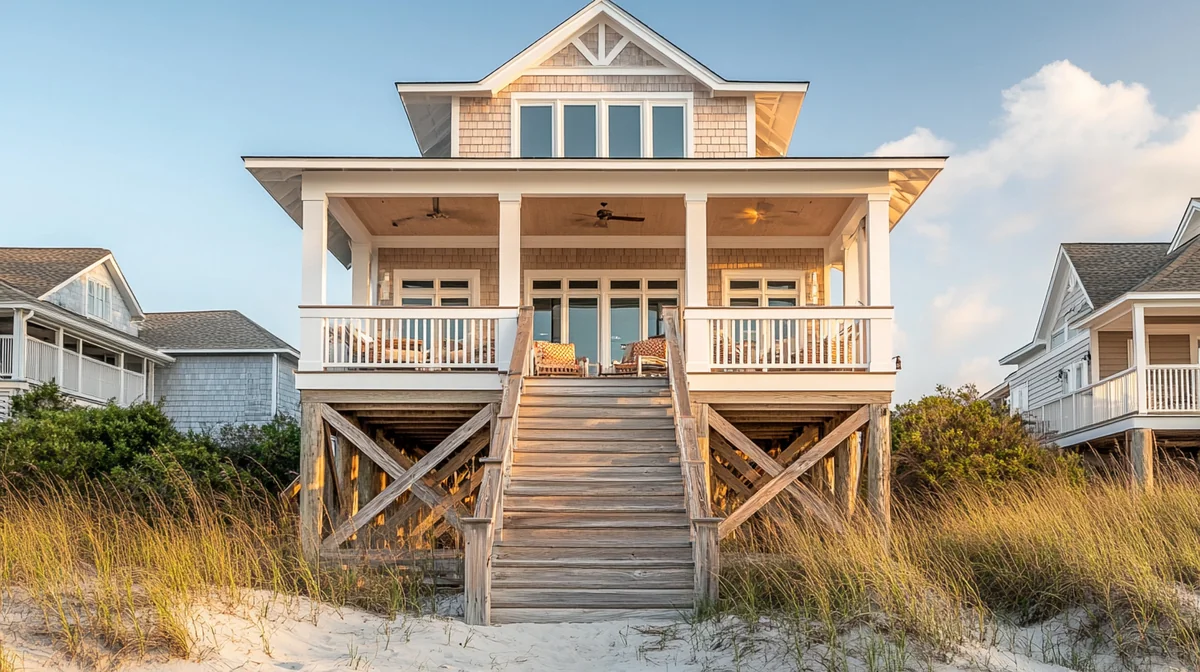


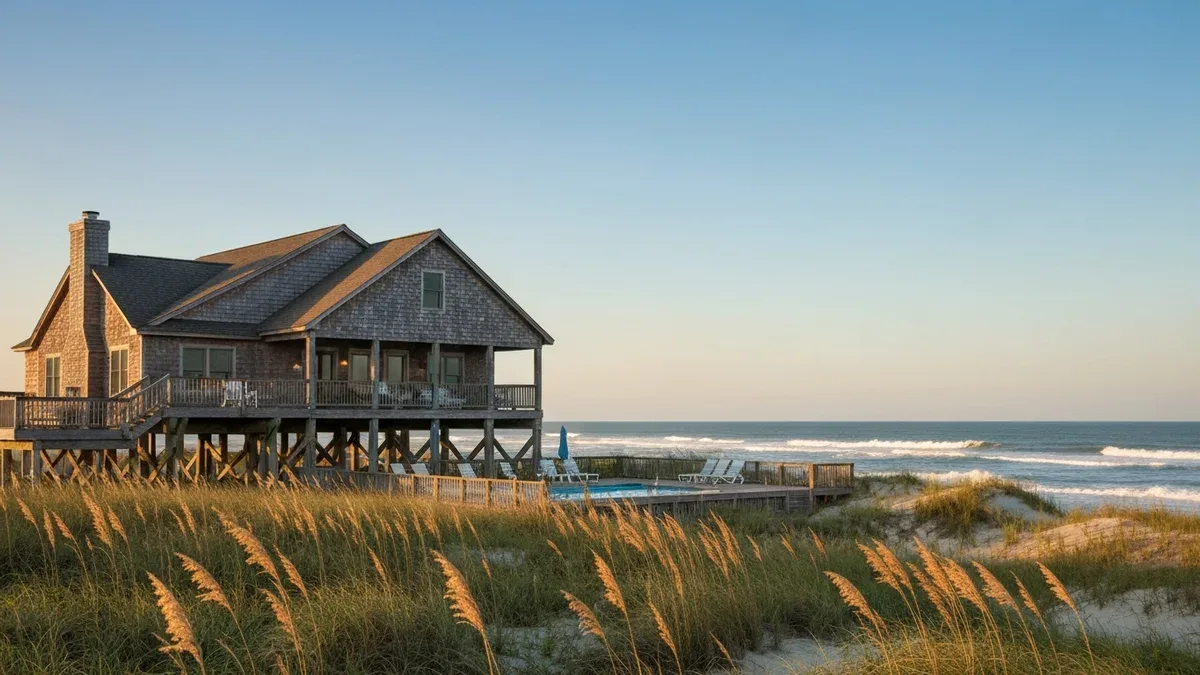
The Outer Banks vacation rental market works differently from almost anywhere else in the country, and if you own a beach house on this thin ribbon of North Carolina sand, that difference is your edge. This isn't a place built around one-night city stays or a Friday-night Airbnb run. It's a place built around big families, packed cars, and a Saturday changeover that's been the rhythm here for decades. Understand that rhythm and you price better, book more weeks, and stop competing on the same terms as a downtown condo three states away.
This guide is a practical read for owners on North Carolina's Outer Banks, the string of barrier islands locals call OBX. You'll get the town-by-town lay of the land from the 4WD sand roads north of Corolla down through Hatteras Island and out to Ocracoke, plus how the weekly rental model shapes your pricing, what the county rules and occupancy tax actually require, why the biggest homes command the biggest premiums, and how to market a beach week so it books direct instead of handing every dollar to a platform. Where a rule or a number matters, I'll point you to the source and tell you to confirm the current details with the county or your accountant, because I'm neither your lawyer nor your CPA.
Cavmir is a short-term-rental marketing agency. We don't manage your house or hold your keys. We help OBX hosts market their properties, sharpen their listings, and build direct-booking channels that survive whatever the platforms do next. Everything below is written from that seat.
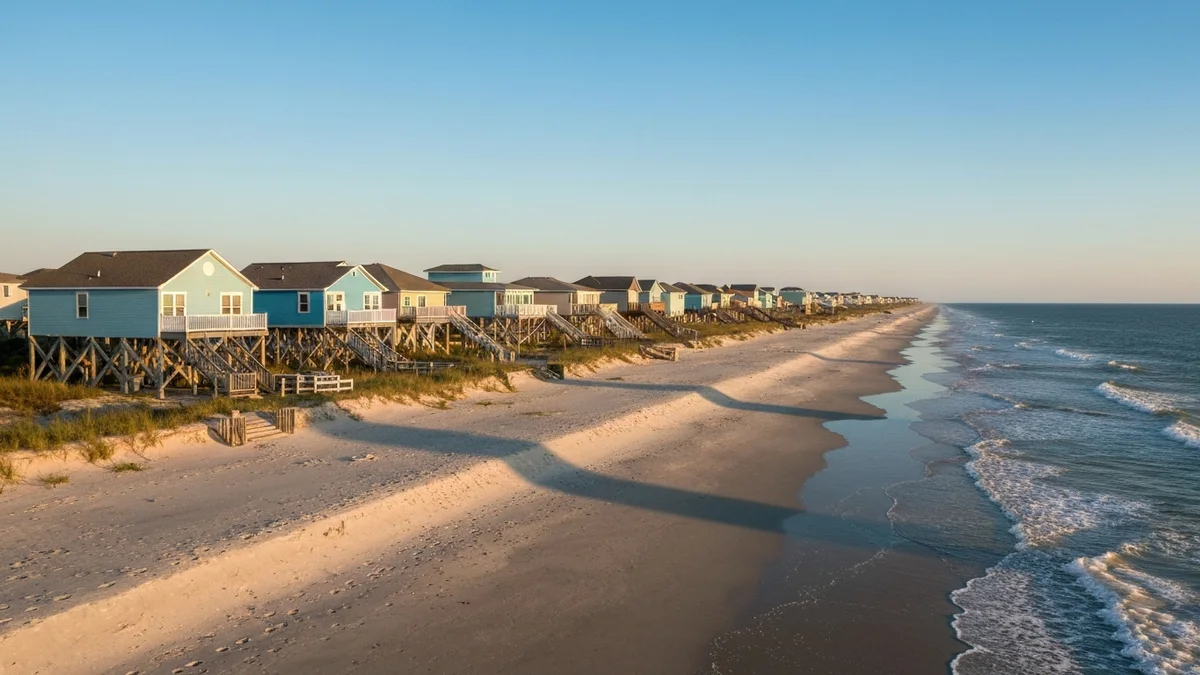
What makes the Outer Banks market its own animal
Most short-term-rental advice assumes a certain kind of guest: a couple, a small family, a two- or three-night stay, a listing that lives or dies on Airbnb. The Outer Banks breaks that mold. Here, most vacationers book a whole house for a whole week, the homes run large, and a strong slice of demand still flows through local rental agencies and direct channels rather than the big platforms. You're not renting a room. You're renting a family's entire summer.
The islands themselves set the terms. This is a barrier-island chain, long and narrow, with the Atlantic on one side and the sounds on the other. Beach access, dune lines, and how far you sit from the water shape value more than any amenity checkbox. A soundside home two rows back is a different product from an oceanfront house with a private walkway, and guests know it. Your marketing has to speak that language.
The other thing that makes the Outer Banks vacation rental market distinct is how seasonal it is. Summer isn't just the busy season here, it's the season the whole business is built around. Spring and fall carry real demand, winter goes quiet in most towns, and hurricane season hangs over the back half of the year in a way that changes how you message and how guests plan. Get the calendar right and everything else gets easier.
The Saturday-to-Saturday weekly model and what it does to your pricing
The traditional booking unit on the Outer Banks is a full week, and for generations that week ran Saturday to Saturday. Vacation rentals here are normally rented in one-week increments, from modest three-bedroom cottages up to enormous event-sized homes. That single fact drives almost every pricing and calendar decision you'll make.
When your inventory is sold by the week, a few things follow:
- Your unit of revenue is the week, not the night. You're not optimizing a nightly rate against a hundred one-night bookings. You're trying to fill a finite number of prime summer weeks at the best rate each one will bear. A single unbooked peak week is a big hole.
- Changeover day is a fixed cost of doing business. Saturday is turnover across huge swaths of the islands, which is why the causeway traffic is legendary on summer Saturdays. Your cleaning, linens, and inspection all have to happen in one window between checkout and check-in.
- Minimum stays protect your calendar in peak. A seven-night minimum in the summer core keeps you from getting your prime weeks chopped into low-value fragments. It's not greed, it's math on a barrier island where the season is short.
That said, the model is loosening at the edges. Local agencies now offer flexible-arrival and partial-week programs, and shorter booking windows plus more last-minute and weekday travel are among the fastest-growing patterns in the region. The smart play is to keep the strict weekly structure through the summer core, then open up flexible and partial-week stays in the shoulder months when a rigid Saturday-only rule just leaves nights empty.
Treat your summer calendar and your shoulder calendar as two different products. Lock peak weeks to Saturday-to-Saturday with a seven-night minimum, then in spring and fall flip on flexible arrival and three- or four-night minimums. You'll fill nights in April and October that a summer-only rulebook would leave dark, without cannibalizing the weeks that actually make your year.
County rules and the occupancy tax you're responsible for
Two counties cover the bulk of the OBX rental market. Dare County runs from the Duck and Southern Shores area south through Nags Head, Hatteras Island, and Ocracoke. Currituck County covers Corolla and the 4WD beaches to the north. Both levy an occupancy tax, and both expect you to register and remit.
What the numbers look like today
- Dare County occupancy tax. Dare County charges a 6% occupancy tax on the gross receipts from renting a private residence, cottage, or similar accommodation to transients. This tax does not apply to a residence rented for fewer than 15 days in a calendar year, or to an accommodation supplied to the same person for 90 or more continuous days. Returns are generally due by the 20th of each month for the prior month's rentals. Always confirm the current Dare County rules with the county tax department before you rely on any of this.
- Currituck County occupancy tax. Currituck County's occupancy tax is also 6% of gross receipts. On top of the county occupancy tax, North Carolina sales tax applies to accommodations, so the combined tax guests see is higher than the occupancy tax alone. Operators register with the county for occupancy tax collection and remit on the county's schedule.
- State sales tax on accommodations. North Carolina applies sales tax to short-term accommodations statewide, which stacks on top of the local occupancy tax. Your rental agency or booking platform may collect and remit some of this for you, but confirm exactly what's covered so nothing falls through the cracks.
One important note on registration: North Carolina limits how much local governments can require property owners to register or permit short-term rentals specifically. That's why you'll often hear that OBX doesn't have a heavy STR permit regime the way some cities do. But you still must register for occupancy tax collection, and you're still on the hook for safety and remittance. Don't read "no special STR permit" as "no rules."
Tax rates, exemptions, and filing dates change, and the two counties don't move in lockstep. Before every season, pull the current occupancy tax page for your county and screenshot it, then hand it to your accountant with your projected weeks. This is a five-minute habit that keeps you out of a penalty conversation later. Read the county's own words at the Dare County occupancy tax page or the Currituck County occupancy tax page, and confirm anything you're unsure about directly with them.
Town by town: where your house sits changes everything
OBX is not one market. It's a chain of towns and villages with real differences in guest, price, and vibe. The northern end tends toward newer, swankier, amenity-heavy homes. The southern end trades amenities for quiet and open sand. Here's how the pieces fit, roughly north to south.
Corolla and the 4WD beaches (Currituck County)
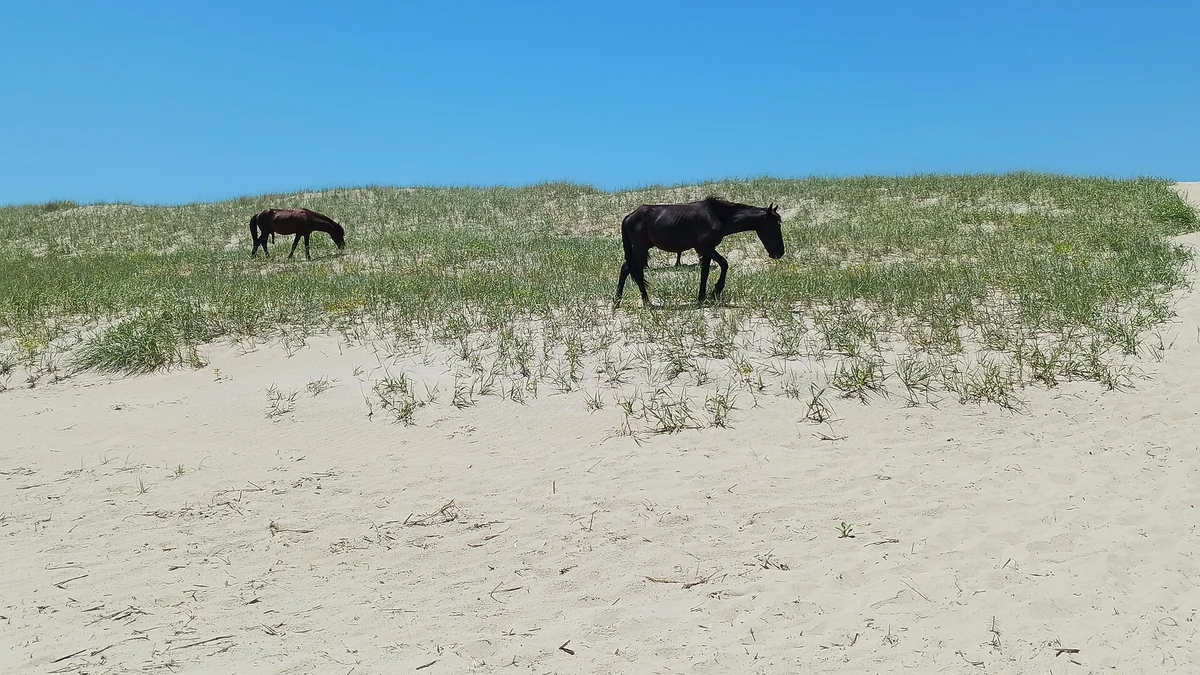
Corolla is the northern crown of the market, known for large luxury homes, private pools, and the wild Spanish mustangs that roam the beaches. North of the paved road, the 4WD-only beaches like Carova can only be reached by driving on the sand, which is exactly why some guests seek them out and others avoid them. If your home is up here, the wild horses and the sense of remoteness are core selling points. Make the 4WD access crystal clear in your listing so guests arrive with the right vehicle and the right expectations.
Duck and Southern Shores
Duck is upscale, walkable, and famously dog-friendly, with a boardwalk and a village feel. Its beach accesses are privately held by homeowner associations and reserved for residents and guests staying inside the subdivision, so "which access can my guests use" is a real question to answer in your welcome materials. Southern Shores sits on a thinner stretch with a maritime-forest, residential character and a quieter, more established feel. Both draw guests who'll pay for polish.
Kitty Hawk and Kill Devil Hills
This central stretch is where a lot of the OBX story lives. Kill Devil Hills is home to the Wright Brothers National Memorial, marking the spot where powered flight began in 1903. Kitty Hawk and Kill Devil Hills also get the biggest waves on the northern beaches, which makes them a magnet for surfers and skimboarders. Homes here span a wide price range, and proximity to restaurants and attractions is part of the pitch.
Nags Head
Nags Head has the most publicly accessible beach of the northern towns, with plenty of public accesses, lifeguarded stretches in summer, and Jennette's Pier as a landmark. A large beach-nourishment program widened the beach considerably. For families who want easy access, shops, and restaurants without HOA-only beach rules, Nags Head is an easy sell.
Hatteras Island and Ocracoke
South of the Bonner Bridge, the islands change character. The Hatteras Island villages, Rodanthe, Waves, Salvo, Avon, Buxton, Frisco, and Hatteras, sit beside the undeveloped Cape Hatteras National Seashore, where there's no development at all, just dunes, sea grass, wildlife, and access ramps. This is the quiet, elemental Outer Banks, prized by anglers, surfers, and travelers who want fewer crowds. Ocracoke, reachable by ferry, is quieter still, with its own lighthouse and a village-of-old feel. If your home is down here, sell the peace and the seashore, not the nightlife.
Why the biggest homes earn the biggest premium
The Outer Banks is one of the best markets in the country for large, event-sized homes. You'll find houses with 8, 12, even 18-plus bedrooms marketed as event venues and multi-family reunion houses. And demand for the big ones is real: recent booking data shows the largest homes, in the 14-plus bedroom range, running ahead of pace while some smaller-home categories lag. Higher-income households plan group trips early, and the OBX is where they come.
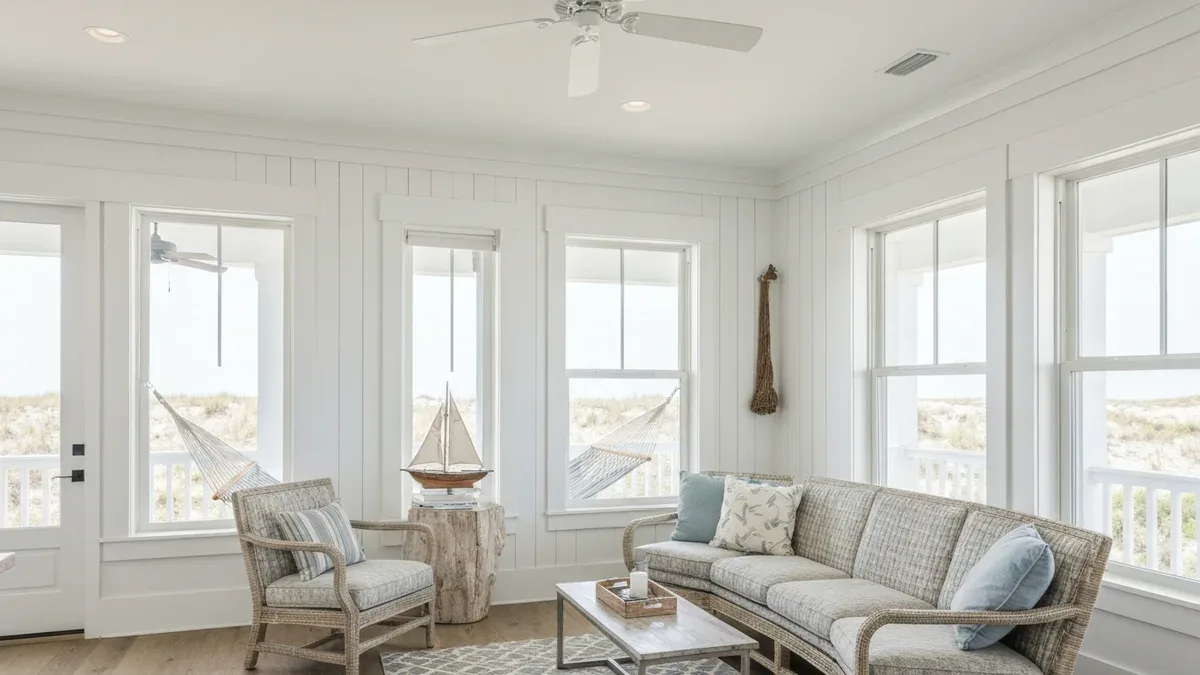
What separates a house that fills its summer at a strong rate from one that sits half-booked usually isn't the number of bedrooms. It's the amenity stack that makes a big group say yes. The homes that win tend to carry:
- A private pool and hot tub. On a week-long beach vacation with three families, the pool is the second living room. It's often the single most searched-for feature.
- A game room and a theater room. Rainy afternoons and teenagers exist. A pool table, arcade games, and a media room turn a good house into the one everyone remembers.
- An elevator. These homes are tall, and a group that includes grandparents or anyone who can't do three flights of stairs will filter for an elevator every time.
- Dog-friendly policies. OBX is a famously pet-friendly destination, and a clear, welcoming pet policy opens a whole segment of guests, especially in Duck and the quieter southern villages.
- Outdoor kitchens, decks, and sound or ocean views. The outdoor living space is where a beach week actually happens. Photograph it like it matters, because it does.
If you own a large home, your marketing job is to make the group experience obvious in the first three photos and the first two sentences. Reunion, wedding week, multi-family summer trip, corporate retreat: name the use case and the right guest self-selects. A good listing optimization pass is often the fastest way to turn a big, underperforming house into one that books its summer out.
Rates and seasonality: the calendar is the strategy
Summer is the engine of the entire Outer Banks vacation rental market. Peak demand runs roughly from late June through mid-August, aligned with school calendars and holidays, and the most popular oceanfront homes can book 6 to 12 months ahead. This is when you hold your rates, enforce your minimums, and protect your Saturday-to-Saturday structure.
The shoulder seasons are where owners leave the most money on the table. Late spring (April and May) and early fall (September and October) bring warm weather, thinner crowds, and softer rates, and rental prices start dropping after Labor Day and keep sliding through October. That drop is exactly the opportunity. The trick isn't to chase peak-summer pricing in October; it's to price the shoulder correctly and market it to the guests who actually travel then.
How to think about your rate calendar
- Peak core (late June to mid-August). Hold firm, seven-night minimum, Saturday changeover. This is the money.
- Wings of summer (June and late August). Still strong, still weekly, slightly softer. Book these early to anchor the season.
- Shoulder (April, May, September, October). Flexible arrival, shorter minimums, discounted rates, and messaging aimed at couples, retirees, anglers, and dog owners who don't need a school calendar.
- Off-season (November to March). Most of OBX goes quiet. Some owners rent to off-season and monthly guests; many simply plan maintenance and refresh here. Know your town, because Nags Head in November is not Hatteras in January.
Static, set-once pricing is where a lot of OBX owners quietly lose income across a full year. If you're managing your own rates, our guide to dynamic pricing walks through how to move rates by season and demand, and the shoulder-season revenue guide is built for exactly the April-and-October problem.
Book your peak weeks early and cheap-ish, then raise rates as the calendar fills. An oceanfront house that's 70% booked by February can afford to hold firm on its last few peak weeks. One that's wide open in May is negotiating from weakness. Early bookings aren't just revenue, they're the leverage that lets you price the rest of the summer with confidence.
The demand drivers you should be selling
Guests don't book a beach week for a bed. They book it for what surrounds the house. The OBX has an unusually strong deck of attractions, and your listing and website should lean on them.
- The Atlantic beaches themselves. Wide, walkable, and in places lifeguarded, with beach nourishment adding room to spread out in towns like Nags Head. This is the whole reason people come.
- Cape Hatteras National Seashore. The country's first national seashore, stretching more than 70 miles with dunes, wildlife, and open sand. It's the crown jewel of the southern islands.
- Wright Brothers National Memorial. The birthplace of powered flight in Kill Devil Hills, with a visitor center and monument. A must-do for a lot of families.
- The Corolla wild horses. Descendants of Spanish mustangs roaming the northern 4WD beaches, protected by law, and a huge draw for the guided-tour crowd.
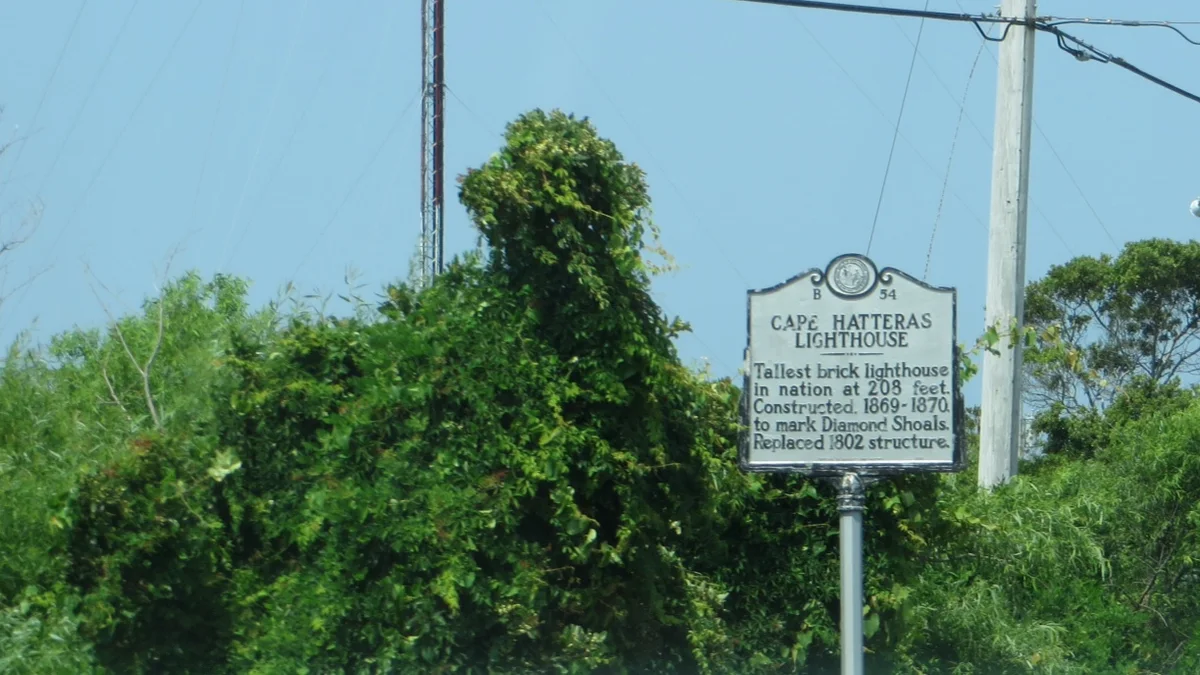
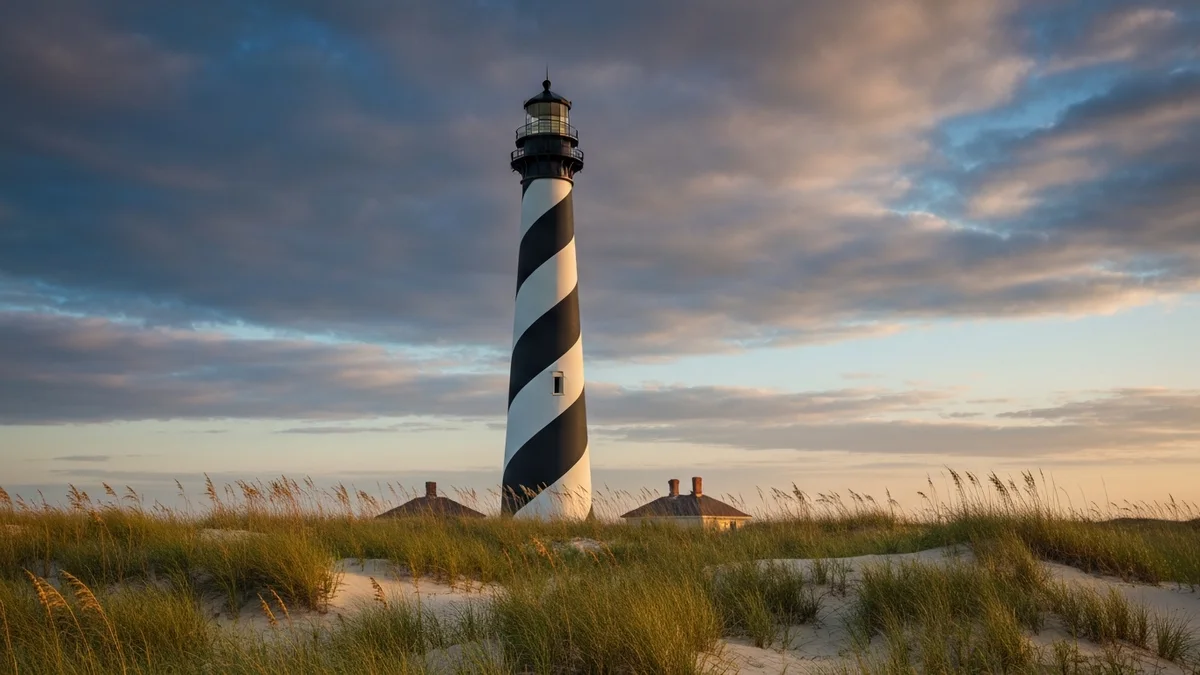
- The lighthouses. Cape Hatteras, the tallest brick lighthouse in America with its black-and-white spiral, plus Bodie Island and Ocracoke. Iconic, photographable, and easy to weave into your marketing.
The move here is to match the attraction to the guest. A Corolla home sells the wild horses. A Hatteras home sells the seashore and the fishing. A central home sells the memorial, the piers, and easy beach access. Your listing copy, your direct-booking website, and your social posts should all speak to what's actually around your house. Generic "beautiful beach getaway" copy wastes the best sales material on the East Coast.
Hurricane season, travel insurance, and how to message it
Here's the part owners flinch at and shouldn't. Hurricane season overlaps the back half of prime travel, and September in particular is the peak. That's real, guests know it, and pretending otherwise helps no one. The right response isn't silence, it's clear, calm messaging around travel insurance.
Because so many OBX bookings are week-long and made months out, trip insurance is close to standard practice here. Local agencies routinely recommend it, and it's usually sold as a percentage of the total rental cost, either through the rental company or a national provider. When a storm threatens, insured guests have a path to recover their money, and you have far fewer angry cancellation fights.
What good hurricane-season messaging looks like:
- Recommend trip insurance up front, in writing. Put it in your listing, your booking confirmation, and your pre-arrival email. Don't bury it. Guests who buy it are guests who don't rage at you when a storm rolls in.
- Be honest about the season without scaring people off. Late summer and fall on the OBX are gorgeous the vast majority of the time. Frame insurance as smart planning, not doom.
- Have a clear storm and cancellation policy. Guests want to know what happens if there's a mandatory evacuation. Spell it out before they book, and point them to insurance for the rest.
I'm not an insurance agent, so treat the specifics as a "confirm with a licensed provider" item. But as a marketing matter, owners who handle hurricane season with straight talk and a clear insurance recommendation come out ahead of owners who hope nobody asks.
Marketing, distribution, and the OBX direct-booking tradition
Here's where the Outer Banks hands you an advantage most markets don't have: a long, strong tradition of booking direct through local rental agencies and owner websites, not just the big platforms. Generations of OBX families have rebooked the same week in the same house year after year, often straight through a local company. That repeat-and-referral behavior is the foundation of a direct-booking business, and it's rarer than you'd think.
Which means you should not build your whole business on Airbnb and Vrbo alone. Use the platforms for reach and discovery, absolutely, but treat them as the top of your funnel, not the whole thing. The goal is to convert first-time platform guests into direct, repeat guests who book with you next year and tell their friends.
How to build a real direct channel on the OBX
- Own a direct-booking website. A clean site with real availability, honest photos, and a simple inquiry or booking flow lets you capture the repeat family without paying platform fees on every rebooking. This is the single highest-leverage asset for an OBX owner.
- Optimize the listings that feed it. Your platform listings should be built to win the first booking, then hand the guest an experience good enough that they look you up next year. Photos, titles, and amenity tags all do that work.
- Capture guest details and follow up. The end of a great week is the best moment to invite a rebooking. A simple email a few weeks before next summer's booking window opens can lock in a repeat at zero platform cost.
- Show up in search. When a family searches for a Corolla oceanfront house or a dog-friendly Duck home, you want your site in the results. Strong local SEO for your town and property type turns search traffic into direct bookings over time.
- Make the home photograph like it's worth the premium. Great photography and thoughtful interior design aren't vanity. On a week-long, high-dollar OBX booking, the photos are doing thousands of dollars of selling per week.
If you want the deeper version of the direct-booking playbook, our guide on how to get more direct bookings lays out the full funnel from first platform stay to loyal repeat guest.
Common pitfalls OBX owners fall into
After enough seasons, the mistakes rhyme. Here are the ones that cost owners the most.
- Flat, year-round pricing. Charging near-peak rates in October leaves the shoulder empty; charging shoulder rates in July leaves money on the table. Your calendar should breathe.
- Fighting the weekly model in summer. Opening peak weeks to two- and three-night stays feels flexible and quietly guts your best revenue. Keep the summer core weekly.
- Hiding the hard facts. Not disclosing 4WD-only access, HOA-only beach access, or stairs versus an elevator leads to furious guests and brutal reviews. Say it plainly up front.
- Living entirely on the platforms. Skipping a direct channel means paying fees on repeat guests who would happily book with you directly, and it leaves you exposed to every platform policy change.
- Treating the occupancy tax as an afterthought. Registration and remittance are real obligations in both counties. Confirm the current rules and stay current.
- Generic marketing. "Great beach house" wastes the wild horses, the seashore, and the lighthouses. Sell what's actually around your property.
How the OBX stacks up against other coastal markets
It helps to see the Outer Banks vacation rental market next to its peers. Compared with a market like Hilton Head, the OBX skews toward standalone houses and the weekly whole-home model rather than resort-and-villa density, and it leans harder on the big-group event home. Against an inland leisure market like the Finger Lakes, the OBX has a shorter, sharper peak and a much heavier reliance on that summer core. Every market has its own rhythm, and the strategy that wins on the Outer Banks is built around the week, the big house, and the direct guest. You can see our full market profile for the region on the Outer Banks page.
Frequently asked questions
Do I need a special permit to run a short-term rental on the Outer Banks?
North Carolina limits how much local governments can require a dedicated STR permit, so OBX generally doesn't have a heavy permitting regime the way some cities do. But you do have to register with your county for occupancy tax collection and remit that tax, and you're responsible for safety compliance. Confirm the current requirements with Dare or Currituck County before you list.
What's the occupancy tax on an OBX rental?
Both Dare and Currituck County levy a 6% occupancy tax on gross rental receipts, and North Carolina sales tax on accommodations applies on top of that, so the total tax a guest sees is higher than 6% alone. Rates and rules change, so confirm the current figures with the county and your accountant.
Is the Saturday-to-Saturday week still required?
It's the tradition and still the backbone of the summer market, but it's loosening. Many operators now offer flexible-arrival and partial-week stays, especially in the shoulder seasons. The strong approach is to keep peak weeks Saturday-to-Saturday and open up flexibility in spring and fall.
When should guests book for summer?
Early. Popular oceanfront and large homes can book 6 to 12 months out, and peak weeks fill fast. Owners benefit from opening bookings well ahead and using early demand to hold firm on the last peak weeks.
Should I recommend travel insurance?
Yes, clearly and in writing. With week-long stays booked months out and a real hurricane season in late summer and fall, trip insurance is close to standard on the OBX. Recommend it up front and pair it with a clear storm and cancellation policy. Confirm specifics with a licensed provider.
Do I really need a direct-booking website?
On the Outer Banks, more than most markets, yes. The region has a deep tradition of repeat, direct-booked stays. A direct channel lets you keep repeat families without paying platform fees on every rebooking, and it protects you from platform policy swings.
Where Cavmir fits
If you own an Outer Banks rental and you're leaving weeks empty, pricing flat all year, or handing every rebooking to a platform, the fixes are straightforward and they compound. Cavmir helps OBX hosts sharpen their listings, build a direct-booking site that captures the repeat family, and market each home around what actually surrounds it. We don't manage your property. We make it easier to book, at a better rate, more often. If you'd like a look at your current setup and where the quick wins are, take a look at our listing optimization and direct-booking website services, and we'll take it from there.