How a buyer asks for a viewing
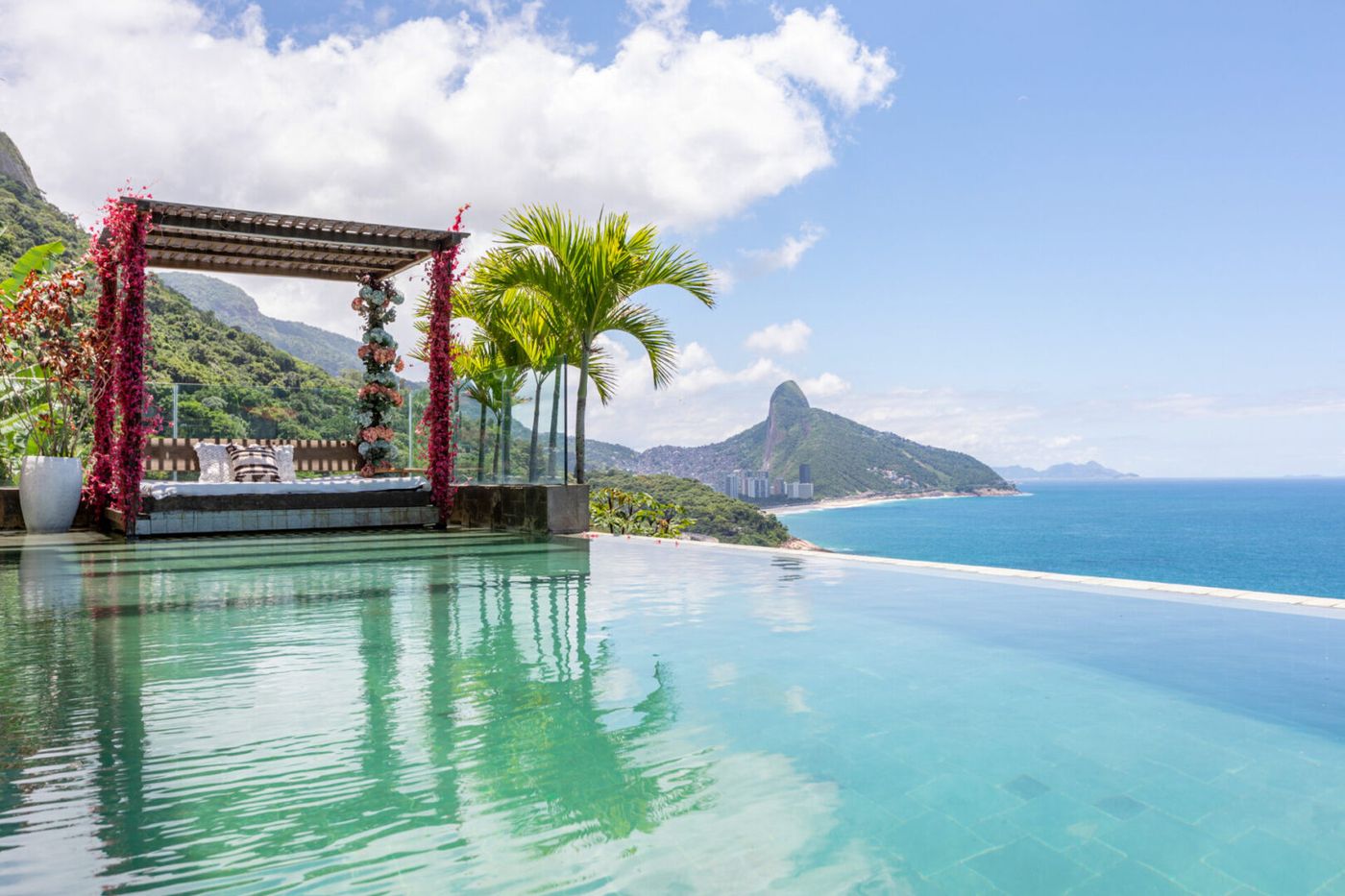
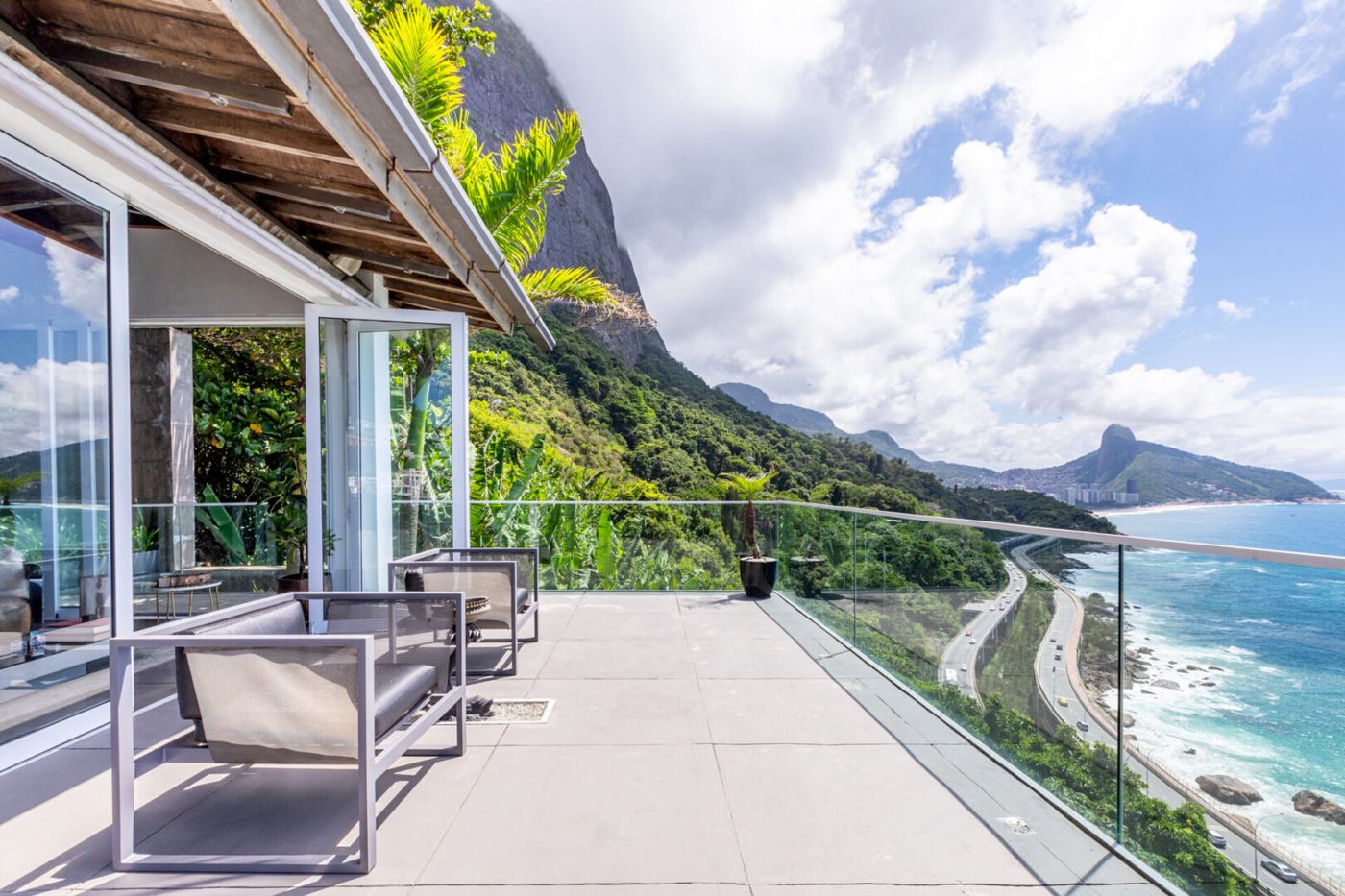
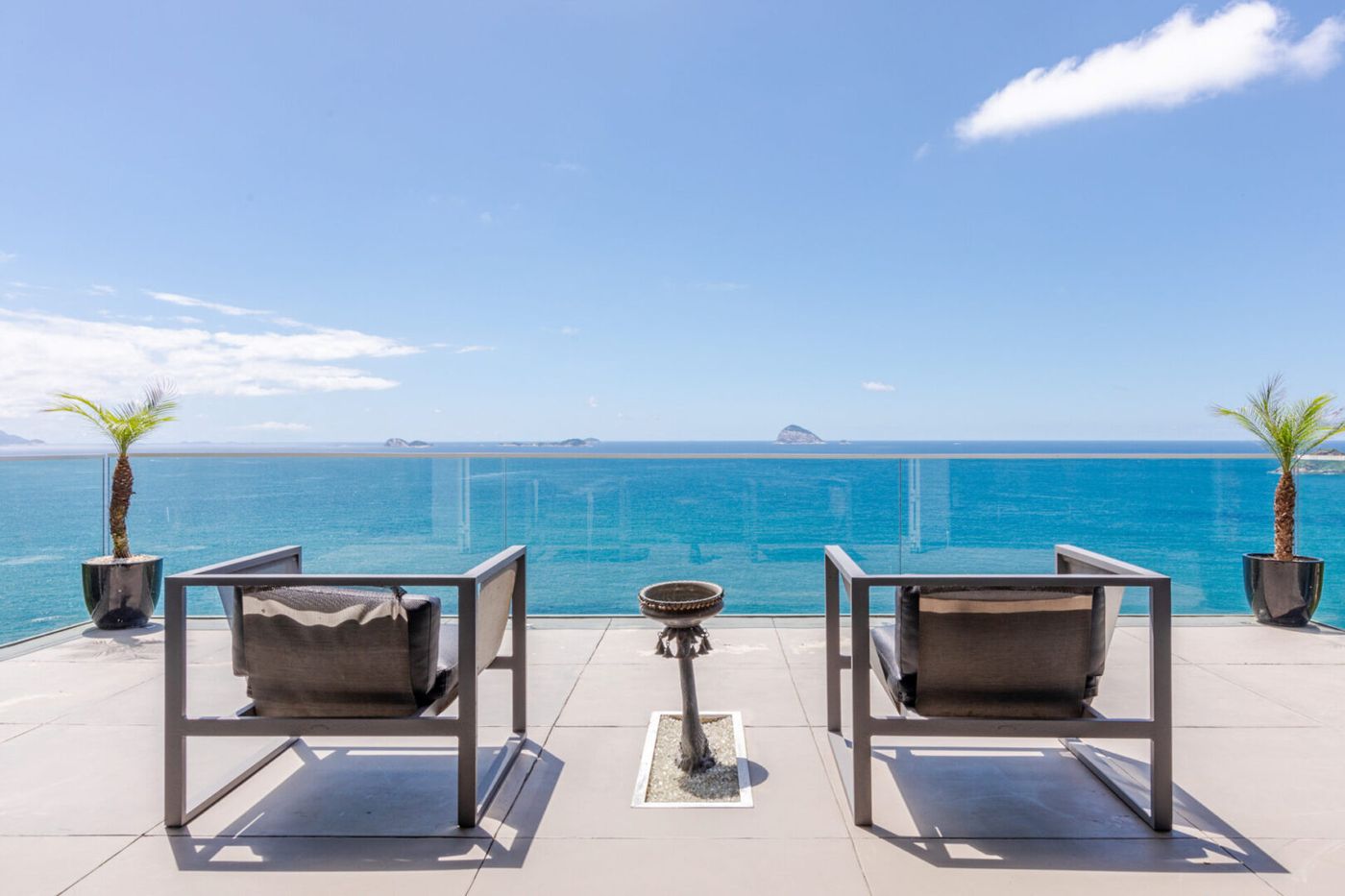
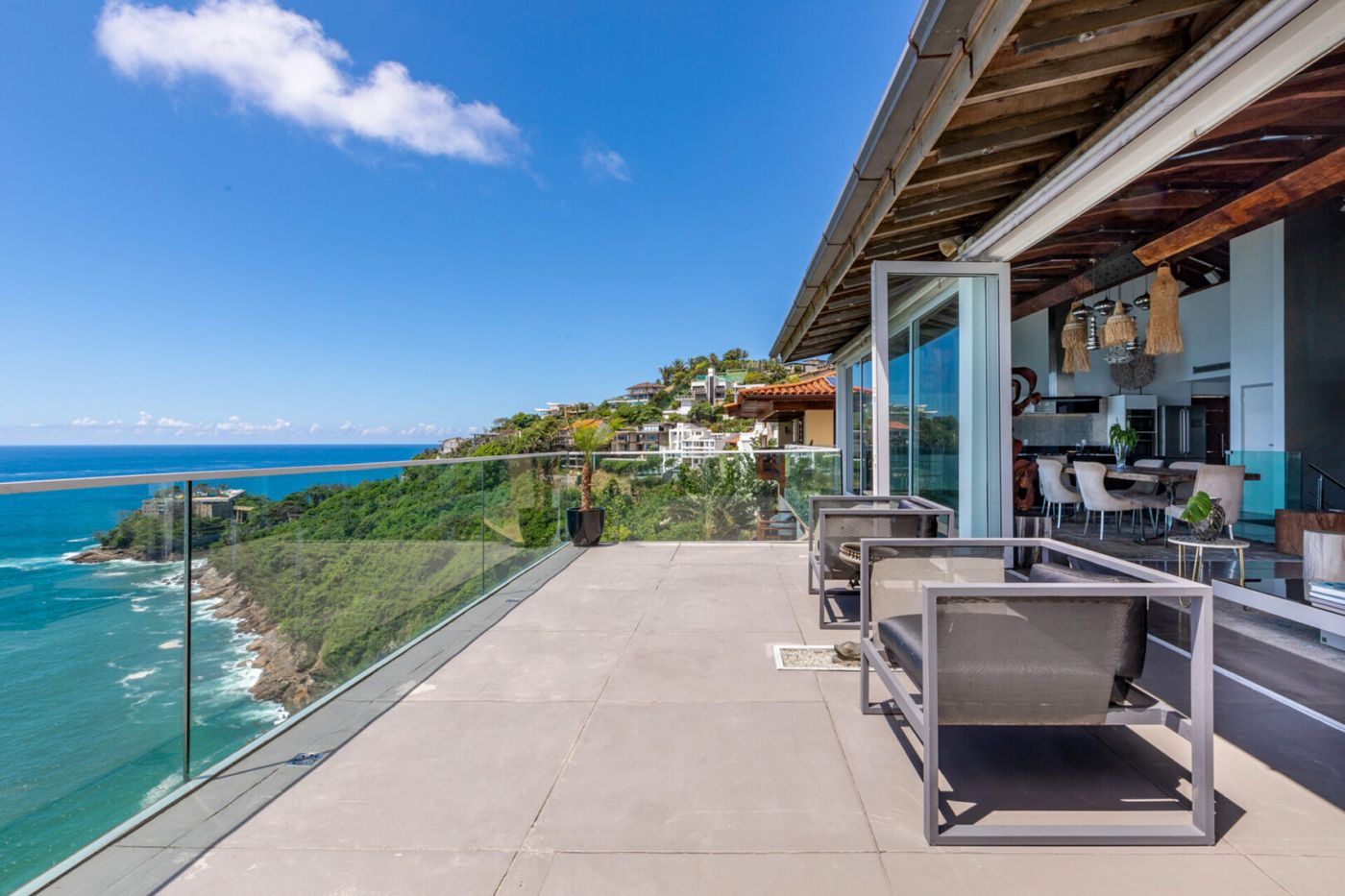
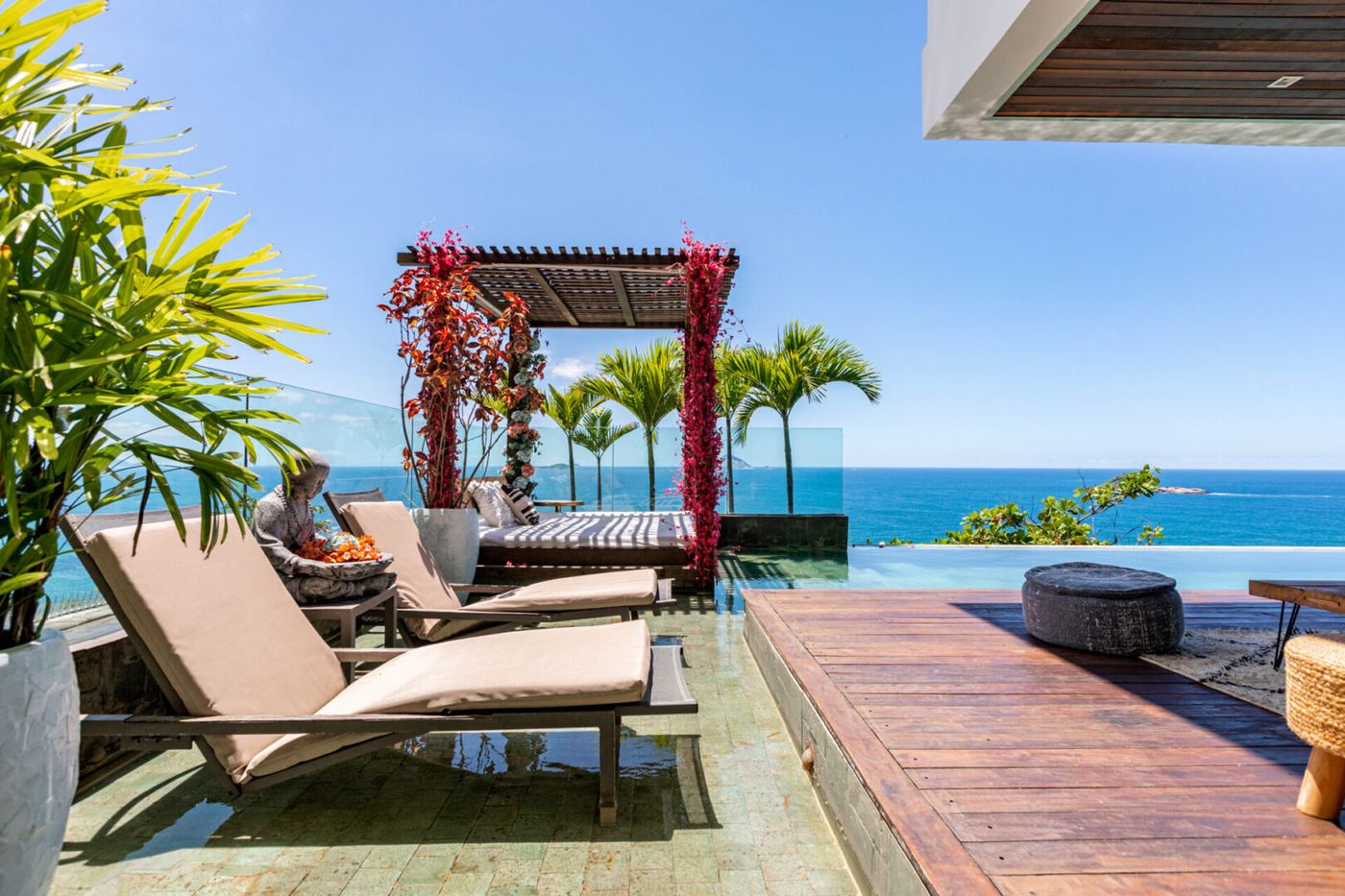
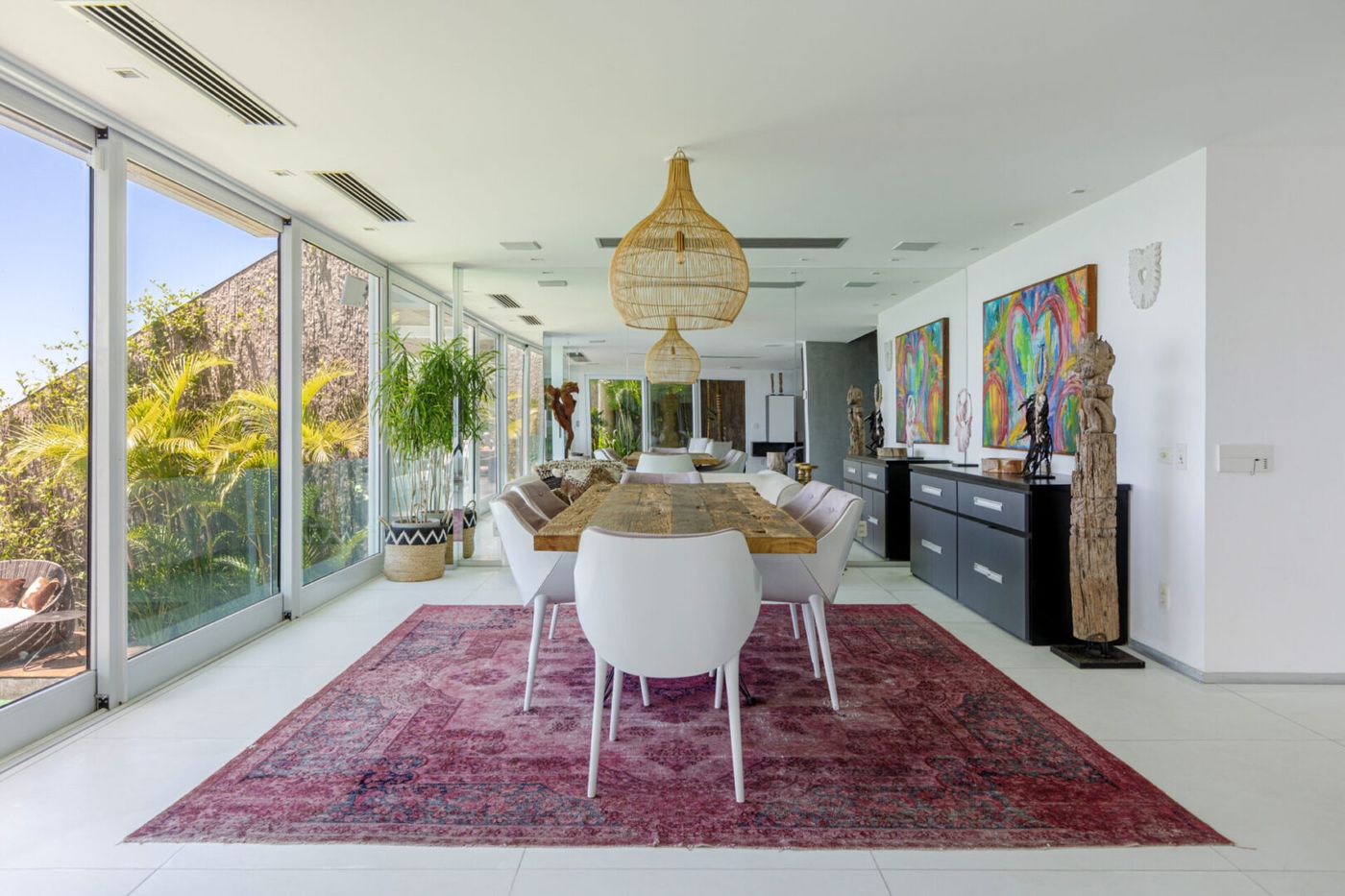
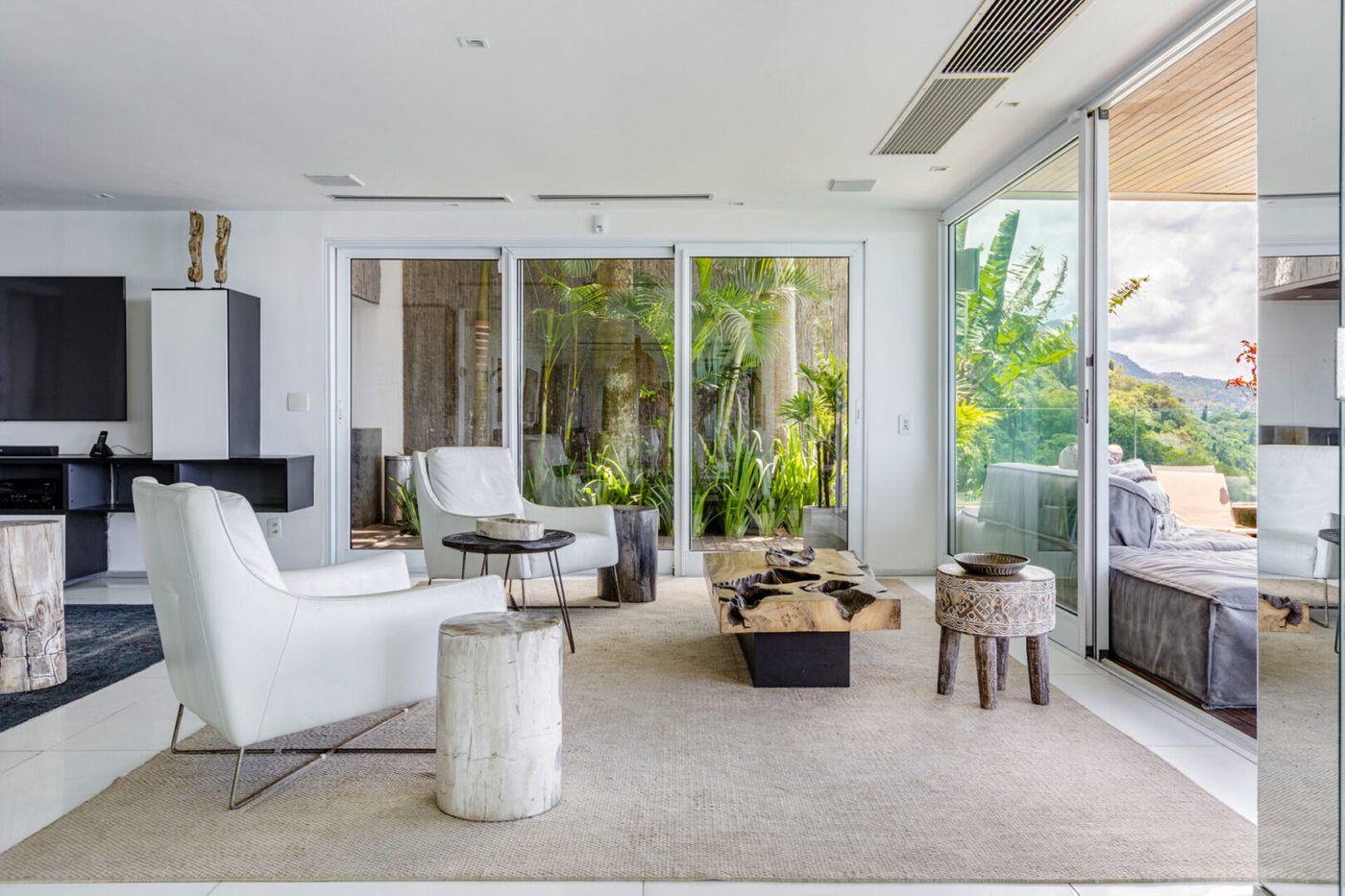
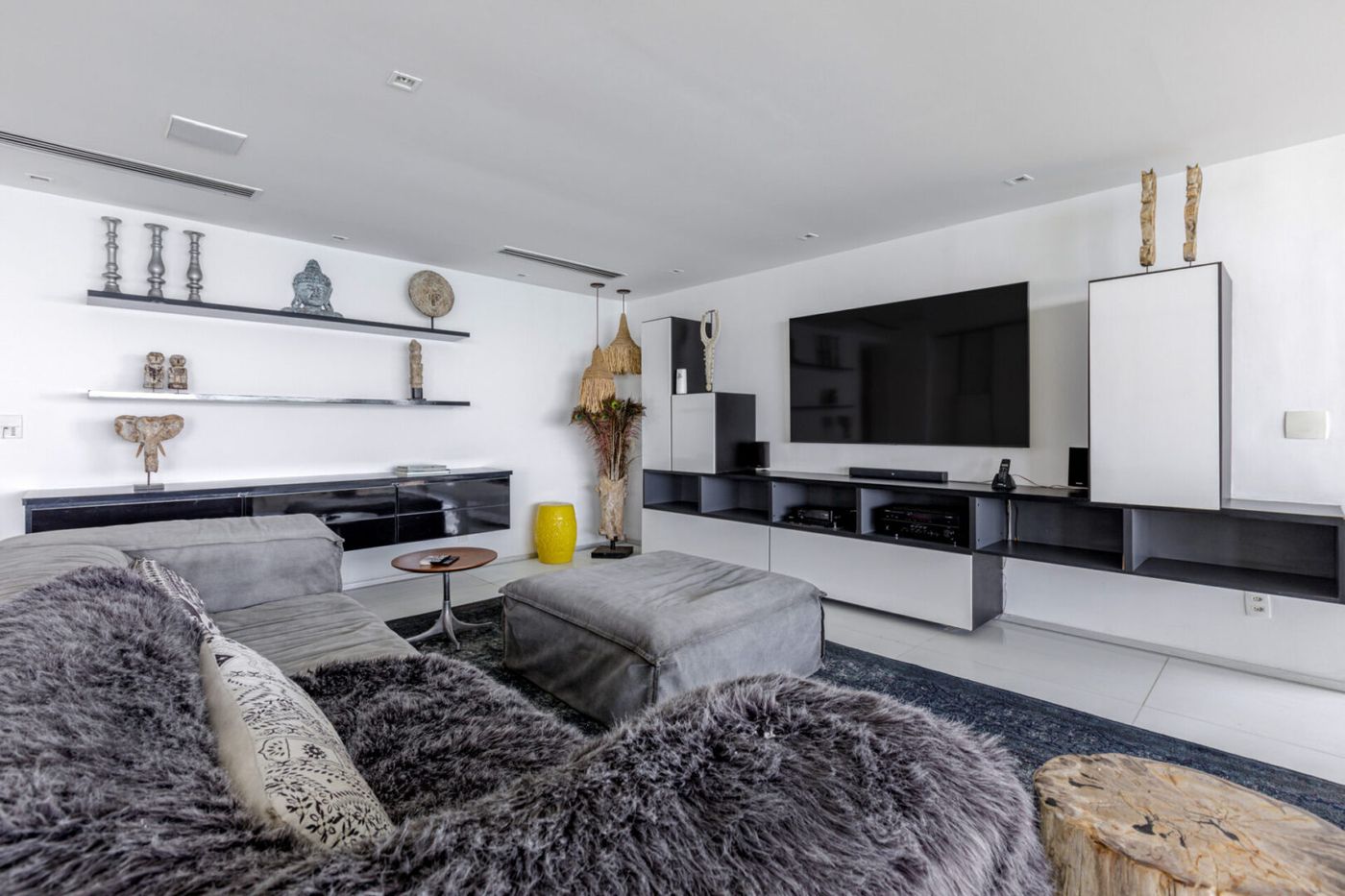
A short panel on the home page gives the asking price, suites, bathrooms, built area and land, with the viewing request directly under it. The house page adds the floors in order, the list of features and all 34 photographs, which enlarge on a tap.
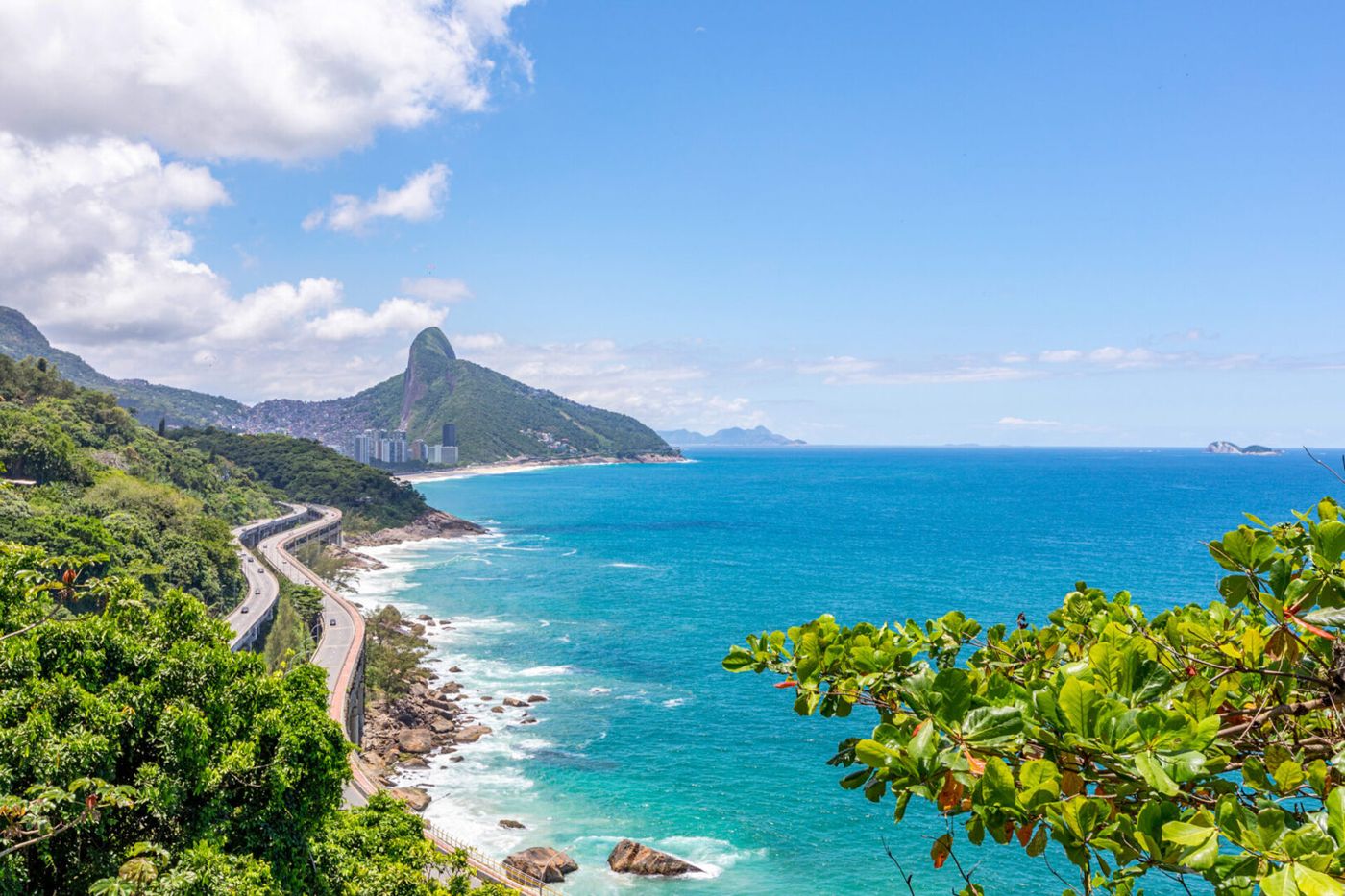
The exact address stays off the site and is shared once an appointment is confirmed. The map shows the cliffs of Joá and loads only when a visitor clicks to show it, after a note that OpenStreetMap will see their IP address.
All 86 guide and journal pages lead back to the house. Each one has a short viewing box after its first paragraph and a card for the house partway down, and both open a WhatsApp message to Art de Vivre. The guides also link out to artdevivre.com.br, the brokerage site we also worked on.
The reference guides to Joá and its architects
Joá covers about 1.69 square kilometers and counted about 983 residents in the 2022 census. It has no shops, no high-rises and no internal bus line. The /joa/ hub opens with those facts in a table, then splits into 14 neighborhood guides and 10 on architects.
The neighborhood set takes in Praia da Joatinga, the Estrada do Joá, Pedra da Gávea, the forest, the gated condominiums, daily life, security and the views, plus a comparison with Leblon and Ipanema. The architect set covers Sérgio Bernardes, Oscar Niemeyer, Roberto Burle Marx, José Zanine Caldas, Lúcio Costa and Affonso Eduardo Reidy, and how houses get built on rock. Photos in those guides are captioned as the Rio setting, and the captions do not pass them off as the architects' buildings.
Residents are a sensitive subject on this hill. The Who Lives in Joá guide works from what the Brazilian press has reported and prints no addresses.
An October 2026 review of the guides corrected details, including which side of Joá the Gávea sits on and that Praia da Joatinga is a public beach.
The Buying in Rio section
In late October 2026 we added a section on the purchase itself, with its own place in the top menu. The eight guides follow the order things happen:
- The steps, from first offer to the registry entry
- Costs on top of the price, with a worked example at this house's price
- Checks on the title, the seller and debts attached to a house
- The tax number, bank account and money transfer a foreign buyer needs
- Brazil's residence permit for property buyers, and what it does not give
- Where Rio's houses are, by neighborhood
- Property taxes for owners
- What a large house takes to run, including the pool and salt-air upkeep
Each one is a 14 to 16 minute read and names its sources. The hub page says the section is general information and that a Brazilian lawyer should handle any purchase. It closes with common questions, such as when ownership legally passes and whether Brazil has a golden visa.
Journal entries on the features of the house
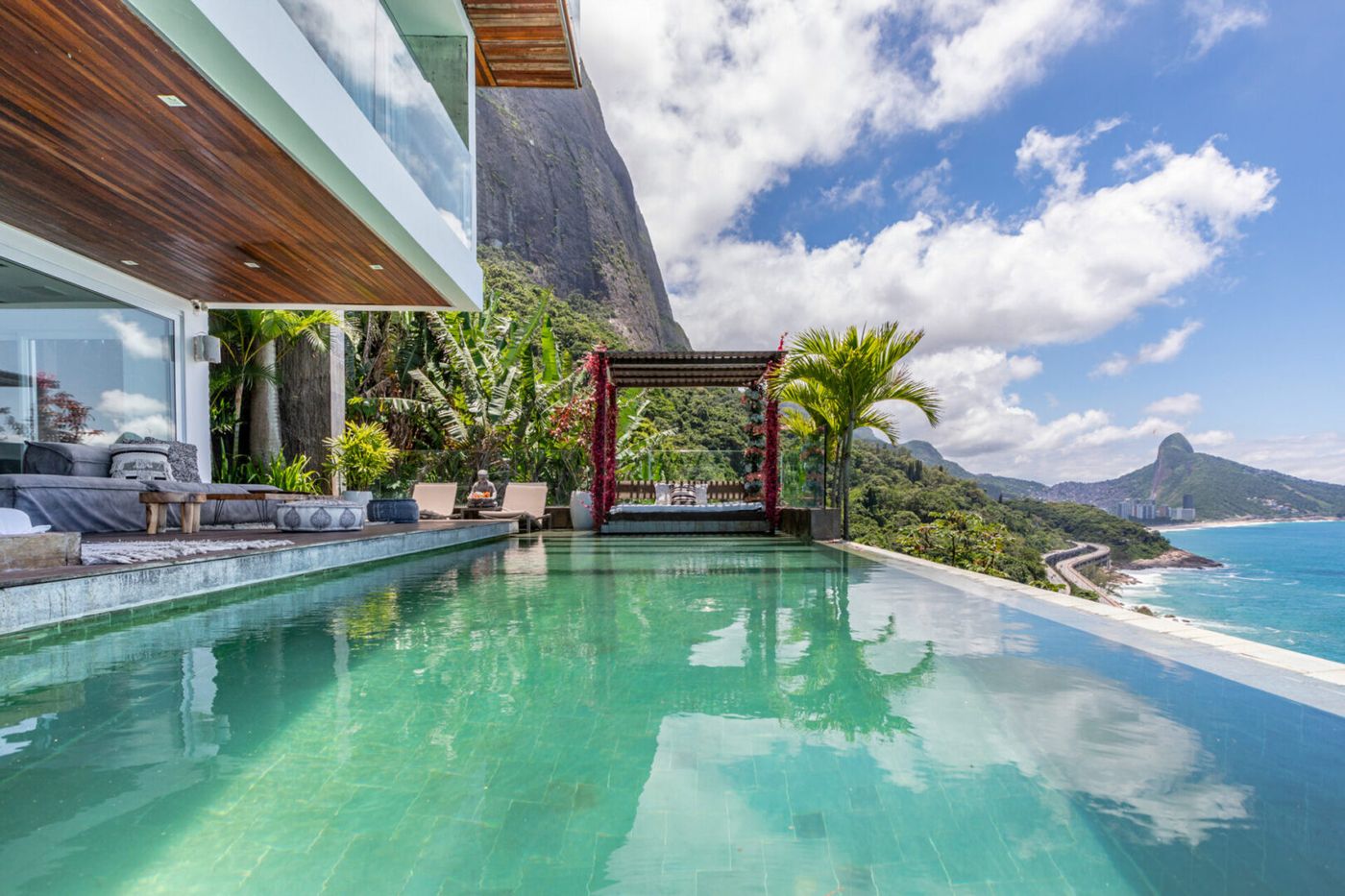
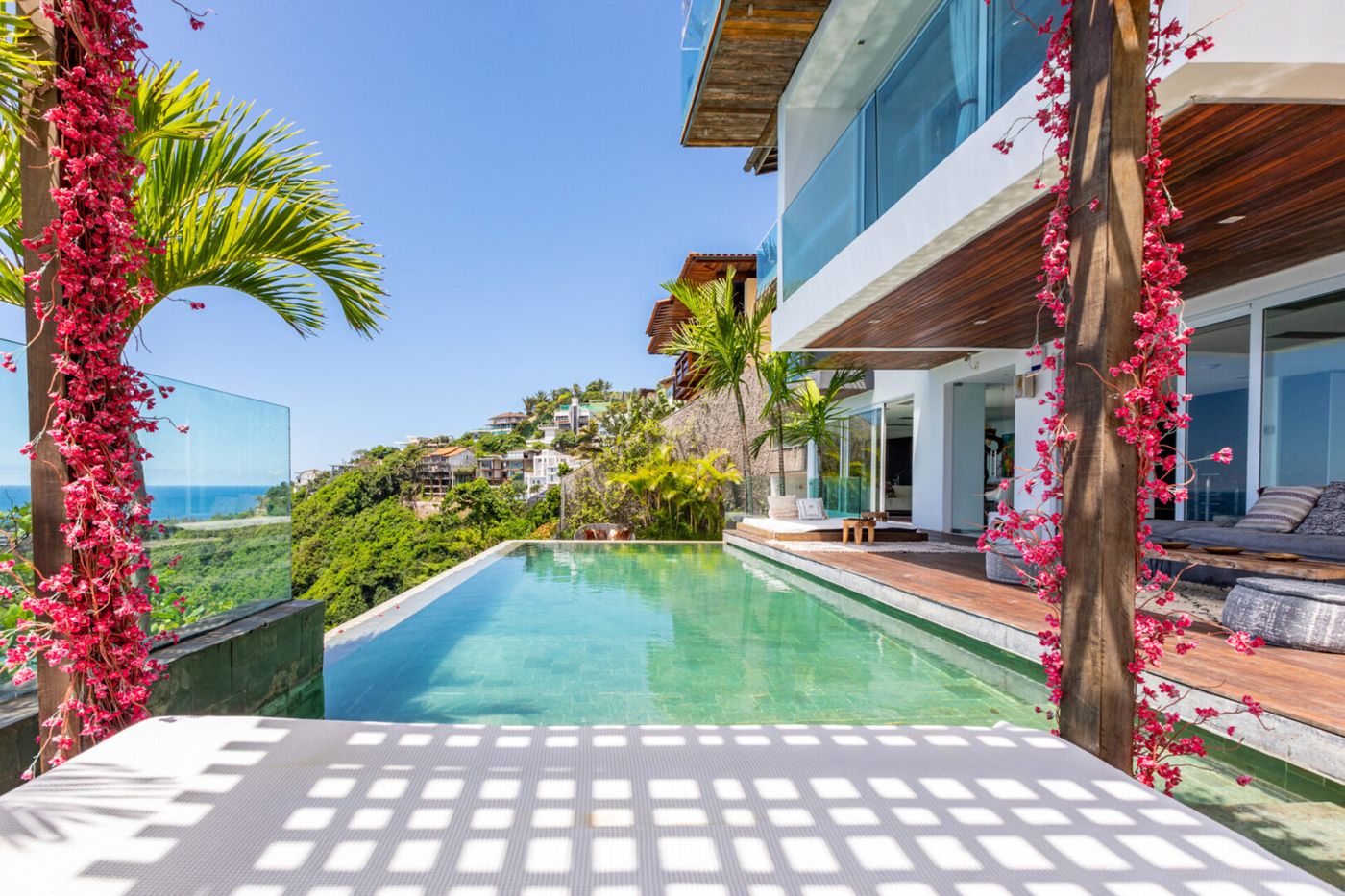
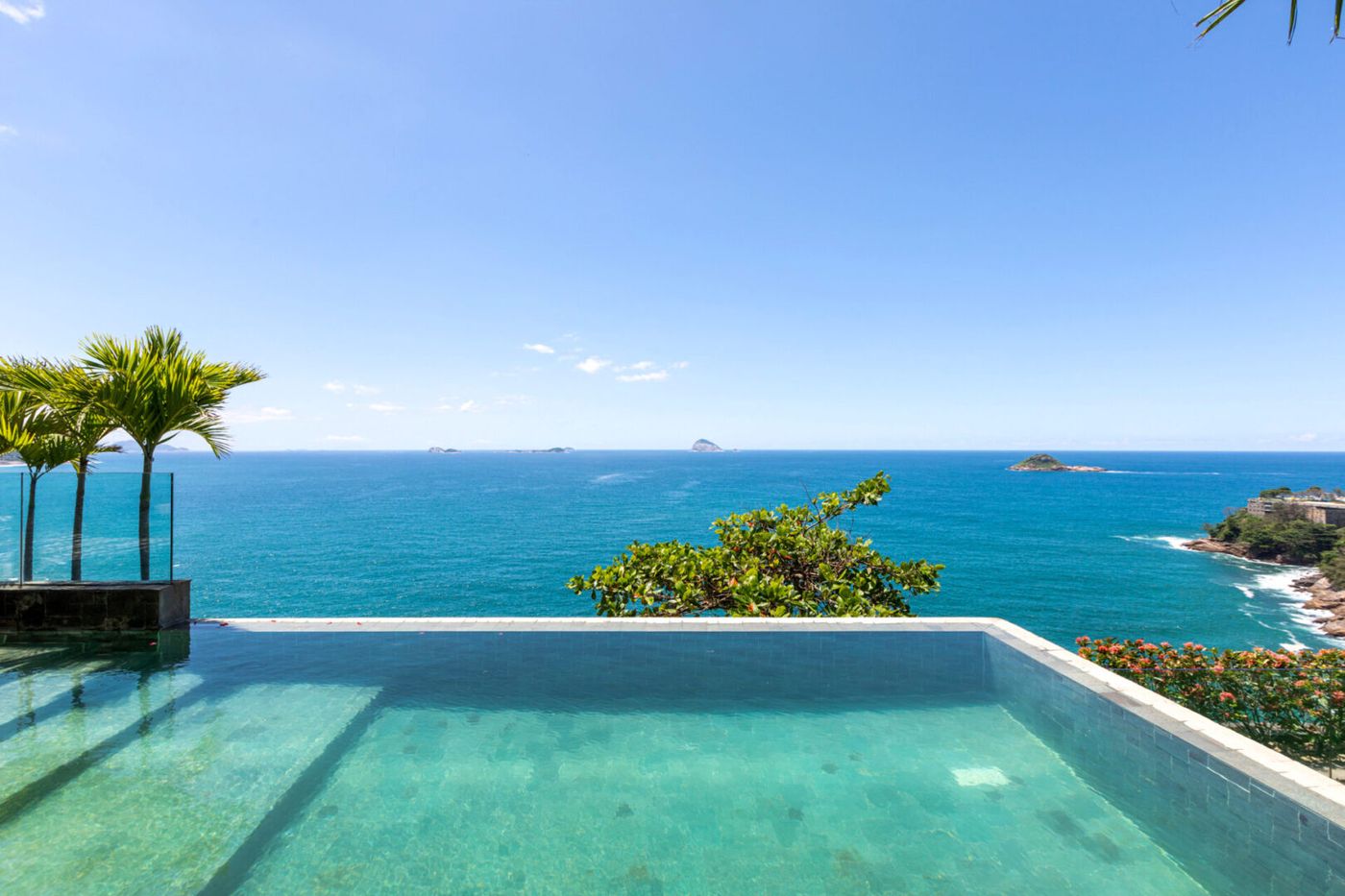
The house has an infinity-edge pool, a private elevator, a vertical garden and marble-lined bathrooms, and it stands on a cliff facing salt air. Eight short Journal entries explain what those features involve and how a house this size is run, including what can go wrong with a vanishing edge, why a lift shaft cannot be added later, and what a listing may mean when it says marble.
One shows how to test which way a house faces during a viewing, in about ninety seconds. Another, How to Read a Luxury Listing, gives five questions a buyer can ask about any property. Six longer entries cover Rio itself: restaurants, beaches, weddings, things to do, weekend trips and a first-week guide.
The Portuguese version
Portuguese lives under /pt/. The house, the hubs, the legal pages, all 32 guides and the six longer Journal entries have a Portuguese twin, and the ten shorter entries are in English only. Tags on each page tell search engines which language is which.
Some words needed more than translation. Villa becomes mansão, because vila is a false friend in Brazilian property listings, and the copy uses the article, o Joá and no Joá.
The film, the photographs and the build
Only the home page has video, and it comes from the site's own hosting. Phones get two films stacked with the menu between them: the coastline above, and below it a clip animated from a photo of the pool, running as a 16-second loop.
The 34 gallery photographs came from Art de Vivre's own listing. Outside photos in the guides carry a visible credit with the photographer and the license. The type is Newsreader and Mulish, both hosted on the site, and the house page marks the property for search engines as a single-family residence with an offer. São Conrado is another Art de Vivre property we built a site for.