
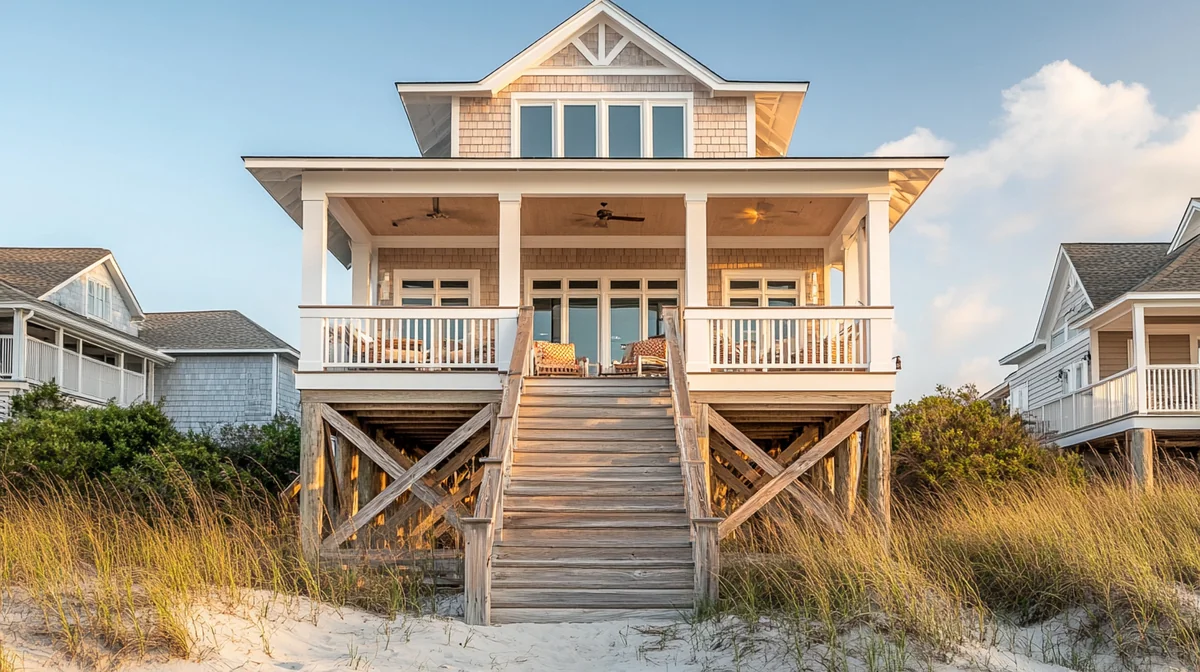
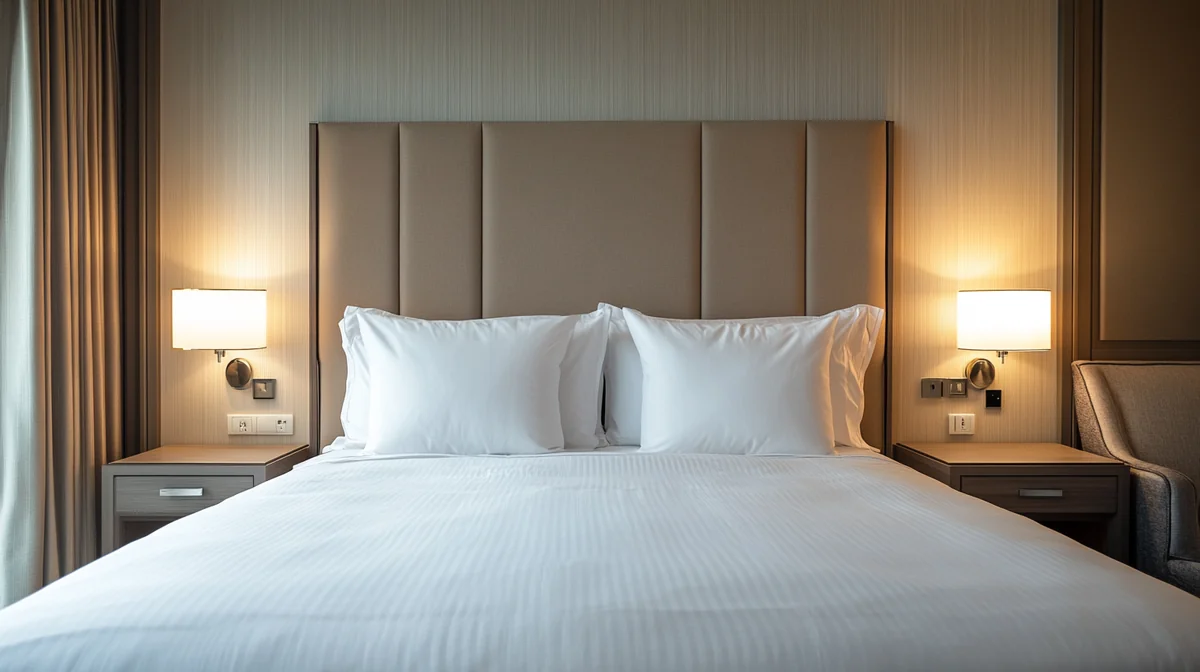
An independent boutique hotel lives in a squeeze. You can't out-spend a chain's loyalty program, and you can't out-authenticity a well-branded Airbnb down the street. What you have instead is a specific, hard-to-copy thing: consistent service, a point of view on design, a restaurant or bar with a name, and a property that feels like somewhere rather than anywhere. That's a genuine advantage. The problem I see over and over is that the marketing doesn't carry it — the website looks like a booking form, the photos are room shots, and the whole thing leans on OTAs that quietly take a fifth of the revenue and keep the guest relationship for themselves.
The fix is to run the hotel as a consumer brand that happens to rent rooms. The rooms, the service, the food — those are the product, and they need to be excellent. But the brand is what makes a traveler choose you over the forty other options on the map, pay a premium to do it, and book you directly the next time. This is a guide to building that brand and the marketing system underneath it, written for the operator who's living the day-to-day and needs the marketing to finally match the property.
If you want the market-level view of this property type — benchmarks, guest segments, margins — the boutique hotels overview covers it. This page is about what you, as the operator, actually do.
Run the hotel as a brand
Start with the thing that's easy to skip because it feels intangible: what does your hotel stand for, and who is it for? The strongest boutique hotels can answer that in a sentence, and every decision downstream — the photography, the playlist, the amenities, the tone of the confirmation email — lines up behind it. A hotel that's for design-literate couples on a slow romantic weekend is a different brand from one built for creative teams on an offsite, and trying to be both makes you a slightly-blurry version of each.
Pin the identity down as something concrete: a name and mark that look considered, a color and type system, a voice, and a short story about the property and the people behind it. Guests are choosing an experience, and the brand is the promise of that experience before they arrive. It's what lets a small hotel in Lisbon or Oaxaca command a rate that has nothing to do with its star rating and everything to do with how much a traveler wants to be the kind of person who stays there.
This is also the layer that makes everything else cheaper and more effective. Once the brand is clear, your team knows what a five-star stay looks like, your photographer knows what to shoot, and your social knows what to post. Skip it and you end up marketing a nice building, which is a much harder thing to sell at a premium.
Write the brand down so your whole team can use it. A short brand guide — the promise, the guest, the voice, the palette and type, the do's and don'ts — turns an idea in the founder's head into something the front desk, the housekeeper, the social manager, and any agency you hire can all execute the same way. Consistency is a boutique hotel's entire edge, and consistency across a team only happens when the standard is written down, not assumed.
A website that books like luxury e-commerce
Your website should feel like a magazine you can book from, and it should convert like a good online store. Most boutique hotel sites do neither — they're a photo gallery bolted to a clunky booking engine, and they send the actual reservation off to a third-party page that looks nothing like the brand. That handoff is where direct bookings die.
The essentials: a home page that sells the feeling in a glance and puts a date-picker within reach; rooms and suites presented like products, each with real photography and a clear reason to choose it; the restaurant and bar with their own space; a story or about page; and the practical trust layer — location, policies, contact, privacy and cookie compliance. Underneath, a booking engine that's fast, mobile-first, and visually part of the site, not a jarring jump to a generic portal. The moment a guest feels they've left your brand, your conversion rate drops.
Rate parity is the quiet lever here. If your direct rate is worse than the OTA rate, you're training guests to book on the platform and pay you less. At minimum, match the OTA rate direct; better, give direct bookers something the OTA can't — a room upgrade when available, a welcome drink, early check-in, a small F&B credit. The website's whole job is to make booking direct feel like the smarter choice, because for the guest it genuinely is.
Pay particular attention to the booking engine's fit. The best boutique setups use a hospitality booking engine that lives visually inside the site, holds the guest in your brand through checkout, and supports the details that matter — room-specific rates, packages, a direct-only perk, a gift-voucher option. Test the whole flow on a phone the way a guest would, because a clunky final step quietly sends people back to the OTA to book the stay you already sold them.
Editorial photography, not room shots
The single fastest upgrade most boutique hotels can make is the photography, because the standard hotel photo — a wide, evenly-lit shot of a made bed — communicates almost nothing about why your place is special. Boutique hotels sell atmosphere, and atmosphere is captured in the environmental and detail shots that chains never bother with.
Shoot the property the way a travel magazine would: the light through the window at the good hour, the texture of the plaster and the brass, a table being set, the bar mid-service, the courtyard at dusk. Shoot the food properly — it's some of the most shareable content you have. Shoot the people, with care and permission, because a hotel is a human experience and empty rooms read as sterile. And get moving image in the same session: a short film for the home page, vertical clips for social. One evocative sixty-second film does more for a hesitant booker than another paragraph of copy.
These images become the raw material for everything — the website, the OTA listings, the press kit, the social feed, the paid ads. Investing in one excellent shoot a year, refreshed seasonally, pays back across every channel you run. It's the closest thing to a marketing multiplier a boutique hotel has.
Keep the set current with the seasons and with any real change to the property. A hotel that only ever shows summer light struggles to sell winter stays, and photos that predate a renovation quietly undersell what you've built. One planned shoot a year, plus quick top-ups when something meaningful changes, keeps every channel accurate — and keeps you clear of the far more expensive problem of guests arriving to a property that looks different from the pictures that sold them.
The restaurant and bar as their own brand
In most boutique markets, the food and beverage program is a marketing engine, not an amenity. A restaurant or bar that attracts locals — through its own Instagram, its own reviews, a chef or bartender with a bit of a name — does two jobs at once: it earns revenue directly, and it sells the rooms above it. Travelers choose hotels partly on where they'll eat and drink, and a place buzzing with locals signals a hotel worth staying in.
Give F&B its own identity, its own handle, and its own content. Let it build a following that isn't just hotel guests. Court local press and the neighborhood crowd; a great bar with a line out front does more for your brand than a paid campaign. And make sure the standard matches the rooms — a beautiful hotel with a mediocre breakfast takes an immediate hit in reviews, because guests hold the whole experience to one bar. If you can't run the F&B at a high level yourself, partnering with an independent operator who can is often the smarter move.
The link back to rooms should be deliberate: diners discover the hotel, guests discover the restaurant, and both feed each other. Cross-promote gently — a dinner reservation prompt in the booking confirmation, a "stay the night" nudge on the restaurant's page — and let the F&B presence do the heavy lifting of making the whole property feel alive.
Shoot the food and drink like it's a restaurant brand in its own right, because it is one. F&B photography is some of the most shareable content you have, and a steady feed of it builds the bar or restaurant's own following of locals and travelers — people who then discover there are rooms upstairs. The content does double duty: it sells covers tonight and rooms next month.
Winning direct bookings from the OTAs
Booking.com and Expedia are useful — they put you in front of travelers who've never heard of you, and they fill gaps. The danger is dependence. A hotel that takes most of its bookings through the OTAs gives up a meaningful slice of revenue to commission and, worse, never owns the guest relationship. The most valuable marketing journey a boutique hotel can make is moving from mostly-OTA to a healthy share of direct bookings over a couple of years.
The tools are straightforward. A direct booking engine that converts, as above. Rate parity or a direct-only perk so guests have a reason to come to you. An email program that turns a first stay into a repeat visit — a warm follow-up, a reason to return, the occasional well-made note about a new season or a supper club. A simple return-guest gesture that rewards booking direct. And a light loyalty or CRM layer once volume supports it, so you can personalize at scale — remembering the returning guest, the occasion, the room they loved.
Watch one number above the rest: your direct-booking share over time. If it's climbing, the brand and the site and the email program are all working. If it's flat, the guest experience of booking direct probably isn't compelling enough yet — usually a rate-parity problem or a website that fumbles the handoff. It's the single cleanest gauge of whether your marketing is building equity or just renting reach.
Give guests a concrete reason to book direct that the OTA can't match, and make it visible. Rate parity at minimum, and ideally a direct-only perk — a room upgrade when available, a welcome drink, early check-in, a small credit at the restaurant. The perk costs you little next to the commission you save, and it reframes booking direct as the smarter choice rather than the inconvenient one. Say it plainly on the site and in your pre-stay communication wherever the platforms allow.
The metric that tells you it's working
Track the share of room nights booked directly, quarter over quarter. Every point you move from OTA to direct keeps commission you were giving away and hands you a guest you can invite back for free. A boutique hotel that pushes direct into a healthy range over two years has built real, durable brand equity — and a rising line is the proof.
Email and the returning guest
Email is the most underused channel in boutique hospitality and one of the highest-return, because it reaches guests who've already stayed and liked you — the warmest audience you'll ever market to, and one the OTAs never let you keep. Every guest who checks out is a future direct booking if you have their address and a reason to use it. Building and using that list deliberately is close to free and quietly compounds into a real share of your direct revenue.
Keep it high-quality and low-frequency. A boutique hotel's list doesn't want a weekly blast; it wants the occasional well-made note that's genuinely worth opening — a new season at the property, a supper club or event, a quiet winter offer for past guests, a personal invitation back. Match the tone to the brand: considered, warm, never pushy. A handful of thoughtful sends a year outperforms a relentless promotional calendar that just trains people to unsubscribe.
Layer in light automation and a simple CRM as volume grows. A warm pre-arrival sequence, a gracious post-stay thank-you with a review ask and a return invitation, a note on the anniversary of a guest's stay — these run themselves once set up and turn one-time guests into repeat ones. The goal isn't a marketing machine; it's remembering your guests the way a good host would, at a scale you couldn't manage by hand.
Press and influencers
Editorial coverage matters more for boutique hotels than almost any other kind of property, because a feature in a respected travel title carries a credibility no ad can buy and drives direct bookings for a year or more. The catch is that press responds to stories, not to hotels. "Come stay at our lovely hotel" gets ignored. "An off-the-beaten-path corner of Lisbon," "a chef who left the city to open ten rooms in the hills," "the design revival of a forgotten quarter" — those get written, and your hotel is the setting.
If budget allows, a hospitality-focused PR firm is the fastest path; if it doesn't, you can build relationships with a short list of travel writers yourself over a year, offering the right people a stay tied to a specific, timely angle that fits their publication. Patience and specificity win here. One well-placed feature is worth more than a scattershot blast to fifty journalists.
Influencers work on the same logic. Follower count matters far less than fit — a creator whose audience genuinely overlaps your guest, whose taste matches your brand, and whose content you'd be proud to have represent the property. A handful of thoughtfully chosen creator stays a year, treated as a brand investment rather than a transaction, generates more durable value than chasing the biggest account you can afford. Choose for audience quality and let them make real content, not an ad.
Keep a simple press kit ready so you can move when an opportunity appears: a short fact sheet, your best photography and film, a paragraph on the story, and easy contact details. Journalists and creators work on tight timelines, and the property that responds fast with everything they need gets the feature the one that takes a week to gather assets misses. Being easy to write about is its own small advantage.
SEO and AI search for an independent hotel
Search splits into two jobs for a boutique hotel. The first is owning your own name: when someone hears about you and searches you, they must land on your site, not an OTA page or a stale directory. That's the highest-value search real estate you have, and it should send them straight to your direct booking flow. Lock it down.
The second is discovery — being found by travelers who don't know you yet. You won't top the OTAs for "hotels in [city]," but you can win the specific, high-intent searches ("design hotel in [neighborhood]," "hotel with a great restaurant in [town]") and, increasingly, be the property that AI assistants recommend when a traveler asks them for somewhere with character. Both come from the same thing: genuinely useful, specific content. A neighborhood guide, a page on your restaurant, honest and detailed room pages. Get the technical basics in — titles, structured data marking you as a bookable hotel, accurate listings everywhere, a Google Business Profile kept current — and the content does the rest, quietly, all year.
Being part of the neighborhood
A boutique hotel that feels embedded in its neighborhood has an advantage a chain can't replicate, because travelers increasingly choose where to stay by how local and real the experience feels. Being genuinely part of your surroundings — knowing the good places, sending guests to them, hosting the community — turns the neighborhood itself into part of your brand and gives guests stories to tell when they get home.
Build the local relationships on purpose. Partner with nearby restaurants, shops, galleries, and experiences your guests would love; a few honest recommendations from the front desk beat any concierge app, and the businesses you send guests to tend to send travelers back. Host things that bring locals in — a tasting, a market, a talk — so the property is alive with people who actually live there, which is exactly the atmosphere that makes a hotel feel worth choosing.
This also feeds your local search presence. A genuinely useful neighborhood guide on your site, an accurate and active Google Business Profile, and real connections to nearby businesses all help you surface when travelers search the area — and increasingly when they ask an AI assistant for somewhere with character in your part of town. The embeddedness that makes the stay better also makes the property easier to find.
Service is marketing
For a boutique hotel, the guest experience and the marketing are the same system, because your reviews are your reputation and your reviews come from service. A chain can survive a mediocre rating on loyalty-program volume; you can't. The properties that hold a top rating do a few things relentlessly: they recognize guests personally, they keep every room and every turn immaculate, they hold F&B to the same bar as the rooms, they give concierge recommendations that beat anything a guest could Google, and they handle the inevitable problem fast and generously.
All of that is marketing, because it's what produces the recent, specific, five-star reviews that lift you on every channel and reassure the next booker. It's also what produces the repeat guests and the word-of-mouth that no ad budget can manufacture. The operational discipline and the marketing outcome are one loop: excellent stays create the reviews and referrals that create the demand that lets you hold your rate and reinvest in more excellent stays.
Systematize the small things so they happen every time, not just on good days. A note in the PMS about a returning guest's preferences, a checklist for the welcome amenity, a same-day protocol for anything that goes wrong — these are cheap to run and they're what produce the consistency that produces the reviews. The romance of boutique hospitality is real, and it rides on unglamorous systems underneath; the properties that hold a top rating are the ones that made the standard repeatable instead of hoping for it nightly.
Mistakes I see operators make
Living on the OTAs. Coasting on platform bookings feels fine for a few years, then a commission hike or an algorithm change exposes how little brand and how few direct relationships you built. Grow the direct channel before you're forced to.
A website that's a gallery with a booking button. If your site doesn't feel like the brand and the booking flow throws guests to a generic portal, you're funding the OTAs' convenience with your own traffic. Make direct booking feel premium.
Room-shot photography. Flat, evenly-lit room photos communicate none of the atmosphere you actually sell. Shoot editorially, shoot the food, shoot the life of the place.
Treating F&B as an amenity. A great restaurant is a marketing engine and a mediocre one is a review liability. Give it a brand, a following, and the same standard as the rooms.
Pitching press instead of stories. Journalists write stories, not hotel descriptions. Lead with a specific, timely angle that fits the publication, and be patient.
Letting service slip in peak season. Overflow demand tempts you to accept more bookings than you can serve well. Protect the experience even at the cost of a few rooms — a run of rushed stays in your busiest weeks does lasting damage to the ratings you spent years building.
How Cavmir works with boutique hotels
Cavmir is a marketing team you hire, not a management company — we don't run your front desk or your calendar. We build the brand, the editorial photography and film direction, a direct-booking website that converts like luxury e-commerce, the F&B brand and content, the email and loyalty layer, and the press, influencer, and social strategy that gets your property the attention its quality deserves. Boutique hotel work is usually a longer engagement than a single rental, because the payoff — direct-booking share climbing, rate lifting, a press and social presence compounding into a real moat — builds over months, not weeks.
If your property is genuinely good and the marketing hasn't caught up to it, that gap is exactly what we close.
Frequently Asked Questions
What boutique hotel operators ask us most about marketing.
How do we compete with chains and well-branded Airbnbs?
By leaning into what only you have — consistent personal service, a real point of view on design, a named F&B program, and a specific sense of place. Don't imitate the chain's scale or the Airbnb's "home" pitch; a boutique hotel that commits to its own category outperforms one that tries to be a bit of everything. The brand and the experience are the moat.
What's a healthy direct-booking share for a boutique hotel?
Many independent hotels start heavily OTA-dependent and can move a substantial share to direct over about two years with a proper booking engine, rate parity, email, and a return-guest program. There's no single right number, but the direction matters more than the target: a direct share that rises quarter over quarter is the clearest sign your marketing is building equity rather than just renting reach.
How important is the restaurant to the hotel's success?
In most markets, very. A restaurant or bar that draws locals — through its own presence and reputation — makes the rooms easier to sell, because travelers choose hotels partly on where they'll eat. A great one drives bookings; a mediocre one hurts reviews. If you can't run it at a high standard, consider partnering with an independent operator who can.
How do we get press coverage?
Lead with a story, not the hotel. Journalists write about a place, a person, a moment — a neighborhood on the rise, a chef with a backstory — with your property as the setting. A hospitality PR firm is the fast route; the DIY route is building relationships with a short list of writers over a year and offering the right ones a stay tied to a specific, timely angle that fits their publication.
Do we need to be on TikTok, or is Instagram enough?
Instagram is the priority for most boutique hotels, with short-form video doing the heavy lifting. Add TikTok only if your brand has a genuinely playful side and you can sustain the cadence — spreading yourself thin across platforms produces worse content everywhere. Three strong posts a week on one platform beats daily mediocrity across three.
How do we choose the right influencers?
Fit over follower count. The right creator has an audience that genuinely overlaps your guest, taste that matches your brand, and content you'd be proud to have represent the property. A few thoughtfully chosen stays a year, treated as a brand investment and given the freedom to make real content, beat chasing the biggest account you can afford.
What's the highest-return marketing investment we can make?
A direct-booking website that converts, paired with the editorial photography to fill it. Together they shift bookings from commission-heavy OTAs to your own channel and make every other effort — press, social, email — land on something that captures the demand. After that, the F&B brand and a return-guest program are the next highest-return moves.
Does Cavmir manage the hotel or take a cut of bookings?
No. Cavmir is a marketing partner — we build the brand, website, photography, F&B content, and the press, social, and email programs. We don't run operations, staff the front desk, or take a share of room revenue. You keep full control of the hotel; we make it fill more of its rooms direct and at a better rate.
How often should we email past guests?
Rarely and well. A boutique hotel's list rewards a handful of genuinely worthwhile sends a year — a new season, an event, a quiet offer for past guests, a personal invitation back — over a relentless promotional calendar that just trains people to unsubscribe. Keep the tone warm and considered, and let light automation handle the rest: a pre-arrival note, a post-stay thank-you with a review ask and a return invite.
Is a hotel-branded booking engine worth it over the OTA?
Yes — the goal is to keep the guest inside your brand through checkout. A hospitality booking engine that lives visually in your site and supports room-specific rates, packages, and a direct-only perk converts far better than bouncing guests to a generic portal, and it keeps both the commission and the guest relationship. Test the whole flow on a phone; a clunky final step is exactly where hard-won direct bookings leak back to the platform.

Social that shows the property lived-in
Social for a boutique hotel is Instagram-first, with short-form video doing the heavy lifting, and its job is to make the property feel alive and specific rather than to shout offers. Lead with environmental content — the property, the food, the neighborhood, the details — and let the promotion be implicit. Feature guests occasionally, staff sometimes to humanize the brand, and the surrounding area often to show you're embedded in a place worth visiting.
Consistency beats volume. Three strong posts a week, planned and shot deliberately, outperform ten rushed ones, and you can batch most of a month from a single content session. Tag your location, engage with your neighborhood, and treat the feed as the living, scrollable version of your brand — the place a traveler lands after a friend mentions you or a writer name-checks you, where they decide within a few seconds whether this is their kind of place.
Put the best guest content to work, with permission. A well-shot photo or clip from a real guest carries a credibility your own posts can't, and resharing it — crediting them — both fills your feed and rewards the guest in a way that encourages more. Over time, a steady stream of genuine guest content becomes a larger and more persuasive asset than anything you produce yourself; the trick is designing the property and the stay so there's always something worth photographing.