


Airbnb & Cottage Rental Marketing in Canada

Your Cottage or Chalet,
Found and Booked.

Lakeside cottages, ski-hill chalets and resort-village condos: Cavmir gives Canadian owners a website of their own, work on Google rankings and AI answers, and social posts. This page quotes every price in Canadian dollars, and you choose a call time from your end of the country.

Cavmir in Canada

Marketing for Canadian Cottages and Chalets

A family in Toronto looking at Muskoka for the August long weekend, or a group from Calgary planning a ski week in Fernie, usually starts on Airbnb or Vrbo. They narrow it by town and dates, then scroll through rows of near-identical photos. Cavmir handles the part those apps never will: a site in your own name that Google and AI tools can parse and cite, guide pages for the questions people ask before they book, and posts and emails that keep returning guests coming to you first. Nothing changes on your listings. You simply become easier to find, and easier to pick.

A site in your name

Between 40 and 125 pages, designed in your colours, that point visitors at your Airbnb or Vrbo page, open your booking engine, or take bookings live from your PMS. You keep the domain, the words and the photos.

Search and AI answers

Technical SEO, town and lake guides, and GEO, so assistants like ChatGPT and Gemini, and Google’s AI Mode, understand the property and name it when a guest asks.

Posts made from your photos

From the Destination plan up, carousels for Instagram and Facebook each month; the higher plans add Reels, Pinterest pins, YouTube Shorts and TikTok videos.

A monthly note to past guests

On Destination and higher, one email a month goes to guests who reserved straight through you or subscribed on your site. Each one can unsubscribe in a click.

See prices in Canadian dollars
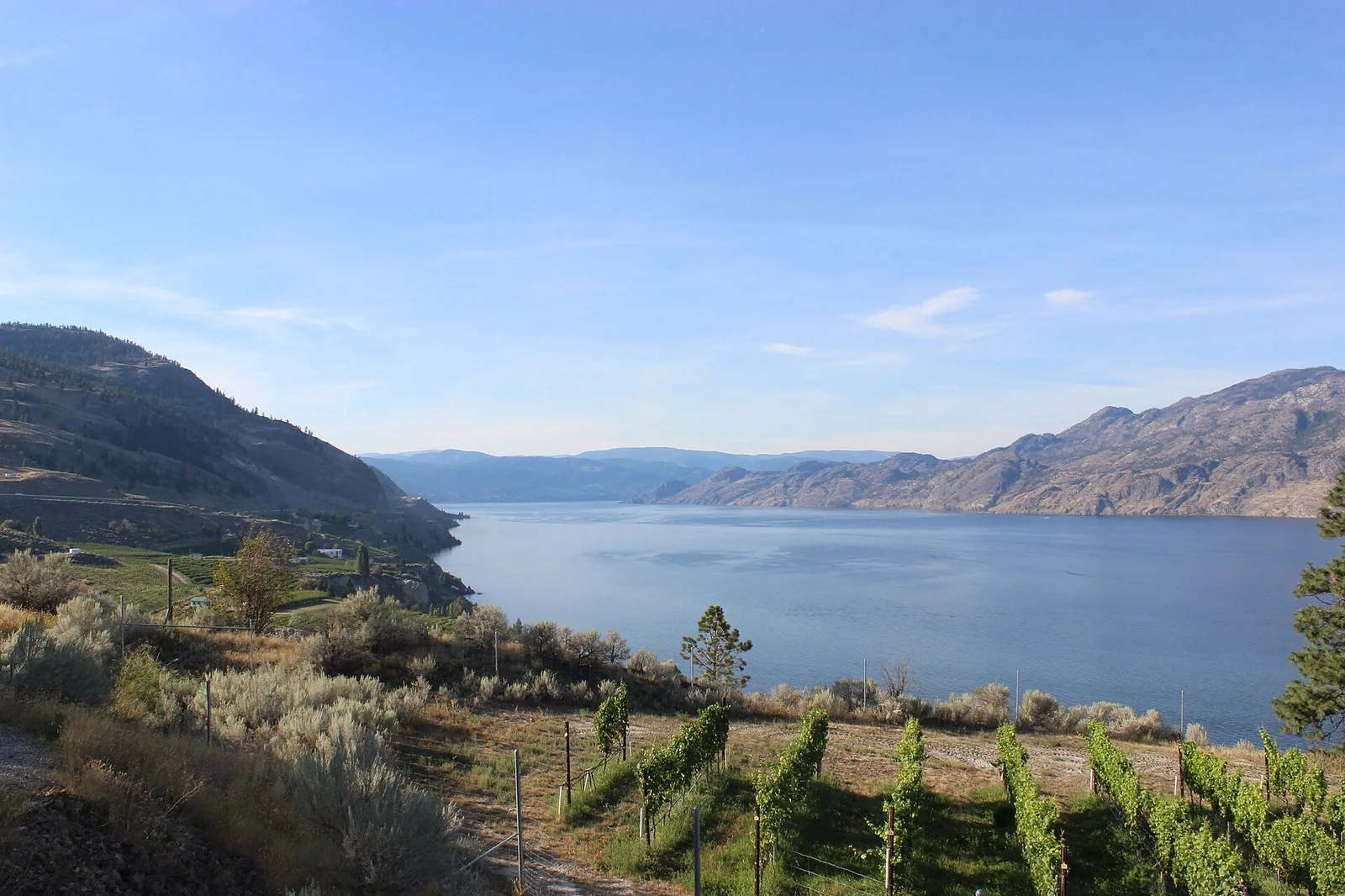
Okanagan Lake and the hills above Peachland, British Columbia

Photo: “Peachland, BC” by KDBelliveau, CC BY-SA 4.0, via Wikimedia Commons

Prices in Canadian dollars

Cavmir Prices in Canadian Dollars

Cavmir sets its prices in US dollars. The figures below convert them at 1.41 Canadian per US dollar, the European Central Bank reference rate published on November 9, 2026, rounded to C$5 (C$10 once a price passes C$1,000). You pay in US dollars, so the amount on a Canadian card statement moves with the exchange rate on the day.

Monthly marketing plans

Foundation

Any website kept up and found on Google and in AI answers, with new writing every month

C$345a month · billed as US$245Normally C$410 (US$290)
  • 1 new blog post (at least 4,500 words) and 1 new guide page on your own site
  • 1 press release when you start, on a news wire and your Press page (one time)
  • 1 basic fix to an existing page
  • SEO and AI SEO (GEO), so Google and AI assistants can find and quote you
  • Review sync: your guest reviews copied to your site and checked every month
  • A Google index check every month: pages Google missed are requested again, and the most important get more content
  • Daily site checks: an automated ADA accessibility scan, photo credits, cookie tracking, your security certificate, domain and contact form
  • Your site watched every 5 minutes, with a private log of dated screenshots in your client portal
  • A report emailed on the 1st: your website visits and Google searches
  • Hosting and security, TrollBuster™ legal protection and upkeep
Destination

One or two homes, up to about C$210,000 a year in bookings

C$830a month · billed as US$590Normally C$1,130 (US$800)
  • One 30-minute call with your dedicated account manager
  • 1 new blog post and 1 new guide page on your own site
  • Instagram: 8 carousel posts + 1 Reel, the same on Facebook and Threads
  • X and Bluesky: 8 posts each; Pinterest: 8 pins to your site
  • YouTube: 2 Shorts
  • 1 newsletter to the guests on your own list, plus mailing-list upkeep
  • A press release and a magazine feature every other month
Most popular

Landmark

Two to five homes, about C$210,000 to C$490,000 a year in bookings

C$1,390a month · billed as US$985Normally C$1,760 (US$1,250)
  • One 30-minute call with your dedicated account manager
  • 4 new guide pages on your own site
  • Instagram: 12 carousel posts + 2 Reels, the same on Facebook and Threads
  • X and Bluesky: 8 posts each; Pinterest: 12 pins; TikTok: 3 videos
  • YouTube: 3 Shorts + 1 narrated video; LinkedIn Page: 2 posts
  • 1 email to your own guest list, written new each month, a press release and a magazine feature

ICON

Five to ten homes, about C$490,000 to C$850,000 a year in bookings

C$2,320a month · billed as US$1,645Normally C$3,100 (US$2,200)
  • Two 30-minute calls, plus texts on business days
  • 8 new guide pages on your own site
  • Instagram: 14 carousel posts + 4 Reels, the same on Facebook and Threads
  • X, Bluesky and Mastodon: 12 posts each; Pinterest: 12 pins; TikTok: 4 videos
  • YouTube: 4 Shorts + 3 narrated videos; Google Business Profile: 4 posts, where Google lists you
  • A magazine feature every month and an account specialist on your social accounts 1 hour every day

Six months, then monthlyA plan commits you for six months, since the set-up work is heaviest at the start. After month six you can stop at any time with 30 days’ notice in writing.

Pay ahead for lessPaying six months at once takes 10% off; paying a year takes 15% off. Landmark prepaid for six months is US$5,319 (roughly C$7,500); for twelve it is US$10,047 (roughly C$14,170), charged once and never renewed automatically.

Ad money is yoursMeta and Google bill you directly for ad spend; it is not part of any plan. When Cavmir manages the campaigns, the fee is a fifth of the monthly spend (20%), never below US$300 (about C$425).

Website packages

Starter Website

Sends guests to your Airbnb or Vrbo listing, or takes inquiries

C$2,080one-time build, two to three weeks · billed as US$1,475Normally C$4,620 (US$3,278)
  • 40-page website
  • Up to 2 properties
  • 2 market-targeted blog posts
  • Basic SEO
  • Custom domain included for 12 months
  • Mobile and desktop responsive
  • Call or email support

Mid Tier

Direct booking option

C$4,020one-time build, four to five weeks · billed as US$2,850Normally C$9,420 (US$6,680)
  • 75-page website
  • Up to 3 properties
  • Direct booking option
  • 15-second custom hero video loop
  • Basic branding audit and guidelines
  • Image editing, up to 5 images
  • 10 market-targeted blog posts
  • SEO Hero package
  • Custom domain included for 12 months

Full with Direct Booking

Direct booking synced with your PMS

C$5,260one-time build, six to eight weeks · billed as US$3,732Normally C$11,700 (US$8,293)
  • 125-page website
  • Up to 5 properties
  • Direct booking synced via your PMS
  • 30-second custom hero video loop
  • Advanced branding audit and guidelines
  • Image editing, up to 20 images
  • Custom domain and custom email included for 12 months
  • 20 market-targeted blog posts
  • SEO Hero package

A website is paid in two halves: one when work begins, one at launch. Big portfolios, resorts and hotels get a price built around their units. The pricing page and the plans page list every item in US dollars.

Regions

Vacation Rental Regions Across Canada

First who travels, then six regions. Each town listed has its own Cavmir guide, and each card names the rule a host there runs into first.

Canadians travelling at home

Statistics Canada counted 342.0 million domestic visits by Canadians in 2025, a 1.5% rise on 2024, with $81.3 billion spent on them, up 8.7%.

That makes the core guest for most cottages and chalets a household a few hours’ drive away, booking around the long weekends and school breaks listed further down.

American guests

During the last three months of 2025, US residents took 4.7 million trips to Canada, about 4% below the same quarter a year earlier, yet spent $3.4 billion there, 15.1% more. Those inbound numbers are preliminary, and no full-year 2025 count of American visitors has been released.

In that quarter Americans came less often and spent more per visit, which makes them worth targeting by name: the cross-border drive markets, and the US cities with direct flights to yours.

Source: Statistics Canada, The Daily, May 29, 2026.

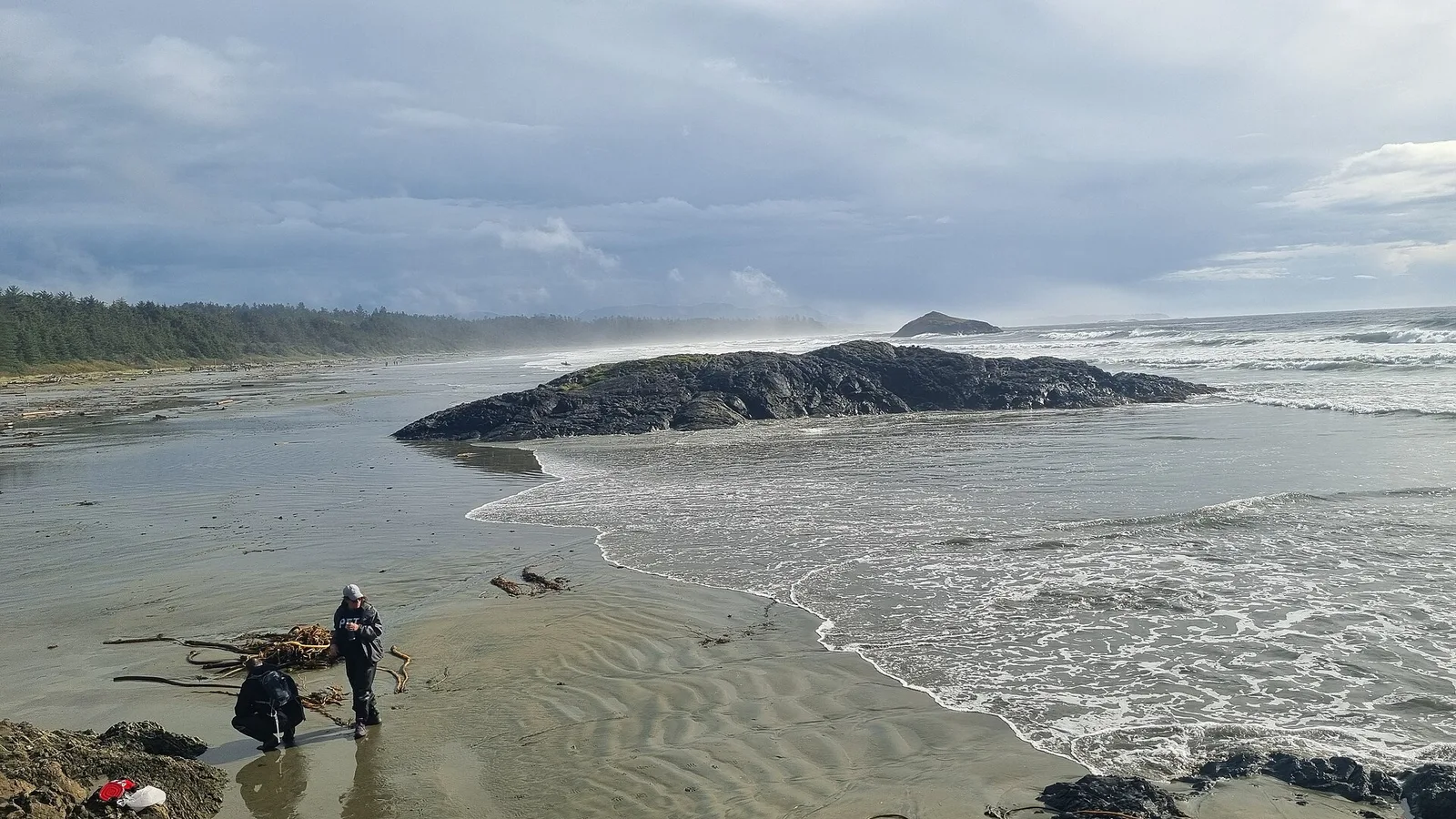
Long Beach from Incinerator Rock near Tofino, British Columbia

Tofino · Victoria · Vancouver

The British Columbia Coast

Surfing and winter storm-watching around Tofino on Vancouver Island, plus the two cities where most visitors land.

In Vancouver and Victoria, BC’s principal-residence rule means the rental must be the place the host actually lives, with room for at most one extra suite or accessory unit. Tofino appears on the province’s exempt list.

Tofino · Victoria · Vancouver

Photo: “Long Beach from Incinerator Rock” by Paul W, CC0, via Wikimedia Commons

Revelstoke and the Columbia River valley seen from Mount Revelstoke

Ski towns · lakes · wine country

BC Mountains and the Okanagan

Ski and bike towns from Whistler to Rossland, and the lake-and-vineyard country around Kelowna and Penticton.

Six of these towns (Whistler, Sun Peaks, Revelstoke, Fernie, Golden, Invermere) are exempt from the principal-residence rule, as is any address inside one of 43 mountain-resort boundaries. Kelowna and Penticton owners should look their address up on the provincial map.

Whistler · Revelstoke · Fernie · Golden · Sun Peaks · Invermere · Rossland · Kelowna · Penticton

Photo: “Revelstoke from Mount Revelstoke” by Darren Kirby, CC BY-SA 3.0, via Wikimedia Commons

Canmore and the Bow Valley from the Lady MacDonald teahouse trail

Canmore

The Alberta Rockies

Canmore is the Bow Valley town just outside Banff National Park, where a visitor can still rent a whole house; a winter ski base that turns into a hiking base by July.

Nightly rentals there need the town’s Tourist Home designation and a business licence. The Canmore guide walks through both.

Canmore

Photo: “Canmore from Lady MacDonald Teahouse” by Daniel Patterson, CC BY 3.0, via Wikimedia Commons

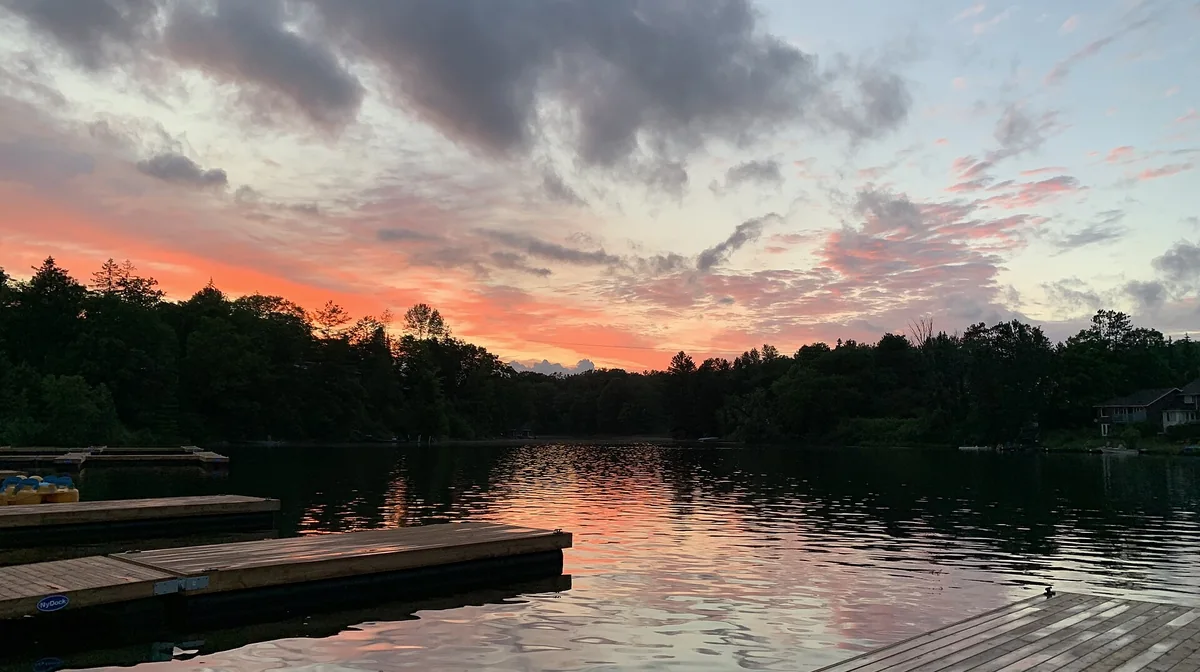
Sunset over a lake in Muskoka, Ontario, with a dock in the foreground

Lakes · beaches · wine country

Ontario Cottage Country

Muskoka and Parry Sound, the Kawarthas, Blue Mountains, the Bruce Peninsula, Grand Bend and Bayfield on Lake Huron, Prince Edward County, and Lake of the Woods in the northwest.

Ontario leaves licensing to each township or town, so the rules change as you cross a municipal line. Prince Edward County’s By-law 108-2021, for one, sets up a licence with one class for a primary home and another for a second property.

Muskoka · Kawarthas · Parry Sound · Blue Mountains · Prince Edward County · Bruce Peninsula · Grand Bend and Bayfield · Lake of the Woods

Photo: “Sunset Lake Muskoka” by Gracieleruiz, CC BY-SA 4.0, via Wikimedia Commons

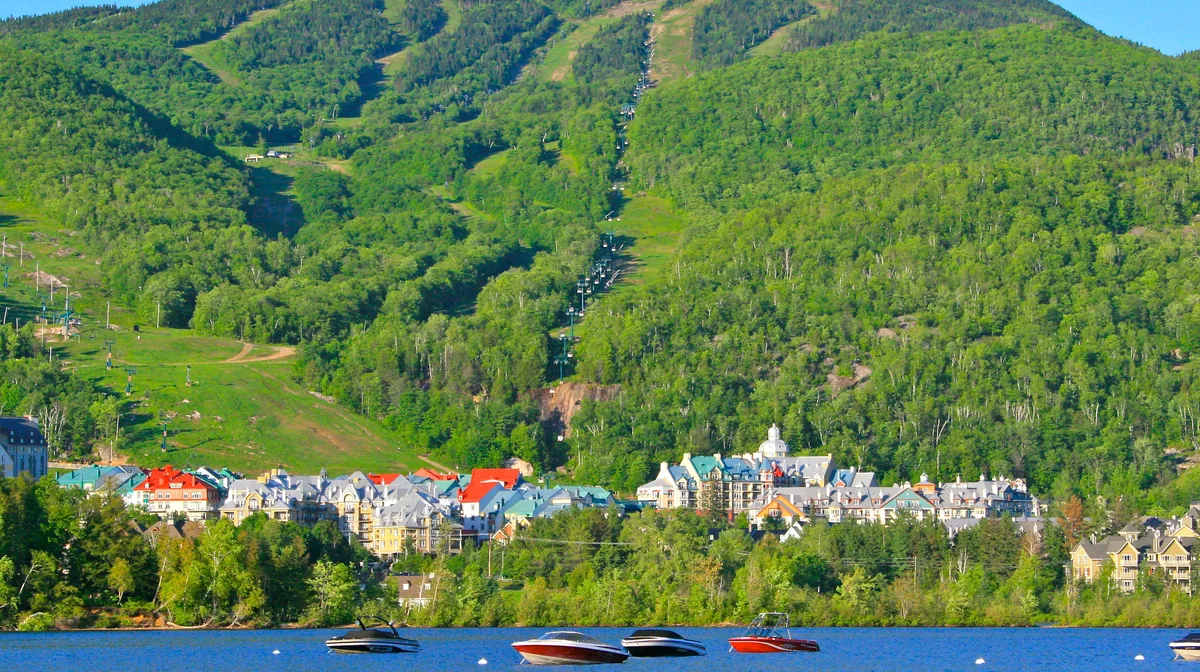
The pedestrian village at Mont-Tremblant, Quebec, below the ski hill

Laurentians · Charlevoix · Eastern Townships

Quebec

Mont-Tremblant and Lanaudière in the Laurentians, Charlevoix on the St. Lawrence, the Eastern Townships, Lac-Beauport and Stoneham north of Quebec City, and the Gatineau Hills across from Ottawa.

Quebec rentals are registered with the CITQ, and the number now has to be visible in every ad, including Instagram posts and the host’s own website.

Mont-Tremblant · Charlevoix · Eastern Townships · Lac-Beauport · Lanaudière · Gatineau Hills

Photo: “Mont-Tremblant-09-06-07” by Stéphane Duquesne, Public domain, via Wikimedia Commons

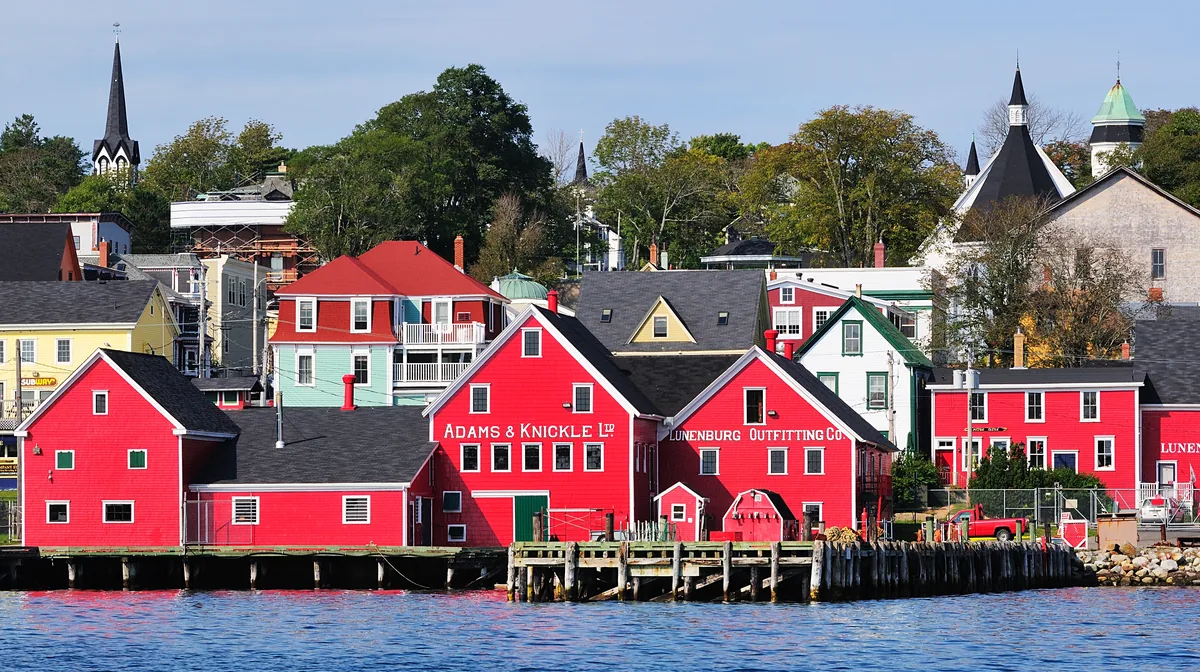
The red waterfront buildings of Lunenburg harbour, Nova Scotia

Nova Scotia · PEI · New Brunswick

Atlantic Canada

Chester and Lunenburg on the South Shore, Inverness on Cape Breton’s west coast, Cavendish and North Rustico on PEI’s north shore, and Saint Andrews on Passamaquoddy Bay.

Look up your own province’s tourist-accommodation rules before listing. If they give you a registration number, it goes on the website as well as on Airbnb and Vrbo.

Chester and Lunenburg · Inverness · Cavendish · Saint Andrews

Photo: “Lunenburg - NS - Lunenburg Hafen2” by Wladyslaw, CC BY-SA 3.0, via Wikimedia Commons

The Canadian calendar

When Canadian and American Guests Book

Canadian demand follows the long weekends and school breaks. In 2027 three of those Mondays land on the same day as an American holiday, so one campaign can reach Canadian and American guests in one go.

Long weekends and school breaks, 2027
DatesHolidayWhat it fills
Monday, February 15Family Day in Alberta, BC, New Brunswick, Ontario and Saskatchewan (Louis Riel Day in Manitoba, Heritage Day in Nova Scotia, Islander Day in PEI); Washington’s Birthday in the USSki weekends, from both countries at once
March 15 to 19Ontario’s March Break (other provinces set their own week)Ski weeks and winter cottages for families
March 26 to 29Good Friday to Easter MondaySpring skiing and the first cottage weekends
Monday, May 24Victoria DayOpening weekend for lake properties
June 24 and July 1Saint-Jean-Baptiste in Quebec (June 24); Canada Day on Thursday, July 1Quebec’s holiday week, then a long weekend for anyone who takes the Friday
July 1 to 5Canada Day, then US Independence Day observed on Monday, July 5Five days of Canadian and American bookings
Monday, August 2Civic Holiday in most provinces (not Quebec)The busiest summer weekend at the lake
Monday, September 6Labour Day, and US Labor Day the same MondayThe last summer weekend for both countries
Monday, October 11Thanksgiving in Canada; Columbus Day in the USFall colours and family dinners at the cottage
Thursday, November 25US ThanksgivingAn American long weekend that fills ski towns early

The seasons each region sells

  • Whistler, the Kootenays, Sun Peaks, Canmore, Mont-Tremblant and Blue Mountains: the ski season, then summer biking and hiking.
  • Muskoka, the Kawarthas, Parry Sound and Lake of the Woods: lake weekends from Victoria Day to Thanksgiving.
  • The Okanagan and Prince Edward County: summer on the water, then the fall wine and harvest season.
  • Tofino: summer beaches, and winter storm-watching.
  • Atlantic Canada: a summer season built on beaches, golf and seafood.

Campaign timing

Cavmir starts paid ads and email sends eight to ten weeks before each busy stretch: by mid-March for Victoria Day, by late April for Canada Day and the first Monday in August, by early August for Thanksgiving, and in September for the ski season. Guide pages and blog posts need longer to rank than ads need to run, so the winter pages are written over the summer.

Three Mondays in 2027 are holidays in both countries: February 15, September 6 and October 11. Those weekends get pages and posts written for Canadian and American guests together.

Sources: Ontario, school year calendars (2027 holiday dates and March Break); Statistics Canada on the February holiday Monday; Canada Revenue Agency, public holidays; US Office of Personnel Management, 2027 federal holidays. Checked November 10, 2026.

How guests book

Airbnb, Vrbo, Booking Systems and Your Site

Airbnb and Vrbo bring most Canadian cottage bookings, often with a property management system running behind them. Your website doesn’t compete with those listings. It is where a guest lands after searching your property’s name or your town, and it belongs to you.

Platform bookings and their taxes

Airbnb charges and remits GST/HST and QST (between 5% and 15%) for any host not registered for those taxes, for stays no longer than 30 nights. It also handles BC’s 8% PST plus the 2–3% MRDT for stays up to 26 nights, and Quebec’s 3.5% lodging tax for stays up to 31 nights. Its own figures show $94.7 million remitted in BC and $20.6 million in Quebec lodging tax for 2025.

Vrbo says it began collecting BC’s PST and MRDT on July 1, 2022, and Quebec’s lodging tax on January 1, 2020.

Direct bookings work differently. A platform only collects on stays booked through it. British Columbia tells hosts who take bookings themselves to collect PST and MRDT on them and pay it over, and holds them jointly liable for platform stays as well.

PMS checkout and payments

The usual systems take direct payments in Canada. Hostaway’s automatic guest payments run on Stripe, Braintree or Authorize.net; Guesty offers GuestyPay, Stripe and other processors; Hospitable charges direct guests through a Stripe account in the host’s name. Stripe is available to Canadian businesses.

Load the taxes into the booking system before taking your first direct booking, so the quote shows the full amount and every stay booked on your site is taxed correctly.

How the site takes a booking

  1. Send them to the listingEvery page links out to your Airbnb or Vrbo page through a booking button. The platform takes payment and deals with its taxes, and you need no extra software.
  2. Open your booking engineAlready run your own booking page? The buttons link straight to it, carrying the guest’s dates across when the engine accepts them.
  3. Book live on the siteOnce linked with Hostaway, Guesty or Hospitable, your site quotes real-time availability and rates, then passes the guest to that system’s checkout.
  4. Upgrade without a rebuildAll of these sit on one domain and one design, so going from the listing button to live booking later means connecting a system, not starting over.

Sources: Airbnb Help Centre, occupancy tax collection; Airbnb Newsroom, April 14, 2026; Vrbo help, Canadian stay taxes; BC PST and MRDT on accommodation; payment help pages from Hostaway, Guesty and Hospitable; Stripe availability by country. Checked November 10, 2026.

Local rules

What a Canadian Rental Website Must Display

The provincial, federal and Quebec rules that decide what a Canadian rental website shows and how its emails are sent, taken from each government’s own pages. Use them to get your bearings; a lawyer or accountant has the final word on your situation, while the marketing is Cavmir’s job.

British Columbia’s registry and principal-residence rule

Since May 1, 2025, BC hosts and platforms alike must hold a provincial registration. The yearly fee is C$100 when the host lives on site and C$450 otherwise, and a C$1.50 service charge is added.

Each listing carries the provincial number, plus the municipal business licence if your town issues one. Platforms send the province a list of active listings no later than the 15th of each month; the biggest verify numbers daily and must pull a failed listing, refuse new bookings and cancel the existing ones.

The principal-residence rule covers municipalities with a population of 10,000 and up, plus the smaller communities next to them. There, only the host’s own home can be rented, along with one extra suite or accessory unit. Resort areas, most rural electoral areas and farmland sit outside it. Municipal tickets can reach C$3,000 per offence for each day it continues.

Quebec’s CITQ registration

Renting a unit to tourists for a month or less, for money, requires registration in Quebec. There are two kinds: a principal-residence establishment (your own main home, one group at a time) and a general tourist establishment. The CITQ processes both; 2026 fees are C$54 and C$156, with a municipal zoning confirmation and liability insurance of C$2 million or more.

From April 9, 2026, the number must be clearly shown in all advertising, social media included. From September 1, 2026, applying or renewing as a principal residence takes two proofs that you live there. Operating unregistered brings a fine of C$2,500–25,000 for a person or C$5,000–50,000 for a company.

Ontario’s municipal rules

Ontario rules are set locally. Toronto, for example, permits short-term rentals in a principal residence only, charges C$390 for 2026 registration, limits whole-home rentals to 180 nights a year, wants the number shown on each listing, and adds a 6% Municipal Accommodation Tax. Prince Edward County licenses rentals through By-law 108-2021.

Muskoka, Blue Mountains and the other cottage areas each run their own licensing. Every Cavmir town guide covers the local version, and your site prints your licence number wherever the town asks for it.

Federal tax and GST/HST

Since the 2024 tax year, section 67.7 of the Income Tax Act blocks expense deductions on a rental let for stays shorter than 90 consecutive days, during any stretch in which it lacks the registration, licence or permit its province or town requires.

The CRA says a host whose accommodation-sharing income tops C$30,000 across four calendar quarters must register for GST/HST and charge it. Platforms collect it on behalf of unregistered hosts; a registered host charges it personally, direct bookings included.

Sources: Government of British Columbia, short-term rental legislation, principal residence requirement (list as of June 1, 2026), mountain resorts, host registration and platform requirements; Québec, registration, March 25, 2026 amendments and fines; City of Toronto; Prince Edward County; Canada Revenue Agency, short-term rental deductions, sharing economy and platform-based accommodation. Checked November 10, 2026.

Guest emails under CASL

Canada’s anti-spam law allows a commercial email only with the recipient’s express or implied consent. If someone bought from you during the 24 months before your email, CASL treats that as an existing business relationship, one form of implied consent; your lawyer can tell you whether a past stay counts.

Each message has to name who sent it, give a mailing address plus a phone number, email or web address, and include an unsubscribe link that keeps working for at least 60 days and is honoured within 10 business days. Penalties reach C$1 million per violation for a person and C$10 million for a business.

So Cavmir’s monthly emails only reach guests who booked without a platform or opted in through your website, and each one carries the sender details and the unsubscribe link.

PIPEDA and Quebec’s Law 25

Under PIPEDA, consent only counts when the essentials are made obvious: what is collected, who receives it, why, and the risks. The federal Privacy Commissioner accepts opt-out consent for ad tracking only when the purpose is explained up front, rather than hidden in a policy, and turning it off is easy, immediate and lasting.

Quebec’s Law 25, mostly in force since September 22, 2023, says any technology that can identify, locate or profile someone must be disclosed first and cannot be switched on by default. A business must publish a privacy policy that explains its cookies, and the title and contact details of the person responsible for personal information.

Cavmir sites hold back analytics and ad pixels until a visitor says yes, and the privacy page lists the cookies and can name your privacy contact.

French for a Quebec business

Article 52 of Quebec’s Charter of the French Language requires commercial publications in French, and the Office québécois de la langue française says that covers those published on a website. It fined one business C$1,500 in 2021 for an English-only site, and another C$3,000 in 2026 for ignoring an order from the Office.

A Quebec owner’s Cavmir site can therefore launch with a full French edition alongside the English one, priced as its own line in the quote.

What Cavmir builds into every Canadian site

  • The BC registration number, CITQ number or town licence wherever the rules call for it.
  • Tracking that waits for the guest’s consent before loading, and a privacy page listing every cookie.
  • Sign-up forms that tell the guest what they are signing up for, and emails carrying the sender details and a working unsubscribe.
  • With live booking, quotes that include the taxes your booking system charges.
  • A French edition for Quebec properties, when you add it.

Sources: Canada’s Anti-Spam Legislation (sections 6, 10, 11 and 20) and its regulations; Office of the Privacy Commissioner, meaningful consent and tracking and ads; Commission d’accès à l’information, Law 25 changes; Québec, September 22, 2023; Office québécois de la langue française, July 9, 2021 and May 15, 2026. Checked November 10, 2026.

AI search

Getting Your Cottage Named in AI Answers

How AI picks a cottage

A growing share of guests skip the filters and ask ChatGPT, Google’s AI Mode or Gemini something specific, like a dog-friendly Muskoka cottage on the water with a hot tub. The reply names a handful of places. The ones it names are those it could read about clearly, on their own sites and on other pages that mention them.

In July 2026 Cavmir checked which businesses Google’s AI cited across 550 answers in 15 US markets. Four out of five citations (82%) pointed to independent and regional rental businesses; only 17% of the answers mentioned Airbnb or Vrbo. Canadian searches were not part of that check.

The GEO guide · Cavmir’s GEO service

What GEO covers

  • Findable: clean code, structured data, a sitemap and llms.txt, so crawlers can get through every page.
  • Quotable: plain answers to what guests ask about Canadian stays: lake access, winter road clearing, wood stoves, drive times from Toronto, Calgary or Montreal.
  • Corroborated: press, directories and other sites that repeat the facts your own pages state.
  • Bookable: a page where the guest who got the answer can book on the spot.

Cavmir’s rule for all four: outsmart, don’t outspend.

Websites Cavmir has built

Sites Cavmir Has Launched for Rental Owners

Try booking on a few of these; that tells you more about a designer than any pitch. Every site below is live on its owner’s domain, and the case studies explain what went into each.

Working together

Working With Cavmir From Canada

  1. Pick a call timeCavmir’s booking page converts every open slot to your clock, whether you are in Victoria or Halifax.
  2. Get it in writingTwo business days after the call or the form, you receive the plan or package, its contents and its price.
  3. Approve, then buildWe agree first on the guests you want to reach, which pages to build and how bookings will run. Design comes next, and the build follows on a private preview open at any hour. There are three sign-offs: plan, design, finished site.
  4. Paying from CanadaCavmir bills in US dollars and your card issuer converts the charge. TD, for one, adds a 2.5% foreign currency conversion fee to US-dollar purchases on a Canadian-dollar card, so budget for that on top.
  5. Launch and beyondMost Starter sites launch inside three weeks and Mid Tier in four or five; the Full with Direct Booking build needs six to eight weeks. Once it is live, a daily check covers uptime, the security certificate, the forms and every booking link, and your plan carries on with new pages and posts.
  6. You own all of itEverything is registered to you: domain, files, text, photos and analytics. A French edition, which a Quebec business needs, is priced on its own.
Keep exploring

Keep Reading

FAQ

Canadian Cottage and Chalet Marketing:
Questions, Answered

Does Cavmir take on Canadian clients?

Yes. Cavmir works with owners and managers outside the United States as well as inside it, and this page is written for Canada: Canadian-dollar prices, the regions, the 2027 calendar and the provincial rules. Call slots appear in your local time.

Is there a way to pay in Canadian dollars?

Not directly. Cavmir charges your card in US dollars, your card issuer converts it the same day, and some issuers add a foreign transaction fee. The Canadian figures here use the ECB rate of November 9, 2026 (C$1.41 to the US dollar).

Can my Airbnb and Vrbo listings stay up?

They can. The listings carry on as before. Your site picks up guests who type your property’s name, or your town, into Google, and then sends them wherever you prefer to take the booking: the listing, your booking engine, or a direct checkout.

Must my website show my BC or Quebec registration number?

For Quebec, yes: since April 9, 2026 the CITQ number has to be clearly visible in all advertising, social posts included. BC’s rule is written for listings, which must carry the provincial number and any municipal business licence number. Cavmir prints both on your site anyway, so the numbers there match the ones the platforms display.

Is my BC chalet caught by the principal-residence rule?

That depends on the address. It reaches municipalities above roughly 10,000 residents and their smaller neighbours. Whistler, Sun Peaks, Revelstoke, Fernie, Tofino, Golden and Invermere are exempt, as is anything inside the 43 mountain-resort boundaries. The province’s map gives the answer for a specific property.

What happens to my tax deductions if the rental isn’t registered?

Section 67.7 of the Income Tax Act removes them for every day the rental operated out of line with its province’s or town’s rules, starting with the 2024 tax year. Your accountant can tell you how that plays out for your property.

Can I send marketing emails to guests who stayed before?

Under CASL, a purchase made within two years of your email counts as an existing business relationship, which is one kind of implied consent; ask your lawyer whether that covers your past guests. Every email also needs the sender’s details and an unsubscribe that is honoured within 10 business days. Cavmir only writes to direct bookers and site subscribers.

Does a cottage in Quebec need a French website?

A Quebec business does. Article 52 of the Charter of the French Language requires commercial publications in French, and the Office québécois de la langue française applies it to websites. Cavmir can build the French edition with the English one, quoted as a separate line.

Who charges the tax when a guest books on my own site?

You. Airbnb and Vrbo handle GST/HST, QST and the provincial accommodation taxes only for stays booked through them. In British Columbia, the province tells hosts to collect PST and MRDT on the bookings they take themselves and pay it over. Load the taxes into your booking system before going direct, and check the specifics with an accountant.

Will live pricing and checkout work for a Canadian property?

Yes. With a Hostaway, Guesty or Hospitable connection, live availability and rates appear on the site, which hands the guest to that system’s checkout, which runs on processors such as Stripe that serve Canadian businesses.

How fast can a site go live?

Starter sites are ready in two or three weeks, Mid Tier in four or five; allow six to eight for Full with Direct Booking; the booking connection decides where in that range you land. The launch date goes into the agreement before any work starts.

Do you handle managers with many properties?

Yes. Landmark is sized for two to five homes, ICON for five to ten. Past that, or for a resort or hotel, the price is built from your unit count; the pricing page shows how.

Who keeps the site if we stop working together?

You. The domain was registered in your name from the start, and the code, text, photos and analytics accounts are handed over at launch.

Get a quote

Tell Us About Your Cottage or Chalet

Tell us the property, the town and where it is listed now. Expect a written proposal within two business days.

What do you need?

Your details go to Cavmir only and are used to answer you. Privacy policy.

Photo Credits