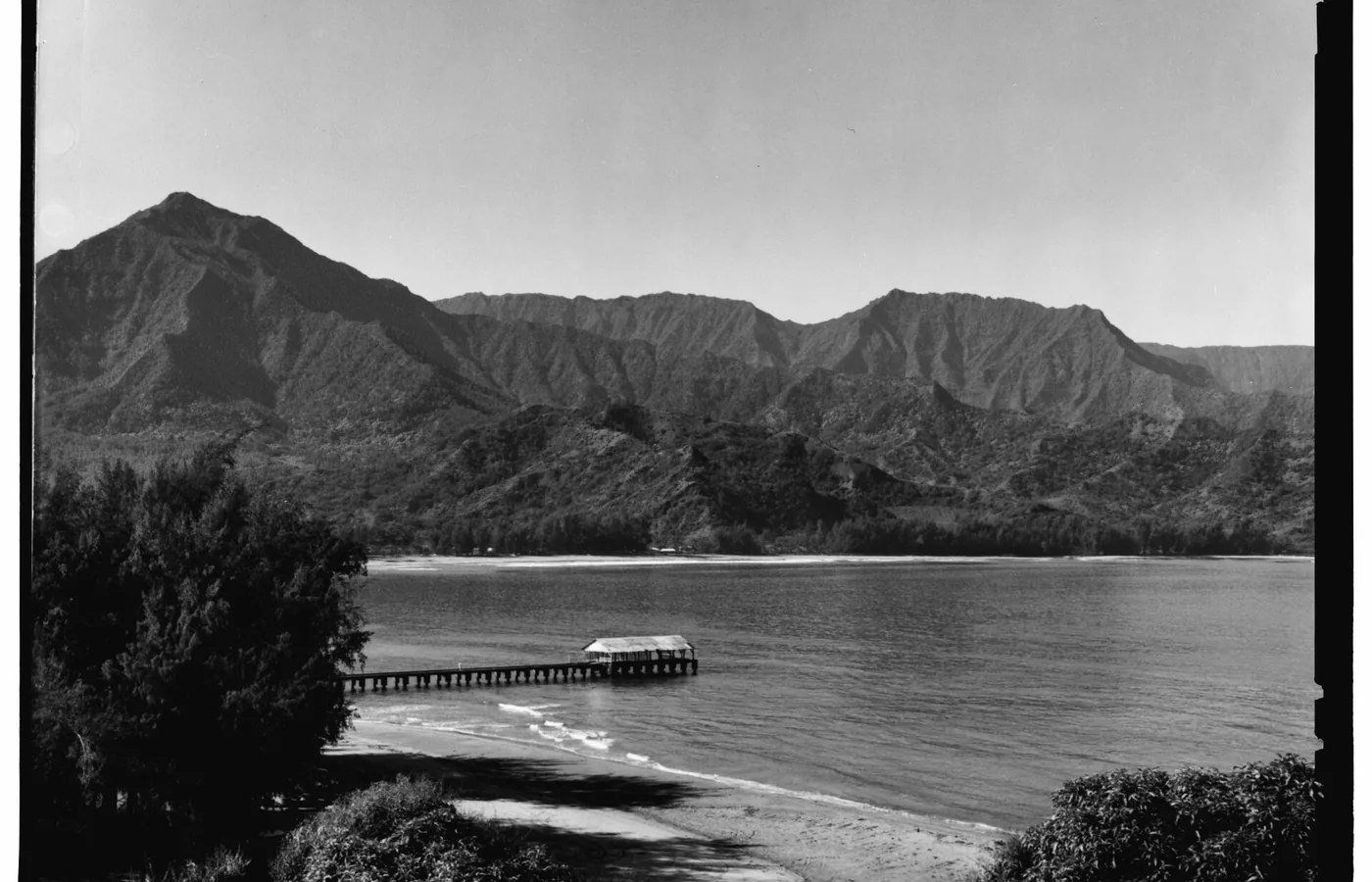
Hanalei Bay before eight
The bay at dawn — glassy water, the ridge lifting out of cloud, surfers on the early sets. Send guests down with coffee before the day's plans; it is the coast's signature hour and the trip's keeper image.
Expert short-term rental marketing for Kauai's North Shore — Princeville's bluff-top resort lands and the permitted rentals of Hanalei's storied bay.
Sixteen services, one team. Everything below is built in-house and scoped to your property and market. Most owners start with the 12-Step System.
Every engagement is quoted to your portfolio. These are the ready-made scopes owners pick most — Summer Promo pricing shown, discount already applied. A clear proposal within 48 hours.
The work is public. Selected engagements and what changed — and reviews from the owners and managers behind them.
* Market averages. Properties marketed by Cavmir typically exceed these figures by 25–45%. Data sourced from AirDNA, STR market reports, and Cavmir internal analytics.
The North Shore of Kauai is the Hawaii people picture before they have ever been: Hanalei Bay's two-mile crescent under waterfall-cut mountains, taro fields running up the valley floor, one road winding until it simply ends at the Nā Pali cliffs. It is also, not coincidentally, one of the most tightly regulated vacation-rental markets in the United States — Kauai County confines lawful short-term rental to designated Visitor Destination Areas and a limited set of grandfathered permits outside them. The economics follow directly: Princeville, the North Shore's principal VDA, holds most of the lawful supply; permitted Hanalei homes are scarce almost to the point of legend; and rates across both reflect a market where demand is global and supply is fixed by ordinance.
The two communities split the market cleanly. Princeville, on the bluff between Hanalei and Anini, is the master-planned resort land — condo regimes and homes around golf greens, the 1 Hotel Hanalei Bay anchoring the point where the St. Regis once stood, Hideaways and Queen's Bath below the cliffs. It is where most lawful nightly rental lives, and where the marketing contest is differentiation among neighbors: same complex, same floor plans, wildly different results. Hanalei town, down the hill on the flat by the bay, is the storied address — surf culture, the pier, Tahiti Nui's mai tais — where a lawfully permitted rental is a scarce asset commanding scarcity pricing, and where saying 'permitted' plainly is itself marketing.
The guest is the most intentional in Hawaii. Nobody lands on the North Shore by accident — it is the far end of the least-developed major island, past the one-lane bridges, a full hour from the airport — and the traveler who makes it here planned for months: honeymooners, returning families on their tenth Kauai summer, surfers timing winter swells, hikers holding Hā'ena State Park reservations for the Kalalau Trail. They book early, stay long by Hawaii standards and return at rates that make past-guest marketing the highest-yield channel on the island. Speak to them specifically — swells, seasons, reservations, the rhythm of the bridges — and the listing outperforms every generic paradise pitch.
The access story is part of the product and should be told honestly: Līhu'e's airport receives nonstops from the mainland's western hubs, the drive north runs about an hour through the island's small towns, and the road past Hanalei crosses one-lane bridges that meter the far shore's traffic by design. The metering is the moat. It keeps the North Shore the quietest developed coastline in Hawaii, filters for exactly the guest who values that, and underwrites the rates the market commands. A listing that frames the journey as the beginning of the experience — rather than apologizing for it — is marketing in the island's own grain.
Cavmir markets North Shore rentals as the small hospitality brands they are — not as interchangeable paradise inventory. We position your Princeville condo or permitted Hanalei home in front of the exact traveler who plans this coast for months: the honeymooner, the returning family, the winter surfer — wherever they search.
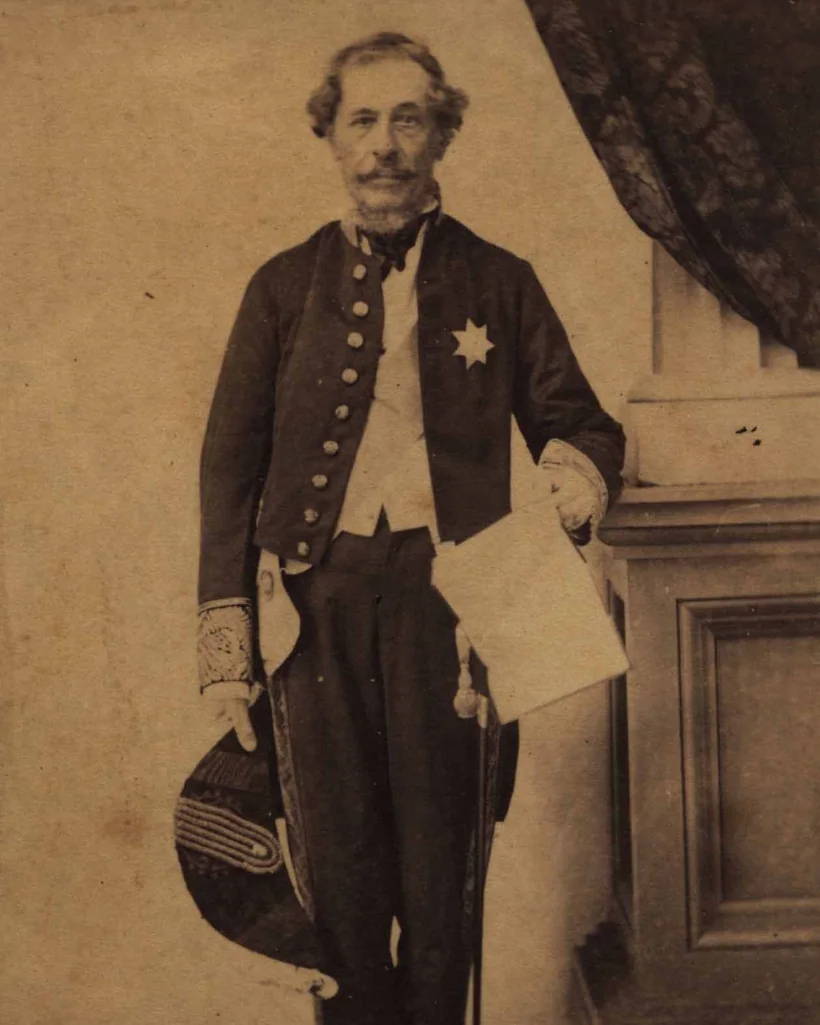
Hanalei was a working landscape long before it was a destination — taro in the valley for centuries, rice after that, cattle on the bluffs where Princeville's fairways now run. The name Princeville itself dates to 1860, honoring the young prince of the Hawaiian royal house after a royal visit to the plantation there. Tourism arrived gently through the middle twentieth century — Hollywood shot South Pacific on the bay in 1957 and fixed the image of Bali Hai in the world's imagination — and the North Shore settled into its double identity: a real community on the flat, a resort economy on the bluff.
Princeville's master-planned development from the 1970s onward created the modern market's architecture: condominium regimes, golf-course lands and hotel parcels expressly zoned for visitors — the Visitor Destination Area designation that would later become the market's legal spine. Kauai County's landmark vacation-rental ordinances, beginning in 2008, drew the line that defines everything today: nightly rental confined to the VDAs, with a limited class of grandfathered non-conforming permits outside them, prized and finite, many along Hanalei's storied lanes.
Nature has audited the market repeatedly. The April 2018 floods cut the road past Hanalei for months and remade the state's management of the far shore — Hā'ena State Park reopened under a reservation system that capped daily visitors, an approach now studied across the islands. Each disruption tightened the supply story further: nothing new is being zoned, some permits lapse, and the reservation era made the North Shore's scarcity formal. Demand, meanwhile, returned from every interruption faster than forecasters predicted, carried by the deepest repeat-guest loyalty in the state.
Today the market is mature, expensive and structurally undersupplied — a combination that rewards precision. Princeville's regimes compete internally on presentation and operations; Hanalei's permitted homes trade on documented lawfulness and provenance; and the whole coast's marketing gap is specificity: most listings still sell generic paradise while the coast's actual guests search for swell seasons, bridge etiquette, reef conditions and reservation logistics. The listings that answer those searches collect the market's premium.
North Shore pricing tiers cleanly. Permitted Hanalei homes are the scarcity tier — lawful nightly rental steps from the bay transacts at estate rates, with the best addresses effectively setting their own market. Princeville's oceanfront and bluff-edge homes and the top condo regimes form the premium tier, priced on view, renovation standard and proximity to the resort core; interior Princeville condos carry the accessible tier, where presentation quality separates identical floor plans by hundreds of dollars a night. State the tier, the view and the permit status plainly — this market's guests read carefully.
The calendar runs on two overlapping rhythms: mainland vacation patterns and the ocean's. Winter (December through March) brings holiday super-peaks, whale season and the big north swells that define surf culture on the bay — premium weeks for the right product, quieter for families wary of winter surf. Summer (June through August) is the family peak: the bay turns gentle, Tunnels and Ke'e open to snorkelers, and multigenerational groups book the biggest homes. Spring and fall are honeymoon and value seasons, underpriced by owners who treat them as leftovers rather than products.
The pricing plays that work are ocean-literate: winter listings that sell whale-watching lanais and swell-watching porches to the guests who want exactly that; summer listings that lead with calm-bay family logistics; shoulder listings built around honeymoon privacy. And across all seasons, the repeat-guest economics dominate: North Shore families return annually for decades, and a first-refusal direct channel converts one good stay into a compounding calendar asset.
Medium seasonality with two distinct peaks: winter (holidays, whales, north swells — premium but surf-conscious) and summer (calm bay, family season, the biggest homes full). Spring and fall are honeymoon and value windows that reward deliberate positioning rather than leftover pricing.
The revenue most owners miss is ocean literacy: the winter guest deciding between five lanais books the one that names the swell and the whales; the summer family books the listing that explains the calm bay and the reservation logistics at Hā'ena. Specificity about the ocean's calendar is the cheapest rate premium on this coast.
Kauai County's framework is the strictest in the state and the market's defining fact: lawful short-term rental is confined to designated Visitor Destination Areas — Princeville's resort lands chief among them on this coast — plus a finite class of grandfathered non-conforming use permits outside the VDAs, many in Hanalei. Operating without lawful status draws real enforcement, and the county's posture has tightened over time, not loosened. Permit status is therefore the first fact of any North Shore rental — in diligence, in operations and in marketing.
The tax stack is Hawaii's full set: state transient accommodations tax, the county's own transient accommodations surcharge, and the general excise tax on gross rental income — registered and remitted by the operator, with platform collection covering only part of the obligation depending on configuration. Condo regimes add the private layer: house rules, rental-program terms and minimum-stay provisions vary by association and bind exactly like law.
Treat this section as orientation rather than legal advice, with more than usual force: the VDA boundaries, permit classes and tax rates all evolve, and the difference between a lawful and unlawful North Shore rental is bright-line and consequential. Confirm current status with Kauai County's planning department and a Hawaii-licensed professional before you list. Cavmir markets lawful product; compliance sits with you and your local professionals.
First, lead with lawfulness. On a coast where permit scarcity is the market's spine, 'lawfully permitted' or the VDA address is a headline fact, not fine print — it reassures the careful guest, filters out the problematic one and justifies the scarcity premium. Hanalei permit holders in particular are sitting on marketing gold most never mention.
Second, teach the ocean. The North Shore's calendar is written in swell: winter's thunder on the outer reefs, summer's lake-flat bay, the seasonal migration of safe swimming from Anini's lagoon to the pier to Tunnels. A listing and welcome book that teach it — where to swim in February, when Queen's Bath is deadly, how the lifeguarded beaches rotate — serve the guest better than any resort amenity and convert first-timers into the decades-long repeaters this coast specializes in.
Third, make the logistics gracious. Hā'ena State Park's advance reservations, the one-lane bridge etiquette, the hour from Līhu'e, provisioning before the last stretch — the North Shore runs on a choreography that intimidates first-timers and delights the initiated. The listing that walks guests through it in advance — reservation links, bridge rhythm, the Hanalei grocery reality — removes the friction that generates this coast's only common complaints.
Fourth, build the return channel. North Shore loyalty is the deepest in Hawaii — the same families, the same July weeks, twenty years running — and it is almost entirely unharvested: most owners let the platforms own their repeat guests. A direct-booking site, a past-guest list with first refusal on their week, and a winter note when the whales arrive convert one stay into a compounding asset. On this coast, that is the highest-yield marketing that exists.
Nature runs this coast and audits it: winter surf closes swimming for weeks at a time, rain is part of the deal on the wettest coast of one of earth's wettest islands, and the 2018 floods showed how a single road's closure can suspend the market entirely. Operations need weather-day answers, generous communication and insurance reviewed for flood and slide exposure — and marketing needs the honesty that keeps a rained-on guest feeling informed rather than misled.
The regulatory line is a moat with teeth: permit status must be maintained meticulously — a lapsed non-conforming permit is generally gone forever — and county enforcement plus community attention make unlawful operation a reputational and financial dead end. The compliant operator inherits the scarcity premium; the corner-cutter inherits the consequences.
And the coast's remoteness compresses everything operational: a thin vendor pool an hour from the island's commercial center, turnover crews shared across a small community, materials that arrive on island time. Owners who invest in reliable local teams — and treat them as the scarce asset they are — hold an advantage no mainland-style management playbook can replicate here.
Island coverage runs expensive and layered: hurricane exposure (with separate wind provisions), flood zones across Hanalei's flat, slide considerations under the bluffs, and condo regimes where the AOAO master policy's edges define what an owner must cover walls-in. The 2018 floods repriced the coast's risk memory; review coverage annually with a Hawaii-specialist broker.
Hawaii's stack is the nation's heaviest on gross rental income: state TAT, Kauai's county TAT surcharge and the general excise tax, registered and remitted by the operator with platform collection covering only part. Nonresident owners face Hawaii income-tax filing and withholding rules on top. A Hawaii accountant is not optional at this tier.
Financing on resort-zoned condo regimes can be condotel-classed — fewer lenders, larger down payments, rate premiums — while Hanalei homes price as jumbo island property with insurance-sensitive underwriting. Seasonal revenue documents well here given the coast's occupancy depth, but model the carry against a flood-year interruption, not an average year.
The North Shore's supply story is settled: the VDAs are drawn, the grandfathered permits are finite and slowly attrit, and no political current on Kauai runs toward expansion. Demand's trajectory is equally settled — the coast's imagery is a permanent global asset, mainland West Coast wealth keeps compounding within nonstop range, and the reservation era has made scarcity formal. Structurally undersupplied markets with global demand appreciate; this is the cleanest example in Hawaii.
The variables are climate and stewardship. Flood and swell patterns will keep testing the road and the flat; insurance will keep hardening; and the island's management of visitor pressure — reservation systems, bridge metering, community sentiment — will keep evolving, generally in the direction of fewer, better-behaved, higher-spending guests. Every one of those currents favors the professional, community-respectful operator over the volume player.
And discovery is shifting toward exactly this coast's strengths: travelers increasingly ask assistants and search engines specific questions — where to swim in February, how Hā'ena reservations work, which Princeville regimes face the whales — and the rentals that publish precise, structured, genuinely local answers surface first. The North Shore's marketing future belongs to ocean-literate specificity, which is precisely what the generic paradise listing cannot fake.
The North Shore is the only market we serve where the product needs no adjectives at all — the bay, the ridge, the taro valley in afternoon light are the most photographed landscape in the Pacific, and the work is almost entirely precision: which lanai faces the whales, which week the bay goes flat, which lane holds a lawful permit. Marketing here is cartography more than persuasion, and it is a joy.
What I love about this coast is the depth of its loyalty. Families measure their lives in Hanalei summers — the same house, the same week, the pier jump their kids graduated to — and a rental that earns a family holds it for decades. The marketing that serves that loyalty is quiet and personal: the first-refusal note, the whale-season email, the welcome book that reads like a friend's advice. It is the least industrial marketing we do, and the highest-yield.
And there is something clarifying about a market whose constraints are this honest: the ordinance, the bridges, the reservation caps, the ocean's moods. Nothing here rewards volume or shortcuts; everything rewards care, lawfulness and specificity. Building brands inside those constraints — for owners who love this coast enough to operate the way it asks — is exactly the work we want to be doing.
The picks Cavmir puts in a North Shore welcome book — the details that make a stay feel like resident knowledge instead of a printed concierge script, and that quietly earn the five-star reviews.
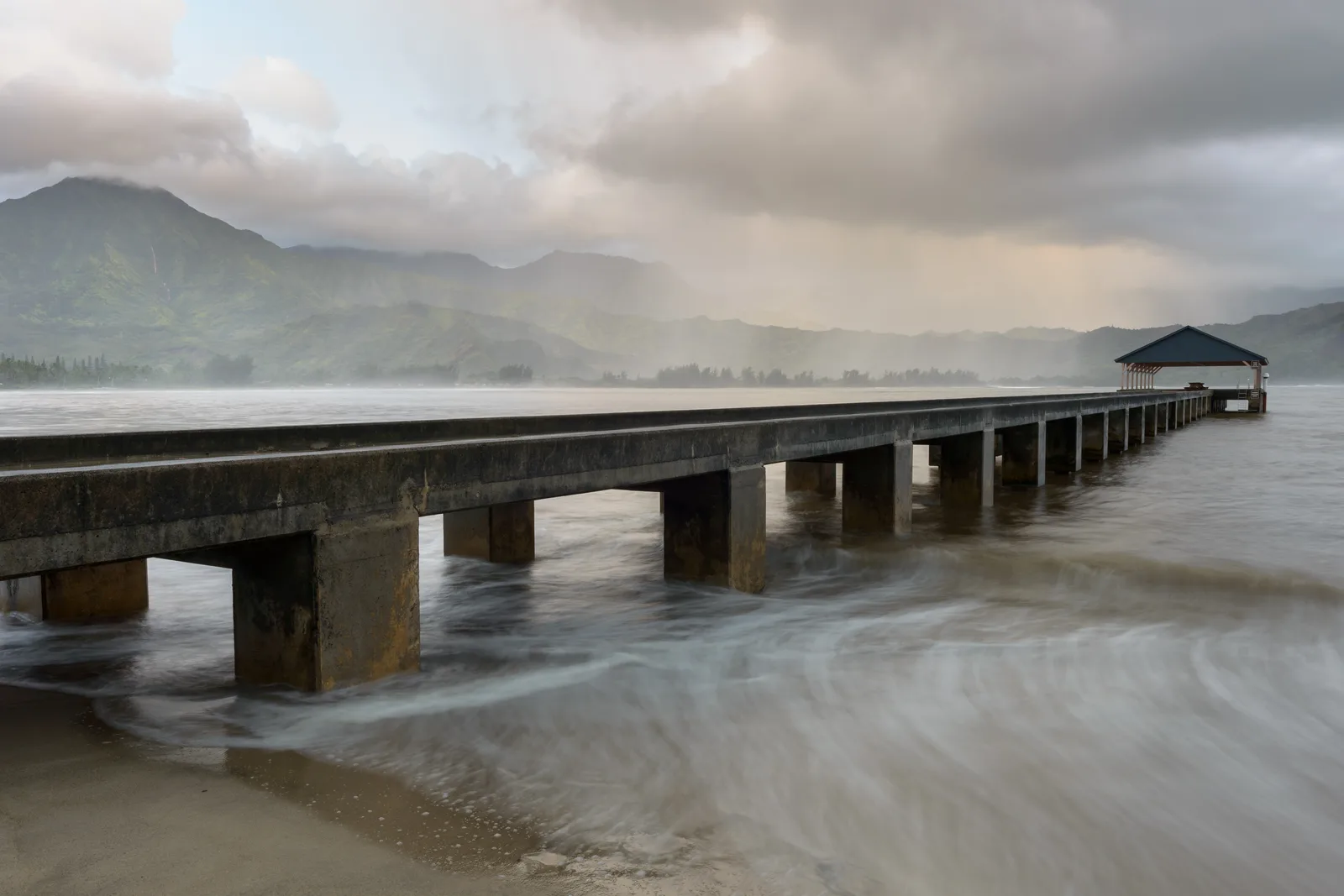
The bay at dawn — glassy water, the ridge lifting out of cloud, surfers on the early sets. Send guests down with coffee before the day's plans; it is the coast's signature hour and the trip's keeper image.
Entry to the road's-end park is capped and reserved weeks ahead. Tell guests before they fly — the sunset at Ke'e beneath the Nā Pali cliffs is worth the planning, and a host who flags it early is a hero.
Teach the rotation: Anini's reef lagoon stays gentle when winter surf closes the bay; Tunnels' snorkeling opens with summer's calm. Ocean literacy is the welcome book's most valuable page.
The Nui has poured Hanalei's mai tais since 1963 and played itself in The Descendants. Live music, local rhythm, no reservations for the bar — guests come home talking about it.
Hanalei's tapas room under the ridge — the coast's serious table and its best people-watching. Book ahead in season; the walk back down the lane at dusk is part of the experience.
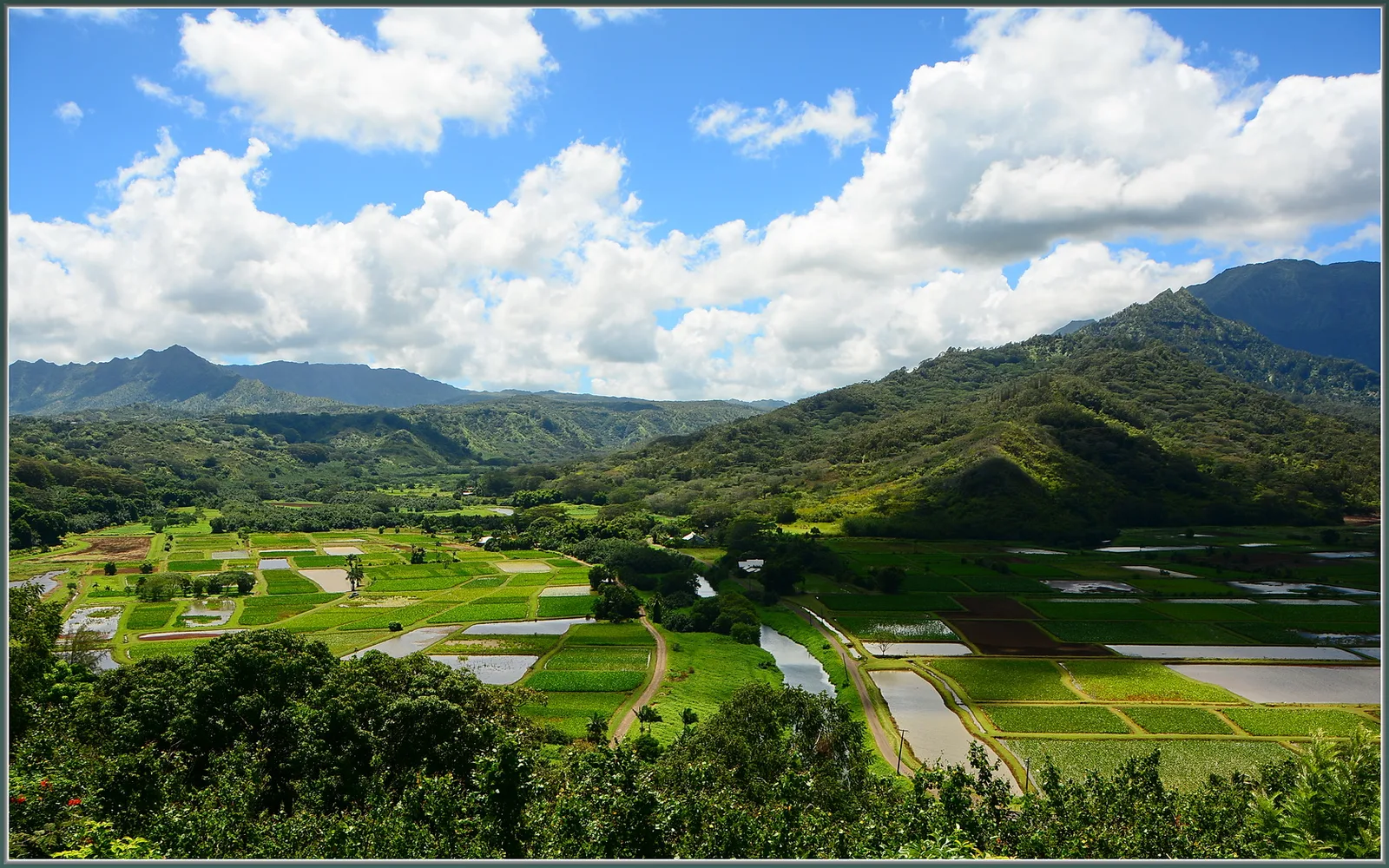
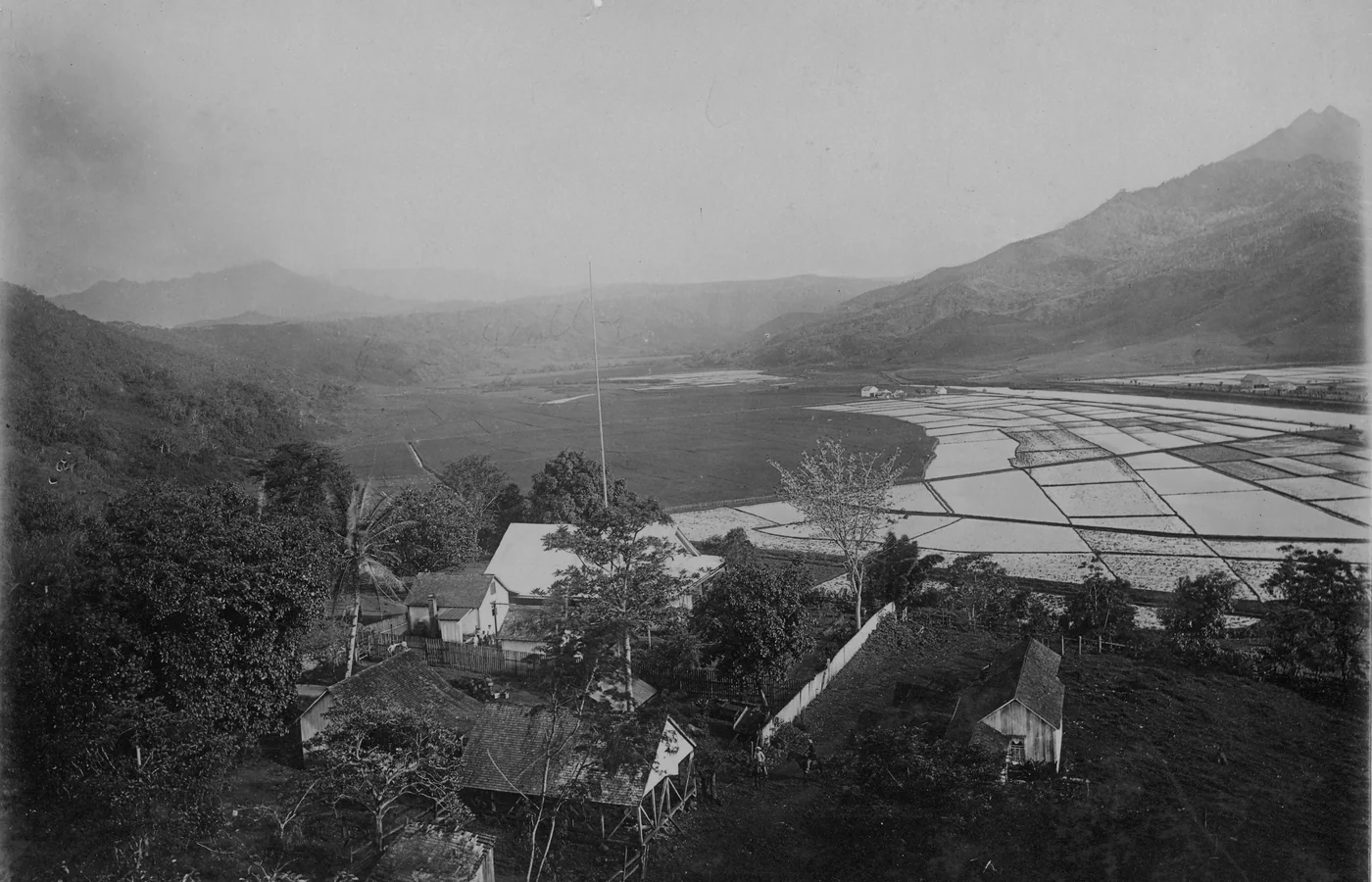
Pull-off gold on the Princeville side: the taro fields, the river and the ridge in one frame. The drive-by moment that explains the valley's thousand years of cultivation in a glance.
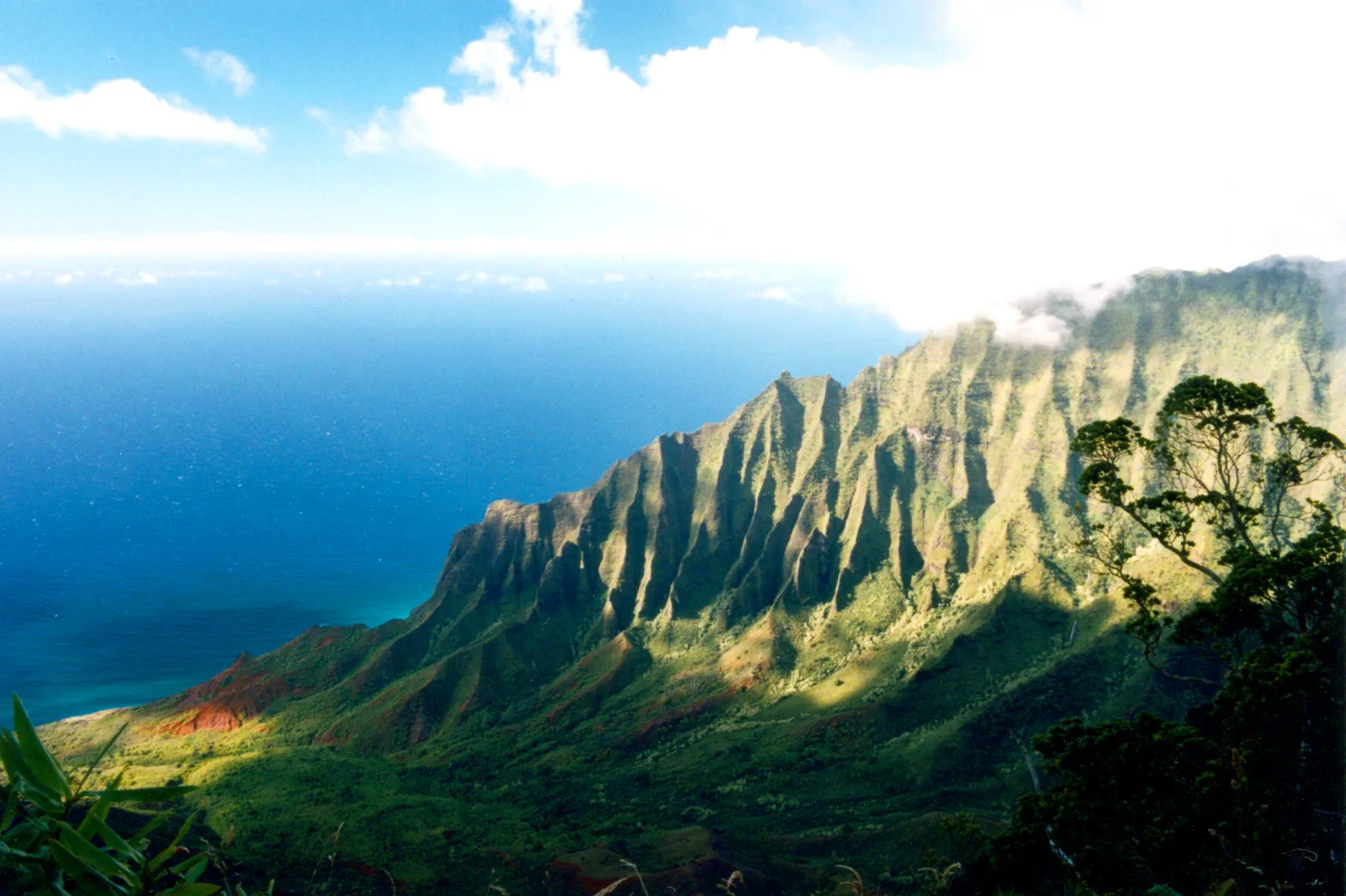
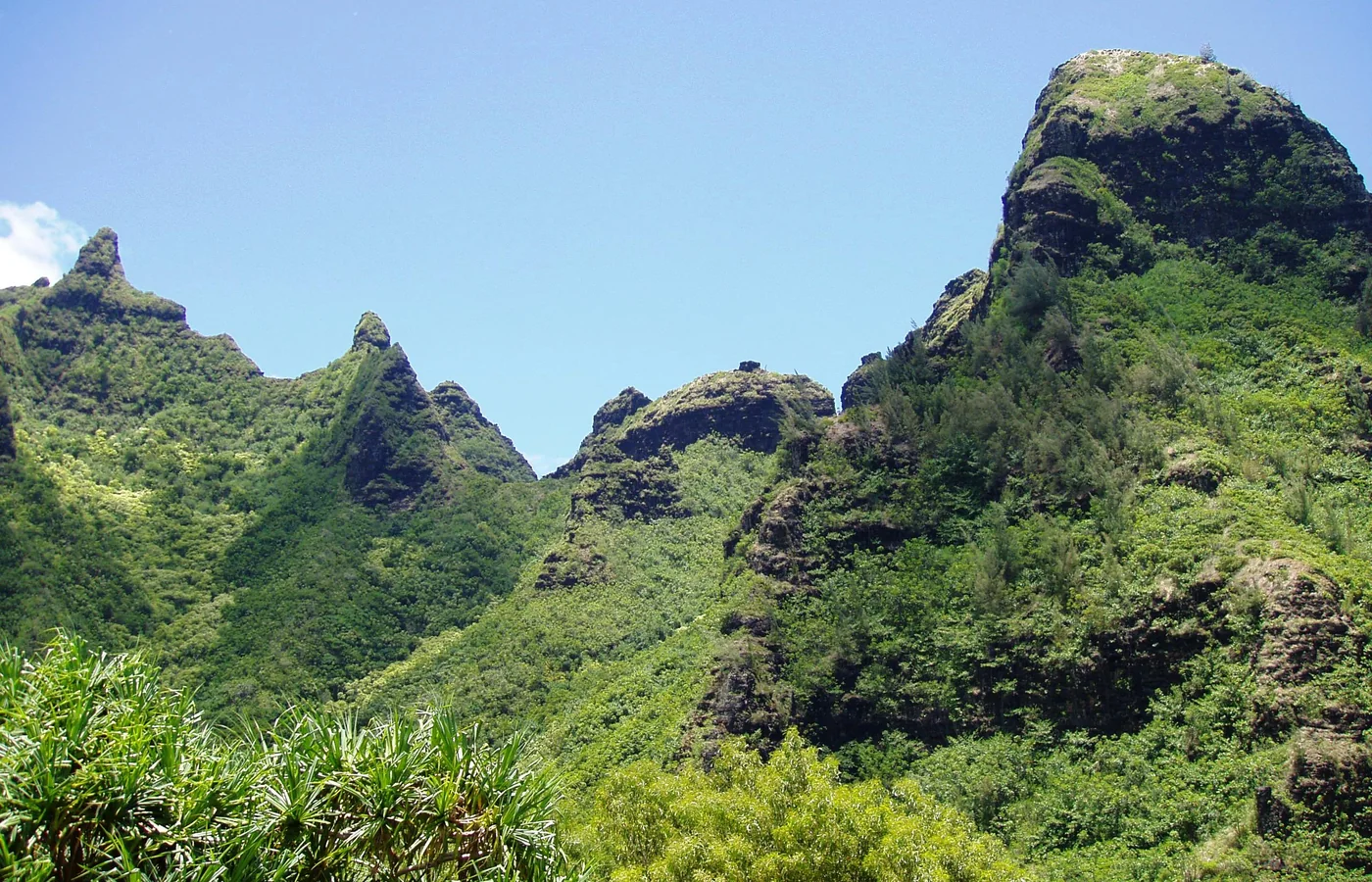
The North Shore's earned view — a ridge climb above the taro to the whole bay laid out below. Two hours, real legs, the photograph that ends arguments about the world's most beautiful coast.
Humpbacks work the channel all winter, visible from Princeville's bluff edges most mornings. A listing that names its whale sightline owns the winter couple's booking decision.
Explain the one-lane bridge etiquette, the hour from Līhu'e and the after-Hanalei road's rhythm before arrival. The coast's choreography delights the prepared and rattles the surprised — preparation is the host's gift.
Princeville's cliff-stair beach is a postcard at calm tide and a caution the rest of the time. Teach both truths — and point winter guests to the pier instead. Honest guidance is the review's favorite line.
Hanalei's markets are charming and priced accordingly; the serious shop happens in Līhu'e or Kapa'a on the drive north. One honest provisioning note saves a family real money and reads as genuine care.
Representative Cavmir engagements in Hanalei & Princeville. Property identifiers redacted; figures composited from internal analytics and market benchmarks.
A well-renovated bluff-complex condo indistinguishable in a regime of identical floor plans, renting mid-pack on price with interior photos alone.
Differentiated on the two facts neighbors ignored — the whale-channel sightline and the renovation standard — with lanai-led photography, winter whale positioning, summer family logistics and search visibility on regime-specific terms.
The condo separated from its floor-plan twins by hundreds a night in winter, closed holiday weeks by September, and built a repeat base its regime neighbors still attribute to luck.
A grandfathered-permit home steps from the bay, marketed like an ordinary rental with its lawful scarcity never mentioned.
Led with lawfulness and provenance — permit status in the headline facts, bay-lane heritage in the brand, estate-tier photography — and repriced to the scarcity tier with a direct channel for the home's decades of past guests.
Rates moved to the permitted-Hanalei tier the home had always deserved, past families returned direct at first refusal, and the calendar now closes a year ahead.
An oceanfront family house earning well in summer and dark through winter, its whale season and swell theater unsold.
Built the winter product — whale-watching lanai photography, swell-viewing copy, holiday-week terms — alongside the summer family story, with ocean-literate welcome-book content that converted first-timers to repeaters.
Winter went from the calendar's hole to its second peak, holiday weeks repriced upward, and annual revenue rose by roughly a third on an unchanged summer.
Yes. Cavmir works with owners across Kauai's North Shore — Princeville condo regimes and bluff homes, lawfully permitted Hanalei rentals and Anini-side properties — on branding, listing optimization, photography direction, direct-booking websites, SEO and paid campaigns. Stays near Hanalei Bay, Hideaways and the Hā'ena road are exactly what we market.
The snapshot on this page shows average nightly rates around $720 with occupancy near 68%, but the tiers are wide — an interior Princeville condo and a permitted Hanalei home near the bay are different markets entirely, with the scarcity tier setting its own prices. Treat these as directional averages, not guarantees.
Two peaks: winter (the holiday super-peak, whale season and the north swells) and summer (the calm-bay family season, when the biggest homes fill). Spring and fall are honeymoon and value windows that reward deliberate positioning. The ocean's calendar shapes everything — listings that teach it outperform.
Only with lawful status: Kauai County confines nightly rental to Visitor Destination Areas — Princeville's resort lands chief among them here — plus a finite class of grandfathered permits outside them, many in Hanalei. Enforcement is real and the county's posture tightens over time. Verify status with the county planning department before anything else. Cavmir markets lawful product; we don't provide legal advice.
It is the market's spine. 'Lawfully permitted' reassures the careful guest, filters the problematic one and justifies the scarcity premium — especially in Hanalei, where permitted homes are scarce almost to legend. Most permit holders never say it; leading with it is the cheapest positioning upgrade on the coast.
Harvest the coast's extraordinary loyalty: a fast direct-booking website, a past-guest list with first refusal on their annual week, and a whale-season note each winter. North Shore families return for decades — see vacation rental SEO — and most owners still let the platforms own that relationship.
The choreography: Hā'ena State Park's advance reservations, the one-lane bridge rhythm, the hour from Līhu'e, provisioning before the last stretch, and where to swim by season. The coast delights the prepared guest and rattles the surprised one — a listing that prepares them removes the only common friction and earns the review for it.
It depends on scope. Current plans and one-time project pricing are on the pricing page — most owners start with a listing overhaul or the 12-step system. A conversation about your property costs nothing: contact Cavmir.
Send us the listing and we'll tell you what we'd change. Not a pitch deck — a straight read on your photos, your title, your rates against the Hanalei & Princeville comp set, and whether a direct-booking site would pay for itself.
You'll hear back from a person, usually inside one business day. If we don't think we can move your numbers, we'll say so. Cavmir is a short-term rental marketing agency — we position and market properties, we don't manage them.
Talk to Cavmir today. We'll show you exactly what your Hanalei & Princeville property is leaving on the table — and how fast we can change that.
Book a Free Strategy Call