Start here Work with Cavmir in Isle of Skye
Get a Proposal (786) 751-3426
£162
Avg. Nightly Rate
58%
Avg. Occupancy Rate
£2,820
Avg. Monthly Revenue
4-6%
Est. Cash-on-Cash ROI
HIGH
Seasonality
HIGH
Regulatory Burden

* Market averages. Properties marketed by Cavmir typically exceed these figures by 25–45%. Data sourced from AirDNA, STR market reports, and Cavmir internal analytics.

The Market

Why Isle of Skye is One of the World's Premier STR Markets

Skye is the most tightly regulated market in this batch and the one where compliance is most obviously a marketing asset. Scotland requires a licence for every short-term let — home sharing, home letting or secondary letting — running up to three years, and the application has to be in before the property is let. On top of that sits a planning question that is actively moving. Highland Council's only short-term let control area today is Ward 20 Badenoch and Strathspey, in force since 4 March 2024, but the Skye and Raasay Area Committee agreed on 1 December 2025 to proceed with designation, and Highland ran a statutory consultation on two further control areas from 12 May to 23 June 2026. If Skye is designated and Scottish Ministers approve it, changing a dwelling to a secondary short-term let will require planning permission in every case, not just in some. Nothing is confirmed as of mid-2026, and operators who act before designation are in a materially different position from those who wait. A visitor levy is also in the pipeline — Highland consulted on a 5% overnight charge and took the results to council in December 2025 — and the Furnished Holiday Lettings tax regime ended UK-wide in April 2025. Skye rewards operators who are properly licensed and can say so.

Skye's demand is enormous relative to its population and violently seasonal. Something like ten to thirteen thousand people live here; in July and August the island carries a multiple of that every day, and the pressure shows in the car parks at the Fairy Pools and the Storr, both of which now charge. The core audience is touring: couples and small groups driving the north of Scotland, often as part of a wider Highlands loop, staying two or three nights rather than a week. Behind them come walkers and climbers drawn to the Cuillin — the only Munro in Scotland that needs a rope is here — photographers who come for the Quiraing in low light, whisky travellers heading for Talisker, and a growing shoulder-season audience that comes deliberately in October and April to have the island to itself. Portree is the commercial centre and the highest-rate location; Dunvegan, Carbost, Staffin, Broadford and Sleat each trade on a different landscape. Blended nightly rates run near £162 with occupancy around 58%, and that occupancy number is the story: the summer is close to full and the winter is close to empty. Guest houses, inns and B&Bs are a large share of supply and compete for exactly the same touring couples.

Top Attractions & Landmarks

  • The Old Man of Storr
  • The Quiraing
  • The Fairy Pools at Glenbrittle
  • Neist Point lighthouse
  • Dunvegan Castle and Gardens
  • Talisker Distillery at Carbost
  • The Cuillin ridge and Sligachan

Nearby Markets: The Lake District  |  Snowdonia  |  Belfast

Airbnb marketing services in Isle of Skye, Scotland, United Kingdom, Europe
Postcards

Isle of Skye through the lens

A few of the visual fingerprints we lean into when we shoot, brand and market a Isle of Skye property — courtesy of the open Wikimedia Commons archive.

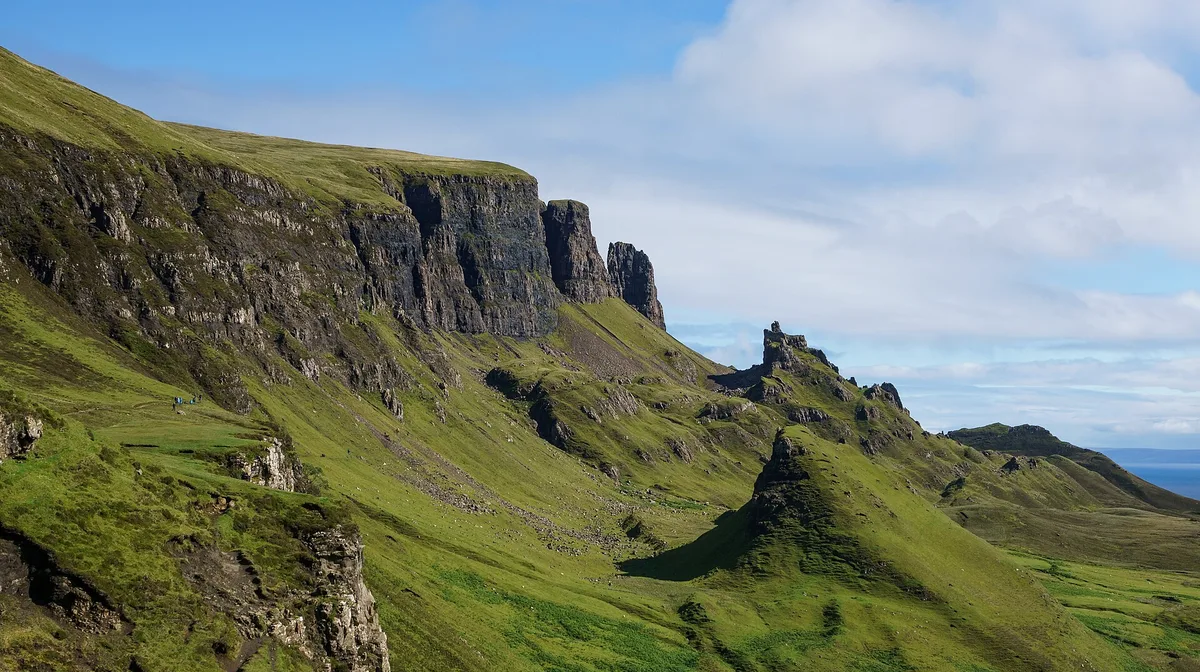
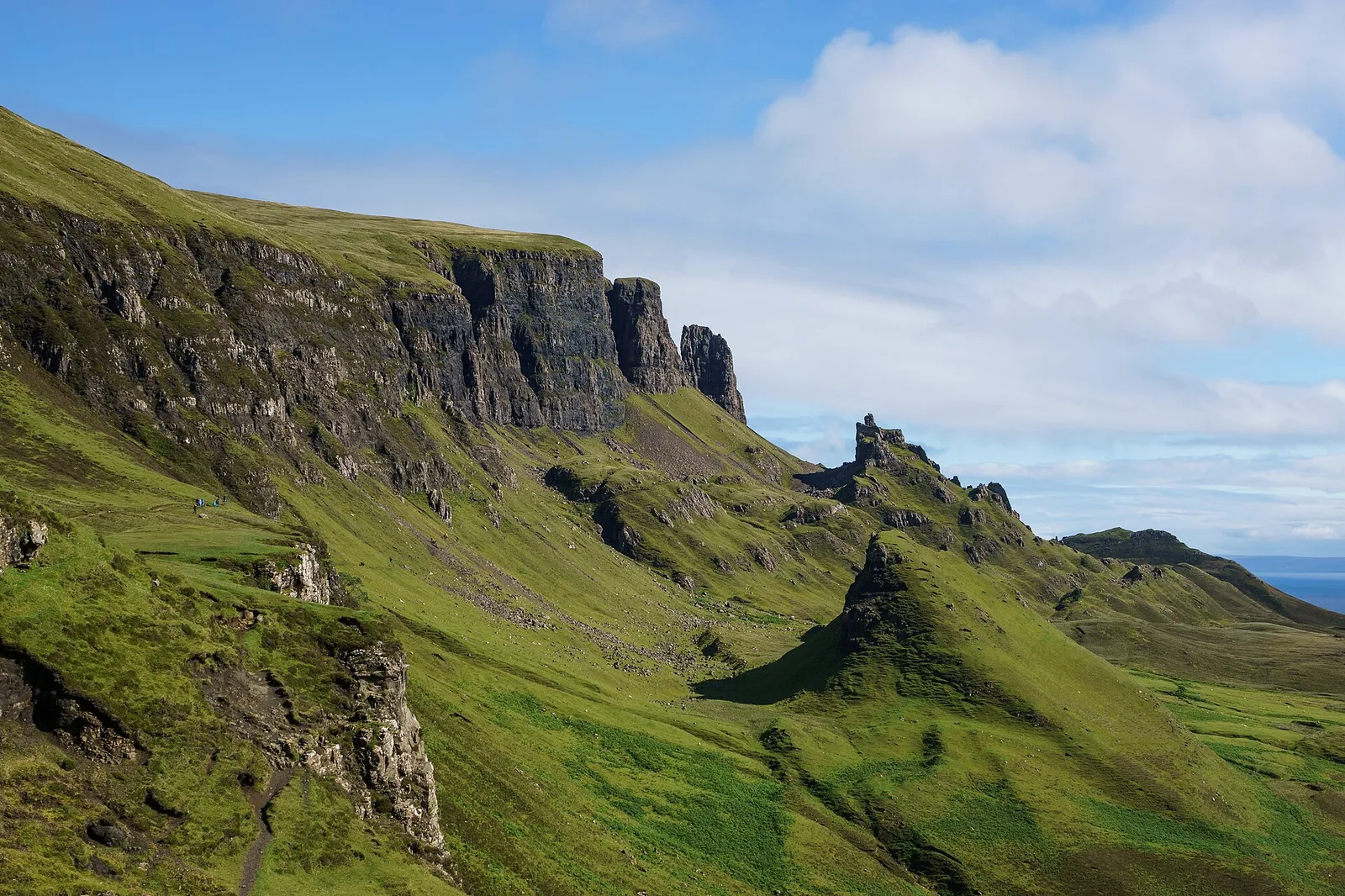
North over the Quiraing, Isle of Skye — Isle of Skye airbnb marketing
Local Color
North over the Quiraing, Isle
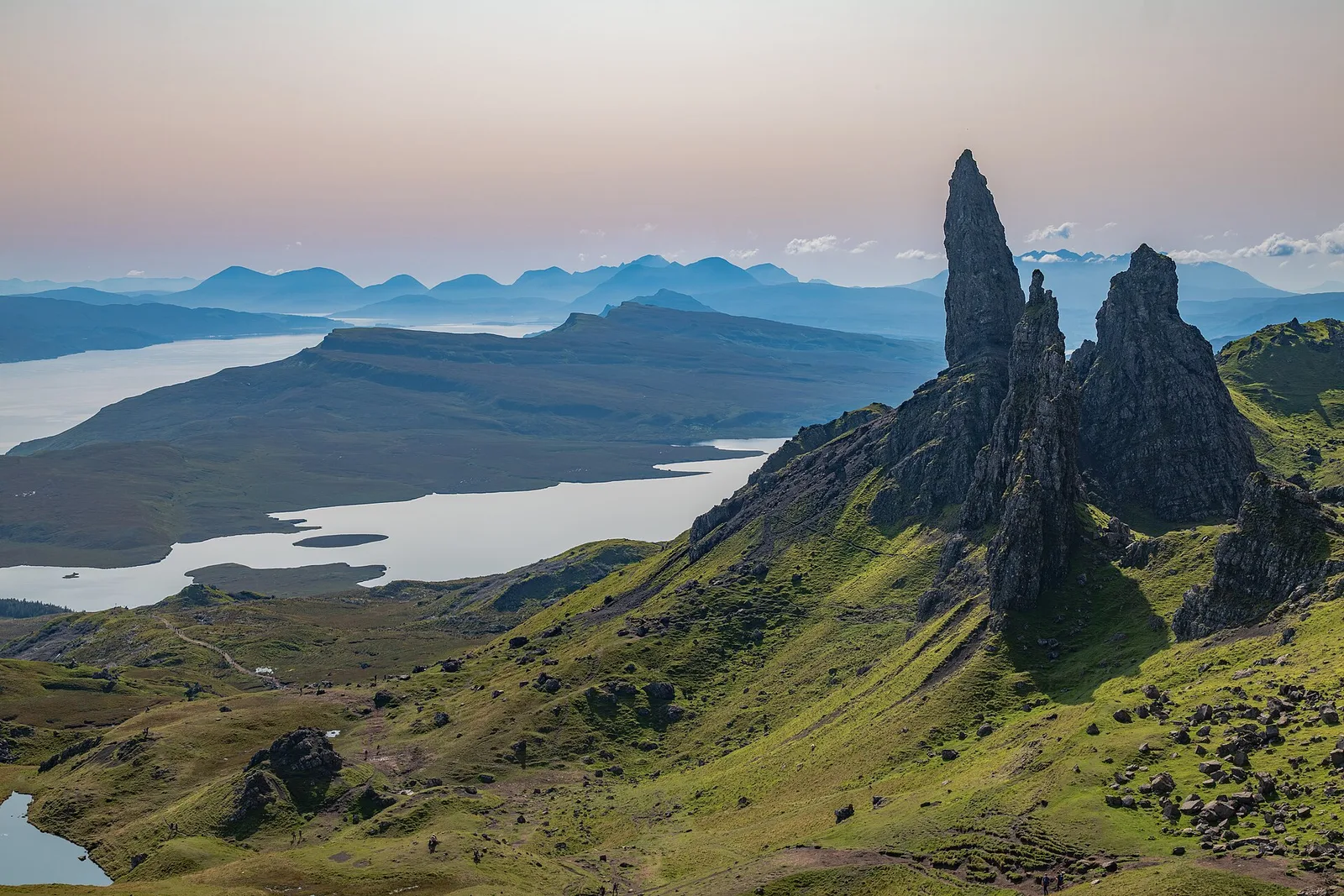
Isle of Skye Old Man of Storr 2020 by Sanshiro Kubota — Isle of Skye airbnb marketing
Local Color
Isle of Skye Old Man
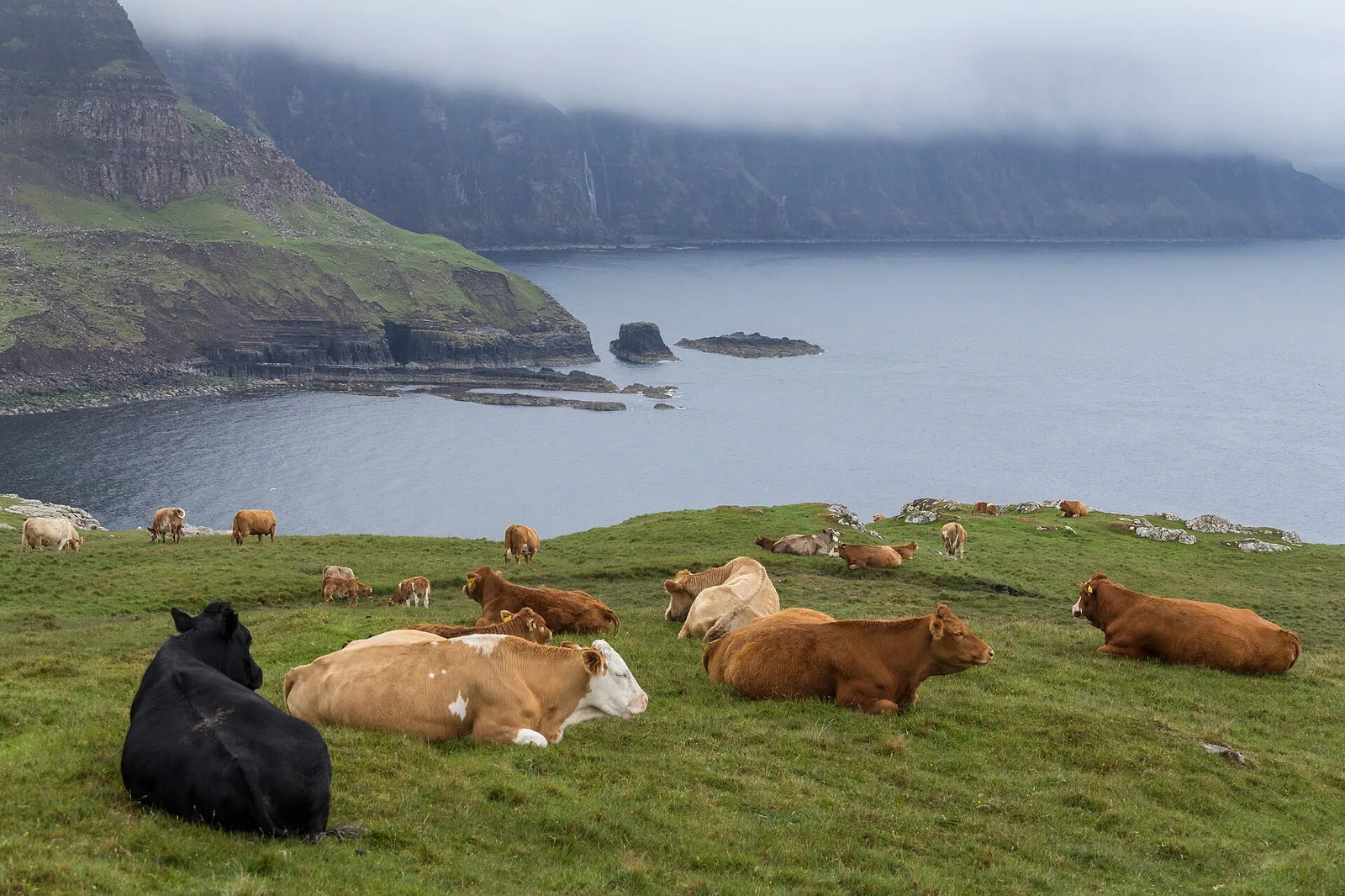
Cattle near Neist Point Lighthouse — Isle of Skye airbnb marketing
Local Color
Cattle near Neist Point Lighthouse
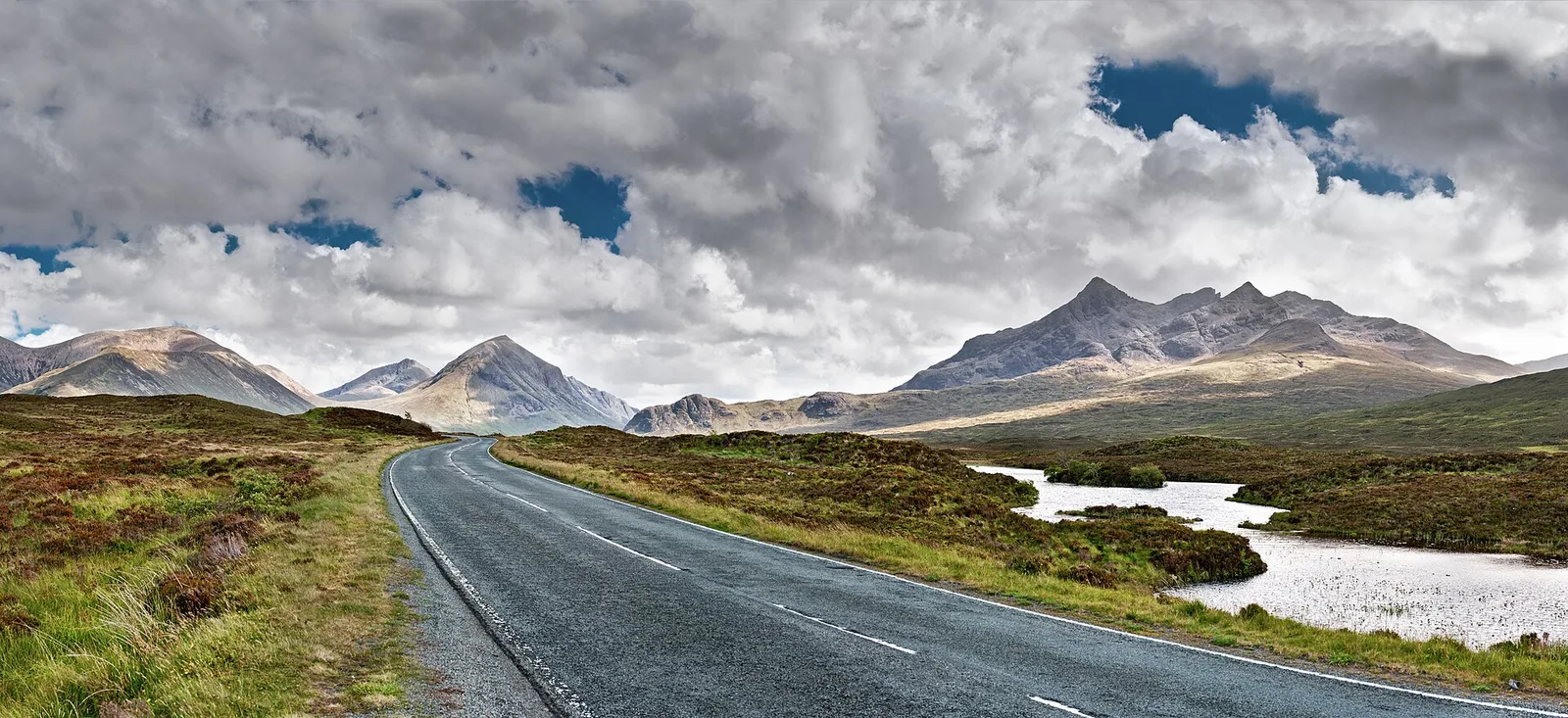
Isle Of Skye A863 The Cuillins — Isle of Skye airbnb marketing
Local Color
Isle Of Skye The Cuillins
Why Cavmir

The Cavmir Advantage
in Isle of Skye

Cavmir wins on Skye because this is a licensing market and a logistics market, and most listings handle neither well. We put the licence number and the licence type in plain sight, because in a place where a control area designation is being consulted on, the visibly compliant property is the one a cautious guest books eight months out. Then we solve the logistics that actually decide a Skye booking: real driving times rather than optimistic ones, whether the road to the door is single-track with passing places, where you can park at the Storr and what it costs, whether there is a shop within twenty minutes, and what the mobile signal is genuinely like. Skye guests arrive having read a hundred identical photographs of the Old Man of Storr and no useful information at all; the listing that tells them the truth is the one that converts. We photograph the island in the light it is actually famous for — long northern evenings, weather moving across the Cuillin, the Quiraing in October — and we build the shoulder season deliberately, because April, May, September and October are the best weeks on Skye and the ones most owners underprice. For the island's guest houses, inns and B&Bs we build direct-booking websites and repeat-guest programs. We help position and market your property. We never manage it or touch your keys.

State of the Industry · History

The Isle of Skye STR Market — Past & Present

Skye's history is written in its emptiness. The island was MacLeod and MacDonald country for centuries — Dunvegan Castle has been the seat of the Clan MacLeod for around eight hundred years and is the oldest continuously inhabited castle in Scotland, still holding the Fairy Flag whose origins nobody agrees on. Bonnie Prince Charlie was rowed to Skye by Flora MacDonald in 1746 after Culloden, an episode that became the Skye Boat Song and, eventually, a substantial part of the island's tourist economy. What followed was less romantic. The Clearances emptied glen after glen in the eighteenth and nineteenth centuries as landlords replaced tenants with sheep, and the ruined townships you can still see on the Trotternish and Minginish coasts are the physical record of it. In 1882 crofters at Braes fought police over grazing rights in what became known as the Battle of the Braes, and the resulting Napier Commission led to the Crofters Act of 1886, which finally gave security of tenure. Crofting law shapes land ownership on Skye to this day, which is one reason property here does not behave like property elsewhere.

Modern Skye was made by access. The Skye Bridge opened in 1995 and replaced the Kyleakin ferry, and its tolls — among the most expensive per mile in Europe — provoked a campaign of non-payment and prosecutions until they were abolished in December 2004. Free access transformed visitor numbers, and the last two decades have transformed them again: the North Coast 500 route, social media, and a global appetite for exactly the kind of landscape Skye has produced visitor pressure that a road network of single-track passing places was never designed for. Car parks appeared at the Fairy Pools and the Storr and began charging. The rental economy grew inside that pressure, and Scotland responded with the tightest short-term let framework in the UK: mandatory licensing for every let, and control areas in which changing a house to a secondary short-term let needs planning permission every time. Highland designated Badenoch and Strathspey in March 2024; the Skye and Raasay Area Committee voted in December 2025 to pursue designation here, with a statutory consultation running from 12 May to 23 June 2026. Skye's operators are working inside a framework that is still being written.

Pricing Strategy & Seasonality

Pricing, Seasonality & When to Capture ROI

Pricing Strategy

Skye's rate map is a drive-time map with a view premium. Portree is the commercial heart and the highest-rate location — the only town with a proper choice of restaurants, the harbour, and the shortest drive to Trotternish — and it books first and empties last. Trotternish, from Staffin to Uig, prices on the Storr, the Quiraing and the light, and carries the photographer and walker audience that arrives in shoulder season. Dunvegan and the north-west trade on the castle, Neist Point and Coral Beaches, at slightly lower rates with longer driving distances that must be stated honestly. Carbost and Minginish sell whisky and the Cuillin, with Talisker as a genuine rate-mover and the Fairy Pools nearby. Broadford and Sleat are the arrival end of the island — closest to the bridge, easiest for late check-ins, and the value tier that should compete on convenience rather than pretend to be central. Blended, Skye runs near £162 a night at about 58% occupancy, and that gap between rate and occupancy is entirely a seasonality problem waiting for someone to market their way out of it.

Seasonality & ROI Windows

Skye's year is one of the steepest curves in the UK. May through September is the season, and July and August are close to capacity across the island at the highest rates it will see. April and October are excellent and underpriced — long enough light, open attractions, far fewer people, and the Quiraing at its best in autumn colour. November through March is genuinely thin: daylight is short, some restaurants close, weather closes roads occasionally, and much of the accommodation stock simply shuts. That is precisely why the operators who stay open, market storm-watching, dark skies, whisky and winter photography to a small but real audience have almost no competition for those weeks.

Regulation & Licensing · 2026

What the Law Requires in Isle of Skye

Skye sits under the strictest short-term let framework in the UK, and it is getting stricter. Every short-term let in Scotland needs a licence from the local authority — here, Highland Council. There are three types: home sharing, where you let part of your own home while you are there; home letting, where you let your own home while you are away; and secondary letting, where the property is not your home. Licences run up to three years, the application must be made before the property is let, and the licence covers safety standards, and in most cases the licence number must appear on your listing. On top of that sits planning. In a designated short-term let control area, changing a dwelling to a secondary short-term let requires planning permission in every case, and you need permission — or at least an undetermined application — before you can apply for a licence. Highland's only control area today is Ward 20 Badenoch and Strathspey, in force since 4 March 2024. Skye is the live question: the Skye and Raasay Area Committee agreed on 1 December 2025 to proceed with designation, and Highland ran a statutory consultation on two further control areas from 12 May to 23 June 2026. Designation still requires Scottish Ministers' approval, so as of mid-2026 nothing has changed for Skye's existing operators — but anyone buying to let here should assume it will. A visitor levy is the third layer: Highland consulted on a 5% overnight charge between November 2024 and March 2025 and took the analysis to council in December 2025, and the Visitor Levy (Amendment) (Scotland) Bill passed on 24 March 2026 allowing flat-rate as well as percentage charges. Nothing is collectable yet; plan for it.

Market-Specific Tips & Challenges

Local Tips & Unique Market Challenges

Tips That Actually Move Revenue in Isle of Skye

Put the licence number in the listing and treat it as a selling point rather than a legal chore. Be honest about the drive: give real times from the bridge and from Portree, say whether the last mile is single-track with passing places, and tell guests that a Skye road you can see across a loch takes forty minutes to get around. Say what the mobile signal is and whether the wifi actually works, because remote-working guests now ask first. Publish the parking situation at the Storr and the Fairy Pools including the charges, so nobody arrives expecting free spaces in July. Photograph the island in its real light — long evenings in June, weather on the Cuillin, the Quiraing in October — instead of buying into the same three postcard angles everyone else uses. Price April, May, September and October properly; they are the best weeks on Skye and most owners are still discounting them. Stock the property for weather: a drying space, a fire, a decent kitchen because restaurants are limited and book out. And build an email list, because Skye guests return and the second visit should be direct.

Unique Isle of Skye Challenges

The season is short and the fixed costs are not, which is the central operating problem. Licensing is genuinely demanding and the control-area question hangs over any purchase made now. Remoteness raises every cost: trades, materials, cleaning cover and emergency response all take longer and cost more, and finding reliable changeover staff on an island with a severe housing shortage is the practical bottleneck. Infrastructure strains in summer — single-track roads, limited parking, restaurants booked out days ahead — and guests who were not warned blame the accommodation. Winter weather closes roads and cuts power. Local sentiment about short-term lets and housing is strong and is what is driving the control-area proposal. And entry prices have risen faster than the length of the season has.

The Last Turntable Ferry in the World
Most people reach Skye across the bridge, but there is an older way. At Glenelg, a small ferry called the Glenachulish crosses the narrows to Kylerhea using a hand-operated turntable on its deck — the vessel manoeuvres, the turntable is cranked around and the cars drive off in the direction they came. It is the last working turntable ferry in the world, it runs seasonally, and it is the single best thing you can put in a Skye welcome book, because guests who take it talk about it for years.
Finance Essentials — Isle of Skye
🛡️

Insurance

Skye underwriting is about weather, water and remoteness. Winter storms are genuinely severe, power cuts happen, and properties sitting empty for months in a maritime climate are an escape-of-water risk that insurers price carefully. You need holiday-let or commercial cover with public liability, loss of rent, accidental damage and an unoccupancy position that reflects a genuinely closed winter if you close. Remoteness raises reinstatement costs sharply, because materials and trades come a long way. If you have a private water supply or septic system — common here — declare it and keep the testing records, and note that the licensing scheme's safety conditions and your insurer's expectations should be kept aligned rather than treated as separate paperwork.

🧾

Property & Income Tax

The UK-wide change matters here as everywhere: from 6 April 2025 the Furnished Holiday Lettings regime ended, so income is taxed as ordinary UK property income with mortgage interest relieved only at basic rate, capital allowances on new expenditure replaced by replacement of domestic items relief, and no Business Asset Disposal Relief on sale. Scotland adds its own layers on the property itself — Land and Buildings Transaction Tax on purchase, with the Additional Dwelling Supplement on second and investment properties, and non-domestic rates rather than council tax where a property meets the self-catering criteria, with the Small Business Bonus Scheme often reducing the bill. A Highland visitor levy is coming but is not collectable yet. Ask an accountant familiar with Scottish property tax to model your position.

🏦

Mortgages & Financing

Lending on Skye is a specialist exercise. The panel is narrow, holiday-let products generally want 25-30% deposit, and lenders will ask about the licence, the control-area position and whether the property has mains services. Crofting tenure complicates some titles in ways an English solicitor may not anticipate, so use a Scottish solicitor who works on the island regularly. The April 2025 tax change hits geared purchases hardest now that interest is relieved only at basic rate. Entry prices on Skye have risen substantially over the last decade while the season stayed short, which means the yield case rests on running a genuinely professional operation across a longer year rather than on cheap acquisition.

Future Outlook · 2027 & Beyond

Where Isle of Skye is Headed Next

Skye's next few years are about managing a visitor economy that outgrew its infrastructure, and the direction is clear even where the detail is not. A control area designation looks more likely than not, which would make planning permission a precondition for any new secondary letting and would effectively cap growth in whole-property lets. A visitor levy is coming, probably later than the earliest dates suggest, and the 2026 amendment allowing seasonal and location-based variation means Skye could plausibly be charged differently from Inverness. Parking charges, path repairs and traffic management at the honeypot sites will keep expanding. None of that reduces demand — Skye's problem has never been demand — but it does raise the cost of operating and steadily favours established, licensed, professional operators over new entrants. The commercial opportunity is the season rather than the peak. April, May, September and October are excellent and underpriced, winter is nearly empty and almost uncontested, and the operators who build a shoulder and winter business now, with a direct-booking base and repeat guests, will be the ones who are not fighting for July in 2030.

From the Desk of Sofie Sinag

Why We Love Marketing in Isle of Skye

We love Skye because it is one of the few places that survives its own photographs. Everyone arrives having seen the Old Man of Storr a thousand times and is still not ready for the Quiraing on a moving-weather afternoon, or the Cuillin appearing out of cloud at Sligachan, or how long the light lasts in June when it barely gets properly dark. What people do not expect is the rest of it: the shape of the crofting townships, the ruined walls of villages that were cleared, a distillery in a village of a few hundred people that ships to the world, and locals who are unfailingly straight with you about the weather. The island rewards slowness and punishes hurry, which is the opposite of how most people plan a Skye trip. For marketers, Skye is a rare combination — enormous demand, an extremely short season, and a compliance regime tight enough that doing things properly is a genuine competitive advantage. Our job is to make sure your property is the licensed, honest, well-photographed one that gets booked in April and October as well as in August.

Why It Matters

A great property in Isle of Skye doesn't just want a listing — it wants a point of view, an audience, and a brand the city itself would recognise.

Cavmir's Isle of Skye Cheat Sheet

The Picks We Recommend for Your Welcome Book

The picks we send Skye guests — weighted toward the shoulder months and toward things that still work when the cloud comes down, which on Skye is most of the time.

Coffee & First Light

The Quiraing car park at sunrise

The drive up from Staffin is a series of hairpins and the view at the top is the reason people come to Skye. Go at first light and you will share it with two photographers instead of two hundred visitors. In October the colour on the ridge is worth the alarm on its own.

The Splurge Table

The Three Chimneys, Colbost

A crofthouse restaurant on Loch Dunvegan that has been serving seriously good food from the island and the sea around it for decades. It is a long drive from almost everywhere on Skye and entirely worth it; book weeks ahead in summer and mention it in your listing.

Local Obsession

Talisker, tasted where it is made

The distillery at Carbost has been working since 1830 on the shore of Loch Harport with the Cuillin behind it. The tour is good, the setting is better, and a bottle bought there tastes different at home for reasons nobody can defend and everyone accepts.

Shoulder Season Secret

Neist Point in late September

The most westerly point on Skye, a walk out along the headland to a lighthouse with the Outer Hebrides on the horizon, and in late September you may well have it to yourself. Sunset here is the photograph guests actually send home, and the car park is not full.

Weekend Escape

The Glenelg turntable ferry to Kylerhea

The last hand-operated turntable ferry in the world, crossing the narrows in a few minutes with a decent chance of seeing otters and seals. Take the Mam Ratagan road down to it and you get one of the best views in the Highlands as a bonus.

What Guests Ask For

The drive, the signal and the shop

Skye enquiries repeat the same four questions: how long is the drive really, is the last mile single-track, what is the mobile signal like, and where is the nearest shop. Answer all four in the listing, honestly, and you will convert bookings that your competitors are still messaging about.

Local Work · Composite Case Vignettes

What Cavmir Has Done for Isle of Skye Properties

A few composite engagements drawn from how Cavmir typically works in this market. The details are illustrative and consistent with the Isle of Skye, not pulled from a single named client.

Croft house · Trotternish
The Brief

A restored croft house twenty minutes north of Portree filled June to August and sat empty for seven months. The listing led with the same view of the Storr as everything else on the island and said nothing about the single-track road, the signal or where to buy food.

What We Did

Cavmir rebuilt the listing around honest logistics and the licence, reshot it in October light with the fire on, priced April, May, September and October as a real season, and targeted photographers and walkers who choose shoulder weeks deliberately.

The Result

The shoulder months filled first rather than last, autumn bookings began arriving from an audience nobody else was addressing, and the guest questions before arrival dropped away because the listing had already answered them.

Eight-room guest house · Portree
The Brief

A well-run guest house in the island's main town paid platform commission on touring couples who had stayed twice before, had no direct booking route worth using on a phone, and closed entirely from November to March out of habit rather than analysis.

What We Did

Cavmir built a direct-booking website with real room photography and honest driving distances, made the licence and safety standards visible, packaged whisky and photography breaks for the shoulder, and set up a post-stay email inviting repeat guests to book direct.

The Result

Direct bookings began carrying a growing share of the shoulder months, a limited winter opening tested successfully against almost no competing supply, and the owners built a mailing list of returning touring guests they controlled.

Two-bedroom cottage · near Carbost
The Brief

A cottage near the distillery competed with dozens of similar island lets on price, attracted one-night touring stays that barely covered changeover on a remote island, and had never mentioned Talisker, the Fairy Pools or parking realities in its listing.

What We Did

Cavmir repositioned it around whisky and the Cuillin, set a two-night minimum, published parking and charge details for the Fairy Pools and the Storr, and priced the licence and safety compliance as part of the property's credibility.

The Result

Average stay length rose enough to make the changeover economics work, the property stopped competing purely on nightly price, and shoulder-season whisky travellers became a repeatable audience rather than an accident.

Market Intelligence · Seasonality

Airbnb seasonality in Isle of Skye, month by month

Demand in Isle of Skye peaks around June through August and runs quietest around January, February and November. Here is how the year actually books — and what to do about each stretch of the calendar.

Peak demandSteadyQuiet

Peak season

July and August run close to island capacity at the highest rates of the year. Touring couples on Highland loops, families, walkers and international visitors arrive in numbers that a road network of single-track passing places was never built for, and the honeypot car parks at the Storr and the Fairy Pools charge accordingly. This is a hold-your-rate window with firm minimum stays, not a window for chasing the last vacancy with a discount.

The shoulders

May, June, September and October are the best weeks on Skye and the ones most owners still underprice. May and June bring long northern light and the driest weather of the year with a fraction of the crowds. September holds warmth and September evenings at Neist Point are the photograph guests actually send home. October puts autumn colour on the Quiraing and brings a deliberate photographer and walker audience who choose the shoulder on purpose.

The quiet stretch

November to March is genuinely thin. Daylight is short, weather closes roads occasionally, some restaurants shut and a large share of the island's accommodation simply closes for the winter. That is precisely the opportunity: the small but real audience for storm-watching, dark skies, whisky and winter photography faces almost no competing supply, and an operator who stays open and markets those things is close to alone in the market.

Dates that fill first

Skye Highland Games, PortreeAugust
A fixed August date with heavy events, piping and dancing that fills Portree and the surrounding townships. One of the few genuinely local events on the calendar and worth pricing rather than treating as an ordinary summer weekend.
Skye Live, PortreeMay
A music weekend in the island's main town early in the season, when a lot of accommodation is still sitting on shoulder pricing. It draws a younger, domestic audience into weeks that would otherwise be quiet.
Isle of Skye Half MarathonJune
A long-running road race from Portree that brings runners and supporters to the island at the start of the peak. Early breakfasts, drying space and a flexible checkout convert this audience better than styling.
Autumn light on the QuiraingOctober
Not an organised event but a genuine demand driver — photographers and walkers travel deliberately in October for the colour on the ridge and the near-empty car parks, and they book two to five weeks ahead.
Hogmanay and the dark-sky winterLate December to February
A small, committed audience for storm-watching, whisky and genuinely dark skies, arriving when most of the island has closed. Almost no competing supply, which makes rate discipline easier than it sounds.
Market Intelligence · Guests

Who books Isle of Skye Airbnbs — and how far ahead

Highland touring couples
The core audience, driving a wider Scottish loop and stopping two or three nights. They choose on real driving times and parking clarity more than on interiors, and they plan several months ahead for summer.
Walkers and climbers
Drawn by the Cuillin, which holds the only Munro in Scotland requiring a rope. They want drying space, an early breakfast, secure gear storage and honest weather guidance, and they travel in shoulder season by choice.
Landscape photographers
A serious and growing audience booking specifically for the Quiraing, Neist Point and the Storr in low light. They want early access, flexible check-in and October dates, and they return repeatedly to the same base.
Whisky travellers
Visitors building a trip around Talisker and the wider Scottish distillery circuit. Higher spend, less weather-sensitive, and receptive to packaged shoulder-season stays that nobody on the island is currently selling them.
Guest house, inn and B&B guests
A large share of Skye's supply is small hosted accommodation competing for the same touring couples. These operators have the strongest direct-booking upside on the island and the most to gain from a shoulder strategy.

The booking window

Summer books a long way ahead — the best-regarded properties fill from January and February for July and August, and international touring itineraries are set six months out. Shoulder-season demand is much later: photographers and walkers commonly book two to five weeks ahead for September and October. Winter demand, where it exists, books inside a fortnight. Keeping shoulder and winter rates live rather than closing the calendar is worth real money here.

Typical stays

Two and three nights dominate, because most guests are touring rather than staying put. A two-night minimum is defensible year-round and genuinely necessary on a remote island where changeover staff travel a long way. Walkers, photographers and whisky travellers take longer stays in the shoulder months, which is one more reason to price those weeks as their own product.

Where guests drive from

InvernessFort WilliamGlasgowEdinburghAberdeen

Where guests fly from

InvernessGlasgowEdinburghLondon (Heathrow and Gatwick)AmsterdamFrankfurt
Nearly everyone arrives by car, either over the Skye Bridge from Kyle of Lochalsh or on the Mallaig to Armadale ferry, usually as part of a wider Highlands route. Inverness and Glasgow are the practical fly-drive gateways. For paid media, landscape photography, hillwalking and whisky interest audiences across the UK, Germany and the Netherlands are the best value for shoulder-season campaigns.
Market Intelligence · What Wins

The Airbnb that wins in Isle of Skye

The winning Skye property is a licensed, well-heated stone cottage or croft house with a real kitchen, a drying space, a fire, and honest information about the road to the door. Because restaurants are limited and book out days ahead in summer, kitchen quality matters far more here than in a city market, and a property that solves food, drying and weather will out-earn a prettier one that solves none of them.

Amenities that move bookings here

Licence number displayed on the listingWood burner or reliable heatingA genuinely equipped kitchenDrying space for boots and waterproofsHonest driving times and single-track warningsWifi with the real speed statedSecure gear and bike storageBlackout blinds for long northern summer light
The single most valuable thing you can do is publish honest logistics — real driving times, single-track sections, mobile signal, the nearest shop, and parking charges at the Storr and Fairy Pools. Every competing listing shows the same view; almost none of them tell the guest anything useful.
Straight Answers

Isle of Skye Airbnb marketing questions, answered

How do I market my Airbnb on the Isle of Skye?

Lead with the licence and then with the logistics. Scotland requires a short-term let licence for every let and the number generally has to appear on your listing, so treat it as a trust signal rather than small print — particularly while a control-area designation for Skye is being consulted on. Then answer what Skye guests actually need: real driving times from the bridge and from Portree, whether the last mile is single-track, the mobile signal, the nearest shop, and what parking costs at the Storr and the Fairy Pools. Finally, price April, May, September and October properly, because they are the island's best weeks and most owners still discount them.

When is peak season on the Isle of Skye?

July and August run close to island capacity at the highest rates of the year, and the infrastructure feels it. May and June are nearly as good and considerably more pleasant — long northern light, the driest weather of the year and far fewer people. September and October are excellent and underpriced, with autumn colour on the Quiraing drawing a deliberate photographer and walker audience. November to March is genuinely thin, with short daylight and much of the island's accommodation closed, which is exactly why the few who stay open face almost no competition.

How far in advance do guests book on Skye?

Summer books early. The strongest properties fill from January and February for July and August, and international touring itineraries are typically set six months ahead, so your summer rates need to be live in the new year. Shoulder season is much later: photographers, walkers and whisky travellers commonly book two to five weeks ahead for September and October, and winter demand books inside a fortnight. That split means an open, actively priced shoulder and winter calendar is worth considerably more than a closed one.

Where do Skye's guests come from?

Almost everyone arrives by car, either over the bridge from Kyle of Lochalsh or on the Mallaig to Armadale ferry, and most are part-way through a wider Highlands route rather than travelling to Skye alone. Inverness and Glasgow are the practical fly-drive gateways, with a large international layer from Germany, the Netherlands, the United States and beyond in summer. For advertising, hillwalking, landscape photography and whisky interest audiences in the UK, Germany and the Netherlands deliver the best return for shoulder-season campaigns.

Do I need a licence to run a short-term let on Skye?

Yes. Scotland requires a short-term let licence for every short-term let, and Highland Council is the licensing authority for Skye. There are three types — home sharing, home letting and secondary letting — licences run up to three years, and the application must be made before the property is let. Watch the control-area question closely: Highland's only designated area today is Badenoch and Strathspey, but the Skye and Raasay Area Committee agreed in December 2025 to proceed with designation and a statutory consultation ran from 12 May to 23 June 2026. If Skye is designated, change of use to a secondary let will need planning permission in every case.

Free Tools · Websites That Book

See what your listing on the Isle of Skye is leaving on the table

Run your Airbnb, Vrbo, or website through Cavmir's free grader. It checks the things that decide whether guests book on the Isle of Skye — photos, listing copy, page speed, local search — and shows you where bookings leak. Takes about a minute, and there's no sales call attached.

If the report says your booking engine is the weak link, that's fixable: a direct-booking website of your own means repeat guests stop paying platform fees to come back to you. That's the work Cavmir does — see Airbnb website design on the Isle of Skye.

What the grader measures

  • Photos and the first-impression frame
  • Listing title and copy
  • Your direct-booking website (or the lack of one)
  • Page speed and mobile experience
  • Local search and Google visibility
Grade My Listing — Free
Ready to Grow in Isle of Skye?

Let's Put Your Isle of Skye
Property on the Map

Talk to Cavmir today. We'll show you exactly what your Isle of Skye property is leaving on the table — and how fast we can change that.

Book a Free Strategy Call