
_tourist_pavilion_in_winter.jpg)





Two countries
New York and Ontario
Two cities, one name, an international border between them. Say which side you are on in the first line, always.

Expert short-term rental marketing to grow your bookings and nightly rate in Niagara Falls, New York, USA.
* Market averages. Properties marketed by Cavmir typically exceed these figures by 25–45%. Data sourced from AirDNA, STR market reports, and Cavmir internal analytics.
Niagara Falls is one of the most visited places on the continent and one of the least understood by the people who book accommodation near it. The first thing to be clear about, in every listing and every piece of copy, is that there are two Niagara Falls, one in New York and one in Ontario, and they are different cities in different countries with different rules, different views and a border crossing between them. The American side is where the water arrives. Niagara Falls State Park, which occupies the shoreline and the islands above the drop, is the oldest state park in the United States, established in 1885 after a campaign to rescue the falls from the mills and fenced viewing platforms that had taken over the banks, and it was laid out by Frederick Law Olmsted. Goat Island puts you directly at the brink. The Cave of the Winds walkway takes you down beside the Bridal Veil. The Maid of the Mist goes out into the basin. Downriver the gorge continues for miles with genuinely good hiking and a whirlpool. The city itself has had a hard century since the chemical industry left, and it is rebuilding around the park and Old Falls Street. For an owner the equation is unusual: enormous, reliable visitor volume, modest property prices, and a zoning code that is specific about what kind of building you may use.
The governing provision is the City Zoning Ordinance at Chapter 1328.13, Short-Term Rental Units. A permit is required from the City Clerk's office, and there is an owner-occupied permit class for hosts renting part of the home they live in. The rule that decides most acquisitions is about building type: short-term rentals are not permitted in multi-unit residential structures of three or more units. The property must be a one- or two-family dwelling and it must pass inspection. That single sentence removes a large part of the city's cheaper multi-unit housing stock from consideration, and it is the first thing to check against any address you are shown. Enforcement has teeth. Operating without a permit requires ceasing within 72 hours, and penalties have been reported at $100 to $250 per violation and up to 15 days' imprisonment, with each day treated as a separate offence. On top of the city layer sits New York State, which has moved substantially since 2025: sales tax has applied to short-term rentals across all sixty-two counties since 1 March 2025 regardless of any registry, and Real Property Law Article 12-D brought statewide registration and quarterly platform reporting from 22 September 2025, with counties required to operate or join a registry. A county that opts out of running a registry may still collect sales tax but may not collect occupancy taxes. Confirm Niagara County's current posture with the county before you assume which taxes apply.
Nearby Markets: Finger Lakes | Ithaca | Thousand Islands
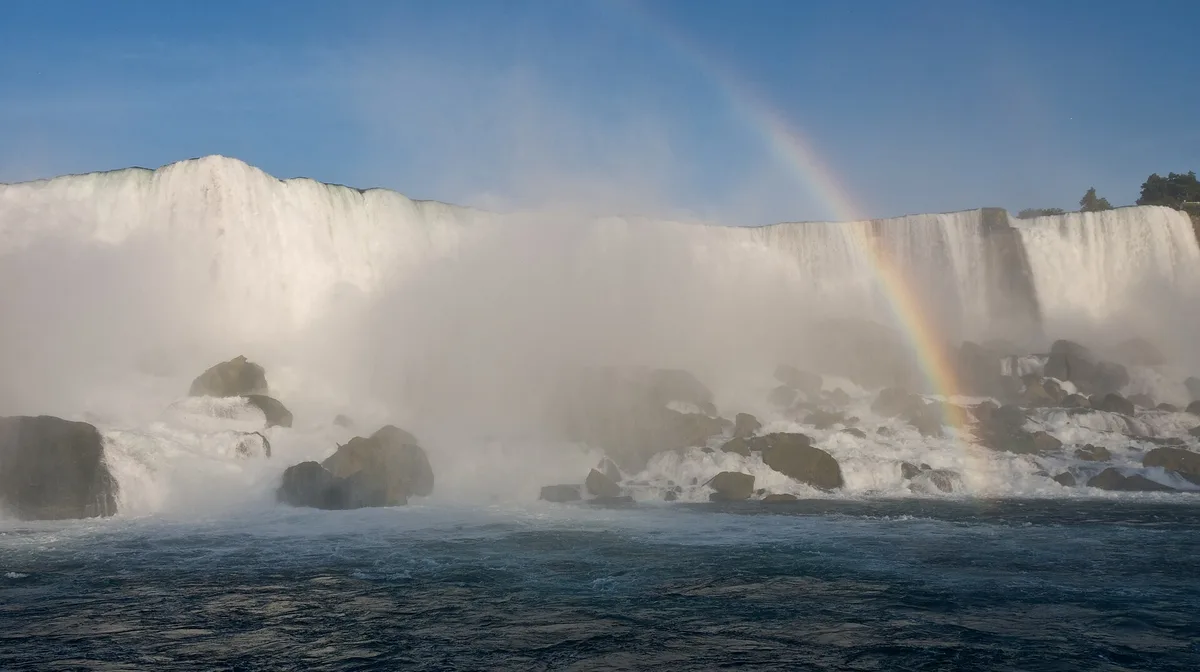
A few of the visual fingerprints we lean into when we shoot, brand and market a Niagara Falls New York state park property — courtesy of the open Wikimedia Commons archive.
Cavmir markets Niagara Falls properties against the single largest problem in this market, which is that the American side is constantly compared with the Canadian side and usually loses the comparison by default because nobody makes its case. The case is strong. The state park puts you closer to the water than anything across the river. Goat Island and the Cave of the Winds are on this side. The gorge below the falls, the whirlpool and the hiking are on this side. The crowds are smaller and the prices are lower. But a guest who has only seen photographs taken from Ontario does not know any of that, and a listing that says minutes from the falls without saying which falls, which side and what that means has left the work undone. We do the work. We photograph the property and the walk to the park, we write copy that explains the two-country geography plainly and turns it into a reason to stay here, and we handle the border question directly for guests who want to see both. We are precise about seasonality, because winter here is spectacular and severely under-sold. Then we build a direct booking site, run local SEO against the searches that separate the New York side from the Ontario one, place ads against the season, and hold the guest relationship. We help position and market your property. We never manage it or touch your keys.
Niagara was the first sight American tourism organized itself around, and the fight to keep it public created the country's first state park. Cavmir writes the chapter guests book now.
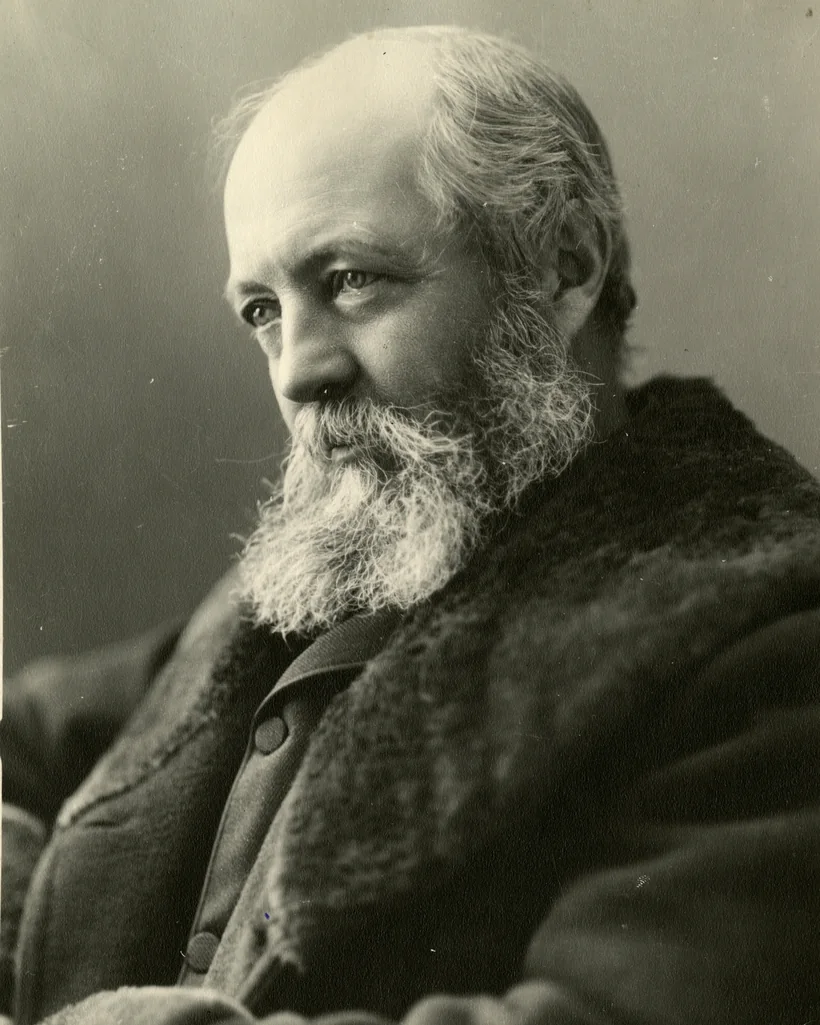
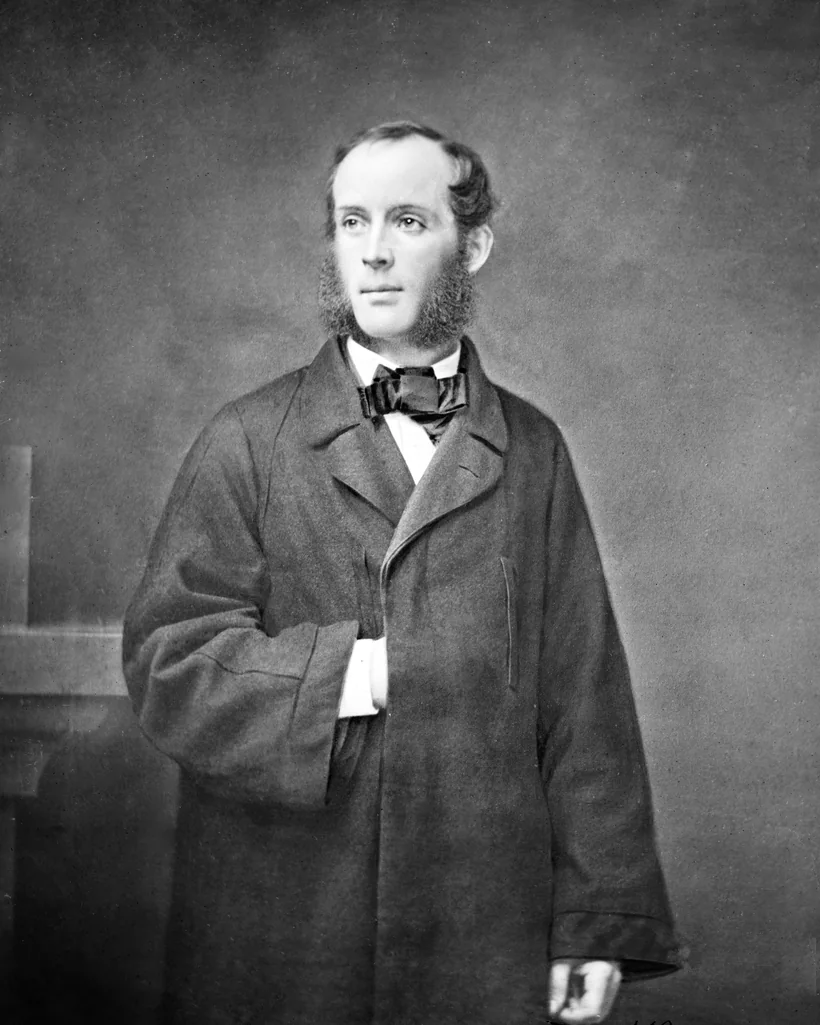
The falls themselves are young in geological terms, formed as the last glaciers retreated around twelve thousand years ago, and they have been eroding steadily upstream ever since. For the peoples of the region they were a landmark of enormous significance long before Europeans arrived; the first written description by a European came from Father Louis Hennepin in 1678. Industrial exploitation followed quickly once the technology allowed it, and by the middle of the nineteenth century the American bank was in a poor state: mills and factories crowded the shoreline, private operators fenced the good viewpoints and charged for access, and visitors reported being harassed by touts from the moment they arrived. The response was one of the first genuine conservation campaigns in American history. The Free Niagara movement, which drew in Frederick Law Olmsted and the artist Frederic Church among many others, argued for years that the falls should belong to the public. In 1885 New York State acted, taking the land by eminent domain and creating the Niagara Reservation, which is the oldest state park in the United States. Olmsted and Calvert Vaux designed the landscape with the deliberate intention that it should look like nothing had been designed at all. A decade later the falls produced something else that changed the world. In 1895 the Adams Power Plant began generating alternating current at Niagara using Nikola Tesla's polyphase system, and the successful long-distance transmission of that power to Buffalo effectively settled the argument over whether AC or DC would electrify the world. The twentieth century brought heavy chemical and electrochemical industry, then its departure, and the city has spent decades since dealing with the consequences of both. What has never wavered is the number of visitors. Millions come every year, and they need somewhere to stay.
Before the platforms, a painting, a boat and a park sold the falls to the world: Church's canvas toured two continents, the Maid of the Mist ran under the spray from 1846, and Olmsted's reservation gave every visitor the view for free. The channel changed; the work is identical: presentation, positioning, and the promise of the great sight itself. It is the same business Cavmir is in today.
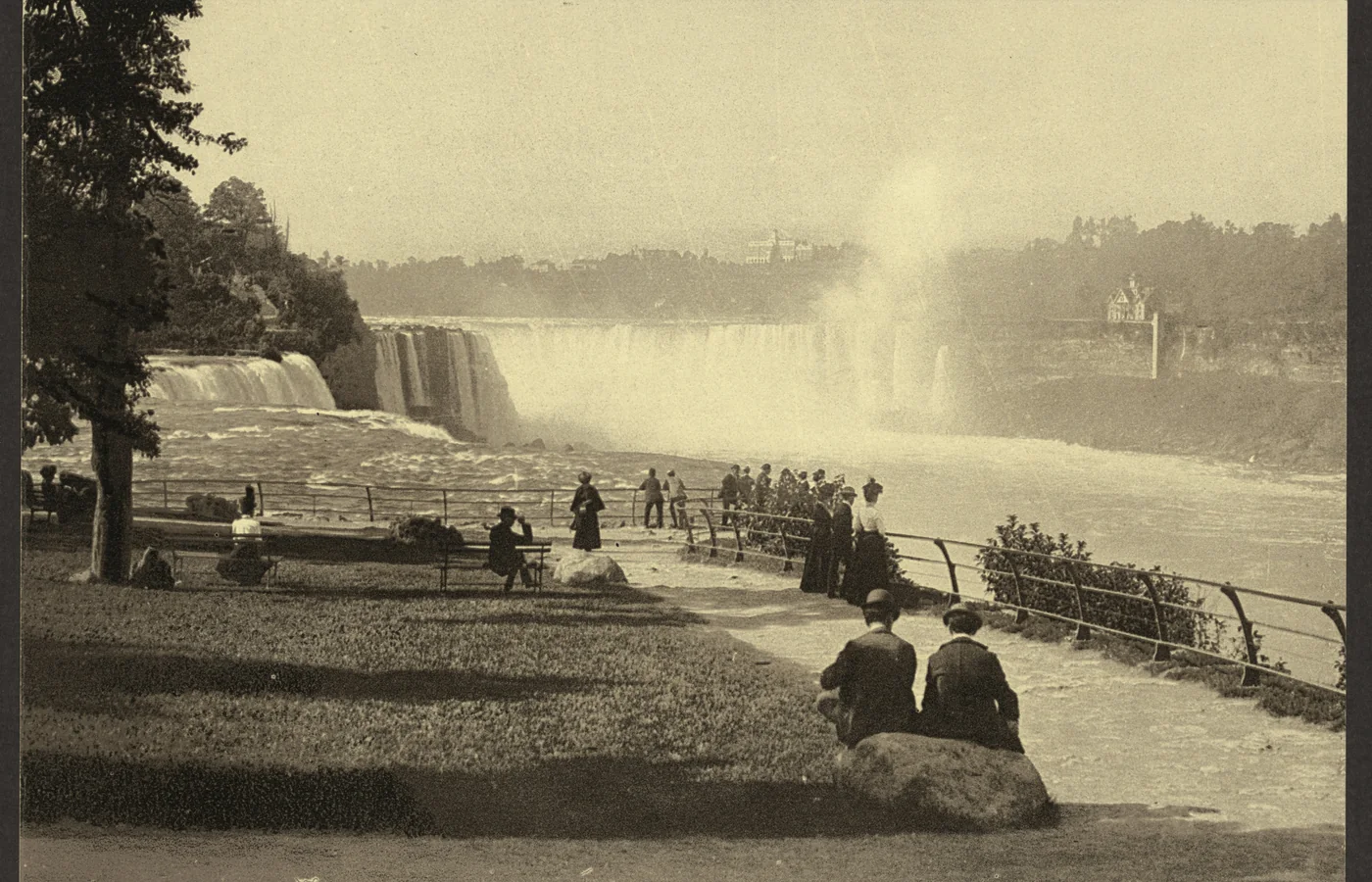
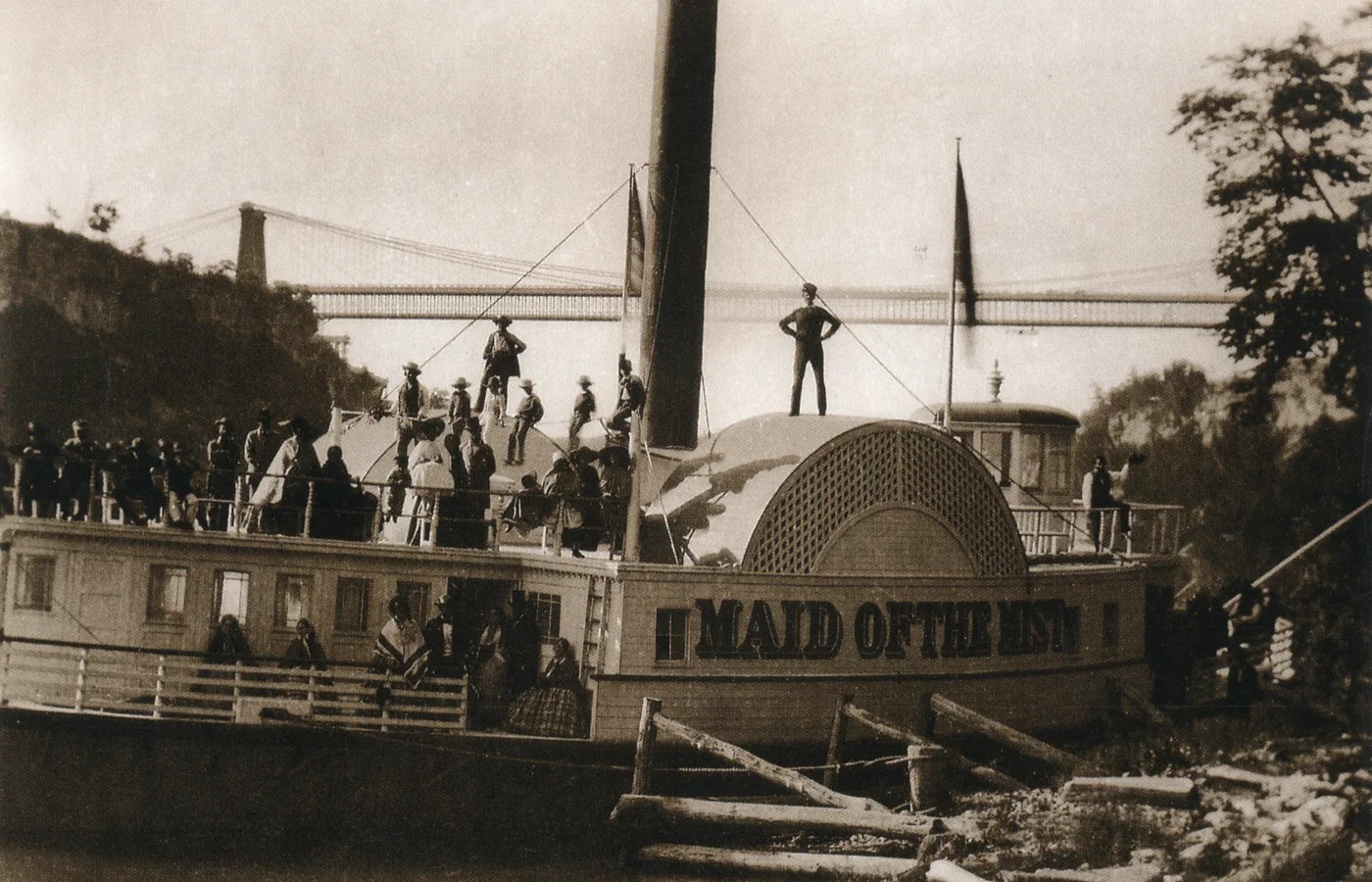
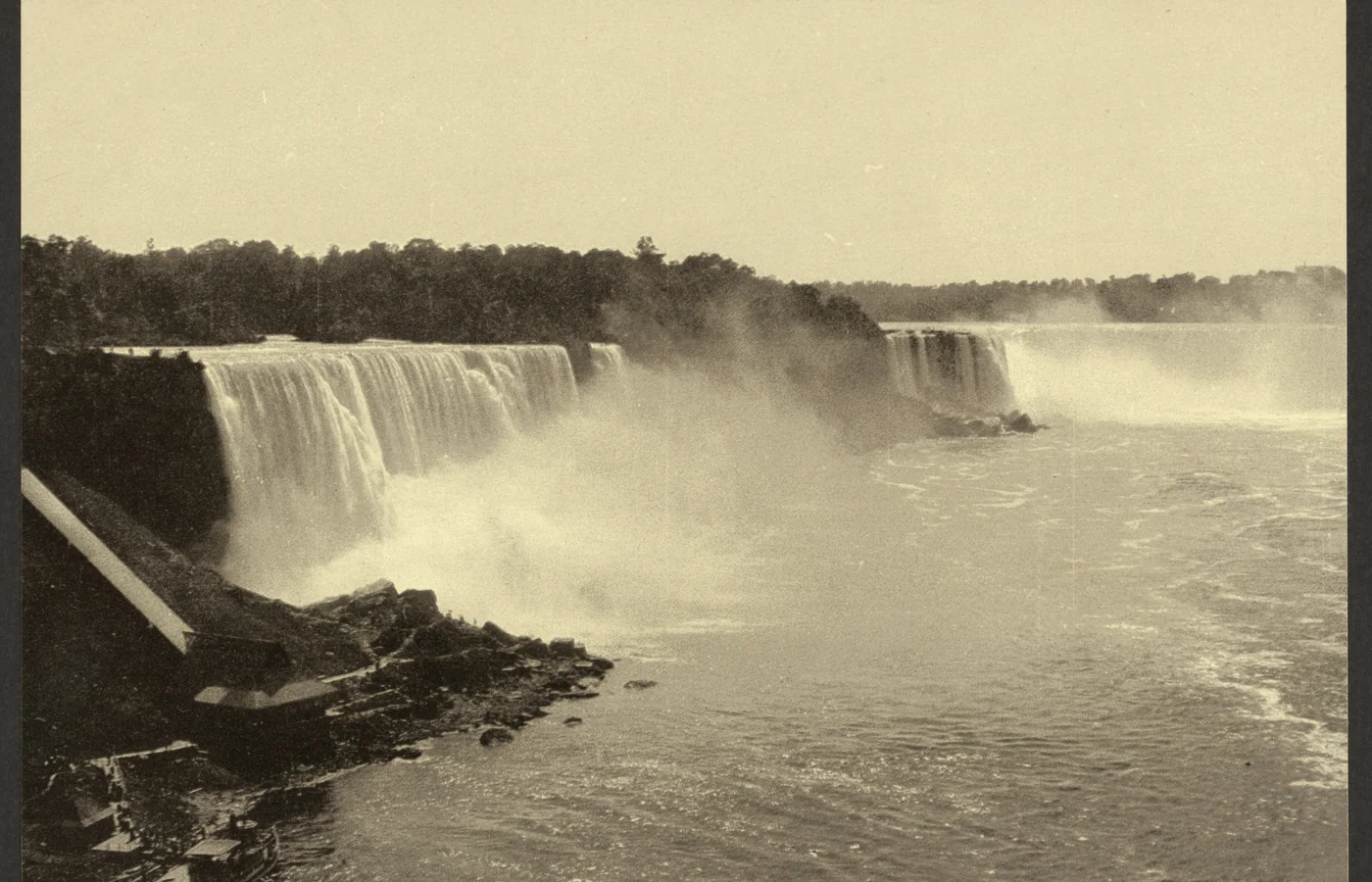
Historical images: public domain via Wikimedia Commons — Detroit Photographic Co. photochroms, William England, Brady-Handy and Bartlett F. Kenney.
Niagara Falls has enormous visitor volume and modest nightly rates, which means this is an occupancy market rather than a rate market, and the pricing has to be built accordingly. Summer is the peak by a wide margin, running roughly late June through August, when the falls are busy from morning to night and every form of accommodation in the area fills. Set summer weekends firmly and add minimum stays; the volume supports it. The genuinely under-priced periods are the shoulders. Late May and early June, and then September and early October, offer the falls with materially smaller crowds and often better weather than midsummer, and most listings treat them as off-season. Autumn colour along the gorge in October is excellent and almost entirely unmarketed. Winter is where the biggest opportunity sits and where almost nobody looks: the falls in hard frost, with the mist freezing on every surface and ice building up around the American Falls, are one of the great sights in the country, and the Festival of Lights runs through the season. Rates in January reflect none of that. If you are willing to market winter as a destination rather than a discount, you can build a second season nobody else is competing for. Remember that New York sales tax has applied to short-term rentals statewide since 1 March 2025, and occupancy tax may apply depending on the county's registry position, so the guest's total sits above your nightly rate.
Summer dominates, running from late June through August with very high volume and correspondingly firm rates. The shoulders, late May to mid-June and September into early October, are the best value in the market for guests and the most under-priced for owners, with smaller crowds and often better conditions. October adds autumn colour along the gorge. Winter is genuinely quiet in booking terms and genuinely spectacular in reality, with ice formations around the falls and the Festival of Lights, and it represents the largest unexploited opportunity in this market for an owner prepared to sell it deliberately.
Niagara Falls regulates short-term rentals through its Zoning Ordinance, at Chapter 1328.13, Short-Term Rental Units. A permit is required, obtained through the City Clerk's office, and there is a distinct owner-occupied permit class for hosts renting part of the home they themselves live in. The provision that most affects what you can buy concerns building type: short-term rentals are not permitted in multi-unit residential structures of three or more units. The property must be a one- or two-family dwelling, and it must pass inspection. That rule removes a substantial portion of the city's more affordable multi-unit housing stock from consideration entirely, and it should be the first thing checked against any address before an offer is made, because a three-unit building is not convertible into a compliant short-term rental by any amount of renovation. Enforcement is not nominal. Operating without a permit carries a requirement to cease within 72 hours, and penalties have been reported at $100 to $250 per violation together with the possibility of up to 15 days' imprisonment, with each day of continued operation treated as a separate offence, which compounds quickly. Above the city sits a state framework that has changed substantially and recently. New York State sales tax has applied to short-term rentals in all sixty-two counties since 1 March 2025, and that applies regardless of whether any registry exists. Real Property Law Article 12-D introduced a statewide registration and reporting framework, with counties required to operate or join a short-term rental registry and with quarterly reporting by platforms from 22 September 2025. Counties were given the option to decline to run a registry, and a county that opts out may still collect sales tax but may not collect occupancy taxes. Because that decision determines which taxes you owe, confirm Niagara County's current position with the county directly rather than assuming. Verify the city permit requirements and fees with the City Clerk before you apply or advertise.
Say which side you are on, in the first line, every single time. The most common and most costly confusion in this market is between Niagara Falls, New York and Niagara Falls, Ontario, and a guest who books expecting one and arrives at the other has had their trip disrupted by an international border. Being explicit is not a weakness; it is the beginning of your argument. Then make the argument, because the American side has genuine advantages that almost nobody articulates: Goat Island puts you at the brink, the Cave of the Winds walkway takes you down beside the Bridal Veil, the state park is the oldest in the country and was laid out by Olmsted, and the gorge trails and whirlpool downriver are entirely on this side. Second, handle the border directly. Many guests want to see both sides, and clear practical information about documentation, the Rainbow Bridge, walking across and what to expect converts far better than silence. Third, sell winter. The falls in ice are extraordinary and the market has essentially abandoned the season; an owner who photographs it properly and builds a winter offer is competing against nobody. Fourth, be honest about the city. Parts of Niagara Falls are still recovering from the loss of its industrial base, and a guest who arrives with no context can be taken aback. Practical, straightforward information about where to walk, where to park and what is close by prevents that. Fifth, check building type before you buy, because the three-unit rule is absolute.
The zoning restriction to one and two-family dwellings removes much of the cheaper multi-unit stock from the market and is the single biggest constraint on acquisition. Enforcement with per-day penalties makes non-compliance expensive quickly. The state framework changed materially in 2025 and county-level registry decisions determine which taxes apply, which creates genuine uncertainty until confirmed. Competition from the Ontario side is constant and the American city is usually the underdog in the comparison. Seasonality is severe, with a very strong summer and a winter the market has largely written off. And the city's economic circumstances mean guest perceptions of the surrounding area need to be managed with real information rather than ignored.
Insure a Niagara Falls property on a policy written for paid guest occupancy, either a dedicated short-term rental product or a landlord policy carrying an explicit short-term rental endorsement, arranged in writing. Standard homeowner's cover will generally decline a claim arising from a paying guest. Ask about liability limits, loss of income and guest belongings. The housing stock here is largely older and that drives the local claims picture: knob-and-tube or aged wiring, original plumbing, and roofs carrying significant snow loads are all common, and an insurer will ask about the age of the electrical system, the heating system and the roof. Address those in diligence rather than at renewal. Winter is the main seasonal exposure: freeze and burst pipes, ice dams and snow load are routine claims in this part of New York, so confirm how the policy treats freeze losses and what it requires you to do during vacancy, which matters if you are letting seasonally. Given the permit rules, make sure the policy reflects the actual building classification, a one or two-family dwelling, since a misdescribed occupancy can create problems at claim time. Platform host protection supplements a policy rather than replacing it.
New York's treatment of short-term rentals changed substantially in 2025 and the position depends partly on a county decision. State sales tax has applied to short-term rentals in all sixty-two counties since 1 March 2025, and that applies regardless of whether a registry exists in your county. Separately, Real Property Law Article 12-D established a statewide registration and reporting framework, with counties required to operate or join a short-term rental registry and platforms required to report quarterly from 22 September 2025. Counties were given the ability to decline to establish a registry, and the consequence of declining is specific: a county that opts out may still collect sales tax but may not collect occupancy taxes from short-term rentals, though it may pursue voluntary collection agreements. Because Niagara County's decision determines whether county occupancy tax applies to your bookings on top of state sales tax, confirm the county's current position directly with Niagara County before you quote a total to a guest or assume a platform is handling it. Registration obligations under Article 12-D are separate from your city permit. Ask your platform explicitly which taxes it collects and remits, file the remainder yourself, and ask your accountant how the income is treated federally and for New York purposes.
The financing question here turns on building classification more than on anything else. Because the city does not permit short-term rentals in residential structures of three or more units, the only properties that work are one and two-family dwellings, and that should be established before a lender is approached, not after. A buyer who finances a three-unit building on the assumption of short-term rental income has a problem no amount of renovation will solve. Beyond that, this is an affordable market and conventional investment mortgages, portfolio loans and DSCR products are all available at accessible price points. Two factors will draw lender and appraiser attention. The first is the age and condition of the housing stock, which is largely early twentieth century; expect close scrutiny of roofs, electrical systems, heating and foundations, and budget for the work an older house needs. The second is seasonality, since the market's revenue is concentrated in summer and a DSCR calculation built on that pattern deserves conservative modelling. On the positive side, the permit framework is clear and administered by the City Clerk, so a documented permit position is straightforward to present in the loan file.
The most consequential open question is at county level. New York's Article 12-D framework leaves counties to decide whether to operate a short-term rental registry, and that decision determines whether occupancy taxes can be collected from short-term rentals on top of the state sales tax that now applies everywhere. Confirm where Niagara County stands and watch for change, because it directly affects what your guests pay and what you must remit. At city level, Chapter 1328.13 is settled in its essentials, and the restriction to one and two-family dwellings is the structural feature least likely to move; if anything, cities in this position tend to tighten rather than loosen. On the demand side, the fundamentals are unusually secure. Millions of people will keep coming to see the falls, the state park is permanently protected and has been since 1885, and no competing attraction can be built. The real opportunity is not more visitors but better capture of the ones already arriving: extending the season into the shoulders and into winter, making the case for the American side rather than conceding it to Ontario, and owning the guest relationship directly instead of paying a platform for a booking that would have come anyway.
Niagara Falls is a place almost everyone has seen photographs of and comparatively few have understood. There are two cities with the name, in two countries, and the American one is the one where the water actually arrives. Goat Island sits in the river above the drop and puts you at the brink. The Cave of the Winds walkway takes you down beside the Bridal Veil Falls to a deck where you get comprehensively soaked and everyone laughs. Below the falls the gorge runs for miles with genuinely good trails and a whirlpool where the river turns on itself. And the park that holds all of this is the oldest state park in the United States, created in 1885 because a campaign spent a decade arguing that a natural feature of this scale should not be behind a fence with a man charging admission. Olmsted laid it out so that it would look as though nobody had laid it out. Ten years later the Adams plant here generated the alternating current that settled how the world would be electrified. What we like most is winter, when the mist freezes onto every railing and tree and the ice builds up around the American Falls, and the whole thing becomes one of the great sights in the country with almost nobody there to see it.
A great property in Niagara Falls New York state park doesn't just want a listing — it wants a point of view, an audience, and a brand the city itself would recognise.
Eight things to know about the New York side before writing listing copy, beginning with the one that costs owners the most bookings.
Two cities, one name, an international border between them. Say which side you are on in the first line, always.
Created 1885, designed by Olmsted, and it holds the shoreline and the islands. This is the American side's strongest card.
Puts you at the brink of the Horseshoe. On this side, and worth naming specifically.
A walkway down into the spray. On this side, and one of the best things anyone does here.
Trails, the whirlpool and the rapids below. Almost entirely unmarketed and genuinely good.
Ice formations around the falls and the Festival of Lights. Spectacular, and the market has essentially abandoned it.
Short-term rentals are not permitted in structures of three or more units. Check this before making any offer.
New York sales tax has applied to short-term rentals in all 62 counties since 1 March 2025, registry or not.
The three examples below are composite and illustrative. They are drawn from patterns common in high-volume, low-rate destination markets, and they are not accounts of specific businesses or clients.
A property a few minutes from the state park described itself as being close to Niagara Falls without specifying the country, and was receiving booking enquiries from guests who assumed it was on the Ontario side.
We put the location beyond doubt in the title and the first line, then built the case for the American side around Goat Island, the Cave of the Winds, the state park's history and the gorge trails, and added practical guidance for guests wanting to cross the border to see both.
Misdirected enquiries largely stopped, and the property began attracting guests who had chosen the New York side deliberately rather than arriving on it by accident.
An owner shut the listing from November to March on the assumption that nobody visits Niagara Falls in winter, writing off nearly half the year.
We photographed the falls in hard frost with the ice formations and the frozen mist, built a winter offer around that and the Festival of Lights, wrote copy that sold the season as a destination rather than a discount, and priced it as a distinct product.
The winter months produced real bookings from guests specifically seeking the ice, in a season where the property faced almost no competition because most local inventory was still closed.
A purchaser was buying a three-unit building at an attractive price with the intention of running all three units as short-term rentals, unaware of the city's restriction on multi-unit structures.
We identified that the City Zoning Ordinance does not permit short-term rentals in residential structures of three or more units and that the property must be a one or two-family dwelling, and set out what needed confirming with the City Clerk before the transaction proceeded.
The buyer discovered the constraint before closing rather than after, and redirected the search toward one and two-family properties that could actually be permitted.
Demand in Niagara Falls peaks around June through August and runs quietest around January, February and March. Here is how the year actually books — and what to do about each stretch of the calendar.
Summer from late June through August is the peak by a wide margin, when the falls are busy from morning to night and every form of accommodation in the area fills. The volume supports firm weekend rates and minimum stays. This is an occupancy market rather than a rate market, so the discipline is filling nights rather than chasing a high nightly figure.
Late May into early June, and September into early October, offer the falls with materially smaller crowds and often better weather than midsummer, and most listings treat them as off-season. Autumn colour along the gorge in October is excellent and almost entirely unmarketed. Both are the easiest wins available in this market.
Winter is where the biggest opportunity sits and where almost nobody looks. The falls in hard frost, with the mist freezing onto every surface and ice building up along the American shore, are one of the great sights in the country, and the Festival of Lights runs through the season. Market winter as a destination rather than a discount and you compete against nobody.
Summer weekends fill several weeks to a couple of months ahead. The shoulders book close in. Winter is almost entirely last-minute, largely because nobody is marketing it far enough in advance to change that.
Short. One and two night stays dominate because a great many guests are passing through on a longer route. Winter and gorge-focused visitors stay slightly longer, and families in summer will take three nights if given a reason to.
The city restricts short-term rentals to one and two-family dwellings, so the winning property is a house rather than a converted multi-unit building. Walkability to the state park is the strongest asset and should be measured in minutes. Parking matters because most guests arrive by car on a longer trip.
Start with photography that shows what a guest actually gets here, then write the listing around a real itinerary rather than a feature list. Build a direct-booking site so returning guests can come back without going through a platform, and keep an email list segmented by season so you can reach last year's visitors before the calendar opens. Local search matters more than people expect in a market this size, because guests search the destination and the attraction rather than the word rental. A marketing agency layer handles the photography, the listing copy, the direct-booking site and the local SEO as one system instead of four disconnected jobs.
Summer from late June through August is the peak, with very high volume and firm rates. The shoulders in late spring and September into October offer the falls with far fewer people and are consistently under-priced. Winter is quiet in booking terms and spectacular in reality, with ice formations and the Festival of Lights.
Summer weekends fill several weeks to a couple of months ahead. The shoulder seasons book close in. Winter is almost entirely last-minute, mostly because nobody markets it early enough to change that.
A large regional drive catchment from Buffalo, Toronto, Rochester, Cleveland and Pittsburgh, plus an international flown-in audience, since this is among the most visited places on the continent. The task is capturing visitors who are already coming rather than creating demand.
Parking is essential because most guests arrive by car on a longer trip. Beyond that, a full kitchen, laundry and enough sleeping space for a family carry the most weight, along with air conditioning in the summer months.
Run your Airbnb, Vrbo, or website through Cavmir's free grader. It checks the things that decide whether guests book in Niagara Falls — photos, listing copy, page speed, local search — and shows you where bookings leak. Takes about a minute, and there's no sales call attached.
If the report says your booking engine is the weak link, that's fixable: a direct-booking website of your own means repeat guests stop paying platform fees to come back to you. That's the work Cavmir does — see Airbnb website design in Niagara Falls.
Send us the listing and we'll tell you what we'd change. Not a pitch deck — a straight read on your photos, your title, your rates against the Niagara Falls comp set, and whether a direct-booking site would pay for itself.
You'll hear back from a person, usually inside one business day. If we don't think we can move your numbers, we'll say so. Cavmir is a short-term rental marketing agency — we position and market properties, we don't manage them.
Talk to Cavmir today. We'll show you exactly what your Niagara Falls property is leaving on the table — and how fast we can change that.
Book a Free Strategy CallPhotography via Wikimedia Commons (images resized and cropped): American falls rainbow by Sixlocal (CC BY-SA 3.0) · Niagara Falls Goat Island (NY) tourist pavilion in winter by WikiPedant (CC BY-SA 4.0) · Cave of the Winds elevator building in winter by unknown author (CC BY-SA 2.5) · Niagara Falls Whirlpool aerial view by Zwergelstern (CC BY-SA 3.0) · Cataract Commons, Niagara Falls, New York by Kenneth C. Zirkel (CC BY-SA 4.0) · Niagara Falls Station and Customhouse Interpretive Center by Adam Moss (CC BY-SA 2.0).
