



Whale Season
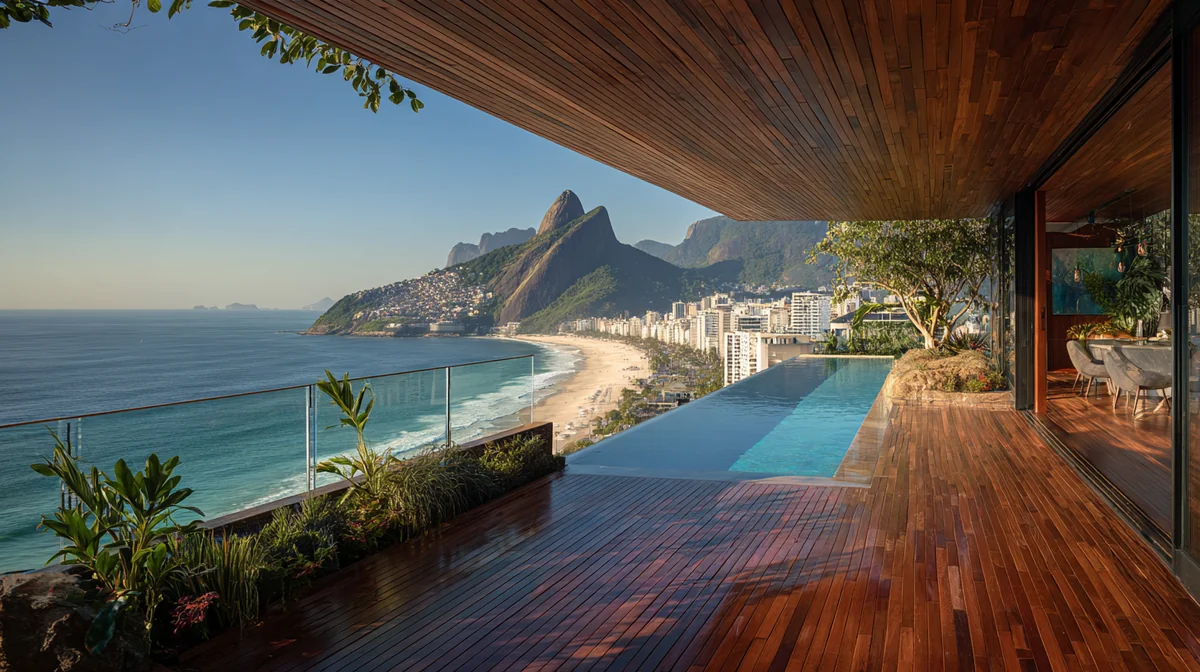
The terrace at breakfast (Dec–Mar)
The humpbacks breed in the bay all winter — breaches visible from the peninsula's terraces most mornings. Name the season and the sightline; it is the winter booking's deciding image.

Expert short-term rental marketing for Mexico's gated peninsula — Punta Mita's villa enclaves, the whale-filled bay and the Riviera Nayarit beside them.
Sixteen services, one team. Everything below is built in-house and scoped to your property and market. Most owners start with the 12-Step System.
Every engagement is quoted to your portfolio. These are the ready-made scopes owners pick most — our Fall Special (55% off list) is already applied. A clear proposal within 48 hours.
The work is public. Selected engagements and what changed — and reviews from the owners and managers behind them.
* Market averages. Properties marketed by Cavmir typically exceed these figures by 25–45%. Data sourced from AirDNA, STR market reports, and Cavmir internal analytics.
Punta Mita is the peninsula Mexico built to answer the Caribbean. Fifteen hundred gated acres at the northern tip of Banderas Bay — surrounded by water on three sides, anchored by a Four Seasons and a St. Regis, threaded with Jack Nicklaus golf including the famous natural-island green they call the Tail of the Whale — the development set out in the late 1990s to create Latin America's definitive luxury resort community, and succeeded thoroughly enough that its name now prices the whole coast around it. For rental owners, the peninsula is the hemisphere's clearest villa benchmark: hotel-trained demand, an enclave map the market reads fluently, whales breaching off the terraces from December to March, and a marketing spread between the villas that operate like brands and the ones that idle behind the same gate.
The peninsula's rental geography is an atlas of named enclaves. The beachfront rows — Lagos del Mar, the Signature estates, the La Punta headlands — carry the flagship tier: staffed villas with sunset water on two sides. The golf-adjacent and hillside enclaves — Las Palmas, Ranchos, the Kupuri hills above their beach club — stack the premium middle with bay views toward the Marietas; the residence buildings near the resorts offer the accessible tier with hotel-adjacent polish; and beyond the gates, the coast composes the value ladder — surf-town Sayulita twenty minutes east, Litibú's new developments, the Riviera Nayarit's ascending arc. Naming the enclave and its logic is the first job of any listing; the peninsula's guests comparison-shop by exactly that map.
The guest economy runs on two hemispheres and one bay. December through April brings the North American winter — California and Texas families, the golf-and-tennis society, the whale-watching faithful timing the humpbacks' season — booking staffed villas by the week at the coast's highest rates. Mexican society fills the national holiday calendar — Semana Santa above all — at premiums international owners routinely miss; summer brings surf season on the peninsula's own breaks and the wedding economy that fills villa clusters year-round. They arrive through Puerto Vallarta's international airport forty-five minutes south, and they book with resort-trained expectations: staff, chefs, the beach clubs' choreography, the sense of a private hotel behind the gates.
The operating context favors the professional: Mexico's coastal-ownership framework (the fideicomiso trust for foreign owners) is mature and routine, Nayarit's lodging-tax regime is light by US standards, and the peninsula's master administration — security, utilities, beach clubs, the enclave associations — supplies the operational floor independent Pacific-coast rentals build alone. The barriers here are commercial, not legal: visibility in the channels this market actually books through, presentation at the standard the resorts trained, and the direct-channel craft that converts one great villa week into a decade of returns.
Nearby Markets: Cabo San Lucas | Tulum | Cancún
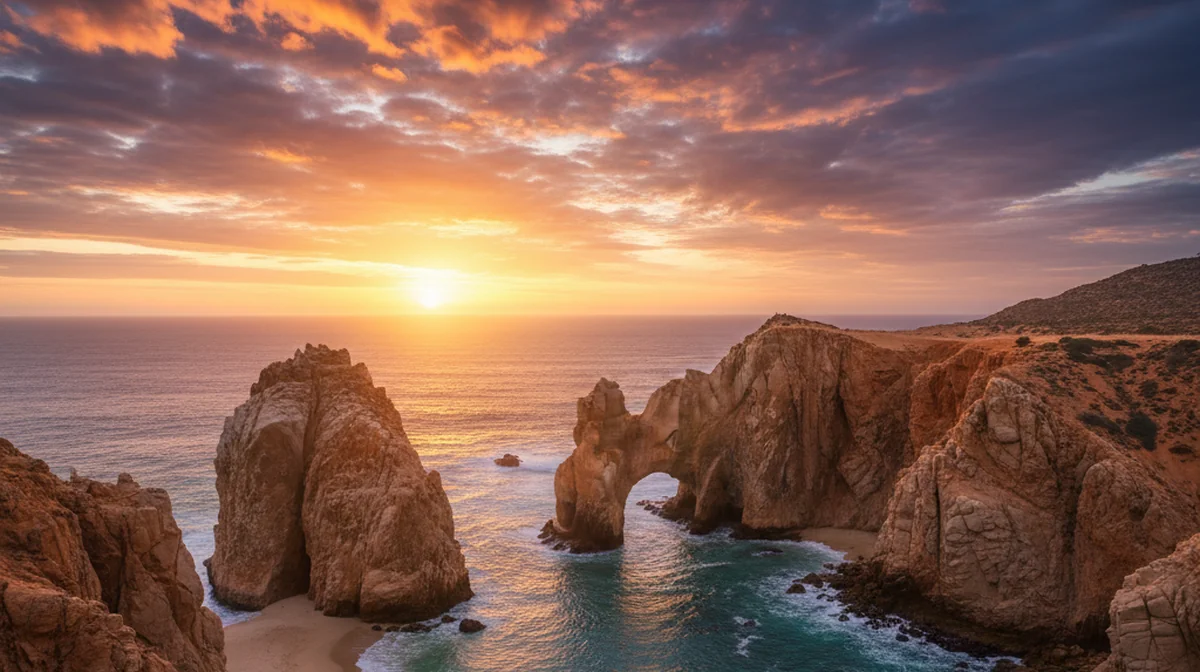
Cavmir markets Punta Mita villas as the staffed hospitality brands they are — precise about enclaves, whale-season terraces and the two-hemisphere calendar. We position your villa or residence in front of the exact guest who books this peninsula: the winter villa family, the Semana Santa society, the wedding planner with a cluster to fill — wherever they search.
Punta Mita's modern story begins with a master plan: in the 1990s, Mexican developer DINE assembled the peninsula at Banderas Bay's northern point — fishing-village land at the end of a jungle road — and set out to build Latin America's benchmark resort community. The Four Seasons opened in 1999 as the brand's first Latin American resort, Jack Nicklaus carved the Pacífico course around it — its optional island hole, the Tail of the Whale, playable only at low tide across the rocks — and the gated peninsula began its two-decade compounding into the hemisphere's reference address.
The 2000s built the atlas: the St. Regis arrived to anchor the peninsula's second flank, the named enclaves filled — beachfront estates, golf-side villas, the Kupuri hills above their crescent beach club — and the residence economy matured around the hotels' service culture, which trained both the staff pool and the guest expectations the rental market now runs on. Beyond the gates, the halo effect priced the coast: Sayulita boomed into Mexico's most famous surf town, the Riviera Nayarit brand stretched northward, and Puerto Vallarta's airport widened the funnel year by year.
The rental economy professionalized inside the enclave structure: owners' villas entering rental programs — resort-affiliated and independent — a staffed-villa culture of chefs and concierges becoming the product's signature, and the platform era layering global visibility over what began as a relationship market. Mexico's operating frameworks matured alongside: the fideicomiso coastal-trust structure became routine for foreign owners, Nayarit's lodging tax formalized the coast's obligations, and the peninsula's master administration kept supplying the operational floor.
Today the market is the Pacific's deepest luxury villa inventory — and its familiar spread. The best villas run as small hotels: staffed, branded, event-literate, direct-channeled, booked across both hemispheres' calendars. The long tail idles on interior photos and single-season platform listings, renting winter weeks and calling it the market. The gap between them, inside the same gates with the same bay off the terraces, is the entire opportunity this page describes.
Punta Mita prices on enclave, water and staff. The beachfront flagship rows transact five-figure weeks in season — sunset water and staffed service compounding each other — with the hillside and golf enclaves stacking the premium middle on bay views and beach-club logic, and the resort-adjacent residences offering the accessible tier. Staffing moves rates as decisively as position: the villa with a beloved chef and seamless beach-club choreography outprices its silent twin and out-reviews it wider. State the enclave, the sightline, the staff configuration and the club-access truth plainly — this market reads its own atlas fluently.
The calendar runs two hemispheres deep: Christmas–New Year is the super-peak, the January–April core rides the North American winter and the humpbacks' season, and Semana Santa books the peninsula solid on the Mexican society calendar international owners chronically underprice. Summer brings surf season, national holiday weekends and the value-window families; the wedding economy fills clusters year-round on its own rhythm; and the true quiet is the September–October storm-watch window, best served with flexible terms. Whale-season terraces, event weekends and holiday minimums each carry premiums a flat curve never captures.
The plays that work are the peninsula's own: whale-season positioning for the December–March terraces (the humpbacks are a bookable amenity — name them), Semana Santa priced with local-market seriousness and bilingual presentation, wedding-planner kits for the cluster economy, and the staffed-villa story told properly — chef bios, menus, the beach-club morning choreography. Beneath it all, the direct channel: this market's families return for a decade when kept, and the villa that owns its relationships runs a calendar the platforms only sample.
Medium seasonality on a two-hemisphere calendar: Christmas–New Year super-peak, a strong January–April core on the northern winter and whale season, Semana Santa's society peak, real summer surf-and-holiday demand, and a September–October storm-watch quiet best served with flexible terms.
The revenue most owners miss is the local hemisphere: Semana Santa and Mexican holiday weekends book the coast solid at premiums the international-only calendar never prices, and the wedding economy fills villa clusters year-round for owners whose presentation addresses the planners. The peninsula's demand is bilingual; the listing should be too.
Mexico's operating environment is light and mature: there is no US-style vacation-rental licensing regime on this coast, foreign ownership of coastal property runs through the routine fideicomiso bank-trust structure, and the state's obligations are conventional — Nayarit's lodging tax on short stays, Mexican income-tax treatment of rental earnings (with platform withholding regimes for the unregistered), and the invoicing formalities that reward proper registration. The frameworks are established; professional structure makes them routine.
The binding rules are the peninsula's own: the master administration governs gate access, guest registration and community standards, the enclave associations layer their particulars — rental terms, staff credentialing, club-access rights that vary by membership and property — and the beach clubs' choreography is the daily compliance that matters. Misdescribing club access is the market's classic self-inflicted wound; the truth, stated plainly, converts better than the blur.
Treat this section as orientation rather than legal advice: tax treatment rewards structure, fideicomiso and entity choices are situation-specific, and enclave terms evolve. Confirm current particulars with the master administration, your association and a Mexican professional before you list. Cavmir handles the marketing; compliance sits with you and your local professionals.
First, name the whales. From December to March the humpbacks breach in the bay in plain view of the peninsula's terraces — a bookable amenity most listings never mention. Whale-season photography, terrace-sightline copy and a welcome book that maps the season convert the winter couple deciding between five villas; the humpbacks are the peninsula's cookie time, and they work for free.
Second, tell the club-access truth like the headline it is. The beach clubs, golf and resort amenities vary by property and membership, and ambiguity is the market's classic dispute engine. State exactly what guests may use — Kupuri, the residents' clubs, tee access, the choreography of each — and the precision converts the right guest while repelling the refund request.
Third, run the two hemispheres deliberately. The North American winter and the Mexican society calendar are both first-class markets on this coast — Semana Santa books solid at premiums, national weekends fill summers — and bilingual presentation with local-calendar pricing runs a fuller year than the international-only villa ever sees. The peninsula's demand is bilingual; the villas that speak both languages compound.
Fourth, sell the staff and court the planners. The chef's breakfasts are the review's first line — bios, menus and the morning routine belong in the listing, not the amenity fine print — and the wedding economy that fills villa clusters rewards advisor-grade kits: sleeping charts, group menus, event logistics, fast answers. One planner relationship anchors shoulder calendars for years; the peninsula hosts their events weekly.
The comparison set is the challenge: the peninsula's inventory is deep, professionally managed programs operate beside the independents, and the resorts themselves compete for the same guest with hotel machinery. Differentiation is enclave precision, staffed-service storytelling and the review base both compound into; the generic villa competes on price against an address it shares with two five-star hotels.
Operations run on staff excellence in a competitive labor market — the hotels trained the pool and also recruit from it, so retention of a great chef is a revenue line — while Pacific-coast realities apply in full: salt-air maintenance, the September–October storm watch, and the surf-season swell calendar that reshapes beach days. The master administration supplies the floor; the villa's own team builds everything above it.
And the halo coast is both feeder and competitor: Sayulita's fame, Litibú's new supply and the Riviera Nayarit's ascending arc widen the region's funnel while adding alternatives at every tier below the gates. The peninsula's answer is its own benchmark status — but only for villas that market it: the brand premium accrues to the listings that tell the peninsula's story, not to the gate itself.
Pacific-coast villa coverage: hurricane and earthquake exposures priced by construction and elevation, contents and liability at staffed-villa scale, and the peninsula's master infrastructure softening the operational risk profile. Named-storm readiness and the September watch remain the discipline; a broker who works Riviera Nayarit resort property earns the mandate.
Mexican rental income rewards proper registration — invoiced operation beats platform withholding — with Nayarit's lodging tax on short stays and the fideicomiso's annual administration as the routine carry. Cross-border owners coordinate Mexican filing with home-country treatment under treaty. A Mexican accountant who works the coast keeps it exact.
Most international villa transactions run on cash or home-country credit; developer financing appears on newer product and Mexican bank lending to foreigners continues maturing. The carry math is friendly by US standards — light taxes, master-plan infrastructure, real two-hemisphere demand — and rewards honest seasonal modeling all the same.
Punta Mita's trajectory rides Mexico's strongest luxury-coast story: the Riviera Nayarit's arc keeps ascending, Puerto Vallarta's connectivity keeps widening, the peninsula's benchmark brand keeps pricing the region, and the master plan's continuing build-out adds amenity depth with each phase. Demand compounds across both hemispheres' calendars; the enclave atlas keeps its scarcity inside the gates.
The watch items are supply and climate: the coast's new development — Litibú, the corridor's branded residences — will keep testing undifferentiated product, and the Pacific's storm and swell calendars keep resilience and readiness part of ownership. Every current favors the staffed, bilingual, event-literate villa over the idle winter listing — the sorting the peninsula's spread already shows.
And discovery is shifting onto the peninsula's map: the guests planning whale winters, Semana Santa weeks and cluster weddings increasingly ask AI assistants precise questions — which enclave suits a family, how club access works, when the humpbacks arrive — and the villas that publish structured, bilingual, genuinely local answers will surface first. The benchmark's fame is established; its visibility layer is being redistributed to the owners who publish precision.
Punta Mita is the market where Latin America set its benchmark, and marketing inside it is the pleasure of working with the hemisphere's best raw material: whales off the terraces, an island green in the Pacific, a service culture two five-star hotels spent decades training. The product needs no invention — it needs the enclave named, the staff storied and the whales given their season's billing.
What I love about this coast is its two-hemisphere heartbeat: the northern winter and the Mexican calendar filling the same villas in different months, in different languages, at premiums the single-market listing never sees. Building bilingual brands that serve both — Semana Santa priced with respect, the winter told in whale season — is the most complete calendar work in the Americas.
And the bay photographs like a promise the peninsula keeps daily: sunset water on three sides, the Marietas on the horizon, a humpback's tail against the evening light. The listing that captures it joins a brand the coast spent thirty years building — and prices like it.
The picks Cavmir puts in a Punta Mita welcome book — the details that make a stay feel like resident knowledge instead of a printed concierge script, and that quietly earn the five-star reviews.
The humpbacks breed in the bay all winter — breaches visible from the peninsula's terraces most mornings. Name the season and the sightline; it is the winter booking's deciding image.
The protected islands off the point — the hidden beach, the blue-footed boobies, the snorkel coves — run on capped permits and calm-morning timing. Pre-arrange the licensed charter; it is the week's chapter.
The peninsula's showpiece club curves around its own protected bay — paddleboards at nine, ceviche at one. Teach the access truth and the reservation rhythm; a Kupuri day that just works is the family review's opening line.
Nicklaus's island green in the Pacific — playable at low tide, photographed at every tide. Golfers book the tee; everyone else books the sunset cart tour. Either way, it is the peninsula's signature frame.
The peninsula's beloved break — a longboard wave off a jungle-path beach. Map the path, the board logistics and the season honestly; the surf morning converts the teenagers and the review both.
Twenty minutes east, Mexico's most famous surf town does color, tacos and bustle — the counterpoint afternoon to the peninsula's calm. Teach the parking truth and the Wednesday rhythm; the contrast is the amenity.
From the Four Seasons' rooftop ceviche to the fishing village's own palapas at the point, the peninsula's registers span celebration to Tuesday. Map both honestly and the week's evenings organize themselves.
The peninsula faces its sunsets across open Pacific — the west-side terraces and the lighthouse point take the show nightly. Name the villa's own vantage; the golden hour is the brand.
Club rights vary by property and membership — state Kupuri, residents' club, golf and spa access precisely, with the choreography of each. Clarity here is the market's welcome and its dispute-proofing in one.
The Mexican society calendar books the coast solid on its own rhythm — teach staff scheduling and reservation timing around it, and price it with respect. The bilingual welcome book earns the market most listings never see.
The villa chef shops best with a plan: the market runs, the supermercado truth toward Bucerías, and the pre-arrival stocking option. At staffed-villa rates the first dinner should be waiting — say so and deliver it.
Representative Cavmir engagements in Punta Mita. Property identifiers redacted; figures composited from internal analytics and market benchmarks.
A flagship staffed villa renting winter-only at enclave-average rates, its whale-season terraces and chef unmentioned in an interior-led listing.
Rebuilt the brand around water and staff — whale-season terrace photography, chef bios and menus, club-access precision — with Semana Santa pricing, bilingual presentation and a first-refusal channel for returning families.
Winter repriced upward and closed by October, Semana Santa booked at super-peak rates for the first time, and three returning families now anchor the calendar direct.
A bay-view villa above the beach club, invisible to the wedding economy filling the peninsula's event calendar around it.
Built the planner-grade kit — sleeping charts, group menus, event logistics, cluster coordination with neighboring villas — and addressed the wedding channel directly alongside the winter family market.
Event weekends became a third of annual revenue at group premiums, two planner relationships now feed the shoulder calendar, and the winter core held untouched.
A hotel-adjacent residence competing on price against the peninsula's villas and the resorts at once, its own case unmade.
Positioned it as the hotel-polish value tier — resort-adjacency told honestly, access rights stated precisely, whale-season balcony framing — with bilingual visibility across both hemispheres' calendars.
Occupancy stabilized above 70% across the year, the national-holiday weekends filled at corrected rates, and the residence found the repeat couples its tier was built for.
Yes. Cavmir works with owners across the peninsula and its coast — beachfront enclaves, Kupuri and golf-side villas, resort-adjacent residences, and Litibú and Sayulita-corridor properties beyond the gates — on branding, listing optimization, photography direction, direct-booking websites, SEO and paid campaigns. Staffed villas near Kupuri, the Pacífico course and the whale-season terraces are exactly what we market.
The snapshot on this page shows average nightly rates around $920 with occupancy near 55%, but the peninsula's spread is wide — staffed beachfront flagships transact five-figure weeks in season while idle listings run winter-only calendars. Treat these as directional averages; enclave, staffing and the two-hemisphere calendar are the real variables.
Christmas–New Year is the super-peak, the January–April core rides the North American winter and whale season, and Semana Santa books the peninsula solid on the Mexican society calendar internationals underprice. Summer holds surf-season and national-holiday demand; the wedding economy fills clusters year-round; September–October is the storm-watch quiet.
Mexico's frame is light and mature — no US-style licensing, the routine fideicomiso structure for foreign coastal ownership, Nayarit's lodging tax and standard income-tax treatment. The binding rules are the peninsula's own: master administration protocols, enclave association terms and club-access rights. Confirm particulars with the administration and a Mexican professional. Cavmir handles marketing; we don't provide legal advice.
They are the peninsula's signature amenity: humpbacks breed in the bay from December to March in view of the terraces, and the winter couple deciding between five villas books the one that names the season and the sightline. Whale-season positioning is the cheapest rate premium on this coast — and most listings never mention it.
Yes — it is half the coast's demand. Semana Santa and the national holiday weekends book solid at premium rates on a rhythm international owners never price, and bilingual presentation welcomes a society market that returns loyally. A villa marketed only to the northern winter runs a partial calendar on a two-hemisphere coast.
As the headline truth: beach-club, golf and resort rights vary by property and membership, and ambiguity is the market's classic dispute engine. State exactly what guests may use and how each works — the precision converts the right guest, repels the refund request, and is the first thing we audit on any peninsula listing.
It depends on scope. Current plans and one-time project pricing are on the pricing page — most owners start with a listing overhaul or the 12-step system. A conversation about your villa costs nothing: contact Cavmir.
Send us the listing and we'll tell you what we'd change. Not a pitch deck — a straight read on your photos, your title, your rates against the Punta Mita comp set, and whether a direct-booking site would pay for itself.
You'll hear back from a person, usually inside one business day. If we don't think we can move your numbers, we'll say so. Cavmir is a short-term rental marketing agency — we position and market properties, we don't manage them.
Demand in Punta Mita peaks around January, February and March and runs quietest around September. Here is how the year actually books — and what to do about each stretch of the calendar.
The dry winter carries this stretch of the Pacific coast, roughly November through April, with the Christmas and New Year weeks and Easter at the very top. Humpback-whale season overlaps the whole high season, giving guests one more reason to come between December and March. Set the holiday weeks high and early, hold minimum stays over the busiest dates, and have the listing fully dialed before the December rush.
May and early summer stay pleasant before the rains, and the golf and villa trade keeps the calendar moving with weddings and multi-family trips. November builds quickly as the winter crowd returns. Use midweek angles and repeat-guest offers to hold pace through the shoulders, and lean on the area's resort reputation for the celebration market.
August through early October is the soft, humid, rainy stretch, with the outside chance of a Pacific storm, and much of the fly-in crowd waits it out. Use the lull for maintenance, a pool service check and a photography refresh before the winter high. Longer stays and value-minded couples are the honest play for these months.
Holiday weeks and weddings book the furthest out, with villa groups locking December and dry-season dates many months ahead. Winter sun travelers fill through the fall, and couples move on shorter notice most of the year. Set the peak and celebration dates early and firm, then keep shoulder pricing responsive.
The dry season runs on week-long villa and family stays, with celebration groups booking blocks of nights well ahead. Couples and golf trips mix in shorter stays year-round. The upscale, group-friendly profile rewards hosts who market to the villa and celebration trade as much as to the winter sun crowd.
The home that wins is a villa with several bedrooms, a genuine private pool and service-ready outdoor living, within easy reach of a swimmable beach or the golf and resort core. Celebration groups want space and a pool that photographs beautifully, while sun travelers want a comfortable, private base for a long stay. A stylish villa near Punta Mita or the bay-side villages covers the widest demand.
Build the listing around your pool, your bedrooms and your outdoor living, with photography that sells the sunset light and the group-ready spaces, and speak clearly to the wedding and villa trade. Price the dry season deliberately: the Christmas, New Year and Easter weeks and the wedding calendar behave nothing like ordinary dates, so set them high and early. Add a Google Business Profile for map searches and a direct-booking site for the celebration groups and winter regulars who return every year. That listing, imagery and local SEO work is the marketing layer Cavmir builds for Punta Mita hosts.
The dry winter from November through April is the high season, topped by the Christmas, New Year and Easter weeks, with humpback-whale season running underneath it. The wedding and villa calendar keeps the dry months busy, while August through early October is the humid, rainy low.
Holiday weeks and weddings book the furthest ahead, often many months out, with villa groups locking dry-season dates early. Winter sun travelers fill through the fall and couples move on shorter notice. Lock the peak and celebration dates early, then keep the shoulder calendar responsive.
Guests fly into Puerto Vallarta and drive north around the bay, so Punta Mita draws heavy US West Coast traffic plus Canadian winter flights. Los Angeles, San Francisco, Dallas and Seattle lead the volume, while Toronto adds to the winter season.
A private pool and several bedrooms lead for the villa and celebration trade, followed by an ocean or bay view and strong air conditioning. Service-ready outdoor living and dependable wifi round out what guests reward most in Punta Mita.
Talk to Cavmir today. We'll show you exactly what your Punta Mita property is leaving on the table — and how fast we can change that.
Book a Free Strategy Call