Coffee in West End before the boats go out
Send guests to a waterfront café in West End as the dive boats load up. It's the most characterful corner of the island and the easiest way to feel the dive-village rhythm that makes Roatán what it is.
Expert short-term rental marketing to grow your bookings and nightly rate in Roatán — West Bay, West End, Sandy Bay and the Mesoamerican reef.
Sixteen services, one team. Everything below is built in-house and scoped to your property and market. Most owners start with the 12-Step System.
Every engagement is quoted to your portfolio. These are the ready-made scopes owners pick most — Summer Promo pricing shown, discount already applied. A clear proposal within 48 hours.
The work is public. Selected engagements and what changed — and reviews from the owners and managers behind them.
* Market averages. Properties marketed by Cavmir typically exceed these figures by 25–45%. Data sourced from AirDNA, STR market reports, and Cavmir internal analytics.
Roatán is where the Caribbean meets one of the great coral reefs on earth, at a price that makes the rest of the region look expensive. The largest of Honduras's Bay Islands sits directly on the Mesoamerican Barrier Reef — the second-longest reef system in the world — which means world-class wall diving and snorkeling begin a few fin-kicks from shore. Combine that with some of the lowest diving and living costs anywhere, an English-Creole-speaking population thanks to the islands' British past, and nonstop flights from several US hubs, and you have a rental market built on a genuinely differentiated product: not just a beach, but a reef, and not just a vacation, but an affordable one.
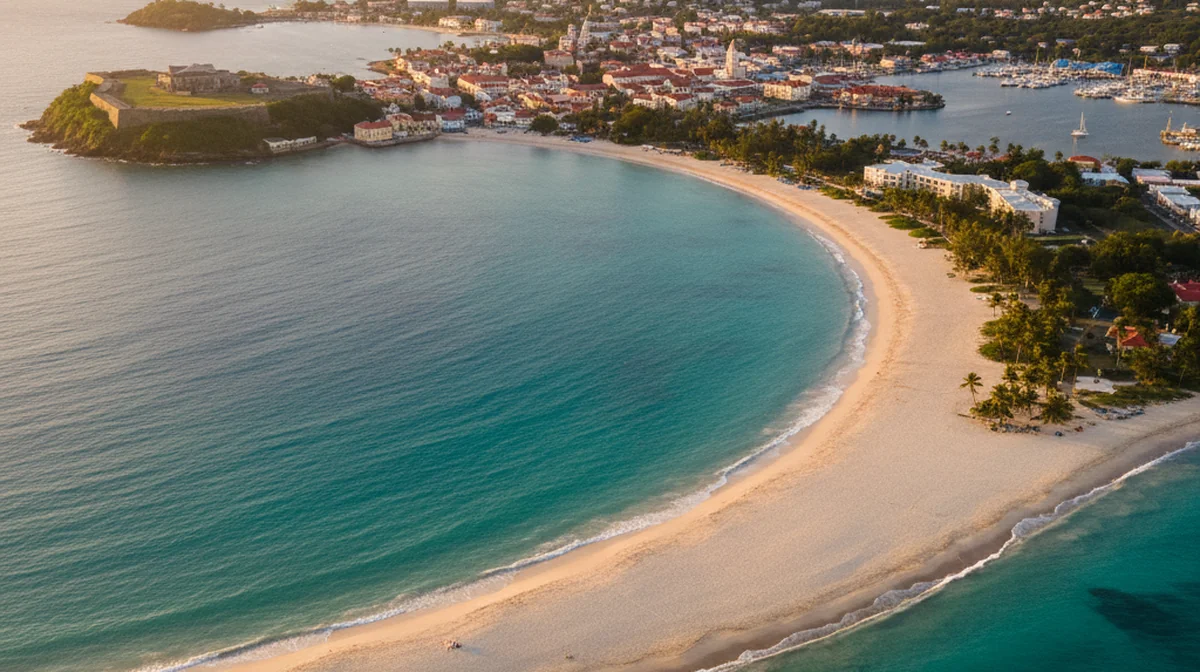
The island's rental zones are distinct and worth knowing. West Bay is the postcard — the best beach on the island, a curve of white sand and shallow reef where the resorts, beach condos and the most rentable inventory cluster. West End, a short ride away, is the walkable dive village: no big roads, just a strip of dive shops, restaurants and bars along the water, beloved by divers and independent travelers. Sandy Bay sits quietly between them near the marine institute and the island's nature parks. French Harbour and the south side hold the marinas, the sportfishing, and the upscale gated developments — Pristine Bay with its golf course, Parrot Tree — while the far East End (Camp Bay, Port Royal) stays wild and barely developed for guests who want to disappear.
The guest is, above all, a diver — Roatán is one of the cheapest and best places in the world to learn to scuba dive or log a week of it — but the market is broader than that. Value-minded families come for the beach and the reef at a fraction of Cancún prices; snowbirds and a large expat community treat the island as a warm, cheap winter home; honeymooners on a budget find luxury-feeling water for backpacker money; and cruise passengers pour through Coxen Hole and Mahogany Bay by day. As always, the day-tripper is not your guest — the multi-night diver, family and long-stayer is — and matching your property to the right one of them is the whole job.
What makes Roatán compelling for owners is the combination of low entry prices and a passionate, repeat-booking audience. Property costs a fraction of the northern Caribbean, the diver niche is loyal and books shoulder seasons the beach crowd ignores, and Honduras's low cost of operation protects margins. The catch is that Roatán is a value market that many owners run casually, which means the property that actually markets itself well — real photography, a clear brand, a direct channel, honest logistics — stands out immediately and captures returns the amateur listings leave on the reef.
Nearby Markets: Dominican Republic | Cozumel | Ambergris Caye

Cavmir markets Roatán rentals to the audience the island is built for — the diver, the value-seeking family, the budget honeymooner, the snowbird — and does it with the polish this market rarely sees. We position your West Bay condo or French Harbour villa across search, social and a direct-booking site, selling the reef and the value honestly so your property stands out in a market where most listings barely try.
Roatán's history explains why an island off the coast of Central America speaks English. The Bay Islands were fought over by the Spanish, English and a rotating cast of pirates for centuries — Henry Morgan and other buccaneers used the islands' hidden harbors — and they were a British colony until 1861, when Britain ceded them to Honduras. The English-speaking, Afro-Caribbean and Garifuna culture that took root under British rule never left, which is why Roatán feels more Caribbean than Central American and why an American or European guest finds it unexpectedly easy to navigate.
For most of the twentieth century Roatán was a quiet fishing-and-seafaring island that the outside world discovered mainly through diving. Word spread from the 1970s and 1980s among divers that the Bay Islands offered some of the most spectacular, accessible and inexpensive reef diving anywhere, and a dive-tourism economy grew up in West End and Sandy Bay around that reputation. Diving has been the island's tourism foundation ever since, and it remains the single most important thing a Roatán rental can be near or built around.
The modern rental market expanded as three forces converged: the reef's global dive reputation, the arrival of cruise ships that put Roatán on the mainstream map, and a wave of expat and investor interest drawn by low prices and easy island living. West Bay filled with beach condos and resorts, French Harbour and the south side saw gated developments and marinas, and a large community of North American and European expats bought and built across the island, many placing their homes into the rental pool. The result is an inventory that runs from simple West End studios to gated golf-community villas, serving everyone from certification-course divers to families to second-home owners renting out their winter place.
Today Roatán is a maturing value market with a clear identity and a familiar gap. The demand is real and diversified — dive tourism, cruise volume, a growing family and honeymoon market, and steady expat long-stays — and Honduras keeps investing in access and infrastructure. But the marketing sophistication of the average listing lags well behind the quality of the product; a great many properties still rely on a few phone photos and a single platform. In a market this affordable and this differentiated, that gap between the product and its presentation is exactly where a professionally marketed property wins.
Roatán is a value market, and pricing works on volume, occupancy and niche loyalty rather than trophy rates. West Bay beach condos and the gated south-side villas anchor the top of a modest range, while West End dive-village studios and apartments fill the accessible middle where reviews and repeat divers matter most. The winning strategy for most owners is a fair, competitive nightly rate that keeps occupancy high, paired with a direct-and-repeat channel that strips out platform commission — because at Roatán's price points, commission is a large share of a thin per-night margin.
Diving is the pricing lever that defines the island. A property packaged for divers — near the shops in West End or the reef at West Bay, with gear storage and rinse, dive-shop partnerships, shore-dive notes and honest logistics — reaches a passionate, price-loyal audience that books certification weeks and dive holidays in shoulder seasons the beach crowd skips. The dive traveler chooses on convenience and trust as much as price, and a listing that speaks their language earns both the booking and the repeat.
The long-stay and expat markets are the other underused levers. Roatán draws snowbirds, remote workers and a large resident expat community, and a property set up for weeks or months — a real kitchen, reliable internet and backup power, a monthly rate — captures reliable, low-turnover revenue that smooths the calendar. Owners who list only for week-long beach stays miss both the divers' shoulder-season demand and the long-stayers' winter demand; the ones who court both can run strong effective occupancy across a market others consider seasonal.
Medium seasonality with two engines. The North American winter escape and the dry season (roughly December through April) form the classic peak, with Christmas/New Year and Easter/Semana Santa as the spikes. Summer — June through August — is a second strong season driven by families and divers on school holidays. The soft window is the rainier stretch from September into November, though Roatán's more southerly position gives it lower direct-hurricane exposure than the northern Caribbean, and dive demand persists through it for well-marketed properties.
The revenue owners most often miss sits in the shoulder months, because the diver doesn't care about the beach-season calendar. A property marketed to divers and long-stayers stays busy in May, September and November — when the water is warm, the reef is quiet and rates soften — while the beach-only listing sits empty. Being visible to those niche audiences year-round is how a 'seasonal' island becomes a near-year-round rental business.
Honduras is comparatively light on short-term-rental-specific regulation, and the Bay Islands sit within a tourism-focused framework, but the rules that matter most to a foreign buyer are about ownership, not operation. The Honduran constitution restricts foreign ownership of land within a certain distance of coastlines and borders, with an important carve-out: foreigners may own a limited parcel (historically up to roughly 3,000 square meters) of urban property for residential use, and larger or tourism-purpose holdings are typically structured through a Honduran corporation or under tourism-investment provisions. The Bay Islands' tourism status makes buying practical, but the structure matters, so a competent Honduran attorney is not optional.
The most important due-diligence issue on Roatán is title. The island has a history of overlapping claims and imperfect records, and clean title is the single thing that most often goes wrong for an unwary foreign buyer. Insist on a full title search, a reputable local attorney and, where available, title insurance, and treat any deal that pressures you to skip these steps as a red flag. On the operating side, Honduras applies its sales tax (ISV) and a tourism levy to applicable services, and formal rental operation means registering appropriately and paying tax — details to settle with a Honduran accountant.
For marketing purposes the takeaway is that Roatán is easy to operate in but demands careful setup: get the ownership structure and title right at purchase, register and handle tax correctly, and confirm that any gated community or condo association permits short-term letting. The regulatory burden on day-to-day operation is genuinely light compared with US and European markets, but the acquisition due diligence is where the risk lives. As always, this is orientation rather than legal advice — confirm current requirements with Honduran professionals before you buy or list.
The first Roatán tip is to lead with the reef, because it is the one thing this island has that a generic beach destination doesn't. World-class, affordable diving and snorkeling starting steps from shore is a genuinely rare product, and a listing that opens on the reef — the wall dives, the wrecks, the certification courses, the snorkeling straight off West Bay — reaches a passionate, loyal audience that a 'beautiful beach' listing never will. Sell the underwater experience as hard as the sand.
Second, be radically honest about logistics and value, because that honesty is itself a selling point in a market where casual operators over-promise. Guests choosing Roatán are often value-savvy and slightly cautious; a listing that clearly explains the airport transfer, the West Bay-versus-West End trade-off, the internet and power situation, and what a week actually costs builds the trust that converts the careful booker. In a market with a reputation for unevenness, being the obviously professional, transparent option is a marketing advantage.
Third, package for the diver and the long-stayer, the two audiences that fill the shoulder seasons. Gear storage and rinse, dive-shop partnerships and shore-dive maps for divers; a real workspace, fast internet and a monthly rate for snowbirds and remote workers. These are the guests who keep a Roatán property busy when the beach-only crowd has gone home, and courting them deliberately is how you turn a seasonal island into year-round revenue.
Fourth, invest in real photography and a real brand, because the bar in this market is low and clearing it is cheap. So many Roatán listings run on a handful of dim phone photos that professional imagery and a coherent brand story instantly separate a property from the pack. Fifth, build a direct channel from the start: at these rate levels the platform commission is a meaningful drag, and a direct-booking site plus a repeat-diver and repeat-family program is how a value-market property actually protects its margin.
Roatán's challenges are real and worth confronting rather than hiding. Title and ownership complexity is the big one — the acquisition due diligence that protects a foreign buyer is more involved here than in the US or the EU, and cutting corners on it is the most common way owners get hurt. Infrastructure is uneven: power and water reliability vary by area, internet has improved but isn't uniform, and a good property invests in backup systems and says so, turning a potential complaint into a reassurance.
The market's value positioning is also a double-edged sword. Low prices attract casual owners and a lot of thin, under-marketed inventory, which drags on the destination's overall reputation and means a serious property has to work to signal quality and trustworthiness. Honduras's broader security reputation, however unfair to the Bay Islands specifically, can give first-time visitors pause, and a listing does well to address the island's genuinely relaxed, tourism-focused reality plainly. And while hurricane risk is lower than the northern Caribbean, the rainy season and the island's remoteness make reliable local management and honest seasonal communication essential. These are exactly the frictions that professional marketing and operation are built to smooth.
Property insurance is available through Honduran and international carriers and is generally more affordable than in the high-cost northern Caribbean, reflecting Roatán's lower direct-hurricane exposure — but named-storm, wind and flood coverage still matter and should reflect rental use and full rebuild cost. Backup power and water systems both reduce risk and improve the guest experience. Budget insurance as a planned line item, modest by Caribbean standards but real.
Honduras applies its sales tax (ISV) and a tourism levy to applicable services, and rental income is taxable; formal operation means registering and filing with a Honduran RTN tax ID. Property taxes are low by international standards. US owners still report worldwide income to the IRS. The interaction of Honduran corporate structures (often used for coastal ownership) and tax is a question for a Honduran accountant — get the structure right at purchase.
Local mortgage financing for foreigners is limited and conservative, so most Roatán purchases are cash or developer-financed, particularly in the gated south-side communities. That lowers leverage risk but ties up capital, so model returns on a cash basis and credit the island's low operating costs and strong shoulder-season dive demand. Whatever the structure, get title and ownership settled cleanly before financing anything.
Roatán's outlook is one of steady growth from a low, differentiated base. The reef isn't going anywhere, dive tourism is durable and loyal, cruise volume keeps the island on the mainstream map, and Honduras continues to invest in access — the combination of world-class product and low cost is a structural advantage that keeps pulling new visitors and new owners. As the northern Caribbean grows more expensive, Roatán's value proposition only sharpens for the traveler priced out of Cancún or the Cayman Islands.
For owners the future is about professionalization on top of that value. The gap between the quality of Roatán's underwater product and the quality of its average listing is wide, and it will close in favor of the owners who move first — real branding, honest logistics, a direct channel, and content that ranks in search and reads well to AI trip planners. As discovery shifts toward search and assistants, the Roatán properties that publish clear, genuinely useful information about the reef, the neighborhoods and the true cost of a trip will win the careful, value-savvy traveler who defines this market. The reef is the moat; professional marketing is how you turn it into bookings.
Roatán is the island that over-delivers, and that makes it a joy to market honestly. Guests arrive braced for a budget trip and step into water the color of a swimming pool over one of the great reefs on earth, and the gap between their expectations and the reality is enormous. Marketing here isn't about inflating anything — it's the opposite. The truth is better than the brochure, and a listing that simply tells that truth clearly, with real photos and real logistics, converts beautifully because the product backs it up completely.
What I love about marketing Roatán is the loyalty of its audiences. Divers don't visit a reef once — they come back, they bring friends, they book the shoulder weeks nobody else wants, and they choose on trust as much as price. Serve them well and you build a repeat clientele that keeps a value property busy year-round. Add the snowbirds who winter here and the families who discover they can afford a Caribbean reef vacation, and you have a market where good marketing doesn't just raise a rate — it builds a durable little business on top of an island most of the competition is barely trying to sell.
The picks Cavmir puts in a Roatán welcome book — the details that turn a value beach week into a proper reef adventure, and that quietly earn the five-star reviews from divers, families and long-stayers alike.
Send guests to a waterfront café in West End as the dive boats load up. It's the most characterful corner of the island and the easiest way to feel the dive-village rhythm that makes Roatán what it is.
Whether certified or first-timers, get guests onto the Mesoamerican Reef. Recommend a reputable West End dive shop, or the shallow reef straight off West Bay for snorkelers. The reef is the trip; a host who makes it easy is the reason for the five-star review.
West Bay is the postcard beach and the snorkeling is superb right offshore. Send guests early on cruise days, before the day-trippers arrive, and the sand and reef are theirs.
Roatán is one of the cheapest places on earth to get PADI certified. For guests who've always meant to learn, point them to a trusted shop and a multi-day course. It turns a vacation into a milestone and your listing into the place they did it.
For a non-water day, Gumbalimba Park (monkeys, birds, a beach) and the Carambola Botanical Gardens give families an easy, shady adventure. The kind of rainy-or-shine backup a good welcome book always includes.
West End catches the sunset over the water; French Harbour's marina restaurants are the upscale alternative. Reserve ahead at one of the good ones and you're the host who knew where the real meals are.
A day trip to the pristine Cayos Cochinos or the little private island of French Key is the island's bucket-list excursion. Pre-arrange it and your guest's best photos come from a day you set up.
The island's taxis and water taxis have their own logic. Leaving guests a clear plan for the airport transfer and the West Bay–West End hop saves confusion and money — practical care that reads as genuine hospitality.
For the curious, the Garifuna community at Punta Gorda offers real culture, music and food far from the resort strip. A host who points guests there shows them the island most visitors never see.
Warm water, a quiet reef, softer rates and a monthly deal make May, September and the winter ideal for divers and snowbirds settling in. The windows that reward the flexible guest and the owner set up for long stays.
Representative Cavmir engagements in Roatán. Property identifiers redacted; figures composited from internal analytics and market benchmarks.
A beach-access condo competing on price with dozens of similar West Bay units, dim phone photos and a single-platform listing that never mentioned the reef.
Rebuilt it as a reef-and-beach base — bright professional photography above and below water, a clear brand and direct site, dive-shop partnerships, and pricing tuned to catch the diver shoulder seasons.
Occupancy rose well above the local average as divers filled the quiet months, and a direct channel with repeat guests began to erode the platform-commission drag on a value-priced unit.
A gated-community villa with a pool and golf access, marketed as a generic luxury rental and missing the family, group and long-stay demand it was perfect for.
Positioned it three ways — a family reef-and-golf base, a small dive-group house, and a monthly snowbird home — each with its own gallery and copy, plus a property film and a direct-booking site.
The villa filled shoulder and winter months with long-stay and group bookings other listings couldn't reach, lifting annual occupancy and smoothing revenue well beyond the traditional beach season.
Three simple dive-village studios run casually by an expat owner, low occupancy and constant discounting on a crowded platform.
Bundled them under one honest dive-forward brand — real photos, transparent logistics, shore-dive notes, a direct site and a repeat-diver program keyed to the certification-course audience.
Consistent five-star reviews from divers lifted search ranking and allowed steady rate increases, converting three commoditized studios into a small, repeatable business built on a loyal niche.
Yes. Cavmir works with short-term rental, condo and villa owners across Roatán — West Bay, West End, Sandy Bay and French Harbour, including the gated south-side communities — on branding, listing optimization, photography direction, direct-booking websites, SEO and paid campaigns. Properties near West Bay Beach and the Mesoamerican reef are exactly the kind of stays we market.
The snapshot on this page shows average nightly rates around $150 with occupancy near 63% — modest nightly rates, but Roatán's very low entry and operating costs and its loyal, shoulder-season dive demand can produce strong cash-on-cash returns. Treat these as directional averages, not guarantees; the biggest driver here is marketing to the reef audience and long-stayers rather than the beach-only crowd.
Roatán has two seasons: the North American winter and dry season (December–April, with Christmas and Semana Santa spikes) and a strong summer family-and-dive season (June–August). The rainier September-to-November stretch is softer, but Roatán's more southerly position means lower direct-hurricane exposure than the northern Caribbean, and divers keep booking the shoulders. Marketing to divers and long-stayers keeps a property busy year-round.
Honduras is light on STR-specific operating rules, but the key issues for foreign buyers are ownership structure and title. The constitution limits foreign coastal land ownership with a residential carve-out, larger holdings are often structured through a Honduran corporation, and clean title requires a thorough search with a reputable local attorney — the single most important piece of due diligence on the island. Sales tax (ISV) and tourism levies apply to services. Confirm current requirements with Honduran professionals. Cavmir handles the marketing side; we don't provide legal or tax advice.
The reef and the value. Roatán sits on the Mesoamerican Barrier Reef — world-class wall diving and snorkeling steps from shore — at some of the lowest prices in the Caribbean, and its British past means an English-Creole-speaking, easy-to-navigate island. It's the market for the diver, the value-minded family and the budget honeymooner, and the smartest listings sell the underwater experience and the honest value, not just a beach.
At Roatán's rate levels, platform commission is a real bite out of thin margins, so a direct channel matters. Cavmir builds the stack — a fast direct-booking website, a complete Google Business Profile, and vacation rental SEO — plus repeat-diver and long-stay programs, so the divers and families who love your place come back and book you directly instead of paying a platform to find you again.
It depends on scope. Current plans and one-time project pricing are on the pricing page — most owners start with a listing overhaul or the 12-step system. A conversation about your property costs nothing: contact Cavmir.
Send us the listing and we'll tell you what we'd change. Not a pitch deck — a straight read on your photos, your title, your rates against the Roatán comp set, and whether a direct-booking site would pay for itself.
You'll hear back from a person, usually inside one business day. If we don't think we can move your numbers, we'll say so. Cavmir is a short-term rental marketing agency — we position and market properties, we don't manage them.
Talk to Cavmir today. We'll show you exactly what your Roatán property is leaving on the table — and how fast we can change that.
Book a Free Strategy Call