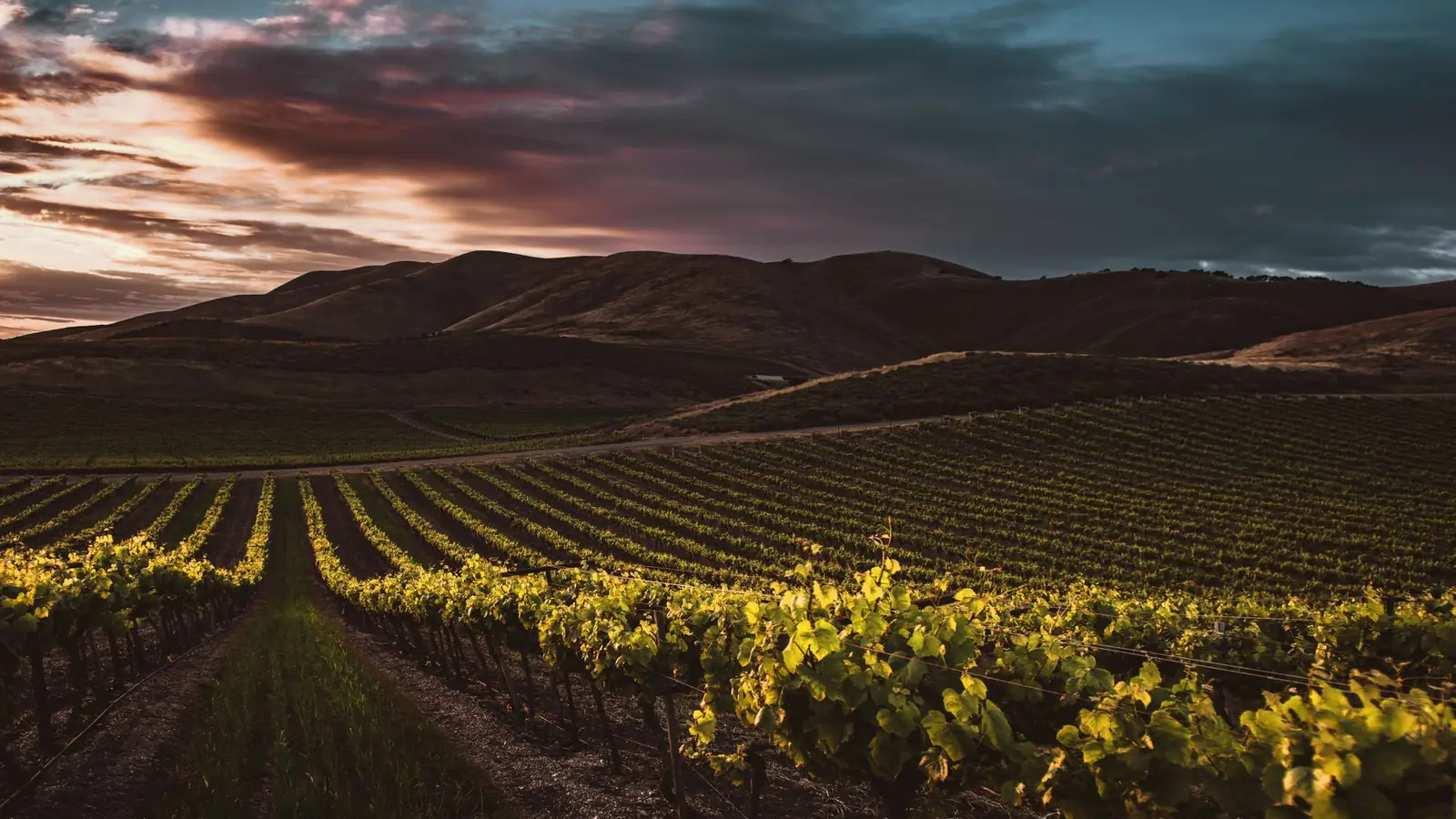


If you have a vineyard in California with guest cottages and want to sell stays directly, the agencies worth calling fall into four groups. Hospitality agencies such as Tambourine and its branding studio Shake, Brown Marketing, The Travel Foundry, White Stone Marketing and Q4Launch work on hotels, inns and rentals. Wine-industry agencies such as WineGlass Marketing, Cuker and Astra Digital work on wineries, wine clubs and online wine sales. Design studios such as General Creative Co. build the brand identity. Vacation rental agencies such as Cavmir™ design the direct-booking website and market it. Few firms cover the wine side and the lodging side with equal depth, so the right hire depends on which half of the business needs the most help.
Below you'll find what each company says it does and any price it posts, the county rules that decide whether your cottages can legally take nightly guests, how to sell stays next to tastings and the wine club, how harvest shapes the marketing year, what the work costs, and a scorecard for the proposals that come back.
Agencies for a California Vineyard With Guest Cottages
A vineyard with guest cottages is two businesses on one piece of land. One sells wine through a tasting room, a wine club and an online store. The other sells nights. Agencies tend to grow up serving one of those, which is why a search for help turns up hotel agencies that have never set up a wine club and wine agencies that have never connected a booking engine.
The table sorts the companies ChatGPT named for this question in November 2026, plus a few wine-country firms we found while researching it, by what each one says about itself. The wording comes from each company's own site unless the row says otherwise, and "none posted" means we found no price when we checked.
| Firm | Services listed | Clients it names | Price shown |
|---|---|---|---|
| The Travel Foundry | Positioning and identity work, an outsourced marketing lead, Meta ads, a booking site and short video | Boutique properties, glamping retreats and short-term rentals | $5,000 a month and up for most partnerships |
| Tambourine | Creative, websites, performance media, a booking engine, CRM and group lead tools | Hotels and resorts | None posted |
| Shake by Tambourine | Brand strategy, logo, brand guidelines, website design, photo and video | Hotels, restaurants, destinations and resorts | None posted |
| Brown Marketing | Marketing strategy, branding, PR, websites, social and advertising | Luxury hotels, resorts and independent properties | None posted |
| White Stone Marketing | Web design, search, social, PPC, email and PR, per outside profiles | Independent hotels, inns, B&Bs, rentals and event venues | $2,500 to $5,000 budget range in Mailchimp's directory |
| Q4Launch | Sites built for inns and rentals, plus social, email and search | Rentals, inns, lodges, hotels and B&Bs | None posted |
| MSG Hospitality | Consulting, marketing and digital growth, brand strategy and design | Restaurants, hotels and boutique properties | None posted |
| WineGlass Marketing | Branding, websites, photography, social, email, ads, print and wine club strategy | The adult beverage industry | None posted |
| Cuker | Brand strategy, a website with an online store, digital campaigns, per an outside case study | Past work includes the winery Silver Oak | None found |
| Astra Digital | Email, social, search, advertising, photo, video and site upkeep | Wineries and wine businesses | None posted |
| Vine & Venture Communications | Public relations and social media | Wine, hospitality, travel and lifestyle brands | None posted |
| General Creative Co. | Brand identity, guest collateral, guest experience and website design | Founders in hospitality and lifestyle | None posted |
| Cavmir | Brand, booking websites, search, AI answers, ads, press, social and email | Rentals, small hotels, vineyard and farm stays | On its pricing page |
Read the table as a map, not a ranking. A winery whose cottages are a perk for club members needs a different lead firm than a winery that wants the cottages to fill most nights of the year. The next chapter gives each company a short profile, and the chapter after it explains how to split the work when no single firm covers it all.
What Each Company Says It Does
Each profile below sticks to what the company publishes: its services, its clients, its location if stated, and its price if posted. None of it is a judgment of the work. That part is yours, using the questions and scorecard further down.
The Travel Foundry
Hospitality brands make up the whole client list here: the agency says it takes on boutique properties, glamping retreats and short-term rentals only. Its services page sorts the work into three parts. Brand and creative strategy covers positioning and a visual identity. Fractional leadership means the firm acts as your director of marketing, handling creative direction, ad management and search work. What it calls the Social Booking System joins paid social and Meta ads, a booking website tuned for conversions, and short-form video. Wineries don't come up on the site. On money, it says most partnerships begin at $5,000 a month, one-off brand or creative jobs are scoped to fit, and any engagement can end on 30 days' notice (its service descriptions).
Tambourine
Tambourine presents its team as the people behind sales, marketing, revenue and reservations for hotels and resorts. Its services run in three columns: creative work such as website design, photography and brand guidelines; commercial work such as performance media, metasearch, a booking engine, group lead generation and a travel agent portal; and technical work such as a content system, integrations, tracking, accessibility and cookie consent. It runs its own booking engine, Reserv, and sells Tambourine One, a hotel website and booking engine in one product, which its page offers without booking engine transaction fees until December 31, 2026. Carlsbad, California is among the offices it shows, and its featured clients are resorts and city hotels (Tambourine home page). For three cottages, ask whether its hotel tools scale down. For a winery running a larger inn with weddings and group dinners, the group lead and proposal tools may matter more.
Shake by Tambourine
Shake is Tambourine's branding studio. It says it builds identities for hotels, restaurants, destinations and resorts, and lists logo design, brand guidelines, brand strategy and positioning, website design and development, photography, video, collateral and rendering direction. Its featured work is hotels and a tourism board, with no winery shown (Shake's studio site). Consider it when the cottages need a name and identity of their own, with Tambourine available for the marketing that follows.
Brown Marketing
Brown Marketing pitches itself as a full-service agency for strategy and execution in luxury hospitality, with offices in San Francisco, San Diego, Miami, Seattle and Truckee. Its services include marketing strategy, branding and storytelling, public relations, website development, social media and advertising. The wine-country link is its write-up on Alila Napa Valley, a resort the page places beside historic Beringer Vineyards, where Brown lists a brand book, a marketing plan, fact sheets, sales presentations, brochures, email campaigns and advertising (the Alila Napa Valley write-up). Its client list is resorts and hotel brands, and no prices are posted.
White Stone Marketing
White Stone Marketing's home page says it specializes in hospitality: bed and breakfasts, boutique hotels, vacation rentals, restaurants, property management companies and wedding venues, with marketing, design, branding, consulting and public relations services. DesignRush places the firm in Reno, Nevada, working with independent hotels, luxury resorts, B&B inns, vacation rentals, event venues and restaurants, and lists web design, SEO, AEO, social media, PPC, email and PR (DesignRush listing). Mailchimp's partner directory says it focuses on digital marketing for boutique and luxury lodging, resorts and wedding venues, with a budget range of $2,500 to $5,000 (Mailchimp partner entry). Inns and venues are the closest match here to a winery whose cottages share the grounds with events. Confirm the details on its own site before you call.
Q4Launch
Q4Launch calls itself a hospitality marketing agency and lists an address in Charleston, South Carolina. Its site has separate pages for vacation rentals, for hotels, inns and lodges, and for bed and breakfasts, and it offers website design, social media, email and SEO, with a claim that a new site can go live in 30 days (Q4Launch home page). It doesn't mention wineries or publish prices. It suits an owner who wants an inn-style site up quickly and can supply the wine story in-house.
MSG Hospitality
MSG Hospitality describes itself as a Southern California hospitality consulting and business services firm, with an address in San Diego. Its services cover hospitality consulting, marketing and digital growth, brand strategy and graphic design, operations training, accounting, and menu work, for restaurants, hotels and boutique properties (MSG Hospitality home page). It doesn't mention wineries and offers a free discovery call instead of listing prices. The operations and food side could help a winery that plans to serve guests breakfast or dinner.
WineGlass Marketing
WineGlass Marketing calls itself a full-service marketing agency for the adult beverage industry. Its capabilities include branding and strategy, communications planning, websites, photography, social media, email, advertising and print, and under retention it lists club strategy, messaging and benefits, plus club setup and upkeep. A separate arm sells website templates for the wine store platforms Commerce7, OrderPort, Bottle360 and Vinoshipper (WineGlass tactics page). The address on its site is in New York, and it cites a 2024 North Bay Business Poll award naming it the best company to do business with in Napa County. Lodging isn't mentioned, so it lines up with the wine half of the job.
Cuker
Cuker's own site describes a digital marketing agency in San Diego, Los Angeles and New York that sells brand strategy, content and storytelling, and video and photography. A case study on CaseStudies.com describes Cuker's work for the winery Silver Oak: a refreshed brand strategy, a website with an online store, and digital campaigns that included social media, SEO and a microsite for special collections (Silver Oak case study). Its home page doesn't mention lodging, so ask for guest-stay examples before you add it to a shortlist.
Astra Digital
Astra Digital describes itself as a digital marketing agency for the wine industry, based in Santa Rosa and founded in 2016, working with wineries of every size. It lists email, social media management, SEO, advertising, photography, video and website management, and doesn't mention lodging (Astra Digital home page). For a Sonoma County winery that wants a nearby team for the club and the online store, it's a natural call, with the cottages handled by a lodging specialist.
Vine & Venture Communications
Vine & Venture Communications is a Napa public relations and social media consultancy for wine, hospitality, travel and lifestyle brands, founded by communications strategist Marlow Bruce, according to its entry in the Paso Robles Wine Country Alliance member directory (its alliance directory entry). It lists media relations, brand storytelling and influencer partnerships. Press is the piece a website agency often hands to a specialist, so it's worth a call when coverage of the opening is part of the plan.
General Creative Co.
General Creative Co. is a design studio in Los Angeles that says it works closely with founders in hospitality and lifestyle. Its services include concept and positioning, brand identity, guest collateral, guest experience, website design, packaging and custom lettering, and its portfolio lists Proper Hotel, Hotel June and Ingleside Estate (the studio's about page). It's a branding studio, so plan for another firm to run search, ads and email once the identity is done.
Why Winery Lodging Needs Wine and Hospitality Skills
The split in the table isn't a quirk of marketing. It runs through the software. Wineries sell through a wine platform that handles the club, the online store, the tasting room register and tasting reservations. Lodging runs on a property system or booking engine that holds the calendar, nightly rates, fees, taxes and payment. The two rarely overlap.
Commerce7 makes a useful example: it is a winery sales platform with its own tasting reservations module. Its reservations page says the tool is built for tours, tastings and visits to the property, and that each booking feeds the guest's profile, the point-of-sale and the wine club record. On overnight stays it's plain: the company says it currently doesn't have the functionality to offer overnight accommodations (Commerce7 reservations FAQ). So the cottages need their own system, and the website has to pass a guest from one system to the other without a dead end.
Ask every agency which half of your business it knows best, and who will handle the half it doesn't.
What the Wine Side Owns
- The wine club: tiers, benefits, release emails and member events.
- The online store and shipping rules for wine.
- Tasting reservations, private tours and winemaker dinners.
- Trade and wine press, and wine-focused social accounts.
What the Lodging Side Owns
- The PMS or booking engine, with live rates, fees, taxes and payment.
- Platform listings, if you use Airbnb, Booking.com or Vrbo.
- Travel press, lodging ads on Google and Meta, and area guides for trip planners.
- The county lodging permit, the occupancy tax account and the house rules.
Choosing the Lead Firm
If wine brings in most of the money and the cottages mainly reward club members, let the wine agency lead and hire a lodging specialist for the booking setup and the listings. If the cottages are meant to fill most nights of the year on their own, let a lodging or vacation rental agency lead, and bring the wine team in for packages, club offers and tasting reservations. Either way, put one firm in charge of the website, because that's where both systems meet the guest.
County Rules for Lodging on California Agricultural Land
Every California county sets its own rules for paid stays on farmland, and cities inside a county often set different ones. Confirm that your cottages may host stays of fewer than 30 nights, and under which permit, before you pay anyone to market them. In Napa County, the code treats advertising a prohibited stay as a violation on its own, so a marketing plan for a cottage that can't be rented nightly is a liability, not an asset.
| County | What the county material says | What it means for your marketing |
|---|---|---|
| Napa County, unincorporated | Section 18.104.410 bans commercial stays under 30 consecutive days in all residential and agricultural zones. Its definition of an occupancy covers guest cottages and accessory units. Legally permitted B&Bs, hotels and motels are excluded, and owners or agents who advertise prohibited stays can be cited. | Nightly stays need a permitted inn or hotel use. A lease of a month or longer is outside the ban. Don't let anyone advertise nightly cottage stays until the use is permitted. |
| Sonoma County, unincorporated | Vacation rentals aren't allowed on LIA land, though existing permits there are recognized. They're allowed in certain DA and LEA zones, outside exclusion areas and over-concentrated cap zones, with a certified vacation rental manager and a TOT number. Farmstays allow up to five guestrooms with the farmer living on site. Winery marketing accommodations can't be rented to the public. | Your zoning decides the product. On LIA land a new cottage may only work as a farmstay with meals and farm education, which shapes the brand and the price. |
| Santa Barbara County, unincorporated | The Agricultural Enterprise Ordinance, adopted December 10, 2024, covers AG-II land and adds farmstays, small campgrounds, educational experiences and small special events. Farmstays of 7 to 15 guest rooms need a minor conditional use permit. | On AG-II land, farm lodging has a defined path. Ask which permit tier fits your room count before the brand promises a size. |
| Any county, Williamson Act land | Land Conservation Act contracts restrict parcels to agricultural or related open space use, run at least ten years and renew each year. | Ask the county whether guest lodging is a compatible use under your contract before you build or list. |
Napa County
Napa County's zoning code bans transient commercial occupancies of dwelling units, meaning any commercial use for less than thirty consecutive days, in all residential and agricultural districts. Its definition of an occupancy names guest cottages and accessory dwelling units, and it excludes legally permitted bed and breakfast establishments, hotels and motels. The section also makes owners or agents who advertise or offer prohibited stays liable, allows civil penalties, and says anyone who allows a prohibited stay still owes the occupancy tax that would have applied (Napa County Code 18.104.410). The 2018-2019 Napa County Grand Jury report adds that the Ag Preserve measures J and P require a ballot initiative to change the rule, and that only stays of a month or more are allowed in the unincorporated county. The City of Napa, by contrast, allows a capped number of short-term rentals (Napa County Grand Jury, June 2019).
Sonoma County
Permit Sonoma's page on overnight stays in agricultural zones lists farmstays, marketing accommodations, hosted rentals and vacation rentals. Vacation rentals are allowed in Diverse Agriculture and Land Extensive Agriculture zones, while no new vacation rental permits are allowed in the Land Intensive Agriculture zone, where existing permitted rentals are recognized (Permit Sonoma, farm-zone lodging). Its vacation rental page adds exclusion and cap zones, a vacation rental manager certified by the county, and a transient occupancy tax number as steps in the application (Permit Sonoma, vacation rentals).
Two other Sonoma types matter to wineries. A farmstay holds five or fewer guestrooms in a house or guest house on a working farm, with the farmer living on the property, meals included in the lodging price and an agricultural promotion plan filed with the application. Marketing accommodations, at most two per winery, house distributors, investors, partners and owners, and the county says they can't be rented for transient occupancy or used for direct-to-consumer promotions (Permit Sonoma, winery accommodations). If your cottages were permitted as marketing units, they can't be sold to the public as they stand. Our farm stay marketing page covers the farmstay path in more depth.
Santa Barbara County
The Santa Barbara Independent reported that county supervisors adopted the Agricultural Enterprise Ordinance on December 10, 2024, for rural land zoned AG-II. The ordinance allows small-scale campgrounds, farmstays, educational experiences, incidental food service and small-scale special events, among other uses, and the board's final changes allowed farmstays with 7 to 15 guest rooms under a minor conditional use permit and set a 9 p.m. quiet hour for farmstays and events (Santa Barbara Independent). The county's own ordinance page didn't load for us, so read the adopted text with the planning office.
Williamson Act Land and Other Counties
If your vineyard is under a Land Conservation Act contract, often called a Williamson Act contract, read its terms first. The Board of Equalization explains that these contracts limit a parcel to agricultural or related open space use in return for an assessment based on that restricted use, last at least ten years, and renew automatically each year unless either side ends them (Board of Equalization on Land Conservation Act contracts). We couldn't verify the current lodging pages for Paso Robles in San Luis Obispo County, or for Temecula's wine country in Riverside County, while writing this guide, so call those planning offices directly. Our California permit data page is a place to start for cities.
Bring the parcel number and ask four things in writing: which lodging types the zone allows, which permit each one needs, whether a Williamson Act contract changes the answer, and when you must sign up to collect the occupancy tax. Keep the reply on file for your agency.
Wine Service, Occupancy Tax and Events for Cottage Guests
Once the lodging use is settled, three more rules shape what the marketing can promise: how wine reaches the guest, which tax the booking collects, and whether the grounds can host events.
Wine in the Stay
California has licenses written for inns. Business and Professions Code section 24045.11 lets the Department of Alcoholic Beverage Control issue a special on-sale wine license to a bed and breakfast inn of 20 guestrooms or fewer. Wine may be served only to registered guests, it can't be given away because its price must be included in the price of the room, and guests may not take served wine off the grounds (inn wine license statute). The broader Type 80 general license covers all alcoholic beverages for registered guests at inns of 20 rooms or fewer, again with food and drink prices included in the room fee (ABC on the Type 80 license).
That has a direct effect on copy. Under those licenses, a welcome bottle is built into what the guest is charged, so describe it as included in the stay, and avoid calling it free. How the winery's own license applies when cottage guests taste in the tasting room is a separate question. Ask ABC or your alcohol lawyer how your licenses cover each offer before the website or an ad names it.
Occupancy Tax on Direct Bookings
Sonoma County levies its transient occupancy tax at 12% on stays at lodging and camping facilities in unincorporated areas. The same page links collection agreements the county signed with Airbnb and HomeAway, and asks new establishments to register for a TOT certificate (Sonoma County lodging tax page). A platform's agreement covers bookings made on that platform. For a stay sold on your own site, charging the tax and paying it to the county falls to you, so the booking engine must list it separately ahead of checkout and report it by month.
Weddings and Private Events
The Napa grand jury investigation itself began with a complaint about a property rented again and again for weddings and private events without a permit. If you want to market the cottages for wedding parties, check the event rules for your parcel before the website mentions it, and keep the lodging offer and the event offer as separate permitted uses.
Branding a Winery's Guest Cottages
The first branding question is whether the cottages carry the winery's name. It changes the logo, the website address, the photography plan and which agency is best placed to do the work.
| Naming route | Example pattern | Works well when | Watch for |
|---|---|---|---|
| Same name as the winery | The Cottages at the estate's name | The winery is known and the cottages mainly serve its visitors and club | Lodging reviews and wine reviews then sit under one name |
| Endorsed name | A cottage name, plus "at" the winery's name | You want the lodging to stand out in travel searches while borrowing the winery's trust | Two names to keep consistent on every listing and sign |
| Separate brand | A name of its own with a small credit to the winery | The cottages may be sold or leased separately, or serve a different guest | No borrowed recognition, so the marketing starts from zero |
What Carries Over From the Wine Brand
The label art, typography, colors and tone of voice usually carry over, because a guest who loves your Pinot should recognize the cottages as part of the same place. What doesn't carry over is the photography. Wine marketing shows bottles, barrels and glasses. Lodging marketing has to show beds, bathrooms, the kitchen, the porch in the evening, and the path from the parking spot. Ask any branding studio for a guide that covers both.
Photography by Season
A vineyard looks like four different properties across a year, from bare winter canes to full canopy to harvest color. Cavmir's vineyard stay marketing page lists photography at harvest, plus content for the other seasons, first among its priorities for this property type, and that order holds for any agency. Book one shoot near harvest and a second in spring or winter, so the off-season pages show what a February guest will see. Get the photographer's license in writing, covering the website, the listings, ads and print.
What the Brand Book Should Cover
- The name, logo and how the lodging mark sits beside the winery mark.
- Colors, type and photo style for rooms as well as wine.
- Voice for booking pages, confirmation emails and house rules.
- Signs on the property, room cards, the welcome note and the wine list in the cottage.
- Rules for the cottages on Airbnb or Vrbo, so the listings match the website.
For a deeper look at naming and identity for rentals, our branding guide for rental owners walks through the steps, and the branding service page lists what's included.
A Direct-Booking Website for Stays, Tastings and Wine
The website is where a guest decides to stay, adds a tasting, and maybe joins the club, so it has to make those three moves feel like one visit. Most of the build risk sits in the handoffs between systems, not in the design.
One Site or Two
If the cottages share the winery's name, put them on the winery's domain under a clear section such as Stay, with its own menu item. One domain keeps the reviews, press links and search history in one place. A separate site makes sense only when the cottages carry a separate brand.
The Pages a Vineyard Stay Needs
- A page for each cottage with real photos, beds, bathrooms, kitchen, accessibility details and the view.
- A booking page with live rates and availability from the lodging system.
- Packages: a stay with a tasting, a harvest weekend, a winemaker dinner, each with dates and what's included.
- Club member rates, if you offer them, behind a member login.
- House rules, cancellation terms, check-in, parking and pets.
- Area guides: other wineries nearby, restaurants, the drive from the airport, and what's open in winter.
Connecting the Systems
Rates should come live from the PMS, and so should checkout, so the price, the taxes and the payment all land in one record. Cavmir's services page describes its build that way, naming Hostaway, Guesty and Hospitable among the systems it connects (booking website service). Tastings stay in the wine platform. The site links them with a clear next step on each confirmation, such as a tasting link in the stay confirmation and a cottage link in the tasting confirmation.
Before launch, book a test stay with a tasting add-on and check five things: the total shown before payment, the tax line, the cancellation terms, the confirmation email, and the tasting reservation landing in the wine platform under the same guest's name.
Showing Up on Google Maps
Google's eligibility rules leave out rentals such as vacation homes, and they require a business to deal with customers face to face during its posted hours (Google's Business Profile eligibility rules). Your staffed tasting room likely qualifies; self-check-in cottages may not. Ask each agency how the cottages will be found on Maps and in search, and treat any plan to create a separate profile for unstaffed cottages as a red flag.
Selling Stays to Your Wine Club and Tasting Room Visitors
A winery starts with something most rental owners don't have: people who already know the wine and have chosen to hear from you. Club members, tasting room visitors who joined your list, and buyers from your online store are the warmest audience the cottages will ever have.
Offers That Fit a Wine Club
- Early booking for release weekends, opened to members a week before everyone else.
- A member rate on midweek nights outside harvest.
- A pickup-party package: the club shipment collected in person, a seated tasting and two nights.
- A harvest morning in the vineyard for guests who book a stay, limited to the dates the vineyard team sets.
Commerce7 says its reservations connect to guest profiles, the point-of-sale and the wine club, so the tasting side can see who is a member. The cottage side won't see that unless someone sets up a member code or a member-only rate in the lodging system. Ask the agency who builds that bridge and how members prove they belong.
The Tasting Room Itself
The tasting room costs nothing to advertise in, and the visitor is already sitting in the view. A short line on the tasting menu, a photo of the cottage porch by the register, and staff who can say how the rooms book all put the cottages before people who already like the wine. Write only to visitors who said yes to your emails, and say on the form that you'll write about stays as well as wine.
Keeping Platform Bookings on the Platform
If the cottages are also listed on Airbnb, keep those bookings inside Airbnb's rules. Its policy on pricing and payments says money for stays booked there, including later and repeat stays, goes through Airbnb. It forbids discount offers for booking elsewhere, links in a listing or message that lead off the site, and moving a reservation somewhere else, and breaking it can bring warnings or the loss of listings and whole accounts (Airbnb's payments policy). Your club, your store buyers and the visitors who find your own website are a separate audience, and that's where direct stays come from.
Planning the Marketing Year Around Harvest
Harvest sells itself. Visit Napa Valley says harvest runs from late summer through fall, calls August through October peak season, and warns that winery appointments and restaurant tables fill quickly then. In 2026 Round Pond Estate opened the season on July 21, three days before Chandon made what it called the earliest first pick in its 53-year history, and the bureau expected an early finish, with sparkling and white varieties picked first and Cabernet Sauvignon among the last (Visit Napa Valley, August 2026).
Two lessons follow. First, harvest dates move, so a harvest package needs flexible dates and a rate calendar the team can change in a day. Second, the busy months mostly fill on their own, which means paid marketing earns its keep from November to July. Our Napa Valley market page and Paso Robles market page cover local demand in more detail.
| Months | Season | What to market | When to start |
|---|---|---|---|
| August to October | Harvest and crush | Harvest weekends and tastings; few discounts needed | Packages on sale by late spring |
| November and December | After harvest; the holiday season | Holiday gift stays, club pickup weekends, small private dinners | Early September |
| January to March | Winter and pruning season | Winemaker workshops, barrel tastings, midweek member rates | October and November |
| April to July | Spring and early summer | Spring release weekends, anniversaries, small group stays | January and February |
- JanuarySet the year's package dates with the winemaker and vineyard manager, and load them into the lodging system.
- FebruaryOpen spring release weekends to club members, then to your list.
- AprilShoot spring photos and refresh the cottage pages.
- MayPut harvest packages on sale with flexible dates.
- AugustShoot harvest photos and video for next year's marketing.
- SeptemberLaunch winter offers while harvest guests are on the property.
- DecemberReview the year: nights by booking source, the direct share, and what each direct stay cost to win.
Ads, Press and Creator Stays When Wine Is in the Offer
Lodging ads are routine. Lodging ads that sell a tasting or a bottle fall under alcohol rules on both big ad platforms, and hosted stays for writers or creators fall under Google's link rules and the FTC's disclosure guidance.
Meta Ads
Meta's alcohol policy lists venues and events whose main business model depends on alcohol sales among the content it treats as promoting alcohol, requires advertisers to follow applicable laws, and sets the minimum age for the United States at 21 (Meta's alcohol advertising standard). An ad for a cottage stay with a tasting should be set to 21 and over, and the creative should follow the same care you'd use for a wine ad.
Google Ads
Google allows alcohol ads in the United States when they follow local laws and industry codes. Ads must not target or appeal mainly to people under the legal purchase age, and must not suggest that alcohol improves physical or mental ability or brings social or sexual success (Google Ads rules for alcohol). Search ads for the cottages themselves can stay lodging-only, which keeps the copy simple. Set up conversion tracking before spending, and judge each campaign on what a direct stay costs, not on clicks.
Wine Writers and Travel Press
Press is a natural channel for a wine-country stay. Keep the rules straight. Google treats a swap of goods or services for a link, or a product given in return for a write-up that includes a link, as link spam; a paid link is acceptable when it carries a nofollow or sponsored attribute (Google Search link rules). A hosted stay for a writer is that kind of swap, so drop the link from the arrangement, or have it carry a sponsored tag.
Creators and Sommeliers
The FTC tells creators to disclose any money, job, personal or family tie to a brand, says gifts, discounts and other perks count as well, and wants the disclosure placed in the post where people will see it, not tucked away on a profile page (FTC guidance for creators). Put that in writing with any creator or sommelier who stays for free, along with what you get to reuse and for how long.
What Branding, a Website and Marketing Cost
Few of the companies in this guide post prices. The Travel Foundry gives a floor for partnership work, Mailchimp's directory gives a budget range for White Stone Marketing, and Cavmir lists its fees; the others quote after a call. So build the budget from the pieces, then ask each firm to price the same list.
The Pieces of the Budget
- Brand identity for the lodging, or an extension of the winery's brand.
- Photography and video in two seasons.
- The website build, including the booking engine connection and tasting links.
- Lodging software: the PMS or booking engine fee.
- Monthly marketing: search, content, social, email and PR.
- Ad budget, paid to Google and Meta from your own card, plus any management fee.
- Permits, the occupancy tax account and, if you serve wine to guests, the license.
The Break-Even Test
The calculator below adds up the first-year agency cost and shows how many new direct stays it takes to cover it. A winery, unlike a plain rental, also earns on the wine its guests buy, so there's a field for that. If some of those stays would otherwise have come through a platform, you also keep the platform fee on them; our direct booking calculator handles that side of the math.
Vineyard Cottage Marketing Break-Even
Type in an agency quote, your cottage rates and your wine sales. No figure you enter is sent anywhere.
Sample inputs for a made-up winery, not market averages or benchmarks. Swap in your own quote, rates and sales records.
Using the sample figures, a $5,000 brand and website, $800 a month in agency fees and $250 a month in ads add up to $17,600 in year one. A stay of 2.5 nights at $450 leaves $506.25 after costs at a 45% keep, and $150 of wine at a 50% margin adds $75, so each new direct stay is worth $581.25. That's 31 stays to break even with wine, or 35 on rooms alone, about 25.8 nights per cottage across three cottages. If harvest is already full, those nights have to come from November through July.
A Worked Example With Three Cottages
Here's a made-up winery to show how the pieces fit. It owns three cottages on a parcel in unincorporated Sonoma County, zoned so that vacation rentals are allowed, and already holds the county's rental permit, a certified manager and a TOT certificate. The cottages are on Airbnb, the winery runs its club and tastings on its wine platform, and the owners want a third of the cottage nights to come through their own site within two years.
Month One
The owners pull a year of numbers: nights booked by channel from the lodging system, average rate, and wine bought by cottage guests, if the register can tag them. They confirm the permit, the manager certification and the tax registration, and they put the domain, the analytics account and the ad accounts in the winery's name.
Months Two and Three
A branding studio extends the winery's identity to the cottages with an endorsed name. A photographer shoots the cottages in early autumn, and a second shoot goes on the calendar for spring. The lead agency builds a Stay section on the winery's domain, with live rates and checkout from the PMS, a harvest package, a club member rate, and a tasting link on every stay confirmation.
The Rest of Year One
Club members get first access to the spring release weekends, then the wider list does. Search ads run for the cottages only, with no alcohol in the copy, and a small Meta campaign set to 21 and over promotes the winemaker dinner package. A wine writer stays one night, with any link marked sponsored and the writer's disclosure in the story. Every direct stay adds the 12% county tax as its own line: on $1,125 of rent that's $135, which the winery remits to the county.
The calculator's defaults put this plan at $17,600 for year one and 31 new direct stays to break even. The owners write that number on the contract cover page and review progress at day 90, month six and month twelve, with two numbers deciding the renewal: nights by booking source, and what each direct stay cost to win.
Questions and a Scorecard for Vineyard Agencies
Send one list of questions to each agency you're weighing and ask for replies in writing. Strong replies tie each promise to a date and a number you can check. Vague replies tell you how the year will go.
16 questions for an agency marketing vineyard cottages
Fit
1. Which lodging and winery clients are on your books today? Send links to live sites where we can try a booking.
2. Which half of our business do you know best, wine or lodging, and who will handle the other half?
3. Who on your team will do the monthly work, and who answers our emails?

Rules before marketing
4. What will you need to see about our county permit and zoning before you run ads or publish booking pages?
5. How will you handle alcohol rules in Meta and Google ads, and in any copy about wine included with a stay?
6. How do you work with writers and creators on hosted stays, and how are links and disclosures handled?

Website and booking
7. Which PMS or booking engine will take the cottage bookings, and how does it connect to the site?
8. How will a guest add a tasting to a stay, and how will a club member get a member rate?
9. How will a guest see the occupancy tax at checkout on our own site?
10. How will the cottages appear on Google Maps and in search?

Ownership and money
11. Who will be the registered owner of the domain, the analytics and search accounts, the ad accounts and the booking software?
12. Will we own the photos, video, copy and designs, including the harvest shoot?
13. Add up year one for us: your fee, the ad budget and every software bill, each on its own line.
14. What's the shortest commitment you accept, what notice ends it, and which files and logins come back to us?

Results
15. Which numbers will you report monthly, and what is your plan for November through July?
16. Can we speak with two current lodging or winery clients?
Vineyard Lodging Agency Scorecard
Grade each firm separately, using what its proposal and contract put in writing. Nothing you click here is sent to us.
Here is how it plays out for a made-up winery comparing a wine agency with a hospitality agency. The wine agency scores full marks on wine knowledge but plans to take cottage bookings by email, so it loses points on booking setup. The hospitality agency has a booking engine ready but has never set up a member rate, so it loses points on the wine side. The fix may be both, with the hospitality agency leading the site and the wine agency running the club offers.
What a Winery Should Add to the Contract
Most of a good marketing contract is the same for any rental, and our hiring guide for Airbnb marketing help covers ownership clauses, exit terms and reporting in detail. A winery adds a few clauses of its own, and a few warning signs matter more on farmland.
Clauses a Winery Should Add
- Permit first. No booking pages or ads for nightly stays go live until you've shared the county permit or written zoning confirmation.
- Alcohol content. Any ad, post or page that mentions wine with a stay follows the ad platforms' alcohol policies and your license terms, and you approve it before it runs.
- Software ownership. The winery is the registered owner of the lodging system, the wine platform, the website, the analytics and search tools and the ad accounts, and the agency is invited in as a user.
- Season-specific photos. The rights to harvest and off-season photos and video pass to you, with any stock or music licenses listed.
- Hosted stays. Every free stay for a writer or creator is logged, with the link treatment and the disclosure agreed in writing.
- Two-firm projects. If two agencies share the work, the contract names who owns the website and who answers for the booking setup.
Warning Signs
Promised bookings or rankings. No agency controls Google's results or Airbnb's search, and anyone promising either is guessing. A fair proposal sets targets, dates and a check you can run yourself.
Reviews for sale. On August 14, 2024, the FTC finalized a rule on reviews and testimonials. It bans creating or selling fake reviews, offering incentives tied to writing reviews, insider reviews without a clear disclosure, scaring people into removing reviews, and trading in fake follower or view counts, and the agency can pursue civil penalties when a violator knew the rule (FTC announcement). That includes asking wine club members to review cottages they haven't stayed in.
Ads before permits. An agency that wants to start ads for nightly stays without seeing your permit isn't protecting you, especially in a county that treats the ad itself as a violation.
Logins held by the agency. If the domain or booking software is registered to the agency, walking away can cost you the web address and the booking records. Fix it before signing.
Cavmir's Role for Vineyard Cottages, and Its Limits
Cavmir sells marketing to owners of rental homes and small hotels. A typical engagement begins with naming, visual identity and a booking site, and continues with search, AI-answer visibility, Google and Meta campaigns, publicity, articles, social posts and a monthly email. It doesn't manage properties: its agency page says it won't run the home, keep the booking calendar or message guests, and that its fees never include a cut of bookings (its page for owners and managers).
What It Does for Vineyard Stays
Its vineyard stay page says it markets this property type by leading with the wine, and lists harvest photography with content for every season, wine program packages with tastings, estate bottles and winemaker access, listing titles and copy that carry the winery's name, work with sommeliers and wine influencers, club member offers built with the winery's cooperation, and a booking website owned by the winery. The same page says it won't promise a percentage; it notes where your numbers stand before work begins and reports progress from there.
Prices and Terms in November 2026
The pricing page prices Starter, a one-time build, at $3,278 (on sale for $1,475 under its Fall Special in November 2026), Mid Tier at $6,680 (sale price $2,850), and the full build with PMS-connected booking at $8,293, or $3,732 while the sale lasts. A build is paid in two parts, one at kickoff and one when the site goes live. Estimated launch times: Starter, 2 to 3 weeks; then Mid Tier, 4 to 5; the full build, 6 to 8, depending on the PMS link. The pricing page states that the client keeps its domain, its site code, its copy and every photo.
Monthly work is priced on the plans page. The entry plan, Foundation, lists at $290 per month, dropping to $245 under holiday pricing that runs to January 1, 2027. Destination, for one or two homes, lists at $800 ($590 discounted); Landmark, meant for 2 to 5 homes, at $1,250 ($985); and ICON, for five to ten homes, at $2,200 ($1,645). Plans run for at least six months; after that, 30 days' notice ends them. Ad budgets aren't part of plan prices, and running the campaigns costs a fifth of the monthly ad spend, and no month is billed below $300. The page also says it doesn't promise press coverage or mentions in AI answers. A $350 Consulting Intro covers a property and market review with a one-hour call.
When Another Firm Is the Better Hire
Cavmir is the wrong hire in four cases:
- You need wine club strategy, a new online wine store, label or packaging design, or a tasting room register. Hire a wine agency such as WineGlass Marketing or Astra Digital for that half.
- The lodging is a full inn or hotel that needs group sales, proposals and a travel agent portal. A hotel firm such as Tambourine builds those tools.
- Your county doesn't allow nightly stays on your parcel. Fix the permit first; no agency should market a stay you can't legally sell.
- You want someone to run guests, cleaning and the calendar. That's a property manager.
No project on the case studies page is a vineyard, so ask to see live lodging sites and judge the work on those.
Sources
Company details here were read on each firm's own site, or on the outside page named next to it, on November 13, 2026. Policies and fees move, so open the current version first.
- The Travel Foundry, its three service groups, the $5,000 floor and the 30-day out
- Tambourine One and Tambourine's front page, for hotel services, offices and the fee offer
- Shake by Tambourine, for identity studio services and featured hotels
- Brown Marketing, its offices, services and the Alila Napa Valley write-up
- White Stone Marketing on DesignRush, with its Mailchimp partner entry
- Q4Launch, for lodging types, services and the 30-day launch claim
- MSG Hospitality, for its San Diego address and service list
- WineGlass Marketing, for club strategy and store templates
- Cuker and Silver Oak on CaseStudies.com
- Astra Digital, a Santa Rosa wine marketing firm
- Vine & Venture, Paso Robles Wine Country Alliance directory
- General Creative Co. studio page
- Commerce7 on tasting reservations and its note on overnight stays
- Napa County zoning section 18.104.410, as published by GoCodebook
- Napa grand jury report on rental enforcement, June 24, 2019
- Permit Sonoma on farm-zone lodging, plus its rental and winery lodging pages
- Sonoma County's 12% lodging tax
- Santa Barbara Independent on the ag enterprise vote, December 13, 2024
- State tax board on Williamson Act contracts
- Inn wine license law, section 24045.11
- ABC notice on the Type 80 inn license
- Visit Napa Valley on the early 2026 crush, August 25, 2026
- Who can have a Google Business Profile
- Airbnb article 2799 on payments and pricing
- Meta's rules for alcohol ads
- Google's alcohol ad policy
- Google's search spam rules, for link schemes
- FTC disclosure guide for influencers
- FTC news release on the review rule, August 14, 2024
- Cavmir's own pricing, monthly plan, services, vineyard stay and case study pages, read the same day