Market-Specific Tips & Challenges
Local Tips & Unique Market Challenges
Tips That Actually Move Revenue in Avalon & Stone Harbor
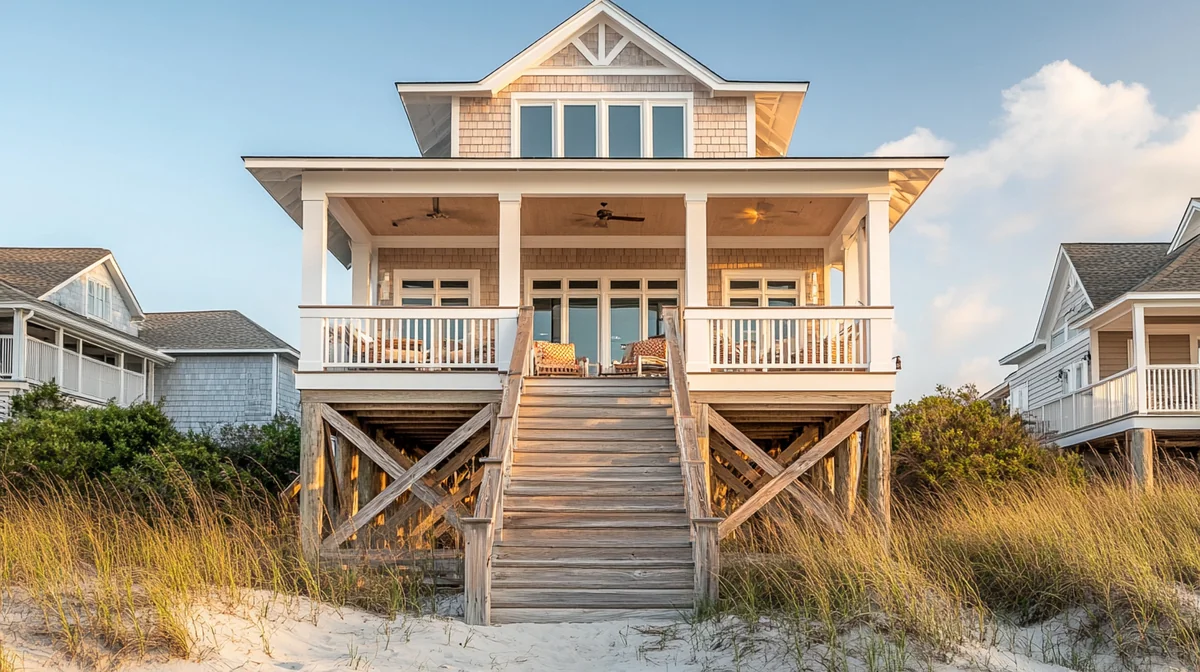
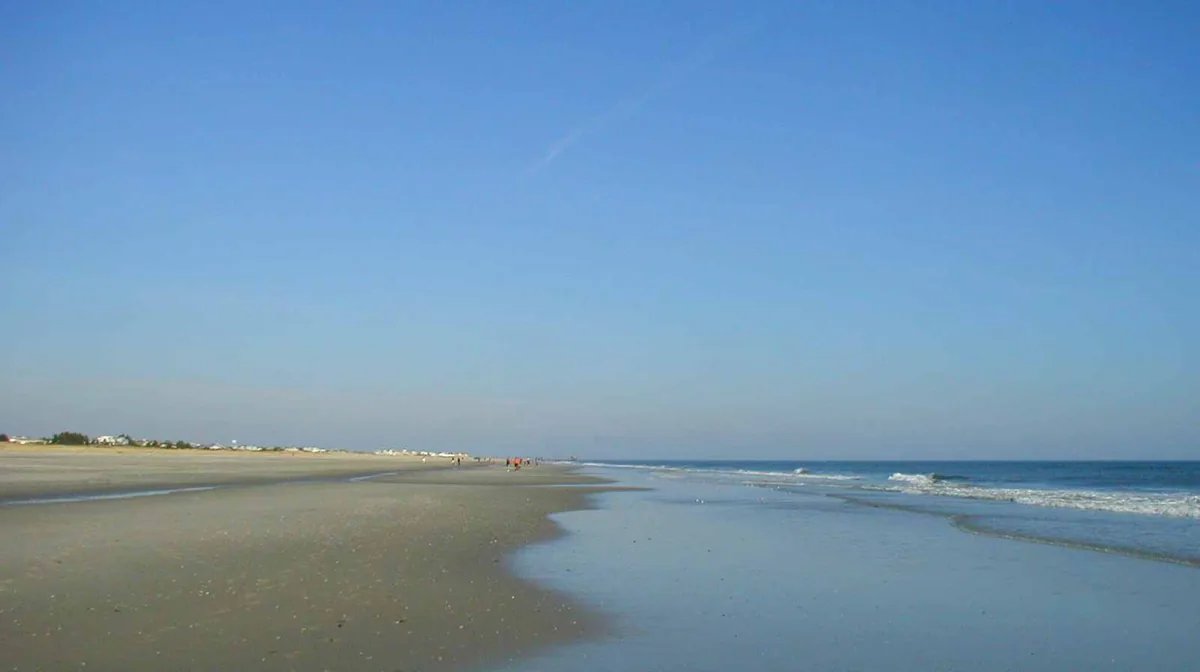
First, sell the exact spot on the island. Guests choosing between Avalon and Stone Harbor, or between the bay and the beach block, are comparing specifics, so give them specifics: the walk in minutes to the nearest beach path, which end of the island you're on, how far it is to Dune Drive or 96th Street, whether bikes come with the house and where they can be ridden (Avalon allows them on the boardwalk until 10 a.m.). Include beach tags with the stay and say so in the first line; the two towns honour each other's tags, and in 2026 a seasonal tag cost $42 once June began. Photography should show the house in its setting, the dune path, the bay at dusk, the bikes at the door, and not only the kitchen island.
Second, treat the bay as a product of its own. A bayfront house with a dock sells something the beach block cannot: the boat at the bottom of the lawn, the sunset over the water from the deck, the kayaks ready for the back bays. Lead with it. State whether there's a lift, what size of boat the dock takes, how the tide affects it and where the nearest ramp and fuel dock are, and photograph the dock at the hour guests will use it. Bayside homes in Stone Harbor are listed at some of the highest prices on the island; the marketing has to show a family exactly why that premium is worth paying.
Third, own the repeat. Families on this island rebook the same week for years once a house earns them, and they book far ahead, so the rebooking conversation belongs at checkout and in an autumn note that gives last summer's families first refusal on their week. Give them a fast direct-booking website and a reason to use it. For an owner of one or two New Jersey rental units, a direct booking carries no sales tax and no State Occupancy Fee, which on a $20,000 August week is about $2,300 the family keeps in Avalon and about $2,900 in Stone Harbor, compared with booking the same week through a marketplace. If you rent through a local agency, keep doing it: broker-executed rentals sit outside the tax as well, and the agency's lease, keys and local service are part of why families trust the island. Cavmir builds the brand, the site and the past-guest list around that relationship.
Fourth, make the presentation match the price. A house that rents for five figures a week competes with luxury hotels and resort villas for the same family's budget, and the listing has to look the part: professional photography in summer light, a floor plan, every bedroom described with its bed sizes and its bathroom, and the details multi-generational groups ask about, from an elevator to an outdoor shower to linens and towels included. Then make operations match the photographs. Saturday changeovers leave a few hours to turn a large house, and guests at this price notice everything; a turnover crew with a backup, a written arrival guide and a plain storm and refund policy protect the reviews that sell next summer.
Unique Avalon & Stone Harbor Challenges
The calendar is short, and it is unforgiving. Summer occupancy on the platform slice runs near 47 percent while January through March sits around 13 percent in Avalon, so a large share of a year's revenue rides on roughly ten summer weeks. A missed July week is hard to recover, and Saturday-to-Saturday changeovers compress cleaning, linens and maintenance into a few hours on the same day every week. Vendor redundancy, and a plan for the Saturday the cleaner doesn't show, are part of the business here.
Water is the long-term pressure. The Wetlands Institute on Stone Harbor Boulevard closed its campus to the public after Labor Day 2026 to raise its Salt Marsh Trail, reporting that the trail flooded about twice a year in 2000 and about seventy times a year over the past five years. For bayfront owners that makes flood insurance, elevation and storm planning standing line items. For every owner the compliance layer has grown too: annual licensing and inspections, the yearly insurance certificate under the 2022 state law and, in Stone Harbor, a new occupancy tax on platform bookings.
There is also a distance problem. Avalon counted 1,334 year-round residents in the 2010 census, a fraction of its summer population, which tells you most houses here are run by owners who live somewhere else. A house run from a distance drifts: the same photos for five summers, an agency listing that still shows the old kitchen, a calendar that never opens September as its own product, and a past-guest relationship that lives in someone else's inbox. Guests at these rates notice. The owners who do best keep a strong local partner for leases, keys and turnovers, and own the brand, the photographs and the list of families themselves.