




Coffee & First Light
The Waterfront Park before seven
The park along the river is empty at dawn and the light coming across the marsh is the best of the day. Ten minutes, a coffee from Bay Street, and your guests understand the town.

Expert short-term rental marketing to grow your bookings and nightly rate in Beaufort, South Carolina, USA.
Sixteen services, one team. Everything below is built in-house and scoped to your property and market. Most owners start with the 12-Step System.
Every engagement is quoted to your portfolio. These are the ready-made scopes owners pick most — our Fall Special (55% off list or more) is already applied to the website, King Broker, Hotels and à la carte scopes. A clear proposal within 48 hours.
The work is public. Selected engagements and what changed — and reviews from the owners and managers behind them.
* Market averages from AirDNA and STR market reports. A single home's numbers depend on its size, its location and how it is marketed.
Cavmir is an Airbnb marketing agency. We build the brand, the direct-booking website and the marketing for short-term rentals in Beaufort.
Beaufort is the second-oldest city in South Carolina and one of the best-preserved small towns on the southeast coast, sitting on a bluff over the Beaufort River halfway between Charleston and Savannah. The historic district is a National Historic Landmark covering a few hundred acres of antebellum houses under live oaks, and the streets between Bay Street and the water have appeared in enough films that guests recognize them without knowing why. Around the town are the Sea Islands — Lady's Island, St. Helena, Port Royal, Fripp — and out past them is Hunting Island, the most visited state park in South Carolina, with a lighthouse and a maritime forest and a beach that looks like nowhere else in the state. Two military installations sit here as well, and the recruit graduations they run generate a steady, calendar-driven flow of visiting families that most rental owners in this market do not deliberately serve. The rental stock is historic houses, carriage houses, cottages and island homes. The city adopted a substantially tighter rental ordinance in 2026, which changes the math for everyone.
The demand here has three separate engines, which is unusual for a town this size. The first is heritage and leisure travel: couples and small groups coming for the historic district, the Gullah Geechee culture on St. Helena, the food, the water and the drive out to Hunting Island. That runs strongest in spring and autumn, when the weather on the coast is at its best, and it softens in the humidity of July and August. The second is the military calendar. Recruit graduations happen on a regular schedule and bring families into town for a few nights at a time, year-round, with almost no weather sensitivity. Those dates are published, they repeat, and they are the single most reliable demand pattern in this market. The third is the boating and fishing traffic through the ACE Basin and the intracoastal. Against that, supply is now formally constrained. In April 2026 the city adopted an ordinance with density caps, spacing requirements between rentals, licensing standards and an escalating enforcement policy. The practical effect is that a permitted rental in the historic district is now genuinely scarce, and an unpermitted one is a liability rather than an asset.
Nearby Markets: Charleston | Hilton Head | Savannah
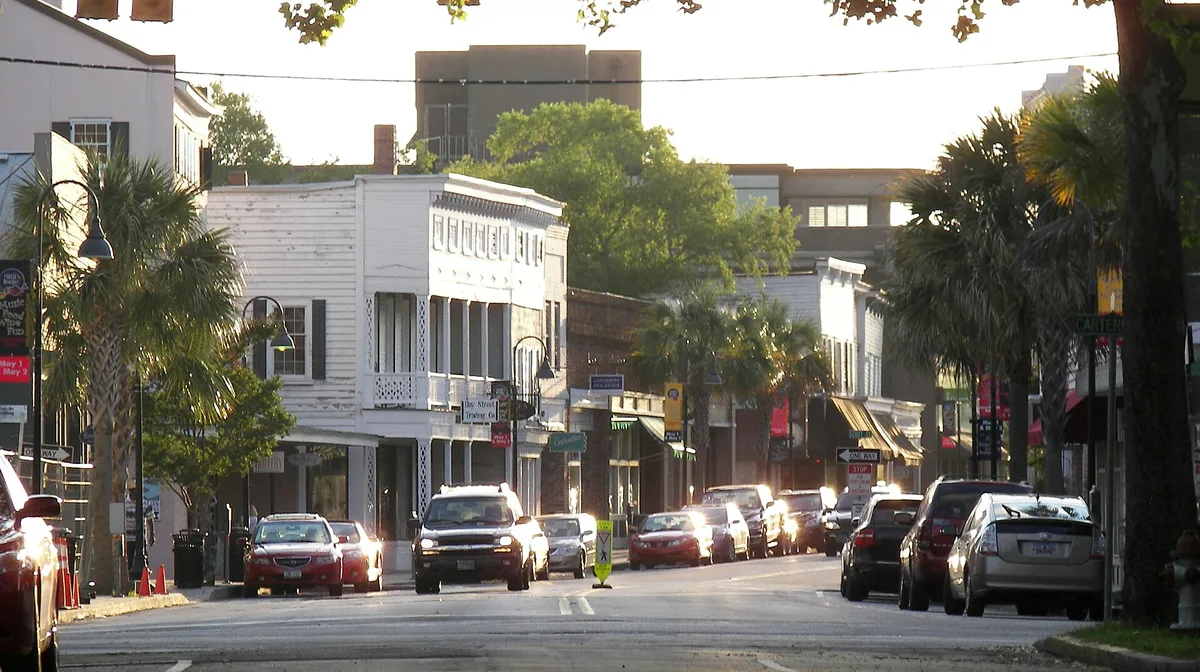
A few of the visual fingerprints we lean into when we shoot, brand and market a Beaufort property — courtesy of the open Wikimedia Commons archive.
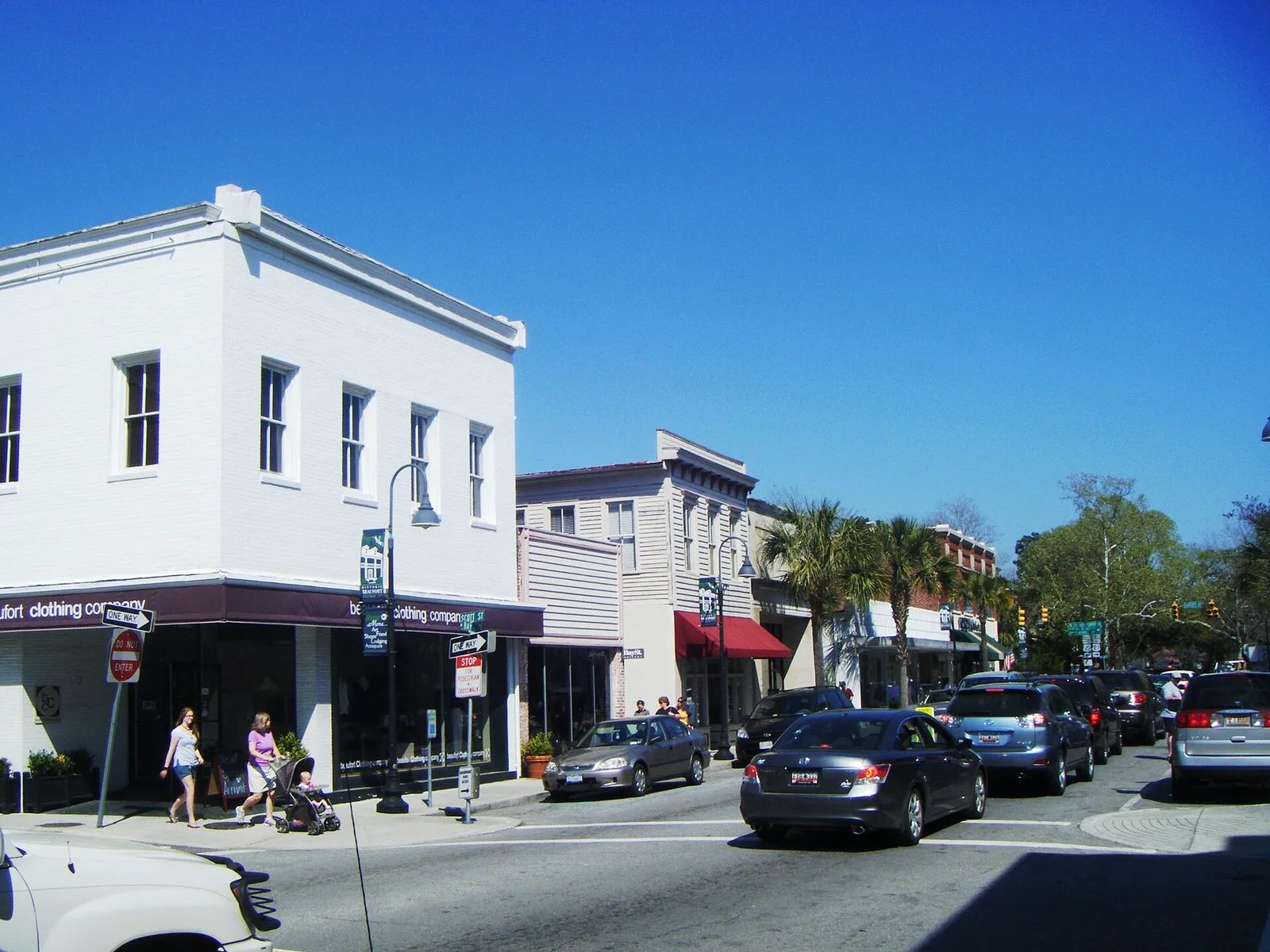
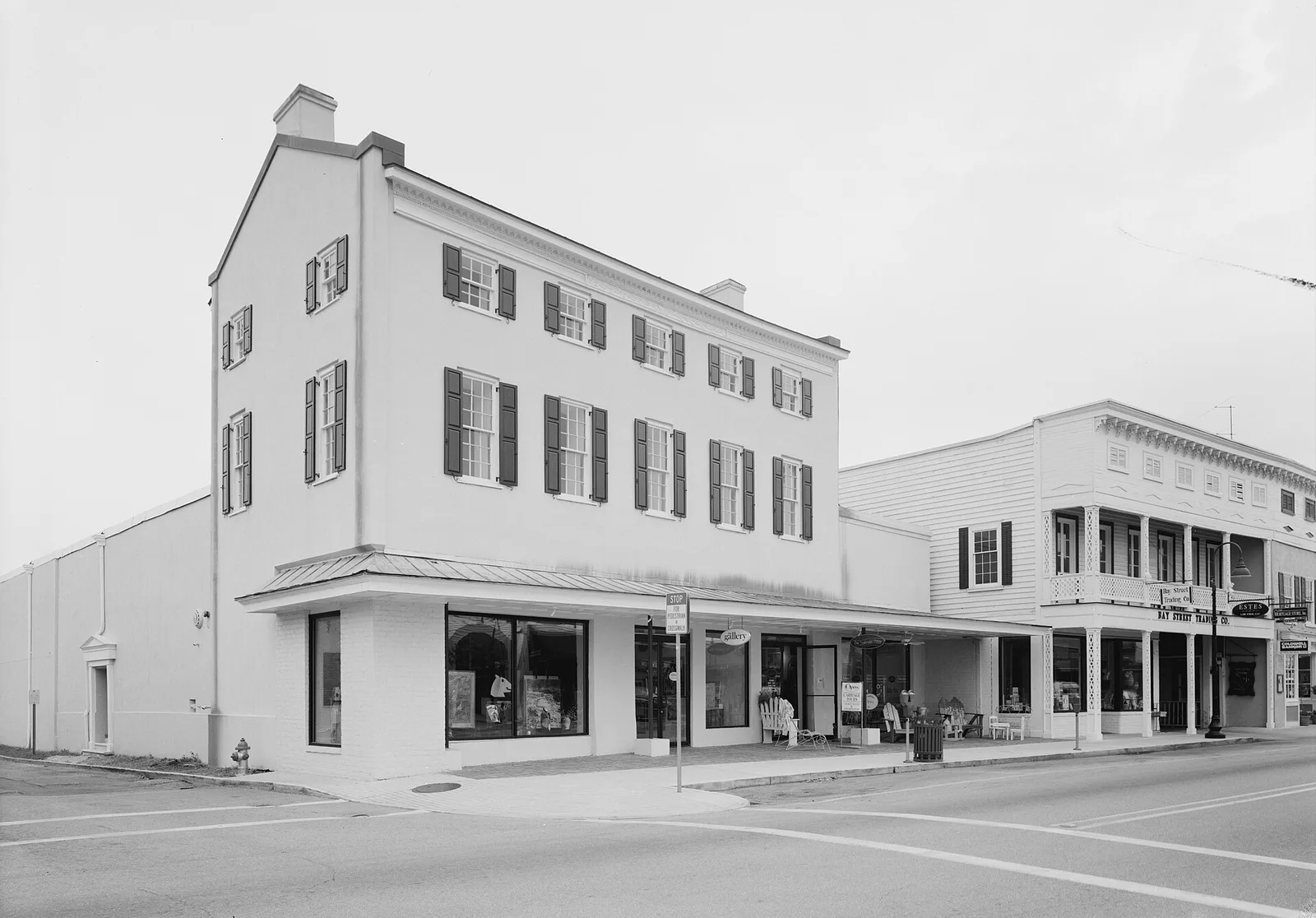
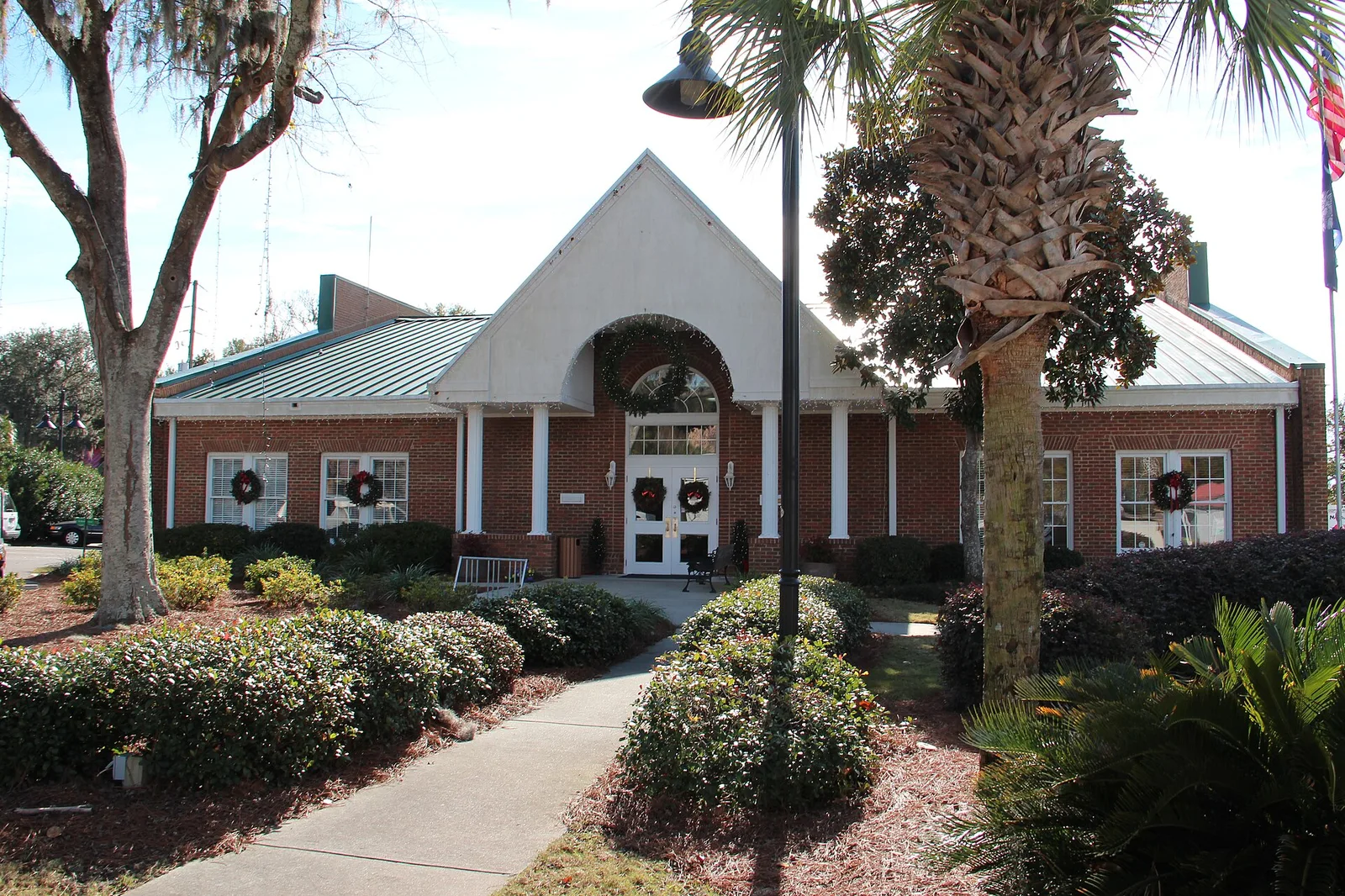

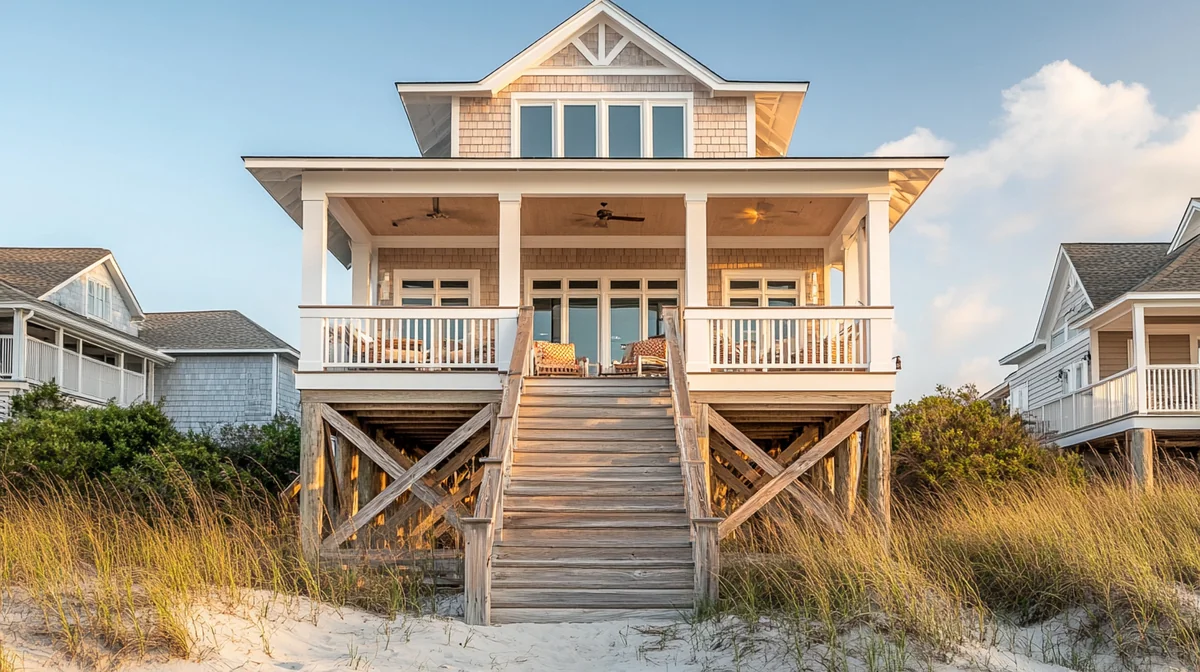
Cavmir markets Beaufort properties around what the city actually is rather than around generic Lowcountry language. We photograph the house, the porch, the oaks and the light in the hour it looks best, and we write copy that maps a weekend — Bay Street, the Spanish Moss Trail, the drive to Hunting Island, the boat out into the ACE Basin. We build the direct-booking site so a family coming back for a second graduation, or a couple returning in October, can rebook without a platform in between, and we get it ranking for the historic-district and Sea Islands searches that already carry volume. We build the email calendar around the dates that repeat here. We run paid campaigns aimed at Atlanta, Charlotte, Columbia and the Florida drive market. And we take your permit status seriously from the first conversation, because in a market with caps and spacing rules, compliance is part of the asset. We do not invent numbers and we do not promise revenue. We help position and market your property. We never manage it or touch your keys.
Beaufort's antebellum district survived the war that leveled so much of the South, and the town has been showing it to visitors ever since. Cavmir carries the story forward.


Beaufort was founded in 1711, which makes it the second-oldest city in South Carolina, and for most of the eighteenth and nineteenth centuries it was one of the wealthiest places in North America per head. That wealth came from Sea Island cotton and from the enslaved people forced to grow it, and the houses in the historic district — the deep porches, the tabby foundations, the live oaks — were built on it. There is no version of this town's story that works without saying so plainly, and the town itself no longer tries to avoid it.
What happened next is the part that makes Beaufort historically unusual. Union forces took the Sea Islands in November 1861, very early in the war, and the planters fled. What followed was the Port Royal Experiment: thousands of formerly enslaved people took over the land and began working it for themselves, and northern missionaries and teachers arrived to establish schools. Penn School on St. Helena Island, founded in 1862, was one of the first schools in the South for freed people, and its campus is now the Penn Center — a National Historic Landmark and part of the Reconstruction Era National Historical Park that Congress established in 2017. The Gullah Geechee culture that developed on these islands, with its own language, foodways and traditions, survives here more strongly than almost anywhere else, and the federal heritage corridor recognising it runs down this coast.
The twentieth century brought the military — the recruit depot on Parris Island and the air station — which stabilised the local economy and still shapes it. And it brought film crews: enough of them, over enough decades, that visitors regularly recognise a street without knowing why. The short-term rental market grew on top of all of this in the 2010s and 2020s, quickly enough that the city moved in 2026 to formally limit it.
Before the platforms, the Sea Island Hotel put up Bay Street's travelers, postcards of the seawall did the advertising, and Hollywood shot the Point so often that visitors recognize streets they have never walked. The channel changed; the work is identical: presentation, positioning, and a town that survived intact. It is the same business Cavmir is in today.


Historical images: public domain and Creative Commons via Wikimedia Commons — Mathew Brady, Horatio Seymour Squyer, Charles G. Luther Pharmacy postcards, Perigrinator, and others.
Beaufort has an unusually flat demand curve for a coastal town, and pricing should exploit that rather than fight it. Spring and autumn are the peaks — March through May and September through November are when the weather is genuinely pleasant and the leisure travel is heaviest. Summer is warm and humid and slightly softer than an outside observer would expect, though the Hunting Island beach traffic supports it. Winter is quiet but never empty, partly because of the military calendar and partly because the town is a pleasant place to be in January in a way that a northern beach town is not. The one genuinely distinctive pricing opportunity here is the graduation calendar at the recruit depot: those dates are published well in advance, they recur through the year, and they bring families who need two or three nights and are not price-shopping the way a leisure guest is. Most owners here never look at that calendar. Setting a modest premium and a two-night minimum on those dates is the single easiest revenue improvement available in this market. Beyond that: four seasonal tiers, weekend minimums in spring and autumn, and a deliberate long-stay rate for winter snowbirds who will take three or four weeks at a discount.
Two peaks and no true dead season. Spring, roughly March through May, is the strongest run, with pleasant weather before the humidity arrives and the azaleas and the water at their best. Autumn, September through November, is nearly as strong and often better for beach conditions. Summer is steady but hot, sustained by families going to Hunting Island. Winter is the softest but remains supported by the military calendar, by snowbirds passing through on the coastal route, and by a mild climate that makes January walkable. That is a healthier year-round shape than most southeastern coastal markets, and it means an owner here can build a genuine twelve-month business rather than a six-month one.
Beaufort changed substantially in 2026 and every owner and prospective buyer needs the current version rather than an older summary. On 28 April 2026 the city council adopted a new short-term rental ordinance that put density caps, spacing requirements, licensing standards and a three-strike enforcement policy in place. The ordinance defines a short-term rental broadly — a whole house, a room, a carriage house or an accessory dwelling unit rented for fewer than thirty days. The caps are the headline: short-term rentals are limited to three percent of allowable parcels within the roughly three-hundred-acre National Historic Landmark district, and to four percent of residentially zoned parcels per neighbourhood elsewhere in the city. Spacing rules keep permitted rentals from clustering. Enforcement is active rather than complaint-driven: the city uses listing-monitoring software to identify unpermitted rentals, operating without a permit carries a fine per violation, and three nuisance strikes can cost you the licence entirely. A narrow eligibility carve-out was written for investors who purchased from the city's dilapidated properties list within a defined window.
What this means in practice. First, a permitted rental inside the historic district is now a genuinely scarce asset, and its value should be understood that way. Second, buying a house here on the assumption that a permit will be available is a serious risk — check the current cap status for that specific neighbourhood before you go under contract, in writing, from the city. Third, being a good neighbour is now a compliance issue, not just good manners, because the strike policy means noise, parking and trash complaints can accumulate into revocation. On tax, owners must collect and remit a three percent local accommodations fee on gross rental income to the City of Beaufort, due monthly by the twentieth. South Carolina's state sales and accommodations taxes apply on top, and Beaufort County levies its own local accommodations tax. Booking platforms handle part of this; direct bookings are your responsibility. Confirm every rate and filing schedule with the city and the county directly.
Work the graduation calendar. It is published, it repeats, and the families it brings are booking two or three nights on fixed dates without shopping on price. Build those dates into your rate calendar for the whole year and add a modest minimum stay. Almost nobody here does it. Second, photograph the porch and the oaks. This town's visual signature is deep shade, Spanish moss and light on old plaster, and the listings that lead with an interior of a beige living room throw that away. Shoot late afternoon. Third, be specific about which island you are on. Downtown Beaufort, Lady's Island, St. Helena and the Fripp side are entirely different experiences with entirely different drive times to the beach, and blurring them produces mismatched guests and mediocre reviews. Fourth, take the culture seriously. Guests come for Penn Center, the Reconstruction Era sites and Gullah Geechee food and history. A guest guide that treats that as a genuine part of the place, rather than as a line item, is both more accurate and more useful. Fifth, build a winter long-stay product. The climate supports it and the snowbird market on this coast is real. Sixth, brief your guests on noise and parking explicitly, because in a city with a three-strike policy, a neighbour complaint is no longer just an annoyance.
The 2026 caps are the defining constraint and they are strict, particularly inside the historic district. Enforcement is technological and active, so informal operation is not viable. The strike policy transfers real risk from your guests' behaviour to your licence. Beyond regulation: summer heat and humidity are genuine and the marketing photographs never show them, hurricane season runs June through November and affects both insurance and cancellations, and the historic housing stock brings maintenance costs — old roofs, old wiring, termite and moisture management in a subtropical climate — that owners from drier markets consistently underestimate.
Coastal South Carolina is a serious insurance market and a short-term rental here needs proper attention rather than a homeowner's policy with a rider. Start with a dedicated short-term rental policy with real liability limits, then work through the coastal specifics. Wind and hail are frequently carved out with separate percentage deductibles, which on a historic-district house can be a very large number — know it before you need it. Flood coverage is separate and is not optional thinking on a tidal river; get the current flood-zone determination and, where relevant, an elevation certificate. Hurricane season runs from June through November and your policy's treatment of loss of rental income during a mandatory evacuation is worth reading in full rather than skimming, because evacuations here are not hypothetical. Historic houses bring their own items: old wiring, old chimneys, plaster, and in this climate, termite and moisture history. If you have a dock, a pool or a hot tub, declare each one. Ask for guest injury, guest property damage and income loss to be confirmed in the policy language.
Three layers. The City of Beaufort requires owners to collect and remit a three percent local accommodations fee on gross rental income, filed monthly and due by the twentieth. South Carolina levies state sales tax on accommodations plus a state accommodations tax on transient lodging. Beaufort County levies its own local accommodations tax as well. Booking platforms remit some portion of these on the reservations they process, but the city's monthly filing obligation and the direct bookings you generate remain yours. Because a marketing programme is designed to grow direct bookings, register with the city and get the monthly calendar in place before you turn it on — a market with active listing-monitoring enforcement is not a good place to be casually behind on filings. Keep platform and direct revenue in separate ledgers from day one. Your accountant should confirm which rates apply to your specific address and how they interact.
Beaufort financing is mostly conventional, with two market-specific complications. The first is insurance cost. Wind, hail and flood premiums on a coastal historic property can be large enough to change a lender's debt-to-income calculation, so get real quotes early rather than using a rule-of-thumb estimate. The second is the permit. After the 2026 ordinance, the value of a property purchased as a rental depends materially on whether a short-term rental permit is available for that parcel and that neighbourhood, and an appraisal will not tell you. Verify it in writing before closing. Historic-district houses bring the usual old-building items in inspection and appraisal — roofs, foundations, wiring, moisture — and some carry exterior alteration restrictions that both lenders and insurers will want to see. Second-home financing is cheaper than investment-property financing and the intended-use question matters. Debt-service-coverage lending is available for buyers scaling past one property, but model the insurance honestly, because on this coast it is one of the largest line items in the annual budget.
The regulatory direction is set and it points one way. A city that adopts caps, spacing rules, monitoring software and a strike policy in the same ordinance is not planning to loosen them soon. For existing permitted owners that is protective — supply is now formally limited and the value of a compliant permit rises accordingly. For buyers it is a genuine barrier and the first thing to check. The second thread is climate and insurance. Coastal South Carolina faces rising insurance costs and more frequent storm activity, and those costs will keep pressuring the economics of low-lying waterfront property more than they pressure a house up on the bluff. The third is tourism mix. The Reconstruction Era park designation and the growing interest in Gullah Geechee heritage are drawing a different and more year-round visitor than the traditional Lowcountry weekender, and the military calendar underpins the whole thing regardless of season. Owners who build a direct relationship with guests, keep their compliance immaculate and market to more than one of these audiences will be in the strongest position as the market tightens.
Beaufort is a town where the light does most of the work. Late afternoon on Bay Street, with the moss hanging off the oaks and the sun coming off the river, is one of the better ten minutes on the southeast coast, and it costs nothing. The historic district is not a museum — people live in these houses, the porches are used, the streets are quiet enough to walk in the middle of. Then you drive out over the bridges and the landscape changes completely: marsh, tidal creeks, shrimp boats, and eventually Hunting Island, where the beach has drowned trees lying across it and a lighthouse you can climb. On St. Helena there is Penn Center, where one of the first schools for freed people opened in 1862, and the Gullah Geechee culture that developed on these islands is still here, in the language and the food and the churches. It is a genuinely layered place. From a marketing point of view what stands out is how much of that never reaches a listing. Owners here write about square footage and proximity to Charleston, in a town with a National Historic Landmark district, a national park telling the story of Reconstruction, the most visited state park in the state twenty minutes away, and a military calendar that delivers guests on published dates all year. The raw material is exceptional. The presentation, almost across the board, is not.
A great property in Beaufort doesn't just want a listing — it wants a point of view, an audience, and a brand the city itself would recognise.
Eight things worth putting in the guest guide. Names, times and honest answers — this is what turns a stay into a return visit.
The park along the river is empty at dawn and the light coming across the marsh is the best of the day. Ten minutes, a coffee from Bay Street, and your guests understand the town.
The good restaurants here are few and they fill on spring and autumn weekends and completely on graduation nights. Tell guests to reserve when they book the house.
The most visited state park in South Carolina, twenty minutes out, with a climbable lighthouse and a beach full of fallen trees that looks like nowhere else on this coast. Go early, the gate closes when it fills.
On St. Helena Island, the campus of one of the first schools for freed people, now part of a national historical park. Indoors, substantial, and the reason a lot of people should be coming here.
The humidity has gone, the water is still warm, the beach is empty and the town is at its best. It is the single best week here and it is not the one people book.
A rail-trail running across the islands, flat, shaded and easy on a bike. It is the right answer for a family with mixed fitness levels and it costs nothing.
Crossing the water with the marsh going gold on both sides is the photograph people take home. Late afternoon, heading east, windows down.
Point them at the docks in Port Royal and at a couple of places that buy local, and tell them honestly which months the local catch is actually running.
Guests who find a Beaufort rental on Airbnb search its name afterwards, and the page they should land on is the owner’s own site. Cavmir builds vacation rental websites of 40 to 125 pages in the owner’s brand. For a home that only lists on Airbnb, that is a website for your Airbnb: your name and domain, your photos, your area guides and your reviews, with a button that sends guests to the listing. For homes on Hostaway, Guesty or Hospitable it is a direct booking website: live availability and prices from the PMS, the whole stay priced before checkout, and the booking completed in the PMS. Both start from the same vacation rental website design, run the TrollBuster™ compliance scan before launch, and are yours at launch: domain, code, content and photos.
The guide pages of a Beaufort site can start with the picks on this page: The Waterfront Park before seven, Dinner downtown on a Friday and Hunting Island State Park. Each one is a search a guest makes before choosing a home, and each becomes a page that leads to the booking button.
Packages start at $1,475 for the Starter Website (40 pages, two to three weeks) and run to $3,732 for Full with Direct Booking (125 pages, booking synced with your PMS); the current prices are on the pricing page.
A few composite engagements, drawn from how Cavmir typically works with owners in a permitted, capped historic market. Illustrative rather than any one client's file.
A scarce permitted rental inside the landmark district priced and presented like an ordinary two-bedroom, with no acknowledgement of what it actually was.
Reshot in late-afternoon light with the porch, the oaks and the street as the lead images, rewrote the copy around walkability and the historic district, and built a direct-booking site with a rate calendar built around published graduation dates.
Rates held higher through spring and autumn, and the graduation dates — previously priced as ordinary nights — began booking early at a premium with two-night minimums.
Marketed as a Beaufort property when it was really a beach-and-boat property, so guests arrived expecting a walk to Bay Street and left disappointed.
Repositioned around Hunting Island, the water and the boat access with accurate drive times stated up front, and targeted family and multi-generational traffic out of Atlanta, Charlotte and Columbia.
Guest expectations matched the property, review sentiment improved, and summer and autumn family bookings grew against a calendar that had been weekend-only.
Two very different properties sharing one set of copy and no owner brand, with no way to keep an enquiry when the preferred one was booked.
Split the positioning cleanly, built one owner-branded site with both properties and cross-referral, and consolidated the guest email list so returning families could be reached about either.
Enquiries blocked on one calendar were retained by the other, and repeat guests began booking directly rather than searching platforms each year.
Demand in Beaufort peaks around April, May and October and runs quietest around January, February and December. Here is how the year actually books — and what to do about each stretch of the calendar.
Spring from March through May is the strongest run, with pleasant weather before the humidity arrives. Late September through November is nearly as strong and often better for the beach at Hunting Island. Set weekend minimums through both windows and have the property photographed for late-afternoon light, which is when this town looks best.
Summer is warm and humid and slightly softer than an outsider would guess, though the beach traffic supports it. The genuinely distinctive shoulder play here is the recruit graduation calendar — published well ahead, recurring through the year, and bringing families who book two or three nights without price shopping. Almost nobody prices for it.
December through February is the softest stretch, but the climate keeps it walkable and the town never fully empties. Build a long-stay winter rate for snowbirds on the coastal route, market to couples, and use the window for maintenance and a spring reshoot.
Graduation dates book early because families plan around a published schedule. Spring and autumn weekends run on a four to eight week window. Summer family stays fill through spring. Winter long stays are often arranged months ahead by returning guests.
Two and three-night stays through most of the year, with longer family stays in summer and genuine multi-week snowbird stays in winter. The military calendar produces a steady stream of short, fixed-date bookings that behave unlike leisure demand.
A permitted property in the historic district within walking distance of Bay Street is the scarcest and strongest asset in this market after the 2026 caps. On the islands, family-sized houses with outdoor space and a short drive to Hunting Island are the volume product. Carriage houses and small cottages suit the couples and graduation families who make up much of the steady demand.
Start with photography that shows what a guest actually gets here, then write the listing around a real itinerary rather than a feature list. Build a direct-booking site so returning guests can come back without going through a platform, and keep an email list segmented by season so you can reach last year's visitors before the calendar opens. Local search matters more than people expect in a market this size, because guests search the destination and the attraction rather than the word rental. A marketing agency layer handles the photography, the listing copy, the direct-booking site and the local SEO as one system instead of four disconnected jobs.
Spring from March through May is the strongest run, and late September through November is nearly as good with better beach conditions at Hunting Island. Summer is warm and humid and slightly softer than expected. Winter is the quiet season but never empty, because the climate stays mild and the military calendar keeps producing visitors.
Recruit graduation dates are published well in advance and book early. Spring and autumn weekends run on a four to eight week window, and summer family stays fill through the spring. Winter long stays are often arranged months ahead by returning snowbirds. Building your rate calendar around the published graduation dates is the easiest improvement available here.
Charleston, Savannah, Columbia, Charlotte, Atlanta and Jacksonville supply most of the leisure travel, and Savannah and Charleston airports handle the guests who fly. The visiting military families come from across the country and travel on fixed dates, which makes them the most weather-independent demand in the market.
Walkability to Bay Street and the waterfront for the historic-district properties, and outdoor space, an outdoor shower and a short drive to Hunting Island for the island houses. A porch under the oaks does more work in the photographs than anything you can install indoors. Off-street parking matters in the historic district, and being genuinely dog friendly opens up a segment most owners here ignore.
Run your Airbnb, Vrbo, or website through Cavmir's free grader. It checks the things that decide whether guests book in Beaufort — photos, listing copy, page speed, local search — and shows you where bookings leak. Takes about a minute, and there's no sales call attached.
If the report says your booking engine is the weak link, that's fixable: a direct-booking website of your own means repeat guests stop paying platform fees to come back to you. That's the work Cavmir does — see Airbnb website design in Beaufort.
Send us the listing and we'll tell you what we'd change. Not a pitch deck — a straight read on your photos, your title, your rates against the Beaufort comp set, and whether a direct-booking site would pay for itself.
You'll hear back from a person, usually inside one business day. If we don't think we can move your numbers, we'll say so. Cavmir is a short-term rental marketing agency — we position and market properties, we don't manage them.
Talk to Cavmir today. We'll show you exactly what your Beaufort property is leaving on the table — and how fast we can change that.
Book a Free Strategy CallPhotography via Wikimedia Commons (images resized and cropped): Beaufort Bay Street by Wikipedian1234 (CC BY-SA 3.0) · Gullah basket by Bubba73 (Jud McCranie) (CC BY-SA 4.0) · Tidalholm House, The Point, Beaufort, SC by Perigrinator (CC BY-SA 4.0).
