The Market
Why Bonaire is the Caribbean's Steadiest, Most Diver-Loyal Market
Bonaire is a rental market built on three unusual advantages that, together, no other Caribbean island quite matches: it is the shore-diving capital of the world, it sits outside the hurricane belt, and it uses the US dollar as its official currency. The result is a destination with a fiercely loyal, year-round core audience, lower weather risk than almost anywhere in the region, and none of the currency friction that complicates ownership elsewhere. For an investor, that combination translates into something rare in the Caribbean — steady, resilient demand across all twelve months rather than a frantic winter peak and a dead summer.
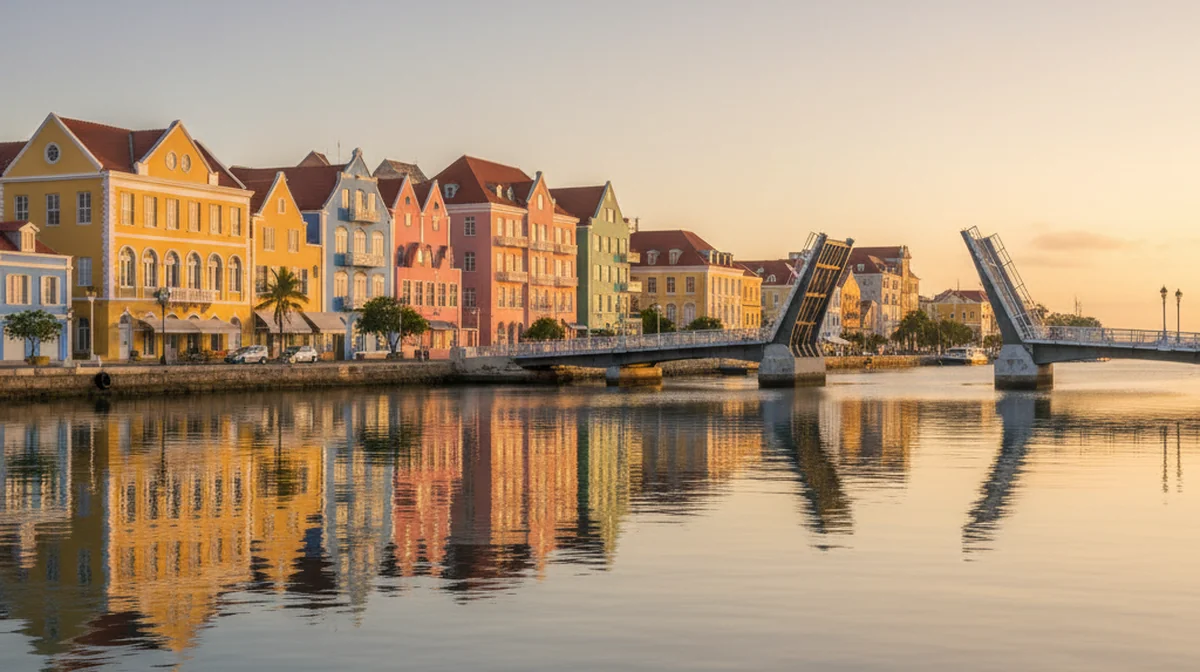
The island's whole coastline is a marine park, and its rental geography follows the water. Kralendijk, the small Dutch-Caribbean capital, anchors the leeward (western) coast with its waterfront, restaurants and the bulk of the condo and small-resort inventory, all steps from the fringing reef. North and south of town along that calm leeward shore runs the dive-resort strip and the residential villa areas — Belnem toward the airport, Sabadeco and Hato to the north — where properties trade on reef access and the ability to shore-dive from your own dock. Inland lies Rincon, the island's oldest town; to the south are the salt flats and flamingo sanctuary; and on the wild east side, Lac Bay is a world-class flat-water windsurfing and kiteboarding center. Just offshore, uninhabited Klein Bonaire is a protected snorkel-and-dive jewel.
The guest is, overwhelmingly and famously, a diver. Bonaire's license plates literally read 'Diver's Paradise,' and the island's model is unique: more than eighty marked shore-dive sites, each flagged by a yellow-painted stone at the roadside, that let a diver rent a pickup truck loaded with tanks and simply drive the coast, parking and walking into the reef whenever they please. That independence breeds extraordinary loyalty — Bonaire divers return year after year, often for one or two weeks at a time, and they choose lodging on dive logistics above almost anything else. Around that core are windsurfers at Lac Bay, nature travelers drawn by the flamingos and Washington Slagbaai National Park, a substantial Dutch and expat community, and North American and European divers who treat the island as an annual ritual.
What makes Bonaire so attractive to owners is how those advantages stack. The year-round, repeat-driven demand keeps annual occupancy high and smooths the calendar; the position outside the hurricane belt keeps insurance costs and weather cancellations far lower than the northern Caribbean; and the US-dollar economy under stable Dutch governance removes currency and legal uncertainty for American and international buyers alike. The one thing the island's casual, dive-focused rental scene often lacks is professional marketing — and on an island where the audience is this loyal and this specific, a property with real photography, a clear brand and a direct channel captures that loyalty in a way the amateur listings simply don't.
Top Attractions & Landmarks
- Bonaire National Marine Park (shore diving)
- Klein Bonaire
- Washington Slagbaai National Park
- Pekelmeer flamingo sanctuary & salt flats
- Lac Bay (windsurfing at Sorobon)
- 1000 Steps dive site
- Rincon (oldest town)
- Kralendijk waterfront
Nearby Markets: Curaçao | Aruba | Roatán