$585
Avg. Nightly Rate
42%
Avg. Occupancy Rate
$4,900
Avg. Monthly Revenue
4-6%
Est. Cash-on-Cash ROI
HIGH
Seasonality
MEDIUM
Regulatory Burden

* Market averages. Properties marketed by Cavmir typically exceed these figures by 25–45%. Data sourced from AirDNA, STR market reports, and Cavmir internal analytics.

The Market

Why Killington is One of the World's Premier STR Markets

Killington is the largest ski resort in the eastern United States — six peaks, the second-highest summit in Vermont, and a season that has famously stretched from October into late May and occasionally June — and the town liked the mountain enough to take its name back for it, voting in 1999 to restore "Killington" after nearly two centuries as Sherburne. The Beast of the East is mid-transformation: a group of local investors bought the resort from POWDR in 2024, the first independent ownership in decades, and immediately put roughly $60 million into improvements, including the new Superstar Six chairlift whose construction paused the resort's marquee event for a year. That event returns in 2026 — the Stifel Killington Cup, the women's World Cup giant slalom and slalom raced on the Superstar trail over Thanksgiving weekend, which has drawn the largest crowds on the women's circuit since it arrived in 2016 and is confirmed for November 28-29, 2026. The rental rules are established and navigable: a town short-term-rental registration renewed annually, Vermont's 9% rooms tax plus the state's new 3% short-term-rental surcharge and Killington's 1% local option — 13% all in — and occupancy limits tied to bedroom count. A four-season mountain with a published demand calendar and professional-grade rules: that is a marketing brief, not an obstacle.

Killington's calendar runs deeper than any ski town east of the Rockies. Winter is the business: December through March, when the six-peak trail network and the East's most aggressive snowmaking fill weekends from Boston, Hartford and New York, with Christmas week, Martin Luther King and Presidents' weekends booking out months ahead. The Killington Cup detonates Thanksgiving weekend — tens of thousands of spectators at the base of Superstar for the season's opening statement — and spring skiing carries the tail like nowhere else in the East, with Superstar's snowpack historically holding lift service deep into May. Summer has become a real second season: the bike park's roughly thirty miles of lift-served trails, free Saturday concerts at the base through July and August, a wine festival in mid-July, golf, and the Appalachian Trail crossing town. Foliage stacks late September through mid-October with gondola rides over full color. Blended nightly rates run around $585 — resort-scale product, chalets and slopeside condos — with occupancy near 42% across more than a thousand listings, and the spread between a flat-priced calendar and one built around the Cup, the holiday weeks and the spring product is the widest number in this market.

Top Attractions & Landmarks

  • Killington Resort and the K-1 Gondola
  • Killington Bike Park
  • Pico Mountain
  • Thundering Falls
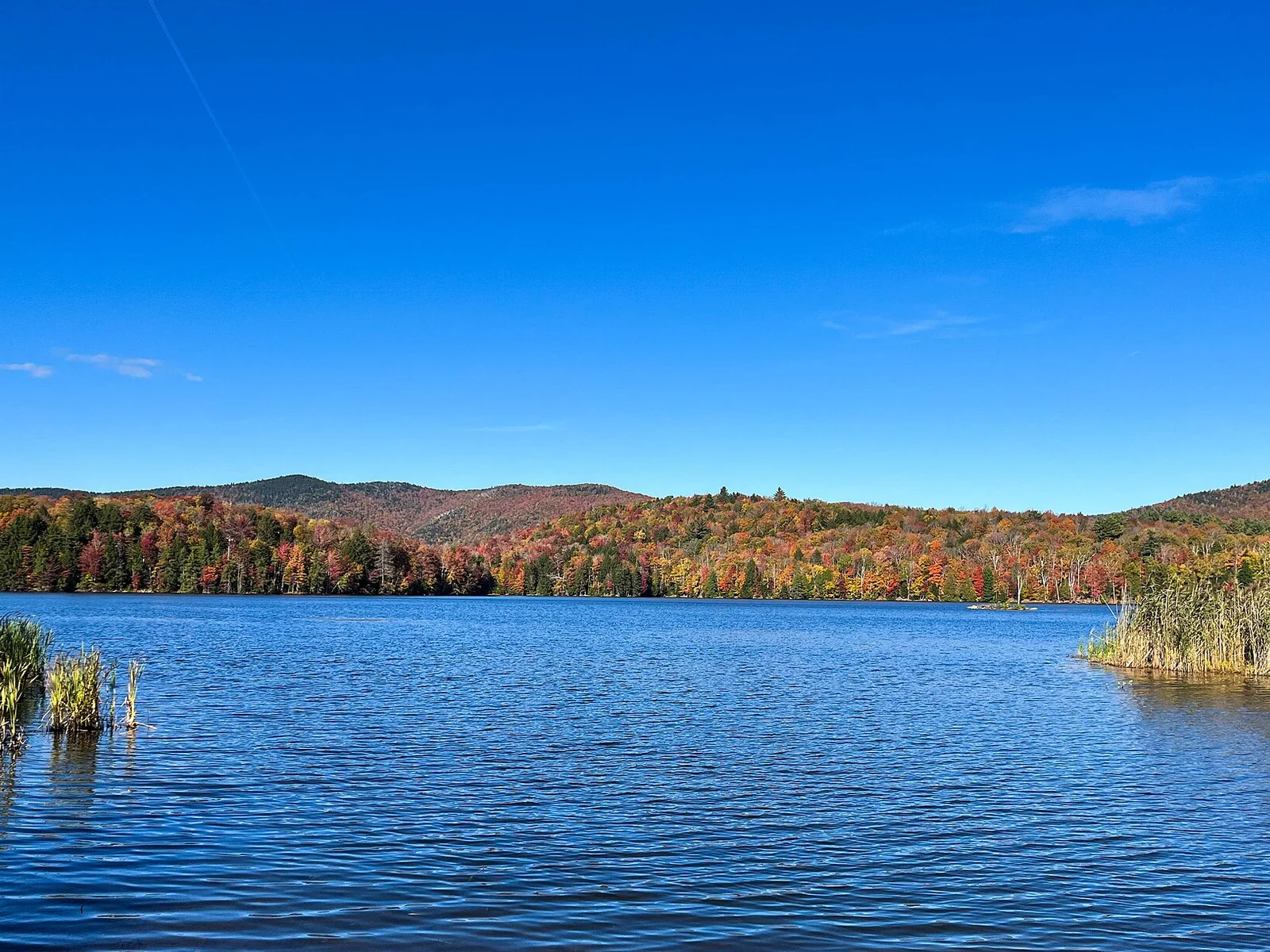
  • Kent Pond
  • Gifford Woods State Park
  • The Appalachian Trail at Sherburne Pass

Nearby Markets: Stowe  |  North Conway  |  Lake Placid

Airbnb marketing services in Killington, Vermont, USA
Postcards

Killington through the lens

A few of the visual fingerprints we lean into when we shoot, brand and market a Killington property — courtesy of the open Wikimedia Commons archive.

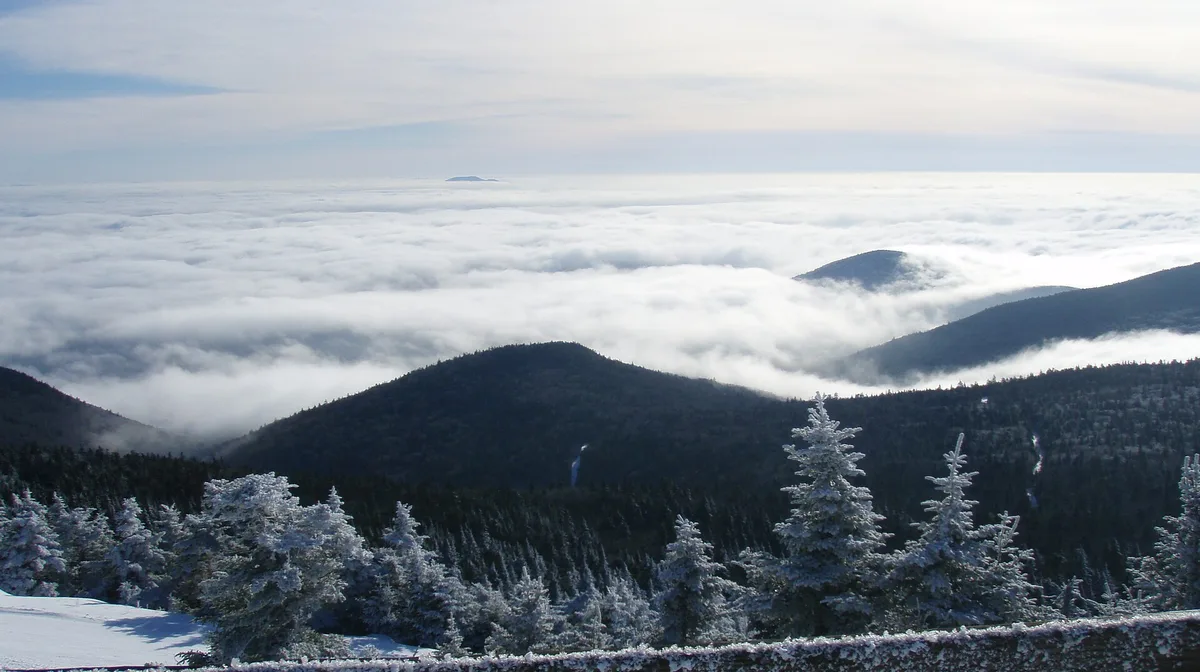
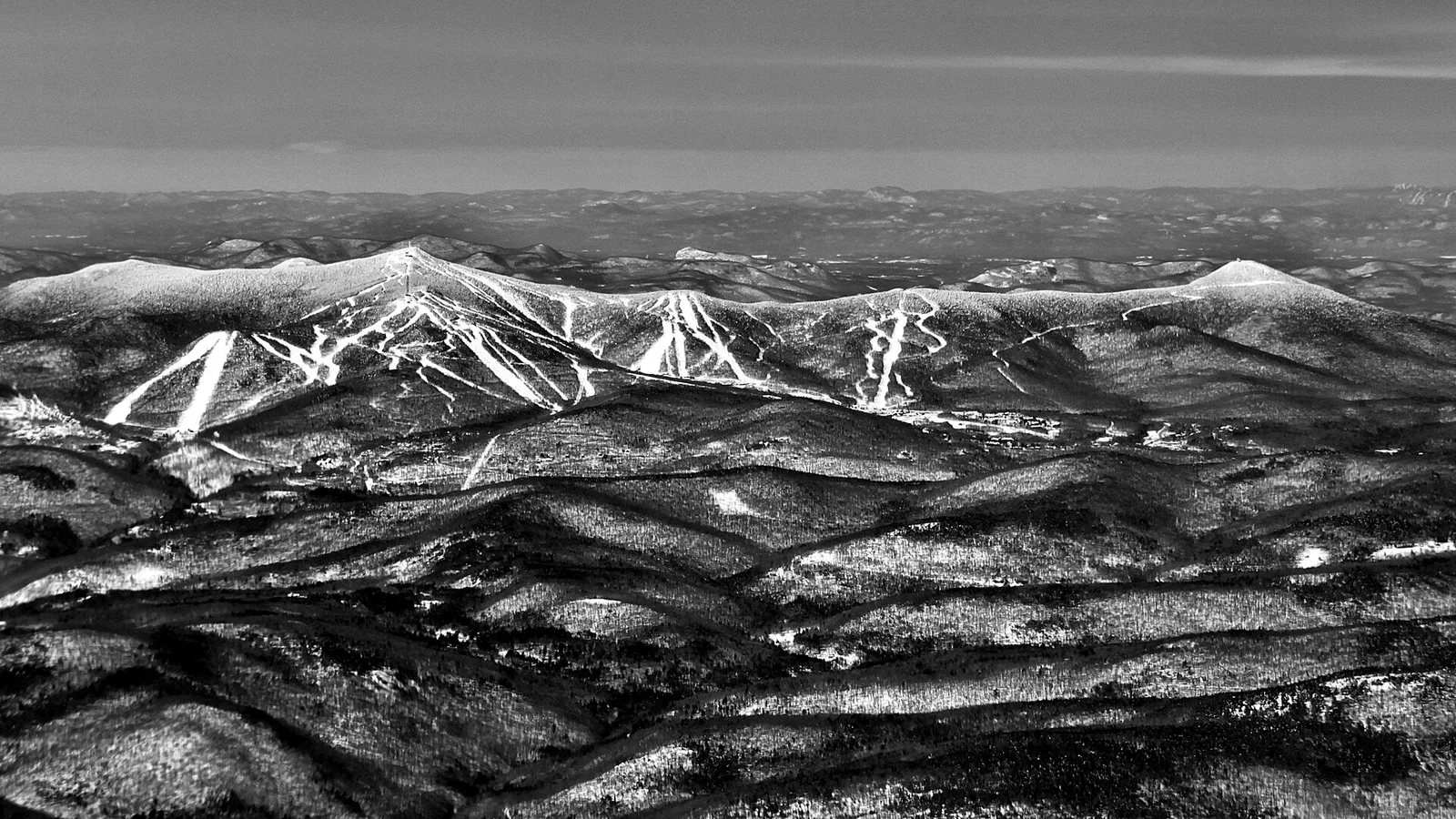
Killington Resort 2018 03 18 — Killington airbnb marketing
Local Color
Killington Resort
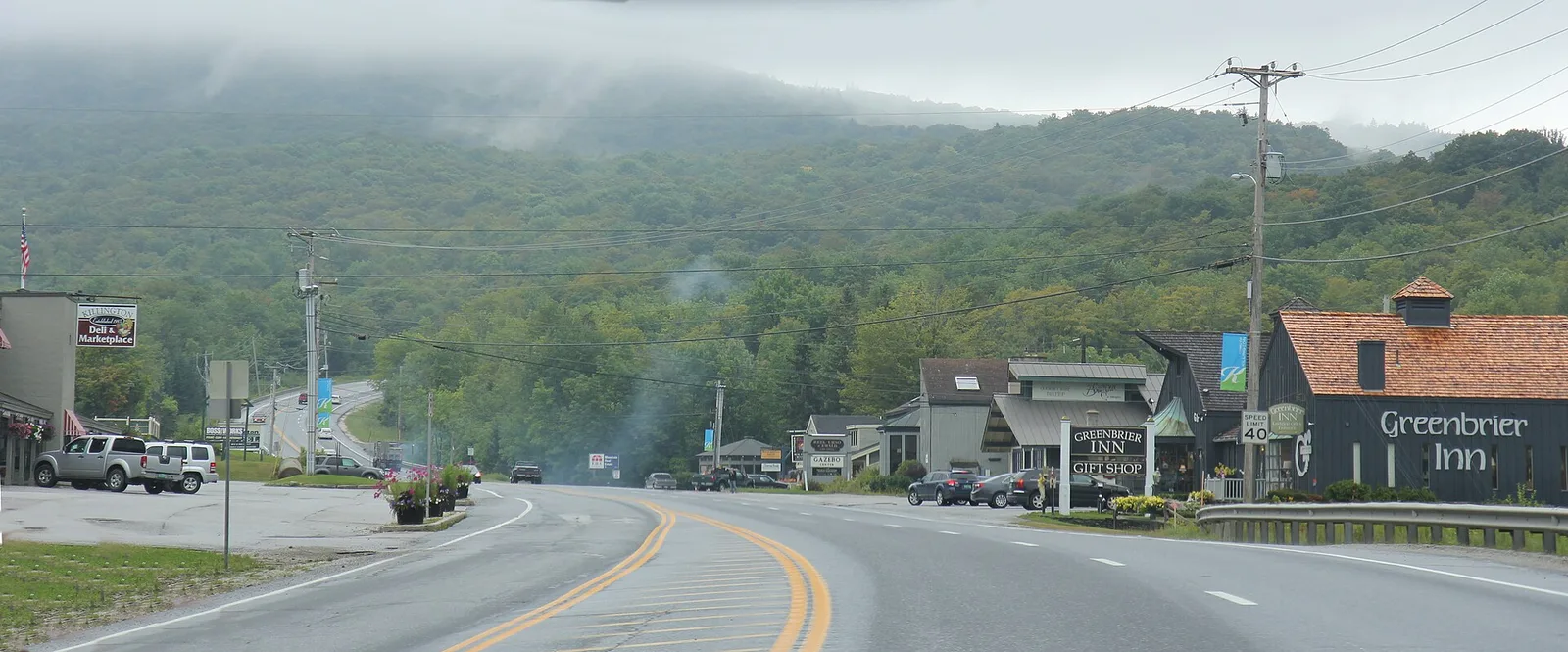
Killington VT on US4 — Killington airbnb marketing
Local Color
Killington VT on
Gifford woods state park — Killington airbnb marketing
Local Color
Gifford woods state park
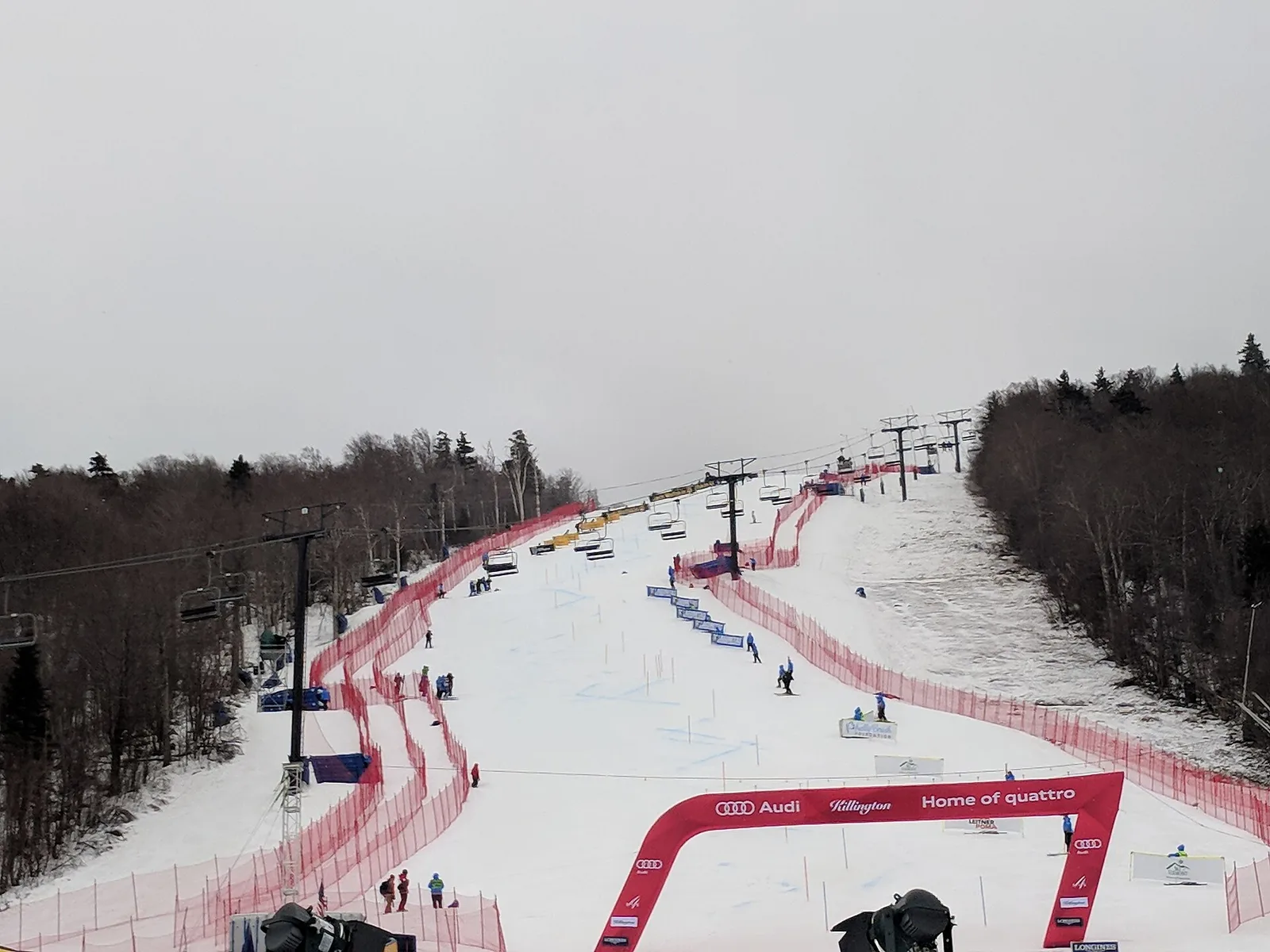
Killngton Superstar World Cup Slalom Nov — Killington airbnb marketing
Local Color
Killngton Superstar World Cup Slalom
Why Cavmir

The Cavmir Advantage
in Killington

Cavmir wins in Killington because this market prices like a commodity and books like an event town. Hundreds of similar condos and chalets sit within ten minutes of the same lifts, most marketed with identical winter photos and one rate curve — while the actual demand arrives in named, dated spikes: the Cup's return over Thanksgiving 2026, Christmas week, the February holiday weekends, spring skiing's last-lap loyalists, foliage Saturdays, summer's bike-park and concert season. We build the pricing around the published calendar and write the copy that separates a listing: exact minutes to the K-1 base, where the boot room is, which access-road institutions are a walk and which are a drive, what the mudroom fits. We shoot the mountain in its money light — first chair after a storm, Superstar under spring sun, the ridgeline in October — and for the inns and lodges along the access road we build direct-booking websites and repeat-guest programs, because ski families return to the same mountain for decades and the February rebooking should never pay a commission again. We help position and market your property. We never manage it or touch your keys.

State of the Industry · History

The Killington STR Market — Past & Present

Killington was an act of will. When Preston Smith opened the Killington Basin Ski Area in December 1958, the mountain had no paved road, no lodge worth the name and a Vermont ski industry that considered the site too remote — and within two decades it had become the largest ski resort in the East, largely by refusing to accept New England weather as a constraint: Killington built one of the world's most aggressive snowmaking systems and used it to open earlier and close later than anyone, running lifts from October into late May and, in the best years, June. The town noticed which name mattered: chartered in 1761 as Killington and renamed Sherburne in the nineteenth century, it voted in 1999 to take the mountain's name back. The modern resort spreads across six peaks crowned by Killington Peak itself — at 4,241 feet the second-highest summit in Vermont — with Pico Mountain running as its neighbor, an access road famous for half a century of après institutions, and a summer operation (lift-served bike park, golf, concerts) that turned the ski town into a four-season one.

Two recent chapters define the current market. In 2016 the women's Alpine World Cup came to the Superstar trail over Thanksgiving weekend, and the Killington Cup promptly became the best-attended stop on the women's circuit — tens of thousands of New England ski fans turning a race into a season-opening festival. And in 2024 the resort changed hands: POWDR sold Killington and Pico to an investor group led by longtime local passholders Phill Gross and Michael Ferri, returning the Beast to independent ownership, and roughly $60 million in improvements followed — headlined by the new Superstar Six chairlift, whose construction obliged the World Cup to skip 2025 (the races decamped to Colorado) before its confirmed return on November 28-29, 2026. The rental rules matured alongside: a town registration renewed annually, Vermont's rooms tax plus a new state surcharge on short-term rentals, and occupancy limits tied to bedrooms — machinery that professionalized the market without capping it.

Pricing Strategy & Seasonality

Pricing, Seasonality & When to Capture ROI

Pricing Strategy

The rate map is measured in minutes to a chairlift. Slopeside and near-base product — the condo clusters around the K-1 and Snowshed bases and the highest stretch of the access road — is the ceiling, where ski-in convenience books first and commands the market's top winter rates. The Killington Road corridor is the volume market: chalets and condos strung along the five-mile access road, priced by drive time to the lifts and proximity to the après institutions. Pico-side and Route 4 properties trade a few minutes of driving for meaningfully friendlier entry prices; Mendon and Rutland Town run the value play fifteen minutes out; and the surrounding hill towns — Bridgewater, Plymouth, Chittenden — sell privacy, views and hot-tub seclusion to the guests who want the mountain nearby but the crowd nowhere. Blended nightly rates run around $585 with occupancy near 42% across more than a thousand listings — resort economics with a wide quality spread, where the difference between a dated condo and a properly renovated, properly photographed one shows up directly in the winter rate card.

Seasonality & ROI Windows

Killington's calendar is winter-led with a real second summer. The Cup opens the season with a Thanksgiving-weekend demand spike unique in the East, December holidays through March carry the year — Christmas week, Martin Luther King and Presidents' weekends at the peak — and spring skiing stretches the season long after rival towns close, with Superstar's snowpack historically holding into May. The mud-season lull in late April and May is honest. Then summer returns as its own business: the bike park from late May, Saturday concerts and the July wine festival, golf and hiking through August. Foliage stacks late September to mid-October, and early November rests before the lifts spin again.

Regulation & Licensing · 2026

What the Law Requires in Killington

Killington's regime is registration-plus-tax, administered locally and layered by the state — navigable, specific, and worth doing exactly right, so confirm the current requirements with the town's zoning office and your attorney before you list. The town layer: the Town of Killington requires short-term-rental registration through the Zoning Administrator for any dwelling rented under 30 consecutive days and more than 14 days per year — a separate registration and fee for each rental unit, running annually from November 1 to October 31 and renewed by November 15. Registration carries the operating standards: occupancy capped at two persons per approved bedroom plus two, life-safety basics (smoke and CO detection, egress), parking and septic sanity, and the enforcement mechanism is the zoning office, which takes the program seriously. Surrounding towns — Mendon, Bridgewater, Plymouth — run their own lighter variants, so map the parcel before assuming Killington's rules apply.

The state layer is the tax stack: Vermont's 9% Meals and Rooms Tax on stays under 30 days, plus the 3% short-term-rental surcharge the legislature enacted in 2024 (Act 183, effective August 1, 2024 — it applies to short-term rentals but not to licensed lodging establishments), plus Killington's 1% local option tax — a combined 13% on a Killington short-term-rental booking. Operators register for a Vermont meals-and-rooms account; platforms collect and remit on the bookings they facilitate, and direct bookings are the owner's to collect and file. Vermont also expects short-term rentals to meet the Department of Health's safety and information-posting requirements. Stays of 30 days or more fall outside the rooms tax and surcharge. As of 2026 there are no caps and no bans in Killington — the town chose to register and standardize rather than restrict — but statewide registry proposals resurface in Montpelier regularly, so treat this as a settled framework with a live legislature behind it.

Market-Specific Tips & Challenges

Local Tips & Unique Market Challenges

Tips That Actually Move Revenue in Killington

The Killington strategic tip: differentiate or discount — this market punishes sameness with math. A thousand-plus listings sit within fifteen minutes of the same lifts, and the median one is a decades-old condo photographed in summer light and priced on autopilot; the properties that out-earn their comps do it on renovation honestly shown, specificity honestly written and a calendar built around the published season. The Cup's return in November 2026 is the single clearest example: a dated, fixed, nationally publicized demand spike that most calendars still price like an ordinary weekend.

Tactically: first, price the season's architecture in advance — Cup weekend, Christmas week, MLK and Presidents' weekends, storm-cycle Saturdays and the spring-skiing tail are all knowable by October; set minimums and rates before the booking window opens, not after. Second, write ski-fluent copy: minutes to which base, where the boot room and gear drying happen, shuttle or drive, what the mudroom fits — this guest reads for logistics and books the listing that answers them. Third, shoot winter in winter — first-chair light, the trail map's actual view, the hot tub steaming against snow — and reshoot after any renovation, because winter photos taken in July are the market's most common self-inflicted wound. Fourth, market the other seasons as products: bike-park summer, concert Saturdays, Uncorked in July, foliage weekends — the four-season calendar is real here and mostly unmarketed. Fifth, build the repeat channel: ski families return to the same mountain for decades, and a direct-booking site with a returning-guest rate plus a September email beats paying a commission on the same family every winter. The 13% tax stack makes the direct math even stronger.

Unique Killington Challenges

The trade-offs: occupancy averages in the low 40s because supply is deep — revenue is won on rate and peak discipline, not volume — and the mud-season trough is real. The registration regime has annual deadlines that lapse quietly, condo documents restrict more than the town does, and the 13% stack must be priced in. Winter operations (plowing, freeze risk, hot-tub maintenance at altitude) are a genuine cost line, and renovation-grade differences between neighboring units make comp-set pricing treacherous for the unrenovated. This market pays the operator who runs it like a resort business.

A Curious Killington Fact
Killington's spring snow is institutional enough to have loyalists with tattoos. Thanks to a snowmaking system that buries the Superstar trail in whale-sized depths all winter, the resort has historically kept lifts spinning into late May and occasionally June — skiers in shorts carving slush lanes past hikers — earning its season the longest run in the East and its faithful a rite: closing day on Superstar. The town matched the devotion in its own way — after nearly two centuries named Sherburne, residents voted in 1999 to rename the whole town after the mountain. And when the women's World Cup arrived in 2016, New England answered with the largest crowds on the women's circuit, tens of thousands filling a Vermont base area on Thanksgiving weekend to watch slalom under the lights of autumn.
Finance Essentials — Killington
🛡️

Insurance

Ski-country underwriting runs its own checklist: freeze and pipe-burst exposure in units vacant midweek, roof snow loads, wood stoves and fireplaces, hot tubs (the amenity this market requires and the liability line carriers price), and steep or gravel access that matters for both claims and emergency services. Short-term-rental operations need proper STR or landlord coverage rather than homeowner's policies, with liability limits that respect winter-sports guests and full-house groups. Condo owners must map the master policy's edges — loss assessment, interior coverage, rental-use disclosure. Premiums are moderate by resort standards; use a Vermont broker who writes ski-town rentals routinely and disclose the rental use plainly.

🧾

Property & Income Tax

Short stays owe Vermont's 9% Meals and Rooms Tax, the state's 3% short-term-rental surcharge (in effect since August 1, 2024, applying to short-term rentals rather than licensed lodging establishments), and Killington's 1% local option tax — a combined 13%, registered through a Vermont meals-and-rooms account. Platforms collect and remit on the bookings they facilitate; direct bookings are the operator's to collect and file, and meals or services sold with the stay carry their own lines. Stays of 30 days or more fall outside the stack. Rental income then faces federal and Vermont income tax. Treat these as planning figures and confirm current rates and filings with your accountant — Vermont's legislature revisits lodging taxation regularly.

🏦

Mortgages & Financing

Killington financing is condo-literate or it is nothing: the market's volume product is base-area and access-road condominiums, and the lending questions are building-level — association budgets, reserves, rental percentages, and the occasional non-warrantable complex that moves a purchase to portfolio or DSCR lending. DSCR products work well here on documented winter-weighted income, and the town's registration paperwork usefully evidences legality for underwriting. Chalets and hill-town houses price as second homes or investment property on conventional terms, with rural-access and septic findings the common friction. Entry runs from accessible older condos to seven-figure slopeside; a Vermont lender who knows which Killington complexes finance cleanly is worth more than a rate quote. Underwrite the mud season honestly and let the winter carry the file.

Future Outlook · 2027 & Beyond

Where Killington is Headed Next

Killington's future has more visible catalysts than any market in New England: independent local ownership with roughly $60 million committed, the Superstar Six lift opening for 2026-27, the World Cup's confirmed return that same Thanksgiving, and the long-planned base village — the resort's most consequential development — advancing from paper toward ground. Each catalyst points the same direction: more visitation, higher expectations, and a widening gap between professionally presented rentals and the dated stock they compete with. The regulatory trajectory is standardization rather than restriction — the town's registration is mature, and the statewide surcharge already banked the legislature's revenue interest. Vermont winters will keep favoring the mountain with the biggest snowmaking arsenal in the East. The durable play into 2027 and beyond is a registered, renovated, winter-photographed property priced to the published calendar — Cup to closing day — with a summer strategy and a direct channel full of returning ski families. The Beast is under new ownership and reinvesting; the owners who match that energy in their own marketing will collect the difference.

From the Desk of Sofie Sinag

Why We Love Marketing in Killington

Killington is the market where marketing discipline shows up fastest in the bank statement. A thousand-plus similar listings, a published demand calendar, and a guest who books the same mountain for decades — those conditions make every professional move measurable: reshoot the condo in real winter light and the rate moves; price the Cup weekend in October and it books at what it was always worth; write the boot-room paragraph and the inquiries stop asking. We love markets where craft is legible, and nowhere in New England is it more legible than the five miles of the access road.

We also love Killington's particular moment. The Beast has new local owners spending real money, a new six-pack rising on Superstar, the World Cup returning to Thanksgiving weekend, and a base village finally moving from decades of talk toward ground — the kind of visible, dated catalysts that markets rarely hand you in advance. Meanwhile the rental stock is a generation behind the mountain: dated condos with summer photos competing on price while the resort above them reinvests. The gap between what this market is becoming and how most of it markets itself is the widest we see in ski country, and closing that gap for individual owners — one properly photographed, properly priced property at a time — is the most satisfying work in the portfolio. Also, the skiing runs into May and sometimes June, and we consider a market with a bonus month to be showing off.

Why It Matters

A great property in Killington doesn't just want a listing — it wants a point of view, an audience, and a brand the city itself would recognise.

Cavmir's Killington Cheat Sheet

The Picks We Recommend for Your Welcome Book

A few honest, insider picks for Killington — the kind of specifics that make a listing read like a local wrote it, because one did. Real places, no filler.

Morning

Thundering Falls before breakfast

A boardwalk through river-meadow leads to one of Vermont's tallest waterfalls, ten minutes from the access road and empty in the early hours — spring melt is the show, autumn the photograph. It's the non-ski morning every guest asks for without knowing its name.

Golden Hour

Killington Peak from the K-1 Gondola

The gondola runs to Vermont's second-highest summit, and at golden hour the view rolls across the Greens toward the Adirondacks and the Whites — in foliage season it's the region's definitive photograph, and in winter the alpenglow on six peaks closes any gallery.

Neighborhood Walk

The access road après crawl

Half a century of institutions in five miles: the Wobbly Barn's rafters shaking since 1963, the Pickle Barrel's live-music nights, McGrath's pouring Guinness at the Inn at Long Trail where the Appalachian Trail crosses the pass. Naming which ones are walkable from the property is worth a rate tier.

Dinner That Photographs

The Foundry at Summit Pond

Timber, firelight and windows on a frozen pond where skaters loop under the lights — the anniversary-dinner answer on the mountain, and in summer the deck takes over. Tell guests to book when their dates are set; winter weekends go fast.

Local Obsession

Closing day on Superstar

Killington's snowmaking buries Superstar so deep that lifts have spun into late May and occasionally June, and the faithful treat the last day — costumes, slush, ceremony — as a holiday. A listing that mentions spring skiing is speaking to the mountain's most loyal congregation.

Shoulder Season Secret

September on the mountain

The bike park still spinning, the first color creeping down the summits, concert season winding down and rates at their floor — September is Killington at its ease, and the couples-and-riders market that books it is almost entirely unmarketed-to.

Weekend Escape

Woodstock, twenty minutes east

The covered-bridge, green-and-steeple Vermont of the imagination — Billings Farm, gallery blocks, the Ottauquechee running through. It's the rainy-day plan and the add-a-day drive in one, and it makes a Killington week read as a Vermont week.

What Guests Ask For

Minutes to the lifts and where the gear lives

Killington inquiries run on logistics: exact minutes to which base, shuttle or drive, where boots dry and skis rack, whether the hot tub is private. Answer all four in the first screen — the ski family reads for logistics and books the listing that respects that.

Local Work · Composite Case Vignettes

What Cavmir Has Done for Killington Properties

A few composite engagements drawn from how Cavmir typically works in this market. The details are illustrative and consistent with Killington, not pulled from a single named client.

Renovated condo · near the K-1 base
The Brief

A fully renovated condo photographed in July light was priced identically to the dated units around it — no Cup strategy, no holiday-week minimums, and a listing that hid the renovation and the four-minute walk to the gondola in the text.

What We Did

Cavmir reshot the unit in real winter — first-chair light, the walk to the base timed and shown, the interior styled for après — rebuilt pricing around the Cup's return, Christmas week and the February holidays, and wrote the logistics paragraph the ski family actually reads.

The Result

The condo separated from its comp set within one season, the peak weeks booked months ahead at rates the building had never tested, and the renovation finally earned its return — in the rate card, where it belonged.

Access-road chalet · mid-mountain
The Brief

A classic A-frame with a hot tub and a view ran a winter-only business — the calendar effectively closed from April to November, no bike-park or foliage story, and the summer's published events going unmentioned a mile away.

What We Did

Cavmir built the four-season calendar: summer positioned around the bike park, concert Saturdays and the July wine festival, foliage weekends priced as their own product, spring skiing sold to the faithful, and the photography reshot across three seasons to prove each one.

The Result

The chalet added a genuine second season without touching the winter that already worked, foliage Saturdays booked at couples' rates the owner hadn't imagined, and the annual math stopped depending on one weather-dependent quarter.

Family lodge · on the access road
The Brief

A lodge with generations of returning February families was OTA-dependent and slowly losing its regulars to bigger brands — a dated website, no email program, and no presence when the Cup's return put the town in the news.

What We Did

Cavmir rebuilt the brand and direct-booking website around the lodge's history and its position on the road, created event-week packages for Cup weekend and the holidays, reshot the property in storm light and firelight, and organized the guest book into an email program keyed to the ski-planning calendar.

The Result

Direct bookings grew into the lodge's core channel, Cup and holiday weeks sold out on its own site before the platforms moved, and the February families — the lodge's true asset — landed on a list the owners could reach every September.

Market Intelligence · Seasonality

Airbnb seasonality in Killington, month by month

Demand in Killington peaks around January, February and March and runs quietest around May. Here is how the year actually books — and what to do about each stretch of the calendar.

Peak demandSteadyQuiet

Peak season

December through March is what this market exists for. Christmas week, MLK and Presidents weekends book out furthest and hold the firmest rates, and every winter Saturday is a seller's market for a well-run ski house. Have your listing dialed by early fall: winter guests shop early, compare hard on beds and hot tubs, and a listing that still shows summer photos in October is leaving its best bookings on the table.

The shoulders

Late November opens with a bang when the World Cup comes to town over Thanksgiving weekend, and foliage gives late September through mid-October a genuine second act. Summer is steadier than most owners expect, carried by the bike park, golf, hiking and weddings. The play is event-aware pricing: the Cup, Spartan weekend and peak foliage each deserve their own rates rather than a seasonal flat line.

The quiet stretch

Mud season is real. Once the lifts wind down, April and especially May barely book, and early June is slow to wake. Take the maintenance window seriously: deep clean, fix what winter broke, reshoot photos while the light is good, and court the spring-skiing diehards who chase Superstar's snowpack with flexible short-notice pricing rather than chasing volume that isn't there.

Dates that fill first

Stifel Killington CupThanksgiving weekend
World Cup ski racing returns over Thanksgiving weekend and books the whole town months out, with fans, teams and media all needing beds. Price the full holiday week, not just race days.
Spring skiing on SuperstarApril into late May
Killington's snowmaking keeps Superstar running toward Memorial Day in a normal year, long after the rest of the East closes. It's a niche crowd, but flexible pricing catches diehards nobody else is marketing to.
Vermont Spartan Race weekendSeptember
The obstacle-race weekend brings racers, crews and spectators who book practical places close to the mountain. They decide fast and care about early check-in and laundry.
Foliage seasonlate September through mid-October
Leaf-peepers push a reliable wave of couples and photographers through the Route 4 corridor. Lead with your deck, your view and your firewood, and price the peak weekends individually.
Market Intelligence · Guests

Who books Killington Airbnbs — and how far ahead

Ski-weekend families
The bread and butter: two or three nights, kids in ski school, gear everywhere. They book on proximity to the access road, ski storage, a hot tub and beds that actually sleep the number listed.
Friend groups and ski houses
Big groups splitting the cost want bunk rooms, a long table, a game room and a hot tub. They compare almost entirely on sleeps-count, vibe and total price per head.
World Cup and event travelers
Cup weekend guests book far ahead and pay firm rates for anything walkable or shuttle-close to the base. Spartan weekend brings a similar but more practical crowd in September.
Summer bikers, golfers and hikers
The bike park and golf course keep summer weekends moving. These guests want a hose-down spot for bikes, secure storage and somewhere comfortable to be sore in the evening.
Foliage couples
Fall guests are shopping for the classic Vermont picture: a deck, a view, a fire. They stay two nights, cook one dinner in, and leave the reviews that carry your winter conversion.

The booking window

Holiday weeks and World Cup weekend fill months out, some guests rebooking for next year on the way out the door. Regular winter weekends firm up several weeks ahead, then backfill late as guests watch the snow report. Summer and fall book on a shorter fuse, and mud season is almost entirely last-minute.

Typical stays

Winter runs on two-to-three-night weekends with a strong holiday-week segment that stays five-plus, and Saturday is the axis of everything. Summer and fall skew shorter, and mud season books thin regardless of length. Listings set up for big groups see longer average stays than couples places.

Where guests drive from

BostonNew YorkHartfordAlbanyProvidenceSpringfield

Where guests fly from

Washington DCPhiladelphiaCharlotteChicagoAtlanta
This is a classic Northeast drive market: Boston and New York dominate, with Hartford, Providence and Albany feeding steady weekenders up I-91 and Route 4. Fly-in skiers route through Burlington, Albany or Boston, mostly from the mid-Atlantic and Southeast. Geo-targeted ads toward Boston and the New York metro in October and November are usually the efficient play.
Market Intelligence · What Wins

The Airbnb that wins in Killington

The Killington winner is a true ski house: a three-plus-bedroom chalet or A-frame on or near the access road, with a mudroom, a hot tub, a long dinner table and a bed count it actually delivers. Groups are the economic engine here, so sleeping ten comfortably beats sleeping four beautifully. Wood-and-stone character sells, but winter function, parking that handles snow, and a hot tub that photographs steaming against the snowbank close the booking.

Amenities that move bookings here

hot tubski storage and boot dryerswood stove or fireplacemudroom entrygame roomfast wifipet friendlywasher and dryer
If you do one thing in this market, get a hot tub, keep it maintained, and make the steam-in-the-snow shot one of your first five photos. It's the single amenity Killington groups filter for before anything else.
Straight Answers

Killington Airbnb marketing questions, answered

How do I market my Airbnb in Killington?

Winter guests shop early and compare hard, so the fundamentals decide everything: photography shot in the snow with the hot tub steaming, listing copy that answers the group-booking questions up front, and pricing that treats holiday weeks, the World Cup and peak foliage as the separate events they are. A Google Business Profile gets you into map searches, and a direct-booking site is unusually valuable here because ski groups rebook the same house year after year. That's the stack Cavmir builds for Killington hosts, and repeat winters are where it pays off.

When is peak season for Killington Airbnbs?

December through March is peak, with Christmas week, MLK and Presidents weekends the strongest dates on the calendar. Thanksgiving weekend spikes hard when the World Cup is in town, and late September through mid-October foliage is a genuine secondary season. April and May are mud season and book very thin outside the spring-skiing diehards.

How far in advance do guests book Killington Airbnbs?

Holiday weeks and World Cup weekend fill months ahead, and loyal groups often rebook for the following winter before they leave. Ordinary winter weekends firm up a few weeks out and then backfill late as guests watch the snow. Summer, fall and mud season all run on a much shorter fuse.

Where do most Killington Airbnb guests come from?

Boston and New York are the backbone, with Hartford, Providence, Albany and Springfield filling in the weekend drive traffic. Fly-in guests are a smaller slice, arriving through Burlington, Albany or Boston from the mid-Atlantic and Southeast. Ads pointed at Boston and New York in the October-November booking window tend to be the efficient spend.

What amenities matter most for a Killington Airbnb?

The hot tub leads, followed closely by real ski storage with boot dryers and a mudroom that keeps snow out of the living space. Groups filter on bed count, a long table and a game room, and a wood stove or fireplace closes the deal on atmosphere. In summer, secure bike storage quietly becomes the differentiator for the bike-park crowd.

Free Tools · Websites That Book

See what your listing in Killington is leaving on the table

Run your Airbnb, Vrbo, or website through Cavmir's free grader. It checks the things that decide whether guests book in Killington — photos, listing copy, page speed, local search — and shows you where bookings leak. Takes about a minute, and there's no sales call attached.

If the report says your booking engine is the weak link, that's fixable: a direct-booking website of your own means repeat guests stop paying platform fees to come back to you. That's the work Cavmir does — see Airbnb website design in Killington.

What the grader measures

  • Photos and the first-impression frame
  • Listing title and copy
  • Your direct-booking website (or the lack of one)
  • Page speed and mobile experience
  • Local search and Google visibility
Grade My Listing — Free
Ready to Grow in Killington?

Let's Put Your Killington
Property on the Map

Talk to Cavmir today. We'll show you exactly what your Killington property is leaving on the table — and how fast we can change that.

Book a Free Strategy Call