


Coffee & First Light
The green in Manchester Village at seven
Marble sidewalks, old houses, the Equinox at one end and the mountain behind it. Walk it before the traffic starts on 7A and you understand the town in ten minutes.

Expert short-term rental marketing to grow your bookings and nightly rate in Manchester, Vermont, USA.
Sixteen services, one team. Everything below is built in-house and scoped to your property and market. Most owners start with the 12-Step System.
Every engagement is quoted to your portfolio. These are the ready-made scopes owners pick most — our Fall Special (55% off list or more) is already applied to the website, King Broker, Hotels and à la carte scopes. A clear proposal within 48 hours.
The work is public. Selected engagements and what changed — and reviews from the owners and managers behind them.
* Market averages from AirDNA and STR market reports. A single home's numbers depend on its size, its location and how it is marketed.
Cavmir is an Airbnb marketing agency. We build the brand, the direct-booking website and the marketing for short-term rentals in Manchester.
Manchester sits in a valley between Mount Equinox and the Green Mountains in southern Vermont, close enough to New York and Boston to be a weekend and far enough to feel like a trip. It has been taking visitors for a long time. There was a tavern here before the Revolution, the Equinox has been an inn in one form or another for well over two centuries, and Robert Todd Lincoln built his summer house on the ridge south of town in 1905. Orvis was founded here in 1856 and the fly-fishing museum is still in town. Today the valley runs on four things at once: skiing at Bromley and Stratton in winter, the Battenkill and the hiking in summer, foliage in the first three weeks of October, and a designer-outlet strip on Route 7A that quietly pulls shoppers all year. That mix is the reason this is a four-season market rather than a ski town, and it is the reason rental demand here does not collapse in April the way it does further north.
Manchester is an upmarket, mature destination, which changes the marketing problem. Guests here are comparing your house against real hotels — the Equinox, the country inns, the boutique properties — not just against other rentals, and they are willing to pay for finish, comfort and a location that lets them walk somewhere. That raises the bar on photography and copy considerably. It also means the winning properties are not always the biggest ones; a beautifully presented two-bedroom close to Manchester Center will outperform a bigger house on a back road if the presentation is right. The demand pattern is unusually even for Vermont. Winter weekends run on Bromley, Stratton and Magic. Spring is genuinely soft, apart from fishing on the Battenkill. Summer is strong and family-driven, with the Dorset theatre season, swimming holes and the road cycling. October is the peak of peaks and books earliest. December brings holiday shopping and the ski opening. The structural weaknesses are April, early November and midweek in the off months. Vermont's tax and registration regime is real but manageable, and the state added a short-term rental surcharge in 2024 that every owner should have already built into their pricing.
Nearby Markets: Stowe | Woodstock | Killington
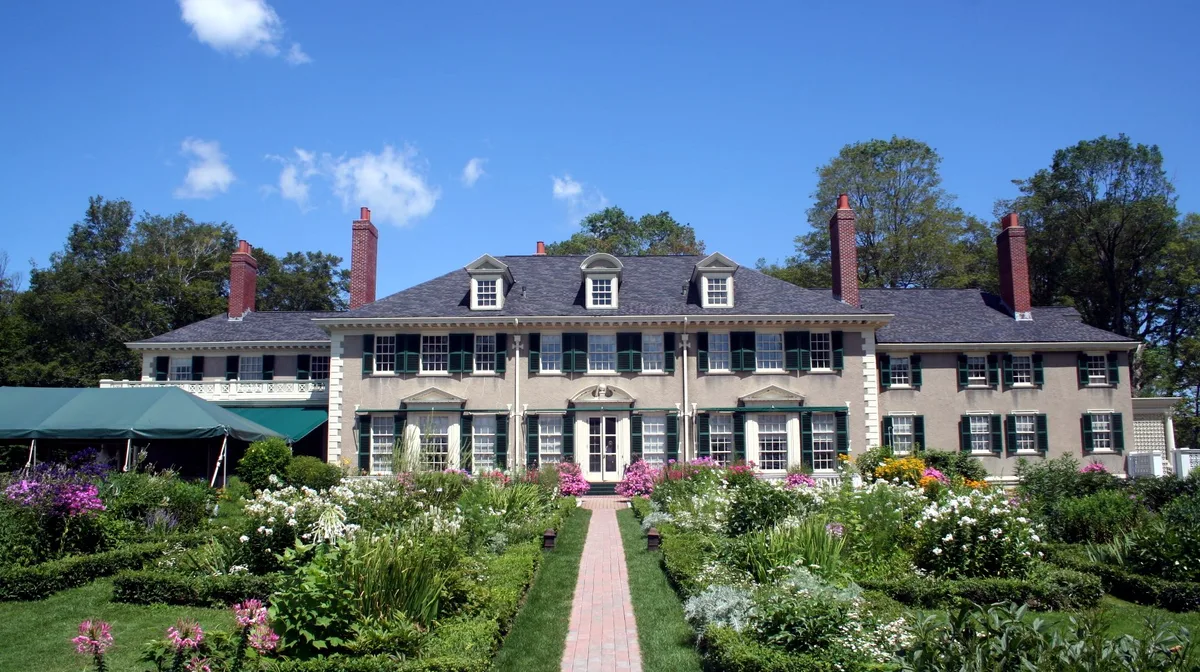
A few of the visual fingerprints we lean into when we shoot, brand and market a Manchester property — courtesy of the open Wikimedia Commons archive.
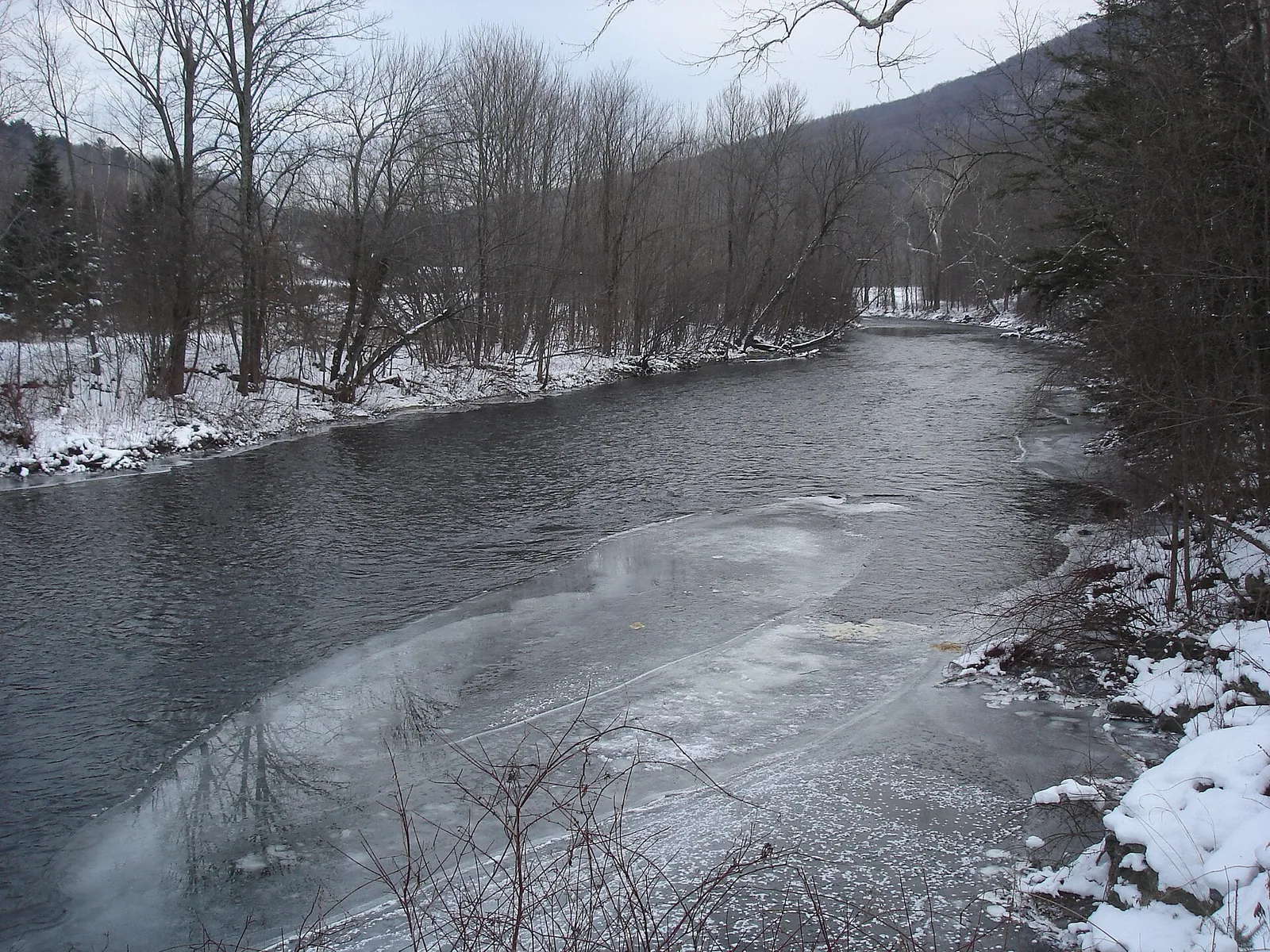
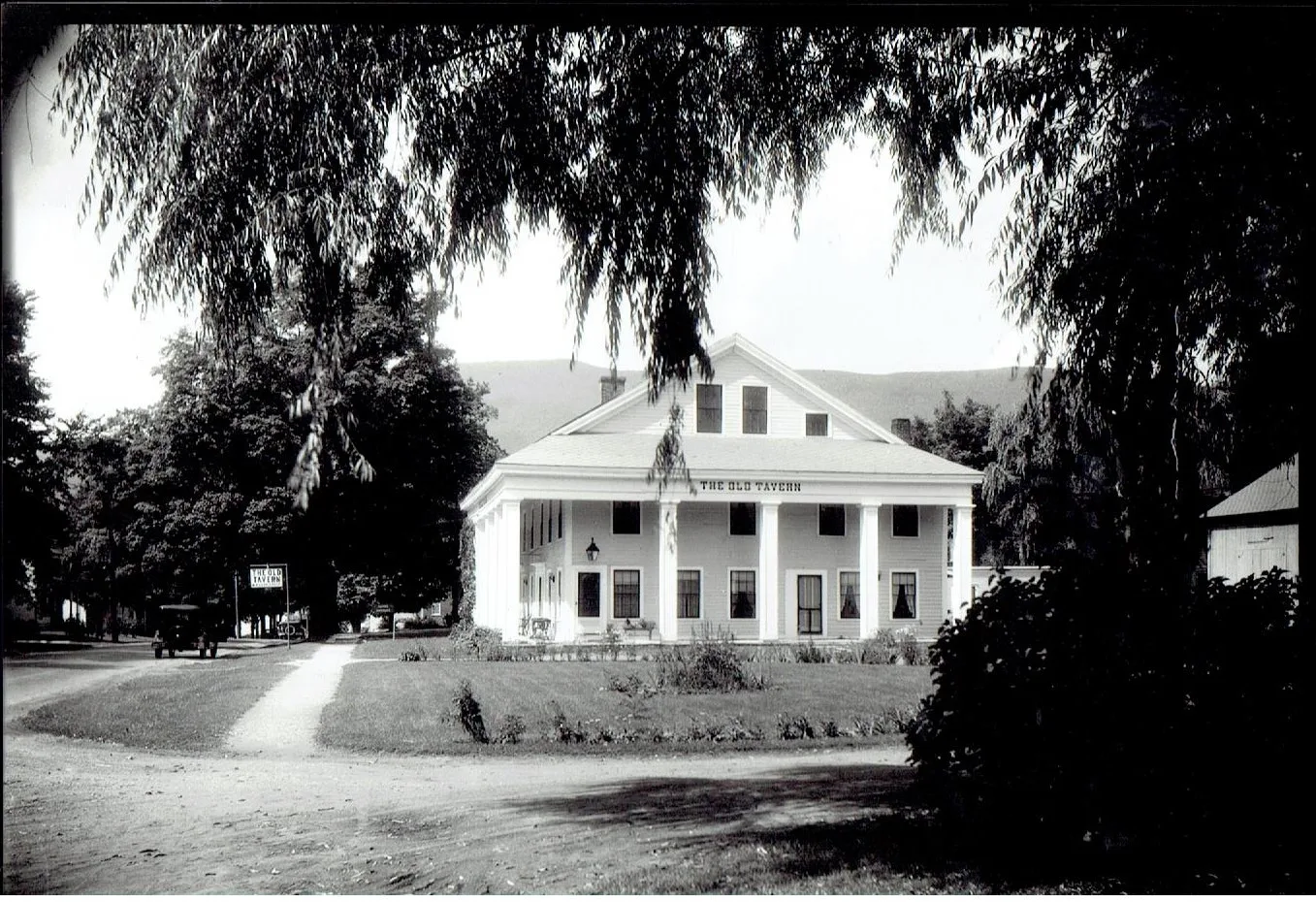
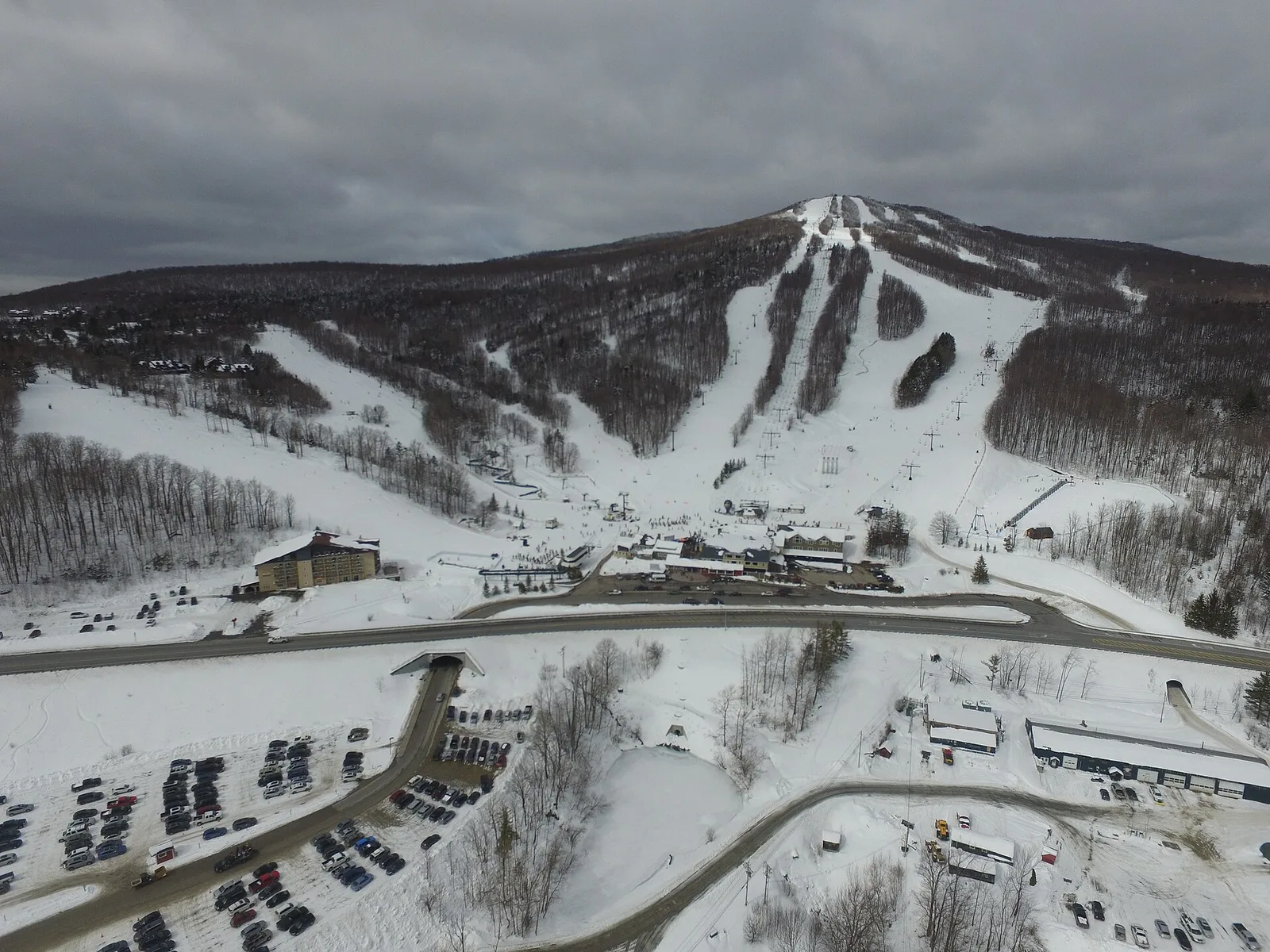
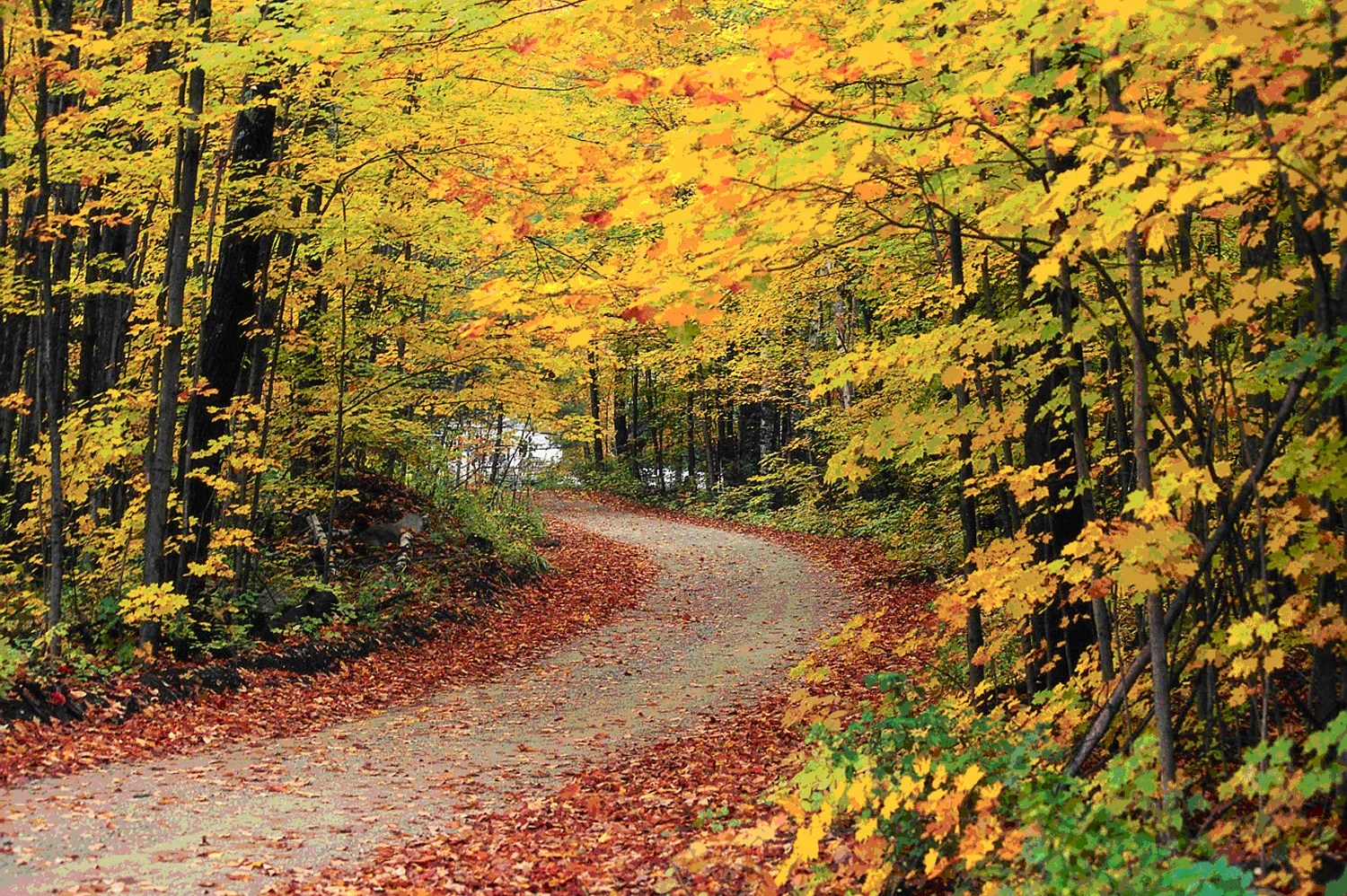
Cavmir markets Manchester properties to a guest who has options, which means the work has to be sharper than a listing dump. We photograph the property the way a good hotel photographs itself — light, sequence, one hero shot that decides the booking — and we shoot in at least two seasons, because the guest booking a January weekend will not respond to a July photograph. We write copy that names the things this valley actually has: the walk to Northshire, the drive time to Bromley, the stretch of the Battenkill you can fish from the property. We build the direct-booking site, get it visible for the foliage, ski and outlet searches that bring people here, and set up an email list so an October guest becomes a February guest. We run paid campaigns against New York, Boston, Connecticut and Westchester. We handle the state registration and tax questions as part of the setup rather than leaving them for you to discover. We help position and market your property. We never manage it or touch your keys.
Manchester has run a resort economy since stagecoach days, and the Equinox has anchored it for more than two centuries. Cavmir picks the story up from there.


Manchester has been in the visitor business longer than almost anywhere else in Vermont. There was a tavern on the green before the Revolution, and by the middle of the nineteenth century the town had become a summer resort for people escaping the heat of New York and Boston — arriving by train, staying for the season, walking the marble sidewalks that the local quarries paid for. The Equinox grew out of that tavern and has been an inn in one form or another for well over two hundred years. Charles Orvis founded his fishing tackle company here in 1856, which is why the American Museum of Fly Fishing is in this town and why the Battenkill is a name anglers know on other continents.
Robert Todd Lincoln, the president's eldest son and the only one of his children to reach adulthood, built Hildene on the ridge south of the village in 1905 and his descendants lived there until the 1970s. It is a museum now with several hundred acres of meadow and trail around it, and it anchors the cultural side of the valley. The twentieth century added skiing — Bromley opened in the late 1930s and was one of the first areas in the country to run a chairlift, and Stratton and Magic followed — which converted a summer resort into a year-round one. The last major change came in the 1980s and 1990s when designer outlets opened along Route 7A, giving the valley a shopping economy that runs regardless of season or weather. That combination, an old resort town with skiing, a legendary trout river, a serious historic house and an outlet strip, is why Manchester's rental demand is steadier across the calendar than most of Vermont's. It is also why the guest expectation here is higher than in a plain ski town.
Before the platforms, the Equinox House filled every season with families down from the hot cities, and the town laid marble sidewalks to meet them. A presidential family's patronage did the rest. The channel changed; the work is identical: presentation, positioning, and a valley that photographs the way it always has. It is the same business Cavmir is in today.


Historical images: public domain and Creative Commons via Wikimedia Commons — Mathew Brady, Harris & Ewing, Rolf Mueller, and others.
Manchester rewards presentation more than square footage, and the pricing should follow that. October is the ceiling, particularly the first three weekends, and rates can be set aggressively because foliage demand in southern Vermont exceeds supply. Winter weekends are the second tier and they move with conditions at Bromley and Stratton, holidays and school vacation weeks. Summer is a solid, steady third tier driven by families, the Dorset theatre season, the river and the road cycling. Then there are the two soft stretches every owner here has to plan for: April, which is mud season and genuinely hard, and early November between the leaves and the snow. The mistake most owners make is running a single rate with seasonal nudges. What works better is four tiers with holiday and vacation-week overlays, minimum stays that tighten on foliage and ski holidays and disappear entirely in the shoulder, and a deliberate midweek product for the remote-work and retired-couple guest who can travel Tuesday to Thursday. Because guests here compare your house against good inns and the Equinox, quality of finish and photography supports a real premium — but only if the listing proves it in the first three images.
Four seasons and only one of them is genuinely weak. Winter runs from the holidays through early March, weekend-heavy and conditions-sensitive, with school vacation weeks as reliable peaks. Spring is the hard part: mud season in April empties the valley, though fishing on the Battenkill picks up through May. Summer, June through August, is steady and family-driven with theatre, hiking, cycling and the river. Autumn is the strongest month of the year, concentrated in the first three weeks of October, and it books earlier than anything else. December brings holiday shopping and ski opening together. The two dead spots are April and the first half of November, and they are the weeks a shoulder-season strategy exists to fix.
Vermont regulates short-term rentals at the state level in a way that catches every owner, and then towns layer their own rules on top. Start with the state. Vermont law requires short-term rental operators to register with the Department of Taxes and to collect and remit lodging taxes; the statutory definition covers a furnished house, condominium, or dwelling unit rented to the traveling public for stays of fewer than thirty consecutive days, where the property is rented more than fourteen days in a calendar year. That registration is separate from and in addition to any local permit. Vermont also maintains health and safety standards for short-term rentals and requires operators to satisfy them, so confirm the current self-certification and posting requirements with the state before you list.
The tax stack changed recently and every Manchester owner should have it in their pricing. Vermont's Rooms Tax applies at nine percent. Act 183 of 2024 added a three percent short-term rental surcharge on rents collected on or after August 1, 2024, which sits on top of the Rooms Tax. Many Vermont towns have also adopted a one percent local option tax on rooms, so confirm directly with the Town of Manchester whether it applies at your address and at what rate. Booking platforms handle a portion of this on the reservations they process; direct bookings are your responsibility, which matters because direct booking is exactly what a marketing program grows.
Locally, southern Vermont towns have been actively developing short-term rental ordinances over the past several years and several neighbouring towns have adopted them. Do not assume Manchester's rules are the same as Dorset's or Winhall's, and do not rely on a summary written a year ago. Call the town offices, ask specifically about registration, zoning, parking, occupancy and inspection, and get the answer in writing before you commit to a purchase or a marketing plan.
Photograph like an inn, not like a listing. Guests here are actively comparing your house to the Equinox and to a dozen good country inns, and a phone photo of a made bed loses that comparison instantly. Invest in a proper shoot with a real sequence: exterior, the room that sells the house, the kitchen, the view, the bathroom. Second, shoot two seasons at minimum. A January guest cannot picture green trees and a July guest cannot picture snow. Third, name the drive times. Bromley in ten minutes, Stratton in thirty, the outlets in five, Northshire in three — those numbers do more work than any adjective. Fourth, sell the Battenkill honestly. If you have river access or are genuinely close to good water, that is a specific and valuable audience who travel off-season and book midweek. If you are not, say something else. Fifth, build for the mud season instead of surrendering to it. April guests exist — they are couples, they want a fire, a good book and a restaurant, and there is almost no competition for them. Sixth, treat the outlets as a real demand driver rather than something slightly embarrassing. A rainy Saturday in this valley sends everybody to Route 7A, and a guest guide that handles that gracefully saves the weekend.
Mud season is the honest problem. April in southern Vermont is genuinely difficult and no marketing fixes weather that keeps people away. Beyond that, the quality bar is high — this valley has real hotels and real inns, and a mediocre rental gets exposed here in a way it would not in a plainer market. Winter is snow-dependent and southern Vermont carries more warm-winter risk than the north. And the regulatory picture is in motion, with Vermont having added a state surcharge in 2024 and towns across the region writing local ordinances, so anything you read about the rules needs checking against the current version.
Standard homeowner's coverage does not follow you into short-term rental use, and Vermont's state-level requirements make it worth having your documentation in order. Get a dedicated short-term rental policy with real liability limits. In this valley the specifics are winter, water and old buildings. Winter: frozen pipes in an empty house at Vermont temperatures are the classic claim, and carriers will ask how heat is maintained and monitored. Ice dams and roof snow load are real here too. Water: if you are on or near the Battenkill or any of the valley brooks, have a genuine flood conversation, and remember that Vermont's flooding in recent years has been driven by rain events rather than coastal surge. Old buildings: this town has a lot of nineteenth-century housing stock with old wiring, wood heat and steep stairs, all of which the carrier needs to know about. Ask for guest injury, guest property damage and loss of rental income to be spelled out in the policy language.
The Vermont stack is straightforward once you know it. Register with the Vermont Department of Taxes as a short-term rental operator. The state Rooms Tax is nine percent. Act 183 of 2024 added a three percent short-term rental surcharge on rents collected on or after August 1, 2024, layered on top of that. Many Vermont municipalities also levy a one percent local option tax on rooms, so confirm with the Town of Manchester whether it applies to your address. That means the total tax a guest sees on a Manchester booking is materially higher than the headline nine percent, and pricing that ignores it will read as a surprise at checkout. Booking platforms remit on the reservations they process; anything booked directly is your obligation to collect and remit on the state's schedule. Because a marketing program is designed to grow direct bookings, register before you turn that on rather than after. Your accountant should also review how personal use and rental days interact for your situation.
Manchester is a higher-price market than most of Vermont and financing reflects that. Second-home lending is common here and is meaningfully cheaper than investment-property lending, so the intended-use question matters to your numbers. The friction points are the housing stock and the utilities: nineteenth-century houses bring appraisal questions on heating systems, roofs, foundations and old wiring, and rural properties on well and septic need inspections scheduled early because Vermont's inspector availability is genuinely limited in peak months. Condominium and association properties at the ski areas can carry rental restrictions that a lender will want to see, and some association projects are non-warrantable for conventional financing. Debt-service-coverage lending is available for buyers scaling past one property. Whatever the route, build the real tax stack into the model — nine percent rooms tax, the three percent state surcharge, any local option tax — plus a mud-season assumption that reflects April actually being empty rather than an annual average that hides it.
The most immediate thing to watch is the regulatory layer. Vermont added a state surcharge in 2024, maintains an operator registry, and towns across southern Vermont have been adopting local ordinances in waves. Manchester's own rules deserve checking annually rather than assumed. Beyond that, three trends favour this valley. Remote and hybrid work has made midweek stays a genuine product in a town three to four hours from New York and Boston, and Manchester has the infrastructure — connectivity, restaurants, shops — to support it in a way a pure ski village does not. The outlet economy keeps the town busy in weather that would empty a mountain destination. And the Battenkill and the trail network give the valley an outdoor identity independent of snow, which matters because warm-winter risk in southern Vermont is a real long-run issue. The owners who will do best here are the ones treating this as a four-season town with two soft months, rather than a ski market with a summer bonus.
Manchester is a town with marble sidewalks, which tells you most of what you need to know about it. The quarries were local, the money was old, and the place has been receiving visitors since before the Civil War without ever quite becoming a tourist town. There is a village green with an inn on it that has been an inn for two hundred years, a mountain behind it with a monastery on top, and a trout river running through the valley that people fly here from Europe to fish. Then there is the other Manchester, three minutes north, where the outlets are, which is unglamorous and enormously useful — it is what fills a rainy Saturday and what makes this town work in weather that would kill a pure ski destination. Twenty minutes away are Bromley and Stratton and the Green Mountains. Ten minutes the other way is Dorset with a quarry you can swim in and a summer theatre that has been running for decades. What we like about marketing here is that the bar is high and that is an advantage. Guests are comparing your house to good inns, which means presentation quality translates directly into rate. In markets where everything is a cabin, better photography only helps so much. Here it is the whole game. And the calendar has two soft months rather than six, so an owner who builds a midweek and shoulder-season strategy has a genuinely strong year-round business rather than a seasonal one.
A great property in Manchester doesn't just want a listing — it wants a point of view, an audience, and a brand the city itself would recognise.
Eight things to put in the guest guide. Real names, real drive times — this is the stuff that turns a good stay into a review.
Marble sidewalks, old houses, the Equinox at one end and the mountain behind it. Walk it before the traffic starts on 7A and you understand the town in ten minutes.
There are a handful of serious kitchens here and they fill on foliage and ski weekends. Tell guests to reserve when they book, especially any Saturday in October.
One of the most storied trout rivers in the country, and the reason Orvis started here in 1856. Even non-anglers should be sent to the fly-fishing museum in town for half an hour.
The bookstore is a genuine institution and can absorb an hour easily. The outlet strip north of the village handles the rest of the afternoon without anyone getting wet.
Robert Todd Lincoln's house and its meadows, with the gardens coming in and none of the October crowds. The walk out across the property toward the valley is the part people remember.
Ten minutes north, an old marble quarry filled with cold clear water that locals have been swimming in for generations. Free, unsupervised and best on a hot afternoon.
A private toll road climbing more than five miles to the summit, owned by the Carthusian monastery on the mountain. Clear-day views into four states. Not a cheap ticket, worth it once.
Bromley for families and beginners, Stratton for the bigger mountain and the village, Magic for people who want steeps and no crowds. Give the drive times and let them choose.
Guests who find a Manchester rental on Airbnb search its name afterwards, and the page they should land on is the owner’s own site. Cavmir builds vacation rental websites of 40 to 125 pages in the owner’s brand. For a home that only lists on Airbnb, that is a website for your Airbnb: your name and domain, your photos, your area guides and your reviews, with a button that sends guests to the listing. For homes on Hostaway, Guesty or Hospitable it is a direct booking website: live availability and prices from the PMS, the whole stay priced before checkout, and the booking completed in the PMS. Both start from the same vacation rental website design, run the TrollBuster™ compliance scan before launch, and are yours at launch: domain, code, content and photos.
The guide pages of a Manchester site can start with the picks on this page: The green in Manchester Village at seven, A proper dinner in the village and The Battenkill. Each one is a search a guest makes before choosing a home, and each becomes a page that leads to the booking button.
Packages start at $1,475 for the Starter Website (40 pages, two to three weeks) and run to $3,732 for Full with Direct Booking (125 pages, booking synced with your PMS); the current prices are on the pricing page.
A few composite engagements, drawn from how Cavmir typically works with owners in an upmarket four-season town. Illustrative rather than any one client's file.
Beautiful property, phone photography, and a listing competing on price against houses fifteen minutes out on back roads.
Full reshoot in autumn and winter with a proper image sequence, rewrote the copy around walkability and the village rather than generic Vermont language, and built a direct-booking site with an email list segmented by season.
The property moved out of the price comparison and into the inn comparison, holding higher rates on foliage and holiday weekends with more of those bookings arriving direct.
A serious fly-fishing property whose listing never mentioned the river, so it was booking as an ordinary rural house at ordinary rates.
Repositioned entirely around the Battenkill with photography of the water and the access, built landing content aimed at anglers, and priced spring and autumn midweek separately for a guest who travels off-peak.
A specific, motivated audience began finding the property directly, filling midweek and shoulder dates that had previously sat empty around the weekend business.
Marketed as a winter-only property and effectively dark from April to November, with the owner treating eight months as unavoidable dead time.
Built a second summer position around hiking, cycling, the theatre season and the outlets, with separate photography and copy, and ran targeted campaigns into the shoulder months rather than only the ski season.
Summer and early-autumn occupancy became a real contributor instead of an afterthought, without changing anything about the winter business.
Demand in Manchester peaks around October and runs quietest around March through April. Here is how the year actually books — and what to do about each stretch of the calendar.
The first three weekends of October are the ceiling, and southern Vermont foliage demand exceeds supply, so price with confidence and set minimum stays early. Christmas through New Year and the school vacation weeks are the winter equivalent. Have the listing photographed for both seasons before September.
May, June and September are solid and under-priced, carried by fishing on the Battenkill, the Dorset theatre season, cycling and the outlets. Late November before the snow is soft but workable with a holiday-shopping angle. Midweek converts here better than in most of Vermont because the town has real infrastructure for it.
April is genuinely hard — mud season empties the valley — and the first half of November is close behind. Discount honestly, offer longer stays to couples who want a fire and a book, and use the window for maintenance and a winter reshoot.
October weekends and the Christmas stretch book earliest, several months out. Ordinary ski weekends move on conditions and can go inside two weeks. Summer runs on a three to six week window and mud season is last minute.
Two and three-night weekends dominate, with week-long stays over the holidays and school vacations. Midweek is a real and growing product because the town supports remote work better than a pure ski village.
Well-finished houses and cottages within walking distance of Manchester Center or the village green outperform bigger properties on back roads, because guests here are buying comfort and location rather than square footage. River-frontage properties are a distinct product for anglers and should be marketed as such. Presentation quality supports a genuine premium in a market with this many good inns.
Start with photography that shows what a guest actually gets here, then write the listing around a real itinerary rather than a feature list. Build a direct-booking site so returning guests can come back without going through a platform, and keep an email list segmented by season so you can reach last year's visitors before the calendar opens. Local search matters more than people expect in a market this size, because guests search the destination and the attraction rather than the word rental. A marketing agency layer handles the photography, the listing copy, the direct-booking site and the local SEO as one system instead of four disconnected jobs.
October is the peak, concentrated in the first three weekends, and southern Vermont foliage demand exceeds the supply of good rentals. Winter is the second season on Bromley and Stratton, with the holidays and school vacation weeks strongest. Summer is steady and family-driven, and April is the one genuinely difficult month.
Foliage weekends and the Christmas stretch book several months ahead. Ordinary ski weekends move on conditions and often go inside two weeks. Summer runs on a three to six week window. The practical discipline is having October priced and photographed by late summer, because that guest decides early.
New York, Boston, Connecticut, Westchester and Albany account for most of it, and nearly everyone drives — three to four hours from two very large metros is the market. A small share flies into Albany or the regional airports. Advertising is most efficient when it is geo-targeted at those specific metros rather than spread across the Northeast.
Presentation quality above all, because guests here are comparing your house to the Equinox and to several very good inns. A real fireplace, somewhere to store and dry ski gear, and a kitchen worth cooking in do the most work. Walkability to the village supports a premium. If you have Battenkill access, that is a distinct and valuable audience — say so plainly rather than burying it.
Run your Airbnb, Vrbo, or website through Cavmir's free grader. It checks the things that decide whether guests book in Manchester — photos, listing copy, page speed, local search — and shows you where bookings leak. Takes about a minute, and there's no sales call attached.
If the report says your booking engine is the weak link, that's fixable: a direct-booking website of your own means repeat guests stop paying platform fees to come back to you. That's the work Cavmir does — see Airbnb website design in Manchester.
Send us the listing and we'll tell you what we'd change. Not a pitch deck — a straight read on your photos, your title, your rates against the Manchester comp set, and whether a direct-booking site would pay for itself.
You'll hear back from a person, usually inside one business day. If we don't think we can move your numbers, we'll say so. Cavmir is a short-term rental marketing agency — we position and market properties, we don't manage them.
Talk to Cavmir today. We'll show you exactly what your Manchester property is leaving on the table — and how fast we can change that.
Book a Free Strategy CallPhotography via Wikimedia Commons (images resized and cropped): Hildene manchester vermont 2006 by Rolf Müller (CC BY-SA 3.0) · C. unknow by e in old 1920'a 30's by Mhbrandt (CC BY-SA 4.0) · Bromley Mountain aerial by Jared C. Benedict (CC BY-SA 4.0) · Equinox Hotel Manchester Village Vermont by Rolf Müller (User:Rolfmueller) (CC BY-SA 3.0) · Manchester Village Vermont by Skeezix1000 (CC BY-SA 3.0).
