$450
Avg. Nightly Rate
45%
Avg. Occupancy Rate
$5,600
Avg. Monthly Revenue
4-6%
Est. Cash-on-Cash ROI
HIGH
Seasonality
HEAVY
Regulatory Burden

* Market averages. Properties marketed by Cavmir typically exceed these figures by 25–45%. Data sourced from AirDNA, STR market reports, and Cavmir internal analytics.

The Market

Why Woodstock is One of the World's Premier STR Markets

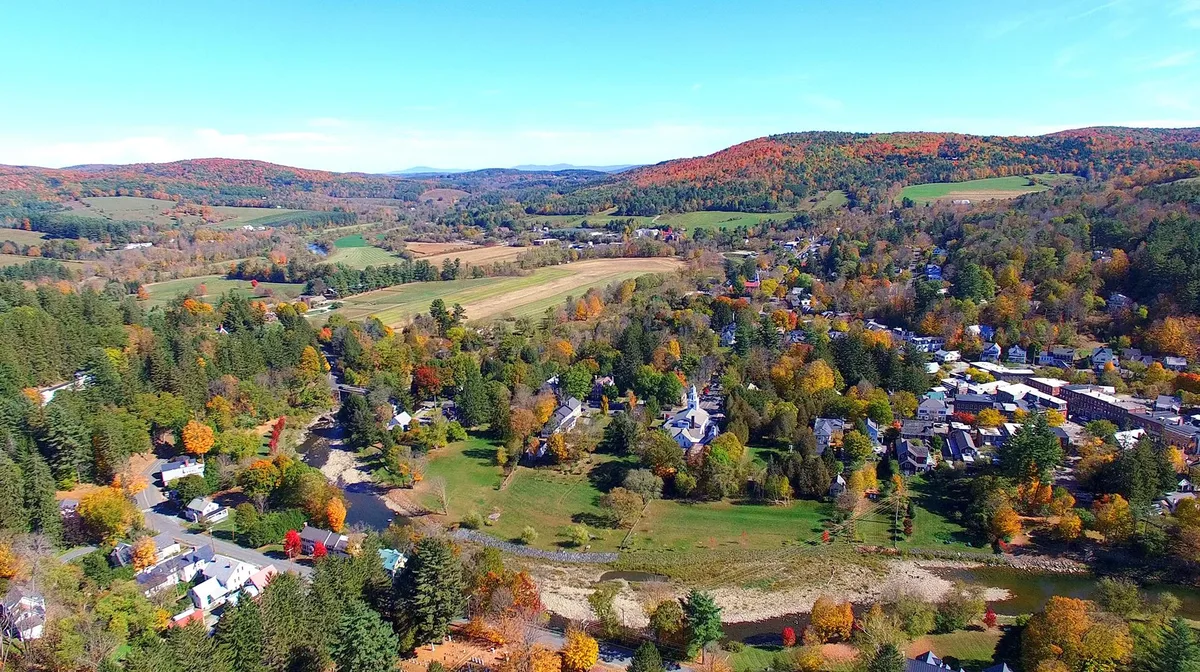
Woodstock is the village every New England postcard is trying to be — a shire town of about three thousand people on the Ottauquechee River, with a photogenic Green, a working covered bridge in the middle of the village, and a level of polish that has a specific explanation: Rockefeller money, spent deliberately over half a century. Laurance and Mary French Rockefeller rebuilt the Woodstock Inn in 1969, paid to bury the village's power lines, opened Billings Farm & Museum in 1983, and donated the mansion and forest that became Marsh-Billings-Rockefeller National Historical Park, the only national park in Vermont. The result is a foliage economy of national rank — come late September, the hills around Woodstock and neighboring Pomfret draw crowds heavy enough that the towns have closed Cloudland Road, home of the endlessly photographed Sleepy Hollow Farm, to non-residents during peak color in recent years. The town answered the platform era just as firmly: a 2024 ordinance put every short-term rental on an annual registration with hard caps by category, and the tax stack runs 10% once Woodstock's local option is added to Vermont's 9% rooms tax. Underneath sits a durable four-season market — Killington's lifts half an hour west, Saskadena Six ten minutes north, Wassail Weekend filling the village each December — and an inn tradition that fits a six-suite, adults-only playbook better than almost anywhere in the state.

Woodstock demand is a foliage market with three genuine supporting seasons. The anchor is late September through mid-October, when the village books out at the year's top rates, anniversary couples and photographers pay what the calendar asks, and the overflow fills farmhouses in Pomfret, Barnard and Quechee. Summer runs steady on weddings, Billings Farm, the national park and the Covered Bridges Half Marathon, which sells out in minutes each June. December has a real floor because Wassail Weekend's horse-drawn parade fills the village mid-month and Killington's holiday weeks spill east down Route 4; ski weekends carry January and February at honest winter rates. Blended nightly rates run around $450 with occupancy in the mid-40s across roughly 160 listings — premium numbers shaped by a hard April mud-season trough and a quiet November stick season. Supply is now capped by ordinance, which changes the competitive math: with registrations limited townwide by category, a permitted Woodstock listing competes in a market that cannot flood the way open towns can. Entry prices are among Vermont's highest — this is estate country, and buyers pay for the polish — so the yield story rewards owners who stretch the calendar past October rather than living off it, and it rewards the small-inn model most of all.

Top Attractions & Landmarks

  • Billings Farm & Museum
  • Marsh-Billings-Rockefeller National Historical Park
  • Quechee Gorge
  • VINS Nature Center
  • Saskadena Six
  • The Woodstock Inn & Resort
  • Middle Covered Bridge

Nearby Markets: Killington  |  Stowe  |  The White Mountains

Airbnb marketing services in Woodstock, Vermont, USA
Postcards

Woodstock through the lens

A few of the visual fingerprints we lean into when we shoot, brand and market a Woodstock property — courtesy of the open Wikimedia Commons archive.

Quechee gorge vermont — Woodstock airbnb marketing
Local Color
Quechee gorge vermont
Country Store, Taftsville, Vermont — Woodstock airbnb marketing
Local Color
Country Store, Taftsville, Vermont
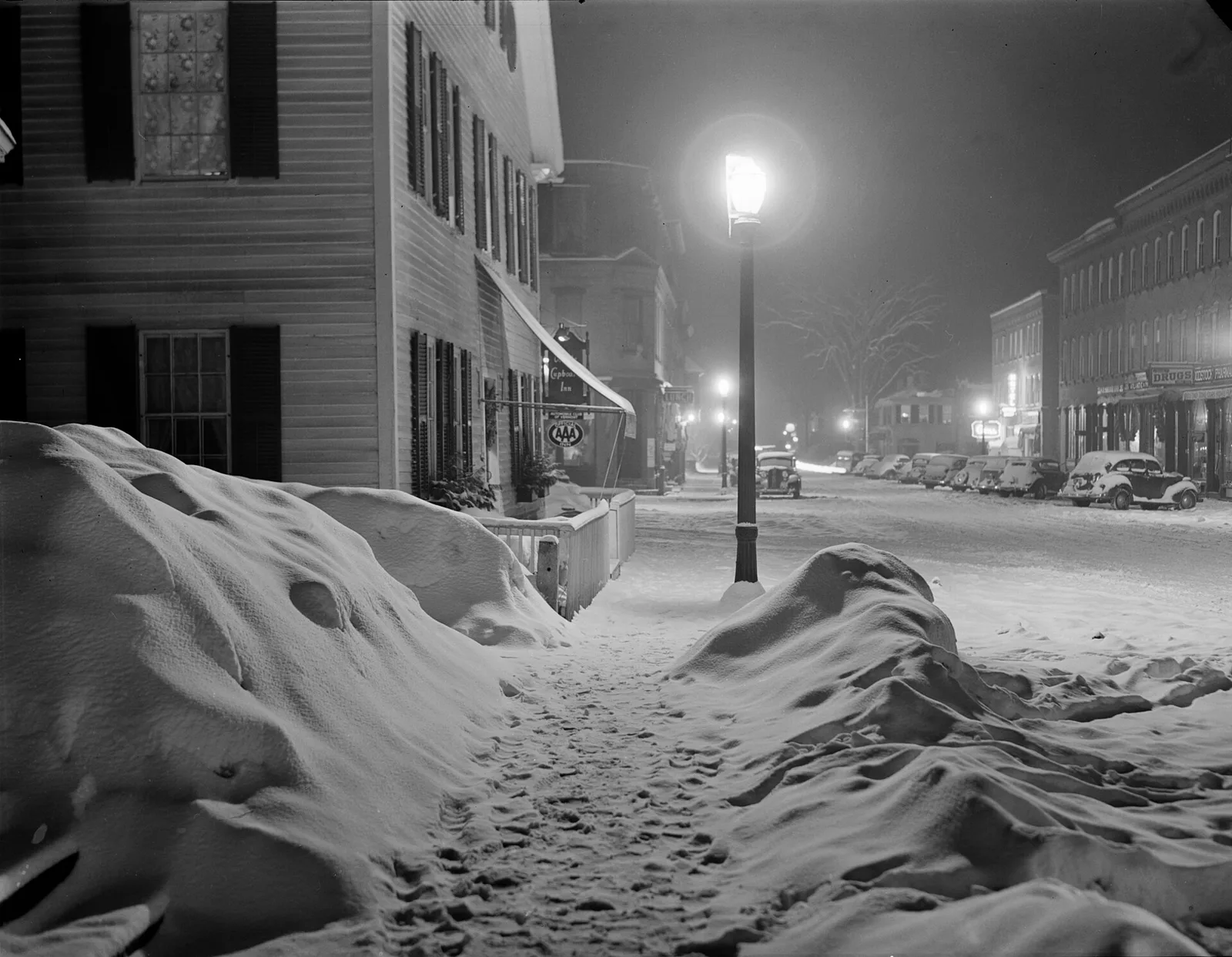
Woodstock Wolcott snowy night — Woodstock airbnb marketing
Local Color
Woodstock Wolcott snowy night
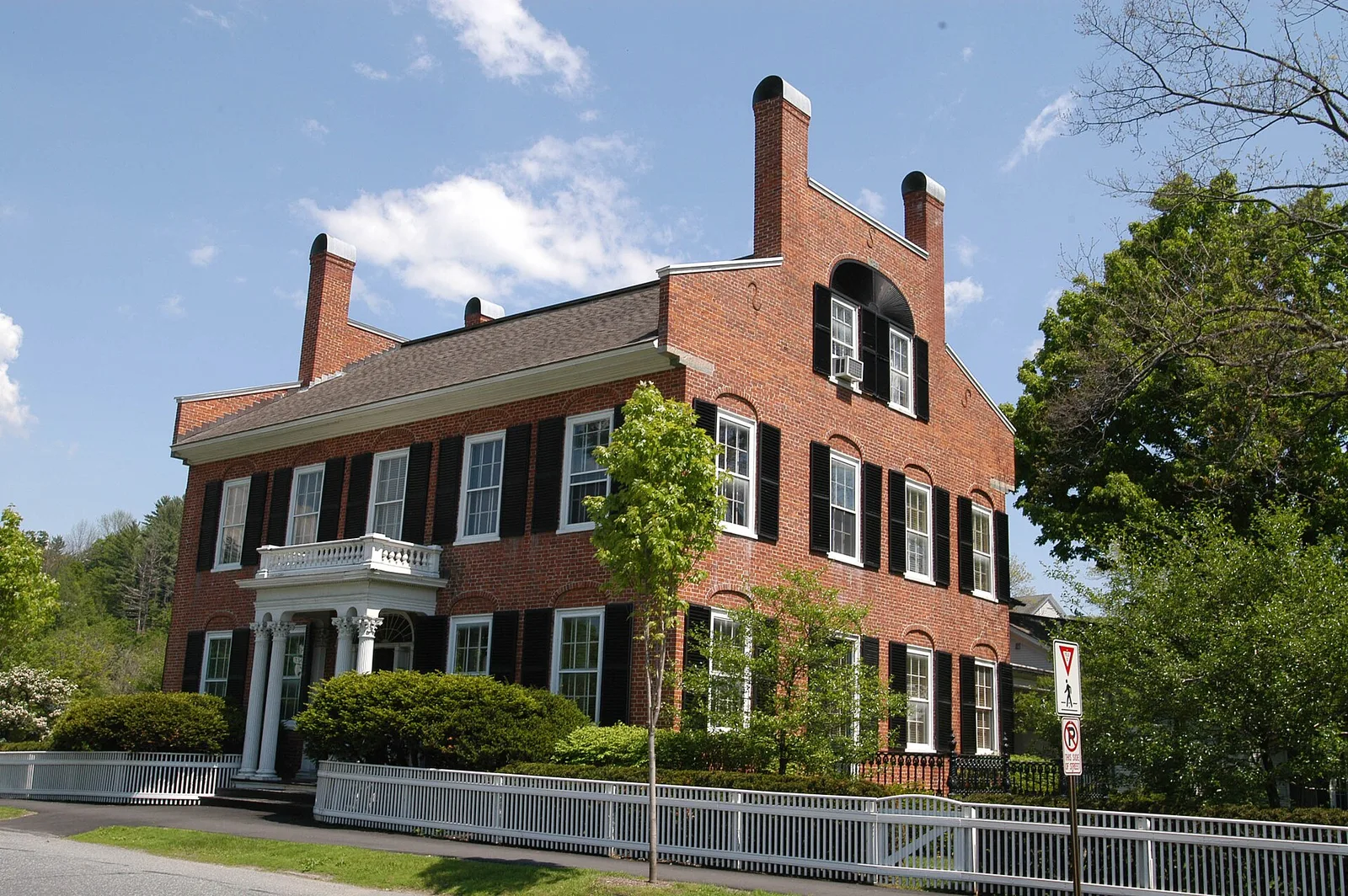
WOODSTOCK VILLAGE HISTORIC DISTRICT — Woodstock airbnb marketing
Local Color
WOODSTOCK VILLAGE HISTORIC DISTRICT
Why Cavmir

The Cavmir Advantage
in Woodstock

Cavmir wins in Woodstock because the market's scarcity is real and almost nobody markets it. A capped registration is a competitive asset, so we make yours visible — in a town that limits rentals and fines the unregistered, demonstrably legal wins the cautious New England guest. We shoot your property, not the postcard, because the postcard is closed: Sleepy Hollow Farm's road shuts to visitors at peak, and the listing that routes guests to the legal viewpoints — Mount Tom's carriage roads, the Middle Bridge at first light, Billings' pastures — reads like a local and converts like one. We price the published calendar: foliage weeks opened early at rates that respect the crush, Wassail Weekend, the June half marathon, Apples & Crafts weekend, Killington's holiday spillover. We build the winter case most listings ignore — thirty minutes to Killington, ten to Saskadena Six, a fireplace photographed lit — because a foliage-only calendar wastes a four-season town. And for Woodstock's inns and guesthouses we build adults-only positioning and direct-booking websites with repeat-guest programs, because this market's couples come back annually for decades and every anniversary rebooked on your own site is a commission you keep. We help position and market your property. We never manage it or touch your keys.

State of the Industry · History

The Woodstock STR Market — Past & Present

Woodstock was chartered in 1761 and grew into the shire town of Windsor County — the courthouse-and-commerce village where lawyers, publishers and bankers built the Federal and Greek Revival houses that still ring the Green. Its modern character, though, is the work of three families across two centuries, and the town itself tells the story in order. George Perkins Marsh, born here in 1801, watched Vermont's hills logged bare and wrote Man and Nature in 1864, the book that effectively founded American conservation. Frederick Billings, a local boy who made a fortune in Gold Rush law and then railroads, bought the Marsh place in 1869 and turned it into a demonstration: a scientific dairy farm from 1871 and a Mount Tom replanted in tens of thousands of trees. His granddaughter Mary French married Laurance Rockefeller, one of the twentieth century's great conservation philanthropists, and the couple spent decades polishing the town — rebuilding the Woodstock Inn in 1969, paying to bury the village's power lines, opening Billings Farm & Museum in 1983, and donating the mansion and 555 acres of Mount Tom forest to the nation in 1992. Marsh-Billings-Rockefeller National Historical Park opened in 1998, the only national park in Vermont, dedicated to the history of conservation itself.

Skiing was born here too. In January 1934, on Clinton Gilbert's farm just north of the village, a rope tow powered by a Model T Ford engine hauled the first lift-served skiers in America uphill; Suicide Six opened nearby two years later and — renamed Saskadena Six in 2022, from the Abenaki for standing mountain — still runs as the Woodstock Inn's home hill. The 2020s brought a stranger kind of fame: Instagram and TikTok turned Sleepy Hollow Farm on Cloudland Road into a pilgrimage site, the crowds overwhelmed a narrow dirt road, and Pomfret and Woodstock began closing Cloudland and Barber Hill roads to non-residents during peak foliage. In May 2024 the town adopted a short-term-rental ordinance with annual registration and hard caps. The through-line for owners is plain: this town has managed its beauty deliberately for a century and a half, and it expects its rental economy to operate the same way.

Pricing Strategy & Seasonality

Pricing, Seasonality & When to Capture ROI

Pricing Strategy

The rate map radiates out from the Green. The village core — the walkable blocks around Elm, Central and Pleasant streets — earns the premium: guests pay real money to step out of a Federal-era house and be photographing the Middle Covered Bridge before coffee. The Pomfret and Cloudland hills north of town are estate country — restored farmhouses, long pasture views, the postcard roads themselves — and they command foliage-season rates that lead the market, with the caveat that peak-season road closures near Sleepy Hollow Farm need honest handling in the listing. South Woodstock is horse country around the Green Mountain Horse Association grounds, quiet, moneyed and event-driven; Quechee, ten minutes east, runs the family middle with the gorge, VINS and club amenities at friendlier buy-ins; and the Route 4 corridor west toward Bridgewater and Killington is the value entry, where ski traffic does the winter work. Blended nightly rates run around $450 with occupancy in the mid-40s across roughly 160 listings — the profile of a market that sells out its October and sleeps through its April. The ordinance caps reshape the competition: supply cannot flood, so presentation, not price-cutting, is how listings win here, and the premium product — the six-suite inn, the estate farmhouse — captures demand that has nowhere else to go.

Seasonality & ROI Windows

Foliage is the main event — late September through mid-October books out first and prices highest, with the Apples & Crafts Fair stacking the middle weekend. Summer runs steady on weddings, the farm and the park, opened by the Covered Bridges Half Marathon in early June. December has a genuine floor: Wassail Weekend fills the village mid-month, and Killington's holiday weeks spill east. January and February are ski-weekend months; March fades, April is mud season and the honest trough, November the quiet stick-season pause. The smart calendar opens foliage early at real rates and works the winter instead of writing it off.

Regulation & Licensing · 2026

What the Law Requires in Woodstock

Woodstock regulates short-term rentals in earnest, and the structure rewards the organized. The town's ordinance, adopted in May 2024 with registrations effective from January 1, 2025, requires every short-term rental to hold an annual registration, filed and renewed through the town's online GovOS portal — and it caps the program: on the order of 55 owner-occupied and 50 non-owner-occupied registrations townwide, with preexisting rural and multi-unit operators handled under their own grandfathering rules and a general limit of one rental per registrant. New short-term rentals in some districts also need conditional-use approval from the development review board before hosting, and fines for operating unregistered start at $500. The village and the surrounding town have coordinated but distinct rules, so which district your address sits in matters — confirm the current caps, categories and queue with the planning and zoning office before you buy, because a capped program means availability is never guaranteed.

The tax stack is simple and unavoidable: Vermont's 9% rooms tax applies to stays under 30 days, Woodstock adds its 1% local option, and the combined 10% should be priced into the rate card. Register with the Vermont Department of Taxes; platforms collect on their bookings, but direct bookings file through your own meals-and-rooms account, and Vermont has periodically debated a statewide rental registry, so watch Montpelier. One more local reality: during peak foliage the towns have closed Cloudland and Barber Hill roads to non-resident traffic, with the county sheriff enforcing. Brief your guests honestly about where they can and cannot photograph — the town takes overtourism seriously, and the operators who respect that stay welcome.

Market-Specific Tips & Challenges

Local Tips & Unique Market Challenges

Tips That Actually Move Revenue in Woodstock

The Woodstock strategic tip: market the scarcity. A capped registration in a nationally famous town is a moat, and almost nobody treats it as one — make yours visible, because the demonstrably legal listing wins the cautious guest in a town that fines the rest.

Tactically: first, understand that October is won in July — the foliage crush books months out, so open the peak weeks early at rates that respect them and hold multi-night minimums, because the demand will meet you. Second, shoot your own postcard: Sleepy Hollow Farm is closed to the crowds at peak, so a listing whose gallery delivers the fantasy on its own property — the maple over the porch, morning fog in the pasture, the lit fireplace — captures the demand the famous farm can no longer host, and a guide that routes guests to Mount Tom's carriage roads and the Middle Bridge converts hesitant bookers. Third, build the winter case: name the drive times to Killington and Saskadena Six, photograph the snow, price Wassail Weekend like the event it is, and December through February stops being dead calendar. Fourth, write to couples — this is an anniversary market, and the adults-only, six-suite positioning that struggles elsewhere is native here. Fifth, build the direct channel around the annual return: the couple who came for foliage this year is statistically coming next year, and a September email with a returning-guest rate turns one commission into a decade of Octobers.

Unique Woodstock Challenges

The trade-offs are structural: entry prices are among Vermont's highest, blended occupancy in the mid-40s punishes anyone who buys on July math, and April and November are honestly quiet. The registration caps that protect incumbents also gate new entrants — availability within the categories is never guaranteed, and conditional-use review adds time. Foliage brings crowd-management friction, from closed photo roads to full parking, that owners must brief guests through. And winter depends partly on Killington's snow. This is a market that pays professionals and humbles hobbyists.

A Curious Woodstock Fact
Lift-served skiing in America began on a Woodstock sheep pasture. In January 1934, a group of winter-sports enthusiasts rigged an endless rope around the wheel of a Model T Ford engine on Clinton Gilbert's farm hill just north of the village and charged a dollar a day to ride it — roughly nine hundred feet of rope and about $500 in parts, and suddenly the United States had its first ski tow. The contraption set off the rope-tow era that built New England skiing, and its direct descendant still spins ten minutes away: Suicide Six opened in 1936 and was renamed Saskadena Six in 2022 — Abenaki for standing mountain, chosen with the Nulhegan Band of the Coosuk-Abenaki Nation — making it one of the country's oldest continuously running ski areas, now the Woodstock Inn's home hill. A state historical marker on Route 12 quietly marks the pasture where a farm-truck engine started an industry.
Finance Essentials — Woodstock
🛡️

Insurance

Underwriting here is classic New England with a premium-property accent. The housing stock is old — Federal and Greek Revival village houses, hill farmhouses with wood stoves and steep winter driveways — so carriers care about heating systems, chimney maintenance, roof condition and ice-dam history, and replacement cost on historic detail routinely surprises new owners. Short-term-rental operations need proper STR or landlord coverage with liability sized for hot tubs, fireplaces and winter steps; homeowner policies quietly exclude commercial hosting. Estate and farm parcels add outbuildings, ponds and trails worth scheduling correctly. Wildfire and flood exposure are modest, but spring melt along the Ottauquechee makes water intrusion a real claim category. Use a Vermont broker who writes Windsor County inns and farmhouses routinely, and document everything before the first guest.

🧾

Property & Income Tax

Short stays under 30 days owe Vermont's 9% rooms tax plus Woodstock's 1% local option — a combined 10% that owners should price into the rate card rather than absorb. Registration with the Vermont Department of Taxes is required; platforms collect and remit on their bookings, but direct bookings — the ones a good website earns you — file through your own meals-and-rooms account on the state's schedule. Stays of 30 days or more generally fall outside the rooms tax. Rental income then faces federal and Vermont income tax, and the town's education and municipal property taxes are a real carrying cost at Woodstock valuations. Rates and rules move — treat these as planning figures and confirm the current stack with your accountant.

🏦

Mortgages & Financing

Woodstock financing is premium-market financing. Village houses and hill estates regularly price past conforming limits into jumbo territory, second-home and investment loans both close here, and DSCR products work when documented foliage and holiday income supports them — though underwriters will notice a mid-40s blended occupancy, so bring the seasonal revenue story in writing. The frictions are old-house classics: thin comps on distinctive properties, appraisers stumped by farm parcels and outbuildings, wells and septic narrowing the lender pool, and knob-and-tube-era systems that inspections flag. The six-suite inn play typically routes through commercial or SBA lending rather than residential paper, and regional Vermont and New Hampshire banks handle all of these files better than national desks. The strategic note: this market's trough is real, so leverage against the October you can prove, not the July you hope for.

Future Outlook · 2027 & Beyond

Where Woodstock is Headed Next

Woodstock's future is a supply-constrained premium market getting more premium. The registration caps hold inventory roughly flat while national attention keeps compounding — the town is a fixture of every foliage ranking and social feed, which is precisely why it now manages its famous roads — so permitted operators sit behind a widening moat. Watch three things: how the town tunes the ordinance as the first registration cycles mature, whether Vermont enacts the statewide rental registry it keeps debating, and how Killington's long-planned base-village investment reshapes winter demand down Route 4. The demographic tailwinds are steady — remote-work wealth keeps buying the hills, Boston and New York keep driving up, and the inn stock keeps converting to the boutique, adults-only model the market rewards. The durable play into 2027 and beyond is a registered property with a four-season calendar, photography that delivers the postcard legally, and a direct channel full of returning couples — in the town that has been managing its own beauty longer than almost any in America.

From the Desk of Sofie Sinag

Why We Love Marketing in Woodstock

Woodstock is the most disciplined beauty in New England — a town that buried its power lines, planted its mountain, capped its rentals and closes its most famous road rather than let the postcard get trampled — and that discipline is exactly what makes it a joy to market. The demand arrives on its own; the work is presentation worthy of the place, and the bar the town sets makes good work stand out. We love the scarcity math: a capped registration in a nationally famous village is the rare moat an independent owner can actually hold, and marketing it honestly — permitted, inspected, welcome — wins guests that a gray-market listing never sees. We love the guest, too: couples who have kept the same October reservation for fifteen years, who ask for the fireplace by name, who book the sleigh-ride weekend in December because they came for foliage in the fall. That loyalty is raw material for the direct-booking, repeat-guest machinery we build best.

And we love what the town teaches about the business. Sleepy Hollow Farm becoming so photographed that its road now closes at peak is the whole modern story of place-marketing in one dirt lane — attention is not the same as welcome, and the operators who thrive here route their guests to the legal viewpoints, brief them like locals and trade on trust. Add the deepest history in the state — the first ski tow in America, the only national park in Vermont, a farm museum that still milks its herd — and a four-season calendar hiding behind the October headline, and Woodstock offers what premium markets rarely do: room to out-market the competition on craft rather than budget.

Why It Matters

A great property in Woodstock doesn't just want a listing — it wants a point of view, an audience, and a brand the city itself would recognise.

Cavmir's Woodstock Cheat Sheet

The Picks We Recommend for Your Welcome Book

A few honest, insider picks for Woodstock — the kind of specifics that make a listing read like a local wrote it, because one did. Real places, no filler.

Coffee & First Light

Mon Vert Cafe, then the Green

Coffee and a breakfast sandwich on Central Street, then a slow lap of the Green while the fog burns off the hills. Guests who start the day this way understand the town by nine and forgive it nothing all weekend.

Golden Hour

Mount Tom's carriage roads

The Faulkner Trail switchbacks up from Faulkner Park to a ledge above the village — steeples, the Ottauquechee and the whole valley in evening light. It is the legal postcard, ten minutes from any door in town, and the photograph that sells a listing.

The Table Worth Booking

Simon Pearce, Quechee

Dinner above the falls in a restored mill where the glassblowers work below and the water goes over the dam outside the window. Ten minutes east, and the single most reliable special-occasion table in the region — book it for guests before they ask.

Local Obsession

Gillingham's on Elm Street

F.H. Gillingham & Sons has sold hardware, wine, maple syrup and everything between from the same storefront since the 1880s. Guests go in for a creemee-adjacent errand and come out forty dollars later; fluency in Gillingham's is fluency in Woodstock.

Rainy Day

Billings Farm & Museum and VINS

Butter-making and the dairy herd at Billings Farm, then the raptor enclosures and forest canopy walk at VINS in Quechee. Two genuine institutions within fifteen minutes — a wet Saturday here outperforms most towns' sunny ones.

Shoulder Season Secret

Wassail Weekend, mid-December

The horse-drawn parade rounds the Green in Victorian dress, the inns pour wassail, and the village does Christmas-card duty for a weekend. Book it like an event, because it is one — and it fills a December weekend most markets write off.

The View

Quechee Gorge from the Route 4 bridge

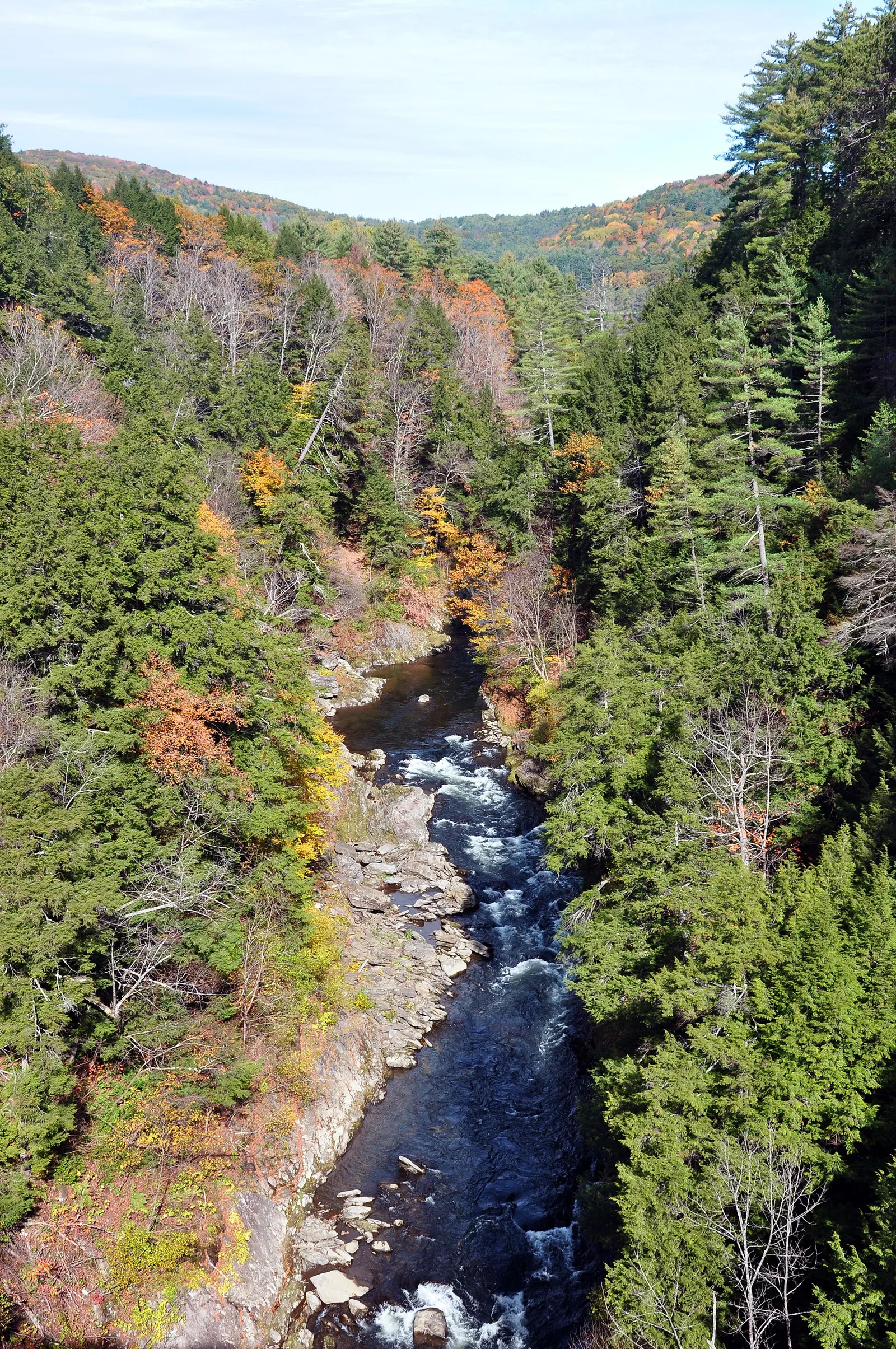
Vermont's deepest gorge drops 165 feet under the highway bridge east of town — thirty seconds from the car, vertigo included, with state-park trails if guests want to earn it. The easiest wow on the itinerary.

What Guests Ask For

The Sleepy Hollow question

Everyone arrives wanting the farm from their feed, and at peak foliage its road is closed to visitors. Answer it in the listing: explain the closure plainly, then route guests to Mount Tom, the Middle Bridge and the Pomfret ridge roads that are open — honesty here converts better than evasion.

Local Work · Composite Case Vignettes

What Cavmir Has Done for Woodstock Properties

A few composite engagements drawn from how Cavmir typically works in this market. The details are illustrative and consistent with Woodstock, not pulled from a single named client.

Six-suite inn · village edge
The Brief

A handsome Federal-era inn ran generic room listings on the OTAs — no adults-only positioning despite an adult clientele, no Wassail or foliage packaging, and a website that couldn't take a booking without a phone call.

What We Did

Cavmir repositioned it as an adults-only six-suite retreat, shot the fireplaces lit and the gardens at golden hour, built a direct-booking website with foliage and Wassail packages priced to the real calendar, and made the town registration visible on every page.

The Result

October sold out on the direct site at rates the OTAs had never carried, December stopped being a dark month, and the returning-couples list — anniversaries, mostly — became the inn's largest booking source within a year.

Hill farmhouse · Pomfret road
The Brief

A restored farmhouse minutes from Cloudland Road leaned entirely on foliage — phone photos, one flat rate, silence about the road closures that guests discovered on arrival, and an empty calendar from November to May.

What We Did

Cavmir rewrote the listing around honesty and the full year: a plain paragraph on the peak-season closures with a better-viewpoints guide, dusk photography with the pasture fog, Killington and Saskadena Six drive times, and event pricing for the half marathon, Apples & Crafts and ski holidays.

The Result

Foliage guests arrived pre-briefed and left five-star reviews instead of surprised ones, winter weekends began booking off the ski story, and the farmhouse went from a one-season listing to a four-season business.

Family house · Quechee
The Brief

A big house near the gorge marketed itself on bedroom count alone — no mention of VINS, the state park or the club amenities, no minimums on event weekends, and a rate card that ignored the marathon that ends practically next door.

What We Did

Cavmir rebuilt the copy around the family itinerary — gorge trails, the raptors, swimming, Saskadena Six's beginner slopes — set event-weekend pricing and minimums for race week and foliage, and shot the house full of light with the porch as the hero.

The Result

Race weekend booked a year out at proper rates, summer families stretched from two nights to four, and the house claimed the family-reunion niche the premium village listings were too small to serve.

Market Intelligence · Seasonality

Airbnb seasonality in Woodstock, month by month

Demand in Woodstock peaks around October and runs quietest around April. Here is how the year actually books — and what to do about each stretch of the calendar.

Peak demandSteadyQuiet

Peak season

Foliage is the national-rank crush — late September through mid-October books out furthest ahead at the year's highest rates, with the Apples & Crafts Fair stacking the middle weekend. The year's math is made in these three weeks: price them with confidence, protect them with minimums, and have the calendar set by spring.

The shoulders

Summer runs steady on weddings, Billings Farm, the national park and the Ottauquechee swimming holes, opened by the Covered Bridges Half Marathon in early June. December has a genuine floor — Wassail Weekend's horse-drawn parade anchors the holiday trade, and the village does Christmas properly. Late winter rides Killington and Saskadena Six traffic at gentler rates.

The quiet stretch

April is Vermont's honest mud month and early November its gray one — the village exhales, and so should the calendar. Take midweek and longer stays, run the maintenance list, and reshoot the property in whichever postcard season it lacks. Hold rates steady rather than discounting the town's scarcity.

Dates that fill first

Apples & Crafts Fairmid-October
The juried fair lands on peak color and stacks a craft-fair crowd onto the year's biggest weekend.
Wassail Weekendmid-December
The horse-drawn holiday parade fills the village and gives December a genuine premium weekend.
Covered Bridges Half Marathonearly June
The race sells out months ahead and opens the summer season with a booked-solid weekend.
Billings Farm seasonal festivalsyear-round
Harvest weekends, sheep shearing and holiday programs put reliable family bumps across the calendar.
Market Intelligence · Guests

Who books Woodstock Airbnbs — and how far ahead

Foliage couples on tradition
Many have kept the same October reservation for years; they book far ahead and reward fireplace-and-porch photography.
Wedding parties and guests
Summer and fall weekends at the inns and farms fill nearby homes with overflow guests booking short stays.
Ski families in orbit
Killington is close enough that village-based families trade slope-side convenience for Woodstock's dinner-and-sleigh-ride charm.
Quiet-season readers and walkers
Couples who want the green, the farm and the bookstore midweek — the trade that keeps shoulder months moving.

The booking window

Peak foliage books out months ahead, often within days of calendars opening; Wassail and the half-marathon weekend fill early; summer builds steadily; late-winter ski weekends decide close in.

Typical stays

Long weekends rule — foliage and Wassail both run two to three nights — with summer stretching to four and the odd full week. Mud-season stays skew midweek and longer.

Where guests drive from

BostonHartfordNew YorkBurlingtonAlbany

Where guests fly from

WashingtonPhiladelphiaChicago
Boston and New York split the core, with Hartford between them — the town is a drive-market classic, and foliage-window ads in both metros do the work.
Market Intelligence · What Wins

The Airbnb that wins in Woodstock

The village winner is walkable charm — a house near the Green with a fireplace and a porch — while the countryside winner is the farmhouse with views and a barn silhouette. In both, character photographed properly beats size.

Amenities that move bookings here

wood fireplacesoaking tubwalk-to-village locationev chargerfast wifipet friendly
The highest-leverage move is committing to foliage discipline — premium rates and minimums set in spring, then a September email to past guests before the platforms surge.
Straight Answers

Woodstock Airbnb marketing questions, answered

How do I market my Airbnb in Woodstock?

Lead with the village itself — the Green, the covered bridge, the farm — and match the photography to the postcard season the guest is buying. Price foliage like the national event it is, work Wassail and the half-marathon weekends by name, and keep copy plainspoken and specific. A direct-booking site with a past-guest list compounds unusually fast in a town this repeat-prone. That whole layer — photography, copy, direct booking and local search — is what Cavmir builds for hosts here.

When is peak season for Woodstock Airbnbs?

Peak foliage, late September through mid-October, is the crush — the year's math is made in three weeks. Summer runs steady on weddings and the farm, December has a real Wassail floor, and April is the honest mud month.

How far in advance do guests book Woodstock Airbnbs?

Foliage books out months ahead — the fastest calendar in Vermont — and Wassail and race weekends fill early. Summer builds steadily through spring, while ski-orbit winter weekends decide close to the date.

Where do most Woodstock Airbnb guests come from?

Boston and New York in roughly equal force, with Hartford, Albany and Burlington filling in. It is a classic Northeast drive market, and its October guests are famously loyal repeaters.

What amenities matter most for a Woodstock Airbnb?

A wood fireplace is the signature — half the winter and fall bookings turn on it. A soaking tub, a walkable village location and a porch with a view close behind, and pet-friendliness suits a town built for morning walks.

Free Tools · Websites That Book

See what your listing in Woodstock is leaving on the table

Run your Airbnb, Vrbo, or website through Cavmir's free grader. It checks the things that decide whether guests book in Woodstock — photos, listing copy, page speed, local search — and shows you where bookings leak. Takes about a minute, and there's no sales call attached.

If the report says your booking engine is the weak link, that's fixable: a direct-booking website of your own means repeat guests stop paying platform fees to come back to you. That's the work Cavmir does — see Airbnb website design in Woodstock.

What the grader measures

  • Photos and the first-impression frame
  • Listing title and copy
  • Your direct-booking website (or the lack of one)
  • Page speed and mobile experience
  • Local search and Google visibility
Grade My Listing — Free
Ready to Grow in Woodstock?

Let's Put Your Woodstock
Property on the Map

Talk to Cavmir today. We'll show you exactly what your Woodstock property is leaving on the table — and how fast we can change that.

Book a Free Strategy Call