


Coffee & First Light
Littleton's Main Street, early
Coffee at a Main Street bakery, a walk past the Thayers Inn and the riverwalk covered bridge before the day starts. Littleton mornings are the region's best-kept ordinary pleasure.

Expert short-term rental marketing to grow your bookings and nightly rate in White Mountains, New Hampshire, USA.
Sixteen services, one team. Everything below is built in-house and scoped to your property and market. Most owners start with the 12-Step System.
Every engagement is quoted to your portfolio. These are the ready-made scopes owners pick most — our Fall Special (55% off list or more) is already applied to the website, King Broker, Hotels and à la carte scopes. A clear proposal within 48 hours.
The work is public. Selected engagements and what changed — and reviews from the owners and managers behind them.
* Market averages from AirDNA and STR market reports. A single home's numbers depend on its size, its location and how it is marketed.
Cavmir is an Airbnb marketing agency. We build the brand, the direct-booking website and the marketing for short-term rentals in White Mountains.
The White Mountains are New England's roof — three-quarters of a million acres of national forest around the Presidential Range, with Mount Washington's 6,288-foot summit at the center and a necklace of small towns around the edges, each running its own version of the mountain economy. The eastern valley belongs to North Conway's outlets and Cranmore; the western side runs through Lincoln, Loon and Franconia Notch; and between and beyond them sit the towns this page is really about: Jackson with its covered bridge and cross-country network, Bartlett and Glen with Story Land and Attitash, Bretton Woods under the great 1902 Omni Mount Washington Hotel, Sugar Hill and its June lupines, Franconia, Littleton's main street, Bethlehem's galleries, Gorham at the northern gate. The infrastructure of wonder here is genuinely old — the Cog Railway has climbed Washington since 1869, the Cannon tramway was North America's first aerial lift, grand hotels survive from the era when families arrived by train for the season — and the audience keeps renewing: hikers working the 48 four-thousand-footers, leaf-peepers every October, skiers spread across half a dozen hills, and a summer trade the interstates deliver from Boston in two hours. For the owner of a chalet in Bartlett, a farmhouse in Sugar Hill or a six-room inn in Jackson, it is the deepest four-season demand pool in the Northeast.
The White Mountains run one calendar with local accents. Foliage is the regional superlative — late September through mid-October fills every town at the year's best rates, with the Kancamagus and Crawford Notch the pilgrimage routes. Winter splits by hill: Bretton Woods and Attitash anchor family ski weeks east of the Notch, Cannon pulls the hardier crowd, and the February vacation weeks are the strongest stretch everywhere. Summer is the long season — hiking above the huts, Story Land families, weddings at the grand hotels, June's lupine bloom in Sugar Hill — and spring is the trough, mud season in April and black flies behind it. Blended figures across the region run in the high $300s a night with occupancy in the low 40s, but geography sets the premiums: Jackson's inn-village character, ski-out condos at Bretton Woods and view chalets on the notches out-earn the valley-floor average, while Littleton and Bethlehem trade a little lower and rent to a quieter, more repeat-prone guest. Two structural facts favor owners. Supply is bounded — the national forest can't be subdivided, so the beds sit in a thin ring of towns around a demand engine that isn't going anywhere. And the drive market is enormous: Boston, southern New Hampshire, Connecticut and New York all reach the Whites without a flight, which keeps the booking base broad, seasonal and loyal.
Nearby Markets: Lincoln | North Conway | Lake Winnipesaukee
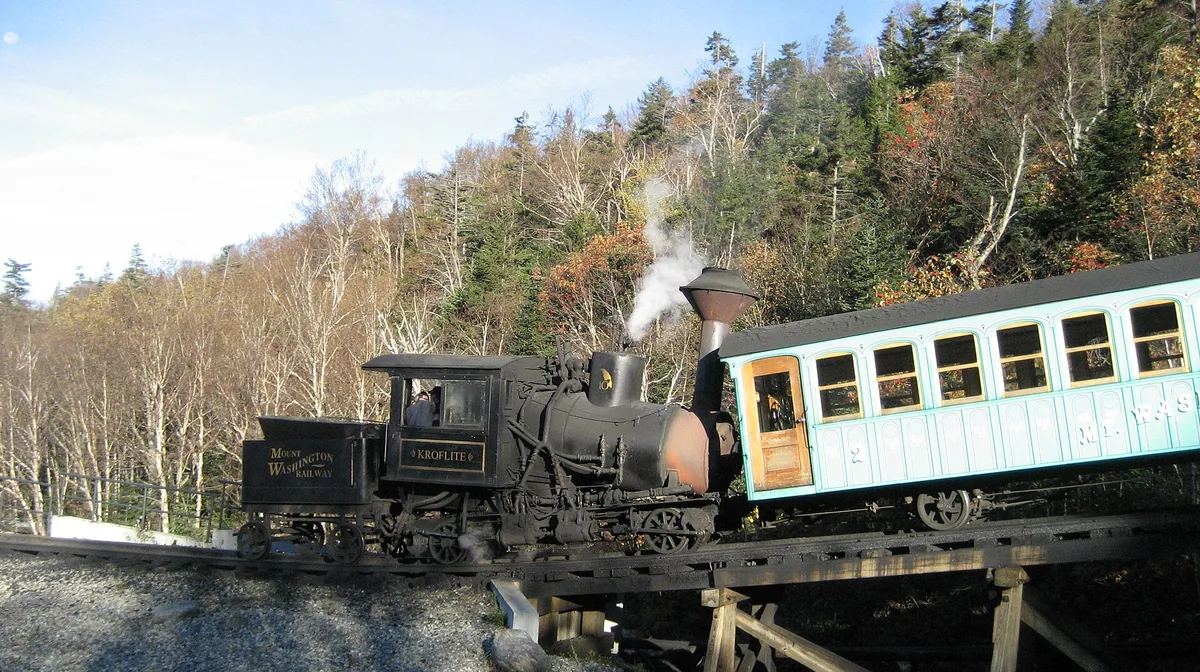
A few of the visual fingerprints we lean into when we shoot, brand and market a The White Mountains property — courtesy of the open Wikimedia Commons archive.
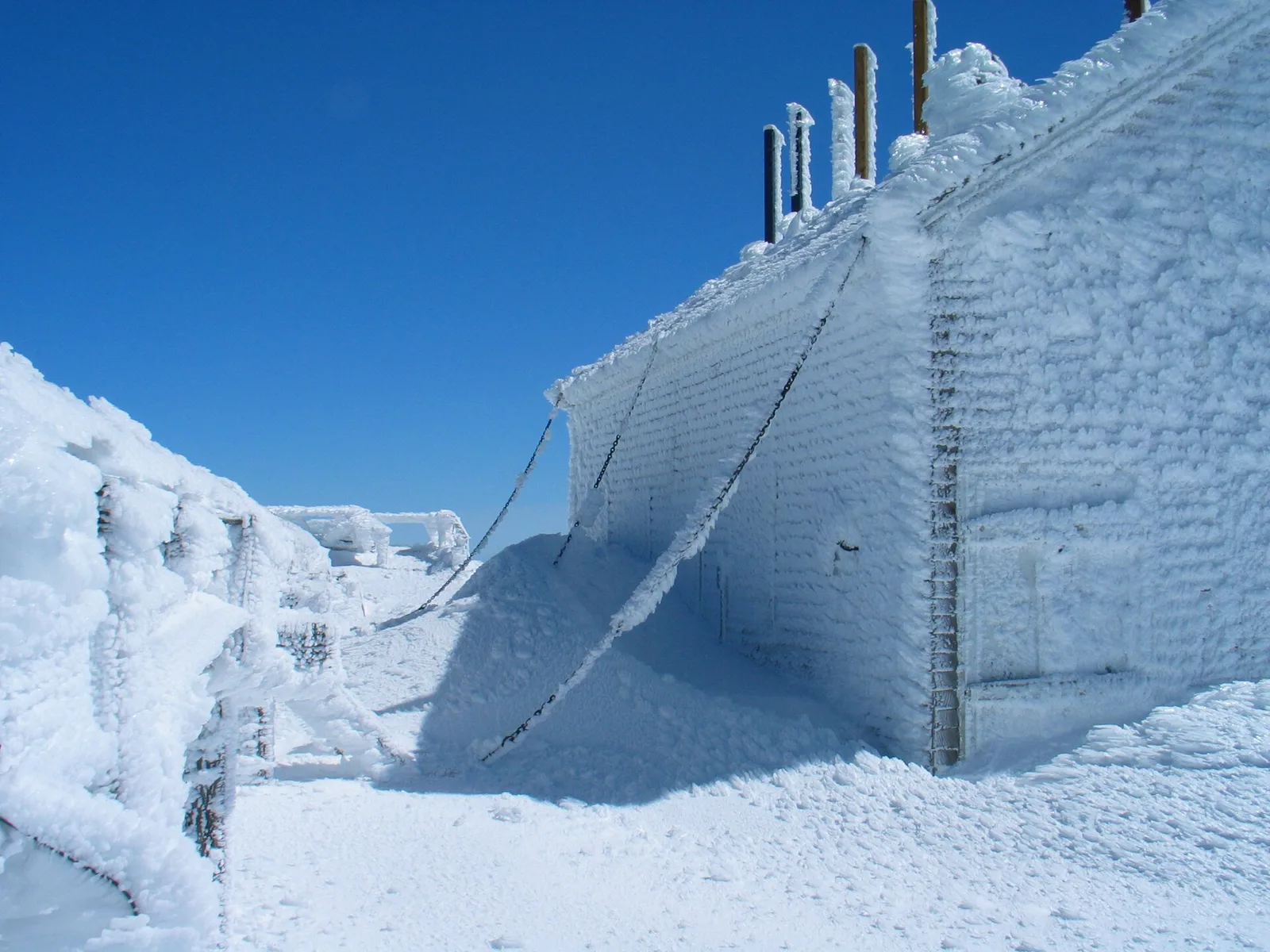
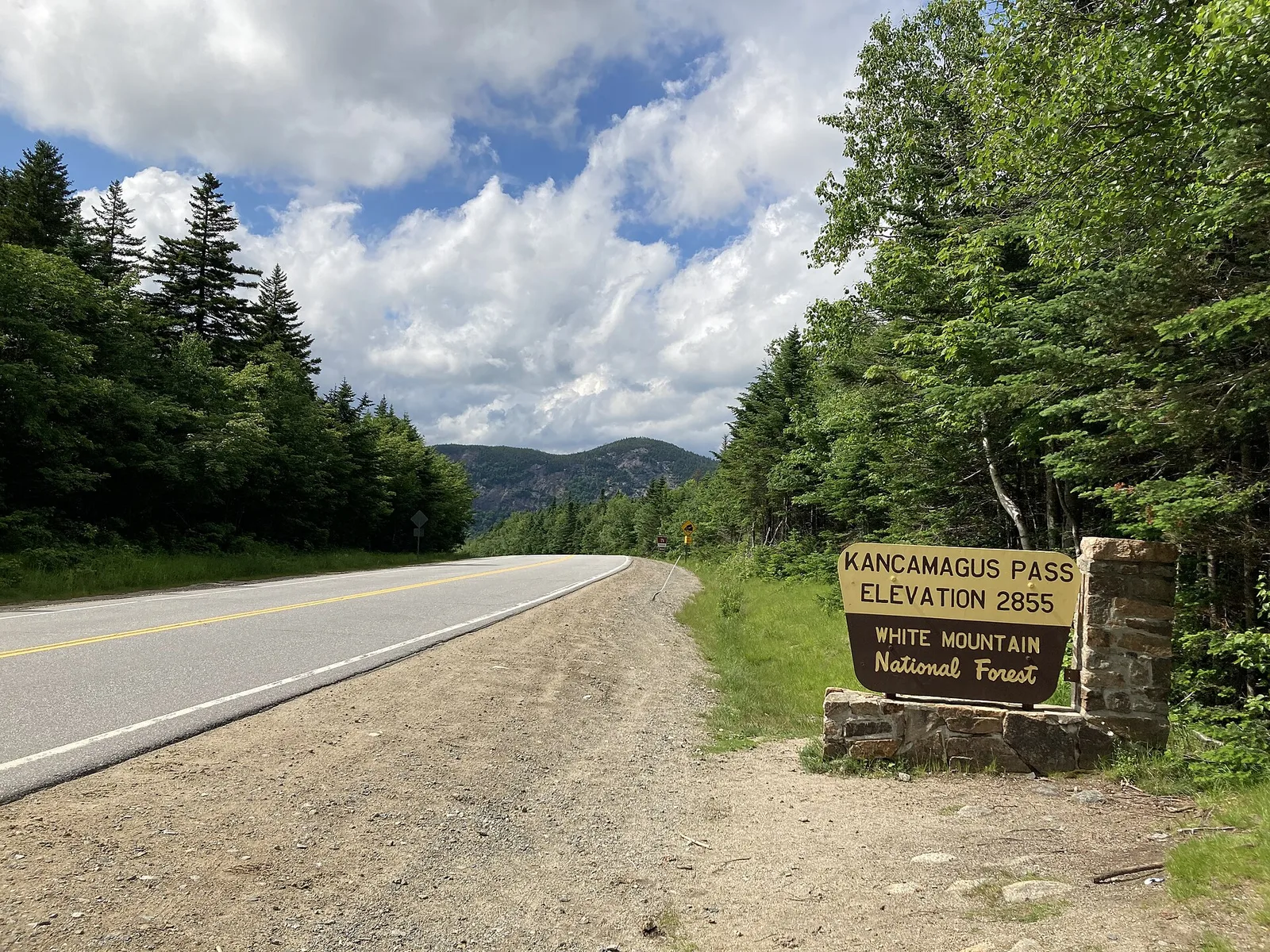
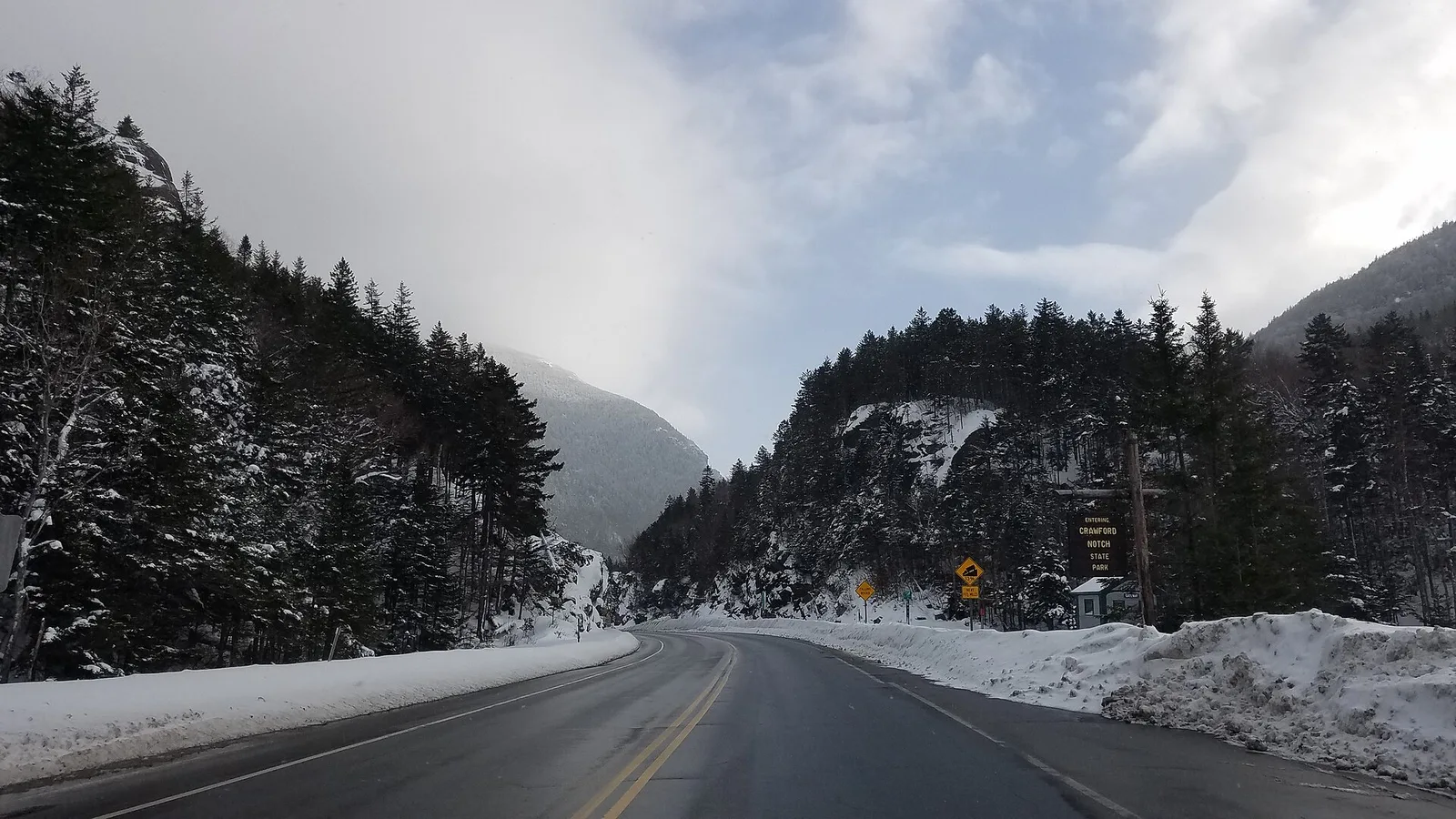
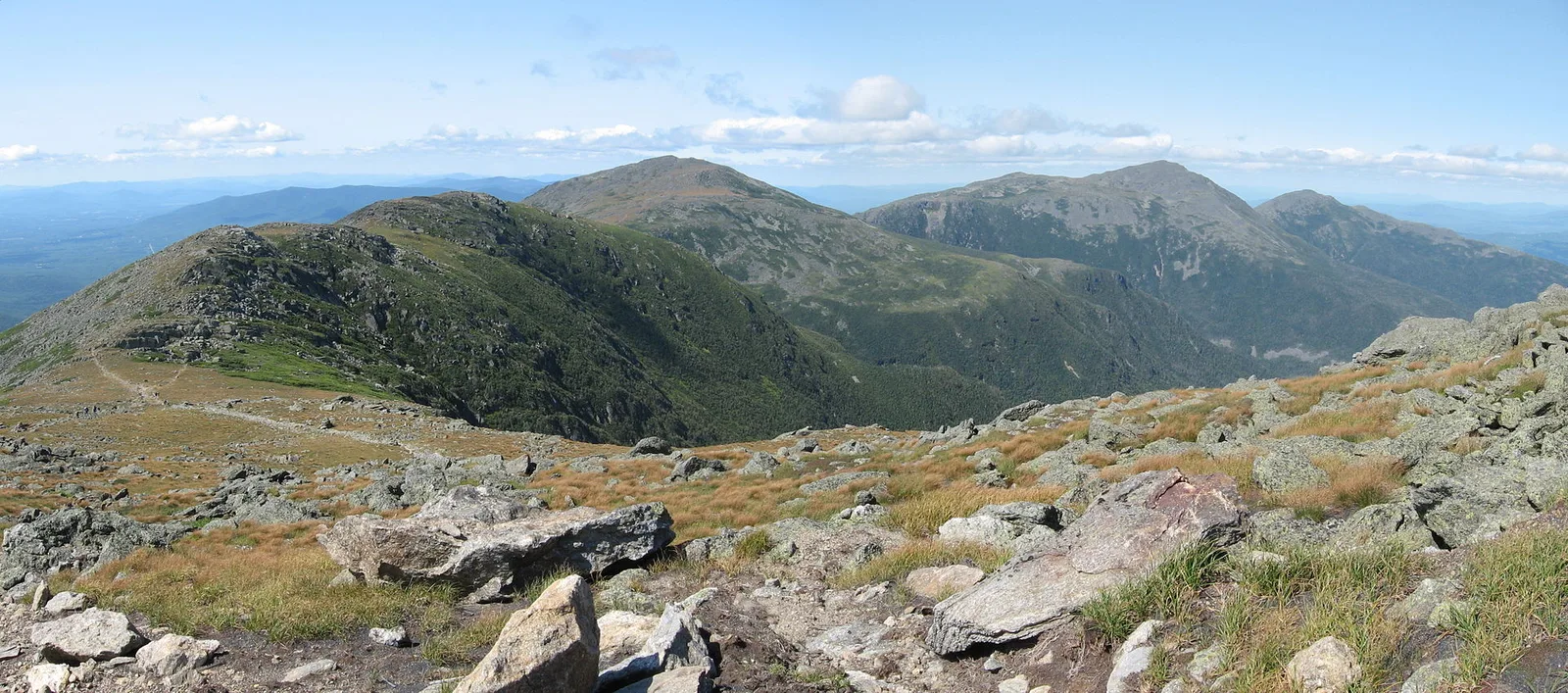
Cavmir wins in the White Mountains because a regional market punishes generic marketing twice. A listing that could be anywhere — mountain view, cozy, close to skiing — competes against every town in the region at once; a listing that sells its specific town wins its specific guest. We market the difference: Jackson as the inn village where the XC trails leave from the door, Bretton Woods as the grand-hotel valley with the Cog up the road, Sugar Hill as the lupine postcard, Littleton as the main-street base camp. We shoot to the season that sells — foliage from the right pullout, the hut hike in July, the woodstove in February — and we price the regional rhythm: foliage weekends and vacation weeks premium, mud season honest, June building. For the region's extraordinary stock of small inns and lodges, we build what the grand hotels have and the six-room operator usually doesn't: a direct-booking website that loads fast, ranks for the town's name, and turns this market's famously loyal returning guests into commission-free repeat revenue with a list and two well-timed emails a year. New Hampshire keeps the compliance file thin, so presentation is the whole contest — and presentation is our trade. We help position and market your property. We never manage it or touch your keys.
America learned mountain tourism here: painters advertised the notches, a cog railway climbed the highest peak in the Northeast, and grand hotels treated a summer as the unit of stay. Cavmir writes the modern chapter of that same trade.


The White Mountains were America's first mountain resort. The Crawford family cut the first bridle path up Mount Washington in 1819, artists of the White Mountain School painted the notches into national celebrity, and by the Gilded Age the trains delivered whole households — trunks, servants and all — to grand hotels that treated a summer as the unit of stay. The engineering of that era still runs: Sylvester Marsh's Cog Railway, ridiculed in the legislature as a railway to the moon, climbed Washington in 1869 as the world's first mountain-climbing cog line; the Mount Washington Hotel opened at Bretton Woods in 1902 in Spanish Renaissance splendor; the Cannon tramway became North America's first passenger aerial lift in 1938. The 1911 Weeks Act gathered the cutover timberlands into the White Mountain National Forest — today three-quarters of a million acres — and guaranteed the scenery would outlast every economic cycle. In July 1944, with the war still on, delegates from forty-four nations met at the Mount Washington Hotel and built the postwar financial order: the Bretton Woods conference created the IMF and the World Bank in the hotel's Gold Room, and the valley has traded on the name since. Skiing arrived in the thirties on Austrian technique and CCC-cut trails, Tuckerman Ravine became the country's spring-skiing rite, and the interstate era rebuilt the region around the two-hour Boston drive. The grand hotels thinned to survivors, but the towns kept their bones — Jackson's covered bridge, Littleton's main street, Sugar Hill's lupine fields — and the AMC's high huts still walk hikers across the range roof as they have since 1888.
Before the platforms, the railroads and the grand hotels sold these mountains to Boston and New York — on paintings, on stereoview cards printed by the million in Littleton, and on dinner menus set in Profile House type. The channel changed; the work is identical: presentation, positioning, and the promise of the high peaks in summer. It is the same business Cavmir is in today.


Historical images: public domain and Creative Commons via Wikimedia Commons — Tichnor Brothers, Appletons' Cyclopædia, and the New York Public Library's Buttolph menu collection.
Regional pricing runs on one rule: charge for the window, not the walls. Foliage is the whole region's premium — late September through mid-October should carry the year's top rates and minimum stays everywhere from Jackson to Franconia, and it forgives nobody who books it cheap in June. Winter prices by proximity: ski-out and five-minutes-to-the-lifts inventory at Bretton Woods and Attitash holds vacation-week premiums, while town-based homes compete on charm and hot tubs at a tier below. Summer is long and steady — price weekends firmly on wedding and hiking demand, keep midweeks honest, and let June build through the lupine bloom. The inn stock should price its scarcity: a six-room house in Jackson is not competing with condo supply and shouldn't act like it. Mud season and November are for maintenance rates, monthly stays, or going dark to reshoot. Across every season, the discipline that pays is calendar-first: the region's demand arrives on published dates — school vacations, foliage forecasts, festival weekends — and the rate card should be built on them months out.
One regional rhythm, locally accented: foliage (late September–mid October) is the universal peak; February vacation weeks anchor winter; summer runs long on hikers, families and weddings; June opens with lupines in Sugar Hill; April and November are the mud months. Eastern valley towns lean on ski-and-outlet traffic, western towns on the Notch, and Jackson and Bretton Woods carry the strongest winter product.
The regional file is New Hampshire's file, and it is refreshingly thin. The state's Supreme Court settled the structural question in Conway v. Kudrick (2023): short-term rentals are a residential use under ordinary residential zoning, which took the ban question off the table for most towns and pushed regulation toward registration and life-safety instead. The universal requirements are state-level: a Meals & Rentals Tax operator's license from the Department of Revenue Administration before the first stay, and the 8.5% rooms tax collected on every short stay — platforms generally remit on their bookings, but the direct bookings a good website earns file through your own account. Town-level treatment varies at the margins across a region this size: some towns run registration programs or fire-inspection expectations, others are entirely quiet, and the eastern-valley towns that lived the Kudrick litigation watch the file most closely — so the working rule is to verify current requirements with your specific town office before listing, and annually after. The inn layer carries its own stack — lodging-house life-safety standards, food service if you serve it — and unincorporated places and forest-abutting properties should confirm access and septic realities. None of it is heavy by national standards; all of it is real.
Market the town, not the region — the guest choosing Jackson over Lincoln is choosing a temperament, and copy that names the covered bridge, the XC network and the inn breakfast wins the booking that a generic mountain-view listing loses. Publish drive times from Boston in the first line. Build the photography calendar around the region's three postcards: your property in peak color, in deep winter with lights on, and in June green — and update the hero shot seasonally, because a snow photo in July quietly kills conversion. Foliage discipline pays twice: set premium rates and minimums in spring, then use a September email to your guest list before the platforms surge. Sell the huts, the Cog and Story Land by drive time — families plan around anchors. Respect mud season by planning for it rather than resenting it: April is for monthly stays, trades-people and the reshoot. And the region's inns should own their names online — a six-room house in Jackson with a fast direct site, real photography and the town's name in the title tag routinely out-ranks aggregator pages for the searches that matter, and every direct booking it takes is commission kept.
Regional competition is the quiet tax: your Bartlett chalet competes with every town on the map for the same Boston weekend, so undifferentiated listings underperform everywhere at once. Weather runs the calendar — a rained-out foliage weekend or a bare December is a real revenue event, and flexible cancellation policies need pricing in. Mountain logistics are constant: private-road plowing, septic capacity, propane in a cold snap. And the grand-hotel comparison set sharpens guest expectations — a premium rate needs premium presentation to survive review culture.
Write the policy to the mountains. The base is a commercial short-term-rental or landlord policy with at least $1 million liability; the regional riders that matter are winter ones — snow load, ice dams, frozen pipes in homes that sit empty midweek, woodstove and chimney documentation, and hot-tub liability, since the tub is half the winter marketing in this region. Properties on private roads should carry documented plow contracts; forest-abutting homes should note wildfire and falling-timber exposure even though the Northeast file is mild; and the inn layer needs true commercial hospitality coverage with liquor liability wherever wine is poured. Photograph the property's systems annually — underwriters and adjusters both reward the operator with a file.
New Hampshire keeps it simple and singular: the 8.5% Meals & Rentals tax on short stays, no state sales tax beneath it, no town lodging add-ons on top. License with the Department of Revenue Administration before the first booking; platforms generally collect and remit on their own bookings, but the obligation is yours to confirm per channel, and direct bookings always file through your own license. There is no broad state income tax on the rental revenue, which flatters out-of-state ownership math, though federal reporting applies as everywhere and the region's property-tax bills — the price of towns without sales taxes — belong in the pro forma. Inns collecting for rooms and meals file the same tax on both, which keeps the paperwork mercifully unified.
Financing across the region sorts by product. Standalone chalets and village homes run the standard second-home and investment tracks, and the region's long, documentable seasonal history makes DSCR files unusually persuasive — foliage plus February is bankable arithmetic. The condo layers at the ski hills lend conventionally with the usual warrantability caveats around resort amenities and rental programs. The region's distinctive asset — its inn stock — is the specialist lane: room counts and commercial kitchens route toward commercial or SBA paper, where license history and occupancy records carry the application, and New Hampshire's regional banks read those files fluently. Older housing stock earns its own diligence — 19th-century farmhouses charm guests and alarm appraisers in equal measure — so budget the inspection seriously. Finance the quiet-season floor; let peak season be the upside case.
The region's future is capacity-constrained demand — the best position a market can hold. The national forest fixes supply in place while the Northeast's biggest metros sit two to four hours away, and every recent trend feeds the beds around the edge: the hiking boom shows no ceiling, ski capital keeps flowing into Bretton Woods and the eastern hills, and foliage only gets more Instagrammed. Watch three things. Town registration practice will keep tidying up post-Kudrick — light, but worth tracking annually. The inn generation is turning over, with 19th-century properties changing hands to owners who market like moderns; that's opportunity on both sides of the sale. And climate volatility argues for four-season positioning — operators who can sell June lupines, October leaves and February snow are hedged in a way single-season listings aren't. The durable play through 2027: a winterized, distinctive property or small inn, town-specific marketing, foliage discipline, and a direct channel working the Northeast's most loyal repeat guests.
The White Mountains are where American mountain tourism was invented, and marketing here feels like working with two centuries of tailwind. The infrastructure of wonder is absurd by any regional standard — a cog railway older than Yellowstone, the country's first aerial tramway, grand hotels that hosted the invention of the modern economy, an August of huts strung across the range roof — and it all funnels guests toward small towns full of exactly the properties we most love to market: farmhouses under lupine fields, chalets in the notches, and the deepest stock of proper inns in New England. When a six-room house in Jackson gets photography and a website worthy of it, it doesn't compete with the aggregators — it beats them on the searches that matter, because Google and guests both prefer the real thing.
We love the regional chess of it, too. Every town is a different pitch — Jackson's covered-bridge quiet, Bretton Woods' grand-hotel valley, Littleton's main street, Sugar Hill's ten famous days of June — and positioning a property means choosing its town's story and telling it better than anyone else in that town bothers to. The calendar hands us three postcards a year and the discipline is catching all three. And underneath everything sits the fact that makes the work durable: the forest is federal, the supply ring is fixed, and Boston keeps growing two hours away. Demand without new beds is the marketer's favorite arithmetic, and nowhere in the Northeast has it purer than here.
A great property in The White Mountains doesn't just want a listing — it wants a point of view, an audience, and a brand the city itself would recognise.
A few insider picks across the Whites — the specifics that make a regional listing read like a local wrote it. Real places, no filler.
Coffee at a Main Street bakery, a walk past the Thayers Inn and the riverwalk covered bridge before the day starts. Littleton mornings are the region's best-kept ordinary pleasure.
Jackson's inn dining rooms — white tablecloths a covered bridge from the XC trails — are the region's signature evening. Book ahead in foliage and February; walk in nearly any other month.
Half your summer guests are working the list of New Hampshire's 48 highest peaks, and they plan whole trips around two summits. A listing that names its nearest trailheads by drive time reads instantly native.
The Cog Railway runs rain or shine, and a socked-in summit has its own drama — the engine grinding up Jacob's Ladder into the fog. Pair it with the Omni's lobby and hot chocolate and the day is saved.
Mid-to-late June, the fields above Sugar Hill turn purple under Franconia Ridge and photographers arrive from three states. It's the western towns' private high season before summer proper begins.
Start at the Highland Center, walk to Ripley Falls or up Willard for the classic notch view, then follow the Saco past the Willey site to Bartlett. One notch, one day, and the region's history underfoot the whole way.
An hour and a half of easy grade to the ledge that owns the best view-per-effort ratio in the Whites — Crawford Notch unrolling south like a painting. Send every mixed-ability group here first.
The questions never change: how far to Story Land, which trailhead for sunrise, where to dry boots, is there a hot tub. A listing that answers all four before they're asked converts the planners who book longest.
Guests who find a White Mountains rental on Airbnb search its name afterwards, and the page they should land on is the owner’s own site. Cavmir builds vacation rental websites of 40 to 125 pages in the owner’s brand. For a home that only lists on Airbnb, that is a website for your Airbnb: your name and domain, your photos, your area guides and your reviews, with a button that sends guests to the listing. For homes on Hostaway, Guesty or Hospitable it is a direct booking website: live availability and prices from the PMS, the whole stay priced before checkout, and the booking completed in the PMS. Both start from the same vacation rental website design, run the TrollBuster™ compliance scan before launch, and are yours at launch: domain, code, content and photos.
The guide pages of a White Mountains site can start with the picks on this page: Littleton's Main Street, early, Dinner in Jackson after the loop and The 48 four-thousand-footers. Each one is a search a guest makes before choosing a home, and each becomes a page that leads to the booking button.
Packages start at $1,475 for the Starter Website (40 pages, two to three weeks) and run to $3,732 for Full with Direct Booking (125 pages, booking synced with your PMS); the current prices are on the pricing page.
A few composite engagements drawn from how Cavmir typically works across this region. The details are illustrative and consistent with the White Mountains, not pulled from a single named client.
A covered-bridge-distance inn with a devoted returning clientele had an aging brochure site, no booking engine, and a name that ranked below three aggregators selling its own rooms back to it with commission attached.
Cavmir rebuilt the direct site fast and mobile-first with the town's name in the titles, shot the rooms and breakfast porch to editorial standard, structured the foliage and February rate calendar with minimums, and started a twice-a-year email to four decades of guest addresses.
The inn reclaimed its own name on the searches that matter, direct became the majority channel inside two seasons, and foliage week inquiries began arriving in June — from the list, before the platforms ever saw the demand.
A modern chalet with a Presidential-range deck view ran interchangeable mountain-view copy, summer-only photography and one rate — losing February to ski-out condos and foliage to better-marketed neighbors.
Cavmir shot the three postcards — peak color off the deck, deep-winter lights-on, June green — rotated them seasonally as the hero image, rewrote the listing town-first around Bartlett and Attitash logistics, and priced vacation weeks and foliage as the premiums they are.
The chalet stopped losing its best weeks: foliage booked out by August at proper rates, February vacation weeks filled against the condo competition, and the rotating hero photography measurably lifted conversion every season it changed.
An 1880s farmhouse under the lupine fields treated June like any other month, marketed itself with interior phone photos, and missed the ten days a year when its own view is regionally famous.
Cavmir built the listing around lupine season — hero photography of the fields under Franconia Ridge, a June premium window with minimums, copy that named the festival weeks — and packaged the rest of summer for hikers with trailhead drive times.
June became the farmhouse's strongest month, booked months out at rates the old listing never tested, and the lupine photography kept converting guests the rest of the year — proof that ten famous days, marketed properly, can carry a season.
Demand in White Mountains peaks around October and runs quietest around April. Here is how the year actually books — and what to do about each stretch of the calendar.
Foliage is the regional superlative — late September through mid-October fills every town from Jackson to Franconia at the year's best rates, and it books furthest ahead. Winter's peak is the February school-vacation stretch, when the family hills at Bretton Woods and Attitash and the towns around them fill together. Price both windows months out and protect them with minimum stays; the demand arrives on published dates.
Summer is the long season — hikers working the four-thousand-footers, hut walkers, Story Land families and wedding parties at the grand hotels keep weekends firm from late June through August. June opens with the lupine bloom in Sugar Hill and Franconia, a signature window for the western towns, and spring corn-snow weekends at Tuckerman Ravine give the eastern side an April audience. Swap hero photography with the season; a snow photo in July quietly costs bookings.
April and November are mud season — the honest gaps between snow and green, and between leaves and lights. Lean into monthly and midweek stays, host the trades and remote workers, and schedule the deep clean and the photo refresh. The region's rhythm is old and reliable; hold value and let the calendar return.
Foliage books furthest out, often by midsummer; February vacation weeks fill through the fall; summer builds steadily through spring. Ordinary ski weekends follow the snow report and decide late.
Long weekends dominate — foliage and winter both run two to three nights — with full weeks at the school breaks and among summer hiking families. Mud-season bookings skew midweek and longer.
The regional winner is town-specific: an inn-village house in Jackson, a view chalet near the notches, a farmhouse under the lupine fields. Across all of them, winterized comfort, a hot tub and photography matched to the season decide the booking.
Market the town, not just the mountains — Jackson's inn-village quiet, Bretton Woods' grand-hotel valley and Littleton's main street each sell to a different guest. Rotate photography through the region's three postcards — foliage, deep winter, June green — price the school-vacation and leaf-season windows as premiums, and publish drive times from Boston. A direct-booking site compounds fast with this region's loyal repeat guests. That whole layer — photography, copy, direct booking and local search — is what Cavmir builds for hosts here.
Foliage, late September through mid-October, is the universal peak. February vacation weeks anchor winter, summer runs long on hikers and families, June opens with the lupine bloom, and April and November are the mud months.
Foliage weekends fill by midsummer and February vacation weeks through the fall. Summer hiking weekends build steadily through spring, while ordinary ski weekends decide late on the snow report.
Boston first and always, with Manchester, Portland, Hartford and Providence filling in and Montreal a real northern feeder. Fly-in visitors route through Boston, Manchester or Portland, mostly for foliage.
A hot tub and a woodstove or fireplace are the twin closers. A mudroom that swallows boots and packs earns reviews from hikers and skiers alike, mountain views photograph into premiums, and pet-friendliness suits a drive-up region full of trail dogs.
Run your Airbnb, Vrbo, or website through Cavmir's free grader. It checks the things that decide whether guests book in the White Mountains — photos, listing copy, page speed, local search — and shows you where bookings leak. Takes about a minute, and there's no sales call attached.
If the report says your booking engine is the weak link, that's fixable: a direct-booking website of your own means repeat guests stop paying platform fees to come back to you. That's the work Cavmir does — see Airbnb website design in the White Mountains.
Send us the listing and we'll tell you what we'd change. Not a pitch deck — a straight read on your photos, your title, your rates against the White Mountains comp set, and whether a direct-booking site would pay for itself.
You'll hear back from a person, usually inside one business day. If we don't think we can move your numbers, we'll say so. Cavmir is a short-term rental marketing agency — we position and market properties, we don't manage them.
Talk to Cavmir today. We'll show you exactly what your White Mountains property is leaving on the table — and how fast we can change that.
Book a Free Strategy CallPhotography via Wikimedia Commons (images resized and cropped): Mount Washington Cog Railway Start by Dan Crow (CC BY-SA 3.0) · Mount Washington chained building by commonswiki (CC BY-SA 3.0) · Kancamagus pass by Dibromoindigo (CC BY-SA 4.0) · Crawford Notch Summit by Ascended Dreamer (CC BY-SA 4.0) · White Mountains2010-08-20 by Fredlyfish4 (CC BY-SA 4.0).
