Meredith docks before the boats wake
Coffee from a Main Street bakery, then the town docks while the lake is still glass. The early hour is the lake's best self, and guests who see it once reorganize their whole week around it.
Expert short-term rental marketing to grow your bookings and nightly rate in Lake Winnipesaukee, New Hampshire, USA.
* Market averages. Properties marketed by Cavmir typically exceed these figures by 25–45%. Data sourced from AirDNA, STR market reports, and Cavmir internal analytics.
Lake Winnipesaukee is New Hampshire's summer capital — roughly seventy square miles of water scattered with more than 250 islands, ringed by towns that have been renting cottages to the same families for a century. Each shore has its own product. Wolfeboro, which calls itself America's oldest summer resort on the strength of Governor John Wentworth's 1768 estate, runs white-clapboard and old-money quiet; Meredith is the polished harbor town of docks, inns and Mill Falls; Laconia's Weirs Beach is the boardwalk-and-arcade shore, home of Funspot and the June roar of Motorcycle Week, the oldest rally in the country; Gilford holds Gunstock, the county-owned ski hill, and the Bank of New Hampshire Pavilion's summer concert calendar; Alton Bay, Center Harbor and Moultonborough fill in the coves, with the Castle in the Clouds estate watching from the Ossipee ridge. The M/S Mount Washington has worked this lake in one hull or another since 1872, and the guest logic hasn't changed since: from Boston you're on a dock in two hours. The rental stock runs from knotty-pine camps handed down through generations to new-build lake houses with boathouses and hot tubs, plus a durable layer of small inns. It is the most seasonal major market in northern New England — and the summer weeks price accordingly.
Winnipesaukee is a summer-week market with a real shoulder game. The core season is brutally concentrated: late June through Labor Day books solid, Saturday-to-Saturday, at the year's peak rates, and the best waterfront weeks are spoken for by March — often by last year's guest before they drive home. July 4th and the first two weeks of August are the summit. June carries Motorcycle Week, which fills Laconia and the Weirs at premium rates with a guest the family listings should price for or politely screen for, and September is the insider season — warm water, empty lake, foliage arriving on the hills — that strong operators now sell hard. Winter is quieter but no longer dead: Gunstock ski weekends, the pond hockey tournaments and the February ice-fishing derby put real bookings on winterized homes, and the sled-and-snowmobile crowd travels the lake ice all season. Blended numbers land around $430 a night on occupancy in the low 40s — the shape of a market where waterfront weeks in July run four figures while January midweeks go begging. The premium drivers are specific: private dock, boat access or a slip, western exposure for sunsets, and capacity for the three-generation booking. The guest base is Boston first, then the rest of New England, deeply repeat-prone, and increasingly willing to book September and pond-hockey weekends when someone bothers to market them.
Nearby Markets: White Mountains | Lincoln | Portland

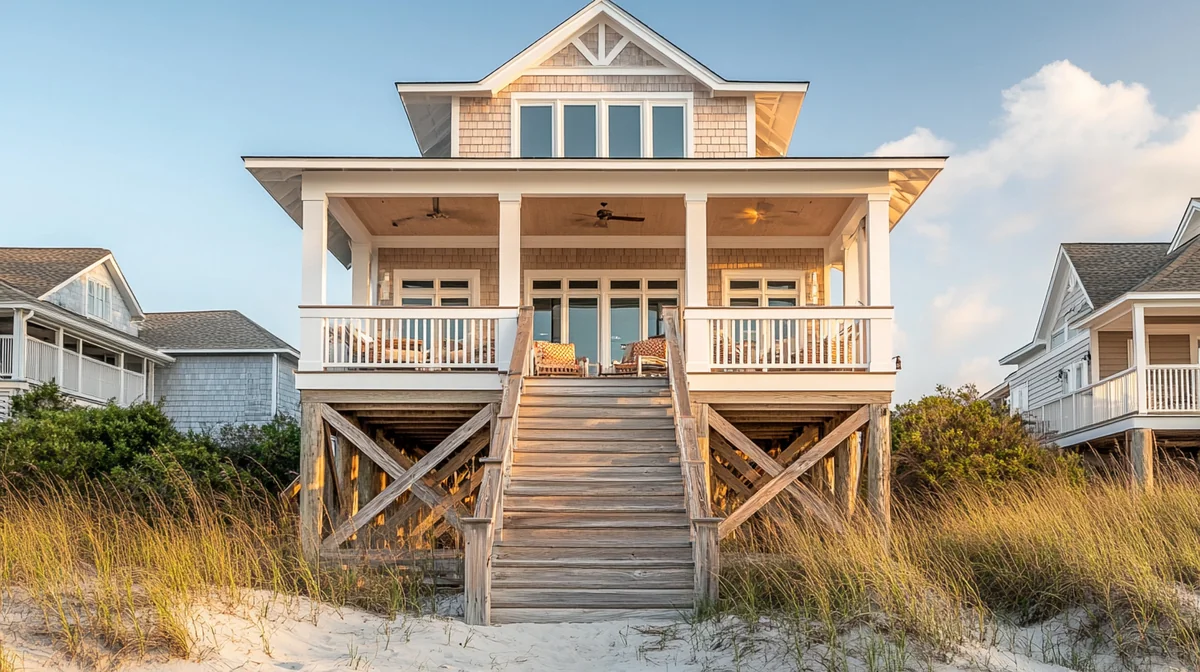
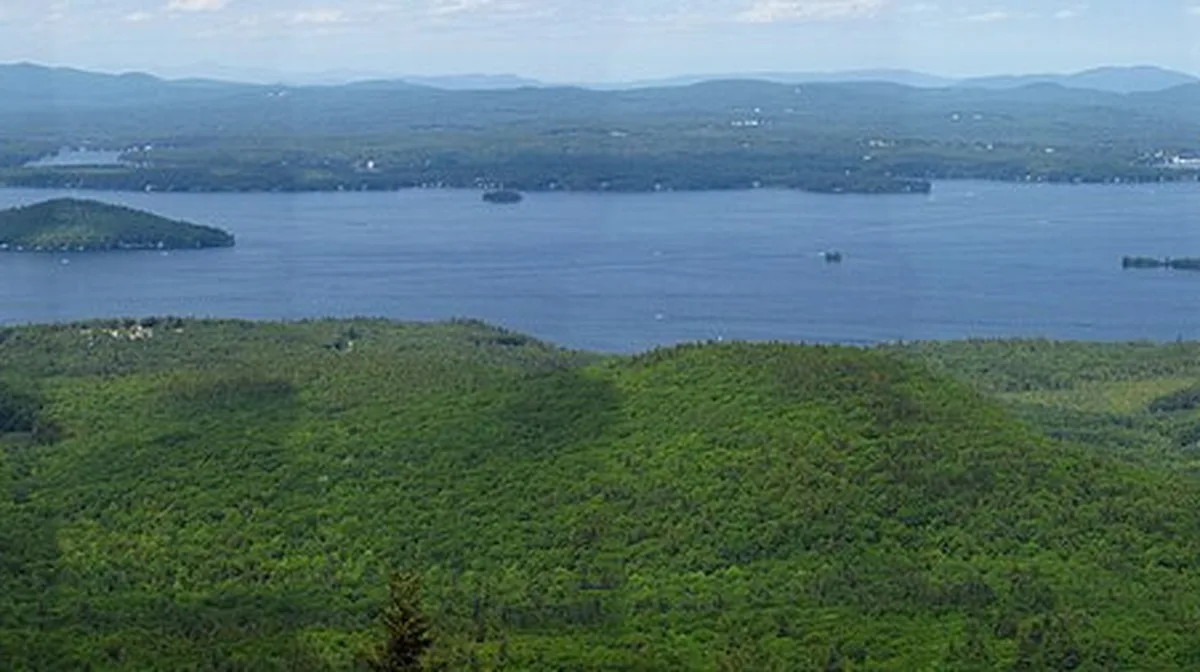
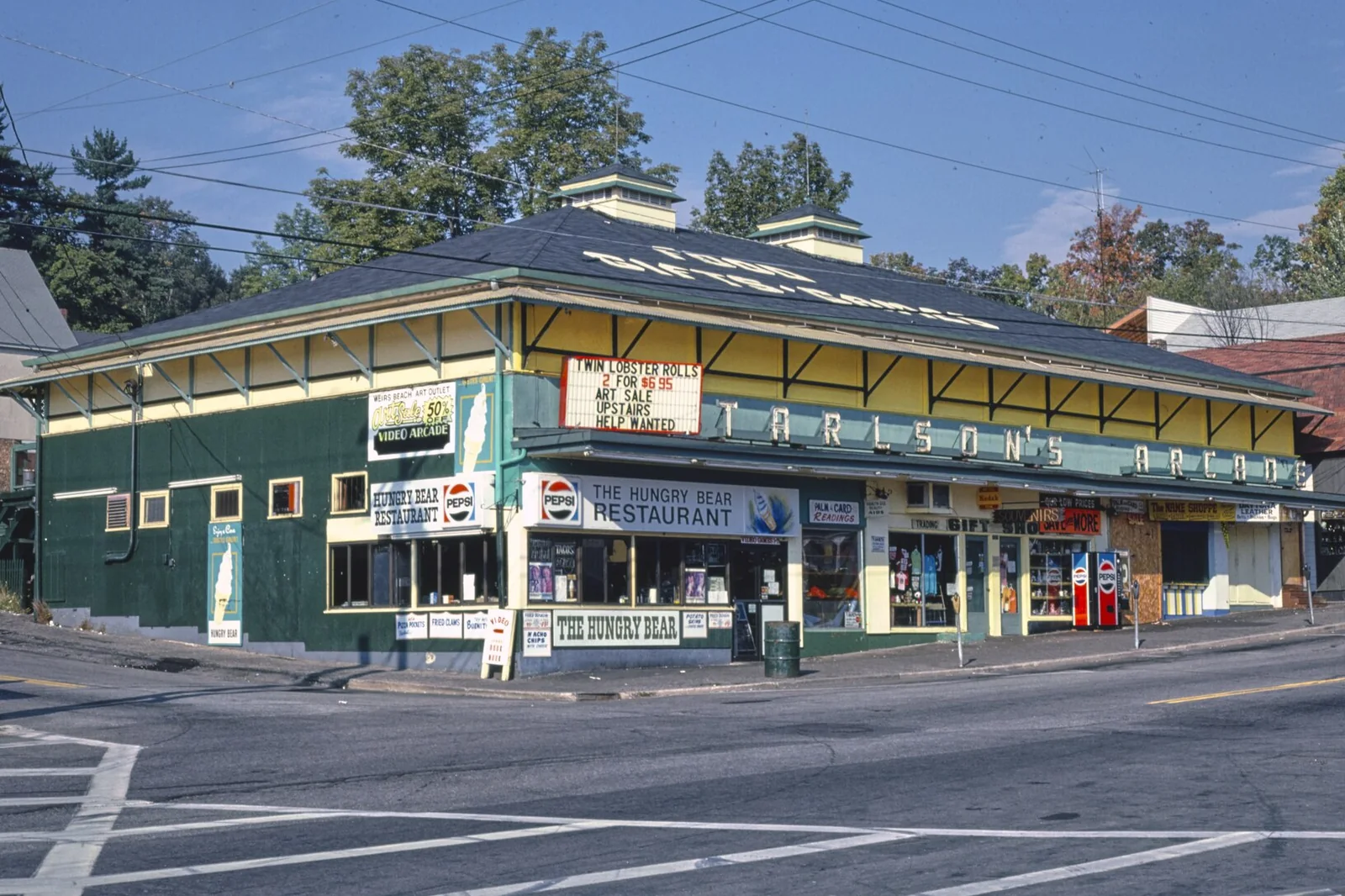
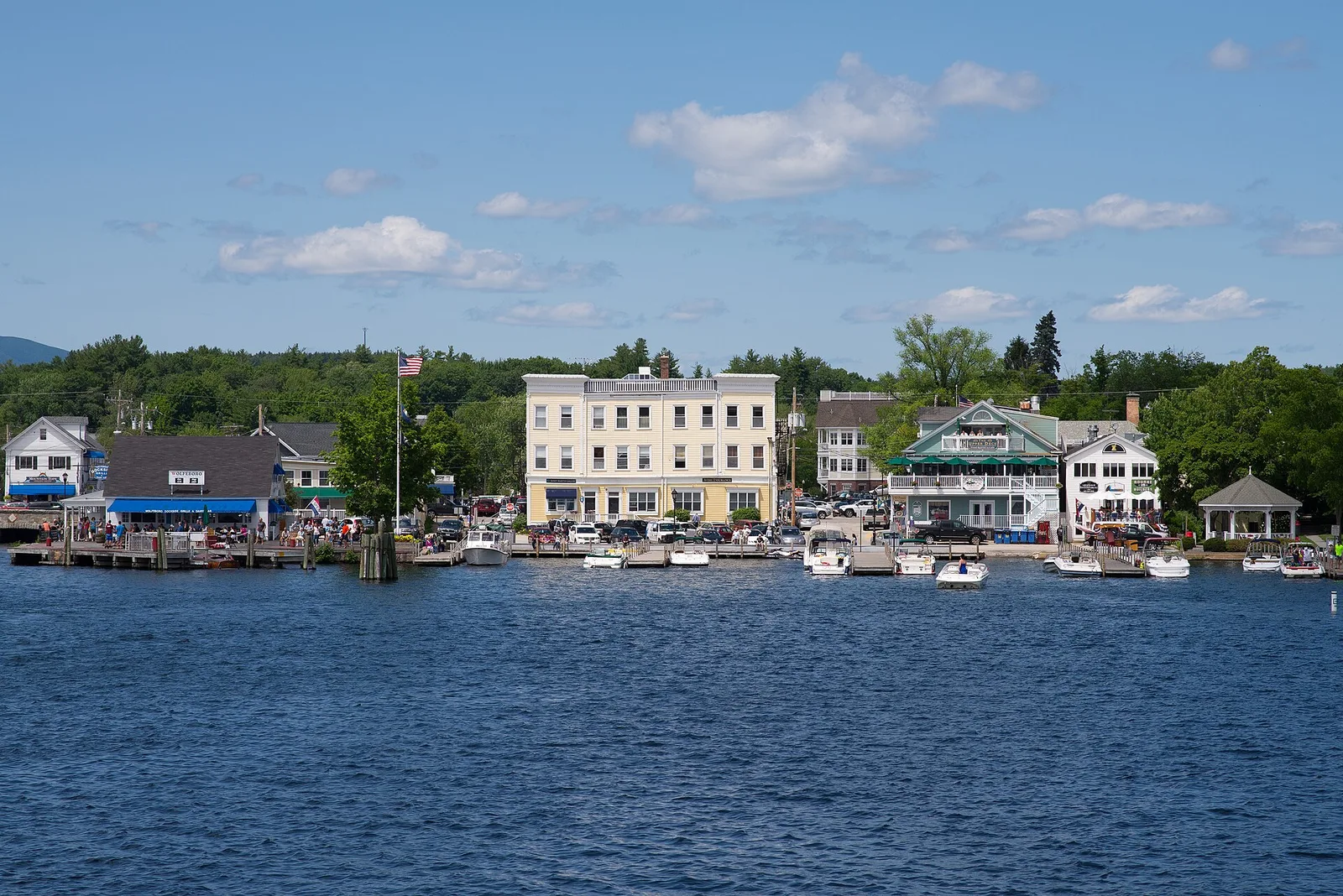
A few of the visual fingerprints we lean into when we shoot, brand and market a Lake Winnipesaukee property — courtesy of the open Wikimedia Commons archive.
Cavmir wins on Winnipesaukee because this is a week market run mostly on listings built for weekends. The photography misses the point of the place — the dock at seven in the morning, the sunset off the western porch, the kids jumping off the float — and the copy buries what actually sells the booking: whether there's a dock, what it fits, which shore, how the September water feels. We fix the presentation to match the purchase: Saturday-week pricing set early, peak weeks held at their real value, June priced for the rally on the Weirs side, September packaged as the second summer it is, and the winterized homes marketed to the derby, the pond hockey and the Gunstock crowd instead of going dark in October. We shoot water first — golden hour from the dock, not noon from the driveway. And because no market in New England repeats like this one, we build the direct machine that turns a good August into next August: a fast direct-booking site, a guest list, a first-right-of-refusal email in February that rebooks the same families commission-free before the calendar ever opens. The towns keep regulation light and the state keeps it simple, so the whole margin lives in marketing craft. We help position and market your property. We never manage it or touch your keys.
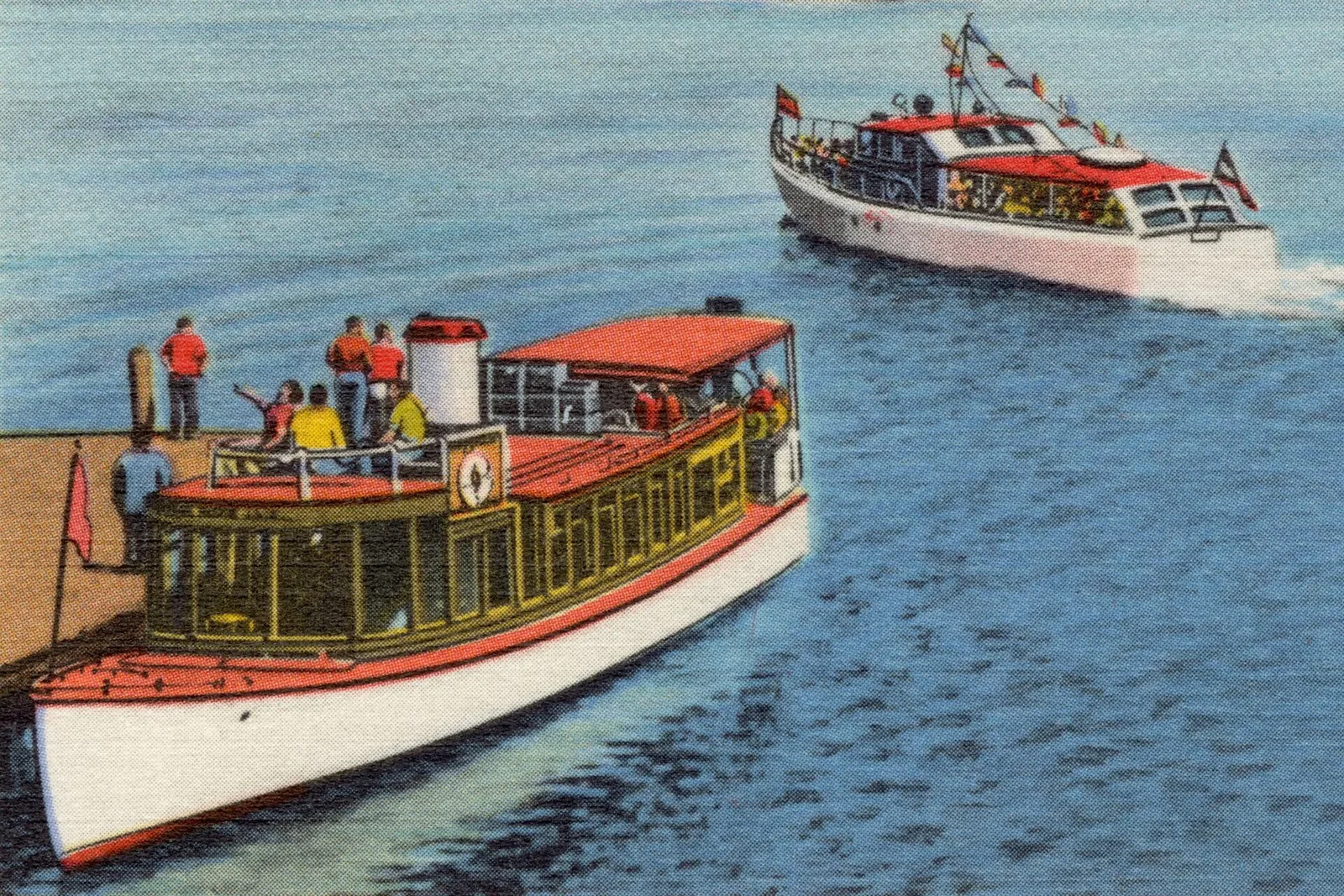
Winnipesaukee has been selling summer longer than the United States has existed. Royal governor John Wentworth built his summer estate above the lake at Wolfeboro in 1768 — the claim behind the town's oldest-summer-resort-in-America title — and the lake has been a destination in every era since: steamboat, railroad, automobile, interstate. The first Mount Washington steamer began working the lake in 1872; when she burned in 1939, the operators fetched a 1888 iron hull from Lake Champlain and relaunched her — the M/S Mount Washington still makes her rounds of the ports today. Each shore specialized early. The Weirs, where Endicott Rock marks one of the oldest surveyed points in New England, became the honky-tonk shore — boardwalk, arcades, fireworks — and in 1916 hosted the motorcycle gathering that grew into Laconia Motorcycle Week, the oldest rally in the country, which still owns June. Wolfeboro kept the old-money quiet; Meredith turned its mill falls into a polished inn-and-harbor town; Gilford got the county-owned Gunstock ski area, a Depression-era public-works project that gave the lake a winter; Moultonborough got Thomas Plant's 1914 Lucknow mansion, the Castle in the Clouds, watching from the Ossipee ridge. The cottage culture — camps handed down, the same August week for forty years — became the lake's social architecture, and On Golden Pond, filmed next door on Squam in 1981, fixed the feeling in the national memory. The modern market layered on: waterfront tear-downs into year-round lake houses, Funspot growing into the world's largest arcade, concert crowds at the Gilford pavilion, and a rental economy that still runs, at its core, on the Saturday-to-Saturday summer week.
This is week-market pricing with a shoulder strategy bolted on. The core discipline: publish Saturday-to-Saturday weeks for late June through Labor Day early — by February — at rates that respect the scarcity of true waterfront, and hold the line on July 4th and early-August peak weeks, which will fill regardless and anchor the whole summer's comps. Waterfront with a private dock is its own asset class; price the dock, the slip and the western sunset exposure explicitly rather than burying them in amenity lists. June needs a split personality: rally-aware pricing near the Weirs during Motorcycle Week, family pricing elsewhere, and minimums tuned to each. September is the margin month most owners donate — warm water, foliage arriving, weddings — and should run at strong weekend rates instead of collapsing after Labor Day. Winterized homes price to the specific winter calendar: pond-hockey and derby weekends firm, Gunstock weekends solid, January midweeks honest. Off-water homes compete on capacity and value for the three-generation booking — price the bunk room, not just the bedrooms.
The most concentrated season in northern New England: late June through Labor Day is the market, booked in Saturday weeks, with July 4th and early August the summit. June carries the rally, September carries the insiders, foliage brushes October, and winter runs a real second file on derby, pond-hockey and Gunstock weekends for the homes built for it. November and April are dead honest.
The lake's rulebook is New Hampshire-light with one town watching closely. Statewide, the file is standard: a Meals & Rentals Tax operator's license from the Department of Revenue Administration before the first stay, the 8.5% rooms tax on every short stay, and the post-Conway v. Kudrick (2023) reality that short-term rentals are a residential use under ordinary zoning — which is why outright bans aren't the local pattern. Around the shore, treatment varies by town temperament: Laconia has been the most active regulator, running registration expectations born of years of Weirs-side friction, while Meredith, Wolfeboro, Gilford, Alton and Moultonborough stay lighter-touch — but town meeting season can move any of these files, so verify current requirements with your specific town office each year rather than assuming. The lake adds its own compliance layer that inland markets skip: the Shoreland Water Quality Protection Act governs what you can do within the protected shoreline, docks and moorings carry state permitting, boat and bass-boat guests mean the Marine Patrol's rules are your guests' rules, and septic capacity honestly limits occupancy on older camps — the number on the listing should match the system, not the sleeping bags. Life-safety basics — smoke, CO, egress — apply everywhere, and rented watercraft are their own insurance and liability question worth settling before a guest ever asks.
Photograph the water like it's the product, because it is: dock at sunrise, float in the afternoon, sunset off the west-facing porch — and put the dock shot first, since it's the search result. Write the water facts above the fold: private dock or shared, what it fits, sandy entry or drop-off, which shore and which sunset. Sell September like it's a secret worth telling — 'warm water, empty lake' converts the childless couples the summer weeks priced out. Handle June with intent: near the Weirs, decide whether you're a rally house and price it; elsewhere, hold family minimums through the noise. Pitch the three-generation booking — bunk rooms, long tables, two refrigerators are this lake's amenity language. Keep a winter listing alive if the house can take it: derby and pond-hockey weekends book real money while the summer-only camps hibernate. And run the rebooking machine this lake was built for: a direct-booking site, a guest list, and a February first-refusal email that offers last summer's families their same week — the most valuable email an operator on this lake sends all year, and every acceptance is a commission kept.
Seasonality is the market: a summer-only camp earns in ten weeks what it must carry for fifty-two, so a rained-out August week is a real event. True waterfront is scarce and priced like it, which pushes yield math toward off-water homes that must then win on capacity and presentation. Old-camp realities — septic limits, thin insulation, quirky wells — cap occupancy and season length until capital fixes them. And June cuts both ways: rally demand pays, but a family-positioned house near the Weirs needs minimums and screening discipline to protect its reviews.
Water is the file. A commercial short-term-rental or landlord policy with at least $1 million liability is the base; the lake adds dock and swim liability (diving injuries are the classic claim), watercraft questions that need explicit answers — either insured and included or excluded in writing — and seasonal-occupancy realities for camps that sit empty from October to May: frozen-pipe protection, documented winterization, and vacancy clauses read carefully. Winterized year-round homes hosting the ice calendar should confirm coverage language around lake-ice activities, snowmobiles and the woodstove. Umbrella coverage over the whole file is cheap relative to a waterfront claim, and photographing docks, railings and the shoreline each spring gives the adjuster conversation a place to start.
The lake runs on New Hampshire's clean file: the 8.5% Meals & Rentals tax on short stays, licensed through the Department of Revenue Administration, with no state sales tax underneath and no municipal lodging taxes stacked on top. Platforms generally collect and remit on their bookings — confirm per channel — and direct bookings file through your own license, the small price of commission-free weeks. No broad state income tax touches the rental revenue, which is part of why Massachusetts money has bought lake property for a century, but waterfront property-tax bills are serious and belong in any pro forma, and federal treatment — including the fourteen-day rules and depreciation on a property this seasonal — is worth a short-stay-literate accountant's hour.
Winnipesaukee financing is second-home country with waterfront arithmetic. True waterfront trades at prices where jumbo paper is routine and appraisals hinge on frontage, dock rights and western exposure as much as square feet — bring a lender who reads lake comps fluently, and expect the seasonal-camp end of the market (no central heat, three-season water) to route toward specialty or portfolio loans rather than conforming paper. Off-water homes lend conventionally and carry the friendlier yield math. DSCR files work when the summer is documented — ten strong weeks plus a September is a persuasive twelve-month story if the paperwork proves it — and the region's banks have underwritten this lake for generations. The strategic rule: buy the dock and the sunset if you can, but finance against the off-water math, and treat the waterfront premium as equity you'll harvest in twenty years, not cash flow you'll spend this one.
The lake's future is scarcity doing its quiet work. Waterfront supply is finished — every buildable foot has been found — while the money two hours south keeps compounding, so the tear-down-to-lake-house conversion continues and the rental stock skews steadily nicer, with more winterized product marketing more of the calendar each year. Watch the town files: Laconia will keep tuning its program, and any lake town can tighten registration at a March meeting, so the annual check-in is part of ownership here. Watch, too, the shoulder seasons professionalize — September has gone from afterthought to strategy in five years, the ice calendar keeps growing its own audience, and operators who market three seasons are pulling structurally ahead of the ten-week camps. The durable play through 2027: winterized capacity for the multi-generation booking, water access you can photograph, September sold hard, and a direct rebooking machine working the most loyal guest base in New England.
Winnipesaukee is the most loyal market we work — a lake where the product is a specific week in a specific cove, handed down like the camp itself. We love it because the marketing math is generational: win a family once and you may hold their August for twenty years, which makes every craft we care about — photography that smells like water, a listing that answers the dock questions first, a direct-booking site with a February first-refusal email — compound the way pure-transient markets never allow. The rebooking email is the whole business model in one send: offer last year's families their same week, watch most of them take it, and keep the commission that used to leak out of every renewal.
We love the lake's honest specialization, too. Every shore is a different assignment — Wolfeboro's clapboard quiet, Meredith's polished harbor, the Weirs' boardwalk racket, Gilford's concert-and-ski energy — and positioning a house means knowing which lake it's actually on. The calendar is a strategist's playground: a brutal ten-week core that rewards discipline, a September the smart money is quietly buying, a June that requires actual judgment, and a winter file — pond hockey, the derby, planes landing on Alton Bay ice — that most owners don't even know they own. And under it all, the scarcity that makes the work durable: the waterfront is finished, Boston keeps compounding two hours south, and every summer the lake's oldest business — renting a family its best week of the year — gets a little more valuable to do well.
A great property in Lake Winnipesaukee doesn't just want a listing — it wants a point of view, an audience, and a brand the city itself would recognise.
A few honest, insider picks around Winnipesaukee — the specifics that make a lake listing read like a local wrote it. Real places, no filler.
Coffee from a Main Street bakery, then the town docks while the lake is still glass. The early hour is the lake's best self, and guests who see it once reorganize their whole week around it.
Wolfeboro's waterfront dining rooms at golden hour — boats idling in, the Broads going copper — are the lake's proper night out. Book ahead in August; the porch tables go first.
Every spring the lake obsesses over the official ice-out date — declared when the Mount Washington can reach all her ports — and locals bet on it like a holiday. Mention ice-out in a spring listing and every returning guest knows you're real.
The world's largest arcade — a Guinness title, three floors, and the classic-game museum from The King of Kong — sits ten minutes from most of the lake. A rainy Tuesday there is half the reason kids remember the trip.
The water holds its warmth into late September while the crowds leave on Labor Day. Empty lake, warm swims, foliage arriving on the ridges — the locals' favorite month, and the easiest premium weekend sale a listing can make.
The 1914 Lucknow estate above Moultonborough — mansion tours, waterfall trails, and the postcard view down the length of the lake. It's the one landlubber afternoon that competes with a boat day.
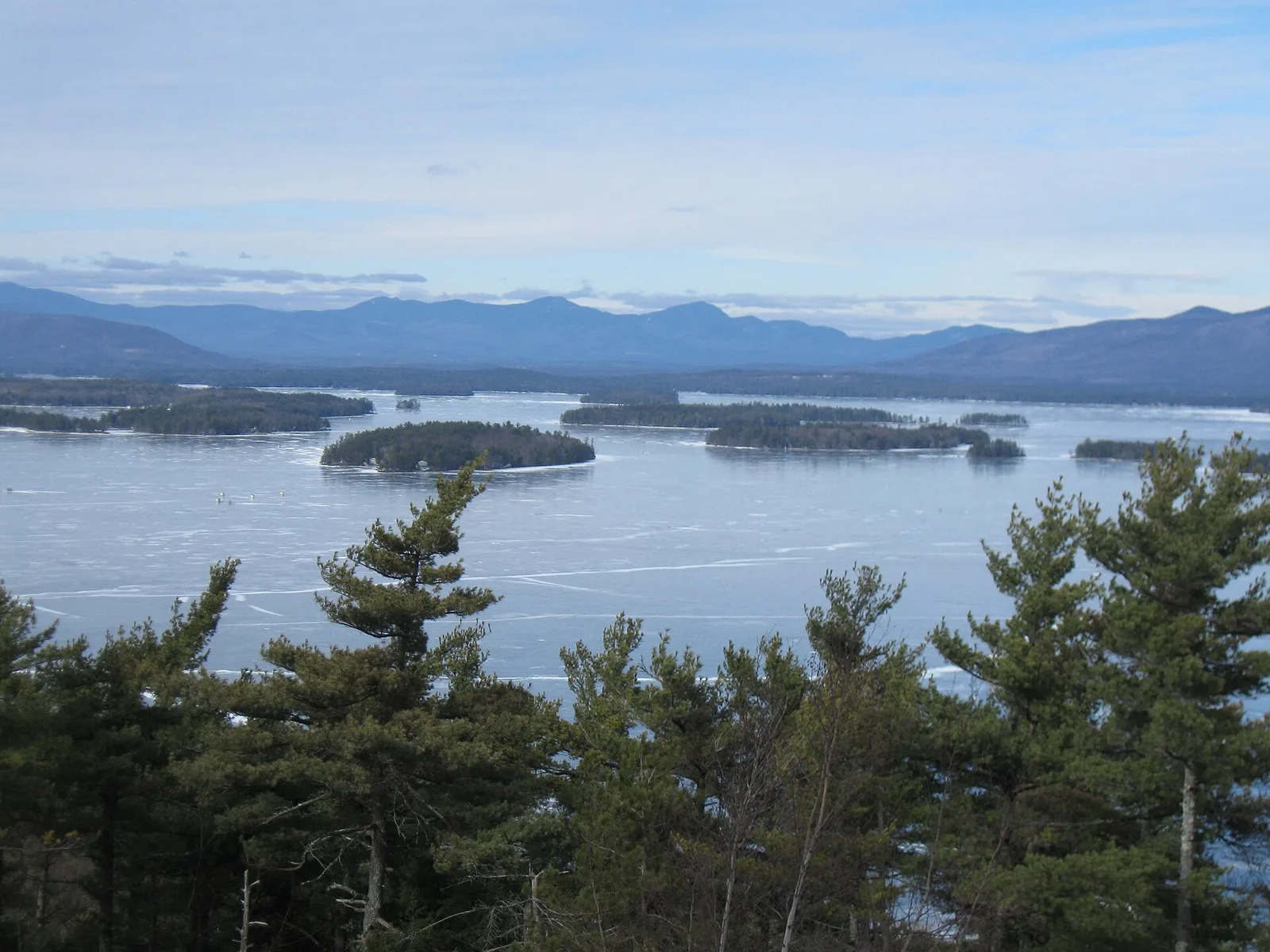
The lake's signature hike: ninety minutes up from Alton to open ledges with the whole blue sprawl below, islands to the horizon. Sunrise up there sells more September weekends than any ad we could write.
The booking questions are eternal: private dock or shared, can we bring the boat, is the entry sandy for little kids, is there a second refrigerator. Answer all four above the fold and the week-long family books without a phone call.
A few composite engagements drawn from how Cavmir typically works on this lake. The details are illustrative and consistent with Winnipesaukee, not pulled from a single named client.
A knotty-pine family camp with a private dock ran driveway photos, nightly pricing and no minimums — churning weekend turnovers through July while the week-booking families it was built for scrolled past to better-presented water.
Cavmir reshot everything from the water in — dock at sunrise, float in the afternoon, sunset off the porch — rebuilt the listing dock-first with the entry, depth and boat answers up top, and moved the core season to Saturday weeks published in February at waterfront rates.
The camp converted to the market it belonged in: full summer weeks instead of fractured weekends, August spoken for by April, and two families asking for their same week back before they'd even packed the car.
A winterized four-bedroom near Gunstock went dark every October like its three-season neighbors — no winter photos, no winter rates, no idea it was sitting on a second season the summer listing never mentioned.
Cavmir built the winter file: snow photography with the fire lit, a rate card around Gunstock weekends, the pond-hockey classic and the February derby, copy for the concert crowd in summer and the ski crowd in winter, and a listing kept alive twelve months.
Winter went from zero to a real revenue line inside one season — derby and hockey weekends booked at firm rates, Gunstock families found a house the condo listings couldn't match, and the annual number stopped depending entirely on ten weeks of weather.
A big renovated colonial a short drive from the docks kept losing to waterfront listings it couldn't out-view, competing on price alone and attracting exactly the short, hard-wearing bookings it didn't want.
Cavmir repositioned it as the reunion house: capacity-first copy — the long table, the bunk room, two refrigerators, parking for five cars — photography built around gathering spaces, week minimums in the core season, and pricing per bedroom that undercut waterfront while out-earning its old rate.
The house found its guest: three-generation groups booking full weeks for reunions and regattas, gentler wear at higher revenue, and a September wedding-party trade the old listing never saw — the off-water math finally working as designed.
Demand in Lake Winnipesaukee peaks around July through August and runs quietest around November. Here is how the year actually books — and what to do about each stretch of the calendar.
Late June through Labor Day is the market — Saturday-to-Saturday weeks at the year's peak rates, with July Fourth and the first two weeks of August the summit. The best waterfront weeks are spoken for by March, often by last year's guest, so publish the summer calendar in late winter and hold the peak weeks at their real value with week minimums.
June carries Motorcycle Week, which fills the Laconia and Weirs side at premium rates with a guest worth pricing for deliberately. September is the insider season — warm water, empty lake, foliage arriving on the ridges — and strong operators now sell it hard instead of closing after Labor Day. Foliage brushes early October, and Gunstock's ski weekends plus the pond-hockey and ice-fishing calendar give winterized homes a real cold-season file.
November is the deadest month on the lake, and April runs close — ice going out, docks not yet in. Use both for maintenance, dock work and the photography refresh, take the odd monthly stay, and resist panic pricing. The lake's calendar is generational; it returns on schedule.
Waterfront summer weeks are often claimed by March — many by returning families before they leave in August. The rally books months out, September inside six weeks, and winter weekends decide on the weather.
Summer is a Saturday-week market at its core, with long weekends filling the edges. September couples book two to three nights, the winter ice calendar runs on weekends, and the rare off-season booking skews midweek and longer.
The winner is waterfront with a private dock and western sunset exposure, sleeping eight or more for the three-generation week. Off the water, the reunion house wins on capacity — long table, bunk room, two refrigerators — priced honestly below the shorefront.
Market the water first: dock photography at golden hour, the water facts above the fold, and Saturday-week pricing published by late winter. Sell September as the second summer it is, decide your June rally posture deliberately, and keep winterized homes alive for the ice calendar. Then run the rebooking machine — a direct site and a February email to last year's families. That whole layer — photography, copy, direct booking and local search — is what Cavmir builds for hosts on the lake.
Late June through Labor Day, booked in Saturday weeks, with July Fourth and early August the summit. June carries Motorcycle Week, September runs the insider second summer, and a real winter niche rides the derby, pond hockey and Gunstock weekends.
The best waterfront weeks go by March, many to returning families who rebook before leaving. The rally books months ahead, September fills inside six weeks, and winter weekends follow the ice and snow reports.
Boston overwhelmingly, then Manchester, Concord, the Seacoast and southern New England. The lake is a two-hour drive market at its core, and it repeats — the same families claim the same weeks for decades.
The dock decides everything — private moorage, what it fits, sandy entry for the little kids. Behind it come capacity amenities: the second refrigerator, the bunk room, the long table. Kayaks and a fire pit round out the week, and a washer-dryer keeps a Saturday-week house sane.
Run your Airbnb, Vrbo, or website through Cavmir's free grader. It checks the things that decide whether guests book on Lake Winnipesaukee — photos, listing copy, page speed, local search — and shows you where bookings leak. Takes about a minute, and there's no sales call attached.
If the report says your booking engine is the weak link, that's fixable: a direct-booking website of your own means repeat guests stop paying platform fees to come back to you. That's the work Cavmir does — see Airbnb website design on Lake Winnipesaukee.
Talk to Cavmir today. We'll show you exactly what your Lake Winnipesaukee property is leaving on the table — and how fast we can change that.
Book a Free Strategy Call