Moon Bakery, then the Kanc's first mile
Coffee and a maple scone on Main Street, then drive the first stretch of the Kancamagus before the tour buses wake up. Guests who catch the early light on the East Branch understand immediately why they came.
Expert short-term rental marketing to grow your bookings and nightly rate in Lincoln, New Hampshire, USA.
* Market averages. Properties marketed by Cavmir typically exceed these figures by 25–45%. Data sourced from AirDNA, STR market reports, and Cavmir internal analytics.
Lincoln is the western gate of the White Mountains — a former logging town of about 1,700 people on I-93 where the Kancamagus Highway begins, Loon Mountain runs the lifts, and Franconia Notch opens ten minutes north. The location is the business: Boston is barely two hours down the interstate, which makes Lincoln and its twin village North Woodstock the first real mountain stop for six million people, and the town has built a four-season machine on that drive. Winter belongs to Loon, one of New England's busiest ski hills; summer runs on the Flume Gorge, Whale's Tale, Clark's Bears and the Lost River caves; late September belongs to the Kancamagus, the most famous foliage drive in America; and the cold shoulder got an answer when the Ice Castles began rising in North Woodstock each January. The lodging stock tells the town's story in layers — 1970s ski chalets and A-frames up the Kanc, waves of Loon-side condos from the eighties on, village houses in North Woodstock, and a working strip of small lodges, motels and inns along Main Street that has served this road since the logging trains stopped. New Hampshire sweetens the whole file: no state income tax on rental revenue the way most states levy it, a single 8.5% rooms tax, and a Supreme Court that settled the zoning question in the industry's favor. Few markets this small carry a calendar this full.
Lincoln runs the steadiest four-season calendar in the White Mountains, and the peaks are sharp. Foliage is the headline — the last week of September through mid-October books out furthest ahead and prices highest, because the Kancamagus starts at the town line and every leaf-peeper in New England knows it. Winter is the volume season: Loon's ski weekends run December through March, with the Massachusetts school vacation weeks in February the strongest stretch of the winter and holiday week close behind. Summer is long and family-driven — the Notch attractions, the waterpark, wedding traffic — and January found its own audience when the Ice Castles turned the darkest month into date-night inventory. Blended numbers run around $390 a night with occupancy in the mid-40s, but the market splits cleanly: the big Loon-side condo pool competes on convenience and price, while standalone chalets with hot tubs, and the village's small inns and lodges, earn premiums the condos can't reach. April and November are the honest mud seasons. The guest base is overwhelmingly drive-up — Boston and its suburbs first, then southern New Hampshire, Connecticut and Rhode Island — and it repeats: the same families ski the same February week and book the same foliage weekend, which is exactly the audience a direct-booking channel converts best.
Nearby Markets: White Mountains | North Conway | Stowe

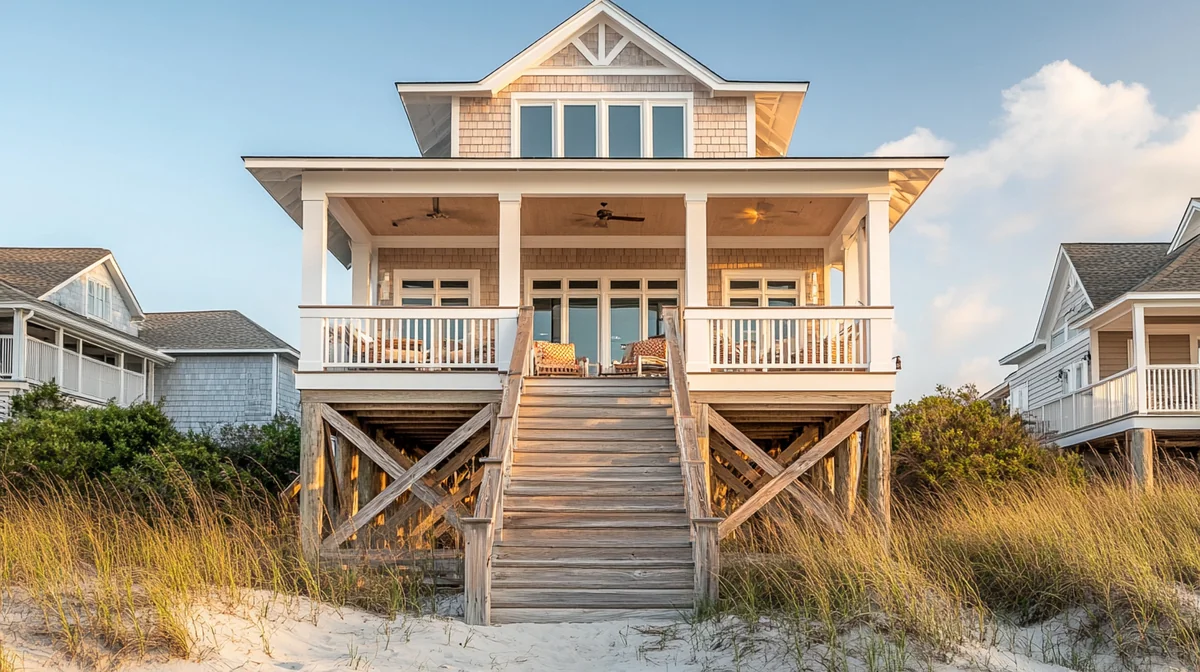
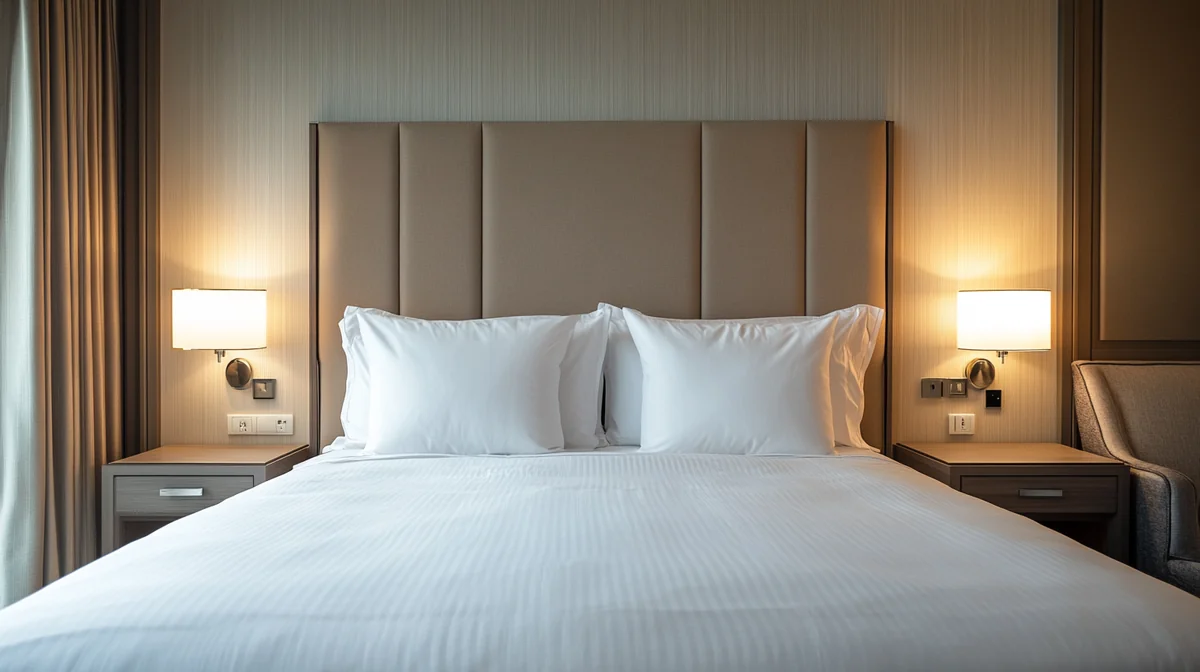
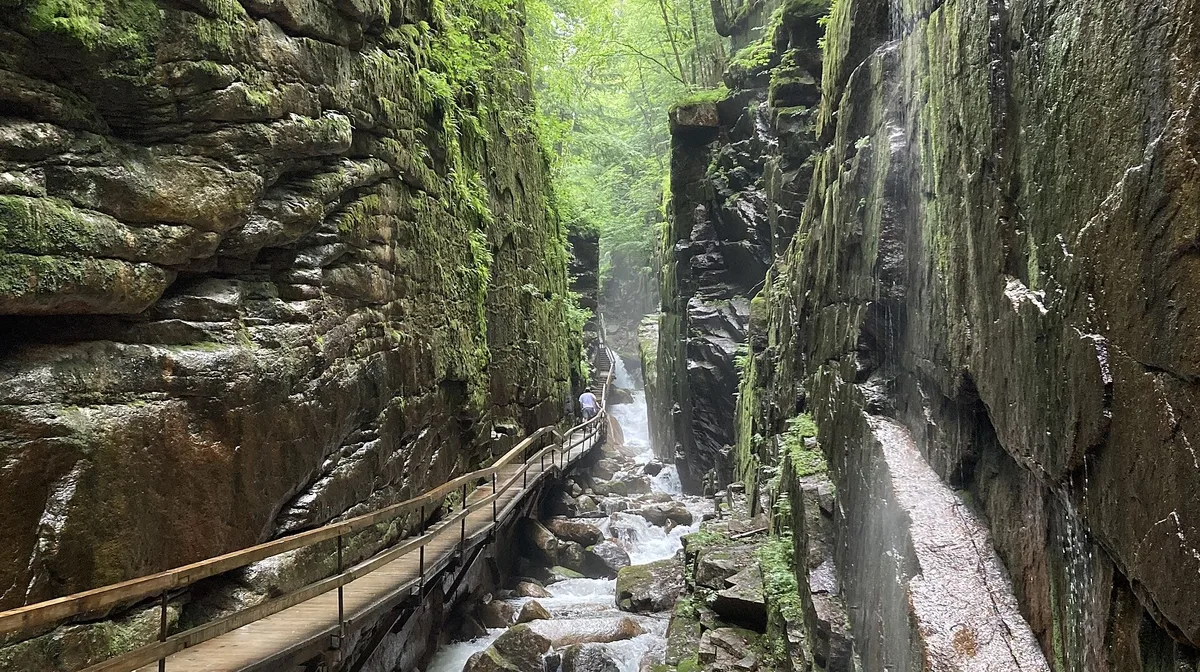
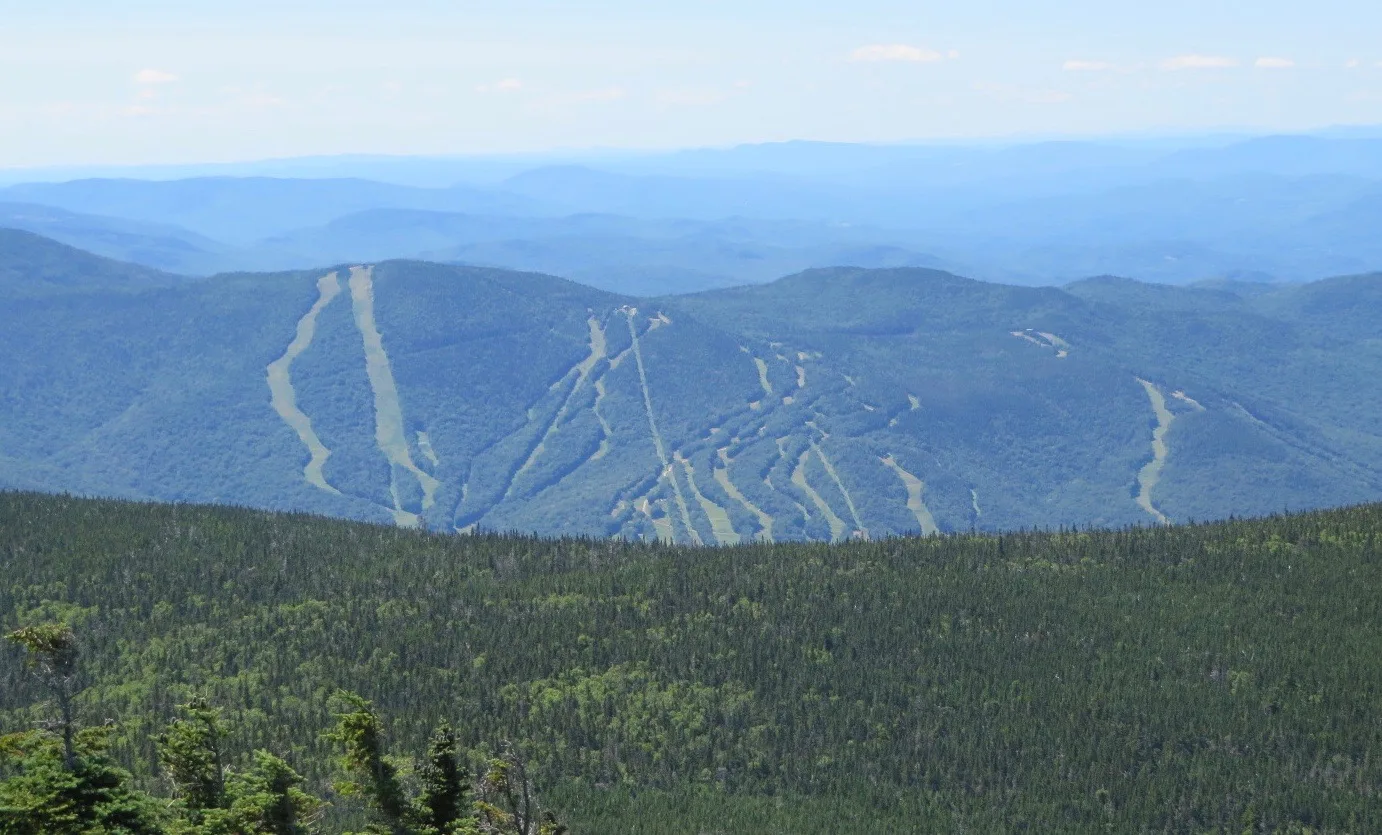
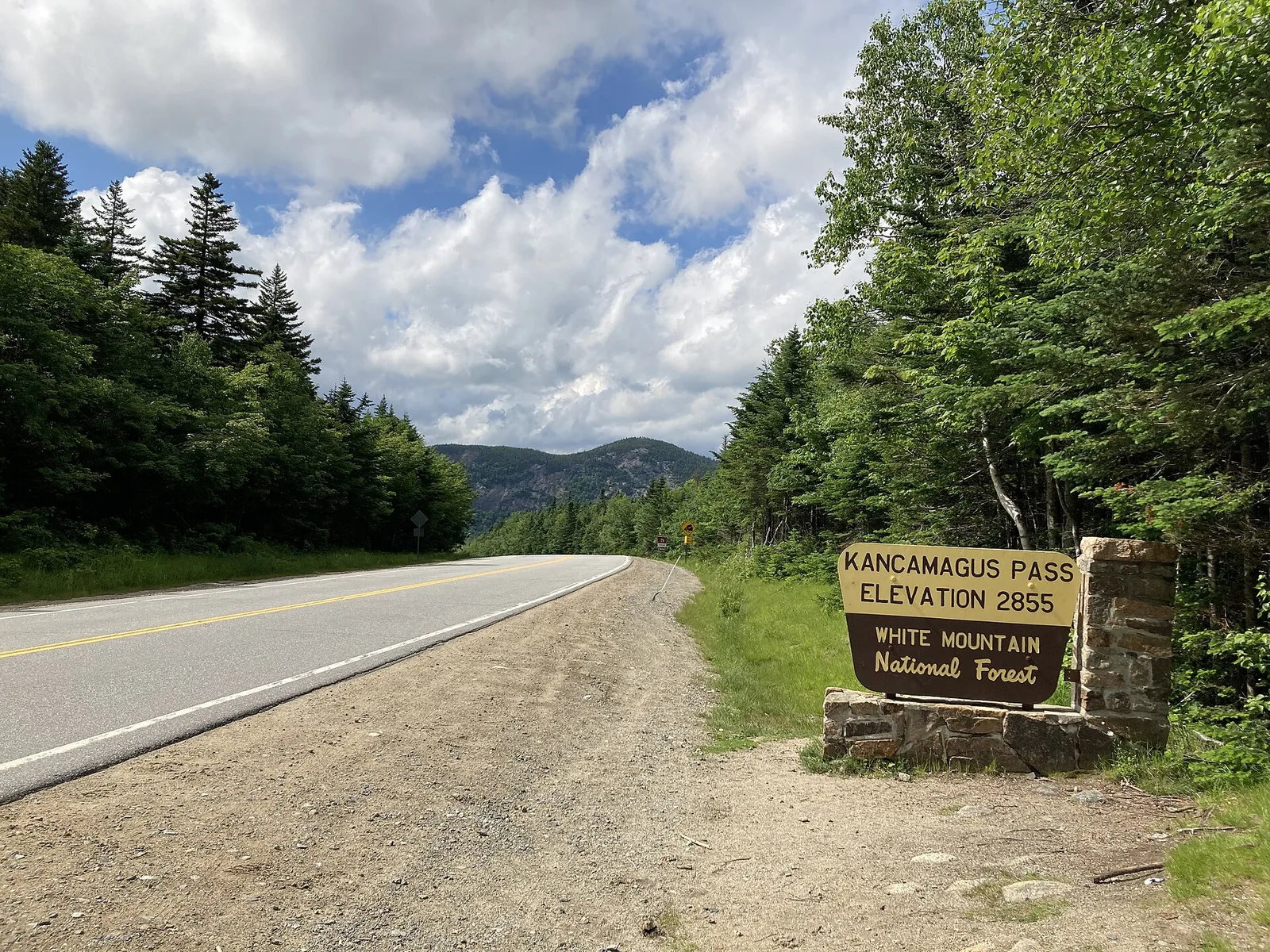
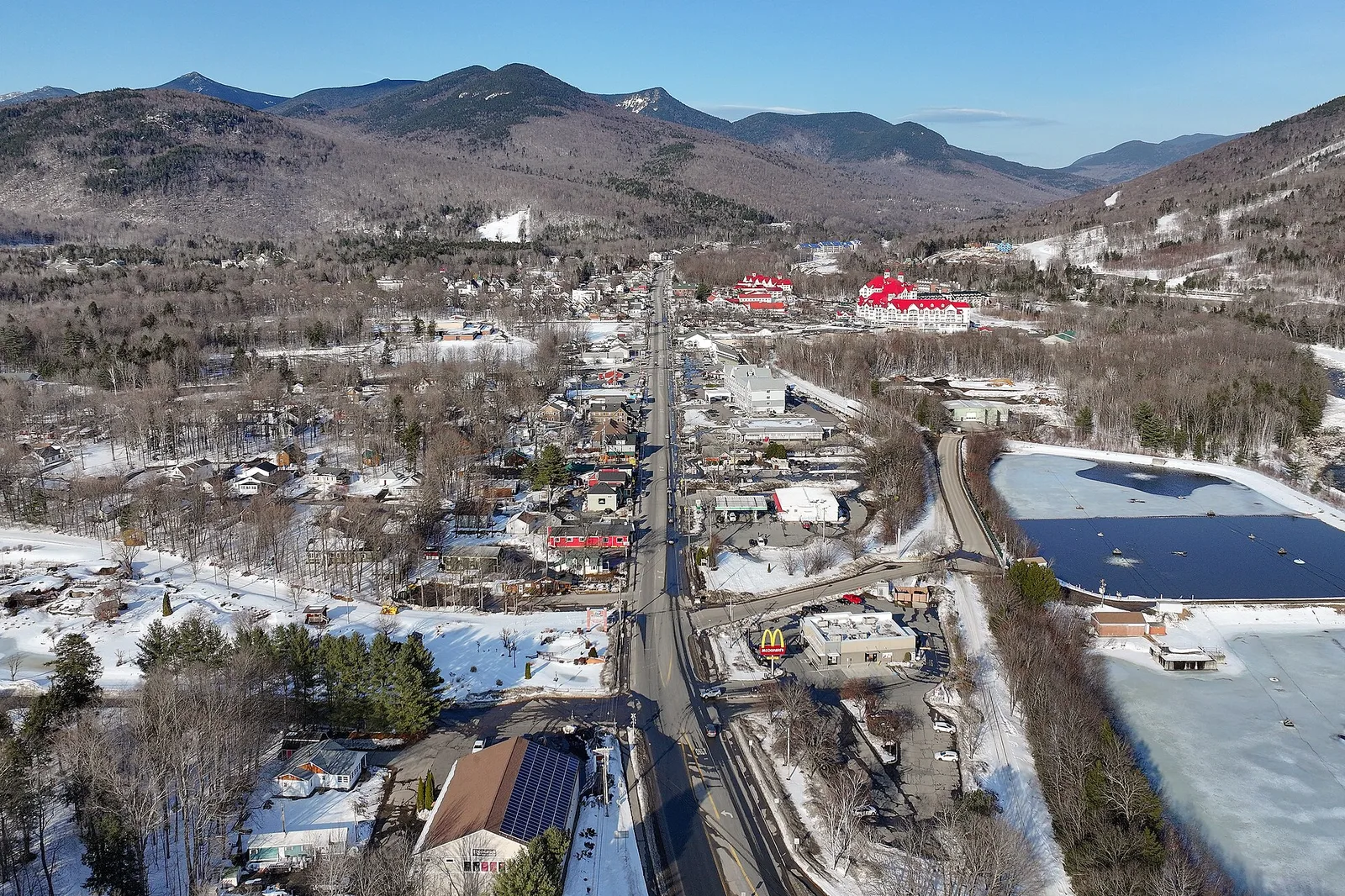
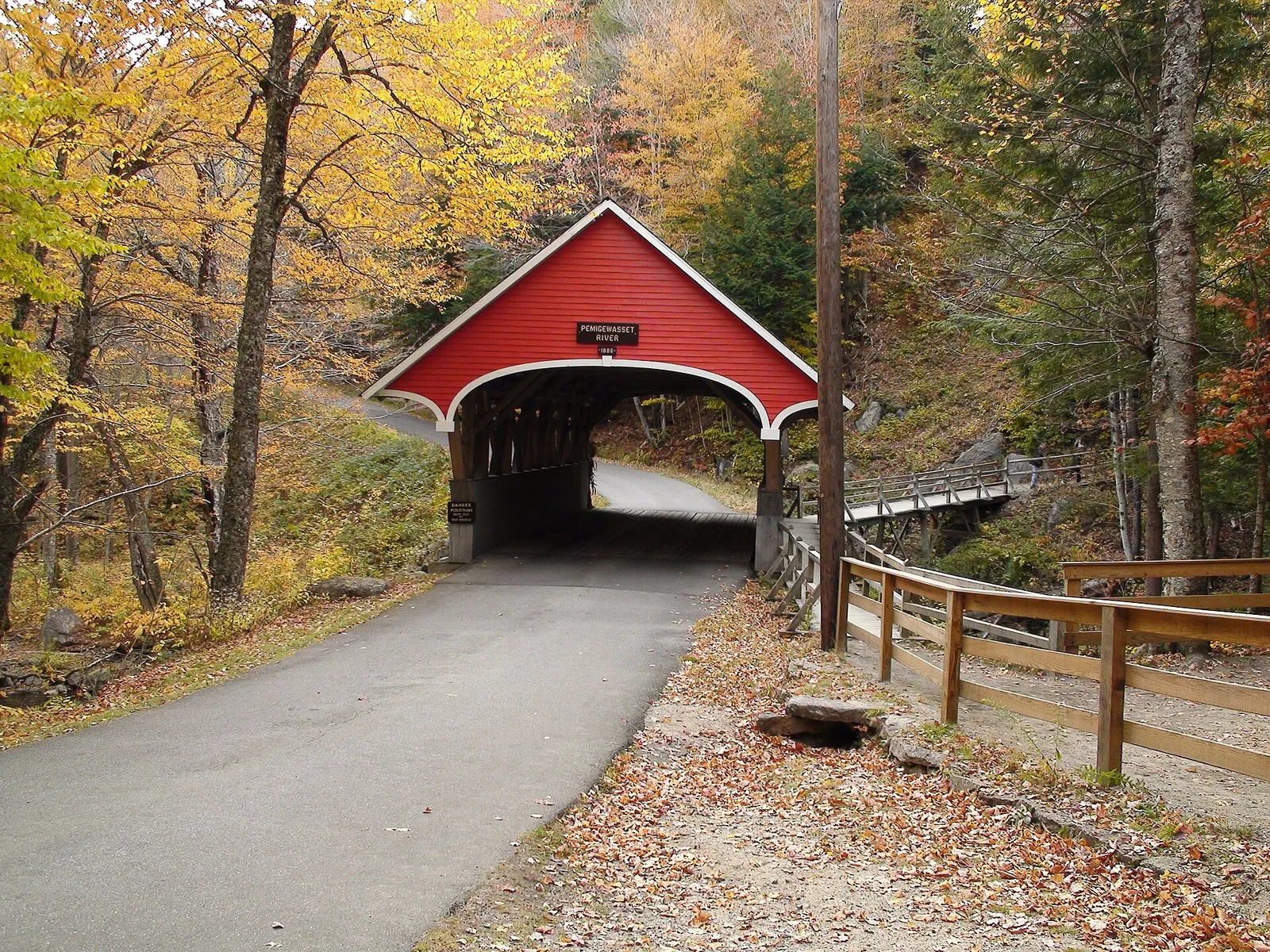
A few of the visual fingerprints we lean into when we shoot, brand and market a Lincoln property — courtesy of the open Wikimedia Commons archive.
Cavmir wins in Lincoln because the market is deep but the marketing is shallow. Hundreds of Loon-side condos run the same interchangeable listing — same balcony shot, same shuttle line, same flat rate card — and the properties with real character get buried in the scroll. We separate them. We shoot the hot tub steaming against the snowbank, the A-frame glowing up the Kanc at dusk, the fireplace that decides a February booking, and we write copy that answers this guest's actual questions: minutes to the Loon quads, what the mountain road is like in a storm, where the gear dries. We price the real calendar — foliage weekends and vacation weeks as the premium products they are, Ice Castles season as the January play most owners still miss — and we time Boston-metro ads to the school-break purchase windows. For the lodges and inns along Main Street and in North Woodstock, we build the direct-booking layer this repeat-visit town rewards: a fast site, a returning-guest list, September and January emails that fill the exact weeks that need filling. New Hampshire's registration is light, so the whole contest is presentation and timing — the two things we do all day. We help position and market your property. We never manage it or touch your keys.
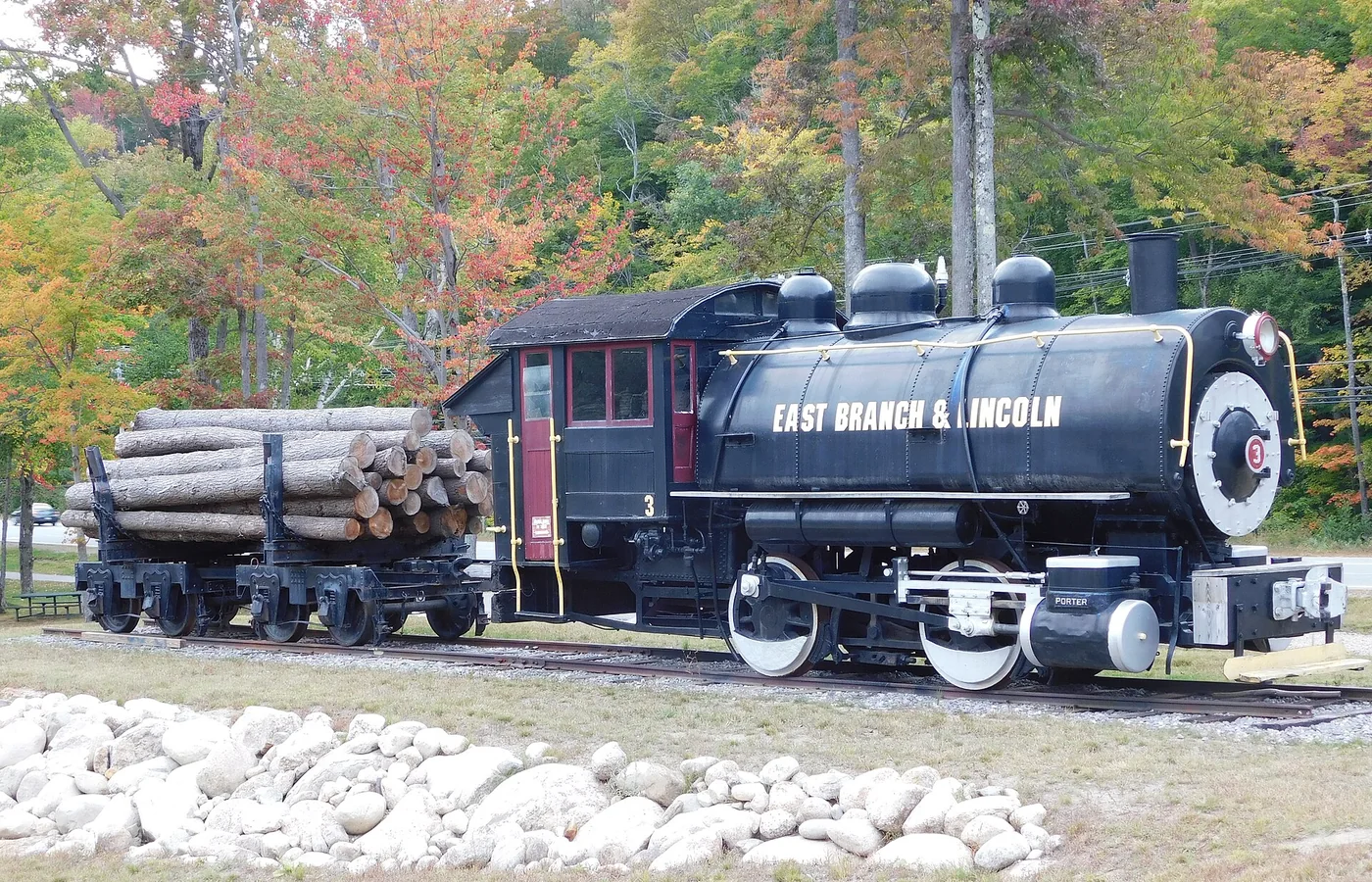
Lincoln was built by a logging baron before it was rebuilt by skiers. In the 1890s J.E. Henry ran one of the most notorious timber empires in the East out of this valley — his East Branch & Lincoln Railroad pushed seventy-odd miles of track into the Pemigewasset wilderness, his mill made the town, and the cutover he left behind helped provoke the 1911 Weeks Act that created the White Mountain National Forest around it. The forest healed into the backdrop; the mill economy faded; and in 1966 Sherman Adams — former New Hampshire governor and Eisenhower's chief of staff — came home from Washington and opened Loon Mountain on Lincoln's south wall. The interstate arrived up Franconia Notch, Boston moved two hours closer, and the ski town began stacking seasons the mill town never had. The Kancamagus Highway, completed through Kinsman country in 1959 and paved by the sixties, turned September into the town's second high season; the Notch attractions — the Flume Gorge boardwalks, the Cannon tramway, Echo Lake — made summer respectable; Clark's Bears had been performing since 1928 and Whale's Tale added waterslides. Condos followed Loon's lifts through the eighties and nineties, South Peak extended the mountain in the 2000s, and the RiverWalk resort brought the first new village-scale build in a generation. In 2003 the Old Man of the Mountain fell off Cannon Cliff in the night — the state kept him on the license plate anyway — and in the 2010s the Ice Castles chose North Woodstock for their New England site, handing the darkest month a headline act. The through-line is constant: whatever the era sells, Lincoln sells it to Boston, two hours up I-93.
Price the peaks like they're different products, because they are. Foliage is the scarcest inventory in the calendar: the last week of September and the first two of October should carry the year's highest rates with two- or three-night minimums, and they'll still fill by midsummer. The winter ladder runs holiday week and the two February vacation weeks at the top, ordinary ski weekends a tier down, and midweeks priced to catch the passholder crowd rather than sit empty. Summer sells steadier and longer — families book the Notch-attraction weeks at solid but not extreme rates, and weddings pepper the weekends. January's Ice Castles trade rewards a date-night product: two nights, hot tub lit, dinner recommendations in the listing. The condo pool sets the market's floor, so a standalone chalet or an inn room should never price against it — character inventory runs a real premium here when the photography proves the character. April and most of November are honest: price them low, take the midweek longer stays, or block them for maintenance and the photo refresh.
Four real seasons with two sharp spikes. Foliage (late September to mid-October) is the tightest, highest-rate window; February vacation weeks are the winter equivalent. December through March runs on Loon's snow, summer runs long on families and weddings, January earns its keep on the Ice Castles, and April and November are the honest mud months — quiet, cheap, and the right time to reshoot the listing.
New Hampshire is one of the friendliest state files in the country, and Lincoln plays it straight. The state's highest court settled the big question next door: in Conway v. Kudrick (2023) the New Hampshire Supreme Court ruled that short-term rentals are a residential use under ordinary residential zoning — a decision that shapes how every town in the state approaches the business. Lincoln has not built a restrictive local regime on top of it; there's no town rental cap or ban to navigate, and the practical file is the state's. Every operator needs a Meals & Rentals Tax operator's license from the New Hampshire Department of Revenue Administration before the first stay, and the 8.5% rooms tax applies to short stays regardless of who books them — confirm per channel whether the platform is remitting or you are, because direct bookings always file through your own account. Life-safety is the local layer that matters: smoke and carbon-monoxide protection, egress, and occupancy set honestly against septic capacity where a property runs on one — the standard things a fire marshal cares about, and the things that make an insurance file defensible. Condo owners at Loon and the RiverWalk have a private layer of rules: several associations regulate rental terms, minimum stays or rental programs, and the association documents control. As always in New Hampshire, the rules are light but not optional — and they do evolve, so verify the current requirements with the town office and the DRA before you list rather than assuming last season's file still holds.
Sell the drive time in the first line — 'two hours from Boston, first exit after the Notch' does more work than any adjective. Name your Loon logistics precisely: minutes to the Governor Adams base, whether the shuttle stops nearby, where skis dry and boots warm. In winter, photograph the property at night with every light on and the hot tub steaming; that one image sells February. Foliage guests are buying the Kancamagus — say how far to the town-line entrance and name a pullout or two, because competence reads as trust. List the January Ice Castles openly with a two-night couples framing; most competitors still treat January as dead air. Screen and price June intelligently on the Weirs side of your ad targeting — Motorcycle Week guests spill up I-93, and a house that welcomes riders should say so while a family A-frame should hold its minimums instead. Keep a mud-season strategy: April is the month to court midweek remote workers at honest rates and to reshoot spring photography. And for the small lodges and inns on the Main Street strip, the single highest-leverage move is a direct-booking website with the town's name in the title tag — this is a repeat-visit market, and the operator who owns the guest relationship stops renting it back from the platforms one commission at a time.
The condo pool compresses prices — hundreds of near-identical Loon-side units race each other to the floor every ski season, and an undifferentiated listing gets dragged down with them. Mud season is real: April and November produce little without a deliberate midweek strategy. Storm logistics test operators — a nor'easter weekend needs plowing, a generator plan and calm guest communication. And the September-October surge tempts overreach: a foliage rate set too greedy on the wrong week strands the calendar's most valuable nights.
Insure the property as the business it is. A standard homeowner's policy generally excludes commercial short-stay use, so the file starts with a short-term-rental or landlord policy carrying at least $1 million in liability. In Lincoln the risk list is specific: hot tubs (the amenity that books February is also the one underwriters ask about first), woodstoves and fireplaces with documented cleaning, snow load and ice-dam exposure on chalet roofs, frozen-pipe protection with smart leak sensors for any home that sits empty midweek in January, and clear guest rules around fire pits and grills. Properties up the Kancamagus or on private roads should document winter access and plowing contracts — both for guests and for the adjuster you hope never to call.
Short stays in New Hampshire carry the state's 8.5% Meals & Rentals tax — no state sales tax on top, no local lodging add-ons, which keeps the arithmetic mercifully clean. You need an operator's license from the Department of Revenue Administration before the first booking; the big platforms generally handle collection on their own bookings, but confirm it per channel and never assume — and every direct booking files through your own license, which is the trade for keeping the commission. New Hampshire levies no broad personal income tax on the rental revenue itself, one reason out-of-state owners like the file, but federal reporting applies as everywhere, and the property tax bill is the local reality to price in. A short-stay-literate accountant closes the loop.
Lincoln's stock finances along two clean tracks. The condo pool is the accessible entry — Loon-side units price well under the standalone market and lend conventionally, though any building with resort amenities or front-desk operations deserves a warrantability check before you fall in love, and association rental rules belong in the underwriting file. Standalone chalets and village homes run conventional second-home or investment paper, and DSCR lenders read this market's four-season history fluently — documented foliage and February income carries a file. The inn-and-lodge layer on Main Street is its own lane: mixed-use and room-count realities push toward commercial or SBA lending, where the license history and occupancy records do the talking. New Hampshire's regional banks and credit unions know these products cold; the strategic rule everywhere is the same — finance against the conservative season, and let foliage upside be upside.
Lincoln's next chapter is more of what's working, with capital behind it. Loon keeps investing — lift upgrades and South Peak's continued build-out keep the mountain competitive with anything in New England — and the town's attraction calendar keeps thickening at the edges, with the Ice Castles now an established January anchor and September's Highland Games bigger every year. Supply is the structural story: ringed by national forest and notch, the valley can't sprawl, so new inventory arrives mostly as condo projects and infill, and the character stock — chalets, village houses, the Main Street lodges — holds scarcity value. Watch the association rulebooks as resort-side buildings tune their rental policies, and watch the state file stay friendly: post-Kudrick New Hampshire towns regulate at the margins, not the core. The durable play through 2027 is a distinctive, winterized property with a hot tub, photographed to its season, priced to the vacation-week calendar, and backed by a direct channel that rebooks Boston's most loyal repeat guests without paying for them twice.
Lincoln is the honest machine of the White Mountains — a town that decided its job was delivering the mountains to Boston and got ruthlessly good at it. We love marketing here because the calendar practically writes the campaigns: the Kancamagus hands you the most famous foliage drive in America starting at the town line, Loon hands you a winter of school-vacation weeks, the Ice Castles hand you January date nights in a month most markets bury, and the Notch hands you a summer of families who've been coming since Clark's Bears was their parents' trip. The demand arrives on schedule; the craft is in catching it properly.
We also love the underdog math. The condo pool sets a low bar for presentation — hundreds of near-identical listings shot in flat noon light — so a property with real character and real photography doesn't inch ahead here, it leaps. An A-frame with the hot tub steaming at blue hour outperforms its comps the day the photos go live. And the town rewards the direct-booking craft we care most about: this is a repeat market to its bones, the same Boston families on the same weeks, which means a guest list and a fast website compound year over year in a way pure-transient markets never do. Add a state file thin enough to fit on an index card and a village strip of family-run lodges still doing the thing their road was built for, and Lincoln is the rare small market where good marketing is the whole difference between average and excellent.
A great property in Lincoln doesn't just want a listing — it wants a point of view, an audience, and a brand the city itself would recognise.
A few honest, insider picks for Lincoln and North Woodstock — the specifics that make a listing read like a local wrote it. Real places, no filler.
Coffee and a maple scone on Main Street, then drive the first stretch of the Kancamagus before the tour buses wake up. Guests who catch the early light on the East Branch understand immediately why they came.
The North Woodstock institution — brewpub, Victorian inn and reliable comfort food in one sprawling landmark. It's the first answer to 'where should we eat' and the safest one all year.
From November on, this town refreshes Loon's snow page the way other towns check the weather. A listing that mentions its storm-day logistics — plowing, the shuttle, boot dryers — reads native.
The gorge and boulder caves in Kinsman Notch run fine in drizzle — wooden walkways, waterfalls at full volume, kids exhausted by noon. Better wet than the waterpark, and locals know it.
Mid-September at Loon: pipe bands, caber tosses and clan tents fill the valley a week before the leaves turn. It's New England's biggest Scottish festival and the sleeper premium weekend on the calendar.
Flume Gorge in the morning, the Basin on the walk back, Cannon's tramway after lunch, Echo Lake at golden hour. One notch, one day, four postcards — hand guests the sequence and they'll credit the house.
Ride up, walk the summit boardwalks, look back down the Pemigewasset valley at the town doing its work. In foliage season it's the photograph everyone came for; in summer it's the one they didn't expect.
The February questions are always the same: how far to the Governor Adams base, is the hot tub open, does the fireplace burn real wood. Answer all three in the listing's first breath and watch conversion move.
A few composite engagements drawn from how Cavmir typically works in this market. The details are illustrative and consistent with Lincoln, not pulled from a single named client.
A classic 1970s A-frame with a hot tub and a wooded site ran phone photos, one flat rate and a title that said 'cozy mountain getaway' — invisible among four hundred Loon-side condos and priced below half of them.
Cavmir reshot the house at blue hour in snow — every window lit, tub steaming — rebuilt the listing around 'first house off the Kanc,' priced foliage and February as premium products with minimums, and added an Ice Castles date-night package for January.
The chalet stopped competing with the condo pool entirely: foliage weekends filled by July at rates the old listing never asked, January produced real revenue for the first time, and the February weeks began rebooking themselves a year ahead.
A family-run lodge with fifty years of returning guests had no website a phone could read, no guest list, and OTA commissions quietly taking a tenth of the season while the owners wondered where the margin went.
Cavmir built a fast direct-booking site with the town's name in the title tag, photographed the rooms and the porch honestly, digitized five decades of guest cards into an email list, and set a simple rhythm: a September foliage email and a January ski email.
Direct bookings became the majority channel within two seasons, the September email now fills foliage weekends before the platforms surge, and the commission line the family used to shrug at stays in the business.
A well-located two-bedroom ran the same balcony photo and flat winter rate as every unit in the building, sat empty midweek, and lost the vacation weeks to units priced smarter and shot better.
Cavmir differentiated what could be differentiated — real photography, gear-room detail, a rewritten listing that answered the storm-day questions — then rebuilt the rate card: vacation weeks premium, ordinary weekends firm, midweeks priced for passholders, summer weddings courted.
The unit pulled clear of the building's average within a season: vacation weeks booked early at proper rates, midweek occupancy stopped flatlining, and summer stopped being an afterthought on a winter calendar.
Demand in Lincoln peaks around October and runs quietest around April. Here is how the year actually books — and what to do about each stretch of the calendar.
Foliage is the sharpest peak — the Kancamagus begins at the town line, and the last week of September through mid-October books out furthest ahead at the year's best rates. Winter runs a close second on Loon's snow, with the February school-vacation weeks the strongest stretch and holiday week right behind. Have the fall calendar priced by early summer and the winter one set before Thanksgiving, with minimum stays protecting the weekends that will fill regardless.
Summer is long and dependable rather than frantic: families run the Flume, Whale's Tale and Clark's Bears circuit, weddings fill weekends, and midweeks book steadily. January is the quiet month that stopped being quiet — the Ice Castles in North Woodstock turned it into a two-night date-trip market, and listings that package a couples stay ride it. September before the color turns carries the Highland Games, one of the valley's biggest weekends.
April and most of November are the honest mud months, after the snow and before the green or the lights. Take the longer midweek stays that come, court the remote workers, and use the lull for deep cleaning, hot tub service and the seasonal photography swap. Hold your value rather than chasing the bottom — the calendar comes back on its own schedule.
Foliage weekends fill first, often by midsummer, and February vacation weeks lock in through the fall. Ordinary ski weekends decide late and follow the snow report. Summer builds steadily through spring, so the listing should be dialed before Memorial Day.
Winter runs on two- and three-night weekends with full weeks at the school breaks; summer families stretch to four nights and full weeks; foliage is a long-weekend market. January's couples trade books the shortest stays of the year.
The winning property separates from the condo pool: a standalone chalet or A-frame with a hot tub and real character, or a village house in North Woodstock walkable to dinner. Sleeps-eight capacity with a game room wins the family trade; fireplace-and-tub atmosphere wins the couples.
Market to the season the guest is actually buying: foliage on the Kancamagus, a Loon ski weekend, an Ice Castles date night or a summer attraction week. That means seasonal photo sets rotated through the year, copy that names drive times from Boston and minutes to the lifts, and pricing that treats foliage and vacation weeks as premium products. A direct-booking site pays off fast here because the same families return annually. That whole layer — photography, copy, direct booking and local search — is what Cavmir builds for hosts in Lincoln.
Foliage is the sharpest peak, late September through mid-October, with the Kancamagus the draw. Winter runs December through March on Loon's snow, with February vacation weeks the strongest stretch. Summer is long and steady, January earns its keep on the Ice Castles, and April and November are the honest quiet.
Foliage weekends fill first, often by midsummer, and February vacation weeks lock in through the fall. Ordinary ski weekends decide late and follow the snow report, frequently inside two weeks. Summer builds steadily through the spring.
Boston overwhelmingly, with southern New Hampshire, Connecticut, Rhode Island and Worcester filling in. A smaller long-haul crowd flies into Boston or Manchester for foliage. Metro-Boston advertising timed ahead of leaf season and the school breaks is the target that matters.
A hot tub and a real fireplace move bookings in every season. Boot and gear drying space quietly earns five-star reviews from ski guests, plowed parking is table stakes in winter, and a game room keeps families happy on rainy days. Pet-friendliness widens the drive-up net.
Run your Airbnb, Vrbo, or website through Cavmir's free grader. It checks the things that decide whether guests book in Lincoln — photos, listing copy, page speed, local search — and shows you where bookings leak. Takes about a minute, and there's no sales call attached.
If the report says your booking engine is the weak link, that's fixable: a direct-booking website of your own means repeat guests stop paying platform fees to come back to you. That's the work Cavmir does — see Airbnb website design in Lincoln.
Talk to Cavmir today. We'll show you exactly what your Lincoln property is leaving on the table — and how fast we can change that.
Book a Free Strategy Call