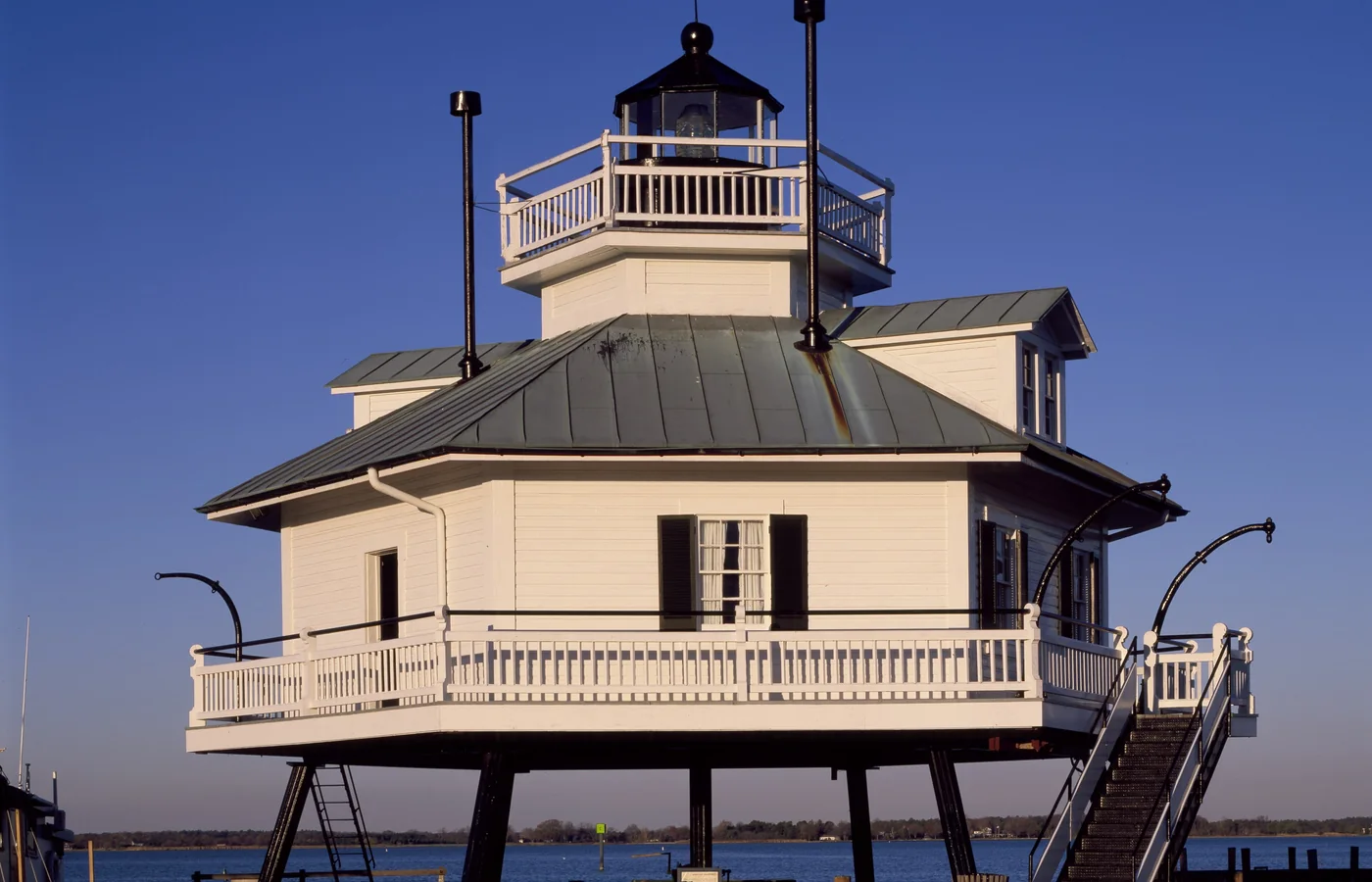
The harbor before the shops open
Walk down to the head of the harbor with a coffee around seven. The water is usually flat, the boats are still, and the lighthouse across the way catches the first light. Best ten minutes of the weekend.
Expert short-term rental marketing to grow your bookings and nightly rate in St. Michaels, Maryland, USA.
* Market averages. Properties marketed by Cavmir typically exceed these figures by 25–45%. Data sourced from AirDNA, STR market reports, and Cavmir internal analytics.
St. Michaels is a harbor town on the Miles River on Maryland's Eastern Shore, ninety minutes from Washington and about the same from Baltimore, and it has spent the last few decades turning from a working waterman's town into one of the Chesapeake's most polished weekend destinations. The maritime museum sits on eighteen acres at the head of the harbor with a screwpile lighthouse moved there in the 1960s and a fleet of restored bay boats. Talbot Street runs a few blocks of shops and restaurants. Out past town the road runs down to Tilghman Island, where the last of the skipjack fleet still ties up. It is a boating and eating and walking destination rather than an adventure one, and the guest is generally a couple or two couples on a two-night escape rather than a family on a week. Rental inventory is historic town houses, cottages off Talbot Street and waterfront properties on the creeks. The licensing regime here is real and worth understanding before you buy.
St. Michaels runs on the Washington and Baltimore weekend, and that gives it a very particular rhythm: Friday and Saturday nights that price well, Sundays that are soft, and a midweek that only works if you go find it. The season runs strongly from April through October, with a genuine second peak in December when the town does Christmas properly, and a quiet January and February. Wedding traffic is significant — this is a popular Chesapeake wedding destination and whole houses book for whole weekends around it. Boating season, the crab houses and the bike ride out to Tilghman drive most of the summer. The competitive picture matters: your rental is competing against very good inns and against the Inn at Perry Cabin, which sets the guest's expectation for what an Eastern Shore weekend looks like. That means presentation quality is not optional here. On the regulatory side, Talbot County requires a short-term rental license and collects a public accommodations tax, and the town of St. Michaels administers its own licensing separately from the county, with limits that make a licensed in-town rental a genuinely constrained asset. Anyone buying here should confirm license availability before they confirm the mortgage.
Nearby Markets: Ocean City | Cape May | Rehoboth Beach

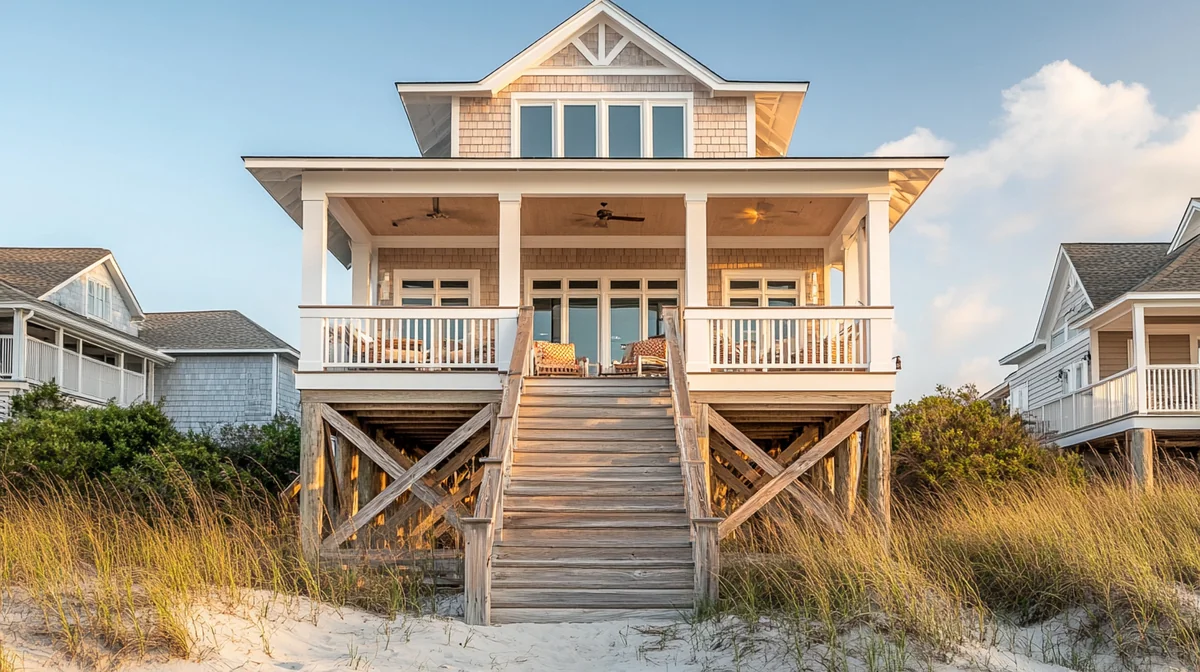
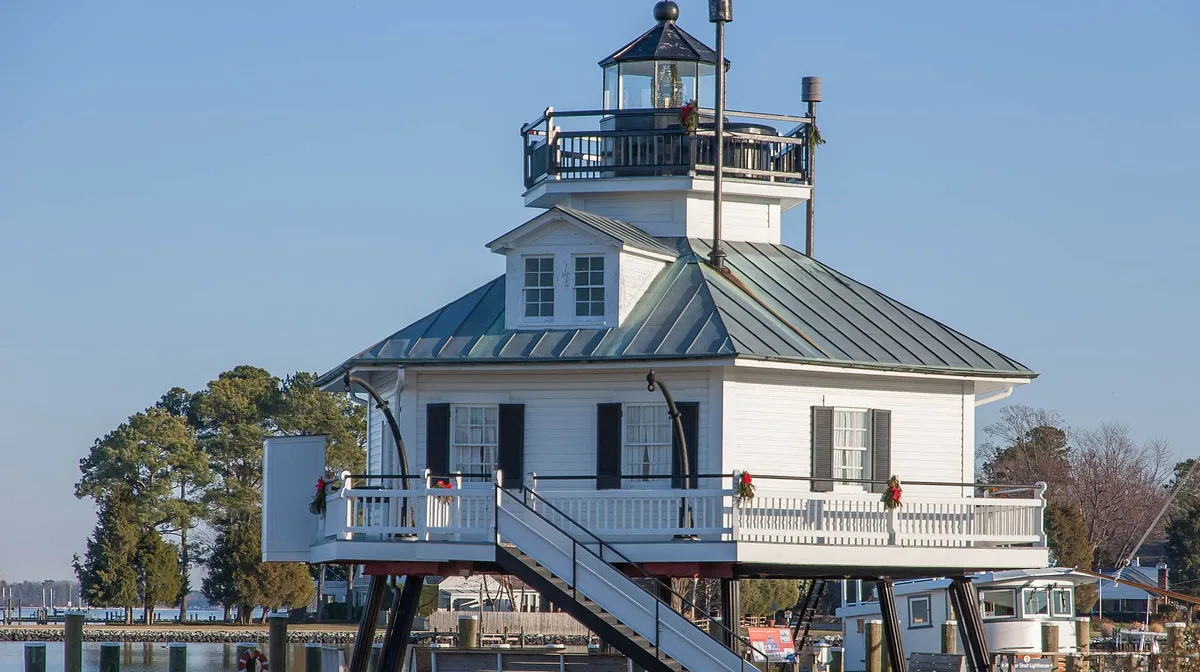
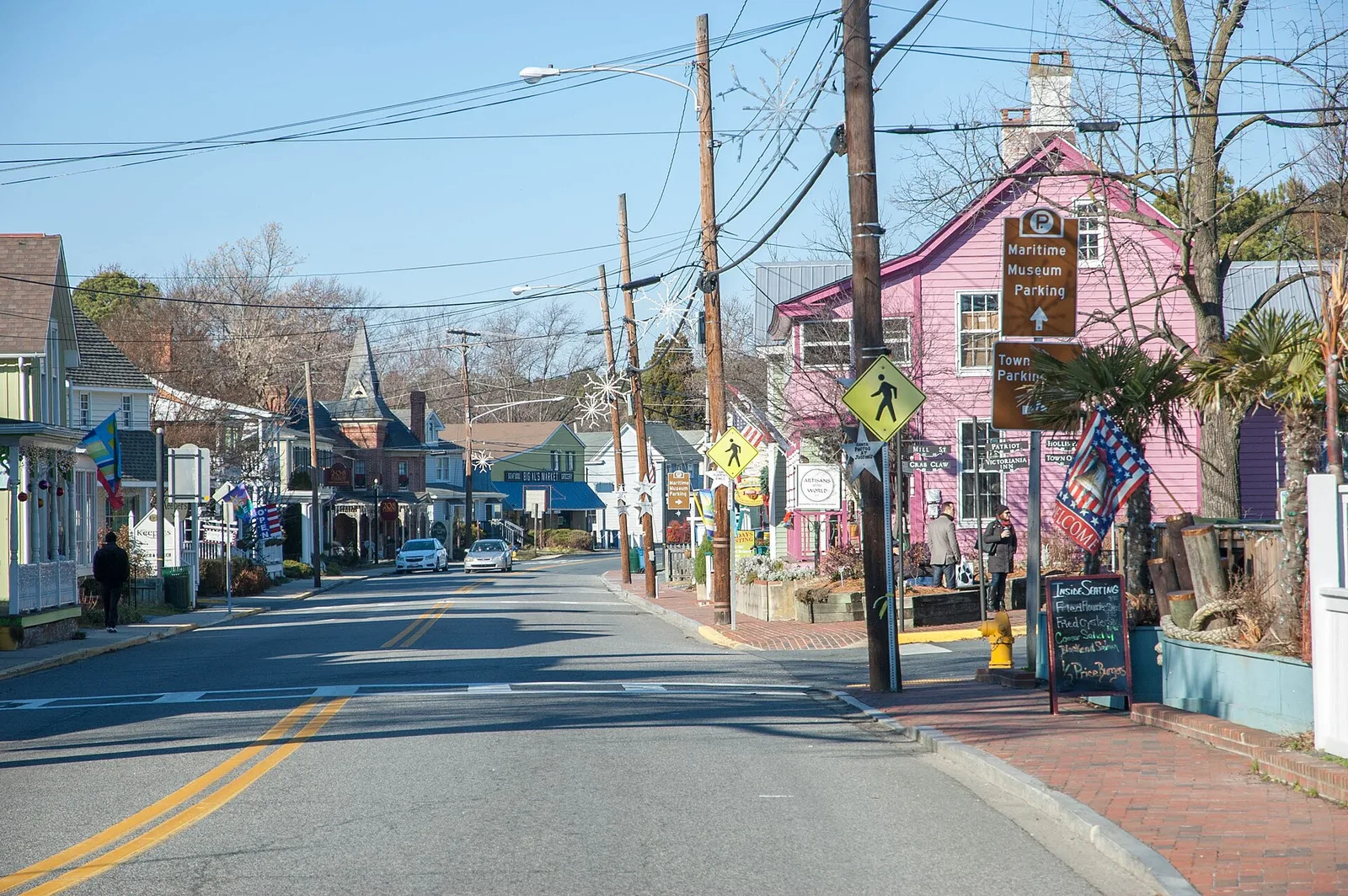
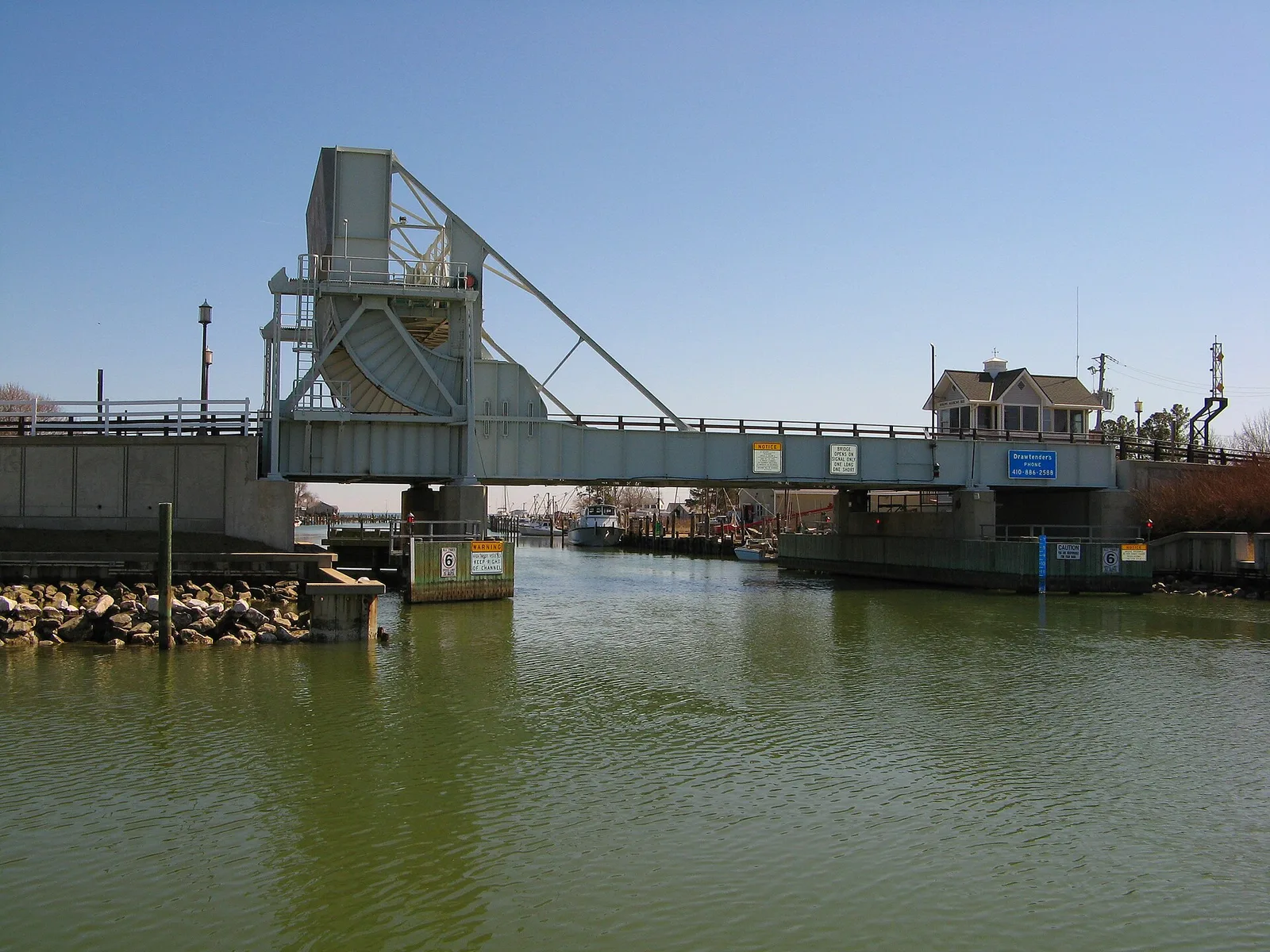
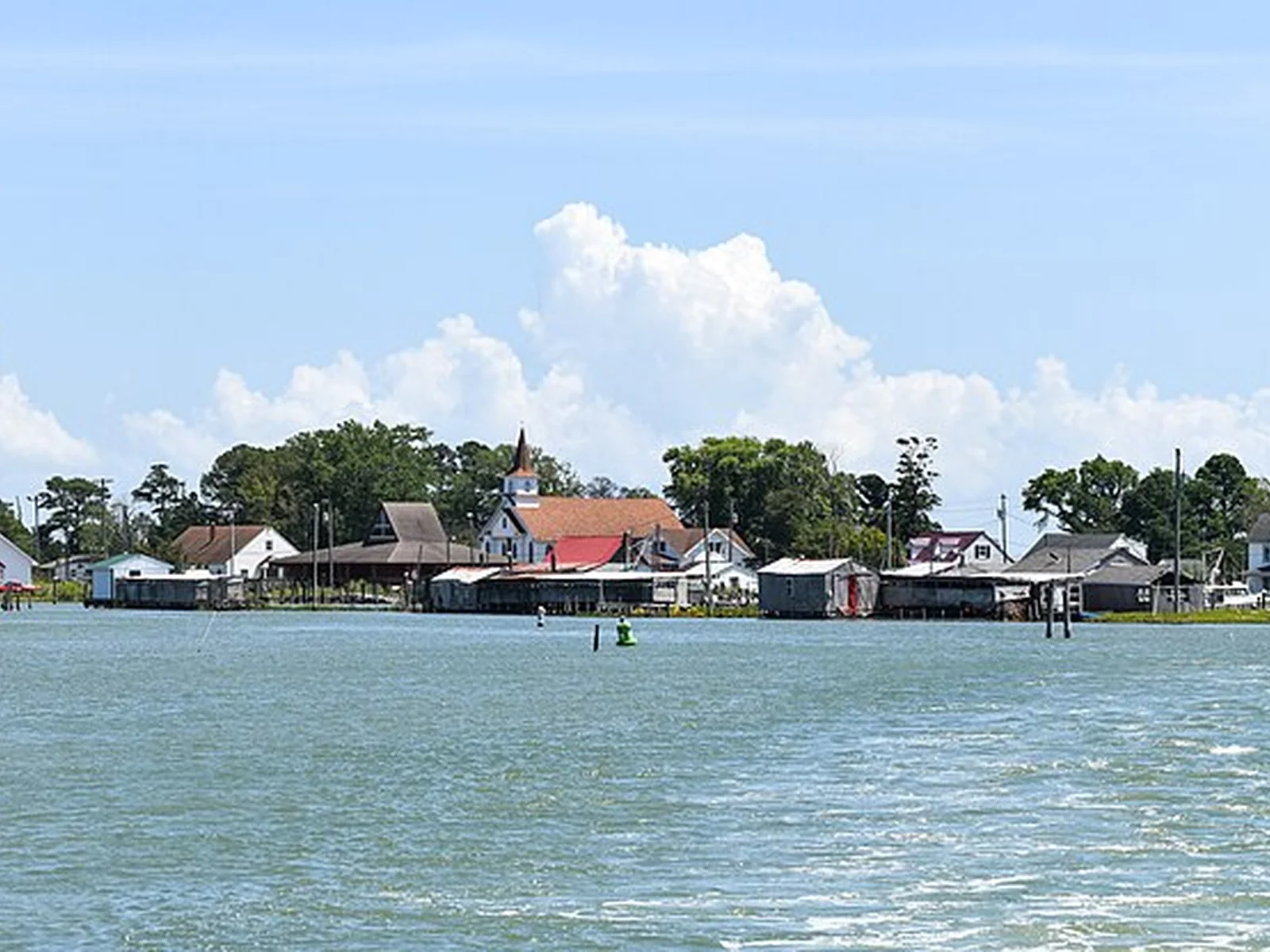
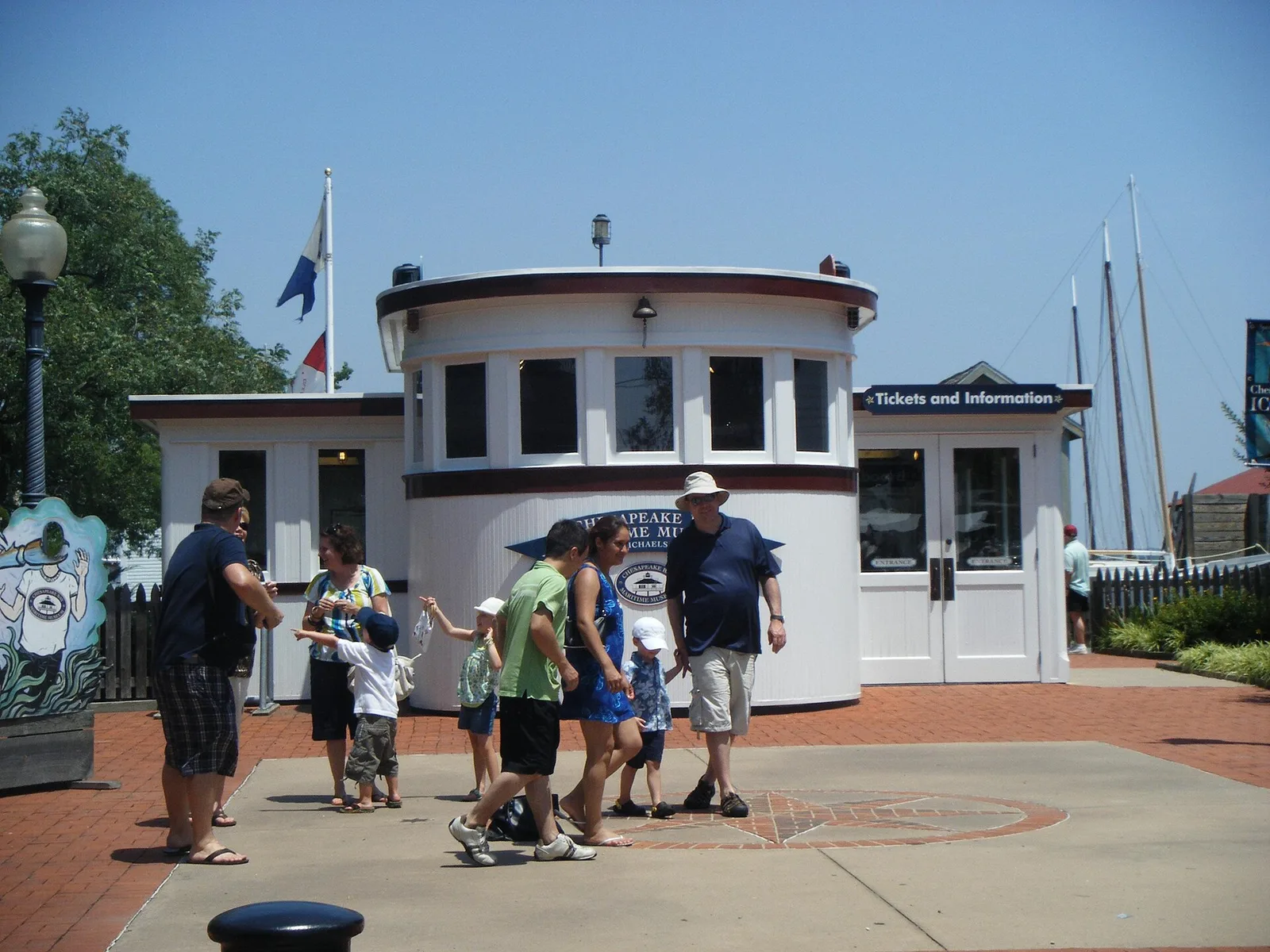
A few of the visual fingerprints we lean into when we shoot, brand and market a St. Michaels property — courtesy of the open Wikimedia Commons archive.
Cavmir markets St. Michaels properties to a guest with high expectations and a short decision window. We photograph the house properly — the water if you have it, the porch, the kitchen, the walk to Talbot Street — and we shoot in the light this town looks best in, which is late afternoon on the harbor. We write copy for a specific weekend: where they will eat Friday, what they will do Saturday, the ride out to Tilghman on Sunday morning. We build the direct-booking website and get it ranking for the Eastern Shore and Chesapeake weekend searches that already have real volume, then we run paid campaigns aimed squarely at the DC, Baltimore and Northern Virginia drive markets. We build the email list that converts a spring couple into a December holiday booking. Your license status with the town and the county is part of the intake, because in a market with limits it changes both the marketing and the value of the asset. We help position and market your property. We never manage it or touch your keys.
St. Michaels was a shipbuilding town before it was anything else. The yards along the Miles River turned out the fast, shallow-draft schooners that became known as Baltimore clippers, and during the War of 1812 that made the town a target. The story every guest hears is that on an August night in 1813, residents hung lanterns in the trees and on ships' masts beyond the town so that British gunners aiming at the lights would overshoot the houses. Whether it worked exactly as told is debated, but the town has traded on the name ever since — the town that fooled the British — and one house still carries the label of the only one that was hit.
After the shipyards came oysters. The Chesapeake oyster fishery in the second half of the nineteenth century was one of the largest in the world, and the skipjacks, log canoes and buyboats that worked it were built and berthed all around this part of Talbot County. That fishery declined through the twentieth century under disease, overharvesting and water-quality problems, and the town declined with it. What replaced it was preservation and tourism. The Chesapeake Bay Maritime Museum opened in the 1960s and moved the Hooper Strait screwpile lighthouse to its campus at the head of the harbor, saving a structure that would otherwise have been scrapped. Sailors, weekenders and second-home buyers followed from Washington and Baltimore. By the 2000s Talbot Street was a shopping and dining street, the Inn at Perry Cabin had become a destination hotel, and the town had shifted from a working waterfront to a visitor economy. Tilghman Island, twelve miles down the road, still has working boats — which is part of why the drive out there remains the best thing a guest can do here.
This is a two-night weekend market with a high quality bar, and it prices accordingly. Friday and Saturday from April through October carry the year, and rates for a good property with water or a walkable location can sit well above the regional average because guests are benchmarking against inns rather than against cabins. Sunday nights are soft and should be discounted rather than held. Midweek in season is genuinely available business — retired couples, remote workers and boaters travel Tuesday to Thursday — but only if you price for it and market to it, and most owners here do neither. December is the second peak, because the town runs Christmas properly and the DC and Baltimore markets come out for it; owners routinely leave that money on the table by treating December as off-season. Wedding weekends are the top of the market: whole houses booked for two or three nights by a family or a wedding party, planned far ahead, and worth a minimum-stay rule and a separate rate. January through mid-March is the real off-season and should be discounted honestly. A four-tier structure with December carved out separately, weekend minimums in season, and a deliberate midweek discount works better here than a flat seasonal curve.
Strongly seasonal with a genuine winter bump. April through October is the season, peaking in May, June, September and October when the weather on the water is at its best. July and August are hot and humid and slightly softer than people expect — the boating crowd is out but the walking-around crowd thins. Autumn is the best stretch of the year, with the September and October weekends the strongest of all. December brings a real second peak around the town's Christmas events. January through mid-March is quiet and should be priced for locals, couples and anyone who wants an empty town. The two-night weekend pattern holds through almost all of it, which makes midweek the most obvious growth area for anyone willing to work for it.
There are two licensing authorities here and they do not work the same way, which is the first thing a buyer needs to establish. Talbot County requires owners of short-term rental properties in the county to obtain a county short-term rental license and to pay the county public accommodations tax; the county publishes an application fee for new licenses and a lower fee for renewals. But the town of St. Michaels administers its own licensing separately from the county, so a property inside town limits goes through the town rather than through the county process. The town's supplemental use regulations govern short-term rentals within the town, and the town has limited how many licensed rentals it will permit in its residential areas. That limit is the single most important fact in this market: it means a licensed in-town rental is a constrained asset that cannot simply be recreated by the next buyer, and it means a purchase made on the assumption that a license will be available can fail badly.
Practical guidance. Before you go under contract on anything inside town limits, call the Town of St. Michaels and ask three questions: does this specific property currently hold a short-term rental license, does that license transfer on sale, and if not, is the town issuing new licenses in this district or is there a waiting list. Get the answers in writing. Outside the town line, in unincorporated Talbot County, work through the county planning and zoning department for the county license and confirm zoning, septic capacity and any subdivision covenants. On tax, Maryland's state sales tax applies to accommodations, and Talbot County levies a hotel rental tax — Maryland law caps what the county may charge. Booking platforms remit a portion of this on the reservations they process, and your direct bookings are your own responsibility. Since a serious marketing program grows direct bookings deliberately, get the registration and filing calendar sorted before you turn it on.
Lead with water or lead with walking, but pick one. The two things guests actually buy here are a view of the water and the ability to leave the car and walk to dinner. If you have both, say so immediately. If you have neither, find the third thing — the porch, the garden, the quiet, the dock down the road — and lead with that instead of pretending. Second, photograph in the evening. The harbor and the creeks look best in the last hour of light, and a listing shot at noon in July loses to one shot at seven in September. Third, sell the drive to Tilghman. It is twelve miles down a road with water on both sides, ending at a drawbridge and a working harbor, and it is the single best thing a guest can do here that is not eating. Almost no listing mentions it. Fourth, take December seriously. The town does Christmas well and the DC market comes out for it, and most owners treat the month as dead. Fifth, work midweek deliberately. This is a ninety-minute drive from two large metros full of people who no longer have to be in an office on a Wednesday. Sixth, be exact about parking, because in-town parking is limited and a guest arriving on a Saturday in October without a plan starts the weekend badly.
The license limit is the defining constraint and it cuts both ways: protection if you hold one, a wall if you do not. The quality bar is high, because guests are comparing your house to the Inn at Perry Cabin and to several very good smaller inns. The season is real — January and February are genuinely quiet, and July and August are hotter and buggier than the marketing photographs suggest. Waterfront property brings flood insurance, storm exposure and shoreline maintenance costs that inland owners never face. And this is a two-night market, so your turnover cost per booked night is higher than in a market that books by the week.
Waterfront and near-water property on the Chesapeake makes this a more serious insurance conversation than most markets. Start with a proper short-term rental policy with real liability limits, then work through the water questions honestly with your agent. Flood coverage is separate from your property policy and is not optional thinking on a tidal creek; get the current flood zone determination and elevation certificate for the property rather than relying on what the seller says. Wind and storm deductibles on the Eastern Shore are frequently separate and percentage-based, which can be a large number on a high-value house. If you have a dock, a pier, a boat lift or a kayak rack, ask specifically how each is covered and how guest use of them is treated. Pools and hot tubs need declaring. Old houses in the historic district bring wiring, chimney and stair questions. Ask for guest injury, guest property damage and loss of rental income after a covered event to be confirmed in the policy language, not summarised on a call.
Maryland's state sales tax applies to short-term accommodations, and Talbot County levies a hotel rental tax on lodging within the county — Maryland law sets a ceiling on the county's rate. Owners are required to hold a short-term rental license and to pay the county public accommodations tax; the county publishes its license application and renewal fees. If your property is inside the town of St. Michaels, the town administers its own licensing, so confirm which authority you file with and on what schedule. Booking platforms collect and remit a portion of the applicable taxes on reservations processed through them, but not on anything you book directly — and direct booking is precisely what a marketing programme is designed to grow. Register first, set the filing calendar, and keep platform and direct revenue in separate ledgers from the beginning. Your accountant should review how rental days, personal use and depreciation interact for your ownership structure, particularly on a high-value waterfront property.
Talbot County is a high-value market and the financing conversation reflects that. Second-home lending is common and materially cheaper than investment-property lending, so the intended-use question drives the numbers. Waterfront property adds several steps: flood zone determination and an elevation certificate affect both insurance and the loan, docks and piers can complicate appraisal, and shoreline erosion or living-shoreline requirements may turn up in due diligence. Historic-district houses bring the usual old-building appraisal items and, in some cases, exterior alteration restrictions that a lender or an insurer will want to understand. The critical, market-specific item is the license: if the value of your purchase depends on it being a licensed short-term rental in a town that limits licenses, verify that status in writing before closing, because an appraisal will not do it for you. Debt-service-coverage lending is available for buyers scaling past one property. Model a two-night weekend market honestly — high rates on fewer nights is a different cash-flow shape from a week-long rental market.
Three things to watch. The first is the license limit. A town that caps rentals rarely loosens the cap, and the more likely direction is continued restriction, which steadily increases the value of existing licensed properties and steadily raises the barrier for new entrants. If you hold one, protect it: keep the license current, keep the neighbours happy, and keep your compliance clean. The second is the water itself. Sea-level rise and storm frequency on the Chesapeake are not abstractions on the Eastern Shore, and they show up first in insurance pricing and flood-zone remapping rather than in dramatic events. Owners of low-lying waterfront should expect insurance costs to keep climbing and should factor that into any long-term model. The third is the guest mix. Remote and hybrid work has made midweek genuinely viable in a market ninety minutes from two large metros, and the town's December business has grown steadily. Both are underexploited by the current rental inventory. The available growth here is not more weekend nights — those are largely sold — it is Tuesdays, Wednesdays and Decembers.
St. Michaels is a harbor town that still smells like one. Talbot Street has been polished into a shopping street and the inns are very good, but walk two blocks toward the water and there are crab pots stacked against a fence and a boat on blocks. The maritime museum is the anchor and it is not a gift shop with a nautical theme — it is eighteen acres with a screwpile lighthouse they saved from being scrapped, a boatyard where shipwrights actually work, and a fleet of restored Chesapeake workboats. Drive twelve miles out to Tilghman Island and there is a drawbridge and a harbor with skipjacks tied up in it, the last real remnant of the oyster fleet that built all of this. That is what makes the town worth marketing. It is not a manufactured destination. It is a working waterfront that got wealthy and kept most of itself. From our side, the thing that stands out is how much of this never makes it into a listing. Owners here photograph interiors and write about square footage in a town whose entire value proposition is water, evening light and the ability to walk to dinner and back. And the guest is a good one: a couple from DC or Baltimore on a two-night escape with real money to spend and high expectations, who will come back every year if the weekend goes well. Getting that guest is a presentation problem, and presentation problems are solvable.
A great property in St. Michaels doesn't just want a listing — it wants a point of view, an audience, and a brand the city itself would recognise.
Eight things for the guest guide. Specific and local — this is what a weekend guest actually needs from you.
Walk down to the head of the harbor with a coffee around seven. The water is usually flat, the boats are still, and the lighthouse across the way catches the first light. Best ten minutes of the weekend.
The good restaurants are few and they fill from April through October, and completely on wedding weekends. Tell guests to reserve the same day they book the stay.
Eighteen acres at the head of the harbor with the Hooper Strait lighthouse, a working boatyard and the restored bay boats. Give it three hours, not one.
The museum's exhibition buildings cover a wet morning easily, and the shops and galleries along Talbot Street handle the afternoon. Nobody has to get in a car.
The water is still warm, the summer humidity has broken, the crowds are gone and every restaurant has a table. It is the best week here and it is the one nobody books.
Twelve miles down Route 33 with water on both sides, ending at the drawbridge and Dogwood Harbor where the last skipjacks tie up. Do it on a Sunday morning and eat crab on the way back.
One of the oldest privately operated ferries in the country. It is a ten-minute crossing and it puts you in Oxford, which is quieter than St. Michaels and worth an afternoon.
In-town parking is limited on a Saturday, so give them your exact arrangement in writing. Then give them two crab houses — one in town, one out toward Tilghman — with a note about the season.
A few composite engagements, drawn from how Cavmir typically works with owners in a licensed, high-expectation waterfront market. Illustrative rather than a specific client's file.
A well-located licensed property photographed indoors at midday, reading as an ordinary rental rather than a walk-to-dinner weekend base.
Reshot in evening light with the street, the porch and the walk to the harbor as the lead images, rewrote the copy as a two-night itinerary, and built a direct-booking site with a December-specific campaign.
Weekend rates held higher against the inn comparison, and the previously quiet December weekends began booking as a second season rather than an afterthought.
The dock, the boat access and the sunset over the creek were mentioned in one line of text and appeared in none of the photographs.
Built the entire position around the water — dock, paddling, evening light, boat-in dining — with a proper evening shoot, and targeted the boating and anniversary-weekend audience out of Annapolis, DC and Baltimore.
The property moved into a different rate bracket that matched what it actually offered, and began attracting repeat annual bookings from the same couples.
Two licensed rentals marketed independently on platforms, with no owner brand, no email list and no way to hold an enquiry when one was booked.
Built one owner-branded site covering both properties with cross-referral, consolidated the guest email list, and made the license and the walkable location an explicit part of the positioning rather than a background detail.
Enquiries lost to blocked dates were retained inside the portfolio, and repeat guests began returning through the owner's own site instead of re-searching each year.
Demand in St. Michaels peaks around May, June and September and runs quietest around January through February. Here is how the year actually books — and what to do about each stretch of the calendar.
September and October weekends are the best of the year, with May and June close behind — the weather on the water is at its best and the DC and Baltimore weekend market is fully engaged. Set weekend minimum stays through those months and hold your rates rather than chasing Sunday nights. Wedding weekends are the top of the market and should be priced separately.
July and August are softer than outsiders expect because of the heat, and March and November are workable with the right angle. Midweek in season is the real growth area: this is ninety minutes from two large metros full of people who no longer have to be in an office on a Wednesday. Price for them deliberately.
January through mid-March is genuinely quiet. Offer longer stays, market to couples wanting an empty town, and use the window for maintenance, dock work and a spring reshoot. Holding a summer rate through February simply produces empty nights.
Wedding weekends book six to twelve months out. Autumn and spring weekends fill on a four to eight week window. December holiday weekends fill through the autumn. Midweek is largely last minute and rewards being visible and sensibly priced.
Overwhelmingly two-night weekends, with three nights on holidays and wedding weekends. Sunday nights are soft and midweek is the underdeveloped part of the calendar rather than a lost cause.
Two things sell here: water and walkability. A house within a few minutes' walk of Talbot Street and the harbour, or a waterfront property with a dock and evening light, both command real premiums. Houses with neither need a specific third thing — a garden, a porch, genuine quiet — and should lead with it rather than competing on price.
Start with photography that shows what a guest actually gets here, then write the listing around a real itinerary rather than a feature list. Build a direct-booking site so returning guests can come back without going through a platform, and keep an email list segmented by season so you can reach last year's visitors before the calendar opens. Local search matters more than people expect in a market this size, because guests search the destination and the attraction rather than the word rental. A marketing agency layer handles the photography, the listing copy, the direct-booking site and the local SEO as one system instead of four disconnected jobs.
September and October are the strongest weekends of the year, with May and June close behind. December is a genuine second peak thanks to the town's Christmas programme, and it is the one most owners overlook. July and August are softer than people expect because of the heat and humidity, and January through mid-March is the quiet stretch.
Wedding weekends book six to twelve months ahead. Spring and autumn weekends fill on a four to eight week window, and December holiday weekends fill through the autumn. Midweek is largely last minute, which is exactly why it needs deliberate pricing and marketing rather than being left alone.
Washington, Baltimore, Annapolis and Northern Virginia supply the large majority, with Philadelphia and Wilmington behind them. Almost everyone drives and most stay two nights. Because it is a ninety-minute trip from two big metros, repeat visits are common and an email list of past guests is worth building.
Water or walkability, and ideally both. A private dock or genuine water access supports a real premium, as does being able to leave the car and walk to dinner on Talbot Street. Beyond that, a porch for outdoor dining, a kitchen worth cooking in and reliable off-street parking, which is scarce in town on an autumn Saturday.
Run your Airbnb, Vrbo, or website through Cavmir's free grader. It checks the things that decide whether guests book in St. Michaels — photos, listing copy, page speed, local search — and shows you where bookings leak. Takes about a minute, and there's no sales call attached.
If the report says your booking engine is the weak link, that's fixable: a direct-booking website of your own means repeat guests stop paying platform fees to come back to you. That's the work Cavmir does — see Airbnb website design in St. Michaels.
Talk to Cavmir today. We'll show you exactly what your St. Michaels property is leaving on the table — and how fast we can change that.
Book a Free Strategy Call