



Morning
Magens Bay early, before the cruise crowd
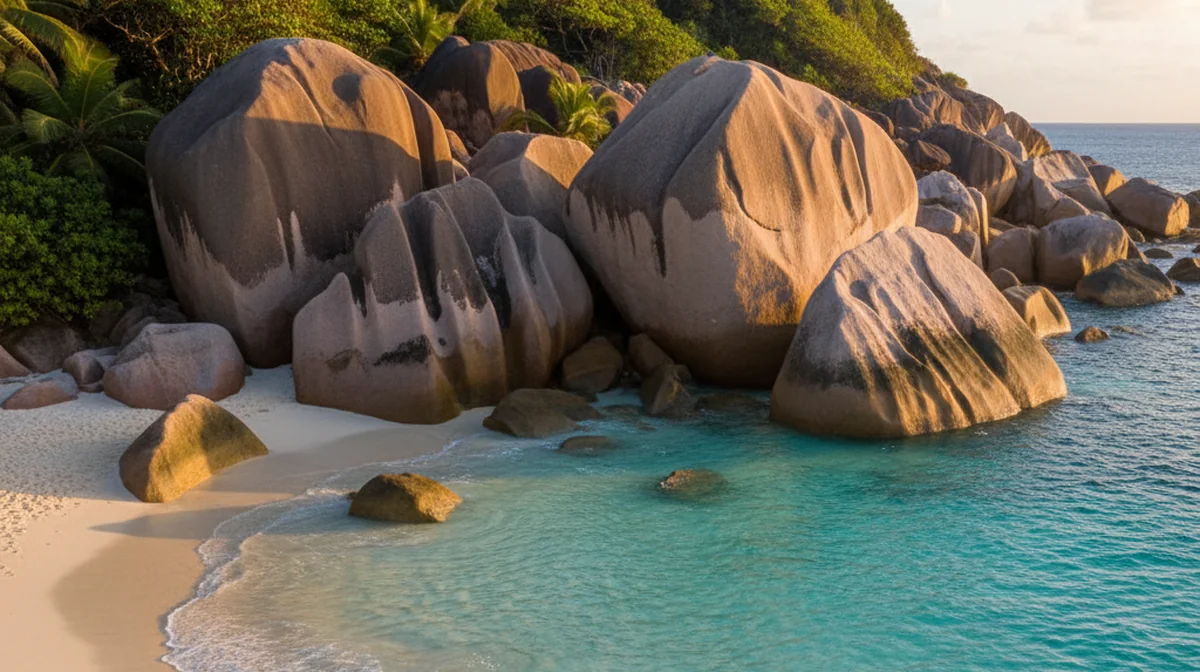
Send guests to Magens Bay at opening, coffee in hand, before the ship excursions arrive. The mile of calm sand is at its best empty, and the photo that comes back sells your next booking.

Expert short-term rental marketing to grow your bookings and nightly rate in St. Thomas — East End villas, Red Hook, Magens Bay and Charlotte Amalie.
Sixteen services, one team. Everything below is built in-house and scoped to your property and market. Most owners start with the 12-Step System.
Every engagement is quoted to your portfolio. These are the ready-made scopes owners pick most — the AI Efficiency Discount is already applied. A clear proposal within 48 hours.
The work is public. Selected engagements and what changed — and reviews from the owners and managers behind them.
* Market averages. Properties marketed by Cavmir typically exceed these figures by 25–45%. Data sourced from AirDNA, STR market reports, and Cavmir internal analytics.
St. Thomas has an advantage no other Caribbean island can claim in quite the same way: it is the United States. Guests fly in on a domestic ticket, land without a passport, spend US dollars, use their US phones, and never think about currency or customs — and that removal of friction is worth real money in bookings. For an American family weighing a Caribbean week, St. Thomas is the turquoise water with none of the international-travel anxiety, and a listing that leans into that ease books the traveler who would otherwise default to Florida.
The island is compact but layered, and the rental map has clear addresses. The East End — Nazareth, Cowpet Bay, Frydenhoj and the ridgelines above them — is villa country, where hillside homes with infinity pools frame views of St. John and the BVI. Red Hook is the working heart of the East End: the ferry terminal to St. John, the charter-yacht marinas, the bars and provisioning that boaters need. The North Side and Peterborg hold trophy villas above Magens Bay, the island's famous mile-long beach. Charlotte Amalie, the capital, is the historic Danish town and the busiest cruise port in the Caribbean, ringed by hillside condos with harbor views. Frenchtown is the little fishing quarter that eats well, and Water Island floats just offshore for guests who want to disappear entirely.
The guest mix reflects all of that. There are mainland American families and honeymooners who want a villa and a beach; there are boaters and sailors who base out of Red Hook to charter through the Virgin Islands; there are divers and repeat visitors who island-hop to St. John's national-park beaches and the British Virgin Islands on a day-charter. Cruise passengers pour through Charlotte Amalie by the thousands but sleep on the ship — so the STR opportunity is emphatically the multi-night villa-and-condo market, not the day-tripper. Understanding which of these travelers your property is built for is the whole game.
St. Thomas also sits at the center of a cruising and island-hopping geography that few markets can match. From the East End you can be on St. John's Trunk Bay in twenty minutes, clearing into the BVI by lunch, or aboard a term charter for a week in the islands. A St. Thomas property is rarely just a place to sleep — it is a base camp for the whole Virgin Islands, and the listings that market that reach, rather than a single beach, capture the boater, the diver and the multi-generational family all at once.
Nearby Markets: St. John | St. Croix | British Virgin Islands
Cavmir markets St. Thomas rentals to the traveler the island is built for — the American family, honeymooner or boater who wants Caribbean water without a passport or a currency conversion. We position your villa or condo across search, social and a direct-booking site, selling not just the property but the whole Virgin Islands base camp it gives a guest: St. John, the BVI and a week of charters within reach.
St. Thomas has been a crossroads for five centuries. It was a Danish colony from the seventeenth century — which is why Charlotte Amalie's old town is a grid of Danish street names, warehouses turned into shops, and forts above the harbor — and Denmark ran it as a free port, a trading and transshipment hub whose whole economy was built on ships coming and going. The United States bought the Virgin Islands from Denmark in 1917 for their strategic position guarding the approaches to the Panama Canal, and the islands have been an unincorporated US territory ever since. That history explains the island's character: American systems and citizenship layered over a Danish colonial town, with a duty-free shopping tradition that still fills Main Street.
Tourism replaced trade as the economy in the twentieth century, and it came in two streams that still define the island. Cruise ships made Charlotte Amalie one of the busiest ports in the Caribbean, bringing millions of day visitors to the shops and the beaches. Overnight tourism grew up separately on the East End and North Side, where villas and beach resorts served travelers who came to stay. The short-term rental market is the descendant of that overnight stream — hillside villas built for the view, condos at Sapphire, Secret Harbour and Cowpet Bay, and homes above Magens Bay — and it has always been a whole-home, multi-night business rather than a cruise business.
The event that reshaped the modern market was 2017. Hurricanes Irma and Maria struck the Virgin Islands within two weeks of each other as historic storms, and St. Thomas took a direct, devastating hit — roofs, power, the whole island. The rebuild that followed was, in rental terms, a modernization: a great deal of the villa and condo stock was renovated, hardened and upgraded, and the properties that reopened did so better than before. Owners who came through it learned, permanently, that resilience and honest storm-season communication are part of the product here, not a footnote.
Today St. Thomas is a mature US-territory rental market with a distinctive new feature: it is now formally regulated. After years of an informal free-for-all, the USVI enacted a short-term rental law requiring properties to register, display a registration number, and collect and remit the territory's hotel-room tax. For owners that means the market is professionalizing — the casual, unregistered listing is on borrowed time, while the compliant, well-marketed property gains an edge as the field clears. It is exactly the moment when getting the marketing and the compliance right together pays off.
St. Thomas pricing is driven by view, water access and building, and the spread is wide. East End and Peterborg villas with infinity pools and BVI views anchor the top — whole-home rates that climb steeply in peak weeks for the trophy properties — while condos at Sapphire, Secret Harbour, Cowpet Bay and Bolongo trade on beach access and building amenities at more accessible nightly rates. Charlotte Amalie and hillside harbor-view condos are the value tier, where the smart play is strong occupancy and a direct channel rather than chasing a headline rate. The single most valuable attribute you can photograph and price around is the view: on an island of hills, a true panoramic sightline over the cays is a scarce, defensible premium.
The charter-and-boating overlay is a pricing opportunity most owners miss. St. Thomas is a major sailing base, and a property near Red Hook or with easy marina access can market to boaters staying a night on either end of a charter, to groups provisioning a trip, and to families combining a villa week with day-charters. Positioning a property for that boating economy — dock proximity, storage, transfer logistics, a welcome book full of charter and day-sail contacts — reaches demand that a pure beach listing never sees.
Because St. Thomas is US soil, the booking behavior skews to shorter lead times and holiday-driven spikes rather than the year-ahead booking of the ultra-luxury islands, which rewards a nimble, well-managed calendar. Christmas and New Year is the clear super-peak; Presidents' week, spring break and Easter drive the late-winter premium; and USVI Carnival in April is a genuine demand event that owners should price for deliberately. The properties that win are the ones already visible and correctly priced when the American winter-escape search begins in the fall — a marketing timing problem as much as a rate one.
Medium seasonality on the classic Caribbean winter curve. Peak runs mid-December through April; the super-peak is Christmas/New Year plus Presidents' and spring-break weeks; Easter spikes; and St. Thomas Carnival in April is its own event-driven surge. Summer holds a respectable domestic family market to warm, calm water. The soft window is late August through October — the heart of hurricane season — where flexible cancellation terms and value pricing win the travelers still willing to come.
The revenue owners most often miss sits in November and early December: the weather has turned reliably fine, the American winter-escape planning is underway, and yet many listings have not switched on peak pricing or a fall marketing push. Being visible and correctly priced before Thanksgiving captures the early-planning family before the rest of the island updates its calendar.
St. Thomas is part of the U.S. Virgin Islands, so the framework is American in structure but territory-specific in the details, and the most important recent change is that short-term rentals are now formally regulated. The USVI enacted a short-term rental registration law requiring vacation-rental operators to register with the territory, obtain and display a registration number, and collect and remit the territory's hotel-room tax (currently 12.5%) on stays. This is a real shift from the prior informal environment, and an unregistered listing now carries genuine risk — while a properly registered one gains an advantage as enforcement clears out the casual operators.
Beyond the STR-specific law, operating a rental in the USVI is operating a US business: there is a territorial gross-receipts tax on business revenue, an annual property tax, and the USVI's 'mirror' income-tax system administered by the Virgin Islands Bureau of Internal Revenue, under which residents file locally and mainland owners coordinate between the IRS and the VI BIR. Buying property is a familiar US-style closing with title insurance and a local attorney, and there is no restriction on US citizens — or, in most cases, foreign buyers — owning Virgin Islands real estate.
As with every market, the specifics move and enforcement evolves, and condominium and community associations layer their own minimum-stay and rental rules on top of territorial law. The practical to-do list is clear: register under the STR law, set up hotel-room-tax collection and gross-receipts filing, confirm your building or community actually permits short-term letting, and keep the paperwork current. Treat this as orientation rather than legal advice, and confirm the current requirements with the USVI Department of Licensing and Consumer Affairs, the Bureau of Internal Revenue and a local attorney before you list.
The first St. Thomas tip is to make the no-passport, US-territory ease the headline, because it is your single biggest competitive edge over the rest of the Caribbean. An American family choosing between St. Thomas and a foreign island is weighing convenience against novelty, and a listing that says plainly — fly domestic, no passport, US dollars, your phone just works, arrive by lunch — converts the hesitant booker. That message belongs in the title, the first photo caption and the top of the description, not buried in the fine print.
Second, sell the whole Virgin Islands, not just your beach. St. Thomas's superpower is its position: St. John's national-park beaches a short ferry away, the BVI within a day-charter, world-class sailing and diving on the doorstep. A welcome book and listing that map out the day-trips — the Trunk Bay run, the BVI clearance, the reliable charter operators, the Water Island escape — make your property the base camp for a bigger trip, which justifies a longer stay and a higher rate.
Third, get registered and say so. Now that the USVI regulates short-term rentals, displaying a registration number and operating cleanly is both a legal necessity and a trust signal — guests increasingly notice, and platforms increasingly require it. Being visibly compliant while competitors scramble is a quiet marketing advantage during the exact window when the market is professionalizing.
Fourth, treat the view and the water access as the assets they are. On a hilly island, a genuine panoramic sightline or true walk-to-the-sand access is scarce and defensible, and photography shot in the right light to capture it is worth more than any adjective. Fifth, build resilience into the product and into the pitch: generators, water storage, hardened construction and a transparent hurricane-season cancellation posture don't just protect you — marketed honestly, they turn a nervous shoulder-season guest into a confident booking.
The defining challenge is hurricane exposure, and 2017 made it unforgettable. The June-to-November season shapes the calendar every year even without a direct hit, insurance is expensive and essential, and owners have to build both physical resilience and honest guest communication into the operation. The properties that handle storm season transparently — clear cancellation terms, real backup systems, calm and specific messaging — keep booking through the shoulder while the ones that go silent lose the guest to fear.
Cost and logistics are the other constants. As a small island territory that imports nearly everything, St. Thomas carries high construction, maintenance, insurance and provisioning costs that compress margins if occupancy and pricing aren't managed tightly. The island's hilly geography and narrow roads make reliable on-the-ground management essential, and the quirk that St. Thomas drives on the left in left-hand-drive cars catches guests off guard — a small thing that a good welcome book turns from a hazard into a charming heads-up. Add the new compliance overhead of the STR law, and this is a market that rewards professional operation and punishes casual, absentee management.
Hurricane and windstorm insurance is the defining cost after 2017's Irma and Maria — specialty, expensive, and non-negotiable, typically placed through mainland and specialty carriers with meaningful named-storm deductibles. Hardened, hurricane-rated construction, shutters and impact glass materially lower premiums and are worth the capital. Confirm coverage reflects rental use and adequate rebuild limits, and treat it as a fixed, planned line item.
As a US territory the USVI has its own system: an annual property tax, a territorial gross-receipts tax on business revenue, the 12.5% hotel-room tax on stays, and the 'mirror' income tax administered by the VI Bureau of Internal Revenue. Mainland US owners coordinate filings between the IRS and the VI BIR. The USVI's Economic Development Commission offers business tax incentives in some cases. Work the specifics with a USVI-savvy accountant.
Financing works largely like the mainland US, through Virgin Islands banks such as FirstBank Virgin Islands, Banco Popular and Merchants Commercial Bank, with US-style closings, title insurance and a local attorney. Non-resident and second-home terms are more conservative than owner-occupied, so model debt service against a realistic, seasonally-shaped occupancy rather than a flat annual average.
St. Thomas's near-term outlook is one of professionalization on a solid demand base. The no-passport, US-dollar convenience keeps a steady stream of mainland travelers flowing regardless of the wider travel cycle, and the post-2017 rebuild left much of the villa and condo stock modernized and hardened. The new short-term rental law is, on balance, good news for serious owners: as registration and tax enforcement clear out the casual operators, the compliant, well-marketed property faces a cleaner, less-crowded field.
The long-term variables are climate and cost. Hurricane risk and rising insurance premiums are the structural pressures, and the durable winners are already engineering resilience and honest storm-season marketing into the product. On the demand side, the shift toward search- and AI-driven trip planning rewards properties that publish clear, structured, genuinely useful information — the whole-Virgin-Islands base-camp story, honest seasonality, a fast website — over those relying on a single crowded platform. St. Thomas rewards owners who behave like professional hospitality operators, and that gap is only going to widen.
St. Thomas is the Caribbean island that lets an American exhale. There is something genuinely likable about a place where the water is that impossible blue and yet nothing about the trip is complicated — no passport, no currency, no roaming charges, no customs line — and that ease is a marketing gift, because it lets a listing speak to the huge audience of travelers who want the Caribbean but are quietly intimidated by international travel. Meeting that traveler where they are, and removing the last of their hesitation, is deeply satisfying work.
What I love about marketing St. Thomas is that the property is almost never the whole story — the position is. A villa on the East End isn't just a house with a pool; it's twenty minutes from Trunk Bay, a day-sail from the BVI, a base for a week of charters and dives and island-hops. When a listing stops describing bedrooms and starts describing the trip the location makes possible, it attracts the boater, the diver and the multi-generational family all at once, and it earns a longer stay and a better rate for doing it. On an island this connected, the marketer's job is to sell the map, not just the address.
The picks Cavmir puts in a St. Thomas welcome book — the details that turn a US-territory beach week into a whole-Virgin-Islands adventure, and that quietly earn the five-star reviews from families and boaters alike.
Send guests to Magens Bay at opening, coffee in hand, before the ship excursions arrive. The mile of calm sand is at its best empty, and the photo that comes back sells your next booking.
The essential day trip: the short ferry from Red Hook to St. John, a taxi to Trunk Bay's underwater snorkel trail in the national park. A host who lays out the ferry times and the plan turns a good week into a great one.
Coki Point's easy reef snorkeling right beside Coral World Ocean Park makes a perfect half-day for families. Pair it with the Coral World tanks for the kids and you've filled a rainy-or-shine afternoon.
Frenchtown, the old fishing quarter, eats better than anywhere near the cruise dock; the East End's water-view restaurants catch the sunset over the cays. Reserve ahead and you're the host who thought of everything.
St. Thomas is a sailing capital. Pre-arrange a day-charter or a term charter out of Red Hook and your guest spends a day anchored off deserted cays with the engine off — the memory the whole trip gets measured against.
Beyond the duty-free shops, the old Danish town rewards a morning walk — the 99 Steps, the hilltop forts and towers, harbor views. A host who points past Main Street shows guests the real island.
A short ferry from Crown Bay lands guests on tiny Water Island and its Honeymoon Beach — a floating day away from the crowds. The insider move most first-timers never hear about.
The Skyride to Paradise Point and the overlook at Drake's Seat deliver the postcard panorama of Magens Bay and the cays. Golden hour is the moment; tell guests when to go.
Warn guests up front: St. Thomas drives on the left in American cars. For nights out and the cruise-town chaos, the open-air 'safari' taxis are easier than parking. Practical guidance that prevents the one bad afternoon.
Peak-quality weather, the winter search just beginning, softer rates and quiet beaches. The window that rewards the flexible traveler — and the owner already visible when the planning starts.
Representative Cavmir engagements in St. Thomas. Property identifiers redacted; figures composited from internal analytics and market benchmarks.
A view villa above Cowpet Bay renting well in peak weeks but dark for months, marketed as a generic luxury home with no distinct story and heavy platform dependence.
Repositioned it as a whole-Virgin-Islands base camp — a property film that opened on the BVI view, a day-trip itinerary PDF, charter and dive partnerships, USVI STR registration made visible, and a direct-booking site with a repeat-guest offer.
Shoulder-month occupancy rose materially as the base-camp story pulled boaters and island-hoppers into the quieter weeks, and direct plus repeat bookings began to offset platform commission on the peak ones.
A beach-access condo competing against a dozen near-identical units in the same complex, stuck in a price war with dated photos and an English-only, feature-list listing.
Rebuilt the listing around the specific unit's beach proximity and view with new photography, a clear brand and a direct page, plus a review-driven turnover checklist and a no-passport, US-territory convenience message front and center.
Consistent five-star reviews lifted the unit's search ranking and allowed steady rate increases, while a direct channel and repeat guests converted a commoditized condo into a small, durable rental business.
A trophy North Side estate above Magens Bay earning only as an occasional leisure rental and missing the wedding, honeymoon and retreat revenue its position could command.
Built distinct product stories — destination weddings and vow-renewals, luxury honeymoons, and small executive retreats — each with its own gallery and tear sheet, distributed through planners and an advisor media kit.
Event and retreat bookings became a durable share of annual revenue on top of a higher leisure rate, and the estate began booking marquee holiday weeks close to a year ahead.
Yes. Cavmir works with short-term rental and villa owners across St. Thomas — the East End, Red Hook, the North Side and Peterborg, and Charlotte Amalie's harbor-view condos — on branding, listing optimization, photography direction, direct-booking websites, SEO and paid campaigns. Homes near Magens Bay and the St. John ferry are exactly the kind of stays we market.
The snapshot on this page shows average nightly rates around $385 with occupancy near 68%, but the range is wide — a harbor-view condo and an East End view villa are very different products. Treat these as directional averages, not guarantees; the gap between a well-marketed, registered property and a casual one in the same area is wide, especially now that the USVI regulates short-term rentals.
St. Thomas peaks from mid-December through April, with a Christmas/New Year super-peak, a Presidents'-and-spring-break premium, an Easter spike and an April Carnival surge. Summer holds a solid domestic family market on calm water, and November and early December are underpriced windows for owners already visible when the American winter-escape search begins. Late August through October is the soft, hurricane-season stretch.
Yes — this changed recently. The U.S. Virgin Islands now requires short-term rentals to register, display a registration number, and collect and remit the 12.5% hotel-room tax, on top of the territory's gross-receipts and property taxes. Condo and community associations may add their own rules. Being registered and compliant is now both a legal must and a competitive edge. Confirm current requirements with the USVI DLCA, the Bureau of Internal Revenue and a local attorney. Cavmir handles the marketing side; we don't provide legal or tax advice.
It's American soil. Guests fly domestic with no passport, spend US dollars, keep their phones and arrive by lunch — a convenience that pulls the large audience of travelers who want the Caribbean without international-travel friction. St. Thomas is also a sailing and island-hopping hub, minutes from St. John and a day-charter from the BVI, so the smartest listings sell the whole-Virgin-Islands trip, not just one beach.
Give guests a way to book you without a platform in the middle: a fast direct-booking website, a complete Google Business Profile, vacation rental SEO, and a repeat-guest program. Cavmir builds that stack so the families and boaters who love your base camp come back and book you directly — keeping the hotel-room tax and platform commission from stacking up against you.
It depends on scope. Current plans and one-time project pricing are on the pricing page — most owners start with a listing overhaul or the 12-step system. A conversation about your property costs nothing: contact Cavmir.
Send us the listing and we'll tell you what we'd change. Not a pitch deck — a straight read on your photos, your title, your rates against the St. Thomas comp set, and whether a direct-booking site would pay for itself.
You'll hear back from a person, usually inside one business day. If we don't think we can move your numbers, we'll say so. Cavmir is a short-term rental marketing agency — we position and market properties, we don't manage them.
Demand in St. Thomas peaks around January, February and March and runs quietest around August through September. Here is how the year actually books — and what to do about each stretch of the calendar.
December through April is the high season, when mainland winter-escape travelers arrive for the beaches and the Christmas and New Year weeks sell out first. St. Thomas Carnival stretches the peak into late April with parades and a J'ouvert through Charlotte Amalie. Price the holidays and Carnival weeks at the top of your range and set minimum stays early, because this island fills first among the USVI.
May and June are pleasant shoulders once Carnival passes, with warm water and thinner crowds that suit couples and value-minded families. The sailing and charter scene keeps a steady base moving through early summer. Lean on midweek angles and beach-and-town framing around Charlotte Amalie and Red Hook to keep the calendar turning as demand eases.
August through October is the softest stretch and the heart of storm season, before the November USVI Charter Yacht Show gives late autumn a lift. Use the true lull for maintenance, a photo refresh and any storm-readiness work, and court longer stays from remote workers and returning residents. Keep the rate honest rather than dark.
The holiday weeks and Carnival book the furthest out, with families locking winter stays months ahead, and the regatta and yacht show fill their weeks early. The everyday winter-escape and couples layers move on shorter notice. Set the holiday and event weeks early and firm, then keep the shoulders responsive.
St. Thomas runs mostly on week-long stays, with the holidays skewing longest, while couples and charter guests fill in shorter trips of a few nights. The island's role as the USVI gateway keeps a steady flow of shorter, transit-adjacent stays too. It is a mixed calendar that rewards hosts who market to more than one guest type.
The property that wins is a home with a pool and water views near the East End and Red Hook, close to Magens Bay and the ferries, or a stylish base near Charlotte Amalie for the town-and-beach couples. Air conditioning and a pool are close to mandatory, and easy access to a beach and the ferries matters on an island built around the water. A comfortable home that frames the view and the beaches seals it.
Build the listing around your strongest geography, whether that is a pool-and-view home near the East End and Red Hook or a base near Charlotte Amalie, with photography that sells the pool, the water and the short trip to Magens Bay or the ferry. Price the holidays and Carnival deliberately, since they behave nothing like ordinary weeks. Add a Google Business Profile and a direct-booking site to capture the repeat and family traffic. That listing, imagery and local SEO work is the marketing layer Cavmir builds for St. Thomas hosts.
December through April is the high season, topped by the Christmas and New Year weeks and carried by mainland winter-escape travelers, with St. Thomas Carnival extending the peak into late April. May and June are pleasant shoulders, while August through October is the quiet heart of storm season, lifted by the November yacht show.
The holiday weeks and Carnival book the furthest ahead, with families locking winter stays months out, and the March regatta and November yacht show fill their weeks early. The everyday winter-escape and couples layers move on shorter notice, so set the peak and event weeks early and keep the shoulders responsive.
This is a fly-in market, and St. Thomas has the USVI's main airport with heavy nonstop mainland service. New York, Atlanta, Miami, Boston and Charlotte carry most of the volume, and because it is a US territory no passport is needed, which widens the mainland audience.
A private pool and water views lead, followed by strong air conditioning and a location close to a beach and the ferries. Comfortable outdoor living, dependable wifi and beach gear round out what guests reward most on an island built around the water.
Talk to Cavmir today. We'll show you exactly what your St. Thomas property is leaving on the table — and how fast we can change that.
Book a Free Strategy Call