


Coffee & First Light
The canyon from a porch before eight
Bisbee faces east into a narrow canyon and the light comes down the far wall first. Coffee on the porch watching it move down the rooftops is the reason people buy houses here.

Expert short-term rental marketing to grow your bookings and nightly rate in Bisbee, Arizona, USA.
Sixteen services, one team. Everything below is built in-house and scoped to your property and market. Most owners start with the 12-Step System.
Every engagement is quoted to your portfolio. These are the ready-made scopes owners pick most — our Fall Special (55% off list or more) is already applied to the website, King Broker, Hotels and à la carte scopes. A clear proposal within 48 hours.
The work is public. Selected engagements and what changed — and reviews from the owners and managers behind them.
* Market averages from AirDNA and STR market reports. A single home's numbers depend on its size, its location and how it is marketed.
Cavmir is an Airbnb marketing agency. We build the brand, the direct-booking website and the marketing for short-term rentals in Bisbee.
Bisbee is a former copper town built into a canyon in the Mule Mountains of southeastern Arizona, about an hour and a half from Tucson and a few miles from the Mexican border. It sits at more than five thousand feet, which means it is fifteen or twenty degrees cooler than Phoenix in July — a fact that turns out to matter a great deal to how this market works. The mines closed in the 1970s and artists moved into the empty Victorian houses stacked up the canyon walls, and the town became something unusual: a genuinely eccentric small city with staircases instead of streets, an 1902 hotel, a mining museum affiliated with the Smithsonian, and a bar street called Brewery Gulch that has been continuously disreputable for over a century. Rental stock is old houses on the hillsides, restored miners' cottages, and a handful of downtown apartments. Demand is year-round and rates are low, which makes this a volume market rather than a rate market.
Bisbee is the flattest-seasonality market in this wave, and that is its whole advantage. There is no dead quarter. Spring and autumn are the best weather and the busiest, but summer holds up because the elevation makes this a genuine escape from Phoenix and Tucson heat — a hundred and fifteen degrees in the valley is high eighties up here — and winter is mild and draws snowbirds and border-country birders. Demand comes from Tucson and Phoenix as a weekend market, from Sierra Vista's military and civilian population, from a steady stream of artists, writers and road-trippers, and from the Chiricahuas and Ramsey Canyon birding traffic. The town has a strong event calendar including a stair-climb race every October that fills the whole place. The market's characteristic is low rates and reliable occupancy: you are not going to charge Sedona prices, but you also are not going to sit empty for a quarter. That means the levers here are occupancy, length of stay and cost control rather than headline rate. And with Arizona's state framework allowing cities to license and regulate conduct, Bisbee runs a defined short-term rental ordinance that owners need to follow properly.
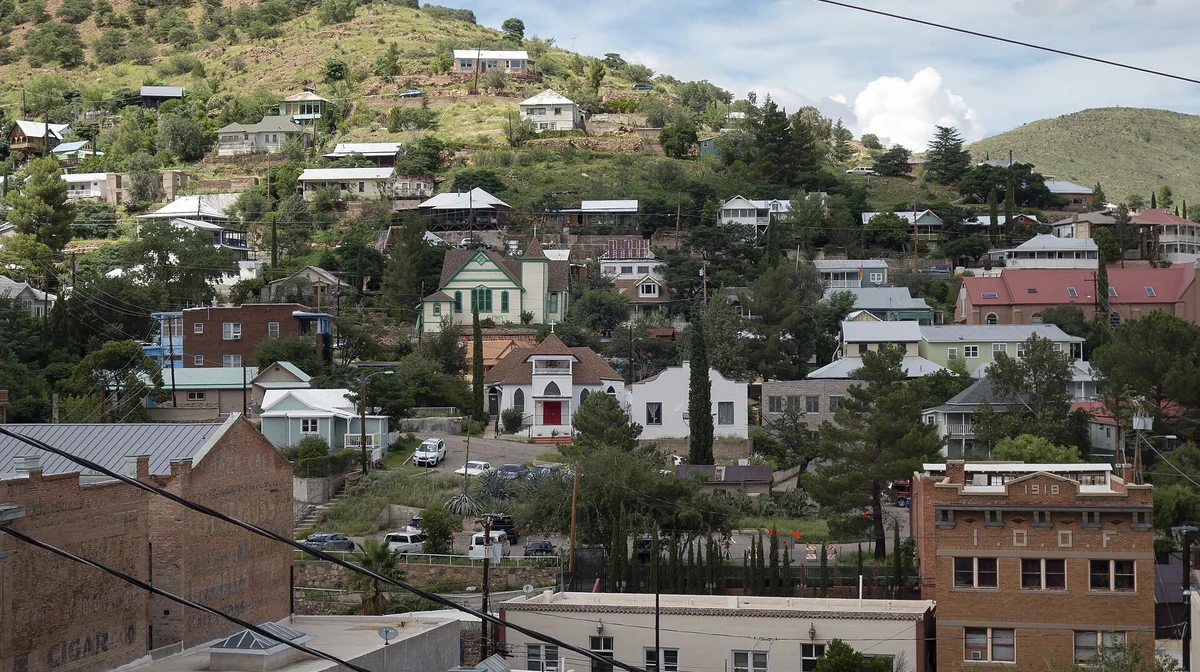
A few of the visual fingerprints we lean into when we shoot, brand and market a Bisbee property — courtesy of the open Wikimedia Commons archive.
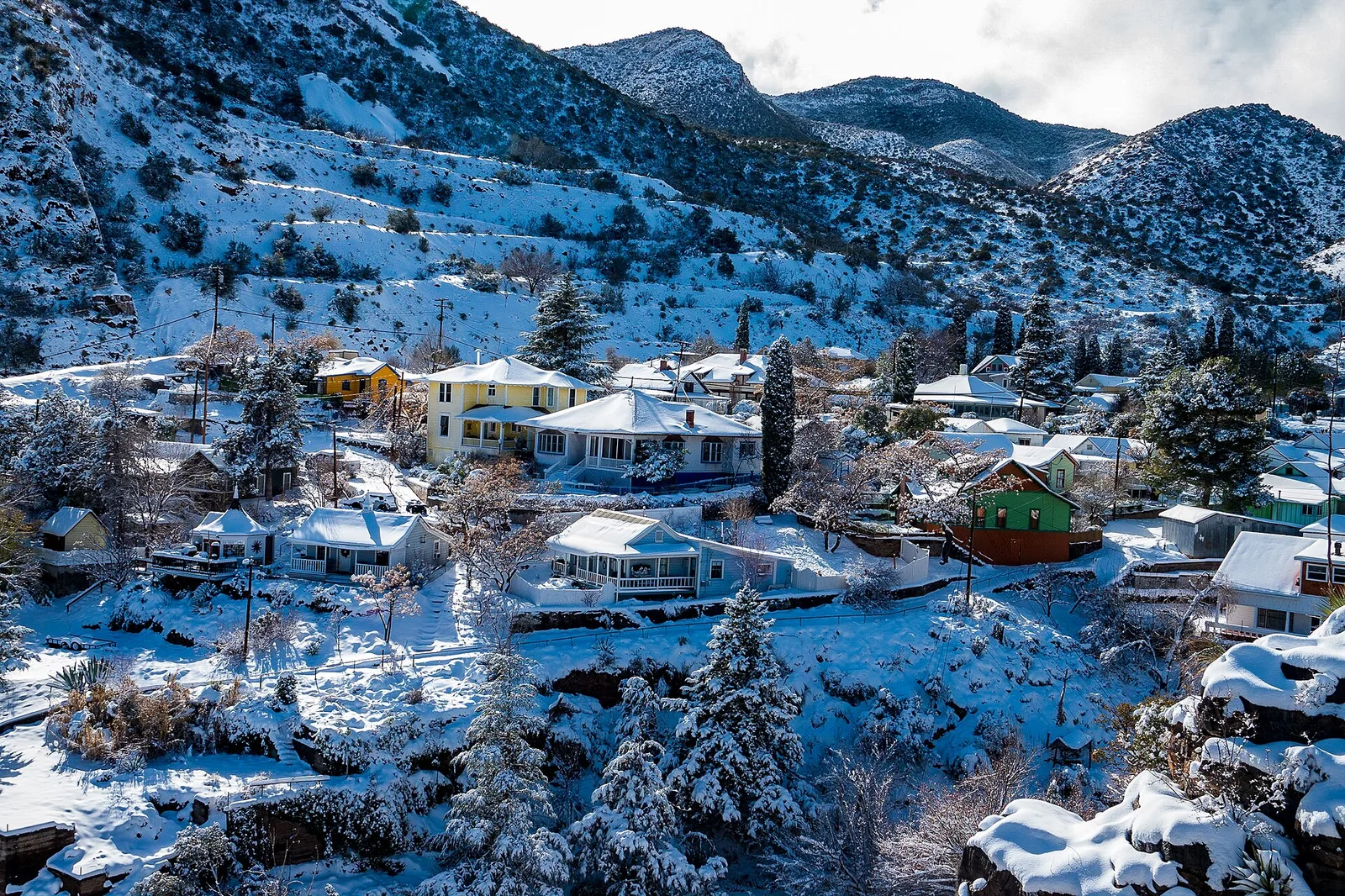
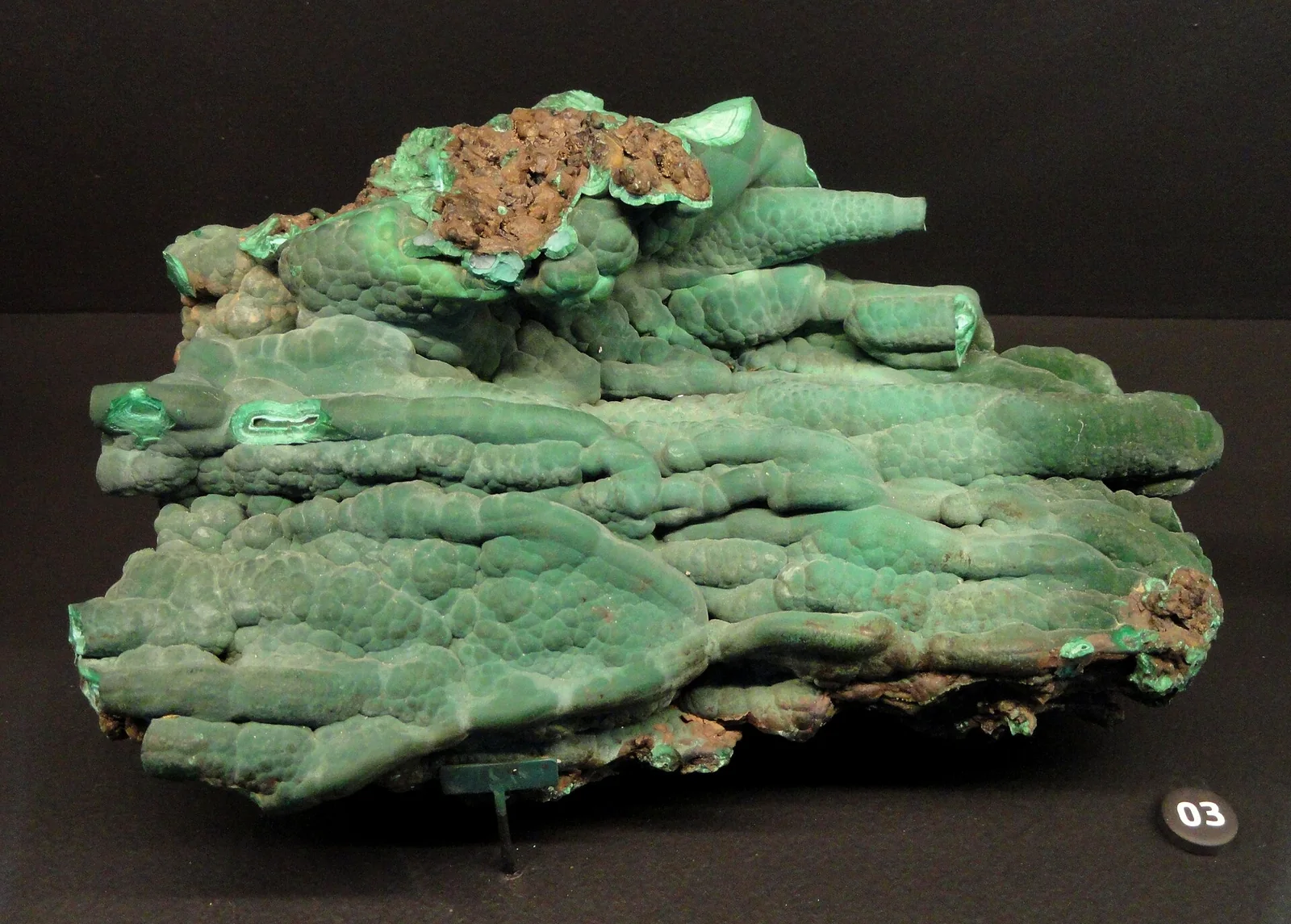
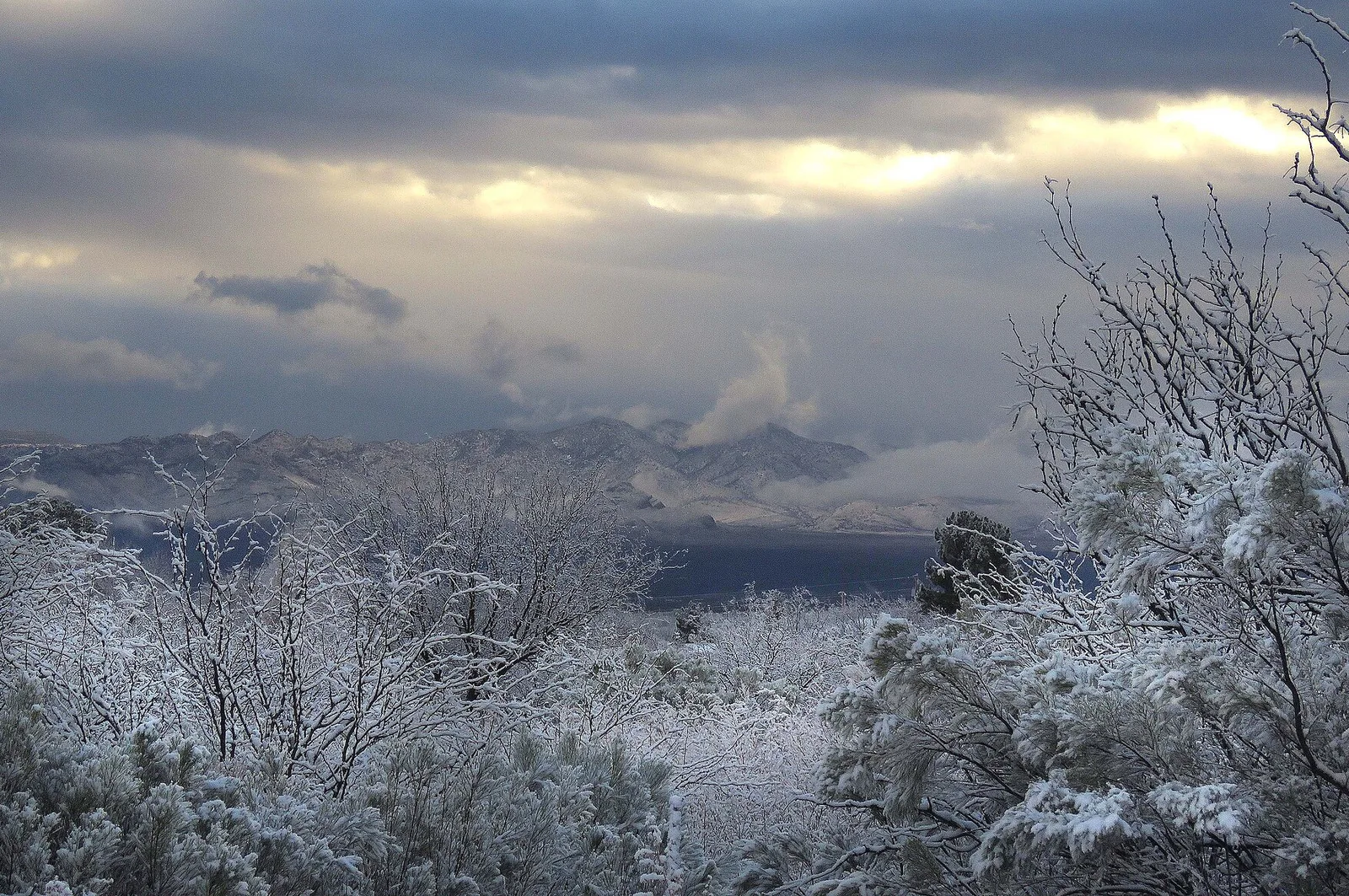
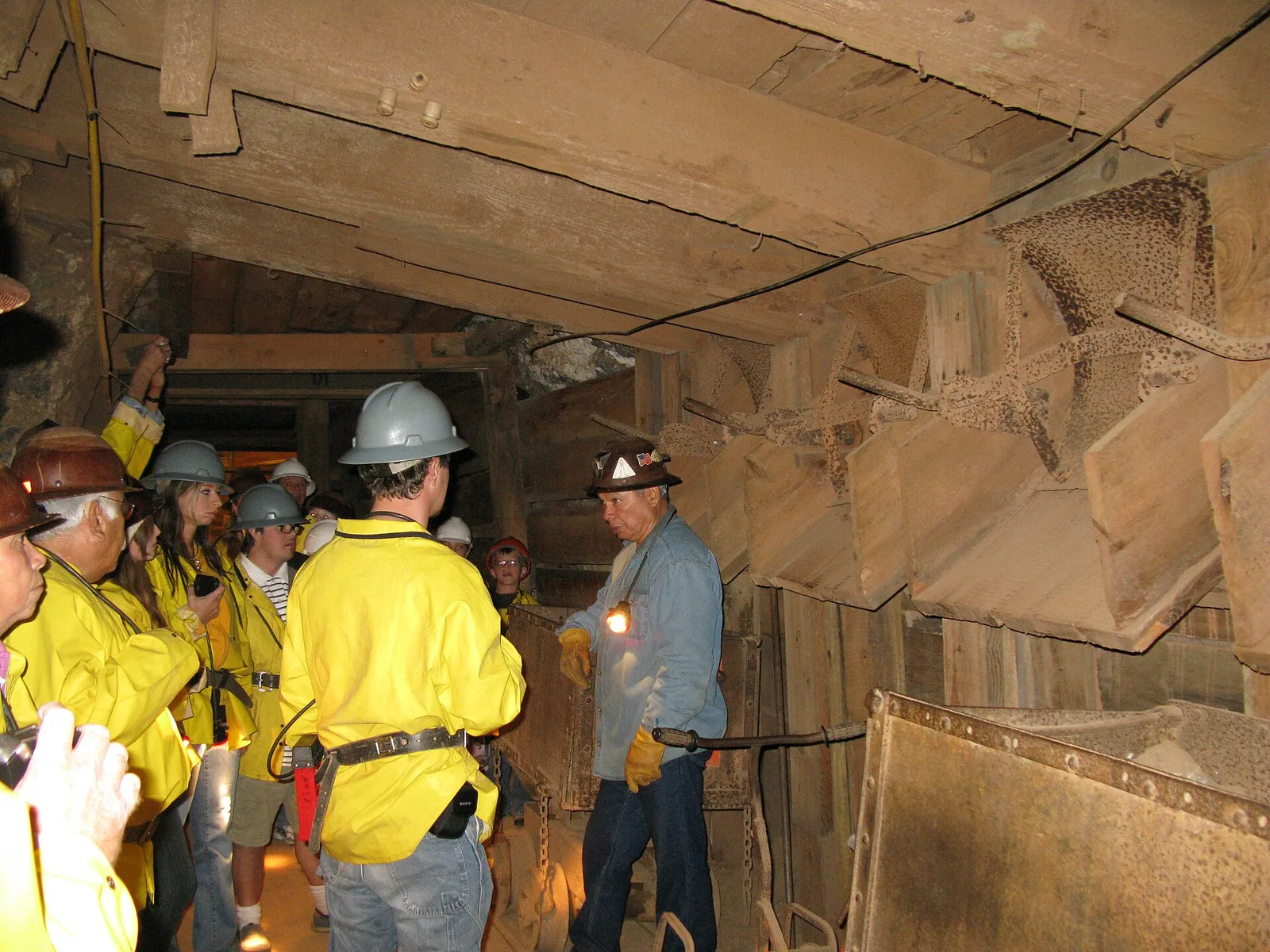
Cavmir markets Bisbee properties on character, which is the only thing that works here and the thing almost every listing wastes. These are strange, beautiful old houses on a hillside in a town that looks like nowhere else in Arizona, and the standard listing photographs them like a suburban rental. We shoot the staircases, the canyon, the porch view over the rooftops, and the interior in the light it actually gets. We write copy that tells a guest what a weekend here is — the mine tour, Brewery Gulch, the drive to Tombstone or the Chiricahuas, the birding down at Ramsey Canyon. We build the direct-booking site and get it visible for the Bisbee, Cochise County and southern Arizona searches, and we build a summer position aimed squarely at people trying to get out of Phoenix heat, because the elevation is a genuine and under-used selling point. We build the email list that keeps a low-rate, high-occupancy market profitable through repeat stays. We help position and market your property. We never manage it or touch your keys.
Copper built Bisbee and copper left it. Ore was found in the Mule Mountains in the 1870s and the Copper Queen mine became one of the richest in the world, producing not just copper but silver, gold and the blue-green turquoise that still carries the town's name. At its height around the turn of the twentieth century Bisbee was among the largest cities between St. Louis and San Francisco, with an opera house, a stock exchange, streetcars and a hotel that opened in 1902 and is still operating. Because the town was built into a narrow canyon, the houses went up the walls, connected by concrete staircases rather than streets — around a thousand steps in total, which the town now races up once a year.
The history is not all picturesque. In 1917, during a strike, more than a thousand miners were rounded up at gunpoint, loaded into boxcars and abandoned in the New Mexico desert. The Bisbee Deportation is one of the more notorious episodes in American labour history and the town does not hide from it. Underground mining wound down through the mid-twentieth century, the Lavender Pit open-cut operation closed in the 1970s, and the population collapsed.
What happened next was accidental and is the reason the town exists in its current form. Empty Victorian houses in a beautiful canyon at five and a half thousand feet were extremely cheap, and through the 1970s and 1980s artists, writers, musicians and people generally looking for somewhere else to be bought them. Bisbee became an arts town without ever planning to, and the combination — intact turn-of-the-century architecture, a genuinely odd population, a Smithsonian-affiliated mining museum and an underground mine tour on the original ore train — turned it into a destination. The short-term rental market followed, and the city adopted a vacation rental ordinance effective at the start of 2023 to give it a framework.
Bisbee is a volume and occupancy market, not a rate market, and pricing strategy should follow that honestly. Nightly rates here are well below the Arizona destination towns, and no amount of positioning will make Bisbee price like Sedona. What it has instead is a genuinely flat calendar with no dead quarter, and the way to make money is to fill more of it at a firm, consistent rate rather than to chase peaks. Spring and autumn are the best weather and the strongest demand. Summer holds up because the elevation makes this a real escape from Phoenix and Tucson heat, and that is the single most under-used pricing argument in this market — a property that leads with the temperature difference in July is selling something its Phoenix competitors physically cannot. Winter is mild and draws snowbirds, birders working the border canyons, and longer stays. The event calendar matters: the October stair climb fills the town, and the art walks and festival weekends produce reliable spikes. A sensible structure is a firm base rate with modest seasonal adjustment, event dates priced separately, and an explicit weekly and monthly rate to capture the longer-stay guest, who in this market is worth more than an extra weekend.
The flattest calendar in this wave. Spring, roughly March through May, and autumn, September through November, are the best weather and the busiest. Summer is warm but at five and a half thousand feet it is fifteen to twenty degrees cooler than Phoenix, which makes it a genuine escape market rather than a dead season — July and August hold up better here than in any low-desert Arizona town. Winter is mild, sunny and draws snowbirds and birders, with longer average stays. There is no quarter in which this town empties out. That is unusual and valuable, and it means the owner's job here is occupancy management and cost control across twelve months rather than surviving a long off-season.
Arizona's framework has moved twice and both moves matter. State legislation in 2016 broadly preempted local governments from prohibiting or effectively banning short-term rentals, which produced a decade of very light regulation across Arizona. Legislation in 2022 then restored a meaningful measure of local authority: jurisdictions may require a regulatory permit or licence, impose occupancy limits, require liability insurance, enforce health and safety standards, require emergency contact information, and act against nuisance activity with escalating penalties for repeat violations. Arizona cities have used that authority to varying degrees.
Bisbee acted. The city adopted an ordinance addressing vacation rentals and short-term rentals with effect from 1 January 2023, applying to individually or collectively owned single-family and one-to-four-family houses and dwelling units, as well as units in condominium, cooperative and timeshare arrangements. Operating requires a city business licence, obtained through City Hall, and the city publishes a short-term rental guide and checklist that sets out the registration steps. Read the ordinance and the checklist in full rather than a summary, and confirm what applies to your specific property type, because the ordinance's coverage of collectively owned and multi-unit properties is broader than owners often assume.
On tax, Arizona levies transaction privilege tax on transient lodging at the state level, the county applies its excise, and Bisbee applies its city sales tax to vacation rentals and short-term rentals at the ordinary city rate of three and a half percent. Booking platforms remit portions of these on the reservations they process; direct bookings are your responsibility. Register with the Arizona Department of Revenue and with the city, and set your filing calendar before you begin driving direct traffic. Given the town's historic housing stock, also confirm that any renovation work you plan complies with the requirements applying in the historic district.
Photograph the town, not just the house. Bisbee's value is that it looks like nowhere else in Arizona — houses stacked up a canyon wall, concrete staircases instead of streets, a 1902 hotel, a mine headframe on the skyline. A listing shot like a suburban rental throws all of that away. Get the porch view over the rooftops, get the staircase, get the canyon at dusk. Second, lead with the temperature in summer. Five and a half thousand feet means high eighties when Phoenix is at a hundred and fifteen, and that is a concrete, checkable, extremely persuasive fact for a guest three hours north sweltering. Almost no listing here says it. Third, be clear about the stairs. Many properties here are reached by a flight of steps and some by a great many, and a guest with mobility limits who was not told will not be gracious about it. Say the number. Fourth, build the weekend for them: the mine tour, Brewery Gulch, Tombstone, the birding canyons, the drive out to the Chiricahuas. Fifth, sell length of stay — in a low-rate market a five-night booking is worth much more than fighting for one extra Saturday. Sixth, use the history properly, including the difficult parts. Guests who come to Bisbee want the real story, and the town tells it.
Low rates are the structural reality: occupancy is good and steady, but the ceiling on nightly rate is genuinely lower than in Arizona's destination towns, so margins depend on cost control and filling the calendar. The housing stock is old and built on a hillside, which means maintenance, access and stairs are constant considerations. Distance from a major airport limits the visitor pool to drive markets and road-trippers. The town's population is small and opinionated, and rental density is a live local topic. And the ordinance covers more property types than owners often realise, so compliance needs actual reading rather than assumption.
Bisbee's ordinance requires liability insurance as a condition of operating, so this is a compliance matter as well as a prudent one — get a proper short-term rental policy with limits that meet or exceed what the city requires, and keep the certificate current. The building stock drives most of the rest of the conversation. These are old houses, often over a century old, frequently on steep lots, with original wiring, old plumbing and access by stairs. Stairs are the leading injury exposure in this town and your carrier should hear about them. Mining history means some properties sit on ground with unusual subsurface conditions; disclose what you know. Wildfire risk applies in the surrounding hills and monsoon-season flash flooding through the canyon is a real local phenomenon that affects roads and occasionally property. If you have a pool, a hot tub or elevated decks, declare them. Ask for guest injury, guest property damage and loss of rental income after a covered event to be confirmed in the policy language.
Arizona levies transaction privilege tax on transient lodging at the state level, Cochise County applies its excise, and the City of Bisbee applies its city sales tax to vacation rentals and short-term rentals at the ordinary city rate of three and a half percent. Register with the Arizona Department of Revenue, which administers city tax collection for most Arizona municipalities under the model city tax code, and hold a City of Bisbee business licence as the ordinance requires. Booking platforms collect and remit portions of the applicable taxes on reservations they process; direct bookings are your obligation, and in a market where longer stays and repeat guests are the profitable strategy, direct bookings will be a meaningful share of your revenue. Get registered and set the filing calendar before you start driving that traffic. Confirm the current combined rate with the Department of Revenue and the city rather than a third-party summary, and keep platform and direct revenue in separate ledgers.
Bisbee is an inexpensive market by Arizona standards and that shapes the financing conversation in useful ways — down payments are smaller in absolute terms and debt-service-coverage lending works comfortably against steady occupancy. The complications are the building stock. Century-old houses on steep lots produce inspection findings that lenders and insurers both react to: foundations on hillside sites, original electrical, roofs, and in some cases retaining structures. Properties reached only by stairs can affect appraisal comparisons. Mixed-use and multi-unit buildings downtown may need a commercial or portfolio product rather than residential financing, and the city ordinance's coverage of multi-unit and collectively owned property should be checked against your plan. Second-home financing is cheaper than investment lending and the intended-use question matters. The market-specific modelling point is that this is a low-rate, high-occupancy business — a model built on the rates of a destination town will be wrong, and one built on twelve months of steady occupancy at a modest rate will be closer to reality.
Bisbee is the opposite of a market like Scottsdale. This old copper town of a few thousand people, folded into the Mule Mountains as the seat of Cochise County, sits under the very same state laws — SB 1350's 2016 preemption and SB 1168's 2022 toolkit — but it has chosen to regulate with a light hand. There's a real ordinance and you do have to register, but the paperwork is modest and there's no cap, no night limit, and no primary-residence rule. For an operator, the surprise here isn't the red tape; it's the tax stack, which is fiddlier than the permit will ever be, and the insurance floor, which trips people who mistake a quiet town for no rules at all.
Bisbee's rules live in Ordinance O-22-15, in effect since the start of 2023. In practice it asks three things: hold a City of Bisbee business license, register the rental, and give the City Clerk contact information for a person who can respond to complaints at any hour. You also keep a current Arizona TPT license and display that number on your listings. That's largely the whole list. What you won't find is a published night cap, an occupancy formula, a primary-residence requirement, or a zoning carve-out — because like every Arizona city, Bisbee can't ban or cap rentals under SB 1350. SB 1168 simply let it add a thin layer, and it kept the layer thin. Read the current ordinance and checklist with the City Clerk before you list, since a small city updates its rules quietly and a summary online may already be out of date.
Don't mistake Bisbee's light touch for “no insurance needed.” The city's own short-term-rental page is quiet on the subject, but Arizona's statewide framework (A.R.S. 9-500.39) sets a liability floor of at least $500,000 for short-term rentals, satisfied either by your own short-term-rental-endorsed policy or by listing on a platform whose coverage meets or beats that number. That distinction matters the moment you take a direct booking, because a reservation that doesn't run through Airbnb or Vrbo can't lean on the platform's policy — the coverage has to be yours. Talk to an agent who actually writes short-term-rental cover rather than assuming a standard homeowner's policy carries it, because most don't, and a claim on an old hillside house is a bad time to find that out.
Short stays fall under Arizona's transient-lodging classification, so a guest's bill layers up. There's the state transient-lodging tax (about 5.5%), Cochise County's small share (roughly a percent), and Bisbee's own city tax. The city's guidance says short-term rentals pay the ordinary 3.5% city sales tax, part of which it internally codes to its visitor fund — but some published lodging-tax tables list a noticeably higher combined figure for Bisbee, so don't set your pricing off a number you found in a table online. Airbnb and Vrbo collect and remit most of it on the bookings they process, yet you still hold your own state TPT license, still file returns (reporting the income and then deducting what the platform paid), and stay ultimately liable. Confirm the exact combined rate and your filing setup with the city and your accountant before you go live.
Bisbee's whole appeal is that it never got polished. Copper ran from the 1880s until Phelps Dodge wound down the Copper Queen and closed the underground work by 1975, and instead of fading, the town reinvented itself as a haven for artists and characters rather than a resort. Its Victorian houses stacked up the canyon walls are the product, and heavy rental rules would fight the very thing guests drive in for. That said, a few thousand people in a tight canyon notice everything, and rental density is a live local conversation. A quiet, well-kept house and a local contact who genuinely answers will do more for your longevity here than anything you could put in a listing.
Arizona's regulatory pendulum is the thing to watch. The state swung from broad preemption in 2016 to restored local authority in 2022, and cities across Arizona have been steadily using that authority since. Bisbee already has an ordinance in force; the more likely direction over time is refinement and tighter enforcement rather than loosening. Keep your licence, your insurance and your emergency contact current and this is a non-event. The second thread is the town's own economics. Bisbee's population is small and ageing, its housing stock is old and expensive to maintain, and the balance between visitor accommodation and resident housing is a live local conversation, as it is in every small arts town that got discovered. The third, and the most encouraging, is climate. As summers in Phoenix and Tucson get more extreme, a town at five and a half thousand feet ninety minutes from one of them and three hours from the other becomes more valuable, not less. The owners who market the elevation deliberately are positioned for exactly that.
Bisbee is the strangest town in Arizona and it has earned the title honestly. It is built into a canyon in the Mule Mountains, which meant there was no room for streets, so the houses climb the walls connected by concrete staircases — around a thousand steps, still in daily use, and once a year the town runs a race up them. There is a hotel from 1902 with the original bar. There is a mine tour where you put on a slicker and a hard hat and ride the actual ore train underground. There is a bar street called Brewery Gulch that has been continuously disreputable since the copper boom. When the mines closed in the 1970s the town emptied and artists bought the empty Victorians for almost nothing, which is why a former company mining town is now full of galleries, bookshops and people who moved here in 1978 and never left. And at five and a half thousand feet it is fifteen or twenty degrees cooler than Phoenix, which turns out to be the most commercially useful fact about it. What we like about marketing here is that the town is genuinely distinctive and almost every listing wastes it. Property after property is photographed like a rental in Mesa. The rates are low, the occupancy is steady all twelve months, and the owner who actually shows what this place looks like — the staircases, the canyon at dusk, the rooftops below the porch — is competing on something none of the others have bothered to use.
A great property in Bisbee doesn't just want a listing — it wants a point of view, an audience, and a brand the city itself would recognise.
Eight things for the guest guide. Real names and honest warnings — starting with how many stairs there are.
Bisbee faces east into a narrow canyon and the light comes down the far wall first. Coffee on the porch watching it move down the rooftops is the reason people buy houses here.
The restaurant count is small for a town with this many visitors and weekends fill. Tell guests to reserve, and note which places close early on quiet weeknights.
The old bar street, continuously operating since the copper days and still the centre of the town's social life. Send guests down for one drink and let them work out the rest.
You ride the original ore train underground in a slicker and a hard hat, and the museum on the square is a Smithsonian affiliate. Two solid hours indoors and both genuinely good.
At five and a half thousand feet Bisbee runs fifteen to twenty degrees cooler than the valley. It is the best-kept summer secret in Arizona and the rates do not reflect it.
Tombstone is twenty-five minutes for the tourist version of the Old West. Ramsey Canyon and the Chiricahuas further out are among the best birding in North America.
An enormous open-cut mine, closed since the 1970s, in colours that do not look real. Two minutes from downtown and a genuinely sobering thing to stand in front of.
Answer with a number, in the listing, before they book. Bisbee is built on staircases and a guest with a bad knee or a heavy bag needs to know. Honesty here prevents your worst review.
Guests who find a Bisbee rental on Airbnb search its name afterwards, and the page they should land on is the owner’s own site. Cavmir builds vacation rental websites of 40 to 125 pages in the owner’s brand. For a home that only lists on Airbnb, that is a website for your Airbnb: your name and domain, your photos, your area guides and your reviews, with a button that sends guests to the listing. For homes on Hostaway, Guesty or Hospitable it is a direct booking website: live availability and prices from the PMS, the whole stay priced before checkout, and the booking completed in the PMS. Both start from the same vacation rental website design, run the TrollBuster™ compliance scan before launch, and are yours at launch: domain, code, content and photos.
The guide pages of a Bisbee site can start with the picks on this page: The canyon from a porch before eight, Dinner downtown on a weekend and Brewery Gulch. Each one is a search a guest makes before choosing a home, and each becomes a page that leads to the booking button.
Packages start at $1,475 for the Starter Website (40 pages, two to three weeks) and run to $3,732 for Full with Direct Booking (125 pages, booking synced with your PMS); the current prices are on the pricing page.
A few composite engagements, drawn from how Cavmir typically works with owners in a low-rate, steady-occupancy historic town. Illustrative rather than any single client's file.
A distinctive century-old house photographed like a generic rental, competing on price in a market where price is not the differentiator that matters.
Reshot to lead with the canyon, the staircase and the rooftop view from the porch, rewrote the copy around the town's actual character, and built a direct-booking site with an event-date rate structure.
The listing began attracting guests choosing Bisbee specifically rather than shopping southern Arizona on price, holding a firmer rate through the whole year.
A soft summer calendar, with the elevation advantage over Phoenix and Tucson never mentioned anywhere in the marketing.
Built an explicit summer position around the temperature difference, with campaigns aimed at Phoenix and Tucson in the hottest months and copy that stated the elevation and the actual July highs.
Summer occupancy improved from a low-desert escape audience that had not previously been targeted, in months the owner had written off as the slow season.
Two properties with very different access — one at street level, one up three flights of public stairs — marketed with identical copy and no mention of the difference.
Split the positioning by accessibility, stated stair counts plainly in both listings, and built one owner-branded site with cross-referral so a guest who needed level access was routed correctly.
Mismatched arrivals stopped, review sentiment improved on both properties, and enquiries blocked on one calendar were more often retained by the other.
Demand in Bisbee peaks around March, April and October and runs quietest around January, June and July. Here is how the year actually books — and what to do about each stretch of the calendar.
Spring from March through May and autumn from September through November are the best weather and the busiest weeks, with the October stair climb filling the entire town. Because rates here are lower than Arizona's destination towns, the goal is a firm base rate held across a full calendar rather than aggressive peak pricing.
Summer is the most under-used opportunity in this market. At five and a half thousand feet Bisbee runs fifteen to twenty degrees cooler than Phoenix, which makes July and August a genuine escape product that almost no listing here advertises. Winter is mild and draws snowbirds and birders on longer stays.
There is no dead quarter, which is unusual and valuable. The softest weeks are the hottest part of summer and the deepest part of winter, and both respond to weekly and monthly rates rather than discounting nightly. Use the quiet weeks for maintenance on what is genuinely old housing stock.
The October stair-climb weekend books months ahead. Spring and autumn weekends run on a two to five week window. Summer and winter long stays are frequently arranged well in advance and directly. Midweek is short notice.
Two and three nights for weekenders, with a meaningful and under-served market for weekly and monthly stays. In a low-rate market, length of stay is worth more than an extra weekend night.
Restored historic houses on the hillsides with a view over the rooftops are the distinctive product, and character beats square footage here every time. Level-access properties near downtown are genuinely valuable in a town built on staircases and should be marketed on that basis. Anything set up for a productive week or month of work serves an audience this town has attracted for decades.
Start with photography that shows what a guest actually gets here, then write the listing around a real itinerary rather than a feature list. Build a direct-booking site so returning guests can come back without going through a platform, and keep an email list segmented by season so you can reach last year's visitors before the calendar opens. Local search matters more than people expect in a market this size, because guests search the destination and the attraction rather than the word rental. A marketing agency layer handles the photography, the listing copy, the direct-booking site and the local SEO as one system instead of four disconnected jobs.
There is no real off-season, which is unusual. Spring from March through May and autumn from September through November have the best weather and the busiest weeks, and the October stair climb fills the whole town. Summer holds up because the elevation makes this fifteen to twenty degrees cooler than Phoenix, and winter is mild and draws birders and longer stays.
The October stair-climb weekend books months ahead. Spring and autumn weekends run on a two to five week window. Weekly and monthly stays in summer and winter are often arranged well in advance and directly with the owner. Midweek is short notice, which is fine in a market with steady year-round demand.
Tucson at ninety minutes and Phoenix at about three and a half hours supply most of the guests, along with Sierra Vista, El Paso, Las Cruces and Albuquerque. Almost everyone drives. Tucson is the practical airport. The summer audience specifically is people leaving the low desert to escape the heat, and they are worth targeting directly.
Character and view do the most work — a porch looking down over the rooftops sells this town better than any appliance. Reliable heating and cooling matter in old houses. Fast wifi and a real workspace serve the long-stay audience Bisbee has always attracted. And state your stair count honestly, because access is the practical detail guests most need and most often are not told.
Run your Airbnb, Vrbo, or website through Cavmir's free grader. It checks the things that decide whether guests book in Bisbee — photos, listing copy, page speed, local search — and shows you where bookings leak. Takes about a minute, and there's no sales call attached.
If the report says your booking engine is the weak link, that's fixable: a direct-booking website of your own means repeat guests stop paying platform fees to come back to you. That's the work Cavmir does — see Airbnb website design in Bisbee.
Send us the listing and we'll tell you what we'd change. Not a pitch deck — a straight read on your photos, your title, your rates against the Bisbee comp set, and whether a direct-booking site would pay for itself.
You'll hear back from a person, usually inside one business day. If we don't think we can move your numbers, we'll say so. Cavmir is a short-term rental marketing agency — we position and market properties, we don't manage them.
Talk to Cavmir today. We'll show you exactly what your Bisbee property is leaving on the table — and how fast we can change that.
Book a Free Strategy CallPhotography via Wikimedia Commons (images resized and cropped): Bisbee town 2 by Nicholas Hartmann (CC BY-SA 4.0) · Bisbee in the snow by Anakinsdad (CC BY-SA 4.0) · CopperQueenMineTour by Jlahorn (CC BY-SA 3.0).
